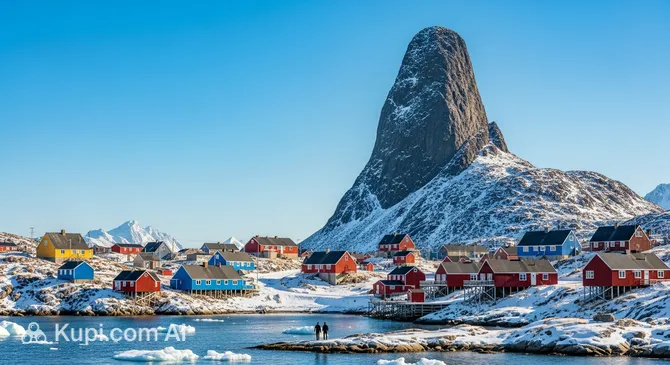
Shopping in Kullorsuaq is a unique experience that reflects the practical and traditional lifestyle of the High Arctic. Visitors should not expect a leisurely retail therapy session or bustling commercial streets. Instead, shopping here is primarily utilitarian, focused on essential supplies for survival in the harsh environment. However, for the culturally curious traveler, the limited options offer a rare chance to engage with the local community and discover authentic Inuit craftsmanship that cannot be found in mass-market souvenir shops.
There are no designated shopping districts or fashion avenues in the settlement. The commercial activity is concentrated in the heart of the village, where the few public facilities are located. The "main street" is simply the central path connecting the harbor, the heliport, and the community service buildings. This compact layout means that everything is within a few minutes' walk, and the shopping experience is integrated into the daily rhythm of village life.
Travelers looking for shopping malls will not find them here. Kullorsuaq is a small settlement with a population of around 450 people, and large-scale retail infrastructure does not exist. The closest thing to a department store is the local Pilersuisoq, a state-run supermarket found in almost every Greenlandic town and settlement. This store sells absolutely everything the community needs, from groceries, fresh produce, and rifles to clothing, toys, and boat equipment. It is the lifeline of the village and a fascinating place to browse to understand the logistics of life in the north.
The most interesting "retail" experience is undoubtedly Brættet (The Board), the local open-air market. Located near the harbor or central area, this is where local hunters and fishermen sell their daily catch. Depending on the season, you might find fresh halibut, seal meat, whale skin (mattak), or seabirds. While you may not be buying raw meat to take home, visiting Brættet is essential for witnessing the subsistence economy in action and seeing the fresh ingredients that form the basis of the local diet.
When it comes to souvenirs, Kullorsuaq offers treasures for those who know where to look. You won't find a dedicated gift shop. Instead, you can purchase authentic handicrafts directly from local artisans. The region is known for skilled carvers who create intricate tupilaks (ritual figures) from reindeer antler, muskox horn, or bone. Beautiful beadwork and items made from seal skin, such as mittens or slippers, are also produced locally. To buy these, you often need to ask around or be introduced to a maker, making the purchase a personal cultural exchange.
Opening hours in the settlement can be limited compared to larger towns. The Pilersuisoq store typically opens on weekdays from morning until late afternoon, with reduced hours on Saturdays and often short opening times on Sundays. It is wise to check the specific hours posted on the door upon arrival. Regarding payment, the Danish Krone (DKK) is the official currency. While the supermarket usually accepts major credit cards, the connection can be unreliable due to the remote location. For the open-air market or buying souvenirs from locals, cash is mandatory. There are no ATMs in Kullorsuaq, so you must bring sufficient cash with you from a larger town.
Regarding tax-free shopping, Greenland is not part of the EU VAT area, and the concept of "tax-free shopping" with refunds at the airport generally applies to tourists buying goods in larger towns to export. In a small settlement like Kullorsuaq, there is no infrastructure for processing tax refund forms. The prices you see are the prices you pay, and given the high cost of transport to this remote location, goods are generally more expensive than in Europe or North America.