Support

Savissivik

About

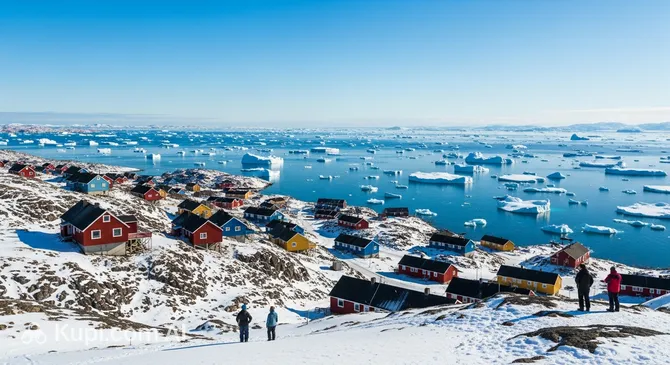
Welcome to Savissivik, a remote and captivating settlement located in the northern reaches of Greenland. Situated on Meteorite Island at the northern end of Melville Bay, this small village offers an authentic glimpse into life in the High Arctic. With a population of approximately 66 residents, it is a tight-knit community where traditional Inuit culture remains a vital part of daily existence.

Savissivik. Source: Kupi.Binoculars

The settlement's name translates to "the place of iron" or "place where we find iron," a reference to the numerous meteorite fragments found in the area. For centuries, these iron deposits were essential for local inhabitants who used them to craft tools and harpoons. You can discover more about this unique connection between the cosmos and local survival in the history of Savissivik.

Travelers who make the journey here are rewarded with spectacular natural scenery. The region is known as the "Graveyard of Meteorites" and is surrounded by massive icebergs and pristine Arctic landscapes. It is an excellent location for experiencing dog sledding and witnessing the majestic northern lights during the winter months. The area is also rich in wildlife, serving as a significant habitat for polar bears and narwhals.

If you are a true adventurer seeking solitude and an encounter with the raw beauty of the north, Savissivik is a destination that promises an unforgettable experience at the edge of the world.

Weather Overview

Savissivik experiences a harsh High Arctic climate, defined by long, frigid winters and very short, cool summers. Due to its location far north in Greenland, the settlement remains frozen for much of the year. February is typically the coldest month, with average temperatures dropping to -24.0°C and extreme lows reaching down to -26.7°C. Winters are generally dry in terms of precipitation, though the cold is intense and persistent.

Summer offers a brief thaw, but temperatures rarely rise significantly above freezing. July is the warmest time of year, yet the average temperature is only around 2.5°C, with daily highs peaking near 4.0°C. While precipitation volume is low overall, the late summer and autumn months, particularly August and October, see a higher number of "wet days," often manifesting as light snow or mist. To help you pack the right gear for these conditions, we recommend checking the detailed forecast for the weather in Savissivik.

Interesting Facts

Beyond the main attractions, Savissivik holds many fascinating secrets hidden within its icy landscape and rich history. Here are some unique insights into this remote Arctic community:

  • A Distinct Linguistic Heritage: Unlike the majority of the country where West Greenlandic is the standard, the residents here primarily speak Inuktun. This dialect is linguistically closer to the language of the Inuit in Canada than to the dialects spoken in Nuuk, serving as a living testament to the ancient migration routes across the Smith Sound.

  • The Cape York Giants: While the area is known for iron, few realize the sheer scale of the deposits found here. The region was home to the massive "Ahnighito" meteorite fragment, weighing over 30 tons. It was removed by explorer Robert Peary in the late 19th century and transported to New York, an event that drastically changed the local landscape and resource availability.

  • Extreme Isolation: Located near the treacherous ice of Melville Bay, Savissivik is one of the most difficult places to reach in Greenland by sea. The dense pack ice often restricts supply ships to just one or two visits per year during the brief late-summer window, making the village almost entirely dependent on helicopter links for the remainder of the year.

How to Get There

Reaching the remote settlement of Savissivik requires careful planning due to its isolated location in northern Greenland. For travelers looking for detailed logistics, you can read more about how to get to Savissivik on our dedicated page. The village is not accessible by road, and the journey typically involves flights to regional hubs followed by a helicopter transfer.

The city of Savissivik does not have its own airport, but you can fly into Pituffik Airport (IATA: THU) in the city of Dundas, which is about 111 km from Savissivik. Another option is Qaanaaq Airport (IATA: NAQ) located in Qaanaaq, approximately 197 km away. Given the Arctic terrain, travel from these airports is not possible by taxi or bus; instead, visitors must rely on scheduled helicopter flights or boat charters during the ice-free season.

For clarity, here is a summary of the main airports:

Airport Name City Passenger Traffic Km from City
Pituffik Airport Dundas Small 111.0
Qaanaaq Airport Qaanaaq Small 197.1

Main Attractions

While Savissivik is a small settlement with a population of just over 60 people, it offers unique attractions that draw adventurers to this remote corner of the globe. The village is not defined by grand museums or theme parks, but rather by its profound connection to geological history, Arctic wildlife, and traditional Inuit culture. Here are the main highlights for visitors.

The Meteorite Sites are the most significant claim to fame for the area. The name Savissivik means "Place of Iron," referring to the massive Cape York meteorite fragments that fell here thousands of years ago. For centuries, the local Inuit used this iron to craft harpoons and tools, creating a unique technological age in the Arctic. While the largest fragments were removed by explorers in the past, the landscape itself remains a monument to this cosmic event, and the area is a pilgrimage site for those fascinated by geology and history.

Melville Bay (Qimusseriarsuaq) provides a breathtaking natural backdrop to the settlement. Often called the "Iceberg Graveyard," this vast bay is filled with colossal icebergs that have calved from the Greenland Ice Sheet and become trapped in the sea ice. It is a prime location for photography and wildlife observation, serving as a critical habitat for polar bears, seals, and narwhals. The raw, untouched beauty of the bay offers a humbling perspective on the power of Arctic nature.

Traditional Dog Sledding is not just a tourist activity here; it is a vital way of life. In Savissivik, sled dogs often outnumber the human residents. Visitors have the rare opportunity to witness and participate in authentic dog sledding expeditions, which are the primary mode of transport for hunting and travel during the long winter months. Gliding across the frozen sea ice is an unforgettable experience that connects travelers with the ancient traditions of the High North.

The Village Church stands as a colorful beacon within the settlement. Like many Greenlandic villages, Savissivik features a modest but picturesque church that serves as the community's gathering place. Its bright structure contrasts sharply with the white snow and grey rock, offering a glimpse into the spiritual and social life of this tight-knit community. It is a peaceful spot to reflect on the resilience required to live in such an extreme environment.

Local Cuisine

The culinary experience in Savissivik is defined entirely by its location in the High Arctic and the traditional hunting lifestyle of its inhabitants. In a settlement of this size, there are no supermarkets filled with imported produce or commercial restaurants. Instead, the local diet is a testament to survival and adaptation, relying heavily on the catch of the day from the surrounding icy waters. For visitors, this offers a rare opportunity to taste food that is organic, wild, and harvested with deep respect for nature.

The most iconic delicacy you must try is mattak, a staple in Northern Greenland. It consists of whale skin with a layer of blubber, usually from narwhal or beluga, which are common in the waters of Melville Bay. Mattak is rich in Vitamin C and is typically eaten raw, offering a nutty flavor and a chewy texture. Another cornerstone of the local menu is suaasat, a hearty traditional soup. While it can be made with seabirds or fish, in this region it is most often prepared with seal meat, boiled with onions, potatoes, and rice to create a warming, energy-rich meal essential for the cold climate.

When it comes to beverages, the social culture revolves around kaffemik. This is a traditional Greenlandic coffee gathering where locals host friends and visitors for coffee, tea, and an assortment of homemade cakes and pastries. It is the heart of social life in the village. Alcohol is available but expensive due to transport costs; it is typically purchased at the local store rather than served in bars. For a non-alcoholic refreshment, nothing beats the purity of water melted directly from nearby glacier ice, which is incredibly fresh and clean.

Travelers should be aware that there is no formal dining scene in Savissivik. You will not find cafes or street food stalls here. Meals are usually arranged through your accommodation, such as a local guesthouse, or shared in private homes if you are invited by residents. For snacks and basic supplies, the village is served by a Pilersuisoq store, which stocks imported goods and daily necessities. Dining here is a communal and intimate affair, offering a genuine connection to the Inuit way of life.

Travel Tips

Visiting a remote outpost like Savissivik in Greenland requires significantly more preparation than a standard holiday, as the extreme isolation and Arctic environment demand respect and foresight. To ensure your journey to this unique settlement is safe and enjoyable, here are some essential practical tips to help you pack and plan effectively.

  1. Clothing and Gear: In the High Arctic, your clothing is your lifeline. Dress in multiple layers, starting with merino wool or thermal base layers, followed by insulating fleece or down, and topped with a high-quality windproof and waterproof parka. Sturdy, insulated boots are non-negotiable, even in summer, as the ground can be icy or muddy. Don't forget a warm hat, waterproof gloves, and sunglasses to protect against the intense glare of the sun reflecting off the ice and snow.
  2. Transportation: There is no public transport, taxi service, or car rental within Savissivik. The village is small enough to navigate entirely on foot. For travel outside the settlement, such as hunting trips or sightseeing, locals rely on dog sleds in winter and small boats in summer. These must be arranged privately with local guides, as there are no formal tour agencies.
  3. Finances: The local currency is the Danish Krone (DKK). While the local Pilersuisoq store may accept credit cards (Visa/Mastercard), connection issues are common in such remote areas. It is critical to bring enough cash to cover your entire stay, including payments for accommodation, boat transfers, or souvenirs from local artisans, as there are no ATMs in the village.
  4. Health and Safety: Medical facilities are extremely limited, typically consisting of a small nursing station for basic care. Serious emergencies require helicopter evacuation to a larger town, which is strictly weather-dependent. Bring a complete personal first-aid kit and an ample supply of any prescription medications you need. Be aware that polar bears are present in the region; never wander outside the village limits without a guide or a rifle.
  5. Communication: The primary language is Inuktun (Polar Eskimo) and West Greenlandic; English proficiency may be limited among older residents. A few phrases like "Qujanaq" (Thank you) go a long way. Mobile coverage is provided by Tusass, but data can be slow and expensive. It is advisable to buy a SIM card in a larger town like Qaanaaq or Ilulissat before arriving, and do not rely on finding public Wi-Fi.
  6. Local Etiquette: The community is small and private. Always ask for permission before photographing locals, their children, or their property. If you are invited into a home, it is customary to remove your boots immediately upon entering. Socializing often happens over coffee; if invited to a "kaffemik," it is polite to accept.
  7. What to Avoid: Never approach or try to pet the sled dogs. They are working animals, not pets, and can be aggressive toward strangers. Additionally, avoid walking on sea ice unless you are with an experienced local guide, as currents and tides can make the ice unstable and dangerous even when it looks solid.
  8. Shopping Logistics: The village relies on the Pilersuisoq store for almost all supplies. Opening hours can be short and may change unexpectedly. Be mindful that fresh produce is rare and expensive, as it is flown in by helicopter. If you have specific dietary requirements, bring your own specialty food items with you.

By packing the right gear and respecting the local way of life, you will be well-equipped to embrace the solitude and raw beauty of Savissivik. This is a place where nature dictates the schedule, so bring a flexible attitude and a spirit of adventure for a truly memorable Arctic experience.

Entertainment & Nightlife

Entertainment and nightlife in Savissivik are defined not by bustling clubs or neon-lit streets, but by the profound silence and raw beauty of the High Arctic. Visitors should adjust their expectations immediately: there are no nightclubs, cocktail bars, discos, or concert venues in this settlement of approximately 66 people. The concept of a "night out" here is entirely different, revolving around nature, community gatherings, and the unique atmospheric conditions of the north.

There are no specific nightlife districts or party streets. The village is small enough to be walked in a few minutes, and the streets are quiet after dark. During the winter months, the "nightlife" is dominated by the spectacular Northern Lights (Aurora Borealis). With zero light pollution, the village offers a front-row seat to this cosmic show. Standing outside and watching the green and purple ribbons dance across the sky is the premier evening activity for any traveler venturing this far north.

Since there are no commercial bars, social life takes place in private homes or community spaces. Alcohol is not served in restaurants (as there are none) but can be purchased during opening hours at the local Pilersuisoq store. This general store acts as the lifeline for the village, supplying everything from groceries to hunting gear. Travelers wishing to enjoy a drink in the evening should buy their supplies here and enjoy them quietly at their accommodation. Another hub for social interaction is the Community Hall (Forsamlingshus), where locals may gather for special occasions, celebrations, or traditional games, though these are not scheduled tourist events.

Practical advice for the evening is simple: bring your own entertainment. Books, cards, and good conversation are essential. The "opening hours" for social activities are informal and dictated by the season. In summer, the Midnight Sun means the sun never sets, blurring the line between day and night, allowing for hiking or photography at 2:00 AM. In winter, the Polar Night brings 24-hour darkness, creating a cozy, introspective atmosphere indoors.

Safety at night in Savissivik is less about crime and more about the environment. The village is incredibly safe regarding human interaction; however, the surrounding wilderness poses real risks. Polar bears are a genuine threat in this region and can approach the settlement. You should never walk beyond the village limits at night without a local guide and appropriate protection. There are no taxis or public transport; getting around is done exclusively on foot.

While the nights are quiet, daytime entertainment offers a chance to connect with the Arctic lifestyle. Visitors can explore the rugged coastline, observe the massive icebergs in Melville Bay, or watch the locals prepare their sled dogs for expeditions. There are no museums or amusement parks, but the landscape itself serves as a living theater of geology and survival, offering an experience far more memorable than a typical city night out.
Parks & Museums

In the remote settlement of Savissivik, the concepts of "parks" and "museums" are redefined by the vast, untamed wilderness of the High Arctic. You will not find manicured gardens or ticketed exhibitions here; instead, the surrounding landscape serves as a boundless natural park, and the village itself is a living museum of Inuit heritage and geological history.

Melville Bay (Qimusseriarsuaq) acts as the region's primary natural playground and protected area. While not a park in the traditional sense, this immense body of water and ice functions as a dynamic nature reserve. Visitors can walk along the rugged shoreline to witness a constantly changing gallery of colossal icebergs, some of the largest in the Northern Hemisphere. The area is a sanctuary for Arctic wildlife, where the silence is broken only by the cracking of ice or the breath of a surfacing whale, offering a raw connection to nature that no city park can emulate.

The Hills of Meteorite Island offer accessible hiking terrain directly from the village. In summer, the rocky slopes are dotted with hardy Arctic flora, transforming the stark grey landscape with patches of purple saxifrage and yellow poppies. Walking these trails provides panoramic views over the settlement and the sea ice, allowing travelers to explore the very ground that once held the famous Cape York meteorites. The terrain is rugged and unmaintained, serving as a wild garden maintained solely by the elements.

Culturally, the Savissivik Church stands as the community's central repository of history and spirit. As the most prominent building in the village, it effectively serves the role of a local gallery and cultural center. Its simple yet striking architecture, typical of Danish colonial style, provides a warm contrast to the frozen surroundings. Inside, the atmosphere reflects the resilience of the congregation, blending Christian traditions with the deep-rooted community bonds essential for survival in the north.

The settlement itself operates as an Open-Air Museum of Hunting Culture. Walking between the colorful wooden houses, visitors can observe the daily realities of life in the Thule region. You will see traditional qamutiiks (dog sleds) parked outside homes, frames used for drying seal skins, and hunters repairing their gear. Unlike a static museum display, this is a vibrant, breathing demonstration of ancient skills adapting to the modern world, offering an immersive educational experience simply by strolling through the lanes.

For a truly authentic insight, look for the communal flensing areas near the shore. This is where hunters process their catch, a practice that has sustained the Inuit for millennia. While not a tourist attraction in the conventional sense, observing this respectful and efficient use of resources provides a deeper understanding of the local culture than any plaque or guidebook could offer.

Getting Around

Travelers planning a visit to Savissivik must adjust their expectations regarding urban mobility. Due to the settlement's extremely small size and remote location, there is no public transport system in the conventional sense. You will not find buses, trams, metros, or trolleybuses operating here. The village infrastructure is minimal, consisting of gravel paths and snow-covered trails rather than paved roads suitable for heavy traffic.

The primary mode of getting around the settlement is simply walking. The entire village can be traversed on foot in a matter of minutes. However, the terrain can be challenging depending on the season. In winter, the paths are covered in snow and ice, while the summer thaw can make the ground muddy. Visitors are strongly advised to bring high-quality, insulated, and waterproof hiking boots with good grip to navigate the uneven surfaces safely.

For longer distances, particularly for travel over the surrounding sea ice or to nearby hunting grounds during the winter, the local "transport" consists of dog sleds and snowmobiles. These are not public taxis but privately owned vehicles essential for the residents' livelihood. If you wish to experience a dog sled ride, you must arrange it directly with a local hunter or through your accommodation host. There are no fixed schedules, routes, or ticket counters.

In the summer months, when the ice melts, small boats become the main form of transport for leaving the immediate village area. Similar to dog sleds, these are private vessels. There are no water taxis or scheduled ferry services within the village itself. Any boat travel for sightseeing or transfer purposes acts as a private charter and should be organized in advance with local guides.

Regarding payment, since there is no formal transport network, there are no travel cards, mobile apps, or tickets to validate. All arrangements for sled or boat trips are private transactions. The local economy operates primarily on cash (Danish Krone - DKK). It is essential to carry sufficient physical currency, as individual locals will not have card terminals, and relying on digital payments is not feasible in this remote setting.

Alternatives such as commercial taxis, ride-sharing apps (like Uber), or car rental agencies do not exist in Savissivik. There are no cars for rent, and indeed, nowhere to drive them outside the settlement. The "special feature" of transport here is undoubtedly the traditional Greenlandic dog sled, which offers a historic and authentic way to travel that predates modern machinery and remains the most reliable method for navigating the Arctic landscape.

Accommodation

Finding accommodation in Savissivik is an integral part of the Arctic adventure, but it requires travelers to adjust their expectations significantly. This is a remote settlement with approximately 66 residents, meaning there is no commercial tourism infrastructure such as chain hotels, luxury resorts, or standard hostels. The options here are basic, functional, and deeply authentic, typically limited to a small community guesthouse or private homestays arranged with local families.

Given the tiny size of the village, there are no specific "districts" to choose from. Any accommodation you secure will be centrally located, just a short walk from the heliport, the church, and the Pilersuisoq store. Staying anywhere in the settlement guarantees immediate access to stunning views of Melville Bay and the surrounding icebergs, as the wilderness begins right at your doorstep.

Because there are no online booking engines or hotel reception desks, securing a place to stay works differently here. Visitors should not expect to find listings on major travel websites. Instead, accommodation is often a "Service House" (Kiffartuussivik) run by the municipality or a private room rented out by a local hunter's family. These facilities usually offer shared bathrooms and communal kitchen areas, providing a warm and social environment where you can interact with locals.

Booking Tip: You absolutely must arrange your accommodation well in advance of your arrival. Do not simply show up expecting to find a room, as space is extremely limited and may be fully occupied by visiting workers or officials. It is highly recommended to coordinate your stay through a travel agency based in Qaanaaq or via the regional tourism office, as they have the direct contacts necessary to secure a bed.

Regarding costs and payment, prices can be relatively high compared to the level of amenities provided, reflecting the extreme cost of maintaining infrastructure in the High Arctic. While some arrangements might be prepaid through a tour operator, you should always carry sufficient cash (Danish Krone) to pay for your stay or incidental expenses, as credit card facilities are not reliable in private homes or small guesthouses.

Nearby Cities

Due to the vast scale of the High Arctic, the concept of "nearby" in Greenland is relative. Savissivik is an isolated outpost, and there are no neighboring towns that can be visited on a casual day trip. However, for travelers exploring the wider Avannaata province or navigating the coastal route of North Greenland, several key settlements serve as important cultural and logistical hubs along the journey.

Upernavik is the closest major town to the south, though it still lies approximately 450 km away. Situated within a stunning archipelago of over 100 islands, it is a community deeply rooted in traditional hunting and kayaking culture. It is often a transit point for those heading further north and features the oldest open-air museum in the country.

Further south is the picturesque town of Uummannaq, famous for the dramatic, heart-shaped mountain that towers over the colorful houses. Known as one of the sunniest places in Greenland, it offers a starkly beautiful landscape and is a center for traditional Inuit culture, including dog sledding and ice fishing.

Most travelers visiting the region will likely pass through Ilulissat, the tourism capital of Greenland. Located nearly 900 km away, it is home to the UNESCO-listed Icefjord and serves as the primary gateway for flights connecting to the more remote northern settlements like Savissivik.

City Population Distance (km)
Ilulissat 4737 886
Aasiaat 3069 911
Uummannaq 1407 723
Upernavik 1092 449
Qasigiannguit 1081 925

These destinations, while distant, form the broader network of communities that thrive along Greenland's rugged western coast, each offering a unique perspective on life in the Arctic.

Shopping & Souvenirs

Shopping in Savissivik is a unique experience defined by necessity rather than leisure. As a remote settlement with a small population, there are no fashion boutiques, expansive malls, or commercial shopping streets. Visitors should expect only the absolute basics, with the local retail scene centered entirely around the community's daily survival needs in the High Arctic. It is a place where functionality outweighs luxury, and the available goods reflect the harsh realities of life in the north.

The "shopping district" consists of a single, vital establishment: the local Pilersuisoq store. This general store acts as the village's lifeline, stocking a wide variety of essential items under one roof. Here, you can find everything from canned food, frozen meats, and fresh bread to rifles, ammunition, and warm clothing. It also serves as the social hub of the village, where residents gather to purchase supplies and exchange news, offering tourists a genuine glimpse into local daily life.

There are absolutely no shopping malls or formal markets in Savissivik. The concept of browsing for the latest electronics or designer brands does not exist here. The supply chain relies heavily on infrequent ship deliveries during the short summer window and helicopter flights throughout the rest of the year. Consequently, stock can be limited, and fresh produce is often a rare and expensive luxury rather than a guarantee.

For those looking to bring back a memory of their trip, the best souvenirs are authentic local handicrafts. While there are no dedicated souvenir shops, the village is home to skilled artisans who continue the Inuit tradition of carving. You may be able to purchase intricate tupilaks (spirit figures), jewelry, or small sculptures made from reindeer antler, soapstone, or bone directly from local hunters or craftsmen. These items are not mass-produced; each piece is a unique reflection of the local culture and mythology.

Store opening hours are generally limited and can be subject to change based on weather conditions or staff availability. The Pilersuisoq typically operates during standard daytime hours but may close for a lunch break. Regarding payment, cash (Danish Krone) is the most reliable method. While the store may have a card terminal, satellite connection failures are common in this isolated location, so carrying enough physical currency is essential for all transactions.

Travelers should note that tax-free shopping and VAT refunds are not available in Savissivik. The administrative infrastructure for tourist tax schemes does not exist in such a remote settlement, and the focus of commerce is strictly on providing essential goods to the community.

Nearby cities

Reached the end of the page?

That means the route is fully explored