Support

Qaanaaq

About

Welcome to **Qaanaaq**, a destination that defines the true meaning of the remote Arctic. As one of the northernmost towns in the world, it offers an unparalleled experience for adventurers seeking solitude, pristine nature, and a glimpse into traditional hunting cultures. Located in the far northern reaches of Greenland, this settlement overlooks the vast Baffin Bay and is surrounded by an awe-inspiring landscape of glaciers and icebergs.
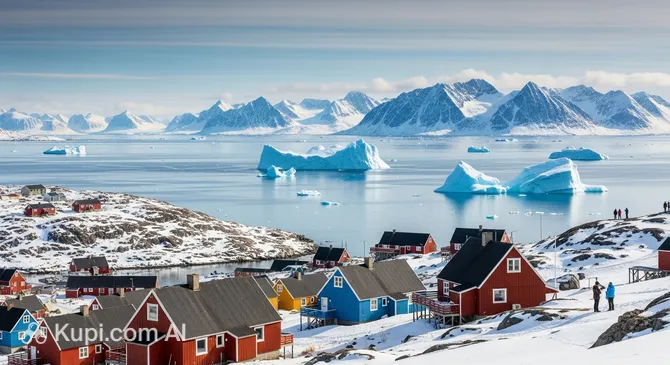
Qaanaaq. Source: Kupi.Binoculars

Life in Qaanaaq is dictated by the extreme elements of the High Arctic. With a population of approximately **650 residents**, the community is tight-knit and deeply connected to the environment. The climate here is severe, characterized by long, dark winters and brief, cool summers, yet this harshness contributes to the town's unique atmospheric beauty. Visitors can experience the phenomenon of the **Midnight Sun**, where daylight persists for months, or the mystique of the Polar Night, illuminated by the dancing northern lights.

The history of Qaanaaq is relatively recent, as the modern town was established in 1953. Despite its youth, it serves as a vital custodian of ancient traditions. It is one of the few places where **dog sledding** remains a primary mode of transport and hunting, rather than just a tourist activity. Visitors have the rare opportunity to witness traditional kayak building and hear stories passed down through generations of Inuit elders.

For those willing to make the journey, Qaanaaq offers unforgettable adventures. You can embark on expeditions to the edge of the **Ice Sheet**, watch for narwhals and walruses in the fjord, or simply absorb the profound silence of the North. It is a place that challenges and rewards the spirit, inviting you to witness the raw power of nature at the top of the world.

Weather Overview

The climate in this High Arctic settlement is extreme, shaped by its location far north of the Arctic Circle. Visitors should anticipate a polar environment where winter dominates the calendar and true warmth is rare. To help you pack the right gear for these harsh conditions, it is essential to review the detailed weather in Qaanaaq before your trip.

Winters here are long and intensely cold. From January to March, average temperatures hover around -22°C, with February often being the coldest month, seeing lows drop to -25.0°C. Despite the freezing cold, this season is quite dry, with recorded precipitation often remaining at 0mm, though snow can still be present on the ground.

Summer offers a brief and modest thaw, but it remains very cool compared to southern standards. July is typically the warmest month, yet the average temperature only reaches about 3.2°C, with highs peaking near 4.5°C. Precipitation remains very low year-round, usually not exceeding 2mm per month. Expect consistently cold, dry winters and cool summers with very little rainfall or snow accumulation.

Interesting Facts

Beyond the main attractions, Qaanaaq holds many fascinating secrets that distinguish it from the rest of Greenland. Here are some intriguing details about this remote High Arctic settlement.

  • Iron from the Sky: Long before contact with European traders, the local Inughuit people had access to iron tools without ever mining or smelting ore. They fashioned blades and harpoon tips from fragments of the massive Cape York meteorite, which crashed into the region thousands of years ago, allowing them to utilize metal technology in a land of stone and ice.

  • Silent Hunting Traditions: In the Qaanaaq district, strict regulations help preserve ancient hunting methods. During the summer months, hunters are often required to pursue narwhals using traditional kayaks and hand-thrown harpoons rather than motorboats. This practice minimizes underwater noise to prevent scaring the whales and ensures the survival of centuries-old skills.

  • A Modern Relocation: Unlike settlements that grew organically over centuries, the modern town of Qaanaaq is relatively young. It was officially established in 1953 when the population of the nearby village of Uummannaq (Dundas) was relocated to the current site, creating a new community infrastructure on the slopes overlooking the fjord.

  • Civilization Without Roads: Qaanaaq is a true island of civilization; there are absolutely no roads connecting it to other towns or settlements. Travel in and out is exclusively by aircraft or boat during the short summer, while winter transport relies heavily on dogsleds and snowmobiles across the sea ice.

How to Get There

Reaching this remote destination is an adventure in itself, primarily relying on air travel due to the lack of connecting roads between settlements in Greenland. Most travelers arrive via domestic flights that connect through larger hubs on the west coast. For a comprehensive guide on planning your journey, you can read more about how to get to Qaanaaq, which covers logistics and travel tips.

The most direct entry point is Qaanaaq Airport (IATA: NAQ), located approximately 4.6 km from the town center. It is a small regional hub essential for local connectivity. Upon arrival, the transfer to the main settlement is typically managed via hotel transfer or arranged transport, traveling over the gravel road that links the runway to the town.

Another significant transport facility in the region is Pituffik Airport (IATA: THU), situated in the city of Dundas (Pituffik), roughly 105.3 km away from Qaanaaq. While it serves as a crucial transit point for the High Arctic, it does not have a direct road link to Qaanaaq. Travelers landing here typically need to catch a connecting helicopter flight or a scheduled fixed-wing transfer to reach their final destination.

For clarity, here is a summary of the main airports:

Airport Name City Passenger Traffic Km from City
Pituffik Airport Dundas Small 105.3
Qaanaaq Airport Qaanaaq Small 4.6

Main Attractions

As one of the most remote settlements on Earth, Qaanaaq does not offer typical tourist sights like theme parks or grand monuments. Instead, its attractions are deeply rooted in the extreme Arctic environment, the resilient culture of the Inughuit people, and the history of polar exploration. Visits here focus on understanding life at the edge of the habitable world.

The Qaanaaq Museum is the cultural heart of the town and a must-visit for anyone interested in Arctic history. The museum is housed in the original Thule Trading Station building, which was established by the famous explorers Knud Rasmussen and Peter Freuchen in 1910. The structure was carefully dismantled and moved from the old settlement of Dundas to its current location in the 1980s. Inside, you will find fascinating exhibits showcasing traditional hunting equipment, kayaks, and costumes, as well as a fragment of the Cape York meteorite, which local Inuit used as a source of iron for centuries before European contact.

Dominating the town’s small skyline is the Qaanaaq Church, a distinct wooden structure that serves as a vital gathering place for the community. While modest in design, its interior is warm and welcoming, often filled with the sound of hymns sung in the local dialect. Nearby, visitors can often see traditional peat houses, which offer a glimpse into how the local population lived and survived the harsh winters before the introduction of modern wooden homes.

The most spectacular attraction, however, is the landscape itself. The town overlooks the vast Murchison Sound and Baffin Bay, where colossal icebergs drift slowly through the dark waters. In summer, the Midnight Sun illuminates these ice giants 24 hours a day, creating a surreal and beautiful atmosphere. Hiking into the hills behind the town offers a panoramic view of the fjord and the edge of the massive Greenland Ice Sheet, a sight that conveys the true scale of the Arctic wilderness.

For those willing to venture further, a trip to Siorapaluk is an unforgettable experience. Located about 50 kilometers north of Qaanaaq, it is known as the northernmost indigenous settlement in the world. Accessible by boat in summer or dog sled in winter, visiting Siorapaluk allows travelers to witness a community living in harmony with nature at the very top of the globe, where hunting and fishing remain central to daily life.

Local Cuisine

The local cuisine in Qaanaaq is a direct reflection of the High Arctic environment, where the diet is traditionally based on hunting and survival. In this remote part of Greenland, agriculture is impossible, so the food culture revolves almost entirely around what the locals call "Greenlandic provision" or Kalaallimineq. For tourists, dining here is not about visiting varied restaurants but rather experiencing a unique culinary heritage that has sustained the Inughuit people for centuries.

One of the most famous and distinct dishes native to this specific Thule region is Kiviaq. This traditional winter delicacy consists of hundreds of little auks (small seabirds) that are packed whole into a seal skin, sealed with grease, and fermented under a pile of rocks for several months. It is typically eaten during festive occasions and the dark winter months. While the strong flavor and preparation method might challenge the unaccustomed palate, it is a deeply celebrated part of the local identity.

Another staple you are likely to encounter is Mattak, raw whale skin with a thin layer of blubber. It is rich in Vitamin C, which was historically essential for preventing scurvy in a region without citrus fruits. It is usually cut into small cubes and eaten raw, offering a nutty flavor and a chewy texture. For a warmer option, try Suaasat, a hearty traditional soup often made from seal meat, reindeer, or seabirds, thickened with rice or onions and seasoned simply with salt and pepper.

The dining scene in Qaanaaq is very limited due to its small size. There are no standard commercial restaurants or street food markets found in larger cities. Most visitors take their meals at the local hotel, which serves a mix of continental food and local specialties. However, the true heart of the food culture is found in private homes during a Kaffemik. This traditional social gathering involves an open house where hosts serve coffee, cakes, and often local meat dishes, celebrating everything from birthdays to first catches.

Regarding beverages, coffee is the universal social lubricant and is consumed in large quantities. Alcohol is available but is expensive and subject to strict sales hours. For a truly local non-alcoholic experience, simply drinking the local tap water is a treat; derived from ancient glacial ice, it is incredibly pure and arguably some of the freshest water you will ever taste.

Travel Tips

Visiting Qaanaaq is a journey into the true Arctic, requiring careful preparation that goes far beyond the standard holiday packing list. To help you navigate this remote settlement with confidence and respect for the local way of life, here are some essential practical tips.

  1. Clothing and Gear: In the High Arctic, your clothing is your lifeline. Regardless of the season, dress in layers using wool or synthetic materials; cotton should be avoided as it holds moisture. In winter, a heavy-duty parka, insulated trousers, and boots rated for at least -30°C are mandatory. Even in summer, bring a windproof and waterproof jacket, warm hat, and gloves. Sunglasses are essential to prevent snow blindness, especially when the sun never sets.

  2. Transportation: Forget about subways, buses, or car rentals; Qaanaaq is a small settlement where everything is within walking distance. There are no paved roads connecting Qaanaaq to other towns. For local excursions, transportation depends on the season: boats are used in summer, while dog sleds and snowmobiles are the kings of the winter landscape. Transfers from the airport are typically arranged by your hotel or a local operator.

  3. Finances: The official currency is the Danish Krone (DKK). While the local supermarket (Pilersuisoq) and the hotel usually accept international credit cards (Visa/Mastercard), the system can rely on satellite connections which may be unstable. It is highly recommended to bring a sufficient amount of cash with you for small purchases, handicrafts, or tipping local guides. Be prepared for high prices due to the cost of importing goods to this remote location.

  4. Health and Safety: The local hospital provides basic medical care, but serious emergencies may require medical evacuation by air, which depends on the weather. Bring a complete supply of any personal prescription medications, as there is no 24/7 pharmacy. In terms of safety, the biggest danger lies outside the town limits: the wilderness is polar bear territory. Never wander away from the settlement alone; always hire a local guide equipped with a rifle for protection.

  5. Communication: The main languages are Inuktun (the local dialect), Greenlandic, and Danish. English is spoken by staff at the hotel and airport, but many elders may not speak it fluently. Wi-Fi is available at the hotel but is often slow and expensive. For mobile data, you can buy a prepaid SIM card from the local telecommunications provider, Tusass, though coverage is generally limited to the settlement area.

  6. Local Etiquette: The community is small and private. Always ask for permission before taking photographs of locals, their children, or their property. If you are invited into a private home for a Kaffemik, it is customary to remove your shoes at the door. A friendly smile and a nod go a long way, and learning the local word for "hello" ("Kutaa") will be warmly received.

  7. What to Avoid: Never approach or try to pet the sled dogs. They are chained outside many homes and may look like pets, but they are working animals with wild instincts and can be dangerous if provoked. Keep a safe distance and ensure children do not run near them.

  8. Alcohol Restrictions: Be aware that the sale of alcohol is strictly regulated in Qaanaaq. Specific hours for buying beer or wine at the store are often shorter than standard opening hours, and there may be limits on quantities. If you plan to enjoy a drink, check the current local rules upon arrival to avoid disappointment.

By keeping these tips in mind, you ensure that your visit is safe, respectful, and enjoyable. Embracing the local pace of life—often referred to as "Greenlandic time"—will allow you to truly appreciate the profound silence and beauty of this unique corner of the world.

Entertainment & Nightlife

Travelers arriving in **Qaanaaq** expecting a bustling nightlife scene with neon-lit clubs and crowded bars will find themselves in a very different, yet equally captivating, reality. In this remote settlement of approximately 650 people, "nightlife" is not defined by commercial entertainment districts but by the profound silence of the High Arctic, community gatherings, and the spectacular natural light shows in the sky. The atmosphere here is quiet, intimate, and deeply connected to the rhythm of nature rather than the clock.

There are no designated nightlife districts or streets lined with pubs. Instead, the social heart of the town after hours is primarily centered around **Hotel Qaanaaq**. As the main accommodation provider in the settlement, its dining area and lounge serve as the de facto meeting place for visitors, pilots, and locals. Here, you can enjoy a quiet drink, exchange stories with fellow travelers, and experience the warm, informal hospitality that characterizes the region. The dress code is entirely casual; practical outdoor gear is the standard attire, even for an evening meal.

Occasional community events provide a glimpse into local social life. The town's **Community Hall** (Forsamlingshuset) sometimes hosts gatherings, traditional dances, or bingo nights, which are popular among residents. While these are not tourist attractions in the traditional sense, respectful visitors are often welcomed to observe or participate. It is important to note that alcohol regulations in Greenland can be strict, and sales hours at the local store are limited. The hotel bar is generally the only place to purchase and consume alcohol in a social setting during the evening.

The true "nightlife" of Qaanaaq takes place outdoors. During the winter months, the Northern Lights (Aurora Borealis) transform the dark sky into a canvas of dancing green and violet ribbons. Viewing this phenomenon from the edge of the frozen fjord, away from the minimal light pollution of the town, is an experience that rivals any club performance. Conversely, in the summer, the Midnight Sun means the sun never sets, creating a surreal environment where "evening" entertainment can involve hiking or boat trips at 2:00 AM under bright daylight.

For safety and logistics, getting around at night is simple but requires caution. The town is small enough to walk everywhere, but during the dark winter months, a flashlight is essential due to limited street lighting. Safety is paramount: never wander beyond the town limits alone at night, as the surrounding wilderness is polar bear territory. Taxis do not exist here; transport is by foot, or if arranged, by private vehicle or sled. If you need to move between the hotel and the airport or harbor with luggage, transfers are typically organized by the hotel staff.

During the daytime, entertainment shifts towards cultural and outdoor activities. Visitors can explore the Qaanaaq Museum to learn about the history of the Thule people and polar exploration. For the adventurous, dog sledding excursions offer an exhilarating way to see the landscape. Life here moves at a slower pace, inviting you to disconnect from the noise of the modern world and embrace the unique tranquility of the North.

Parks & Museums

In a settlement as remote as Qaanaaq, the concept of "parks and museums" takes on a different meaning. You will not find manicured botanical gardens or sprawling art galleries here. Instead, the entire landscape serves as a majestic natural park, and the town itself acts as a living museum, preserving a hunting culture that has thrived in the High Arctic for millennia. The cultural venues that do exist are intimate, offering a deep dive into the history of polar exploration and the resilience of the Inughuit people.

The Qaanaaq Museum is the primary cultural institution and a focal point for visitors. It is housed in the historic manager’s residence of the Thule Trading Station, a building with a remarkable story of its own. Originally constructed in 1910 by the legendary explorers Knud Rasmussen and Peter Freuchen at the old settlement of Uummannaq (Dundas), the structure was moved piece by piece to its current location when the population was relocated in the 1950s. Tourists are drawn here not just for the architecture, but for the collection of traditional Inuit clothing, harpoons, and kayaks that demonstrate the ingenuity required to survive in this climate. A highlight for many is the section dedicated to the Cape York meteorite, fragments of which were used by ancestors to craft iron tools long before the Iron Age reached the north.

While there are no other formal museums, the local church and the surrounding community areas often function as cultural galleries. The church, with its distinctive A-frame design and warm interior, houses local artwork and serves as a testament to the community's spiritual life. Walking through the town, you will encounter what can be described as an open-air exhibition of Arctic life: wooden racks drying fish and seal meat, handcrafted dog sleds waiting for winter, and stretched skins preparing for tanning. These sights offer an authentic glimpse into daily existence that no glass display case can replicate.

Regarding green spaces, the wilderness surrounding Qaanaaq offers natural areas that rival the world's most famous national parks. The shores of Murchison Sound function as the town's "beach" and promenade. Walking along the coastline, visitors can marvel at the sculpture garden created by nature itself—massive icebergs grounded in the shallow waters, glowing in shades of blue and white. It is a place of profound silence and beauty, perfect for photography or simply sitting on a rock to watch for the blow of a whale in the distance.

For those seeking a hiking experience, the hills behind the town serve as a vast, unfenced recreational area. A hike up the slopes offers a panoramic vantage point that puts the settlement's isolation into perspective. From the higher elevations, you can see the edge of the Greenland Ice Sheet and the vast expanse of Baffin Bay. In summer, these hills are dotted with hardy Arctic wildflowers, turning the rocky ground into a subtle, resilient garden that blooms briefly but vibrantly under the Midnight Sun.

An insider tip for cultural enthusiasts is to ask about the local choir practice. If you are fortunate enough to be in town when they are rehearsing, the sound of traditional hymns sung in the unique Inughuit dialect is a moving auditory experience that reflects the soul of the community. It is a reminder that in Qaanaaq, culture is not stored in archives; it is practiced, sung, and lived every day.

Getting Around

Travelers planning a visit to Qaanaaq should adjust their expectations regarding urban mobility, as the city does not possess a public transport system in the traditional sense. Due to its small population and remote location in the High Arctic, there are no public buses, trams, metros, or scheduled shuttle services operating within the settlement. The infrastructure is minimal, consisting primarily of gravel roads that serve the local community's utility vehicles and private transport.

The primary and most reliable mode of transport for visitors is walking. The town is compact, and most key locations—such as the hotel, the museum, the store, and the church—are located within a short distance of one another. However, tourists must be prepared for the terrain; the roads can be icy, snowy, or muddy depending on the season, and the settlement is built on a slope. Sturdy, insulated, and waterproof footwear with good grip is essential for navigating the streets safely and comfortably.

For transport between the airport and the town, or for moving heavy luggage, there are no metered taxis or ride-sharing apps like Uber. Instead, transfer services are typically organized directly by local accommodation providers. When you book your stay, it is crucial to arrange your airport pickup in advance. These transfers are usually conducted using sturdy pickup trucks or vans capable of handling the rugged road conditions. Payment for these services is generally included in your accommodation package or settled at the hotel reception, often accepting credit cards, though carrying cash is always a wise backup.

In terms of "local transport" for excursions or reaching nearby areas, the methods are dictated by the season rather than a schedule. During the winter and spring months, dog sleds and snowmobiles are the standard vehicles for traversing the frozen landscape and sea ice. In the summer, when the ice melts, open boats become the primary means of reaching neighboring settlements or hunting grounds. These are not public ferries but are hired services; you must book them as guided tours or private charters through local operators.

Since there are no ticket machines, travel passes, or validation systems, the logistics of getting around are informal and personal. If you need a ride and cannot walk, your best advice is to speak with the staff at your hotel. They can often call a local driver or arrange a vehicle for you. Be aware that for any informal arrangement with a local driver, payment is almost exclusively expected in cash (Danish Krone), and prices should be agreed upon before starting the journey.

Accommodation

Finding a place to stay in Qaanaaq is a straightforward affair, primarily because the options are extremely limited. As a remote settlement with a population of only about 650 people, there is no sprawling hotel district or a wide variety of categories ranging from hostels to luxury resorts. Accommodation here is functional, cozy, and designed to provide a warm refuge from the harsh Arctic elements rather than opulent amenities. Visitors should expect simple but comfortable lodging that serves as a base for expeditions.

The geography of the town is compact, situated on a south-facing slope overlooking the fjord. Consequently, there are no "better" or "worse" neighborhoods to stay in; anywhere you stay will be within walking distance of the harbor, the museum, and the local store. The primary advantage of accommodation in Qaanaaq is the view. Most lodging options offer spectacular vistas of the Murchison Sound and the massive icebergs drifting by, allowing you to enjoy the scenery of the Midnight Sun or the Northern Lights directly from your window.

The main establishment in town is Hotel Qaanaaq. It functions not only as the primary hotel for tourists and business travelers but also as the social hub for the entire community. The facilities are basic by international standards but offer essential comforts like heating, warm beds, and meals. Staying here provides a unique opportunity to meet fellow travelers, pilots, and locals in the dining room, which often doubles as the town's only restaurant. Due to the lack of other commercial hotels, this is the default choice for the vast majority of visitors.

Aside from the main hotel, there may be a few small guesthouses or private rental options (often referred to as B&Bs), though these can be difficult to find on standard online booking platforms. These alternatives often provide a more intimate look into local life and are typically run by families. Facilities in these smaller accommodations are usually shared, including bathrooms and kitchen areas.

Booking Tips and Prices:

Due to the scarcity of rooms and the logistical challenges of the High Arctic, booking in advance is absolutely critical. During the short summer tourist season, the hotel can be fully booked months ahead by tour groups and researchers. Do not arrive without a confirmed reservation. In terms of cost, travelers should be prepared for high prices. The cost of maintaining infrastructure and importing supplies to this latitude is significant, and room rates reflect this. Most bookings are best made via direct email or through specialized travel agencies focusing on Greenlandic tours, as instant booking on major global websites is not always available.

Nearby Cities

For those looking to explore the surroundings, Qaanaaq serves as an excellent base for day trips to several interesting nearby locations. In the vast expanse of the High Arctic, "nearby" is a relative term; while immediate day trips are often limited to local settlements accessible by boat or dogsled, the wider region connects travelers to some of Greenland's most fascinating towns suitable for short visits or stopovers.

The most authentic day trip available is to Siorapaluk, located approximately 50 kilometers north of Qaanaaq. Known as the northernmost indigenous settlement in the world, it is accessible by boat in the summer or dog sled in the winter. A visit here offers a unique opportunity to witness a community that lives in close harmony with the harsh environment, relying heavily on traditional hunting and fishing. The journey itself, navigating through ice-filled waters or across the frozen fjord, is as memorable as the destination.

Further south, Upernavik is the closest major town and often serves as a transit point for travelers heading to Qaanaaq. Situated in a stunning archipelago of over 100 islands, it is a fantastic location for a short visit to experience kayaking or to visit the open-air museum, which is the oldest in Greenland. The town provides a slightly milder contrast to the extreme latitude of Qaanaaq while maintaining a deep connection to Arctic traditions.

Although significantly further away, Ilulissat is the primary hub for the entire Avannaata region and a common connection point. Famous for its UNESCO World Heritage Icefjord, it offers a different scale of ice experience with its massive, fast-moving glaciers. While not a day trip in the traditional sense due to the distance, it is an essential companion destination for anyone exploring the northern reaches of the country.

City Population Distance (km)
Ilulissat 4737 1078
Aasiaat 3069 1104
Uummannaq 1407 914
Upernavik 1092 640
Qasigiannguit 1081 1117

These nearby destinations offer a glimpse into the diverse culture and landscapes of the region.

Shopping & Souvenirs

Shopping

Shopping in Qaanaaq is a unique experience that reflects the settlement's remote location and subsistence lifestyle. Travelers should not expect fashion boutiques, department stores, or souvenir shops lining the streets. Instead, the shopping scene is strictly functional, focused on providing the community with essential goods for survival in the High Arctic. For visitors, the appeal lies in finding authentic, locally made handicrafts that are often sold directly by the artisans themselves.

There are no designated shopping districts or commercial streets in the traditional sense. The entire commercial activity of the town is concentrated within a few key buildings located in the center of the settlement. As you walk through the gravel paths, you will find that "shopping" is often an informal activity, where the best items are found by asking locals or visiting the hotel lobby where crafts are sometimes displayed.

The concept of a shopping mall does not exist here. The closest equivalent is the local branch of Pilersuisoq, the national retail chain of Greenland. This general store serves as the lifeline for the town, stocking everything from groceries, rifles, and camping gear to clothing and household electronics. It is a fascinating place to visit, offering a glimpse into what it takes to supply a community located hundreds of kilometers from the nearest neighbor.

A vital part of the local economy is Brættet (The Board), the town's open-air market for fresh food. Here, local hunters and fishermen sell their daily catch, which typically includes seal meat, mattak (whale skin), fish, and occasionally reindeer or muskox. While tourists may not be buying raw meat to cook, visiting Brættet provides an unfiltered look at the local food culture and the importance of hunting in daily life.

When it comes to souvenirs, Qaanaaq offers some of the most authentic handicrafts in the Arctic. The region is famous for its skilled carvers who work with reindeer antler, soapstone, and bone to create intricate figures known as tupilaks. You may also find beautiful beadwork and items made from seal skin. Important Note: Be extremely cautious when purchasing items made from animal parts (such as whale bone or seal skin), as strict CITES regulations often ban or restrict the export of these goods to other countries. Always ask for a certificate of origin and check your home country's import laws before buying.

Store opening hours are limited. The Pilersuisoq store typically opens around 10:00 AM and closes by late afternoon, often with reduced hours on Saturdays and closures on Sundays. Payment is primarily made in Danish Krone (DKK). While the main store and the hotel generally accept major credit cards (Visa and Mastercard), the connection can be unreliable due to satellite dependency. It is highly recommended to carry sufficient cash for purchases at the market or when buying directly from local artists.

regarding Tax-Free shopping, visitors should be aware that the tax refund systems found in major European cities are not available in Qaanaaq. Due to the small scale of the economy and the nature of the goods sold, you should not expect to process VAT refunds here.

Nearby cities

Reached the end of the page?

That means the route is fully explored