Support

Kangersuatsiaq

About

Welcome to Kangersuatsiaq, a captivating settlement nestled within the vast and icy landscapes of Greenland. Located on an island in the Upernavik Archipelago, this small community offers visitors a truly authentic glimpse into the quiet and resilient way of life in the high Arctic. With a population of approximately 200 residents, the village maintains a close-knit atmosphere where traditional culture thrives amidst stunning natural beauty.

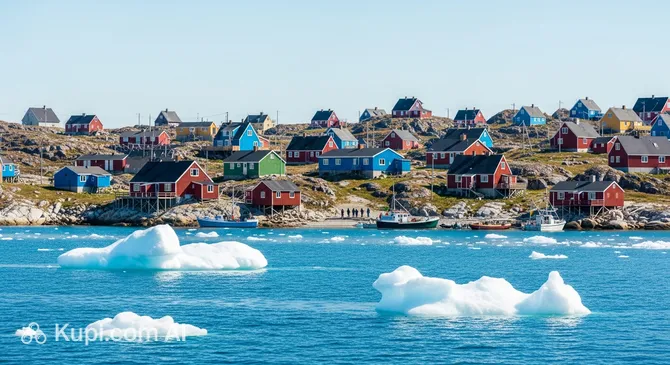
Kangersuatsiaq. Source: Kupi.Binoculars

The settlement, whose name translates to "the rather large promontory," is situated well above the Arctic Circle, ensuring long summer days under the midnight sun and dark, atmospheric winters illuminated by the Northern Lights. While exploring the village, you can learn more about the history of Kangersuatsiaq, which was formerly known by its Danish name, Prøven. The area has long served as an important hub for hunters and fishermen, a heritage that remains visible in the daily activities of the locals today.

Travelers are often drawn to the village for its picturesque appearance, characterized by brightly colored wooden houses that stand out against the rocky terrain and snow. Key experiences here include witnessing the traditional Inuit lifestyle, embarking on boat tours to navigate through ice-filled waters, or enjoying dog sledding excursions during the winter months. The surrounding waters are rich with marine wildlife, making it an excellent spot for observing seals and whales in their natural habitat.

If you are seeking a destination that combines serenity with raw Arctic adventure, Kangersuatsiaq is a remarkable choice. Whether you arrive by helicopter or boat, the warm hospitality of the community and the breathtaking vistas of the Avannaata region promise an unforgettable journey off the beaten path.

Weather Overview

Travelers planning a visit to this remote settlement should be prepared for a distinct Arctic climate, characterized by long, freezing winters and short, cool summers. Understanding the weather in Kangersuatsiaq is essential for packing the right gear, as temperatures remain below freezing for a significant portion of the year.

The winter months are particularly severe, with February often being the coldest time, featuring average temperatures around -22.7°C and lows dropping to -24.7°C. Despite the extreme cold, precipitation during this season is minimal, with February seeing almost 0mm of precipitation, creating crisp and dry conditions ideal for winter expeditions if one is well-insulated.

Summer offers a brief but welcome respite from the cold. July is typically the warmest month, with average temperatures rising to 7.7°C and occasionally reaching highs of 10.0°C. This season also sees a slight increase in wet days, with July and August experiencing about 11 days of precipitation each, though the overall rainfall remains low at around 2mm. Expect cool summers with light, occasional rain and very cold, dry winters that define the region's rugged character.

Interesting Facts

Beyond the scenic views and quiet atmosphere, Kangersuatsiaq holds intriguing stories that connect it to ancient explorers and the rugged nature of the Arctic. Uncovering these details offers a deeper appreciation for the resilience required to thrive in this remote part of Greenland.
  • The Meaning of "The Test": The settlement was formerly known by the Danish name Prøven, which translates literally to "The Test." Local history suggests this name was bestowed because the location was considered a significant challenge for early colonial traders and navigators, who had to prove their endurance and skill to establish a post in such an isolated and ice-choked environment.

  • A Viking Landmark: Just a short distance from the village lies the island of Kingittorsuaq, the discovery site of the famous Kingittorsuaq Runestone. This small stone is one of the most important archaeological finds in the region, proving that Norse Vikings ventured this far north—over 800 kilometers from their main settlements—during the Middle Ages.

  • An Archipelago Maze: Kangersuatsiaq is situated within the Upernavik Archipelago, which is comprised of over 100 small islands and skerries. This unique geography creates a complex labyrinth of waterways that locals navigate with expert precision, relying on traditional knowledge to travel safely between the islands during the shifting seasons of sea ice.

How to Get There

Reaching this remote Arctic settlement is an adventure in itself, often involving a combination of air travel and local transfers. Since Kangersuatsiaq is located on a small island within the Upernavik Archipelago, there are no direct international flights landing right at the village's doorstep. For a complete guide on planning your journey, you can read more about how to get to Kangersuatsiaq on our detailed transport page.

The primary gateway for travelers heading to this region is Upernavik Heliport (IATA: JUV), located in the nearby town of Upernavik. Situated approximately 49.8 km from Kangersuatsiaq, this hub serves as the main connection point for the surrounding settlements. Since there are no roads connecting these islands, the final leg of the journey from the heliport is typically completed via a scheduled district helicopter flight or, during the ice-free summer months, by boat. The transfer time varies significantly depending on the mode of transport and weather conditions.

Another regional transport node is Qaarsut Airport (IATA: JQA), found in the settlement of Qaarsut. It is located roughly 209 km away from Kangersuatsiaq. While further afield, this airport acts as an important stopover for flights coming from larger hubs in West Greenland before connecting northward to the Upernavik district. Travelers should expect a multi-leg journey when routing through this airport.

For clarity, here is a summary of the main airports and heliports in the vicinity:

Airport Name City Passenger Traffic Km from City
Qaarsut Airport Qaarsut Small 209.4
Upernavik Heliport Upernavik Small 49.8

Main Attractions

While Kangersuatsiaq is a small settlement with a population of around 200, its charm lies in its authenticity and the stunning natural environment that surrounds it. Unlike larger cities with bustling museums and shopping centers, the attractions here are deeply connected to the landscape, the local culture, and the silence of the Arctic. Visitors come here to slow down and experience the raw beauty of the Upernavik Archipelago.

One of the most striking sights is the panoramic view of the settlement itself. Perched on a rocky promontory, the village is a vibrant mosaic of red, blue, green, and yellow wooden houses that contrast sharply with the grey cliffs and the white snow or icebergs in the harbor. A walk through the steep, winding paths offers excellent opportunities for photography and a chance to observe the daily rhythm of life, from fishermen preparing their boats to locals drying fish and seal meat on traditional racks.

The Kangersuatsiaq Church stands as a central landmark in the community. Like many churches in Greenland, it is a modest yet picturesque wooden structure that serves as a gathering place for the locals. Its simple architecture and bright color make it a focal point against the rugged backdrop. For visitors, it offers a moment of quiet reflection and an insight into the spiritual life that has sustained this isolated community through generations of harsh winters.

For those interested in history and adventure, a boat excursion to the nearby Kingittorsuaq Island is a must. This uninhabited island is famous historically as the discovery site of the Kingittorsuaq Runestone, left by Norse Vikings centuries ago. While the original stone is now in a museum, visiting the island allows you to stand on the same ground where ancient explorers once signaled their presence. The journey itself involves navigating through waters often dotted with majestic icebergs, offering a thrilling Arctic maritime experience.

Finally, the surrounding wilderness of the Upernavik Archipelago serves as a boundless natural attraction. In summer, boat tours can take you close to massive icebergs drifting from nearby glaciers, and the waters are excellent for spotting whales and seals. In winter, the frozen sea becomes a playground for dog sledding, allowing tourists to travel across the ice just as the Inuit hunters have done for centuries, experiencing the profound silence and vastness of the high Arctic.

Local Cuisine

The culinary experience in Kangersuatsiaq is defined by the settlement’s remote location and its deep reliance on the surrounding Arctic waters. In a village of this size, there are no commercial restaurants or fine dining establishments. Instead, the local cuisine is strictly traditional, centered around the daily catch brought in by hunters and fishermen. For visitors, this offers a rare opportunity to taste ingredients that are sourced directly from the pristine environment, often prepared simply to highlight their natural flavors and nutritional value.

The most iconic dish you are likely to encounter is suaasat, a hearty traditional soup that serves as a staple in many Greenlandic households. Typically made from seal meat, though sometimes reindeer or seabirds are used, the soup is thickened with rice, barley, or onions and seasoned with salt and pepper. It is a warming, energy-rich meal designed to sustain locals through the harsh polar winters. Another delicacy worth trying is mattak, raw whale skin with a thin layer of blubber. It is prized for its crunchy texture and high vitamin C content, often eaten as a snack or an appetizer during celebrations.

Given the location in the Upernavik Archipelago, seafood plays a massive role in the local diet. The waters here are teeming with Greenland halibut, which is caught year-round. You might taste it dried (known as nikku), smoked, or boiled. Dried fish is a popular portable snack for hunters and travelers alike, offering a savory, chewy taste of the sea that preserves well in the dry Arctic air.

When it comes to beverages, coffee is the undisputed king of social life. The tradition of kaffemik—an open-house social gathering celebrating birthdays or milestones—is central to the community culture. If you are lucky enough to be invited to one, you will be served strong coffee alongside an array of homemade cakes and pastries. For something stronger, alcohol is available at the local Pilersuisoq store, but there are no bars; drinking is a social activity done in the warmth of private homes.

Tourists should plan to be self-sufficient or arrange meals through their accommodation. The local Pilersuisoq supermarket is the hub for all imported groceries, offering Danish staples like rye bread, cheese, and canned goods. However, the true flavor of Kangersuatsiaq is found in the fresh, wild food shared by the community. If you stay in a guesthouse or with a local family, you may have the privilege of sharing a meal of fresh seal or halibut, cooked just hours after being pulled from the icy fjord.

Travel Tips

Visiting Kangersuatsiaq is a unique adventure that requires careful preparation due to its remote location and extreme Arctic environment. To ensure your stay in this small settlement is safe, comfortable, and respectful of the local way of life, here are some essential practical tips to help you plan.

  1. Clothing and Gear: The weather in the Upernavik district is unpredictable and often harsh. Regardless of the season, bring high-quality thermal base layers, a warm wool sweater, and a windproof and waterproof outer shell. Sturdy, insulated hiking boots are a must for navigating the rocky and icy terrain. If you visit in summer, pack a mosquito net or strong repellent, as insects can be intense. In winter, specialized polar gear is necessary to withstand temperatures well below freezing.

  2. Transportation: There is no public transport, taxis, or car rental service within the settlement; the village is small enough to explore entirely on foot. For travel between Kangersuatsiaq and neighboring islands or Upernavik, transport relies on boats in the summer and dog sleds or snowmobiles in the winter. These transfers usually need to be arranged in advance with local hunters or tour operators.

  3. Finances: The local currency is the Danish Krone (DKK). While the local Pilersuisoq store may accept credit cards, the system can be unreliable due to connectivity issues. There are no ATMs in Kangersuatsiaq, so it is critical to withdraw sufficient cash in Upernavik or a larger town before you arrive. You will need cash for purchasing local crafts, paying for private boat transfers, or tipping, though tipping is not mandatory.

  4. Health and Safety: The settlement has a small nursing station for basic medical consultations, but serious emergencies require evacuation to Upernavik or Nuuk by helicopter. Ensure you have comprehensive travel insurance that covers medical evacuation. Be aware that you are in polar bear country; never wander far from the village limits without a local guide who can ensure your safety.

  5. Communication: The primary language is Greenlandic (Kalaallisut), and many locals also speak Danish. English proficiency varies and may be limited, especially among the older generation, so learning a few basic words like "Kutaa" (Hello) or "Qujanaq" (Thank you) is greatly appreciated. Mobile coverage is provided by Tusass; buying a prepaid SIM card in a larger town before arrival is recommended for internet access, as Wi-Fi is rarely available in public spaces.

  6. Local Etiquette: The community is close-knit and friendly, but privacy is valued. Always ask for permission before taking photographs of locals, their children, or their catch. It is customary to remove your shoes immediately upon entering a private home, the nursing station, or sometimes even the church. If you are invited for kaffemik (coffee and cake), it is polite to accept; this is a central part of social life in Greenland.

  7. What to Avoid: Never approach, pet, or feed the sled dogs. In Kangersuatsiaq, these are working animals, not pets, and they can be dangerous if they feel threatened or excited. Additionally, avoid walking on sea ice unless you are with a local guide who knows the currents and ice thickness, as conditions can change rapidly.

  8. Shop Opening Hours: The Pilersuisoq supermarket is the lifeline of the village, selling everything from food to rifles. Be mindful of its opening hours, as it may close early on weekends or for inventory. If you are self-catering, plan your purchases ahead of time, as the store is the only place to buy supplies.

By keeping these practicalities in mind, you will be well-equipped to embrace the serene pace of life in Kangersuatsiaq. Respecting the local customs and the power of nature will ensure that your visit to this northern outpost is both memorable and trouble-free.

Entertainment & Nightlife

If you are looking for bustling nightclubs, neon-lit bars, or crowded dance floors, Kangersuatsiaq offers a refreshingly different experience. In this remote settlement of roughly 200 people, "nightlife" is redefined by the rhythms of nature rather than commercial entertainment. There are no pubs, discos, or cocktail lounges here. Instead, the evening entertainment is characterized by profound silence, the company of locals in private settings, and the spectacular displays of the Arctic sky.

The social hub for any supplies, including alcohol, is the local Pilersuisoq store. Since there are no bars in the village, this supermarket is the only place to purchase beer or wine. Travelers should be aware of the opening hours, as the store typically closes in the late afternoon. If you wish to enjoy a drink in the evening, you must plan ahead and buy your beverages during the day to enjoy them in the warmth of your accommodation. The "dress code" here is strictly practical: heavy wool sweaters, thermal layers, and warm socks are the standard attire for any evening activity.

During the winter months, the primary nocturnal attraction is the Northern Lights (Aurora Borealis). With zero light pollution, Kangersuatsiaq offers some of the best viewing conditions in the world. Visitors often head to the edge of the settlement, away from the few streetlights, to watch the green and purple ribbons dance across the sky. Conversely, in the summer, the concept of "night" disappears entirely under the Midnight Sun. During this period, the village remains bathed in daylight 24 hours a day, allowing for "evening" hikes or boat trips at 2:00 AM under a bright sun, blurring the lines between day and night entertainment.

For a glimpse of local activity, a walk down to the Harbor in the evening can be interesting. In the summer, this area often remains active late into the "night" as fishermen return with their catch or prepare their boats for the next journey. It is a raw, authentic scene where you can observe the maritime culture that sustains the village. However, always remain respectful of the workers and their equipment.

Safety is a critical consideration for any night walks in Kangersuatsiaq. The village is located in polar bear territory, and while bears typically stay away from the settlement, they can venture close, especially under the cover of darkness. It is highly advisable not to walk alone outside the village limits at night. Additionally, the paths can be icy and unlit, so carrying a strong flashlight is essential to avoid slipping or tripping on the rocky terrain. If you need to move around, walking is the only option, as there are no taxis.

While evening options are limited to nature and relaxation, daytime entertainment in Kangersuatsiaq revolves around outdoor exploration. Visitors can spend their days hiking the surrounding hills for panoramic views of the Upernavik Archipelago or taking boat tours to see icebergs and wildlife. For a cultural touch, simply walking through the colorful village and observing daily life serves as a living museum, offering a peaceful alternative to the structured entertainment of larger cities.

Parks & Museums

In a settlement as intimate and remote as Kangersuatsiaq, you will not find manicured city parks, botanical gardens, or ticketed art galleries in the traditional sense. Instead, the entire region functions as a vast, open-air sanctuary where the "parks" are the boundless Arctic wilderness and the "museums" are the living traditions of the Inuit people. The village itself, with its deep connection to the land and sea, offers a cultural and natural immersion that far exceeds the confines of a building or a fenced garden.

The Great Promontory and Surrounding Wilderness

Since the name Kangersuatsiaq translates to "the rather large promontory," the most significant natural area is the terrain of the settlement itself. There are no paved paths or designated picnic spots; rather, the entire island serves as a rugged natural park. Visitors can hike up the rocky hills directly behind the colorful houses to access sweeping viewpoints. From these elevations, you are treated to a 360-degree panorama of the Upernavik Archipelago, where the interplay of light, sea ice, and dark rock creates a constantly changing natural gallery.

The Waters of the Archipelago

For the locals, the ocean is their backyard and their playground. The waters surrounding Kangersuatsiaq can be considered the village's largest "green space," although it is dominated by deep blues and icy whites. During the summer, boat tours allow you to explore this marine park, navigating between majestic icebergs and rocky skerries. It is a pristine environment where you can observe seals, whales, and seabirds in their natural habitat, offering a wildlife experience that rivals any enclosed zoo or reserve.

Kangersuatsiaq Church

While there is no dedicated history museum within the village limits, the local church stands as a significant cultural and architectural landmark. This modest wooden structure is the heart of the community's spiritual and social life. Its simple design and bright exterior are representative of traditional Greenlandic church architecture. Stepping inside (when open or during services) offers a quiet glimpse into the local heritage and the strong community bonds that have sustained the settlement through generations of harsh winters.

The "Living Museum" of Village Life

Kangersuatsiaq is often described by travelers as a "living museum." Walking through the settlement offers an unfiltered look at authentic Arctic culture that is becoming rare in larger towns. You will see wooden racks laden with drying fish and seal meat—a preservation method used for centuries. You will hear the howling of Greenlandic sled dogs, which are working animals vital to winter transport. Every corner of the village reflects a history of survival and adaptation, allowing you to witness traditions that are still very much alive today.

Nearby Historical Context: Upernavik Museum

For those seeking a formal museum experience, it is worth noting that the history of this specific area is best preserved at the Upernavik Museum in the nearby town of Upernavik. This is where the original Kingittorsuaq Runestone, found on an island just north of Kangersuatsiaq, is often referenced or its history detailed (though the stone itself is in the National Museum in Nuuk). A visit to the district capital's museum complements your stay in Kangersuatsiaq by providing the academic and archaeological context to the raw history you experience on the ground.

Authentic Experience

For a truly unique perspective, ask a local boatman to take you near the island of Kingittorsuaq. While there are no facilities there, seeing the landscape where Norse Vikings left their mark in the 13th century connects you to the deep history of Arctic exploration. It is a stark, silent, and powerful place that feels like a natural monument to the intersection of Inuit and Norse histories.
Getting Around

Given the small size and remote nature of Kangersuatsiaq, there is no conventional public transport system such as buses, trams, or a metro. The settlement is compact, with a population of approximately 200 residents, meaning that the entire village can easily be traversed on foot. There are no paved roads connecting Kangersuatsiaq to other towns, and within the settlement itself, the infrastructure consists primarily of gravel paths, boardwalks, and rocky trails rather than streets designed for heavy vehicular traffic.

For getting around the village locally, walking is the only mode of transport. Visitors should be aware that the terrain is uneven, often steep, and can be slippery due to ice or snow depending on the season. There are no taxi services, car rental agencies, or ride-sharing apps like Uber available. Consequently, sturdy, waterproof hiking boots with good grip are the most essential "transport equipment" you will need during your stay.

While there is no urban transit, the "public transport" of the region changes with the seasons and is strictly maritime or ice-based. In the summer months, small open boats and dinghies act as the primary means of moving between Kangersuatsiaq and neighboring settlements or hunting grounds. These are not scheduled ferries with tickets but are typically private vessels operated by local hunters or fishermen. If you need to travel by water, you will usually need to arrange a transfer privately with a local boat owner.

During the winter, when the sea freezes over, the mode of transport shifts to snowmobiles and traditional dog sleds. Dog sledding is not just a tourist attraction here; it is a vital form of transportation for the locals. While you cannot buy a "ticket" for a dog sled in a machine, you can hire a musher for transport or excursions. This is an authentic and practical way to navigate the frozen landscape surrounding the settlement.

Regarding payment for these informal transport services (boats or sleds), cash is the standard and often the only accepted method. There are no travel cards, mobile apps, or electronic validation systems. The currency used is the Danish Krone (DKK). It is highly recommended to agree on a price with the boat captain or musher before departing. As there are no ATMs in the settlement, tourists must ensure they bring sufficient cash from a larger town like Upernavik before arriving.

The only scheduled connection that resembles public transport is the district helicopter service operated by Air Greenland. This connects the settlement to the regional hub, Upernavik. Tickets for the helicopter must be purchased in advance online or at the heliport, as seats are limited. This service operates on a specific timetable, though flights are frequently subject to weather delays, so travelers should always maintain a flexible schedule.

Accommodation

Accommodation in Kangersuatsiaq is as authentic and rugged as the surrounding Arctic landscape. Due to the settlement's small size and remote location, visitors should not expect standard hotels, chain resorts, or luxury amenities. Instead, lodging options are limited and functional, designed primarily to serve visiting officials, workers, and the occasional adventurous traveler. The experience is less about comfort and more about immersion in the local community.

The most common form of accommodation is typically a municipal guesthouse or a small, privately run facility. These establishments usually offer basic rooms with shared facilities, such as bathrooms and a communal kitchen. It is a self-catering environment where guests are expected to prepare their own meals using supplies purchased from the local store. For a more personal experience, some travelers may find opportunities for homestays, staying with a local family to gain a deeper insight into the Greenlandic way of life, though this usually requires prior arrangement through personal contacts or a tour operator.

Given the compact nature of Kangersuatsiaq, location is rarely a concern when choosing where to stay. The entire village is clustered on a rocky promontory, meaning that any accommodation will be within walking distance of the heliport, the harbor, and the Pilersuisoq grocery store. Staying anywhere in the settlement guarantees immediate access to the stunning views of the Upernavik Archipelago and the daily rhythm of the village.

Booking Tip: You cannot rely on major online booking platforms to secure a room here. Accommodation must be arranged well in advance, often by contacting the regional tourism office in Upernavik or through a specialized Arctic travel agency. Since capacity is extremely limited, arriving without a reservation is risky and not recommended.

Regarding costs and payment, travelers should be prepared for prices that reflect the high cost of living in the Arctic. While the facilities are basic, rates can be comparable to mid-range hotels elsewhere due to the scarcity of supply. Cash is essential, as credit card facilities may not be available at the guesthouse or private homes. Always confirm the payment method when making your reservation to avoid difficulties upon arrival.

Nearby Cities

For those looking to explore the surroundings, Kangersuatsiaq serves as an excellent base for day trips to several interesting nearby locations:
City Population Distance (km)
Ilulissat 4737 388
Aasiaat 3069 422
Uummannaq 1407 225
Upernavik 1092 49
Qasigiannguit 1081 428

The most accessible and popular destination for a day trip is the district capital, Upernavik. Located just under 50 kilometers away, it can be reached by boat in the summer or by helicopter year-round. As the administrative center of the archipelago, it offers amenities that are not available in the smaller settlements, including a wider range of shops and services. Visitors should not miss the Upernavik Museum, which is the oldest open-air museum in Northern Greenland and provides fascinating insights into the colonial and Inuit history of the region.

Another significant site for a shorter excursion is the uninhabited Kingittorsuaq Island. While not a city, this location is historically pivotal as the discovery site of the Kingittorsuaq Runestone. A boat trip here allows travelers to walk in the footsteps of Norse Vikings who ventured this far north in the Middle Ages. The island offers a profound sense of solitude and connection to the ancient past, making it a perfect spot for history enthusiasts and photographers alike.

For those willing to travel further, Uummannaq serves as a stunning regional neighbor to the south. Although it is approximately 225 kilometers away and requires more travel time, it is famous for its iconic heart-shaped mountain and vibrant culture. While it may be ambitious for a single day trip without a chartered flight, it represents the next major highlight in the North Greenland region for those extending their journey.

These nearby destinations offer a glimpse into the diverse culture and landscapes of the region.

Shopping & Souvenirs

Shopping in Kangersuatsiaq is a strictly functional affair, defined by the settlement's remote location and small population. Visitors should not expect shopping malls, fashion boutiques, or souvenir shops. Instead, the retail experience here offers a glimpse into the subsistence lifestyle of the Arctic, where the focus is on essential supplies, hunting gear, and locally harvested food.

There are no shopping districts or commercial streets in the village. The "shopping center" of the community is the local Pilersuisoq store. This government-run supermarket chain is the lifeline of the settlement, stocking everything from groceries, fresh produce (when shipments arrive), and household goods to rifles, ammunition, and clothing. For tourists, this is the only place to buy snacks, toiletries, or ingredients for self-catering.

Large shopping malls do not exist in Kangersuatsiaq, nor in the wider Upernavik district. The retail infrastructure is designed solely to support the daily needs of the 200 residents. If you require specialized equipment, electronics, or luxury items, you must purchase them in larger towns like Ilulissat or Nuuk before travelling north.

The most authentic market experience is found at "Brættet" (The Board). This is the local open-air market where hunters and fishermen sell their fresh catch of the day. Depending on the season, you might find fresh seal meat, whale skin (mattak), halibut, or seabirds. While you may not be able to cook these ingredients yourself without a kitchen, visiting Brættet is a cultural highlight that allows you to see the harvest of the surrounding seas up close.

When it comes to souvenirs, you will not find a dedicated gift shop. However, Kangersuatsiaq is home to skilled artisans who create traditional Greenlandic handicrafts. The best items to look for include tupilaks (small figures carved from bone, antler, or tooth) and beadwork. These are not sold in stores but are typically purchased directly from the makers in their homes. Ask your host or a local guide to introduce you to someone who has items for sale; this direct trade ensures the money goes straight to the community.

Opening hours for the Pilersuisoq store are generally limited compared to international standards. It typically opens around 9:00 or 10:00 AM and closes in the late afternoon, often with reduced hours on weekends. It is crucial to check the specific closing times upon arrival, as the store may close for inventory or holidays.

Regarding payment, cash is king. The currency is the Danish Krone (DKK). While the Pilersuisoq store may accept major credit cards, connection issues are common in such remote areas, and the terminal may be down. There are no ATMs in Kangersuatsiaq. Therefore, it is essential to withdraw sufficient cash in Upernavik or a larger hub before your arrival to pay for local crafts, boat rides, or emergency supplies.

Reached the end of the page?

That means the route is fully explored