Support

Tasiilaq

About

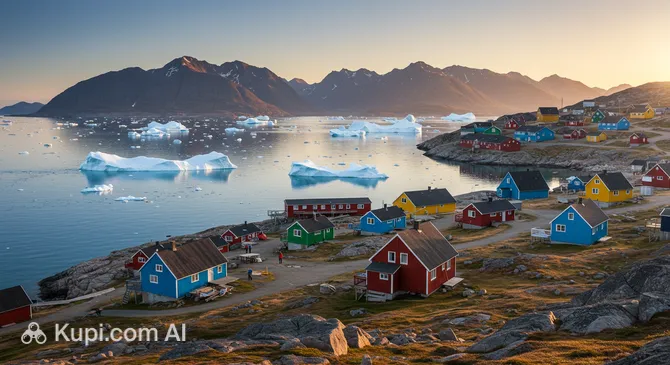
Tasiilaq is widely considered one of the most beautiful and vibrant towns in the Arctic region. As the largest settlement on the eastern coast of Greenland, it serves as a vital gateway to a world of dramatic peaks, massive icebergs, and deep fjords. The town is renowned for its colorful wooden houses that dot the hillsides surrounding the stunning King Oscar Harbour, creating a picturesque contrast against the rugged, snow-capped mountains that frame the landscape.

Geographically isolated yet full of life, Tasiilaq is located on the island of Ammassalik in the Sermersooq municipality. With a population of approximately 2,000 residents, it offers an intimate atmosphere where traditional Inuit culture blends seamlessly with modern life. The climate here is truly Arctic, providing visitors with authentic experiences ranging from the midnight sun in summer to the mesmerizing Northern Lights in winter.

Tasiilaq. Source: Kupi.Binoculars

The town is a cultural hub where ancient traditions are still very much alive. Travelers interested in the history of Tasiilaq can explore local museums and workshops that showcase the region's rich heritage, including intricate tupilak carvings and the enduring legacy of the East Greenlandic people.

For outdoor enthusiasts, Tasiilaq is a paradise. One of the most popular attractions is the Valley of Flowers (Blomsterdalen), a scenic hiking area that bursts with Arctic flora during the short summer season and leads to beautiful waterfalls. In the winter, the landscape transforms into a prime destination for dog sledding, snowshoeing, and even heliskiing for the adventurous. Whether you are kayaking among icebergs or simply soaking in the breathtaking views, Tasiilaq offers an unforgettable adventure at the edge of the world.

Weather Overview

Due to its location on the east coast of Greenland, Tasiilaq experiences a polar climate with distinct seasonal changes. The weather in Tasiilaq is generally cold, with temperatures remaining below freezing for a significant portion of the year.

Winters are long and frigid, with January and December seeing average temperatures around -9.5°C and lows dropping to -11.6°C. Snowfall is frequent during this time, particularly in February, which averages 18 wet days. Despite the high frequency of precipitation days, the actual volume remains relatively low throughout the year, usually ranging between 2mm and 5mm per month.

The summer season offers a brief respite with milder conditions. July is typically the warmest month, featuring an average temperature of 6.8°C and highs reaching up to 9.5°C. Travelers should expect cool summers with occasional light rain and cold winters with frequent snow days.

Interesting Facts

Beyond the main attractions, Tasiilaq holds many fascinating secrets that reveal the resilience and unique culture of its inhabitants. These little-known details offer a deeper glimpse into life in one of the most isolated settlements on Earth.

  • The "Attacking" Wind: Tasiilaq is notorious for the Piteraq, a violent katabatic wind that sweeps down from the ice cap with hurricane-force speeds. The name literally translates to "that which attacks you." The town has a specialized warning system—distinct from regular weather forecasts—that alerts residents to secure their homes and seek shelter before these freezing storms descend.

  • Capital of Tupilaks: The town is considered the premier center for Tupilak carvings. While these intricate figures are now sold as art made from reindeer antler or bone, they were originally shamanistic tools created from perishable materials to destroy enemies. The tradition of carving them into permanent forms only began when early explorers asked to see what these invisible spirits looked like.

  • A Distinct Language: The local dialect, Tunumiit, differs so significantly from the West Greenlandic spoken in the rest of the country that the two are often mutually unintelligible. This linguistic divide is a testament to the centuries of isolation experienced by East Greenland, which remained largely uncontacted by the outside world until the late 19th century.

  • The Supply Ship Salute: For much of the year, the town is locked in by sea ice, cutting off maritime access. The arrival of the first supply ship in July is a major community event, traditionally celebrated with cannon shots or gunfire to welcome the return of fresh produce and goods after the long winter.

How to Get There

Reaching this isolated gem in East Greenland requires a bit of planning, as there are no roads connecting towns in Greenland. Travelers typically fly into a nearby hub and transfer by helicopter or boat. For a complete overview of routes and logistics, you can read the detailed guide on how to get to Tasiilaq.

The city of Tasiilaq does not have its own airport, but you can fly into Kulusuk Airport (IATA: KUS) in the settlement of Kulusuk, which is about 24 km from Tasiilaq. This airport serves as the primary gateway for the region, receiving flights from Nuuk and Reykjavik, Iceland. Since there are no roads between the settlements, the final leg of the journey cannot be made by a standard taxi or bus. Instead, travelers typically take a helicopter, which takes approximately 10 to 15 minutes, or a boat transfer during the summer, which offers a scenic route through the fjords.

For clarity, here is a summary of the main airports:

Airport Name City Passenger Traffic Km from City
Kulusuk AirportKulusukSmall23.6

Main Attractions

Despite its remote location, Tasiilaq offers a fascinating array of sights that blend dramatic Arctic nature with rich cultural heritage. The town is compact enough to explore on foot, yet every corner reveals stunning viewpoints or insights into the unique lifestyle of East Greenland.

Ammassalik Museum is an essential stop for anyone wishing to understand the region's history. Housed in the town's old church, which dates back to 1903, the museum preserves a captivating collection of traditional artifacts. Visitors can examine intricate masks, hunting equipment, and kayaks that were essential for survival in this harsh environment. It is particularly interesting for its exhibits on the rapid cultural changes the area experienced after making contact with the outside world only a century ago.

For those seeking natural beauty, the Valley of Flowers (Blomsterdalen) provides a scenic escape just a short walk from the town center. While the name suggests a lush garden, in the Arctic context, it refers to a stunning valley covered in arctic flora during the short summer. The trail leads past a serene cemetery, where white crosses stand out against the mountain backdrop, and ends at a beautiful waterfall. It is a favorite spot for both leisurely hikers and photographers looking to capture the contrast between the green valley and the icy peaks.

The Tasiilaq Church stands as a modern architectural landmark in the town. Built in a distinctive pentagonal shape, it is easily recognizable by its bright orange color. The interior is equally impressive, featuring an altar and baptismal font made from driftwood and sealskin, designed by the renowned Greenlandic artist Aka Høegh. This attraction offers tourists a look at how modern Christianity has been integrated with local Inuit materials and aesthetics.

To see local craftsmanship in action, a visit to the Stunk Art Workshop is highly recommended. This working studio allows travelers to observe local artisans as they carve tupilaks—the famous grotesque figures unique to Greenlandic mythology—from reindeer antler, bone, and tooth. It serves as both a cultural experience and a place to find authentic, high-quality souvenirs that directly support the local community.

Local Cuisine

The culinary landscape of Tasiilaq is a direct reflection of its Arctic environment, where the ocean and the tundra provide the freshest possible ingredients. In this isolated settlement, the concept of "farm-to-table" is replaced by "fjord-to-plate," with a heavy reliance on hunting and fishing. For visitors, dining here offers a rare opportunity to taste Kalaalimernit (Greenlandic food) prepared in its most authentic form, often featuring game meats and seafood that are unavailable elsewhere in the world.

One of the most traditional dishes you must try is Suaasat, often considered the national soup of Greenland. This hearty, warming broth is typically made from seal meat, though reindeer, seabirds, or whale are also used. It is thickened with rice, barley, or potatoes and seasoned simply with salt, pepper, and onions to let the natural flavors shine. For the more adventurous eater, Mattak—raw whale skin with a layer of blubber—is a local delicacy rich in Vitamin C and known for its distinct, nutty flavor and chewy texture.

Beyond traditional staples, the local gastronomy embraces the rich game found in the region. Musk ox is a favorite on restaurant menus, often served as a tender steak or in burger form, offering a flavor profile somewhere between beef and venison. The waters around Tasiilaq also teem with seafood, including halibut, snow crab, and the small fish known as ammassat (capelin), which are often dried and eaten as a savory snack.

When it comes to beverages, the experience is as much about the presentation as the taste. A popular post-dinner treat is Greenlandic Coffee. This is not just a drink but a performance; it combines hot coffee with whiskey, Kahlúa, and Grand Marnier, topped with whipped cream. It is traditionally set on fire before being drunk, symbolizing the Northern Lights. For beer lovers, look for brews made with glacial water harvested from ancient icebergs, providing an exceptionally crisp and clean taste.

The food scene in Tasiilaq is intimate and centered around a few key establishments rather than a bustling street food culture. Tourists usually dine in the town's hotels, such as the restaurant at Hotel Angmagssalik or the famous The Red House (Det Røde Hus). These venues excel at blending Italian or Danish culinary techniques with local Greenlandic ingredients. For a glimpse into daily life, you can visit the local open-air market, known as Brættet, where hunters and fishermen sell their fresh catch of the day directly to the community.

Travel Tips

Traveling to East Greenland is a unique adventure that requires a bit more foresight than your average holiday due to the region's isolation and rugged nature. To help you navigate the steep hills and local customs of Tasiilaq with ease, here are some essential practical tips for your journey.

  1. Clothing and Gear: The weather in Tasiilaq changes rapidly, so the key is layering. Bring a thermal base layer, a warm middle layer (wool or fleece), and a windproof and waterproof outer shell. Sturdy, waterproof hiking boots with good grip are mandatory, as the town is very hilly and roads can be icy or muddy even in summer. Don't forget sunglasses and sunscreen, as the glare from the snow and sea can be intense.
  2. Transportation: The town is compact but steep, making walking the primary mode of transport for visitors. There is no public bus system or metro. For airport transfers (from the heliport) or moving heavy luggage to your hotel, local taxis are available, but you won't need to rent a car here—there are no roads connecting Tasiilaq to other settlements.
  3. Finances: The local currency is the Danish Krone (DKK). Credit cards (Visa and Mastercard) are widely accepted at the main supermarket (Pilersuisoq) and hotels. However, it is highly recommended to carry some cash for buying souvenirs at the art workshop, small local purchases, or tipping, although tipping is not strictly expected in Greenland. There is an ATM located at the Pilersuisoq store.
  4. Health and Safety: Tasiilaq has a local hospital that provides emergency medical assistance. Pharmacies are not standalone stores; basic medicines can be found at the supermarket or the hospital. Be extremely cautious when walking in winter, as paths can be slippery. While polar bears are rare within the town itself, they are a real danger in the surrounding wilderness; never hike far from town without a guide or proper safety equipment (flare gun).
  5. Communication: The official languages are Greenlandic (East Greenlandic dialect) and Danish. English is spoken by staff in the tourism industry and many younger locals, but it is not universally understood by the older generation. A few words in Danish or a friendly smile go a long way. For mobile data, you can buy a Tusass SIM card at the post office/store, though Wi-Fi is available in most hotels (often for a fee).
  6. Local Etiquette: The people of East Greenland are friendly but value their privacy. Always ask for permission before taking photos of locals, especially children. It is polite to remove your shoes when entering a private home or certain accommodations. A simple nod or a smile is a common and respectful way to greet people you pass on the street.
  7. What to Avoid: Never approach or touch sled dogs. You will see many dogs chained outside houses; these are working animals, not pets, and they can be aggressive and dangerous. Keep a safe distance and ensure children do not run towards them. Also, avoid walking on groomed dog sled tracks in winter, as this ruins the trail for the mushers.
  8. Additional Tip: Be aware of alcohol sales restrictions. To curb social issues, the sale of alcohol in shops is often restricted to specific hours (usually stopping in the afternoon on weekdays and earlier on Saturdays) and requires a special separate checkout. If you plan to buy a bottle of wine or beer from the store, check the opening hours posted at the entrance to avoid disappointment.

With these practical tips in mind, you will be well-prepared to embrace the wild beauty and distinct culture of Tasiilaq. Respecting the local environment and customs will ensure your stay is not only safe but also deeply rewarding.

Entertainment & Nightlife

Entertainment and nightlife in Tasiilaq offer a unique experience that reflects the town's isolated yet warm character. Unlike the bustling nightlife districts of major cities, the evening scene here is intimate, centered around social gatherings, storytelling, and enjoying the company of fellow travelers and locals. While you won't find neon-lit avenues or sprawling club complexes, the town possesses a cozy charm where the "night" can last for months in winter or disappear entirely under the midnight sun in summer.

The heart of the social scene is undoubtedly the local hotels, which double as the primary watering holes. The bar at Hotel Angmagssalik is the most prominent venue in town. Perched on a hill, it offers not just a selection of drinks but also panoramic views of the fjord and the surrounding mountains. It is the perfect place to unwind with a local beer or a Greenlandic coffee while swapping stories with hikers and adventurers from around the world. On weekends, the atmosphere becomes livelier, often featuring music and a mix of tourists and residents enjoying the evening.

For a more rustic and mountaineering-focused vibe, The Red House (Det Røde Hus) is the place to be. This establishment is legendary among climbers and expeditions visiting East Greenland. In the evenings, its dining area and bar transform into a social hub where you can enjoy a glass of wine in a friendly, cabin-like atmosphere. It is an excellent spot to meet interesting people and get firsthand advice on local routes and conditions.

If you are looking for a more local experience, there is a venue often referred to simply as Klubben. This serves as the town's pub and disco, typically open on Friday and Saturday nights. Here, the music is louder, and the crowd is predominantly local. It offers a rare glimpse into the modern youth culture of the settlement, though visitors should be prepared for a very casual and unpretentious environment.

The atmosphere in Tasiilaq's nightlife is incredibly relaxed. There is absolutely no dress code; hiking boots, wool sweaters, and fleece jackets are the standard attire everywhere. The best time to head out is usually after dinner, around 9:00 PM. Prices for alcohol can be high compared to European standards due to import costs, so budget accordingly. A standard beer might cost significantly more than you are used to.

Regarding safety and logistics, Tasiilaq is generally very safe for night walks, provided you respect the environment. The main danger at night is not crime, but the terrain—roads can be icy, steep, and poorly lit. It is advisable to carry a small flashlight or headlamp during the darker months. Taxis are available and are the best way to get back to your accommodation if you are staying far from the center or if the weather turns bad. You can ask the bar staff to call a taxi for you, as they are not always easily hailed on the street.

During the day, entertainment shifts towards cultural and outdoor activities. While nightlife is quiet, the days are filled with opportunities to visit the local Ammassalik Museum or watch a local soccer match. Soccer is a passion in Greenland, and watching a game on the gravel pitch with the mountains in the background is a form of entertainment in itself. For a quieter afternoon, simply walking through the town to admire the colorful architecture or visiting the local workshop to see artists at work provides a fulfilling cultural experience.

Parks & Museums

In Tasiilaq, the concept of urban parks and manicured gardens is redefined by the raw, untamed beauty of the Arctic. Instead of fenced green spaces, the town is surrounded by a vast, natural wilderness that starts right at the doorstep of colorful homes. The cultural landscape is equally compelling, with intimate venues that preserve the deep-rooted traditions and artistic heritage of East Greenland.

Blomsterdalen (Valley of Flowers) is the town's most beloved natural sanctuary. While it serves as a popular hiking destination, it functions much like a central park for the locals. Following the river that cuts through the valley, visitors can admire a surprising variety of Arctic flora, including the vibrant broad-leafed willowherb and arctic thyme, which bloom intensely during the short summer. The area is also home to the town's serene cemetery, where white crosses rest against a dramatic backdrop of jagged mountains, creating a place of profound silence and beauty.

For a different kind of open space, the Tasiilaq Harbor and its surrounding coastline offer a picturesque area for walking. There are no paved promenades, but the rocky shores provide a front-row seat to the ever-changing theater of the fjord. Here, you can watch icebergs drift slowly by and observe local fishermen preparing their boats. It is a natural "park" where the rhythm of the tides and the movement of the ice dictate the atmosphere.

The cultural heart of the town is the Ammassalik Museum. Housed in the old church building, which was originally constructed in 1903 and later moved to its current location, the museum is a treasure trove of Tunumiit heritage. The collection goes beyond standard displays; it features hauntingly beautiful East Greenlandic masks, traditional skin kayaks, and rare photographs that document the region's first encounters with the outside world. Beside the main building, you can often see a reconstruction of a traditional peat house, offering a visceral sense of how families survived the harsh winters in the past.

While not a museum in the traditional sense, the Stunk Art Workshop operates as a living gallery and is a cornerstone of the local art scene. Visitors are welcome to step inside to watch master carvers transform reindeer antlers, soapstone, and bone into intricate Tupilak figures. It provides a unique opportunity to see the artistic process firsthand and understand the mythology behind these grotesque yet fascinating spirit figures.

Architecturally, the town is dominated by the striking Tasiilaq Church (the new church). Its distinct pentagonal shape and bright orange exterior make it a beacon in the snowy landscape. Inside, the fusion of Lutheran tradition and Inuit culture is evident in the altar and baptismal font, which are crafted from local driftwood and sealskin by the celebrated artist Aka Høegh. It stands as a powerful symbol of the community's modern identity.

For a truly authentic experience, take a walk up to the water tanks or the telecommunications tower on the hill above the town. This spot is not marked on many tourist maps, but it offers the best panoramic view of the colorful houses cascading down to the fjord. It is a favorite spot for photographers looking to capture the contrast between the vibrant settlement and the stark, icy wilderness that surrounds it.

Getting Around

Navigating Tasiilaq offers a completely different experience from the complex transit networks found in major cities. Due to the town's small size and challenging topography, there is no conventional public transport system such as buses, trams, or a metro. The settlement is compact enough that most daily travel is done on foot, although the steep hills and icy conditions can make walking a physical activity in itself.

The primary form of motorized public transport within the town is the local taxi service. These are not typical city sedans but usually sturdy 4x4 vehicles or pickup trucks designed to handle the steep, unpaved, or snow-covered roads. Taxis are essential for transporting luggage to and from the heliport or for getting around when the weather is particularly harsh. Since there are no street-hailing customs here, you generally need to call the taxi company directly to book a ride, or ask your hotel reception to arrange one for you.

Regarding payment, the system is straightforward but traditional. There are no travel cards, transport apps, or zone-based passes. Fares are paid per ride, and while some drivers may accept credit cards, it is highly advisable to carry cash in Danish Krone (DKK). Prices are generally fixed or based on a standard rate for trips within the town limits, but they can be higher than what you might expect elsewhere due to the high cost of fuel and vehicle maintenance in this remote location.

For tourists, the most practical advice is to treat walking as your main mode of transport and prepare accordingly. Invest in good quality non-slip soles or attachable spikes (crampons) for your boots, as the roads can become incredibly slippery in winter. If you need a taxi, especially for a departure at the heliport, book it well in advance. The fleet is small, and during peak times or bad weather, wait times can increase significantly.

Seasonality plays a huge role in how people move around the broader area. In the winter months, snowmobiles and dog sleds become viable transport alternatives, though dog sleds are typically used for tours, hunting, or longer expeditions rather than simple point-to-point city transit. In the summer, the "highway" is the water; small boats act as water taxis, ferrying locals and tourists to nearby settlements or hunting grounds, effectively replacing inter-city buses.

A unique feature of Tasiilaq's transport infrastructure is its reliance on the heliport as the central transit hub. Since there are no roads connecting Tasiilaq to the rest of Greenland, the helicopter serves the function of a regional train, connecting residents to the airport in Kulusuk. Watching the helicopter land and take off is a daily event that underscores the town's isolation and the logistical ingenuity required to live here.

Accommodation

Finding accommodation in Tasiilaq is a straightforward process, primarily because the options are limited and concentrated. Travelers should not expect international luxury chains or sprawling resorts. Instead, the town offers a small selection of cozy hotels, guesthouses, and private rentals that provide a warm and comfortable base for Arctic adventures. The standard of accommodation is generally good, focusing on functionality, warmth, and hospitality rather than opulence.

Due to the town's geography, most lodgings are situated on the hillsides overlooking the King Oscar Harbour. This means that regardless of where you stay, you are likely to have stunning views of the fjord and the surrounding mountains. The town is compact, so staying "central" is less about proximity to a specific landmark and more about how far up the hill you are located. Be prepared for steep walks to and from your accommodation, which is part of the daily rhythm of life here.

The most well-known establishment in town is Hotel Angmagssalik. Perched high on a hill, it is the largest hotel in the area and serves as a central hub for visitors. It offers comfortable rooms with en-suite facilities and houses the town's main restaurant and bar, making it a convenient choice for those who prefer having all amenities under one roof. The views from its terrace are widely considered the best in town.

For a more rustic and communal experience, The Red House (Det Røde Hus) is a legendary spot among hikers, climbers, and adventurers. It operates as a guesthouse and offers a variety of room types, from standard hotel rooms to more budget-friendly options with shared facilities. The atmosphere here is distinctively social, often filled with expedition teams preparing for or returning from trips into the wilderness.

Booking Tip: Capacity in Tasiilaq is very limited. During the peak summer season (July and August) and the prime winter dog-sledding months (March and April), rooms can sell out months in advance. It is essential to secure your reservation as soon as your flights are confirmed to avoid being left without a place to stay.

In terms of pricing, accommodation in Tasiilaq generally falls into the mid-range to expensive category, reflecting the high logistical costs of running a business in East Greenland. True budget options like cheap hostels are rare, although camping is an option for the hardy during summer. Most properties can be booked via standard online travel platforms or by contacting them directly via email.

Nearby Cities

For those looking to explore the surroundings, Tasiilaq serves as an excellent base for day trips to several interesting nearby locations:

Kulusuk is often the first and last point of contact for travelers, as it hosts the region's primary airport. Located on a nearby island, this settlement offers a deep dive into traditional East Greenlandic culture. Visitors can experience authentic drum dancing, browse local crafts, or simply enjoy the scenic boat or helicopter transfer that connects it to Tasiilaq.

Tiniteqilaaq is a small settlement situated on the edge of the magnificent Sermilik Fjord. It is widely regarded as having one of the most spectacular views in Greenland, overlooking a channel filled with massive icebergs calving from the Greenland Ice Sheet. A boat tour to this village provides an unforgettable encounter with the sheer scale of the Arctic nature.

Kuummiut, located deep within the Ammassalik Fjord, is another captivating destination for a day trip. Surrounded by steep, jagged mountains, it is a haven for hikers and fishermen. The journey there by boat is an adventure in itself, navigating through fjord waters often dotted with ice.

City Population Distance (km)
Nuuk 18326 685
Ilulissat 4737 701
Qaqortoq 3093 689
Maniitsoq 2534 705
Paamiut 1429 715

These nearby destinations offer a glimpse into the diverse culture and landscapes of the region.

Shopping & Souvenirs

Shopping:

Shopping in Tasiilaq is a unique experience that reflects the town's isolation and the resourcefulness of its inhabitants. You will not find sprawling shopping malls, designer boutiques, or high streets lined with international brands. Instead, the retail scene is functional and intimate, focused on providing daily essentials for locals and offering authentic, high-quality handicrafts for visitors. The primary appeal for tourists lies in purchasing locally made art, which is considered some of the finest in Greenland.

Main Shopping Areas

There is no designated shopping district in Tasiilaq. The commercial activity is concentrated in the center of the town, near the harbor and the post office. A stroll through this area will take you past the few shops that exist, most of which are within walking distance of each other. The layout is simple, and you are unlikely to get lost; however, be prepared for steep walks between the different buildings.

Shopping Malls and Department Stores

Tasiilaq does not have shopping malls. The closest equivalent is the large Pilersuisoq supermarket. In remote Greenlandic settlements, Pilersuisoq serves as a "department store" that stocks absolutely everything a community might need to survive. Beyond groceries and fresh produce, you can find clothing, rifles, camping gear, electronics, toys, and household goods. For a tourist, browsing the aisles offers a fascinating glimpse into the logistics of Arctic life, where bananas sit on shelves next to ammunition and snowmobile parts.

Markets

For a taste of local life, visit Brættet (The Board). This is the town's open-air market where local hunters and fishermen sell their fresh catch of the day. Depending on the season, you might see seal, whale meat, halibut, or salmon being sold directly to the community. While you may not be looking to buy raw meat to cook in your hotel room, it is a culturally significant spot to observe the "fjord-to-table" lifestyle. Occasionally, you might also find locals selling homemade crafts or berries here.

Souvenirs and Local Crafts

The true gem of shopping in Tasiilaq is the local craftsmanship. The town is famous for its tupilaks—small, intricate figures carved from reindeer antler, bone, or tooth. The Stunk Art Workshop is the premier place to purchase these. Here, you can buy directly from the artists, ensuring the authenticity and quality of the piece. Other popular souvenirs include colorful beadwork, jewelry made from musk ox horn, and items crafted from sealskin, such as mittens or coin purses.

Note on Souvenirs: When purchasing items made from animal parts (like seal, whale, or polar bear), be aware of CITES regulations. Many of these items cannot be imported into the US, UK, or EU without specific permits, or at all. Always ask the seller for a CITES certificate if applicable, but check your home country's import laws beforehand to avoid confiscation at customs.

Opening Hours and Payment

Opening hours in Tasiilaq are generally limited. The main Pilersuisoq store is usually open from Monday to Friday until around 5:00 PM or 6:00 PM, with shorter hours on Saturdays and often closed or very limited hours on Sundays. Souvenir shops and the post office follow similar schedules. The currency used is the Danish Krone (DKK). Major credit cards (Visa and Mastercard) are accepted at the supermarket and hotels, but it is highly recommended to carry cash for smaller purchases at the market or when buying directly from local artisans.

Tax-Free Shopping

Greenland is not part of the EU VAT area, and the concept of "Tax-Free" shopping with refunds at the airport does not apply here in the same way it does in Europe. Prices displayed are generally the final prices. However, the unique value lies in buying tax-free art directly from the source, often at better prices than in souvenir shops in larger cities like Nuuk or Copenhagen.
Nearby cities

Reached the end of the page?

That means the route is fully explored