Support

Kulusuk

About

Welcome to Kulusuk, a captivating settlement that serves as the vital gateway to the wild and untamed beauty of East Greenland. Although it is a small village, Kulusuk offers a profound introduction to the Arctic way of life, greeting visitors with a spectacular backdrop of jagged mountain peaks and drifting icebergs. It is often the first point of contact for travelers arriving in this remote region, thanks to its international airport, yet it retains an authentic atmosphere that feels worlds away from modern bustle.
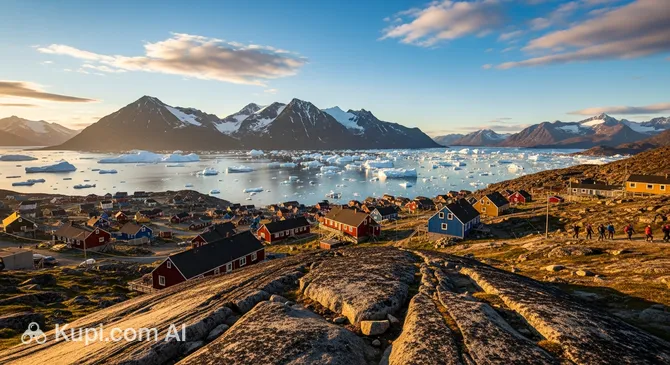
Kulusuk. Source: Kupi.Binoculars

Geographically, the settlement is situated on a small island of the same name in the Sermersooq municipality. With a population of fewer than 300 residents, it is a tight-knit community where traditional hunting and fishing lifestyles remain central to daily existence. The climate here is truly Arctic, characterized by snowy winters perfect for dog sledding and short, vibrant summers where the midnight sun illuminates the fjords.

The history of Kulusuk is deeply woven with the resilience and heritage of the Inuit people. One of the most unique cultural experiences here is the traditional drum dance, a powerful storytelling art form that has been preserved through generations and is often performed for visitors. Additionally, the small but fascinating Kulusuk Museum offers insights into the local past, displaying family artifacts and tools used by ancestors to survive in this harsh environment.

Nature lovers will find plenty to admire, from hiking up Isikajia Mountain for panoramic views of the Denmark Strait to browsing local crafts, such as the intricate tupilak figures carved from bone or antler. Whether you are using it as a stepping stone to other adventures or staying to soak in the local culture, Kulusuk promises an unforgettable glimpse into the heart of the Arctic.

Weather Overview

Understanding the local climate is essential for planning your Arctic adventure, as conditions can change rapidly. The weather in Kulusuk is typically polar, featuring long, cold winters and short, cool summers. Regardless of the season, packing layers is highly recommended to stay comfortable while exploring the outdoors.

In the winter months, particularly January and February, temperatures dip significantly, with averages around -9.1°C and minimums reaching -11.3°C. This period often sees the highest frequency of precipitation days, with up to 18 wet days in February, creating a snowy landscape ideal for traditional winter activities.

Summer offers milder conditions, though it remains brisk by non-Arctic standards. During July and August, the average temperature rises to approximately 6.1°C, with daily highs peaking near 8.5°C. Although the total volume of precipitation is quite low throughout the year—often just a few millimeters per month—you should still be prepared for damp conditions, as wet days occur regularly even in summer. Expect cool summers with occasional light moisture and cold winters dominated by snow and ice.

Interesting Facts

Beyond the stunning icebergs and mountain vistas, Kulusuk holds several fascinating details that are often overlooked by visitors passing through. This small settlement is not just a transit point but a place with a distinct history and linguistic heritage.

  • Military Origins: The reason this small village boasts an international airport is rooted in Cold War history. The airstrip was originally constructed by the United States in 1956 to serve a Distant Early Warning (DEW) Line radar station known as DYE-4. Although the military station closed years ago, the infrastructure remained, transforming Kulusuk into the primary gateway for East Greenland.

  • A Distinct Language: While most of the country speaks West Greenlandic (Kalaallisut), the residents here speak a distinct dialect known as Tunumiit. This East Greenlandic dialect differs significantly in pronunciation and vocabulary, to the point where speakers from the west coast often find it difficult to understand without practice.

  • Bird-Inspired Name: The name "Kulusuk" is descriptive of the island's geography. It translates to "The Chest of a Black Guillemot," referring to the shape of the island which resembles the breast of this common Arctic seabird.

  • Recent Settlement: Despite the ancient roots of the Inuit in the region, the village itself is relatively young. It was established in 1909 near the site of an older settlement and was formerly known as Kap Dan. Today, it stands as one of the largest settlements on the East Coast, despite having a population of fewer than 300 people.

How to Get There

Reaching this remote Arctic destination is an adventure in itself, primarily relying on air travel due to the isolated geography of the region. Visitors typically fly from Iceland or West Greenland to start their journey. You can find out more about how to get to Kulusuk and plan your logistics in our detailed guide.

The settlement is conveniently served by its own transport hub, Kulusuk Airport (KUS). Located just 2.6 km from the village center, it is one of the distinct international gateways in the country, often receiving flights from Reykjavik. Since the airport is situated on the same island as the settlement, the transfer is relatively short, though options are limited compared to larger towns.

It is important to note that taxis do not operate in Kulusuk. Most travelers arrange a transfer via their accommodation, with hotel shuttles taking approximately 5 to 10 minutes to drive from the terminal to the village. Alternatively, for those traveling light, walking is a feasible option; the trek along the gravel road takes around 30 to 40 minutes and offers a scenic introduction to the landscape.

For clarity, here is a summary of the main airport:

Airport Name City Passenger Traffic Km from City
Kulusuk Airport Kulusuk Small 2.6

Main Attractions

Although Kulusuk is a small settlement, it offers a surprising wealth of cultural and natural sights that provide a deep dive into the unique traditions of East Greenland. The village is not just a transit hub; it is a place where ancient Inuit heritage and dramatic Arctic landscapes converge, offering visitors a chance to explore history, art, and nature in one compact area.

One of the most authentic cultural stops is the Kulusuk Museum, a private institution run by a local family. Unlike larger state museums, this intimate collection offers a personal look into the lives of the Tunumiit people. The exhibits feature traditional hunting tools, kayaks, and intricate beadwork that once belonged to the owner's ancestors. It is an excellent place to learn about the distinct dialect and customs of the East Coast, which differ significantly from the rest of the country.

The Church of Kulusuk stands as a fascinating piece of local history and architecture. Constructed in the early 20th century, the building has a unique origin story: it was built using timber reclaimed from a Danish ship that ran aground nearby. Inside, visitors can see a model of that very ship hanging from the ceiling—a traditional votive offering found in many Scandinavian churches. The interior also features beautiful stained glass windows and altar decorations that blend Christian symbols with local Inuit artistry.

For nature enthusiasts, a trip to the Apusiaajik Glacier is an absolute must. Located on a nearby island, this active glacier is often referred to as the "Little Glacier," though its massive wall of blue ice is anything but small. It is easily accessible by a short boat tour in the summer or by dog sled in the winter. Seeing the jagged ice formations up close and hearing the thunderous sound of the glacier calving into the sea is an unforgettable Arctic experience.

Hikers will find their highlight at Isikajia Mountain, which offers some of the best panoramic views in the region. The trail leads up to a vantage point where you can gaze out over the Denmark Strait and watch colossal icebergs drifting southward. The summit is also home to the remnants of the DYE-4 radar station, a relic from the Cold War era. This juxtaposition of raw natural beauty and modern military history makes the hike both visually and intellectually rewarding.

Local Cuisine

The local cuisine of Kulusuk is a direct reflection of the Arctic environment, where hunting and fishing are not just traditions but essential means of survival. For visitors, dining here offers a rare opportunity to taste ingredients sourced directly from the surrounding icy waters and rugged terrain. The food culture is defined by freshness and simplicity, with a heavy reliance on marine mammals, game, and fish, often prepared in hearty, warming dishes designed to combat the polar cold.

One of the most authentic dishes to try is suaasat, a traditional soup that is widely considered the national dish of Greenland. It is typically made from seal, whale, reindeer, or seabirds, boiled with onions and potatoes to create a rich, savory broth. Often thickened with rice or barley, it is a staple comfort food that provides the energy needed for life in the North. For the more adventurous eater, mattak—raw whale skin with a thin layer of blubber—is a must-try delicacy. Rich in Vitamin C and known for its nutty flavor and chewy texture, it is a prized treat among locals.

Seafood lovers will find the fish here exceptionally fresh. Halibut, redfish, and cod are commonly caught in the nearby fjords and are often served pan-fried or dried as ammassat (dried capelin), a popular snack. On land, muskox and reindeer meat appear frequently on menus, prized for their lean, flavorful qualities. These meats are often prepared as steaks, stews, or even in burger form, offering a unique twist on familiar comfort foods.

When it comes to beverages, the pristine nature of the region offers the purest drink imaginable: ice water sourced directly from millennia-old glaciers. For something warmer and more spirited, you might encounter Greenlandic coffee. This famous local concoction is a show in itself, typically blending hot coffee with whiskey, Kahlua, and Grand Marnier, topped with a generous amount of whipped cream and sometimes set aflame to represent the Northern Lights.

Dining options in Kulusuk are limited due to its small size, and you will not find a wide array of restaurants or street food stalls. The primary place for tourists to enjoy a sit-down meal is the restaurant at Hotel Kulusuk. Here, the kitchen serves a mix of international favorites and local specialties, allowing guests to sample Arctic ingredients in a comfortable setting with views of the fjord. For basic supplies or snacks, the local Pilersuisoq supermarket is the community hub, but for a full culinary experience, the hotel remains the central gathering spot for visitors.

Travel Tips

Visiting a remote settlement like Kulusuk requires a bit more preparation than your average holiday, as the Arctic environment commands respect and readiness. To help you make the most of your journey to this spectacular gateway of East Greenland, here are some essential practical tips to ensure a safe and memorable experience.

  1. Clothing and Gear: The weather in Kulusuk is unpredictable and often harsh, so the key to comfort is layering. Even in summer, bring thermal underwear, a warm wool or fleece middle layer, and a high-quality windproof and waterproof outer shell. Sturdy, waterproof hiking boots are essential for navigating the gravel roads and rocky terrain. Don't forget sunglasses and sunscreen, as the sun's reflection off the snow and ice can be intense. In July and August, a mosquito head net or strong repellent is highly recommended, as insects can be surprisingly aggressive.

  2. Transportation: Forget about public transport, ride-hailing apps, or car rentals; they simply do not exist here. Kulusuk is a small village where everything is within walking distance. The only motorized transport you are likely to use is the shuttle van provided by Hotel Kulusuk for airport transfers. In winter, locals travel by dog sled or snowmobile, and in summer, boats are used to navigate the fjords. If you have heavy luggage, arrange a transfer with your accommodation in advance.

  3. Finances: The local currency is the Danish Krone (DKK). While Hotel Kulusuk and the local Pilersuisoq supermarket accept major credit cards (Visa, Mastercard), it is crucial to bring some cash with you. You will need cash to buy authentic handicrafts directly from local artisans or to pay for small services. There are no banks in the village, and reliance on a single card terminal can be risky due to occasional connection issues in this remote area.

  4. Health and Safety: Kulusuk is located in polar bear territory. While bears usually stay away from the settlement, they can be present in the surrounding wilderness; never hike far from the village without a local guide or proper safety measures. Medical facilities are limited to a small nursing station for basic care; serious emergencies require evacuation to Tasiilaq or Nuuk. Therefore, comprehensive travel insurance that covers medical evacuation is absolutely mandatory.

  5. Communication: The main languages are the East Greenlandic dialect (Tunumiit) and Danish. English is generally spoken by staff at the airport and hotel, but fewer locals in the village may be fluent. Learning a simple greeting like "Kutaa" (Hello) is appreciated. Mobile coverage is available via the Tusass network, but roaming charges for foreign SIM cards can be exorbitant. Wi-Fi is available at the hotel but may be slow or expensive; consider this a chance to disconnect.

  6. Local Etiquette: The people of Kulusuk are welcoming but value their privacy. Always ask for permission before taking photographs of locals, their children, or their homes. It is polite to smile and nod when passing someone on the road. Life here moves at a different pace—"Greenlandic time"—so patience is a virtue; services may not always run on a strict schedule.

  7. What to Avoid: Never touch or approach the sled dogs. They are working animals, not pets, and can be dangerous if they feel threatened or provoked. Keep a safe distance, especially if they are chained. Additionally, avoid walking on sea ice unless you are with a local who knows the conditions; currents can make the ice unstable even when it looks solid.

  8. Souvenir Advice: If you plan to buy tupilaks (traditional carvings) made from bone, antler, or tooth, be aware of export regulations. Some materials, such as certain types of whale bone or walrus ivory, require a CITES certificate to be legally brought back into your home country. Ask the seller or the hotel staff for assistance with the paperwork to avoid issues at customs.

By keeping these tips in mind, you will be well-equipped to navigate the unique challenges and charms of Kulusuk. Embrace the silence, respect the raw power of nature, and enjoy the warm hospitality of this resilient Arctic community.

Entertainment & Nightlife

Entertainment and nightlife in Kulusuk are defined by the settlement's remote Arctic nature and small population. Travelers looking for bustling nightclubs, neon-lit streets, or a variety of bars will not find them here. Instead, the "nightlife" is intimate, cozy, and deeply connected to the surrounding environment. Evenings are typically spent socializing in a warm, relaxed atmosphere or witnessing the spectacular natural light shows in the sky.

The primary—and essentially only—venue for evening entertainment is Hotel Kulusuk. As the social hub for tourists and visiting professionals, the hotel features a bar and dining area that serves as the village's main meeting point. The atmosphere is casual and welcoming, often filled with hikers, skiers, and adventurers sharing stories of their day's explorations. You can enjoy a glass of wine, a Danish beer, or a Greenlandic coffee while looking out over the fjord. There is no dress code; comfortable outdoor gear is the standard attire.

For a more local experience, visitors might engage with the community near the harbor or the central area of the village, though there are no dedicated pubs or clubs for the public. Alcohol can be purchased during the day at the local Pilersuisoq supermarket, but travelers should be aware of restricted selling hours, which often end early in the evening or on weekends. It is common for visitors to buy their own supplies and enjoy a quiet evening on their hotel terrace or accommodation porch.

The most breathtaking "night club" in Kulusuk is undoubtedly the sky itself. From late August to April, the settlement is a prime location for viewing the Northern Lights (Aurora Borealis). With minimal light pollution, the dancing green and purple lights provide a mesmerizing spectacle that far surpasses any man-made entertainment. The best viewing spots are just a short walk from the hotel or the village edge, where the darkness is complete.

Safety is a critical consideration for any night activity in Kulusuk. The settlement is located in polar bear territory. While the village itself is generally safe, you should never walk alone away from the lit areas of the hotel or the settlement center after dark. If you plan to venture even a short distance to photograph the Northern Lights, it is advisable to go in a group or with a local guide who can ensure your safety. There are no taxis to call; movement is strictly on foot or via arranged hotel transfers.

During the daylight hours, entertainment shifts to cultural and outdoor pursuits. The Kulusuk Museum provides a fascinating look into the heritage of the Tunumiit people, while the surrounding landscape invites hiking and photography. In winter, dog sledding excursions offer an adrenaline-filled way to see the terrain, and in summer, boat tours to the nearby glaciers provide unforgettable memories before you settle in for a quiet, peaceful Arctic evening.

Parks & Museums

In Kulusuk, the concept of a "park" is redefined by the raw, unmanicured beauty of the Arctic. You will not find fenced botanical gardens or manicured lawns here; instead, the entire settlement is surrounded by a vast, open-air wilderness that serves as a playground for nature lovers. The cultural scene is equally intimate, focused on preserving the unique heritage of the Tunumiit people through small, personal collections rather than grand institutions.

The most significant natural area is the surrounding tundra and coastline itself. Stepping just outside the village limits, visitors are immediately immersed in a landscape of lichen-covered rocks, alpine flowers during the short summer, and the ever-present backdrop of icebergs floating in the fjord. This "natural park" offers endless opportunities for hiking and photography, with the terrain changing dramatically from snow-covered slopes in winter to rocky, mossy ground in summer. It is a place to breathe the cleanest air on earth and watch for wildlife, including arctic foxes and seabirds.

Another poignant site that functions as a quiet green space is the Old Cemetery. Located on a hillside overlooking the sea, the cemetery is marked by simple white crosses and colorful artificial flowers that stand out continually against the snow or grey rock. It is a peaceful place for reflection that offers stunning views of the mountain ranges and the ocean. While it is a resting place, it is also a testament to the community's history and their close relationship with the harsh environment that surrounds them.

For a deep dive into local history, the Kulusuk Museum is the settlement's cultural jewel. This small, privately owned museum is run by a local family and is housed in a modest building that belies the treasures within. The collection is a labor of love, featuring authentic Inuit hunting tools, traditional skin clothing, and historic photographs that document life in East Greenland over the past century. It provides a rare, personal narrative of survival and adaptation that you won't find in larger, state-run facilities.

While not a museum in the traditional sense, the local artisan workshops serve as the village's living galleries. Kulusuk is renowned for its skilled carvers who create tupilaks—grotesque and intricate figures rooted in spirit mythology—from reindeer antler, bone, and soapstone. Visitors can often find locals working outside their homes or in small sheds near the harbor. Watching these artists transform raw materials into exquisite sculptures offers a direct connection to the region's artistic traditions and is a highlight for anyone interested in indigenous crafts.

For an insider tip, take a walk down to the harbor area when the hunters return. It is an unscripted "open-air museum" of daily life, where you can observe the preparation of the day's catch and see the practical use of the tools displayed in the museum. It is a raw, authentic experience that captures the pulse of this resilient community.

Getting Around

When planning a trip to Kulusuk, it is important to adjust your expectations regarding public transportation. As a small, remote settlement with a population of fewer than 300 people, the village does not have a public transport system in the traditional sense. There are no subways, trams, public buses, or even scheduled minibus services operating within the settlement. The infrastructure is minimal, designed for a tight-knit community where most daily activities take place within a compact area.

The primary mode of getting around Kulusuk is simply walking. The distance from the airport to the center of the village is approximately 3 kilometers (about 1.9 miles), which takes roughly 30 to 40 minutes on foot. The road is unpaved and gravelly, so sturdy, waterproof hiking boots are highly recommended. In winter, the road is cleared of snow, but conditions can still be slippery. Walking offers an immersive way to experience the silence and vastness of the landscape, but travelers should always be mindful of the weather conditions.

For visitors arriving with luggage, the only motorized "shuttle" service available is operated by Hotel Kulusuk. This van collects guests from the airport upon arrival and transports them to the hotel. It is not a public bus and does not run on a fixed schedule for the general public; it operates based on flight arrivals and guest bookings. If you are staying at the hotel, this transfer is typically arranged as part of your stay. If you are staying elsewhere, you must arrange transportation with your host in advance, as you cannot simply hail a ride upon landing.

Regarding payment and tickets, the concept of travel passes, transit cards, or mobile transport apps does not apply here. For the few services that do exist—such as a private boat transfer in summer or a arranged ride—transactions are usually handled in cash (Danish Krone) or settled directly with your accommodation provider. There are no ticket machines or validators. It is wise to carry some local currency, as private individuals offering informal transport services likely will not have card terminals.

In the absence of taxis and car rentals, the "alternatives" in Kulusuk are distinctly Arctic. During the winter months, dog sleds and snowmobiles are the practical vehicles of choice for locals. Tourists can book dog sledding excursions, which serve as both a cultural experience and a method of transport across the snowy terrain. In the summer, when the ice melts, small boats become the main way to navigate between the island and nearby hunting grounds or glaciers. These are not scheduled ferries but private charters that must be booked through the hotel or local guides.

Travelers should also be aware that there are no car-sharing services, bike rental stations, or ride-hailing apps like Uber. The terrain is generally too rugged for casual cycling, and the road network is isolated to the island itself. The best advice for navigating Kulusuk is to plan ahead: confirm your airport transfer with your lodging before you fly, dress warmly for walking, and view the lack of modern transport not as an inconvenience, but as an integral part of the remote wilderness experience.

Accommodation

Finding a place to stay in Kulusuk is a straightforward affair, primarily because the options are quite limited due to the settlement's small size and remote location. Unlike larger tourist destinations with a wide array of hotels, B&Bs, and rentals, this Arctic village offers just a few choices. Visitors typically choose between the comfort of a standard hotel near the airport or the more rustic, authentic experience of a hostel or guesthouse located within the village itself.

The most prominent accommodation provider is Hotel Kulusuk. Situated roughly halfway between the airport and the village, it serves as the main base for most travelers arriving in the region. This establishment offers standard amenities that are a luxury in such a remote setting, including private bathrooms, a restaurant with panoramic views, and a bar. It is the most convenient option for those looking for a full-service experience, as the hotel also organizes transfers and excursions.

For travelers seeking a more immersive experience or a budget-friendly alternative, staying within the settlement is a great choice. The Kulusuk Hostel offers basic but comfortable lodging in the heart of the community. Staying here allows for closer interaction with the local residents and provides a better sense of daily life in an Inuit village. Facilities in these types of accommodations are usually shared, and amenities are simple, reflecting the rugged nature of the environment.

Booking tips and prices: Due to the scarcity of rooms, it is absolutely essential to book your accommodation well in advance, especially if you plan to visit during the peak summer season (July and August) or the winter dog-sledding season. Prices in Kulusuk tend to be on the higher side compared to global averages, driven by the high costs of logistics and energy in the Arctic. Expect mid-range to high prices even for basic rooms. While the hotel can be booked via major online platforms, smaller guesthouses may require direct contact or booking through a local tour operator.

Nearby Cities

For those looking to explore the surroundings, Kulusuk serves as a primary gateway to the wider region of East Greenland, with the area's main hub located just across the fjord.

The most popular and accessible destination is Tasiilaq, the largest town in East Greenland. Located just a short helicopter ride or an hour-long boat journey away, Tasiilaq offers a striking contrast to the smaller settlement of Kulusuk. Visitors can explore the Ammassalik Museum, admire the colorful houses cascading down the hillsides, and experience a slightly more bustling harbor atmosphere. It is the cultural and administrative center of the region, making it a perfect spot to witness the blend of traditional Inuit culture and modern Arctic living.

In contrast to the proximity of Tasiilaq, other major Greenlandic population centers are located significantly further away, mostly on the West Coast. Cities like Nuuk and Ilulissat are separated from Kulusuk by the vast Greenland Ice Sheet, meaning they are hundreds of kilometers distant and generally require air travel to reach. This highlights the unique isolation of the East Coast settlements compared to the rest of the country.

City Population Distance (km)
Nuuk 18326 705
Ilulissat 4737 720
Qaqortoq 3093 700
Maniitsoq 2534 726
Tasiilaq 2018 21

These destinations, whether close neighbors or distant hubs, offer a glimpse into the diverse culture and geography that define this massive island.

Shopping & Souvenirs

Shopping in Kulusuk is an experience defined by necessity and authenticity rather than luxury or variety. As a small settlement with fewer than 300 residents, the village does not have commercial shopping districts, boutiques, or promenades. Instead, the retail scene is focused on basic survival supplies for locals and unique, handcrafted items for visitors. The charm of shopping here lies in the opportunity to purchase goods directly from the artisans who created them, offering a personal connection to the Inuit culture of Greenland.

There are no shopping streets in the traditional sense. The commercial center of the village is the local Pilersuisoq, a chain of supermarkets found throughout the country. This general store serves as the lifeline for the community, stocking everything from groceries and household goods to hunting gear and clothing. For tourists, it is an interesting place to observe daily life and pick up snacks or basic necessities. Aside from this, the only other formal retail spaces are found at the Kulusuk Airport and within Hotel Kulusuk, both of which have gift shops catering specifically to travelers.

Travelers looking for shopping malls will not find them here. The infrastructure of Kulusuk is built for a subsistence lifestyle in the Arctic, and large-scale retail complexes do not exist. The nearest town with more extensive shopping facilities is Tasiilaq, located a short helicopter or boat ride away, but even there, the options are modest by international standards.

While there are no organized flea markets, the village operates on an informal economy of local craftsmanship. You may encounter local hunters and artisans selling their wares near the harbor or outside their homes, especially when a flight arrives or a tour group is in town. This direct interaction is the closest equivalent to a market experience in Kulusuk. It is not uncommon for locals to display their carvings on small tables or simply approach visitors with items for sale, creating a spontaneous and authentic trading atmosphere.

The most prized souvenirs from Kulusuk are undoubtedly tupilaks. These intricate figures, traditionally carved from reindeer antler, bone, or tooth, are deeply rooted in East Greenlandic mythology and spirit worship. Unlike mass-produced trinkets, each tupilak is unique and hand-carved. Other popular local goods include colorful beadwork and jewelry made from natural materials. When purchasing items made from animal parts, such as bone or seal skin, it is crucial to ask about export regulations, as some materials may require specific permits to be taken out of the country.

Opening hours in Kulusuk are limited. The Pilersuisoq supermarket is typically open from Monday to Saturday, with reduced hours or closure on Sundays. The shops at the airport and hotel generally align their schedules with flight arrivals and the presence of guests. Regarding payment, the supermarket and hotel accept major credit cards (Visa, Mastercard). However, if you plan to buy souvenirs directly from local carvers in the village, cash (Danish Krone) is absolutely essential, as private individuals do not have card terminals.

Tax-free shopping facilities, such as the global refund counters found in major European cities, are not available in Kulusuk. The purchase of goods here is a straightforward transaction, and visitors should not expect a VAT refund system upon departure. The value of shopping in Kulusuk lies in the rarity and cultural significance of the items rather than in duty-free savings.

Nearby cities

Reached the end of the page?

That means the route is fully explored