Support

Punta Gorda

About

Punta Gorda, affectionately known as "PG" by locals, is a vibrant coastal town that serves as the administrative capital of the Toledo District. Unlike the bustling tourist hubs in the north, this charming settlement offers a more authentic and tranquil atmosphere, making it a perfect destination for travelers seeking to immerse themselves in local culture and the slower pace of life in the tropics.

Situated in the southernmost part of Belize, the town sits picturesquely on the shores of the Gulf of Honduras. With a population of approximately 5,000 residents, Punta Gorda maintains a close-knit community feel while acting as the primary gateway to the surrounding villages and rainforests. The region is known for its lush vegetation and significant rainfall, which contributes to the stunning greenery that envelopes the area.
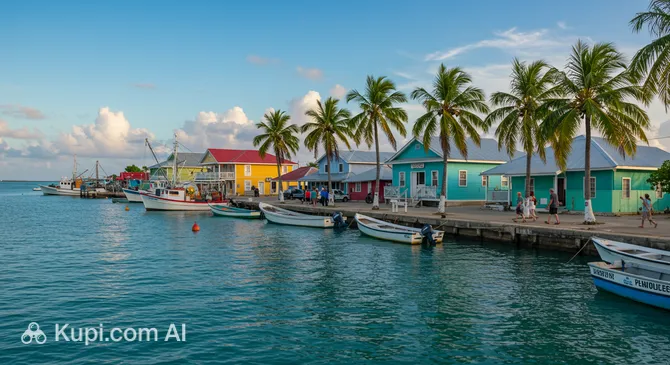
Punta Gorda. Source: Kupi.Binoculars

The town is celebrated for its incredible cultural diversity, seamlessly blending Garifuna, Maya, East Indian, and Creole influences. Visitors eager to understand the roots of this unique community will find the history of Punta Gorda fascinating, as it tells the story of how a small fishing village evolved into a rich cultural melting pot. The local markets, particularly on colorful market days, offer a glimpse into this heritage with a variety of traditional foods and crafts.

Travelers are drawn here not just for the culture, but for the exceptional access to nature and adventure. Punta Gorda is often referred to as the chocolate capital of the country, serving as the perfect base for visiting organic cacao farms and learning about traditional chocolate making. It is also the jumping-off point for exploring ancient Maya archaeological sites like Lubaantun and Nim Li Punit, or for venturing into the pristine waters of the Port Honduras Marine Reserve.

If you are looking for an off-the-beaten-path experience that combines history, nature, and warm hospitality, Punta Gorda is an excellent choice. We invite you to explore this hidden gem and discover the soulful side of the Caribbean coast.

Weather Overview

The climate in this southern region is distinctly tropical, characterized by consistent warmth and significant humidity throughout the year. Due to its location in the Toledo District, the area experiences a generous amount of rainfall, which is essential for maintaining the lush, green rainforests that surround the town. For a detailed forecast and seasonal breakdown, we recommend checking the weather in Punta Gorda to help you pack appropriately.

Temperatures generally remain comfortable to hot, rarely dropping below 20°C even on the coolest nights. January is typically the mildest month, with average temperatures around 23.6°C and lows of 20.5°C. Conversely, May tends to be the hottest time of the year, where daily highs can reach up to 32.9°C. The heat is often tempered by pleasant coastal breezes, making outdoor activities enjoyable despite the tropical temperatures.

Rainfall is a defining feature of the local weather patterns. The wettest period spans from June to October, where rain can occur on as many as 29 days in a month, particularly in July and September. The relatively drier season runs from February through April, with April seeing the fewest wet days (around 15). Expect warm, humid conditions year-round with frequent showers, especially during the summer and early autumn months.

Interesting Facts

Beyond the main attractions, Punta Gorda holds many fascinating secrets that showcase its rich history and cultural depth. Here are a few intriguing facts about this southern gem:
  • A Dual Identity: While the Spanish name "Punta Gorda" translates to "Fat Point" in reference to the broad shape of the coastline, the local Garifuna community traditionally refers to the town as "Peini," highlighting its deep indigenous roots.

  • The Cradle of Chocolate: The town is the host of the annual Chocolate Festival of Belize, held every May. This event celebrates the Toledo District's ancient Maya heritage and its status as the country's premier producer of organic cacao.

  • Battle of the Drums: Every November, the town comes alive with the "Battle of the Drums," a spirited percussion competition that brings together drumming groups from across the region to preserve and honor traditional Garifuna music.

  • A Linguistic Mosaic: The local market is one of the few places where you can hear four distinct languages—Garifuna, Creole, Mopan Maya, and Q'eqchi' Maya—spoken simultaneously as traders from coastal and inland villages converge.

How to Get There

Reaching this southern destination is part of the adventure, offering travelers a chance to see the changing landscapes of the country. While the town is remote, it is accessible via several key transport hubs. You can find all ways to reach the city and detailed travel advice on our dedicated page.

The city of Punta Gorda does not have its own major international hub, so most visitors fly into Philip S.W. Goldson International Airport (IATA: BZE) in Belize City, which is approximately 168 km away. As the country's primary gateway with large passenger traffic, it receives the majority of international flights. From here, travelers can connect to a short domestic flight to the local airstrip or embark on a bus or shuttle journey. The drive typically takes about 4.5 to 5 hours via the Coastal Highway or Hummingbird Highway, offering scenic views of the Maya Mountains.

Another option for international arrivals is Ramon Villeda Morales International Airport (IATA: SAP), located in San Pedro Sula, Honduras. Although it appears geographically closer—about 119 km from Punta Gorda in a straight line—the journey is complex. There is no direct road link; travelers typically must travel to Puerto Barrios in Guatemala and then catch a ferry across the Gulf of Honduras to Punta Gorda. This route involves border crossings and boat schedules, making the actual travel time significantly longer than the distance suggests.

For those already traveling within the region, smaller airports serve as convenient connecting points. Placencia (IATA: PLJ) is a nearby regional hub located roughly 68 km away in straight-line distance, though the road trip takes around 2 hours. Similarly, Dangriga provides another access point further north. Travelers coming from the west might also consider Santa Elena Airport in Guatemala, followed by an overland journey.

For clarity, here is a summary of the main airports:

Airport Name City Passenger Traffic Km from City
Ramon Villeda Morales International AirportSan Pedro SulaLarge118.9
Philip S.W. Goldson International AirportBelize CityLarge168.1
Santa Elena AirportFloresMedium144.4
DangrigaDangrigaMedium115.6
PlacenciaPlacenciaSmall68.1

Main Attractions

Punta Gorda serves as an ideal basecamp for exploring the Toledo District's hidden treasures. The region is rich in archaeology and natural wonders that remain largely untouched by mass tourism, offering visitors a chance to connect with history and nature in a serene environment.

Lubaantun Archaeological Reserve is the largest Maya site in southern Belize and a must-visit for history enthusiasts. Known as the "Place of Fallen Stones," it is distinct from other ancient cities because its structures were built without mortar, relying instead on precisely cut stones fitted together. The site is also famous in pop culture as the alleged discovery location of the controversial Mitchell-Hedges Crystal Skull. Tourists enjoy the site for its unique architecture and the peaceful, shaded jungle setting that allows for exploration without the crowds found at more commercialized ruins.

For those seeking a refreshing escape, Rio Blanco National Park is a highlight of the region. This protected area features a series of waterfalls cascading over smooth limestone slabs into deep, cool pools perfect for swimming. Managed by local indigenous communities, the park offers scenic nature trails and the thrill of jumping from rock ledges into the water. It is a fantastic spot for a picnic and a relaxing dip on a hot tropical day.

Nim Li Punit, often referred to as "The Big Hat" due to the elaborate headdress depicted on one of its stone monuments, is another significant Maya ceremonial center nearby. This site is renowned for housing a large collection of well-preserved stelae that provide valuable insight into the dynastic history of the region. The on-site visitor center displays many of these artifacts, making it an educational stop. Additionally, the site's elevated location offers panoramic views of the coastal plains and the Caribbean Sea.

Just off the coast lies the Port Honduras Marine Reserve, a pristine protected area that encompasses the Snake Cayes. This reserve is vital for the conservation of West Indian manatees and coastal ecosystems. It is a paradise for responsible tourism, attracting anglers, snorkelers, and kayakers. Visitors are drawn here to swim in crystal-clear waters, spot diverse marine life, and relax on small, uninhabited islands that feel completely removed from the bustle of modern life.

For the adventurous traveler, a trip to Blue Creek Cave (Hokeb Ha) offers an unforgettable experience. The journey involves a hike through the rainforest to reach the cave entrance, where a river emerges from the mountainside. Exploring the cave often requires swimming into the dark, echoing chambers with a guide. It is a top choice for those seeking a mix of physical activity and the awe-inspiring beauty of Belize's underground systems.

Local Cuisine

The culinary landscape of Punta Gorda is as diverse as its population, offering a unique fusion of flavors that distinguishes it from other parts of the country. Here, the food scene is heavily influenced by Garifuna, Maya, East Indian, and Creole traditions, creating a rich tapestry of tastes. Unlike the tourist-heavy menus found elsewhere, the dining experience in "PG" is authentically local, relying on fresh ingredients sourced directly from the surrounding rainforests and the Caribbean Sea.

One dish that every visitor must try is Hudut, a traditional Garifuna staple. This hearty meal consists of fish cooked in a savory coconut milk broth, served alongside mashed plantains known as "fu-fu." It is a soulful comfort food that perfectly represents the coastal culture. Another regional specialty is Cohune Cabbage, often prepared with turmeric and spices, reflecting the East Indian influence in the Toledo District. For seafood lovers, the daily catch from the Gulf of Honduras ensures that grilled snapper, barracuda, and conch are always fresh and flavorful.

As the "Chocolate Capital" of Belize, Punta Gorda is the best place to indulge in organic cacao products. You can enjoy a cup of traditional Mayan hot chocolate, often spiced with chili or cinnamon, or try cacao tea for a lighter alternative. On the stronger side, the town is famous for its homemade bitters—rum infused with a variety of medicinal jungle herbs and roots, which locals often consume as a tonic. Of course, a cold Belikin beer remains the standard accompaniment to any lunch or dinner.

The heart of the local food culture beats strongest at the Punta Gorda Market. On market days (typically Mondays, Wednesdays, Fridays, and Saturdays), the area bustles with vendors selling fresh produce, spices, and ready-to-eat snacks like tamales and garnaches. Street food is a way of life here, with small stalls and family-run eateries offering generous portions at affordable prices. Dining in Punta Gorda is rarely a formal affair; it is a relaxed, communal experience where the focus is on the quality and authenticity of the food.

Travel Tips

Visiting Punta Gorda offers a genuine slice of life in the Toledo District, far removed from the commercialized tourism found elsewhere. To help you navigate this friendly southern town with ease and respect for its unique local customs, here are some practical tips for your journey.

  1. Pack for the Rainforest Climate: Since this region is the wettest in Belize, a lightweight rain jacket or poncho is essential, regardless of the season. The humidity is high, so bring breathable, quick-drying clothing. Comfortable, closed-toe shoes are recommended if you plan to explore the nearby Maya ruins or caves, and a strong insect repellent is a must to protect against mosquitoes and sandflies.

  2. Getting Around: The town center is small and easily navigated on foot or by bicycle, which many guesthouses provide. For longer distances or trips to surrounding villages, taxis are readily available; they don't have meters, so always agree on the fare before you get in. If you plan to explore remote waterfalls or archaeological sites on your own, renting a 4x4 vehicle is advisable due to unpaved roads.

  3. Cash is King: While the Belize Dollar (BZD) is the official currency, U.S. dollars are widely accepted at a fixed rate of $2 BZD to $1 USD. Major credit cards work in hotels and larger supermarkets, but you will need cash for the local market, small eateries, and transportation. ATMs are available near the town square, but it is wise to carry small bills when venturing into rural areas.

  4. Health and Safety: Punta Gorda is generally very safe and laid-back, but standard precautions apply—avoid poorly lit areas late at night. Pharmacies are available in town but typically close by early evening and are not open 24/7. Tap water is not recommended for drinking; stick to bottled or purified water to stay hydrated in the tropical heat.

  5. Language and Connection: English is the official language, making communication easy for most travelers. However, you will hear a fascinating mix of Kriol, Garifuna, Spanish, and Maya languages (Q'eqchi' and Mopan) on the streets. Locals are helpful, so don't hesitate to ask for directions or recommendations. Wi-Fi is standard in hotels and cafes, and local SIM cards can be purchased in town for mobile data.

  6. The Power of Greetings: In this close-knit community, acknowledging others is a crucial part of social etiquette. A simple "Good morning" or "Good afternoon" to passersby is the norm and is considered polite. When entering a shop or boarding a bus, greet the people there; skipping this step can be seen as rude or cold.

  7. Patience is a Virtue: Avoid showing frustration or impatience if service in restaurants or shops is slower than what you are used to. Life here moves on "Belize time," which is relaxed and unhurried. Embracing this slower pace is part of the charm, and getting angry will only alienate the friendly locals.

  8. Market Day Essentials: Plan your week to be in town on a Wednesday or Saturday, which are the primary market days. This is the best time to buy fresh produce, spices, and locally made crafts directly from the villagers who come into town. It’s also a perfect opportunity to pick up authentic cacao products or homemade hot pepper sauces as souvenirs.

By keeping these tips in mind, you will be well-prepared to enjoy the warm hospitality and rugged beauty of Punta Gorda. Embrace the slower rhythm of the south, and you will find that the "Forgotten District" offers some of the most memorable experiences in the country.

Entertainment & Nightlife

Nightlife in Punta Gorda reflects the town's laid-back, authentic character. You will not find neon-lit nightclubs, velvet ropes, or thumping electronic music here. Instead, the evening scene is subdued and social, revolving around open-air bars, cool sea breezes, and the rhythmic beat of Garifuna drums. The atmosphere is incredibly welcoming, with locals and travelers mingling freely over cold drinks and shared stories. It is the kind of place where a night out means making new friends rather than dancing until dawn.

The hub of evening activity is primarily located along Front Street, which runs parallel to the Caribbean Sea. As the sun sets, this area enjoys a refreshing coastal breeze, making it a pleasant spot to enjoy a drink. The vibe is decidedly casual; there is no dress code, and flip-flops and shorts are the standard attire. Most venues are open-air or have large verandas, allowing you to soak in the tropical night air while enjoying local music, which often includes live drumming sessions or Caribbean reggae.

For a taste of the local social scene, Waluco's Bar & Grill is a popular gathering spot. Located right by the water, it offers a relaxed environment where you can enjoy a Belikin beer and hearty bar food while watching the moon rise over the Gulf of Honduras. Another local favorite is The Garage Bar, known for its unpretentious atmosphere, pool tables, and friendly service. It is a great place to chat with residents and get a feel for the community's daily life. On weekends, these spots might turn up the music, but the energy remains friendly and grounded.

Practicalities for a night out in "PG" are simple. Prices are generally very affordable compared to tourist hotspots like San Pedro; a local beer or rum drink will cost a fraction of what you might pay elsewhere. Since the town is small, many people walk, but safety is a priority. While Punta Gorda is generally safe, street lighting can be sparse in some areas. It is advisable to stick to the main, well-lit streets or call a taxi if you are traveling back to your lodge late at night. Taxis are inexpensive and easy to find near the town center.

While the nightlife is quiet, daytime entertainment in Punta Gorda offers rich cultural experiences. Before the evening sets in, you can immerse yourself in the local heritage at the Warasa Garifuna Drum School, where you can learn traditional drumming and dancing. Alternatively, the town's reputation as a chocolate hub means you can spend your day visiting nearby cacao farms or taking a chocolate-making workshop. For nature lovers, the daylight hours are best spent swimming in the refreshing pools of nearby waterfalls or exploring the bustling market.

Parks & Museums

While Punta Gorda is not defined by manicured city gardens or vast museum complexes, it offers a wealth of green spaces and cultural venues that are deeply integrated into the daily life and history of the Toledo District. The town serves as a living museum where heritage is practiced rather than just displayed, and the surrounding environment acts as a boundless botanical garden waiting to be explored.

For a truly immersive nature experience, the Belize Spice Farm & Botanical Gardens is a standout destination located just a short drive from the town center. This lush, aromatic haven transforms the landscape into a sensory journey, showcasing exotic plants like nutmeg, vanilla, cardamom, and black pepper, which thrive in the southern climate. Visitors can take a guided tour through the orderly groves of teak and mahogany trees, learning about the cultivation of spices that have shaped global trade while spotting tropical birds that flock to the fruit-laden branches.

In the heart of the community lies Punta Gorda Central Park, a modest but significant green space that anchors the town. Dominated by its iconic clock tower, the park serves as the primary gathering point for locals and a restful spot for travelers. Facing the Caribbean Sea, it offers benches shaded by mature trees where you can enjoy the cooling coastal breeze. It is often the venue for town celebrations and a perfect place to observe the relaxed rhythm of "PG" life.

Although traditional museums are scarce, the Nim Li Punit Visitor Center functions as the region’s premier historical museum. Located at the entrance to the archaeological site, this facility houses a remarkable collection of ancient Maya stelae—tall stone monuments carved with intricate hieroglyphs and figures. Unlike many sites where the originals are moved to distant cities, this center allows you to view these artifacts close to their original context, offering deep insight into the dynastic history and political alliances of the ancient Maya elite.

Culture is also preserved dynamically at the Warasa Garifuna Drum School. While it offers lessons, it stands as a dedicated cultural institution committed to keeping the UNESCO-recognized Garifuna heritage alive. Through exhibits of traditional instruments, historical storytelling, and demonstrations of the different rhythms that accompany various life events, it provides a comprehensive education on the history and resilience of the Garifuna people that goes far beyond a typical musical performance.

For art enthusiasts, We Art Gallery offers a glimpse into the contemporary creative mind of the Toledo District. This small, intimate space features works by local artists, often tackling themes of identity, history, and the social landscape of Belize. It is a hidden gem for those looking to engage with the modern cultural expression of the south, distinct from the ancient history found in the ruins.

Getting Around

Public transport in Punta Gorda is refreshingly simple and reflects the laid-back pace of the entire region. Unlike large metropolises, there are no subways, trams, or complex zonal rail systems here. The town is compact and easy to navigate, with the local transportation network primarily consisting of buses and taxis that serve both the immediate area and the surrounding villages of the Toledo District.

The backbone of public transit is the bus system, which relies heavily on refurbished American school buses, often affectionately called "chicken buses." These vehicles connect the town with other major destinations and rural communities. The James Bus Line is the main operator, with a terminal located near the town center. While these buses are colorful and an authentic part of the travel experience, they do not operate on a high-frequency schedule like city metros. They generally run according to a daily timetable, with early morning and late afternoon being the busiest times as people commute to and from work or school.

For getting around the town itself, taxis are the most convenient motorized option. You can easily identify them by their green license plates. There are no ride-sharing apps like Uber or Lyft available, so hailing a cab on the street or calling a local operator is the standard practice. Taxis gather at designated stands, particularly near the central park, the airstrip, and the municipal pier. They are reliable and safe, often serving as makeshift guides who can offer local tips during your ride.

The payment system is strictly cash-based. There are no travel cards, digital passes, or ticket machines to validate your journey. When taking a bus, you typically pay the conductor after you have boarded and taken a seat; they will come down the aisle to collect the fare. For taxis, payment is made directly to the driver at the end of the trip. It is highly recommended to carry small bills and coins, as drivers and conductors may not always have change for large denominations.

A crucial piece of advice for using taxis is to negotiate and agree on the fare before you get into the vehicle. Taxis in Punta Gorda do not use meters. Within the town limits, there is usually a standard flat rate, but prices can vary for trips to outlying lodges or specific attractions. Clarifying the cost upfront prevents any misunderstandings upon arrival. Additionally, bus schedules can sometimes be flexible, so it is wise to arrive at the terminal a bit early and ask locals for the most current departure times.

Given the flat terrain and small size of the town, walking is often the best way to explore the center. However, cycling is a very popular alternative and widely used by residents. Many guesthouses and hotels offer bicycle rentals for a small daily fee. Riding a bike allows you to move at your own pace, easily reaching the market, the waterfront, and nearby nature spots while enjoying the coastal breeze. It is an eco-friendly and efficient way to see the town from a local's perspective.

Accommodation

Accommodation in Punta Gorda mirrors the town's authentic and unpretentious character. Unlike the northern islands known for their sprawling all-inclusive resorts, "PG" specializes in intimate, eco-conscious lodging that connects guests with the local environment. The options here range from family-run guesthouses and budget-friendly hostels in the town center to luxurious eco-lodges tucked away in the surrounding rainforests. This diversity makes it an appealing destination for backpackers, cultural travelers, and those seeking a high-end nature retreat.

For visitors who prioritize convenience and cultural immersion, staying within the town limits is the best choice. Properties located along Front Street or near the Caribbean Sea offer refreshing coastal breezes and stunning sunrise views over the Gulf of Honduras. Staying here places you within walking distance of the bustling market, the bus terminal, and local eateries, allowing you to easily slip into the daily rhythm of the community. These accommodations are typically smaller, owner-operated inns that provide personalized hospitality and a home-like atmosphere.

Alternatively, the Toledo District is famous for its jungle lodges located just outside the town. These properties are often destinations in themselves, situated on organic farms or riverbanks deep in the rainforest. They offer a serene escape where you can wake up to the sounds of howler monkeys and tropical birds. Many of these lodges focus on sustainability and agritourism, providing on-site experiences like cacao harvesting or river kayaking. While they require a short taxi ride or shuttle to reach the town center, the trade-off is unparalleled tranquility and direct access to nature.

In terms of pricing, Punta Gorda generally offers excellent value compared to more commercialized destinations in Belize. Budget and mid-range travelers will find plenty of affordable options that include essential amenities like Wi-Fi and air conditioning. However, the region also boasts some of the country's most exclusive luxury resorts, particularly those focused on wellness and fishing. Regarding booking, it is advisable to reserve your room in advance if you plan to visit during the Chocolate Festival in May or the peak dry season (February to April), as the best spots fill up quickly. While major lodges accept credit cards and online bookings, smaller guesthouses in town may prefer cash or direct arrangements.

Nearby Cities

For those looking to explore the surroundings, Punta Gorda serves as an excellent base for day trips to several interesting nearby locations:

City Population Distance (km)
Belize City57169169
Orange Walk18000221
Belmopan17222128
San Ignacio16977120
San Pedro11767221

Although Punta Gorda is located in the deep south, the scenic highways connect it to other vibrant parts of the country that showcase different facets of Belizean life. Belmopan, the nation’s capital, is known as the "Garden City" due to its lush surroundings and planned layout. It serves as a central hub where visitors can explore the vibrant market days or use it as a jumping-off point for nearby natural attractions such as the Blue Hole National Park and St. Herman's Cave.

Further inland lies San Ignacio, the bustling heart of the Cayo District. This town is a favorite for adventure travelers and history buffs alike, offering easy access to major ancient Maya sites like Xunantunich and Cahal Pech. The town itself has a lively atmosphere, with a pedestrian-friendly center filled with restaurants and tour operators organizing trips into the nearby caves and pine ridge reserves.

For those interested in the country's colonial history and commercial pulse, Belize City offers a distinct change of pace. As the largest urban area, it features colonial architecture, the Museum of Belize, and the busy water taxi terminals that connect the mainland to the northern cayes. While it is a longer journey from Punta Gorda, it provides a comprehensive look at the country's urban heritage.

These nearby destinations offer a glimpse into the diverse culture and landscapes of the region.

Shopping & Souvenirs

Shopping in Punta Gorda offers a refreshing departure from the commercialized retail experiences found in larger tourist hubs. You will not find sprawling shopping malls, luxury boutiques, or international chain stores here. Instead, the town provides an authentic glimpse into the local lifestyle, where commerce revolves around essential goods, fresh produce, and handmade crafts. The shopping scene is intimate and community-focused, allowing visitors to purchase items directly from the artisans and farmers who produce them.

The primary commercial activity is concentrated along Front Street and the adjacent Main Middle Street, which run parallel to the coastline. These thoroughfares are lined with small, family-owned businesses, grocery stores, and pharmacies. Strolling down these streets is a relaxed affair, often accompanied by the sea breeze. Here, you can find everything from beachwear and flip-flops to hardware and household supplies, all housed in modest, colorful wooden buildings that reflect the town's Caribbean charm.

Travelers looking for large shopping complexes will find that they do not exist in this part of the country. The retail landscape is dominated by "general stores" and supermarkets, often run by local families or immigrants, which stock a wide variety of imported foods, beverages, and daily necessities. These establishments serve as the modern equivalent of a mall for the residents, providing a one-stop destination for groceries and basic electronics, but they lack the recreational aspect of Western shopping centers.

The beating heart of the local economy is undoubtedly the Punta Gorda Market. Located near the waterfront and the central clock tower, this open-air hub comes alive particularly on market days—Mondays, Wednesdays, Fridays, and Saturdays. Saturday is the busiest and most vibrant day, drawing villagers from the surrounding Maya and Garifuna communities who travel to town to sell their wares. It is the best place to immerse yourself in the region's culture, surrounded by piles of fresh tropical fruits, vegetables, dried spices, and freshly caught fish.

When it comes to souvenirs, the Toledo District offers unique items that reflect its rich cultural heritage. As the "Chocolate Capital" of Belize, the top purchase is locally produced organic chocolate. You can buy bars, cocoa powder, and cacao nibs directly from producers or at the market. Another prized local craft is the Jippa Jappa basket, intricately woven by Maya women using durable plant fibers. These baskets come in various sizes and designs, making them both beautiful and practical gifts. Additionally, look for bottles of homemade hot sauce and traditional wood carvings made from sustainably sourced timber.

Business hours in Punta Gorda are generally consistent with the relaxed pace of the tropics. Most shops open around 8:00 AM and close by 5:00 PM or 6:00 PM. It is common for smaller businesses to close for a lunch break between 12:00 PM and 1:00 PM. On Sundays, the town is very quiet, and most shops, except for a few essential grocery stores, remain closed. Regarding payment, cash is essential. While a few larger supermarkets and hotels accept credit cards, the vast majority of market vendors, small shops, and artisans deal strictly in Belize Dollars or U.S. dollars (small denominations recommended).

Tourists should be aware that tax-free shopping is generally not available within the town itself. The "duty-free" concept is largely restricted to the international airport and land borders upon departure. While Belize does have a General Sales Tax (GST) refund scheme for visitors who spend a certain amount on eligible goods, the process requires specific documentation that small market vendors in Punta Gorda are unlikely to provide. Therefore, it is best to view your purchases here as a direct contribution to the local livelihoods rather than a tax-free shopping opportunity.

Reached the end of the page?

That means the route is fully explored