Support

Puerto Barrios

About

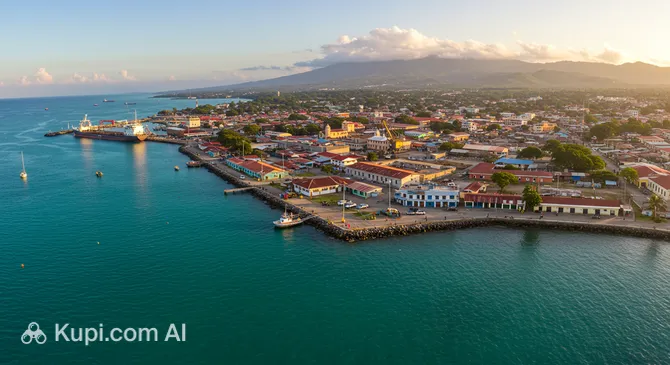
Puerto Barrios is a vibrant port city located on the Caribbean coast of Guatemala. As the capital of the Izabal Department, it serves as a crucial commercial hub and a gateway to some of the country's most fascinating natural and cultural treasures. With a population of approximately 110,000 inhabitants, the city offers a lively atmosphere where the hustle of maritime trade meets the laid-back rhythm of the tropics.

Puerto Barrios. Source: Kupi.Binoculars

The city has transformed significantly over time. Originally developed as a major point of export for the banana trade, the history of Puerto Barrios is deeply intertwined with the region's economic growth and maritime heritage. Today, it remains an essential embarkation point for travelers looking to explore the Caribbean side of the country, offering a distinct architectural style that hints at its past.

Visitors often use the city as a jumping-off point for nearby adventures. It is the primary transit hub for reaching Livingston, famous for its unique Garifuna culture, and offers easy access to the stunning Punta de Manabique wildlife refuge. Within the city itself, you can enjoy fresh seafood at local markets and witness the busy daily life of a working port town. Whether you are passing through on your way to pristine beaches or stopping to soak in the local commerce, Puerto Barrios offers a unique perspective on the region's coastal character.

Weather Overview

Puerto Barrios experiences a tropical climate characterized by consistent warmth and high humidity throughout the year. The weather in Puerto Barrios is generally hot, though the coastal location often brings breezy conditions that help moderate the temperatures. Travelers should be prepared for a lush, green environment sustained by regular rainfall.

The temperature remains relatively stable, with average lows around 20°C in the cooler months of January and December, and highs reaching up to 32°C in May, which is typically the warmest time of year. Precipitation is frequent, with the number of wet days ranging from 15 in April to as many as 30 in July. Expect warm to hot conditions year-round with a high chance of rain, particularly from June to October when rainy days are most prevalent.

Interesting Facts

Beyond its reputation as a busy commercial hub, Puerto Barrios holds several fascinating historical and cultural secrets waiting to be discovered. Here are some intriguing facts that highlight the unique character of this Caribbean port city:
  • The city was officially founded in 1884 and named after President Justo Rufino Barrios, but its rapid development was largely driven by the United Fruit Company, which built the railroad connecting this coastal outpost to the capital, effectively creating a "company town" atmosphere that influenced its early years.

  • Unlike the Spanish colonial architecture prevalent in the rest of Guatemala, Puerto Barrios features a distinct style of Caribbean wooden architecture with Victorian influences, best preserved in landmarks like the historic Hotel del Norte, which has survived earthquakes and hurricanes for over a century.

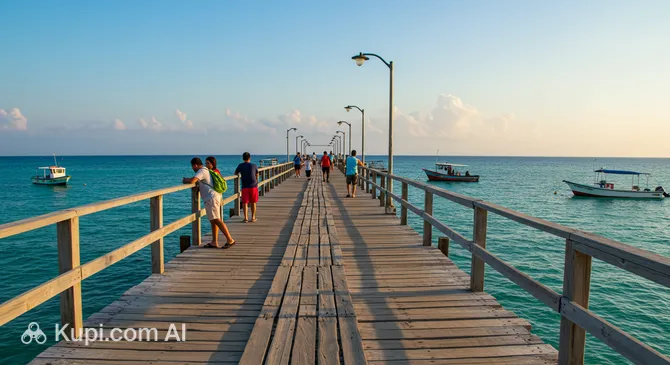
  • The Municipal Pier is more than just a docking area; it stands as a testament to the city's golden era of trade, where it once served as the primary exit point for the country's massive banana exports to the world.

  • Geographically, the city is located on the Bay of Amatique, a deep natural harbor that provides shelter from Caribbean storms, a feature that has made it a strategic maritime point long before modern cargo ships dominated the horizon.

Municipal Pier. Source: Kupi.Binoculars

How to Get There

Reaching this Caribbean coastal hub is the first step of your adventure. While many visitors arrive by land from Guatemala City or by boat from Livingston, air travel to nearby regional hubs is also a viable option. You can find out more about how to get to Puerto Barrios and plan your specific route on our detailed page.

The city of Puerto Barrios does not have a major international airport listed in this selection, so travelers often fly into transport hubs in neighboring countries. One of the most significant options is Ramon Villeda Morales International Airport (IATA: SAP), located in San Pedro Sula, Honduras. Although situated approximately 79 km from Puerto Barrios in a straight line, the actual journey by road is longer and requires crossing the international border between Honduras and Guatemala. Travelers should plan for a trip of several hours to account for customs formalities and road conditions.

Another option is the Placencia airport (IATA: PLJ), located in the city of Placencia, Belize. This facility is about 93 km away from Puerto Barrios. It is important to note that a direct road link is not the standard route; instead, travel from Placencia typically involves a scenic boat transfer across the Gulf of Honduras or a lengthy overland detour through border checkpoints. It serves as an alternative entry point for those already exploring the Belizean coast.

For clarity, here is a summary of the main airports:

Airport Name City Passenger Traffic Km from City
Ramon Villeda Morales International Airport San Pedro Sula Large 78.7
Coronel Enrique Soto Cano Air Base Tegucigalpa Medium 182.3
Goloson International Airport La Ceiba Medium 187.4
Dangriga Dangriga Small 144.5
Placencia Placencia Small 93.3

Main Attractions

Puerto Barrios offers a mix of historic charm and lively coastal energy. While it is often viewed as a transit point, the city possesses distinct landmarks where visitors can soak in the local atmosphere, enjoy the Caribbean breeze, and experience the authentic rhythm of daily life in Izabal.

The Municipal Pier is arguably the most iconic structure in the city. Stretching out into the Bay of Amatique, this historic wooden pier offers panoramic views of the ocean and the distant coastline. It is a favorite spot for both locals and tourists to take a leisurely stroll, especially during sunset when the sky transforms into a canvas of vibrant colors. The pier also serves as a bustling hub for small boats ferrying passengers to nearby destinations, making it a perfect place to observe the maritime activity that defines the city.

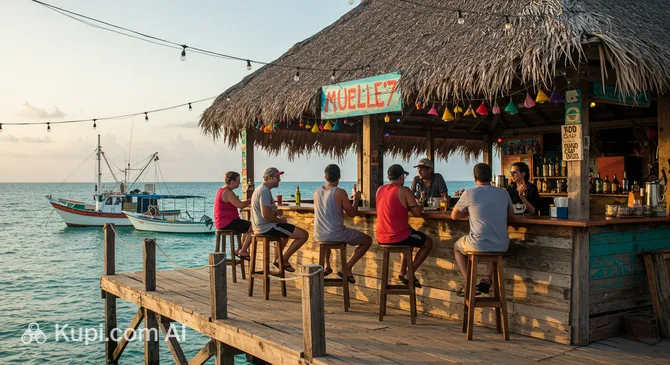
For those looking to unwind with a view, Muelle 17 is a popular destination. Located right by the water, this establishment captures the essence of the Caribbean lifestyle, offering a relaxed setting to enjoy refreshing drinks and good company. It is an excellent spot to cool off after a day of exploring, allowing visitors to listen to the sound of the waves while experiencing the friendly hospitality that Puerto Barrios is known for.

Muelle 17. Source: Kupi.Binoculars

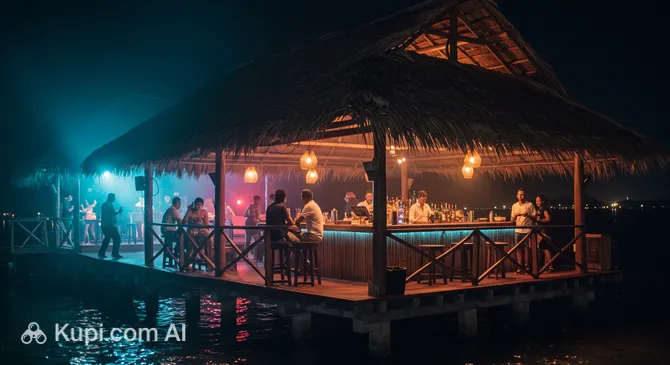
When the sun goes down, the city's energy shifts towards its nightlife venues, such as La Pesca. This spot draws in crowds looking for entertainment and a vibrant atmosphere. As a well-known night club in the area, it offers a space where visitors can mingle with locals, enjoy music, and experience the more spirited side of the port city after dark.

La Pesca. Source: Kupi.Binoculars

Local Cuisine

The culinary landscape of Puerto Barrios offers a distinct departure from the corn-based diet found in the Guatemalan highlands, embracing instead the vibrant flavors of the Caribbean coast. The local cuisine is a delicious reflection of the region's cultural diversity, heavily featuring fresh seafood, tropical fruits, and the rich, creamy taste of coconut milk which serves as a base for many signature recipes.

The absolute must-try dish in this region is Tapado. This iconic seafood soup is a savory masterpiece that defines the flavor of Izabal. It is a rich stew prepared with coconut milk and green plantains, brimming with a variety of fresh seafood such as fish, shrimp, crabs, and sometimes lobster. The combination of the sweet coconut broth with the salty, savory seafood creates a unique and unforgettable taste experience that you won't find elsewhere in the country.

Another staple of the local diet is Caribbean-style Rice and Beans. Unlike the separate servings of rice and beans found in other parts of Guatemala, here they are cooked together in coconut milk, often seasoned with thyme and mild peppers. This side dish typically accompanies fried fish or stewed chicken, served alongside fried plantains known as tajadas. For a quick snack, pan de coco (coconut bread) is a popular local treat, often sold by street vendors and perfect for a light breakfast or afternoon snack.

When it comes to drinks, the tropical climate calls for refreshing options. Fresh coconut water is widely available and is the best way to stay hydrated. For an alcoholic treat, visitors often enjoy a Coco Loco, a cocktail made with coconut water and rum, usually served directly inside the coconut. You may also encounter Gifiti, a traditional bitter liqueur made by soaking various roots and herbs in rum; it is culturally significant to the Garifuna people and is often consumed as a digestif or for its reputed medicinal properties.

The dining atmosphere in Puerto Barrios is generally casual and unpretentious. The best food is often found in small, open-air eateries near the water or bustling market stalls where locals gather for lunch. For those looking to enjoy a drink with a view of the bay, Muelle 17 provides a relaxed setting to sample local beverages and light bites while soaking in the maritime breeze.

Travel Tips

Welcome to Puerto Barrios, a city where the humid Caribbean breeze meets the bustle of daily commerce. To help you navigate this port town smoothly and make the most of your transit or stay, we have compiled a list of essential practical tips.

  1. Clothing and Gear: Given the tropical climate, lightweight and breathable fabrics like cotton or linen are your best friends here. The heat and humidity are constant, so pack loose-fitting clothes. Since rain showers can occur unexpectedly year-round, always carry a compact umbrella or a lightweight rain poncho. Comfortable, water-resistant sandals or walking shoes are recommended, especially if you plan to board boats at the pier.
  2. Transportation: The most common and convenient way to get around the city is by tuk-tuk (motorized rickshaw). They are affordable and agile in traffic, but be sure to agree on the fare with the driver before hopping in, as they rarely use meters. Regular taxis are also available for longer distances. If you are heading to Livingston or Belize, familiarize yourself with the lancha (boat) schedules at the Municipal Pier well in advance.
  3. Finances: The local currency is the Guatemalan Quetzal (GTQ). While some larger hotels and the Pradera Puerto Barrios shopping mall accept credit cards, cash is king for street vendors, tuk-tuks, and small eateries. ATMs are available, primarily in the city center and shopping areas, but it is wise to carry enough cash in smaller denominations for daily expenses.
  4. Health and Safety: As a tropical coastal city, mosquitoes are prevalent; always wear strong insect repellent to protect against dengue and other insect-borne issues. Stick to bottled or purified water and avoid drinking from the tap. regarding safety, remain vigilant as you would in any port city. It is best to avoid walking in unlit or isolated areas at night; take a taxi or tuk-tuk instead. Pharmacies are easy to find in the town center for basic medical supplies.
  5. Communication: Spanish is the primary language spoken in Puerto Barrios. While you might hear some English or Garifuna due to the proximity to the Caribbean coast and Belize, do not rely on English being widely understood by taxi drivers or market vendors. Learning basic phrases like "Buenos días" (Good morning) and "¿Cuánto cuesta?" (How much?) goes a long way. Pre-paid SIM cards from Tigo or Claro are cheap and offer good coverage for data and maps.
  6. Local Etiquette: Guatemalans are generally polite and formal. It is customary to greet people with a friendly "Buenas" when entering a shop or passing someone on the street. Patience is a virtue here; service in restaurants can be slower than what you are used to, reflecting the relaxed coastal pace of life.
  7. What to Avoid: Do not take photographs of locals, especially children, without asking for explicit permission first, as this can be a sensitive issue. Also, avoid flashing expensive jewelry or large amounts of cash in public places like the market or the pier to stay low-profile.
  8. Boat Travel Tip: If you are using Puerto Barrios as a transit point to reach Livingston, remember that the public collective boats (colectivos) usually stop running around sunset (approximately 5:00 PM or 6:00 PM). Arrive at the dock early to secure your seat, as missing the last boat means staying overnight in the city.

By keeping these practical tips in mind, you will be well-prepared to handle the heat, the logistics, and the unique rhythm of Puerto Barrios. Whether you are just passing through or staying to explore, a little preparation ensures a safe and enjoyable Caribbean adventure.

Entertainment & Nightlife

Nightlife in Puerto Barrios is defined by its humid Caribbean atmosphere and a distinct port-city energy. While it does not offer the polished, high-end clubbing scene found in the capital or the tourist-centric party vibe of Antigua, the city provides a more authentic, local experience. Evenings here are typically spent enjoying cold drinks in open-air venues, listening to a mix of reggaeton, salsa, and Caribbean rhythms, or simply socializing near the waterfront where the sea breeze offers relief from the day's heat.

The nightlife is concentrated primarily around the commercial center and the waterfront areas. A popular way to start the evening is with a walk along the Municipal Pier. Although it is a bustling transit point during the day, in the evening it transforms into a social hub where families and couples gather to watch the sunset and enjoy the cooler air. It serves as a calm prelude before heading to the livelier establishments nearby.

For those seeking a place to unwind with a drink in hand, Muelle 17 is a favorite local hangout. Situated right by the water, this bar offers a relaxed environment that captures the essence of the coastal lifestyle. It is an ideal spot for travelers to mingle with locals, enjoy seafood snacks, and sip on national beers or cocktails while looking out over the bay. The dress code here, as in most of the city, is casual; shorts and light shirts are the norm.

If you are looking for a more energetic atmosphere later in the night, La Pesca is one of the key venues for entertainment. Functioning as a night club, it draws a crowd ready to dance and enjoy loud, upbeat music. The venue typically picks up energy late in the evening, particularly on weekends. Visitors should expect a lively, unpretentious crowd focused on having a good time rather than showing off expensive attire.

When planning a night out, keep safety and logistics in mind. While the main commercial strips and areas near these venues are generally active, it is not advisable to walk long distances alone on unlit streets late at night. The best way to get around is by using the local tuk-tuks, which are abundant and affordable, or by calling a registered taxi. Prices for drinks and cover charges are generally lower than in Guatemala's major tourist hubs, making a night out here quite budget-friendly.

Regarding daytime entertainment, options within the city limits are more functional than recreational. The city is home to the Pradera Puerto Barrios shopping mall, which serves as a modern entertainment complex for locals. It features a cinema where you can catch the latest movies, a food court, and various shops, offering a comfortable, air-conditioned escape from the tropical heat. Aside from this, most daytime leisure is centered around nature excursions leaving from the port rather than urban attractions like museums or amusement parks.

Parks & Museums

While Puerto Barrios is primarily known as a bustling commercial port rather than a traditional cultural capital, the city and its surroundings offer a wealth of natural beauty and open-air history. Instead of manicured botanical gardens or vast museum complexes, visitors here will find lush tropical reserves just a short distance away and a city center that serves as a living testament to its railway and maritime past.

For nature lovers, the most significant green space is technically just outside the city limits but serves as the primary natural playground for locals and tourists alike. Las Escobas Springs, located within the Cerro San Gil Spring Protection Reserve, is a lush tropical paradise featuring cascading waterfalls and crystal-clear pools perfect for swimming. The area is rich in biodiversity, offering hiking trails where you can spot exotic birds, butterflies, and diverse plant life. It provides a refreshing escape from the humid heat of the port and showcases the dense rainforest that characterizes the Izabal region.

Within the city proper, Parque Justo Rufino Barrios (often referred to as Parque Central) serves as the central gathering point. Named after the "Reformer" President Justo Rufino Barrios—for whom the city itself is named—this urban park is the heart of civic life. It features a statue dedicated to the leader and functions as a modest but lively space where residents come to relax, socialize, and enjoy the shade. In the evenings, the park often fills with families and street food vendors, offering a genuine slice of local culture and a place to observe the daily rhythm of the town away from the commercial docks.

When it comes to museums and galleries, Puerto Barrios does not possess formal institutions in the traditional sense. However, the city itself functions as an architectural museum of the Caribbean wooden style. The historic center still features several Victorian-era wooden structures raised on stilts, a legacy of the West Indian influence and the United Fruit Company era. These buildings, with their wide verandas and high ceilings designed for ventilation, tell the story of the city's boomtown origins better than any display case could.

A key historical landmark that fills the role of a cultural site is the Hotel del Norte. Situated near the waterfront and the Municipal Pier, this building is one of the oldest and most historic in the region. While it functions as a hotel and restaurant, its preservation makes it a cultural treasure. Walking through its halls offers a glimpse into the early 20th century, with period furniture and an atmosphere that recalls the days when steamships and banana trains dominated the local economy. It stands as a resilient survivor of nature's challenges and a guardian of the city's collective memory.

For a deeper dive into the region's cultural diversity, many visitors use the city as a gateway to explore the unique Garifuna culture. While Puerto Barrios is a melting pot, the nearby town of Livingston (accessible by boat) is the cultural heartland of the Garifuna people. However, you can still experience this vibrant heritage within Puerto Barrios through local music, dance performances often held during festivals, and the distinct culinary traditions that permeate the city's markets and street stalls.

Getting Around

The public transport system in Puerto Barrios is straightforward, informal, and perfectly adapted to the city's relatively small size and flat terrain. Visitors should not expect the complex infrastructure found in large metropolises; there are no metros, trams, or large municipal bus networks here. Instead, the city relies on a fleet of smaller, more agile vehicles that navigate the streets efficiently, offering a convenient way to move between the port, the commercial center, and local hotels.

The most ubiquitous and popular form of transport is the tuk-tuk. These three-wheeled motorized rickshaws are the heartbeat of local mobility. They are available on almost every corner and are ideal for short trips within the city limits. Tuk-tuks are nimble enough to weave through traffic and can drop you off right at the entrance of your destination. For longer distances or travel to the outskirts and neighboring communities, small minivans known as microbuses or colectivos operate on fixed routes along the main avenues. They are less frequent than tuk-tuks but offer a very affordable option for reaching areas further from the waterfront.

Regarding payment, the system operates exclusively on cash. There are no electronic travel cards, transport apps, or validated tickets for intra-city travel. You will need to pay the driver directly in the local currency. It is essential to carry small bills and coins, as drivers often do not have change for large denominations. Prices are generally low and fixed for locals, but for tourists, the fare for tuk-tuks is often subject to negotiation. A standard ride within the town center usually costs a few Quetzales, but the price may increase at night or for longer distances.

For those seeking more comfort or carrying heavy luggage, taxis are a reliable alternative. Unlike the tuk-tuks, regular taxis (often white or yellow sedans) offer air conditioning and a more enclosed ride, which can be a relief during the hottest part of the day or during tropical rain showers. Taxis generally do not use meters, so the golden rule is to agree on the fare before getting in. While ride-sharing apps are standard in many parts of the world, they are not reliable or widely established in Puerto Barrios, so do not count on booking a ride via your smartphone.

A unique feature of the local "public transport" network is the maritime connection. Since the city serves as a gateway to the Caribbean, public speedboats, known locally as lanchas, function effectively as buses on the water. Departing from the Municipal Pier, these boats run scheduled services to destinations like Livingston and Belize. While technically inter-city transport, they are an integral part of how people move in this coastal region. Tickets for these boats are purchased at the ticket counters at the pier, and passengers must present identification before boarding.

Practical advice for tourists: Operating hours for public transport are generally from early morning until around sunset. After dark, the frequency of microbuses drops significantly, and while tuk-tuks are still available, it is safer and more convenient to use a registered taxi or arrange transport through your hotel or restaurant. Always confirm the price before starting your journey to avoid misunderstandings upon arrival. If you prefer to explore at your own pace, the city center is compact enough for walking, though the high humidity often makes catching a breeze in a moving vehicle the more attractive option.

Accommodation

Where to Stay:

Accommodation in Puerto Barrios primarily caters to transit travelers, business people, and those embarking on Caribbean adventures. The city does not feature the vast array of all-inclusive luxury resorts found in other major tourist destinations, but it offers a solid selection of mid-range hotels and budget guesthouses. The lodging options are generally functional, clean, and convenient, providing a comfortable place to rest before catching a boat or continuing an overland journey.

The most convenient area for tourists to stay is near the waterfront and the Municipal Pier. Choosing a hotel in this vicinity places you within walking distance of the boat docks, making it stress-free to catch early morning transport to Livingston or Belize. This area is also close to the city's main restaurants and the central market. Alternatively, the commercial center along the main avenues offers modern business hotels that provide amenities like secure parking and air conditioning, which is essential in the tropical heat.

While the city is modernizing, it still retains pockets of history in its hospitality sector. Visitors can find unique properties housed in historic wooden buildings that reflect the city's architectural heritage. These establishments often offer a more atmospheric stay compared to the standard concrete blocks found in the city center. For those seeking more resort-style amenities like large swimming pools and private beaches, you may need to look slightly outside the immediate downtown area towards the bay, where a few larger properties capitalize on the coastal setting.

Booking Tip: Although Puerto Barrios is not a primary holiday destination for international tourists, it is a busy commercial hub. Hotels can fill up unexpectedly with business travelers and port workers. It is highly recommended to book your accommodation in advance, especially if you require specific amenities like air conditioning or a sea view. During the high season (November to April) and national holidays like Easter, securing a room ahead of time is essential.

The price range for accommodation is generally quite affordable. Budget travelers can find basic rooms with fans for very low rates, while mid-range options offering air conditioning, Wi-Fi, and private bathrooms are reasonably priced compared to Guatemala's major tourist hotspots. While larger hotels are listed on major online booking platforms, many smaller, family-run guesthouses still operate via direct phone bookings or walk-ins. Be prepared to pay in cash (Quetzales) at smaller establishments, as card machines are not always available.

Nearby Cities

For those looking to explore the surroundings, Puerto Barrios serves as an excellent base for day trips to several interesting nearby locations:

One of the most compelling destinations for nature lovers is El Estor. Located on the shores of Lake Izabal, the largest lake in Guatemala, this town is approximately 82 km from the port. It offers a distinct contrast to the coastal vibe of Puerto Barrios, replacing the Caribbean sea with calm freshwater landscapes. Visitors here can explore the Bocas del Polochic wildlife refuge, search for manatees, or visit nearby hot waterfalls, making it a perfect spot for eco-tourism and relaxation.

Much closer to home is Morales, situated just 38 km away. As a bustling commercial municipality, it provides an authentic look into the agricultural heart of the region, which is famous for its vast banana plantations. While less tourist-centric than the coastal resorts, Morales is a key transit point that offers travelers a chance to experience the daily life and commerce of the Izabal Department without venturing too far from their base in Puerto Barrios.

City Population Distance (km)
San Luis 132,470 104
Morales 107,400 38
Senahu 98,703 136
El Estor 82,491 82
Panzos 81,063 117

These nearby destinations offer a glimpse into the diverse culture and landscapes of the region.

Shopping & Souvenirs

Shopping in Puerto Barrios offers a functional and authentic experience rather than a high-end retail therapy session. As a busy commercial port and the economic center of the Izabal department, the city focuses more on daily necessities and practical goods than on luxury fashion or artisanal boutiques. However, for travelers preparing to head to the isolated beaches of Livingston or crossing into Belize, it is an excellent place to stock up on supplies, electronics, and groceries at reasonable prices.

The city's commercial activity is concentrated in the downtown area, particularly along the main avenues leading toward the waterfront. Here, you will find a mix of hardware stores, pharmacies, clothing shops selling imported summer wear, and small convenience stores. The streets bustle with activity during the day, filled with vendors selling everything from mobile phone accessories to fresh snacks, creating a lively atmosphere that reflects the city's working-class character.

For a modern shopping experience with air conditioning—a welcome relief from the tropical heat—visitors should head to Pradera Puerto Barrios. This is the city's primary shopping mall and serves as a social hub for locals. It features a variety of recognizable brand stores, a supermarket, banking services, and a food court. It is the best place to find standardized clothing, footwear, and electronics in a comfortable, secure environment.

To experience the local flavor, a visit to the Municipal Market (Mercado Municipal) is essential. Located in the heart of the city, this sprawling market is a sensory overload of sights, sounds, and smells. It is the best place to buy fresh tropical fruits like mangoes, pineapples, and coconuts, as well as the region's famous fresh seafood. While it is not a craft market in the traditional sense, you can often find inexpensive clothing, household items, and the occasional stall selling local trinkets or hammocks.

When it comes to souvenirs, Puerto Barrios is not as craft-focused as the Guatemalan highlands. You won't find the same abundance of intricate Mayan textiles here. Instead, look for goods that reflect the Caribbean coast, such as locally produced coconut oil or sweets. It is also a good place to purchase Guatemalan coffee or a bottle of the renowned Ron Zacapa rum at supermarket prices before leaving the country.

Store opening hours generally run from 9:00 AM to 6:00 PM for street-side businesses, while the Pradera mall stays open until 8:00 PM or later. Sunday hours may be reduced. Regarding payment, cash is the preferred method for almost all transactions outside of the shopping mall and major hotels. While the mall shops accept credit cards, vendors in the market and smaller street shops deal exclusively in Guatemalan Quetzales, so it is wise to carry small bills.

Tourists should be aware that the prices displayed usually include the Value Added Tax (VAT). While Guatemala technically has a system for tax refunds for tourists, the process is complex and generally not facilitated by the small shops found in Puerto Barrios. It is best to assume that the price you see is the final price, although polite bargaining is acceptable and expected when purchasing from informal market vendors.
Reached the end of the page?

That means the route is fully explored