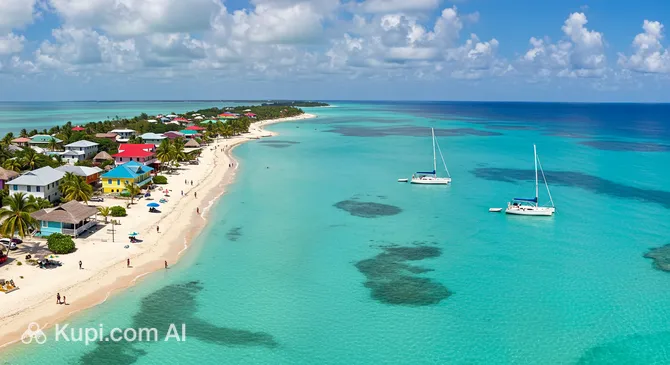
Given the modest size and laid-back nature of Placencia, the public transport system is far simpler than what you would find in a bustling metropolis. There are no subways, trams, or extensive city bus networks here. Instead, the "system" relies primarily on a single road running the length of the peninsula, served by regional buses that connect the village with neighboring communities like Seine Bight and Maya Beach, as well as the mainland town of Dangriga.
The primary form of public transportation is the bus service, often referred to affectionately as "chicken buses." These are typically refurbished American school buses that are colorful, robust, and an experience in themselves. They run along the main peninsula road several times a day. While they do not have designated stops with shelters or signs within the village, they operate on a flag-down basis. If you are standing by the side of the road and see a bus approaching, simply wave your arm, and the driver will pull over to let you on.
A unique and vital component of the local transport network is the water taxi service, predominantly the "Hokey Pokey" Water Taxi. This boat service provides a crucial link across the lagoon, connecting Placencia Village to the town of Independence/Mango Creek on the mainland. It is much faster than driving around the lagoon and is widely used by locals commuting for work or school. The boats operate on a fairly regular schedule throughout the day, departing from the pier near the gas station.
Regarding payment, cash is the only accepted method for both buses and water taxis. There are no travel cards, apps, or electronic ticket machines. When taking the bus, you typically take a seat first, and a conductor will come around to collect the fare, or you pay the driver upon exiting. Fares are very affordable, usually costing just a few dollars depending on the distance. It is highly recommended to carry small denominations of local currency, as drivers and boat captains may not always have change for large bills.
For tourists, the most popular alternative to public transport is undoubtedly the golf cart. Renting a golf cart gives you the freedom to explore the 16-mile peninsula at your own pace, stopping at beach bars and restaurants along the way. Several rental agencies operate within the village. Bicycles are another excellent option, given the flat terrain; many hotels provide them for free or for a nominal fee. Traditional taxis are also available and can be identified by their green license plates. They do not use meters, so it is standard practice to agree on the fare with the driver before getting into the vehicle.
Finally, it is important to remember that the heart of the village is best navigated on foot. The famous pedestrian-only sidewalk forbids motorized vehicles, making walking the most practical and enjoyable way to visit shops and cafes in the center. While the public transport options are limited, the combination of walking, cycling, and golf carting covers almost all a visitor's needs in this compact destination.