Support

Belize City

About

As the largest city and the former capital of Belize, Belize City serves as the country's principal port and its financial and industrial hub. Located on the eastern coast where Haulover Creek meets the Caribbean Sea, this bustling urban center offers a vibrant mix of colonial charm and modern Caribbean life. With a population of approximately 57,000 residents, it acts as a crucial gateway for travelers heading to the famous offshore cayes and the diverse inland attractions.

The city is deeply rooted in the past, and exploring the history of Belize City reveals a fascinating narrative of Mayan heritage, European settlement, and resilience against tropical storms. Visitors can still see well-preserved examples of colonial architecture, particularly in the Fort George area, which stands in contrast to the busy commercial streets of the city center.
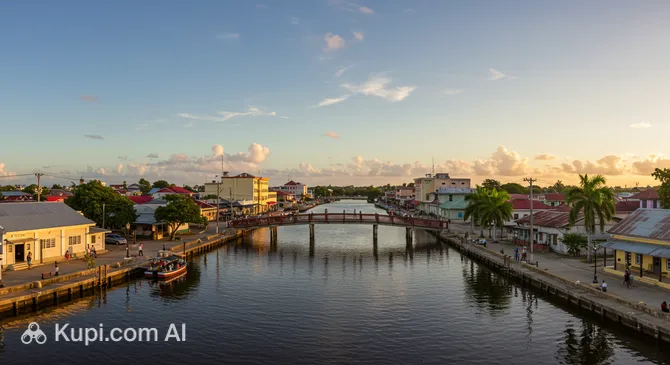
Belize City. Source: Kupi.Binoculars

Among the city's most notable landmarks is the Swing Bridge, one of the few manually operated swing bridges in the world still in use, connecting the north and south sides of the city. Just a short walk away lies the majestic St. John's Cathedral, the oldest Anglican church in Central America, built from bricks used as ballast in British ships. For culture enthusiasts, the Museum of Belize, housed in a former colonial prison, offers an intriguing look into the nation's artistic and historical treasures.

Whether you are passing through on your way to the barrier reef or staying to soak up the local culture, Belize City offers a unique and energetic atmosphere. Its lively markets, historic sites, and proximity to world-class diving and snorkeling destinations make it an essential stop on any itinerary in the region.
Weather Overview

Belize City experiences a tropical climate defined by consistent warmth and varying humidity levels, making it a viable destination at any time of year. To help plan your activities, you can check the detailed forecast for the weather in Belize City, but generally, the city remains hot and sunny. Average temperatures stay pleasant, ranging from lows of around 22°C in January to highs exceeding 31°C in May.

The year is split into drier and wetter periods. March and April are typically the driest months, with roughly 12 to 13 days seeing some precipitation, making this an ideal time for outdoor exploration. Conversely, the season from June through September brings a significant increase in rainfall frequency, with up to 28 wet days per month. However, these tropical showers are often brief and followed by sunshine.

Expect warm temperatures year-round with a noticeable increase in rainy days during the summer and early autumn, while the winter and spring months offer drier and slightly milder conditions.

Interesting Facts

Beyond the main attractions, Belize City holds many fascinating secrets and historical quirks that often go unnoticed by casual visitors. Digging a bit deeper into local lore reveals a destination built on resilience and unique stories.
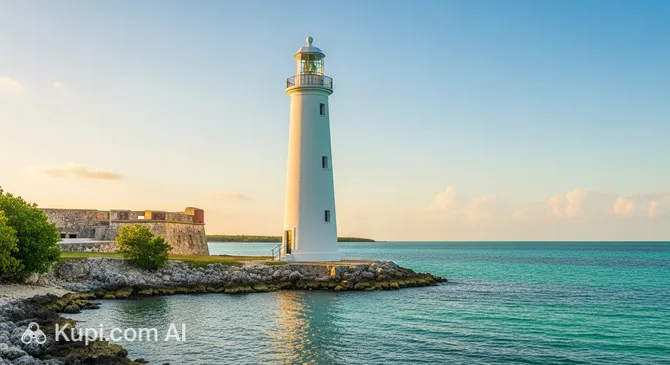
Baron Bliss Lighthouse. Source: Kupi.Binoculars
  • One of the city's most famous landmarks commemorates a benefactor who never actually walked on its streets. The Baron Bliss Lighthouse marks the grave of a wealthy traveler who fell in love with the country from the deck of his yacht, leaving a massive trust fund to the people without ever setting foot on land.

  • The city's very foundation is the subject of a colorful urban legend regarding its stability on the coast. It is widely said that the reclaimed land was fortified during the colonial era using a mixture of mahogany chips and thousands of empty rum bottles to create a solid base over the swampy ground.

  • While it serves as the commercial hub today, the city lost its title as the capital due to the sheer force of nature. The decision to move the government seat to Belmopan was made immediately after Hurricane Hattie devastated the coast in 1961, prompting a permanent shift to safer ground inland.

  • Aviation history was made here when Charles Lindbergh landed his famous Spirit of St. Louis in Belize City in December 1927. His visit was a monumental event for the local community, marking a significant moment in the early days of international air travel in the region.

How to Get There

Reaching this vibrant Caribbean hub is relatively straightforward, with air travel being the most common method for international visitors. For a complete overview of routes and transport tips, you can read more about how to get to Belize City.

The primary entry point for travelers is the Philip S.W. Goldson International Airport (BZE). Located approximately 12.5 km from the city center, it handles the vast majority of international flights. A taxi or shuttle ride from the terminal to downtown Belize City typically takes about 20 to 30 minutes, depending on traffic. This facility is the busiest in the country, connecting Belize to major cities in North America and the region.

Another significant regional hub is the San Pedro Airport (SPR), located in the city of San Pedro on Ambergris Caye. It is situated about 51 km from Belize City. While it primarily serves domestic flights and connections to the islands, some travelers may pass through here. To get from San Pedro to Belize City, one would typically take a short domestic flight or a water taxi across the bay.

For clarity, here is a summary of the main airports:

Airport Name City Passenger Traffic Km from City
Philip S.W. Goldson International Airport Belize City High 12.5
San Pedro San Pedro Medium 51.2
Dangriga Dangriga Medium 57.9
Placencia Placencia Small 108.5
Caye Caulker Caye Caulker Small 30.8

Belize City does not have a railway station, as there is no active passenger train network in the country. Instead, the city serves as a central hub for other forms of ground and water transportation. Visitors often utilize the water taxi terminals to travel to and from the nearby islands, or rely on the bus terminals for connections to other districts and border towns.

Main Attractions

Belize City is a treasure trove of colonial history and cultural landmarks. Walking through its streets offers a glimpse into the country's past, from ancient Mayan artifacts to British colonial heritage. The city's compact nature allows travelers to easily explore several key sites that define its unique character.

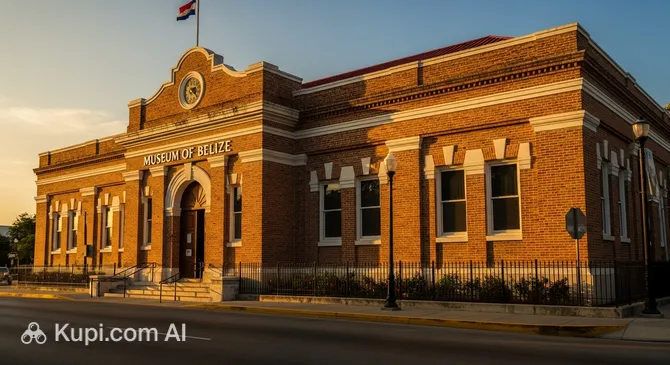
One of the most significant cultural institutions is the Museum of Belize. Housed in a brick building that served as Her Majesty’s Prison from 1857 to 1993, it has been beautifully restored to showcase the nation's heritage. Inside, visitors can explore exhibits featuring jade head sculptures, ancient Mayan pottery, and displays detailing the colonial era. It provides a fascinating educational experience, contrasting the building's grim history with the vibrant culture it now preserves.

Museum of Belize. Source: Kupi.Binoculars

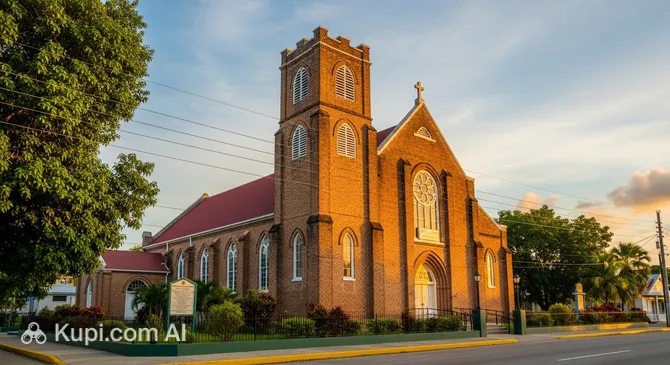
Just a short distance away stands St. John's Anglican Cathedral, a landmark of immense historical importance. Constructed between 1812 and 1820 using bricks brought as ballast in European ships, it holds the title of the oldest Anglican church in Central America. The interior is known for its mahogany pews and intricate stained glass. History buffs will appreciate that this was the site where three Miskito kings were crowned, highlighting the city's long-standing geopolitical significance.

St. John's Anglican Cathedral. Source: Kupi.Binoculars

For a more modern and colorful experience, the Belize Sign Monument is a favorite stop for travelers. Located by the waterfront, this vibrant installation features the country's name in large, multicolored letters against the backdrop of the Caribbean Sea. It is the perfect spot for a memorable photo opportunity, allowing visitors to capture the cheerful spirit of the city while enjoying the fresh sea breeze.

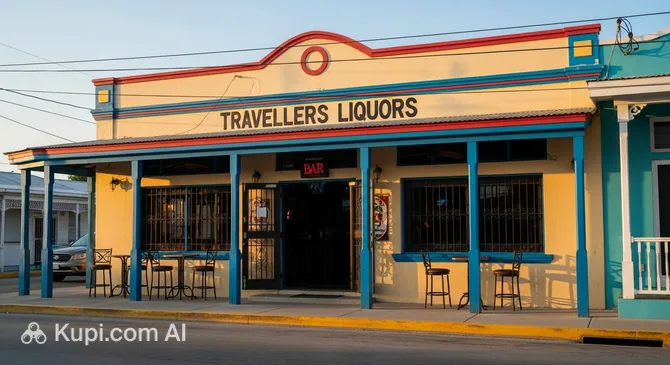
To get a taste of local tradition, a visit to Travellers Liquors is highly recommended. This heritage center offers an in-depth look at the history of rum production in Belize. Visitors can tour the museum to learn about the distilling process, see vintage equipment, and sample some of the famous "One Barrel" rum. It is an engaging way to understand a key part of the local economy and social culture.

Local Cuisine

The culinary scene in Belize City is a vibrant reflection of the country's multicultural heritage, blending Creole, Mayan, and Caribbean influences into every bite. The undisputed national dish that you must try is Rice and Beans with Stewed Chicken. This hearty meal is typically cooked in coconut milk and served with a side of potato salad and sweet fried plantains. For breakfast, do not miss out on Fry Jacks, fluffy deep-fried dough triangles that are perfect for scooping up refried beans, cheese, or eggs.

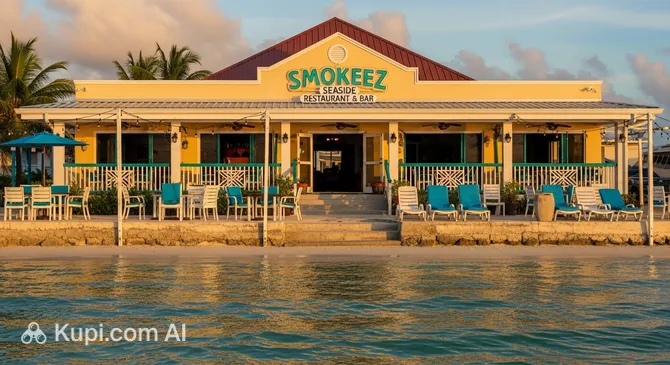
Given its location on the coast, the city offers exceptional seafood that is both fresh and flavorful. Conch Ceviche is a refreshing appetizer made with lime juice, cilantro, and vegetables, usually enjoyed with tortilla chips. For a memorable dining experience by the water, Smokeez Seaside Restaurant & Bar is a fantastic choice. It allows visitors to savor grilled specialties and cool ocean breezes simultaneously.

Smokeez Seaside Restaurant & Bar. Source: Kupi.Binoculars

Street food is an integral part of the local culture, offering quick and delicious options for travelers on the go. One of the most popular snacks is the Meat Pie, a small, savory pastry filled with seasoned beef or chicken, which is traditionally eaten by hand. You will find vendors selling these piping hot treats early in the morning, and they are a favorite among locals starting their day.

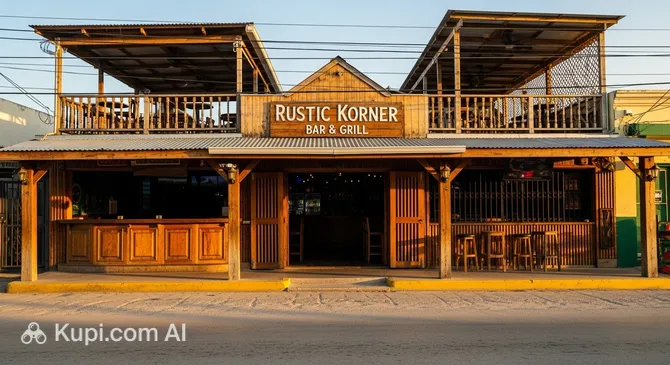
When it comes to drinks, Belikin Beer is the national lager and a source of local pride, widely available everywhere. Rum is also a major player in the beverage scene, often mixed into a sweet and strong Rum Punch. For a relaxed evening atmosphere, you can visit Rustic Korner Bar and Grill to enjoy cold drinks and hearty grilled dishes in a friendly setting.

Rustic Korner Bar and Grill. Source: Kupi.Binoculars

While traditional Creole flavors dominate, the city's commercial nature means you can also find international variety. Places like Chef Roger Lebanese Cuisine & Shisha offer a change of pace with Middle Eastern dishes. However, whether you are dining in a sit-down restaurant or grabbing a bite from a street stall, the food in Belize City is characterized by its use of fresh ingredients and bold, comforting spices.

Travel Tips

Exploring Belize City is a rewarding adventure into the heart of the country's heritage, but like any bustling urban center, it helps to be prepared with some local know-how. To ensure your visit is smooth, safe, and enjoyable, keep these practical tips in mind while planning your itinerary.

  1. Clothing and Gear: Given the tropical climate, lightweight and breathable fabrics like cotton or linen are your best friends. Pack comfortable walking shoes for exploring the streets and a pair of sandals for relaxing. Since tropical showers can occur suddenly, carrying a compact umbrella or a light rain poncho is highly recommended. If you plan to visit religious sites like St. John's Cathedral, dress modestly out of respect.
  2. Transportation: The most convenient way for tourists to get around is by taxi. Official taxis have green license plates; they do not have meters, so you should always agree on the fare with the driver before starting your journey. For trips to the nearby cayes, water taxis are the primary mode of transport. while walking is pleasant in the Fort George area during the day, it is better to use a taxi for longer distances or at night.
  3. Finances: The local currency is the Belize Dollar (BZD), which is pegged to the US Dollar at a fixed rate of 2 BZD to 1 USD. US dollars are widely accepted almost everywhere, so there is often no need to exchange large amounts of cash, provided you have smaller bills in good condition. Credit cards are accepted at major hotels and restaurants, but carrying cash is essential for street vendors and small shops. Tipping around 10-15% is standard for good service.
  4. Health and Safety: Pharmacies are readily available in the city center for basic needs. It is advisable to drink bottled or filtered water rather than tap water to avoid stomach issues. As in many large cities, it is important to stay vigilant; stick to well-lit, populated tourist areas like the Tourism Village and Fort George, and avoid wearing flashy jewelry or displaying expensive electronics openly.
  5. Communication: One of the greatest advantages for travelers is that English is the official language of Belize, making communication effortless. You will also hear locals speaking Kriol, a charming English-based creole. Wi-Fi is commonly available in hotels and cafes, but for constant connectivity, you can purchase a prepaid SIM card from local providers like Digi or Smart with your passport.
  6. Local Etiquette: Belizeans are known for their friendliness and hospitality. It is customary and polite to greet people with a "Good morning," "Good afternoon," or "Good evening" when entering a shop or boarding a taxi. This simple gesture goes a long way in establishing a positive rapport. Always ask for permission before taking photographs of locals.
  7. What to Avoid: Avoid wandering into unfamiliar neighborhoods on the Southside of the city, especially after dark, as these areas can be less safe for tourists. Additionally, do not be impatient; the pace of life here is relaxed, often referred to as "Belize time," so embrace the slower rhythm rather than rushing.
  8. Additional Tip: Be aware that many shops and businesses close early on Sundays or may not open at all. If you are visiting on a Sunday, plan your dining and shopping needs in advance, or use the day to explore outdoor attractions and nature spots that remain accessible.

By following these simple guidelines, you can navigate the city with confidence and focus on soaking up its unique Caribbean charm. Whether you are there for a quick stopover or a longer stay, a little preparation will help you make the most of your time in this historic gateway.

Entertainment & Nightlife

Entertainment and Nightlife:

While Belize City is not primarily known for a high-energy clubbing scene comparable to larger metropolises, it offers a distinct and enjoyable nightlife centered around socializing, music, and the sea breeze. The atmosphere here is decidedly laid-back and unpretentious, reflecting the Caribbean rhythm of life. Locals and visitors alike tend to gather in open-air venues to enjoy cold drinks, lively conversation, and the sounds of punta or reggae music.

The primary hub for evening entertainment is the area known as "The Strip" along Newtown Barracks on the north side of the city. This waterfront stretch is where the city comes alive after dark, lined with bars, restaurants, and a few nightclubs. It is a safe and popular zone where you can find a mix of expatriates and Belizeans enjoying the cool evening air. The dress code is generally casual; shorts and sandals are acceptable in most bars, though some indoor clubs might require slightly smarter attire.

A focal point of this district is Digi Park. This public space serves as a vibrant community gathering spot, especially on weekends. It is often bustling with families and groups of friends enjoying food from the surrounding stalls, which sell everything from tacos to grilled meats. The park frequently hosts outdoor concerts and fairs, making it a great place to experience authentic local culture without a cover charge.

Digi Park. Source: Kupi.Binoculars

For those looking for a more relaxed setting to unwind, Chef Roger Lebanese Cuisine & Shisha offers a comfortable atmosphere. It is an excellent spot to enjoy a quiet evening with flavorful food and a hookah, providing a change of pace from the typical Caribbean bar scene. If you prefer a historic backdrop, a walk near Battlefield Park in the early evening can be pleasant, as it sits in the heart of the downtown area, surrounded by colonial architecture.

When planning a night out, keep in mind that "Belize time" applies; evenings often start slowly, with venues filling up later in the night. Most bars stay open until midnight or 1:00 AM, while clubs may go until the early morning hours on weekends. Prices are generally affordable, with local beers and rum drinks costing significantly less than in major tourist resorts.

Safety is a priority when exploring Belize City at night. While the entertainment districts like the Newtown Barracks and Fort George area are generally safe, it is strongly advised not to walk alone on unlit streets or venture into the Southside neighborhoods after dark. The best way to get around is by taxi. Always look for cars with green license plates, which indicate licensed operators, and keep the number of a reliable dispatch service handy.

Regarding daytime entertainment, the city offers a more cultural experience. Apart from the historical museums, there are occasional theatrical performances and cultural showcases at local centers. However, most daytime activity focuses on nature and history, with parks serving as green lungs where locals relax during the heat of the day before the city transitions into its evening rhythm.

Parks & Museums

While often recognized for its busy streets and commercial energy, Belize City preserves several pockets of greenery and cultural institutions that tell the story of its evolution. Beyond the colonial architecture, visitors can find public spaces that serve as the community's living room, alongside museums safeguarding the nation's most prized historical artifacts.

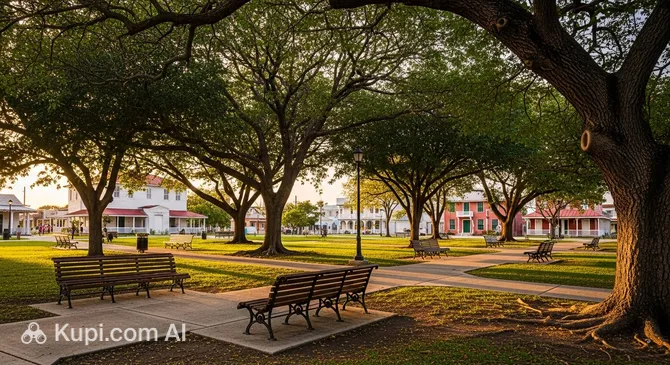
One of the most historically significant green spaces in the downtown area is Battlefield Park. Located directly opposite the Supreme Court buildings, this park has served as the traditional venue for political meetings and public gatherings for nearly a century. Today, it offers a shaded respite where vendors sell local snacks and residents catch up on the day's news. Its central location makes it an excellent starting point for a walking tour of the city's southern side.

Battlefield Park. Source: Kupi.Binoculars

For a more open and breezy atmosphere, Digi Park (formerly BTL Park) is a favorite among locals and tourists alike. Situated along the Caribbean Sea in the Newtown Barracks area, this expansive park features a sandy stretch, a playground for children, and a paved promenade perfect for an evening stroll. It is a lively spot where you can enjoy the cooling trade winds and watch the sunset over the water, often accompanied by music from nearby kiosks.

Another notable area is Memorial Park, located in the Fort George district. This quiet, manicured garden pays tribute to the Belizean soldiers who served in World War I. It features a white obelisk monument and offers a peaceful environment for reflection, contrasting with the bustling cruise terminals nearby. Its proximity to the sea wall makes it a pleasant stop during a coastal walk.

When it comes to cultural heritage, the Museum of Belize is the city's premier institution. Housed in a beautifully restored brick building that was once the colonial prison, the museum provides a comprehensive journey through time. Its collections range from intricate ancient Mayan jade and pottery to exhibits depicting the colonial logging era and the devastation of Hurricane Hattie. It is an essential stop for anyone wanting to understand the depth of Belizean history.

Visitors interested in the colonial past should also look for the House of Culture, formerly the Government House. This grand wooden mansion served as the residence of the Governor General until the capital moved to Belmopan. Today, it functions as a museum and creative space, displaying period furniture, silverware, and historical documents that offer a glimpse into the life of the ruling class during the British colonial era.

For those fascinated by older landmarks, the Yarborough Cemetery offers a unique historical perspective. As the first burial ground for the Anglican community in the 18th century, it contains the graves of many prominent early settlers and colonial figures. Walking through the site reveals the names and stories of the individuals who shaped the early development of the settlement.

Insider Tip: If you visit the House of Culture, take a moment to explore its gardens. They are often quieter than the main public parks and provide a lovely view of the harbor, making it a perfect hidden spot for reading or simply escaping the midday heat.

Getting Around

Public transport in Belize City differs significantly from the systems found in many major international capitals. There is no metro, tram, or railway network within the city. Instead, the transportation infrastructure relies heavily on a network of buses, taxis, and water taxis, which serve as the primary means of moving people around the urban area and connecting to the nearby islands.

The most common form of public transit for locals is the bus system. These are typically refurbished American school buses, often vibrantly painted. While they are an economical way to travel, they do not operate on a strict, minute-by-minute schedule like in Europe or North America. City buses run along designated routes connecting the downtown area with residential neighborhoods. There are no designated bus stops in many areas; passengers often just wave to the driver to flag the bus down and signal when they wish to get off.

For the payment system, simplicity is key. There are no electronic travel cards, transport apps, or ticket machines for city buses. Fares are paid exclusively in cash directly to the conductor or driver upon boarding. The cost is very low, usually just a few Belize dollars. It is essential to carry small change, as drivers may not always have enough change for large bills. US dollars are generally accepted, but you will likely receive change in local currency.

Water taxis are a unique and vital component of the local transport network, functioning essentially as passenger ferries. Located at terminals in the downtown area, such as the Fort Street Tourism Village vicinity, these boats are the main link for tourists and locals heading to Caye Caulker and Ambergris Caye. Tickets for water taxis can be purchased at the terminal counters using cash or credit cards. These vessels operate on a fixed schedule, with the last boats typically departing in the late afternoon, so it is important to check the timetables in advance.

Taxis are the most recommended option for tourists wishing to navigate the city comfortably and safely. You can easily identify licensed taxis by their green license plates. It is important to note that taxis in Belize City do not use meters. Instead, there are standard fares for travel between specific zones, but you must negotiate and agree on the price with the driver before entering the vehicle. This prevents any confusion upon arrival at your destination.

Regarding alternatives, modern ride-sharing apps like Uber or Lyft do not operate here. However, there are local taxi cooperatives and dispatch services that you can call to book a ride, which is often safer/more reliable than hailing one on the street at night. Car rentals are available and are a good option if you plan to explore the mainland beyond the city limits, but driving within the narrow, busy streets of the city center can be challenging for newcomers.

Tourists should be aware that public transport, particularly buses, tends to wind down early in the evening. If you are dining out or exploring after dark, planning for a taxi is the only practical choice. Walking is feasible for short distances within the Fort George and tourist areas during the day, but utilizing a taxi is widely advised for moving between different districts or traveling at night.

Accommodation

Accommodation in Belize City caters to a diverse mix of visitors, ranging from business travelers and diplomats to tourists in transit to the cayes. While the city does not feature the sprawling all-inclusive beach resorts found on the islands, it offers a solid selection of lodging options. Travelers can find everything from economical hostels and backpacker inns to charming colonial-style guesthouses and modern, full-service hotels that meet international standards.

For the most pleasant and convenient stay, the Fort George area is widely considered the best neighborhood for tourists. Located on a peninsula jutting into the harbor, this district is known for its safety, walkability, and scenic views of the Caribbean Sea. Staying here places you close to the water taxi terminals and historic landmarks, making it an ideal base for those catching an early boat or exploring the city's colonial heritage. Other options exist in the Kings Park area, which is quieter and more residential, though further from the main transport hubs.

Prices for accommodation are generally reasonable, often lower than what you might encounter on Ambergris Caye or in Placencia. Budget travelers can find simple rooms with basic amenities, while mid-range and upscale properties offer comforts such as air conditioning, swimming pools, and on-site dining. Booking methods are flexible; while the larger hotels are listed on major online booking platforms, many smaller, family-run guesthouses welcome direct inquiries via phone or email, which can sometimes lead to better rates.

A useful tip for planning your stay is to book well in advance if you are visiting during September. This month is packed with national celebrations, including Independence Day and the Carnival Road March, causing hotels in the city to fill up rapidly. Additionally, given the tropical climate, it is highly advisable to ensure your chosen accommodation offers air conditioning to guarantee a comfortable night's sleep.

Nearby Cities

For those looking to explore the surroundings, Belize City serves as an excellent base for day trips to several interesting nearby locations:

One of the most sought-after escapes is San Pedro, located on the beautiful Ambergris Caye. Accessible by a short flight or a scenic water taxi ride, this island town is famous for its relaxed Caribbean atmosphere and cobblestone streets. It is the primary gateway to the Hol Chan Marine Reserve and Shark Ray Alley, offering world-class snorkeling and diving opportunities in crystal-clear waters.

Heading inland to the west, San Ignacio in the Cayo District offers a stark contrast with its lush jungle setting and hilly terrain. It is known as the hub for eco-tourism and adventure in the country. Visitors flock here to explore ancient Maya sites such as Xunantunich and Cahal Pech, or to embark on canoeing trips inside the Barton Creek Cave.

To the north lies Orange Walk, affectionately known as "Sugar City" due to its sugarcane production. It provides a taste of authentic local culture and is renowned for having the best tacos in the country. More importantly, it serves as the starting point for boat tours along the New River to the Lamanai archaeological reserve, where visitors can see massive temples rising from the forest.

City Population Distance (km)
Orange Walk 18000 75
Belmopan 17222 66
San Ignacio 16977 101
San Pedro 11767 52
Dangriga 9096 60

These nearby destinations offer a glimpse into the diverse culture and landscapes of the region.

Shopping & Souvenirs

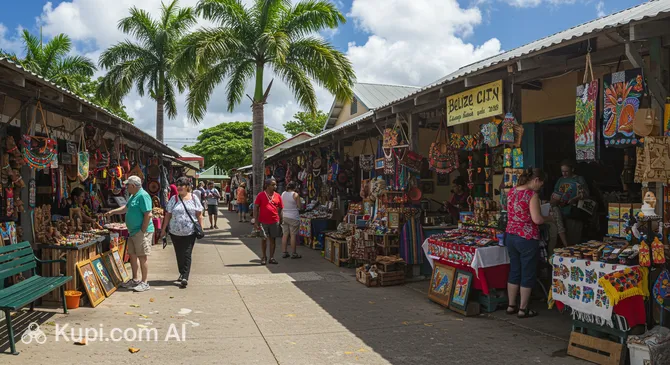
Belize City offers a shopping experience that is less about high-end luxury brands and more about discovering unique local craftsmanship and Caribbean flavors. While you will not find massive sprawling mega-malls, the city provides a charming selection of boutiques, duty-free zones, and bustling local markets. It is an excellent place to stock up on authentic souvenirs, tropical clothing, and locally produced delicacies before heading out to the islands or back home.

For a mix of history and commerce, head to Albert Street in the downtown area. This is the city's main commercial artery, lined with banks, pharmacies, supermarkets, and clothing stores. It is always alive with activity and offers a glimpse into the daily life of residents. Nearby, the Fort Street Tourism Village is a designated zone primarily for cruise ship passengers but accessible to others. Here, you will find a concentrated collection of jewelry stores, souvenir shops, and duty-free outlets in a secure, open-air setting.

While traditional western-style malls are not the norm, there are notable department stores that serve a similar purpose. Mirab is often referred to as the premier department store in the country, offering a wide range of home goods, furniture, and gifts in a modern, air-conditioned building. Another staple is Brodie's, a historic supermarket and department store chain where you can find everything from groceries to international brands and local products.

To experience the vibrant local culture, a visit to the Michael Finnegan Market is a must. Located along the Haulover Creek, this open-air market is where farmers from inland districts bring their fresh produce. It is a kaleidoscope of colors and smells, offering fresh tropical fruits, vegetables, and spices. While primarily a food market, it is a great place to engage with locals and see the ingredients that drive Belizean cuisine.

When looking for the perfect keepsake, locally made items are the best choice. Beautifully carved bowls and statues made from Ziricote and Mahogany woods are popular and widely available. Foodies should look for the famous Marie Sharp's hot sauces, which are a staple on every Belizean table. Another top choice is local rum.

Travellers Liquors. Source: Kupi.Binoculars

You can visit the shop at Travellers Liquors to purchase bottles of their renowned "One Barrel" rum or other aged varieties directly from the source. These edible and drinkable souvenirs are excellent gifts that capture the flavor of the country.

Most shops in Belize City open around 8:00 AM and close by 5:00 PM or 6:00 PM. It is important to note that many businesses close early on Saturdays and may be completely closed on Sundays, except for some larger supermarkets and tourist-specific shops. The US Dollar is widely accepted alongside the Belize Dollar. For small purchases in markets or street stalls, cash is king, while larger stores and the Tourism Village readily accept credit cards.

Visitors can take advantage of duty-free shopping, particularly within the Fort Street Tourism Village and at the international airport. These zones offer significant savings on luxury items like jewelry, watches, perfumes, and electronics for those presenting a valid foreign passport and travel documents.

Reached the end of the page?

That means the route is fully explored