Support

Campeche

About

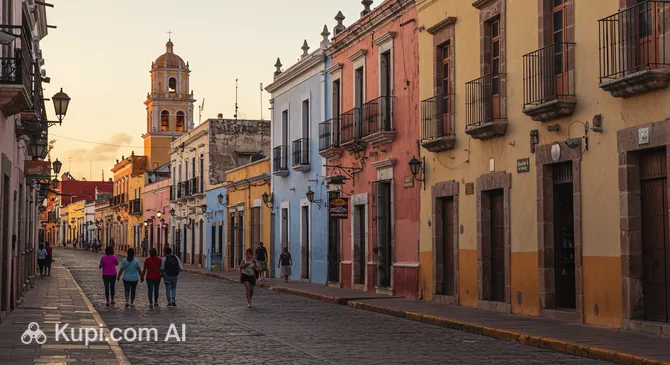
Welcome to Campeche, a captivating port city that feels like stepping into a vibrant fairy tale. Known for its impeccably preserved colonial architecture and pastel-colored facades, this UNESCO World Heritage site offers a unique atmosphere where history and local culture blend seamlessly. It serves as the capital of the state of the same name and stands as one of the most picturesque destinations on the Yucatan Peninsula.

Situated on the coast of the Bay of Campeche within the Gulf of Mexico, the city enjoys a warm tropical climate and refreshing sea breezes. With a population of approximately 250,000 residents, it maintains a relaxed and friendly vibe, distinguishing it from the more crowded tourist hubs in the region.
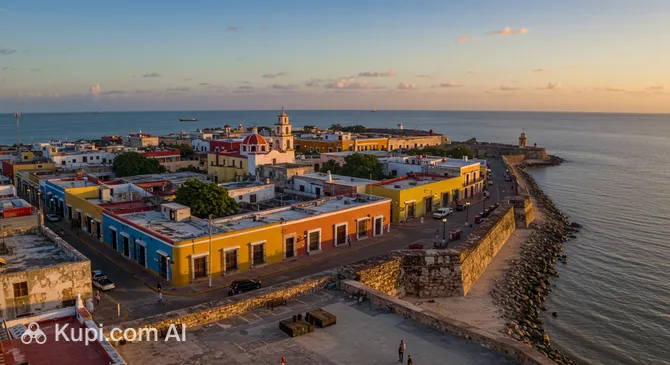
Campeche. Source: Kupi.Binoculars

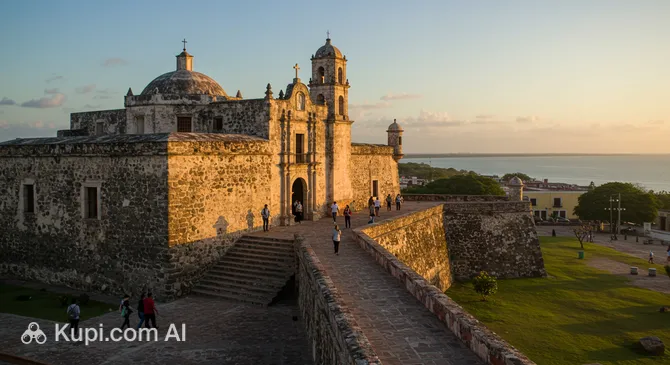
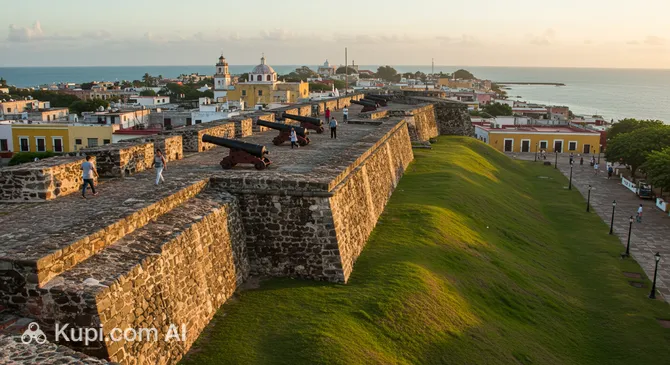
The city's character is defined by its defensive heritage. In response to relentless pirate attacks during the 17th and 18th centuries, the Spanish constructed an impressive system of walls and bastions to protect the settlement. Delving into the history of Campeche allows visitors to explore these well-preserved fortifications, many of which now house museums and botanical gardens.

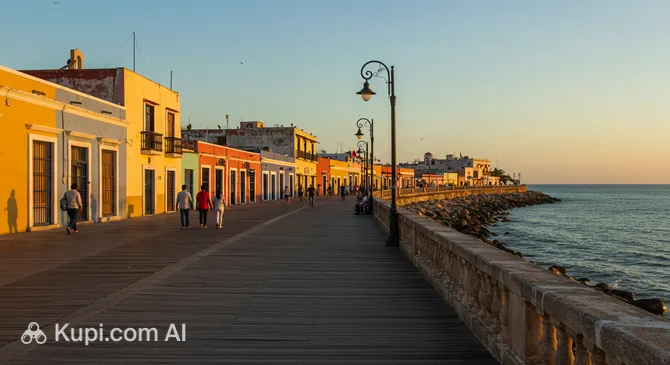
Travelers are drawn to the Historic Fortified City, where they can walk along the ramparts for panoramic views of the colorful streets and the sea. The Malecon, a lengthy waterfront promenade, is another highlight, perfect for cycling, jogging, or simply watching a breathtaking sunset. For those willing to venture just outside the city, the ancient Mayan ruins of Edzná offer a spectacular glimpse into the pre-Columbian past.

Whether you are wandering through its charming cobblestone streets or enjoying the local cuisine at a plaza, Campeche promises an unforgettable experience. We invite you to discover the magic and tranquility of this hidden gem on your next journey.
Weather Overview

The city experiences a warm tropical climate throughout the year, characterized by distinct dry and wet seasons. Generally, you can expect hot temperatures and high humidity, with the heat peaking in late spring just before the summer rains begin.

May is typically the hottest month, with an average temperature of 30.2°C and highs reaching up to 34.2°C. The cooler months are January and December, offering pleasant averages around 24°C to 25°C, which are ideal for walking along the fortifications without the intense midday heat.

Rainfall patterns vary significantly depending on when you visit. The dry season, particularly from February to April, sees almost no precipitation, ensuring clear blue skies. In contrast, the wet season runs from June through October, with August and September being the rainiest months, experiencing up to 21 wet days. For a more detailed forecast and monthly breakdown, you can view the weather in Campeche page.

Interesting Facts

Beyond its colorful facades and well-preserved ramparts, Campeche hides a treasure trove of historical curiosities and local legends. Digging a bit deeper reveals fascinating stories that shaped this unique UNESCO World Heritage site.
  • It is the only walled city in Mexico, a status earned through centuries of defending against relentless attacks. The fortifications seen in the Campeche Historic Center were constructed specifically to repel legendary pirates like Francis Drake and Henry Morgan, who frequently targeted the port for its wealth.

  • Much of the city's colonial wealth came not from gold or silver, but from a tree known as logwood or "palo de tinte." This wood was exported to Europe to create high-quality black and textile dyes, making it a commodity so valuable that pirates often raided ships specifically to steal the timber.

  • The city's original Mayan name, "Ah Kim Pech," translates to the somewhat startling "Place of Snakes and Ticks." Despite this intimidating moniker, the site was a major commercial center long before the Spanish arrived, and the name is still proudly used in the region today.

  • Local lore speaks of a secret network of tunnels connecting the various fortifications and the Cathedral of Our Lady of the Immaculate Conception. While their full extent remains a mystery, it is believed these subterranean passages were used as escape routes for residents during the most severe pirate sieges.

Campeche Historic Center. Source: Kupi.Binoculars

How to Get There

Reaching this colorful colonial city is relatively straightforward, with several options available depending on your itinerary. For a complete guide on the best routes and transport methods, you can read more about how to get to Campeche. Most visitors choose to fly, either directly into the local airport or to a larger hub nearby and then continue by road.

The most convenient entry point is the Campeche International Airport (CPE), located just 4 km from the city center. It is a small regional facility, which ensures a quick and stress-free arrival process. A taxi ride from here to the historic downtown area typically takes about 25 minutes.

Since direct connections to the local airport can be limited, many travelers fly into Manuel Crescencio Rejon International Airport (MID) in the city of Merida. This major international hub handles significantly more traffic and is located approximately 153 km from Campeche. From Merida, the journey by taxi or bus takes around 4 hours.

Another viable option is the Ciudad Del Carmen Airport (CME), situated in Ciudad del Carmen. Although it is about 186 km away, it serves as an important connector for the region. Travelers landing here should expect a road trip of approximately 5 hours to reach the state capital.

For clarity, here is a summary of the main airports:

Airport Name City Passenger Traffic Km from City
Manuel Crescencio Rejon International Airport Merida Large 153.0
Chetumal Airport Chetumal Medium 274.7
Ciudad Del Carmen Airport Ciudad del Carmen Medium 186.2
Campeche International Airport Campeche Small 3.9
Palenque Palenque Small 296.7

Main Attractions

Campeche is a treasure trove of history and culture, offering visitors a chance to explore its well-preserved colonial heritage and vibrant local life. From ancient fortifications to scenic waterfronts, the city's main attractions provide a diverse and enriching experience for every traveler.

The crown jewel of the city is the Campeche Historic Center. As a UNESCO World Heritage site, it is celebrated for its impeccable colonial architecture and pastel-colored facades that line the cobblestone streets. Walking through this fortified area feels like a journey back in time, where you can admire beautiful mansions, visit charming plazas, and soak in the peaceful atmosphere of a bygone era.

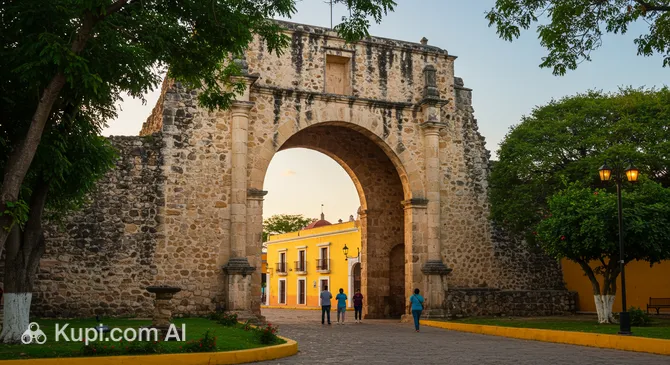
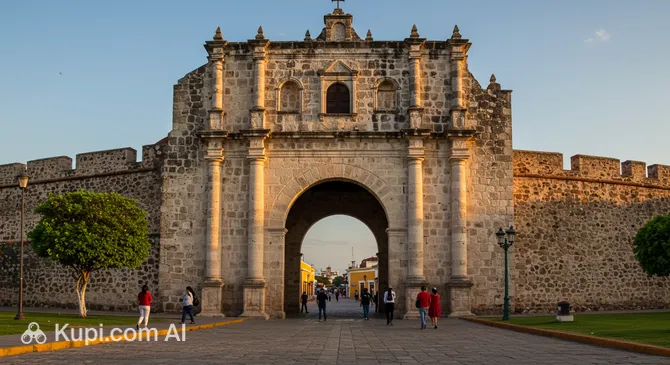
A significant part of the city's defensive history is the Puerta de Tierra. This impressive "Land Gate" was originally the main entrance to the walled city and remains one of the best-preserved sections of the fortifications. Visitors can explore the ramparts for panoramic views or attend the captivating light and sound show that narrates the city's dramatic struggles against pirate attacks.

Puerta de Tierra. Source: Kupi.Binoculars

For a deep dive into the region's ancient past, the Museum of Maya Architecture Baluarte de Nuestra Señora de la Soledad is a must-visit. Located within the Bastion of Our Lady of Solitude, this museum houses an extraordinary collection of Maya artifacts, including intricate jade masks and stone stelae. The architecture of the bastion itself is a fascinating example of military engineering.

Museum of Maya Architecture Baluarte de Nuestra Señora de la Soledad. Source: Kupi.Binoculars

Those looking to relax and enjoy the coastal breeze should head to the Campeche Boardwalk, also known as the Malecón. This lengthy promenade stretches along the Gulf of Mexico and is a favorite spot for locals and tourists alike to jog, cycle, or simply watch the breathtaking sunsets. It serves as a modern contrast to the historic center, offering a refreshing open space by the sea.

Campeche Boardwalk. Source: Kupi.Binoculars

Another intriguing site is the Museum of the City (Baluarte de San Carlos). Situated in the San Carlos Bastion, this museum is dedicated to the history of the city during the colonial period, focusing on its maritime connections and the era of piracy. It features interesting exhibits, including a collection of cannons and a dungeon, bringing the stories of the city's defenders to life.

Local Cuisine

The gastronomy of Campeche is a delightful fusion of Mayan traditions and Spanish influences, heavily defined by the city's coastal location. Known as "Campechano" cuisine, it is famous for its creative use of fresh seafood, aromatic spices, and local ingredients like habanero peppers and achiote. Food here is not just sustenance; it is a vibrant part of the cultural identity that invites travelers to explore new and bold flavors.

The undisputed star of the local table is Pan de Cazón. This signature dish consists of layers of tortillas stacked with dogfish (a type of small shark) meat, black beans, and covered in a rich, tomato-based sauce. Another favorite is Camarones al Coco (coconut shrimp), which perfectly balances sweet and savory notes, reflecting the tropical abundance of the region. For those who prefer non-seafood options, the Poc Chuc—citrus-marinated grilled pork—is a delicious staple found in many traditional eateries.

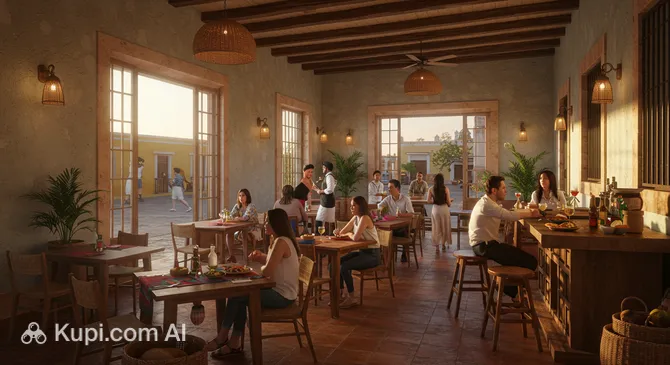
Dining in the city is an atmospheric experience, particularly along the pedestrian-friendly Calle 59. Here, tables spill out onto the cobblestones, allowing diners to enjoy their meals surrounded by colorful colonial facades. For an authentic taste of regional recipes, you might visit La María Peninsular Kitchen, which offers a deep dive into the peninsula's culinary heritage. The vibe in these establishments is typically relaxed and welcoming, perfect for a leisurely lunch or dinner.

La María Peninsular Kitchen. Source: Kupi.Binoculars

To accompany your meal, you must try the local beverages. Horchata de Coco is a refreshing twist on the traditional rice drink, made here with coconut water and milk, making it incredibly thirst-quenching in the tropical heat. Fruit waters, or aguas frescas, made from pitaya (dragon fruit) or marañón (cashew fruit), are also widely available and popular among locals.

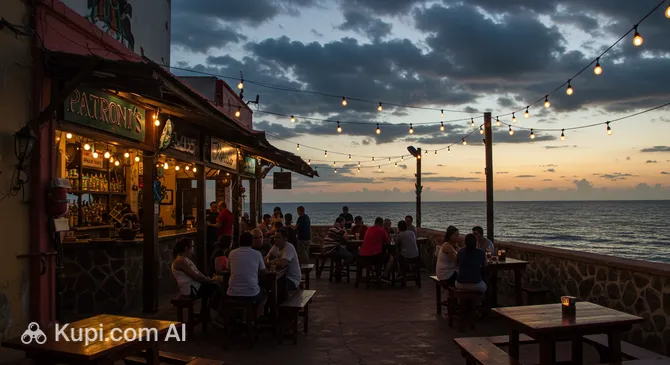
As the sun sets, the city's social scene comes alive. Locals and tourists alike gather to enjoy the evening breeze and a cold drink. Places like Patroni's Bar offer a great setting to unwind, sip on a michelada, or try a cocktail while soaking in the historic ambiance of the city center. Whether you are grabbing a quick street snack or sitting down for a full course meal, Campeche's food scene is sure to leave a lasting impression.

Travel Tips

Planning a trip to Campeche is an exciting endeavor, but having a few practical insights beforehand can make your visit much smoother and more enjoyable. This friendly city is incredibly welcoming, yet knowing the local logistics regarding weather, money, and transport will help you relax and experience the "Rainbow City" like a pro.

  1. Clothing and Gear: Due to the tropical heat and high humidity, lightweight and breathable fabrics like cotton or linen are essential year-round. A wide-brimmed hat, sunglasses, and high-SPF sunscreen are crucial for sun protection. Since the historic center features uneven cobblestone streets, bring comfortable walking shoes or sturdy sandals. If you plan to enter the Cathedral or other religious sites, remember to dress modestly by covering your shoulders and knees.

  2. Transportation: The best way to explore the walled historic center is on foot, as most attractions are close to one another. For destinations outside the walls, local taxis are the most convenient option. They are generally affordable, but they typically do not use meters; always agree on the fare with the driver before starting your journey. Ride-hailing apps can be unreliable or unavailable due to local regulations, so it is safer to rely on official taxi stands.

  3. Finances: The official currency is the Mexican Peso (MXN). While hotels and larger restaurants usually accept credit and debit cards, cash is king in smaller shops, markets, and taco stands. ATMs are widely available, particularly around the main plaza (Parque Principal). Tipping is standard practice; leaving 10% to 15% of the bill in restaurants is expected if service was good.

  4. Health and Safety: Campeche is known as one of the safest cities in Mexico, but it is still wise to keep an eye on your belongings in public spaces. Pharmacies (farmacias) are plentiful, and major chains are often open late or 24/7 for minor medical needs. A critical health rule is to drink only bottled or purified water to avoid stomach issues. Also, carry insect repellent, especially during the evenings or if visiting nearby ruins.

  5. Communication: Spanish is the primary language spoken. While you will find English speakers in hotels and major tourist spots, it is not as widely spoken by taxi drivers or market vendors. downloading a translation app and learning basic phrases like "Buenos días" (Good morning) and "¿Cuánto cuesta?" (How much?) will be very helpful. Prepaid SIM cards are easily available at ubiquitous convenience stores like OXXO.

  6. Local Etiquette: Politeness is highly valued in local culture. It is customary to greet people when entering a shop, elevator, or taxi. A simple "Hola" or "Buenas tardes" goes a long way. Locals are generally relaxed and friendly, so patience and a smile are your best tools for interaction. If you are invited to a local's home, it is polite to bring a small gift.

  7. What to Avoid: Avoid drinking tap water under any circumstances, including using it to brush your teeth if you have a sensitive stomach. Do not take photographs of indigenous people or locals in the market without asking for their permission first, as some may find it intrusive. additionally, try to avoid strenuous outdoor activities during the peak heat of the day (between 12:00 PM and 3:00 PM).

  8. Additional Tip: Embrace the local rhythm to beat the heat. Many businesses and locals take a break during the hottest part of the afternoon. Follow their lead by exploring early in the morning, resting midday, and heading out again in the evening to enjoy the sunset on the Malecon, when the city comes alive with a refreshing breeze.

By keeping these simple tips in mind, you will be well-prepared to navigate the city with ease and confidence. Embrace the laid-back atmosphere, engage with the warm-hearted locals, and enjoy every colorful moment of your stay in this historical gem of the Yucatan Peninsula.

Entertainment & Nightlife

While Campeche is not known for the wild, all-night partying found in places like Cancun, it offers a charming and vibrant nightlife scene that perfectly reflects its relaxed, colonial character. As the sun sets, the city cools down and the historic streets light up, inviting locals and visitors to enjoy the evening breeze. The atmosphere here is sociable and safe, focused more on lively conversation, live music, and dining under the stars than on thumping nightclubs.

The heart of the action is undoubtedly Calle 59. This pedestrianized street cuts through the historic center and transforms into a bustling open-air lounge at night. Restaurants and bars place tables and chairs right onto the cobblestones, creating a festive corridor filled with laughter and music. It is the perfect place to start your evening, whether you are looking for a romantic dinner or a casual drink with friends. The dress code is generally casual to smart-casual; you will feel comfortable in anything from shorts and a nice shirt to a summer dress.

For a taste of the local bar scene, you can stop by Patroni's Bar. Located right in the mix of the historic center, this venue is a favorite for its welcoming vibe and extensive menu of drinks, including cold beers and expertly mixed cocktails. It is an excellent spot to soak up the colonial ambiance while enjoying the company of both locals and fellow travelers.

Patroni's Bar. Source: Kupi.Binoculars

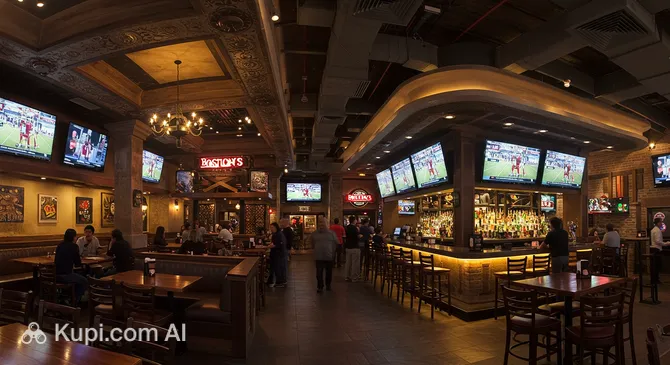
If you are in the mood for a more familiar, sports-bar atmosphere, Boston's is a popular choice. Known for its lively environment, it is a great place to catch a game, enjoy hearty American-style comfort food, and grab a drink. It tends to attract a mix of families and groups of friends looking for a fun, unpretentious night out.

Boston's. Source: Kupi.Binoculars

For those who prefer a modern shopping and entertainment experience, Galerías Campeche offers a different kind of evening. This large shopping mall is located along the waterfront and features a cinema, a food court, and numerous international brand stores. It is a popular spot for families and teenagers to gather, enjoy the air conditioning, and catch the latest movies.

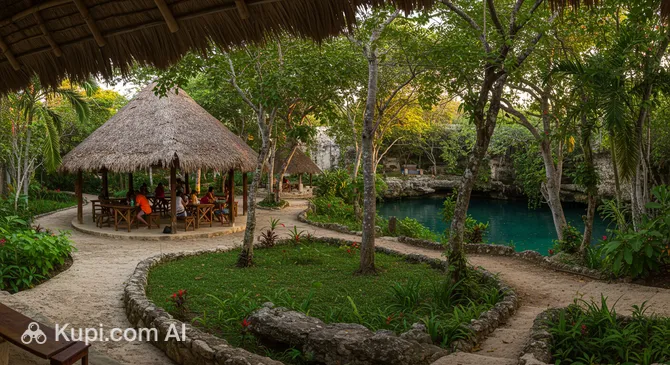
While the nights are for socializing, the city also offers engaging daytime entertainment beyond the historical sites. Ximbal Recreational Park is a fantastic option for families and nature lovers. This eco-park features aviaries, hiking trails, and water games, providing a fun and educational break from the city heat. It is a wonderful place to spend an afternoon before heading back to the center for the evening festivities.

Ximbal Recreational Park. Source: Kupi.Binoculars

When planning your night out, keep in mind that the peak hours for bars and restaurants on Calle 59 are typically between 8:00 PM and midnight. Prices are generally very reasonable compared to other tourist destinations in Mexico. The historic center is well-lit and considered very safe for walking at night. However, if you are staying outside the walled city or visiting venues further afield, it is advisable to take a taxi. Taxis are plentiful and affordable; you can easily hail one on the street or ask your server to call one for you.

Parks & Museums

Beyond its fortified walls and pastel streets, the city offers a variety of inviting green spaces and cultural institutions that allow visitors to dive deeper into its rich heritage. From vibrant plazas shaded by tamarind trees to bastions transformed into galleries, the public spaces in Campeche are as educational as they are beautiful, providing a perfect balance between relaxation and discovery.

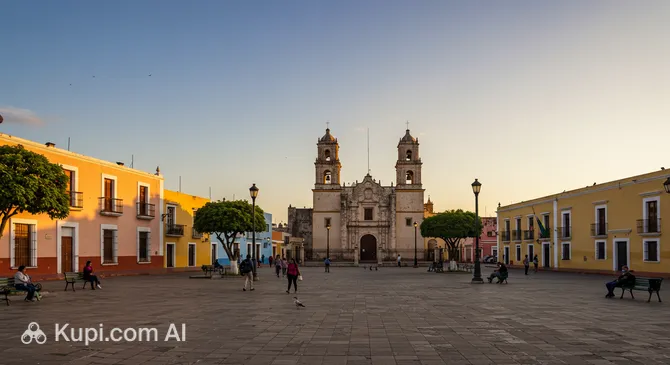
The beating heart of the city's social life is the Plaza de la Independencia. This central square is much more than just a meeting point; it is a lush, landscaped garden surrounded by iconic colonial arcades and the majestic Cathedral. Locals gather here in the evenings to listen to music from the classic kiosk, making it an ideal spot for tourists to experience the authentic rhythm of daily life while enjoying the shade.

Plaza de la Independencia. Source: Kupi.Binoculars

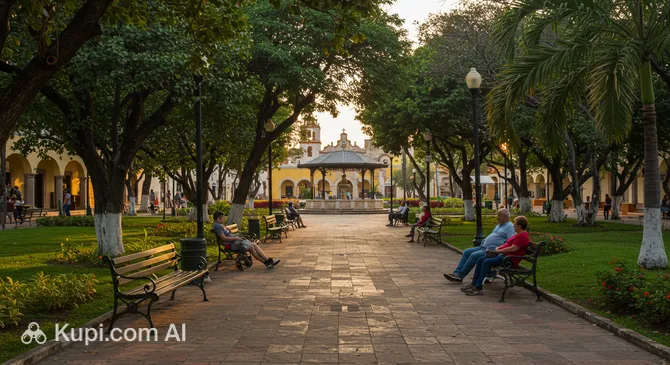
For a quieter escape, the IV Centenario Park (often referred to as San Martín) offers a charming retreat. Located near the historic center, this park is known for its peaceful atmosphere and well-maintained gardens. It serves as a lovely backdrop for a leisurely afternoon walk, offering a glimpse into the more residential and relaxed side of the city away from the main tourist thoroughfares.

IV Centenario Park. Source: Kupi.Binoculars

While the city's most famous museums are housed in its largest forts, the San Pedro Bastion offers a unique cultural experience. Historically significant for its role in defending the city, it now frequently serves as a venue for craft markets and temporary exhibitions. Visitors can explore the architecture of the fortification while browsing local handicrafts, making it a fascinating stop for those interested in both military history and regional art.

San Pedro Bastion. Source: Kupi.Binoculars

Another essential stop for history enthusiasts is the Fort of San José el Alto, which houses the renowned Museum of Underwater Archaeology. Although located a short distance from the city center, it is widely considered one of the most important museums in the region. The collection features artifacts recovered from shipwrecks in the Gulf of Mexico, including cannons, coins, and navigation instruments, telling the story of the maritime trade and piracy that defined the area.

The city's architecture itself acts as an open-air museum. A prime example is the Sea Gate (Puerta de Mar), which was once the primary entrance for those arriving by ship. Today, it stands as a symbolic monument connecting the historic walled city with the modern waterfront. Walking through this gate gives you a sense of the grandeur that greeted travelers and traders centuries ago.

Sea Gate. Source: Kupi.Binoculars

For a perfect photo opportunity that captures the modern spirit of the destination, head to the Campeche Letters. Located along the waterfront, this colorful sign is a popular landmark where visitors can snap a memorable picture with the sea in the background. Nearby, you might also find the San Román Church / Sanctuary of the Holy Christ, home to the revered "Black Christ" image, which is central to many local legends and festivals.

Insider Tip: If you visit the Plaza de la Independencia on a weekend evening, you might catch a traditional Lotería Campechana game being played in the open air. It is a fun, bingo-style game that brings families together and offers a delightful way to interact with the local community.

Getting Around

The public transport system in Campeche is modest and straightforward, relying entirely on road-based options rather than a complex network of trains or metros. For the majority of visitors, especially those staying within the UNESCO-listed historic center, the area is compact enough to be explored comfortably on foot. However, to reach the airport, bus terminals, or neighborhoods outside the walls, you will need to use the city's buses or taxis.

The primary mode of public transportation consists of standard buses, often referred to locally as camiones, and smaller shared vans known as colectivos or combis. These vehicles cover routes throughout the city and are easily identifiable by the destinations hand-painted on their windshields rather than by route numbers. Colectivos are generally faster than the larger buses but can be a tighter squeeze. Both options offer an authentic and inexpensive way to travel alongside locals.

Payment for public transport is strictly cash-based; there are no travel cards, passes, or mobile apps available for the bus system. You pay the driver directly upon boarding. The fares are very affordable, typically costing just a few pesos per ride. It is highly practical advice to carry coins or small bills, as drivers rarely have enough change for large denominations. You do not need to validate a ticket; payment simply grants you entry for that single journey.

Buses and vans generally operate from early morning, around 6:00 AM, until approximately 10:00 PM. Service frequency decreases significantly after dark. Designated bus stops exist, but they are not always clearly marked with signage. It is common practice to simply wave at an approaching bus to signal it to stop. When you wish to exit, you can press the buzzer near the door or loudly say "bajan" (getting off) to alert the driver.

For a more direct and comfortable alternative, taxis are widely available and relatively inexpensive. In Campeche, taxis are typically white cars with red stripes. A crucial detail for tourists is that these taxis do not use meters. Instead, fares are determined by zones or standard rates for specific distances. You should always ask for the price and agree on the fare with the driver before entering the vehicle. While ride-sharing apps are popular in other parts of the world, their availability here can be limited or inconsistent, making traditional taxis the most reliable choice.

Although not a commuter service, a special feature of the city's transport landscape is the tourist tram, affectionately known as El Guapo ("The Handsome One") and El Super Guapo. These trolley-style vehicles depart from the main plaza and offer guided tours of the historic center and the waterfront. While they are designed for sightseeing rather than transportation, they are a charming and popular way to navigate the city's main landmarks without walking in the heat.

Accommodation

Finding the perfect place to stay in Campeche is often a delightful part of the travel experience, as the city offers accommodation options that are as charming and historic as the destination itself. The range of lodging spans from budget-friendly hostels and comfortable mid-range guesthouses to exquisite boutique hotels housed in restored colonial mansions. Unlike the sprawling all-inclusive resorts found elsewhere on the Yucatan Peninsula, the focus here is on character, intimacy, and personalized service.

The most popular area for tourists is undoubtedly the Historic Center (Centro Histórico), located within the ancient city walls. Staying here means you are just steps away from the main plazas, museums, and restaurants, often sleeping in buildings that date back to the 17th or 18th centuries. These properties typically feature beautiful central courtyards, high ceilings, and tiled floors, offering an immersive dive into the city's colonial past.

For those who prefer modern amenities or ocean views, the area along the Malecon (waterfront promenade) is an excellent alternative. innovative hotels in this zone often provide larger rooms, swimming pools with sea views, and easy access to the boardwalk for morning jogs or sunset strolls. This area is also convenient for business travelers or those arriving by car, as parking is generally easier to find than in the narrow streets of the walled city.

In terms of pricing, accommodation in Campeche is generally very reasonable compared to the more tourist-heavy destinations of the Riviera Maya. Travelers can find excellent value for money, with mid-range options offering high standards of comfort at affordable rates. Budget travelers will also find plenty of clean and safe hostels, while luxury seekers can enjoy high-end boutique experiences without the exorbitant price tags found in larger resort cities.

Booking Tip: While it is usually possible to find a room upon arrival, it is highly recommended to book your accommodation in advance if you plan to visit during the Carnival season (typically February) or the Christmas holidays. These are peak times for domestic tourism, and the best colonial properties tend to fill up quickly. Reservations can easily be made through major online booking platforms or by contacting hotels directly.

Nearby Cities

For those looking to explore the surroundings, Campeche serves as an excellent base for day trips to several interesting nearby locations:

One of the most rewarding excursions is a visit to Merida, the vibrant capital of the neighboring state of Yucatan. Known as the "White City" due to its limestone buildings, it offers a rich blend of Mayan heritage and colonial history, featuring grand museums, bustling markets, and a lively cultural scene that contrasts with the quieter pace of Campeche.

For travelers interested in nature and gastronomy, Champoton is an ideal stop located just a short drive down the coast. Famous for its river and mangrove estuaries, this town is a paradise for birdwatching and is widely renowned for serving some of the best seafood in the region, particularly its fresh shrimp dishes.

Another fascinating destination is Ticul, often referred to as the "Pearl of the South." This town is a hub for local craftsmanship, specifically known for its red clay pottery and the production of high-quality leather shoes. It also serves as a convenient gateway for those wishing to explore the archaeological sites of the Puuc route.

City Population Distance (km)
Merida 892,363 160
Kanasin 139,753 160
Uman 50,993 143
Ticul 32,796 122
Champoton 30,881 57

These nearby destinations offer a glimpse into the diverse culture and landscapes of the region.

Shopping & Souvenirs

Shopping in Campeche offers a delightful mix of traditional charm and modern convenience. While it may not have the massive commercial centers found in larger Mexican metropolises, the city prides itself on high-quality local craftsmanship and authentic market experiences. Visitors can expect a relaxed atmosphere where browsing through boutiques often involves chatting with the artisans themselves, making every purchase a small cultural exchange.

The heart of the shopping scene is located within the walled Historic Center. As you wander along the pedestrian-friendly Calle 59 and the surrounding cobblestone streets, you will find numerous small boutiques, art galleries, and souvenir shops housed in beautifully restored colonial buildings. This area is perfect for finding unique clothing, jewelry, and regional art while enjoying the picturesque architecture.

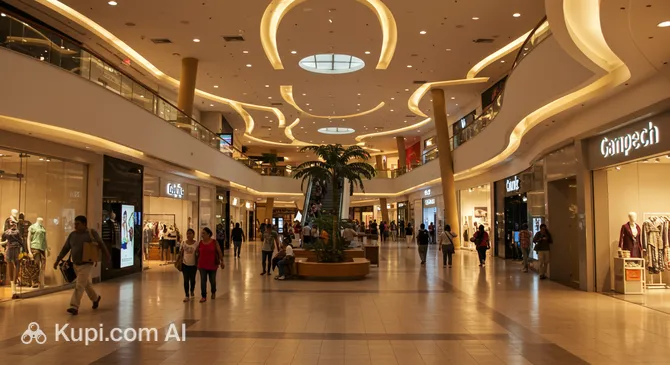
For a more contemporary retail experience, the city's premier destination is Galerías Campeche. Situated elegantly along the waterfront promenade, this modern shopping mall features a wide range of national and international brands, a cinema, and a food court. It is a favorite spot for locals to shop for fashion and electronics in air-conditioned comfort.

Galerías Campeche. Source: Kupi.Binoculars

To truly immerse yourself in local life, a visit to the Mercado Principal Pedro Sainz de Baranda is essential. This bustling market is a sensory explosion of colors and scents, where vendors sell everything from fresh tropical fruits and spices to everyday household goods. It is an excellent place to observe the daily rhythm of the city and perhaps pick up some local snacks or inexpensive trinkets.

When it comes to souvenirs, Campeche is famous for its exquisite handicrafts. The most iconic item to buy is the Jipi Japa hat, a high-quality woven hat similar to a Panama hat, traditionally made in the nearby town of Bécal. Other popular keepsakes include intricate hammocks, embroidered dresses known as huipiles, and goods made from bull horn or sea shells. For guaranteed quality, look for the state-run "Casa de Artesanías" stores, which showcase the best work from regional artisans.

Store opening hours typically run from 10:00 AM to 8:00 PM or 9:00 PM. However, smaller independent shops in the historic center may close for a traditional siesta between 2:00 PM and 4:00 PM. While the shopping mall and larger restaurants accept credit and debit cards, cash is the preferred method of payment in markets and smaller handicraft stalls. It is advisable to carry Mexican Pesos in smaller denominations for these transactions.

International tourists shopping in Mexico may be eligible for a tax refund on purchases made at participating stores. The "Money Back" program allows visitors to claim back the value-added tax (IVA) on goods totaling a certain amount, provided they leave the country by air or sea. Look for the "Tax Free" logo in shop windows and be sure to ask for the necessary official receipts and forms at the time of purchase.

Reached the end of the page?

That means the route is fully explored