Support

Merida

About

Welcome to Merida, the vibrant cultural capital of the Yucatán Peninsula and one of the most enchanting destinations in Mexico. Known affectionately as "La Ciudad Blanca" (The White City) due to the white limestone used in its construction, this metropolis offers a unique atmosphere where ancient Mayan traditions seamlessly blend with elegant colonial heritage. It is a place where every street corner tells a story, inviting travelers to step back in time while enjoying modern comforts.
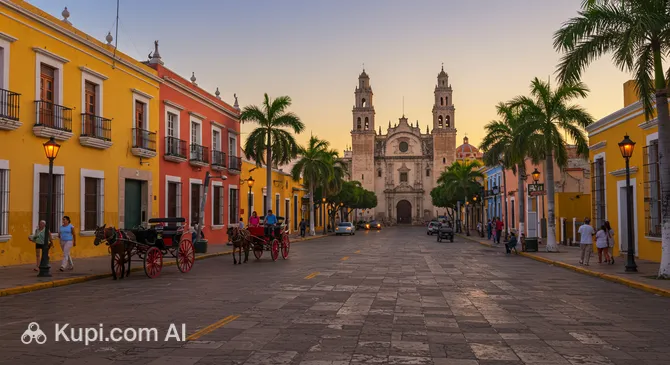
Merida. Source: Kupi.Binoculars

Geographically, the city is situated in the northwest part of the state, about 35 kilometers from the Gulf of Mexico coast. It serves as the commercial and cultural hub of the region, with a population of nearly 900,000 inhabitants. The climate is typically tropical, characterized by warm to hot temperatures year-round and distinct wet and dry seasons. This sunny weather complements the city's lively outdoor life, from evening concerts in the parks to bustling open-air markets.

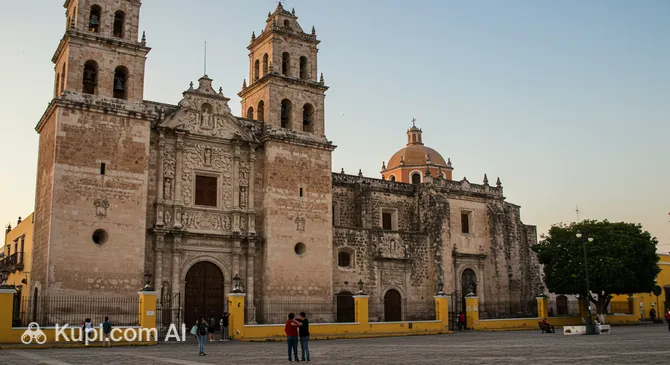
The fascinating history of Merida is deeply etched into its architecture and urban layout. Founded in 1542 on the site of the ancient Mayan city of T'hó, the historic center is a treasure trove for sightseers. Visitors are often captivated by the Paseo de Montejo, a grand boulevard inspired by the Champs-Élysées in Paris, lined with opulent mansions from the 19th-century henequen boom. Another must-visit is the Plaza Grande, the city's main square, which is overlooked by the majestic San Ildefonso Cathedral, one of the oldest cathedrals on the continent.

Whether you are eager to savor the distinct flavors of Yucatecan cuisine, such as cochinita pibil, or use the city as a base to explore nearby archaeological wonders like Chichén Itzá and Uxmal, this destination has something for everyone. We invite you to immerse yourself in the warmth, culture, and hospitality of this extraordinary city.
Weather Overview

Travelers to the Yucatán Peninsula can expect a consistently warm climate in this city, with high temperatures prevailing throughout the year. The hottest period typically occurs in late spring, particularly in May, when the average temperature rises to 30.4°C and daytime highs can soar up to 36.0°C. The winter months of December and January provide a slightly cooler respite, with averages around 24.0°C and minimum temperatures dropping to a comfortable 19.6°C.

The region experiences distinct seasonal shifts in rainfall. The dry season is most pronounced from February through April, with March seeing as few as 2 wet days. Conversely, the summer and early autumn months bring the rainy season; from June to October, you can expect frequent showers, with August recording up to 21 wet days. For a detailed forecast and monthly breakdown, you can view the weather in Merida page to help plan your daily activities.

Interesting Facts

Beyond the main attractions, Merida holds many fascinating secrets that reveal its deep historical layers and cultural quirks. Here are some intriguing details that make the Yucatecan capital truly unique and worth a closer look.

  • Built on Ancient Ruins: The majestic Cathedral of San Ildefonso is not only the oldest cathedral on the American mainland, but it is also physically constructed from the past. The Spaniards dismantled the ancient Mayan pyramids and temples of the city of T'hó, using those very sacred stones to build this colonial landmark.

  • Navigating by Symbols: In the Historic Center of Mérida, you might notice statues of animals or objects perched on building corners. Centuries ago, to assist a largely illiterate population with navigation, locals named intersections "The Elephant," "The Bull," or "The Flamingo," placing corresponding figures there—a charming system that locals still recognize today.

  • The Confidante Chairs: A signature feature of the city's public spaces, such as Santa Lucía Park, are the white, S-shaped "kissing chairs" (sillas tú y yo). Legend says a jealous father designed them so his daughter could converse with her suitor while maintaining a respectful distance and avoiding physical contact.

  • A Hand-Carved Masterpiece: The Monument to the Fatherland is distinct from most public monuments in Mexico. Instead of being cast in bronze, this massive structure was hand-carved directly from stone by Colombian sculptor Rómulo Rozo, depicting the entire history of Mexico in a single, continuous piece of art.

Cathedral of San Ildefonso. Source: Kupi.Binoculars

How to Get There

Reaching the capital of Yucatán is relatively straightforward, with several options available depending on your itinerary and point of origin. Whether you prefer a direct flight or a scenic drive through the peninsula, you can find all ways to reach the city and plan the best route for your trip.

The most convenient entry point is Manuel Crescencio Rejon International Airport (MID), which welcomes both domestic and international flights. Located directly in Merida, it is situated just 7.6 km from the city center. This proximity makes arrival very easy; a taxi or transfer to the historic downtown area typically takes about 32 minutes. The airport handles a significant number of passengers annually, ensuring good connectivity with major hubs like Mexico City and Houston.

Another popular option for international travelers is to fly into Cancun International Airport (CUN). Although this major hub is located in the city of Cancun, approximately 282 km away, it offers a much wider variety of direct connections from Europe and North America. From Cancun, you can reach Merida via a comfortable first-class bus or a rental car, with the journey taking approximately 4 hours on the highway.

For clarity, here is a summary of the main airports:

Airport Name City Passenger Traffic Km from City
Cancun International Airport Cancun Large 282.4
Manuel Crescencio Rejon International Airport Merida Medium 7.6
Tulum International Airport Tulum Medium 219.8
Cozumel Airport Cozumel Small 281.5
Campeche International Airport Campeche Small 158.8

Main Attractions

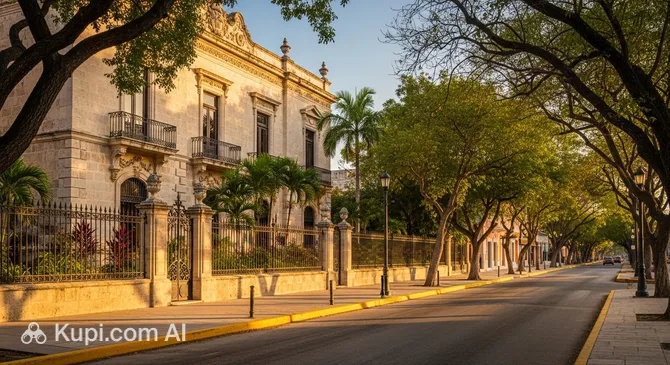
One of the most emblematic avenues in the city is the Paseo de Montejo. Modeled after the grand boulevards of Europe, this tree-lined street is famous for its stunning beaux-arts architecture and opulent mansions built during the henequen boom of the 19th century. Tourists love strolling here to admire the historic facades, visit the museums housed within them, and enjoy the lively cafes and shops that line the sidewalks, making it a perfect blend of history and modern leisure.

Paseo de Montejo. Source: Kupi.Binoculars

At the very heart of the city lies the Plaza Grande, a bustling square that serves as the central gathering point for locals and visitors alike. Surrounded by significant architectural landmarks, including the Government Palace and historic colonial homes, the plaza is vibrant with activity throughout the day. It is an excellent spot to relax on a bench under the shade of laurel trees, watch cultural performances on weekends, and soak in the authentic atmosphere of daily life in Yucatán.

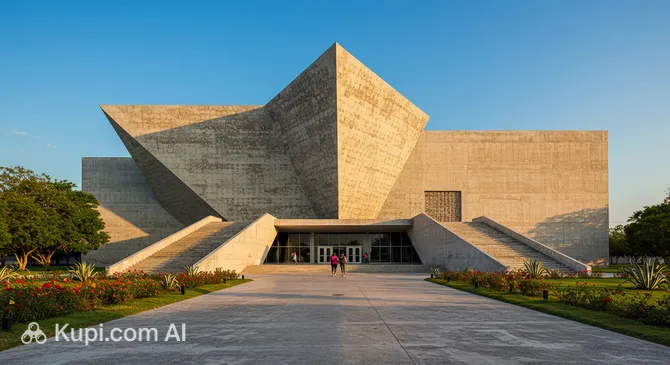
For those interested in the region's ancient heritage, the Mayan World Museum of Mérida is an unmissable destination. This world-class museum features impressive modern architecture inspired by the ceiba tree, a sacred symbol in Mayan cosmology. Inside, visitors can explore a vast collection of artifacts, textiles, and interactive exhibits that chronicle the history and enduring legacy of the Mayan civilization, offering deep insights into their culture and traditions.

Mayan World Museum of Mérida. Source: Kupi.Binoculars

A newer addition to the cultural scene is the Palace of Music, located in the historic center. This interactive museum and concert hall is dedicated to the preservation and promotion of Mexican traditional and popular music. It is particularly interesting for tourists because of its immersive exhibits that allow you to listen to and learn about various musical genres from across the country, making it a sensory delight for music lovers of all ages.

Local Cuisine

The gastronomy of Merida is a highlight of any visit, offering a distinct culinary identity that sets it apart from the rest of Mexico. Yucatecan cuisine is a fascinating blend of ancient Mayan flavors, Spanish colonial influences, and even Caribbean touches. The food here is characterized by the use of unique local ingredients such as sour orange (naranja agria), achiote paste (annatto), and the fiery habanero chili, creating a palette of tastes that range from earthy and savory to bright and tangy.

One dish you simply cannot leave without trying is Cochinita Pibil. This succulent pork dish is marinated in achiote and sour orange juice, wrapped in banana leaves, and slow-roasted, traditionally in an underground pit. It is typically served with pickled red onions and warm tortillas. Another local favorite is Sopa de Lima, a comforting lime soup made with turkey or chicken broth and topped with crispy tortilla strips. For vegetarians, Papadzules—tortillas filled with hard-boiled eggs and covered in a pumpkin seed sauce—are a delicious and mild option.

Street food culture is deeply ingrained in the daily life of the city. As the sun sets, locals flock to public squares to enjoy "antojitos" (snacks). A popular spot for this is Santiago Park, where open-air stalls serve classic Panuchos and Salbutes. Panuchos are fried tortillas stuffed with refried beans and topped with turkey, lettuce, and avocado, while Salbutes are slightly puffier, fried tortillas served without the bean filling but with similar toppings.

When it comes to beverages, the options are just as refreshing. To beat the tropical heat, try Agua de Chaya, a bright green drink made from the leaves of the chaya plant (often called Mayan spinach), usually mixed with pineapple or lime juice. For something stronger, sample Xtabentún, a traditional anise and honey liqueur that traces its roots back to the Mayans. It is often served as a digestif, either straight, on the rocks, or mixed into coffee.

Hacienda Teya. Source: Kupi.Binoculars

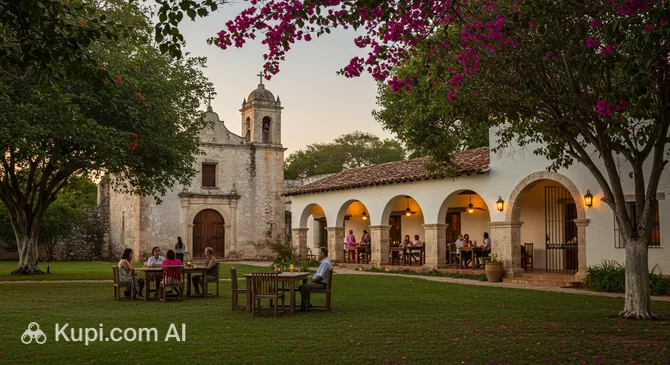
Dining in Merida ranges from bustling market stalls to elegant venues steeped in history. For a truly atmospheric meal, many visitors head to restored haciendas just outside the city center. A prime example is Hacienda Teya, which offers an exceptional menu of traditional Yucatecan dishes in a grand, colonial setting. Whether you are eating a simple taco on a street corner or enjoying a multi-course dinner in a historic mansion, the flavors of Merida are sure to leave a lasting impression.

Travel Tips

Exploring the "White City" is a delightful experience, but a little preparation goes a long way in navigating its tropical climate and distinct local customs. Here are some essential practical tips to help you enjoy your stay in Merida to the fullest.

  1. Clothing and Gear: The heat in Yucatán can be intense, so pack lightweight, breathable fabrics like linen or cotton to stay cool. A wide-brimmed hat, sunglasses, and high-SPF sunscreen are non-negotiable accessories. Comfortable walking shoes are essential for the cobblestone streets. If you plan to enter the Cathedral of San Ildefonso or other religious sites, remember to dress modestly by covering your shoulders and knees.
  2. Transportation: Within the historic center, walking is the best way to soak in the atmosphere, though the humidity can be tiring. For longer distances, ride-hailing apps like Uber and DiDi are widely used, safe, and very affordable. Public buses are available but can be confusing for first-time visitors. Renting a car is an excellent option for day trips to nearby cenotes or ruins, but be aware that street parking in the city center is limited.
  3. Finances: The local currency is the Mexican Peso (MXN). While major restaurants, hotels, and supermarkets accept credit cards, cash is king for street food, local markets (mercados), and small shops. It is best to withdraw money from ATMs located inside bank branches for security. Tipping is customary; leave around 10-15% in restaurants and a small tip for grocery baggers.
  4. Health and Safety: Merida is widely considered one of the safest cities in Mexico, allowing for relaxed exploration even after dark. However, the tropical climate brings mosquitoes, so wearing repellent is crucial to avoid dengue fever. Strictly avoid drinking tap water; stick to bottled water to prevent stomach issues. Pharmacies are ubiquitous, and many offer basic medical consultations on-site.
  5. Communication: Spanish is the primary language. While English is spoken in tourist-heavy areas and hotels, it is less common in local markets and small eateries. Locals appreciate it if you use basic phrases like "Buenos días" (Good morning) and "Gracias" (Thank you). To stay connected, you can easily purchase a SIM card (Telcel offers good coverage) at any OXXO convenience store.
  6. Local Etiquette: Yucatecans are known for their exceptional politeness and hospitality. It is customary to greet shopkeepers, taxi drivers, and hotel staff upon interaction. The pace of life here is relaxed, so patience is a virtue; service may be slower than what you are used to, but it is rarely intentional. When passing someone on a narrow sidewalk, a simple "con permiso" (excuse me) is polite.
  7. What to Avoid: Do not underestimate the midday sun. Avoid scheduling strenuous outdoor activities between 12:00 PM and 4:00 PM when the heat is at its peak; instead, follow the local custom of taking a break or visiting indoor museums during these hours. Also, avoid raising your voice or showing visible frustration in public, as this is seen as rude and aggressive.
  8. Weekly Cultural Events: Merida is unique for hosting free cultural events nearly every night of the week in the city center. A top tip is to check the weekly "Semana Meridana" schedule for the most up-to-date information. Do not miss the traditional Vaquería dance on Monday nights outside the City Hall or the demonstration of the ancient Mayan ball game, Pok Ta Pok, which is typically held on Saturdays.

By keeping these tips in mind, you will be well-equipped to navigate the city's charming streets with ease and confidence. Embrace the local rhythm, stay cool, and enjoy the incredible warmth and hospitality that Merida has to offer.

Entertainment & Nightlife

Entertainment and Nightlife:

As the tropical heat of the day fades into a breezy evening, Merida transforms into a lively hub of entertainment and social activity. The city is famous for its vibrant nightlife, which is less about wild nightclubs and more about atmospheric cantinas, open-air concerts, and sophisticated dining experiences. The energy is concentrated primarily in the Historic Center, particularly along Calle 60 and the newly revitalized Calle 47, known as the "Gastronomic Corridor." Here, music spills out onto the streets, ranging from traditional Yucatecan trova to jazz and salsa.

One of the most authentic ways to experience the local night scene is by visiting a traditional cantina. These historic watering holes have been reinvented for a modern crowd while keeping their old-school charm. A standout venue is Dzalbay, a cantina that has gained a reputation not just for its drinks but for hosting excellent live jazz sessions. It attracts a diverse mix of locals, expats, and tourists, creating a friendly and relaxed atmosphere where conversation flows as easily as the mezcal.

For those seeking a more upscale and contemporary setting, Paseo 60 is the place to be. Located near the iconic Paseo de Montejo, this modern complex combines a boutique hotel, a gourmet food hall, and stylish bars around a central courtyard. It is a fantastic spot to enjoy live music under the stars, often featuring pop or acoustic bands. The dress code here tends to be "smart casual"—think linen shirts and summer dresses—reflecting the elegant yet comfortable style of the region.

Paseo 60. Source: Kupi.Binoculars

If you enjoy gaming and bright lights, the city also offers options like the Golden Island Casino. Establishments like this provide a different kind of excitement with a variety of machines and tables, often staying open very late for night owls. Generally, bars in the city center close around 2:00 AM or 3:00 AM, while some clubs may stay open until dawn. Prices are generally reasonable, with a beer costing between 40 to 80 MXN depending on the venue, and cocktails ranging from 100 to 200 MXN.

Safety is one of Merida's strongest assets; it is widely regarded as one of the safest cities in Mexico. Walking around the main tourist areas of the Historic Center and Paseo de Montejo at night is very common and secure. However, for getting back to your accommodation or moving between districts, ride-sharing apps like Uber and DiDi are the most convenient and reliable options. They are readily available, trackable, and avoid any language barrier issues regarding directions.

While the nights are magical, the city also offers plenty of entertainment during the day. Families and nature lovers often flock to the Centenario Zoo Park. This beloved local spot features a zoo, a small train ride, and botanical gardens, making it a perfect daytime excursion. For those seeking more adrenaline, the Xtreme Park Jumping Trampoline offers active fun for children and teenagers, providing a break from historical sightseeing.

Parks & Museums

Merida is a city that beautifully balances its urban energy with serene green spaces and a profound dedication to preserving its heritage. Beyond the bustling streets, visitors will find a collection of leafy plazas that serve as the city's living rooms, alongside world-class museums housed in stunning architectural masterpieces. Whether you are looking to escape the midday sun under the shade of a laurel tree or dive deep into the region's rich history, the city's parks and cultural institutions offer a rewarding experience.

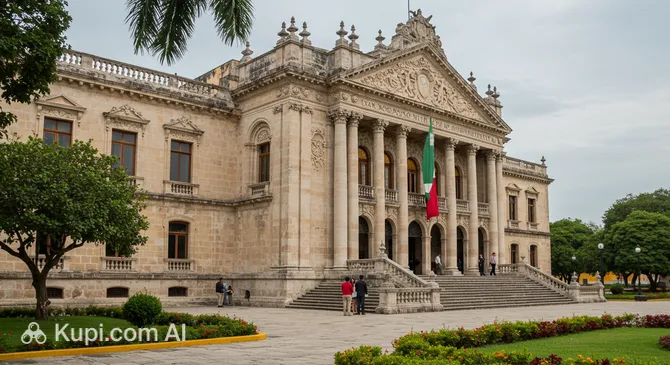
For a deep dive into the region's past, the Regional Museum of Anthropology, Palacio Cantón is an absolute must-visit. Housed in a magnificent peach-colored mansion on the Paseo de Montejo, this building is a prime example of the Beaux-Arts style that defined the city's wealthy era. Inside, the museum showcases an impressive collection of Mayan artifacts, including intricate stone carvings, ceramics, and jade jewelry, providing a comprehensive look at the pre-Hispanic history of the Yucatán peninsula.

Regional Museum of Anthropology, Palacio Cantón. Source: Kupi.Binoculars

Another cultural gem located right on the main square is the Casa de Montejo Museum. This 16th-century building is the only remaining example of a plateresque civilian house in Mexico, originally built by the city's founder. While the exterior boasts a colonial facade, the interior has been restored to reflect the opulent lifestyle of the 19th-century elite, featuring Victorian furnishings and elegant decor. It offers a fascinating contrast between the colonial conquest and the later henequen boom.

If you are interested in the domestic life of the golden age, Quinta Montes Molina offers a unique "time capsule" experience. Unlike many other historic homes that have been converted into offices, this mansion remains fully furnished with original period pieces, chandeliers, and art. Guided tours here allow you to walk through the living quarters and gardens, imagining the daily life of the wealthy families who once shaped the city's economy.

When it comes to green spaces, Santa Ana Park is a favorite among both locals and tourists. Located just a few blocks from the main cathedral, this plaza is famous for its small market (mercado) where you can find delicious local street food. It is a vibrant spot that often hosts craft fairs and art exhibitions, making it a perfect place to enjoy a casual meal and soak up the local atmosphere.

For a quieter retreat, La Mejorada Park offers a more tranquil setting steeped in history. Situated in one of the oldest neighborhoods, the park is flanked by a 17th-century church and former convent. It is a lovely spot to rest while exploring the nearby folk art museums. Alternatively, families might enjoy Aleman Park, located in a residential area, which features green lawns, a skate park, and a more modern, local vibe away from the tourist center.

Insider Tip: The best time to visit these parks is after sunset. During the day, the heat can be overwhelming, but in the evening, the plazas come alive with fresh breezes, food vendors, and often live music or dancing, offering a truly authentic slice of Yucatecan life.

Getting Around

Navigating Merida has become significantly easier and more comfortable in recent years due to a major modernization of its public transport network. The city currently operates a hybrid system that blends traditional options with state-of-the-art technology. The backbone of this new era is the Va y Ven (Go and Come) system, a fleet of modern, blue, air-conditioned buses that run on key routes, including the Peripheral Ring (Periférico) and avenues connecting to the downtown area. These buses are safe, wheelchair-accessible, and equipped with USB charging ports.

A standout feature of the city's transport evolution is the IE-TRAM. This is a unique, 100% electric transportation system that combines the benefits of a tram with the flexibility of a bus. It runs on dedicated lanes and connects strategic points, such as the La Plancha park and the engineering stations of the Tren Maya project. For tourists, this offers a futuristic and eco-friendly way to move between major hubs without the noise or pollution of older vehicles.

For shorter distances or routes not yet covered by the new buses, locals rely heavily on colectivos (often called combis). These are white vans that follow specific routes, usually displaying their destination on the windshield. While they are faster than traditional buses, they can be cramped and do not have designated stops; you simply wave one down and tell the driver where you want to get off. They offer a truly authentic local experience but are less suited for travelers with large luggage.

The payment system is transitioning rapidly towards cashless methods. The blue Va y Ven buses and the IE-TRAM do not accept cash. To use them, you must purchase a smart card called the Tarjeta Va y Ven. These cards can be bought and recharged at automated machines located at main bus stops (cajeros) or at ubiquitous OXXO convenience stores. A single ride typically costs around 12 MXN. Conversely, if you take a traditional older bus or a combi, you will still need to pay the driver in cash (coins are preferred) upon boarding.

Travelers looking for flexibility have excellent alternatives. Ride-hailing apps like Uber and DiDi are extremely popular, safe, and often cheaper than hailing a street taxi. They eliminate language barriers regarding directions and prices. For short trips within the historic center, the city offers a public bike-sharing scheme called En Bici. You can rent a bicycle via a mobile app, making it a fun way to explore the colonial streets at your own pace, provided you can handle the heat.

Practical advice for tourists includes downloading the official Va y Ven app, which allows you to check routes, arrival times, and the location of the nearest bus stop in real-time. Public transport generally operates from 5:00 AM to 11:00 PM. However, the city has recently introduced "Rutas Nocturnas" (Night Routes) that operate from Wednesday to Sunday roughly between 11:00 PM and 5:00 AM, providing a safe and affordable way to return to your accommodation after enjoying the nightlife.

Accommodation

Where to Stay:

Finding the perfect place to stay in Merida is a delightful part of the travel experience, as the city offers a wide spectrum of accommodation options that cater to every taste and budget. Unlike the sprawling all-inclusive resorts found on the Caribbean coast, the lodging scene here is defined by character and history. Visitors can choose from charming boutique hotels housed in restored colonial mansions, reliable international chains with modern amenities, and budget-friendly hostels that offer a social atmosphere. For a more local experience, vacation rentals and apartments are also widely available throughout the city.

The most popular area for tourists is undoubtedly the Historic Center (Centro Histórico). Staying here puts you within walking distance of the main plazas, museums, and cultural events that take place in the evenings. For those seeking a touch of elegance and luxury, the area surrounding the Paseo de Montejo is ideal; this district is home to upscale boutique hotels and is lined with trendy cafes and restaurants. Conversely, travelers visiting for business or shopping might prefer the northern part of the city, near major commercial hubs like Altabrisa, where modern hotels offer spacious rooms and easy access to highways.

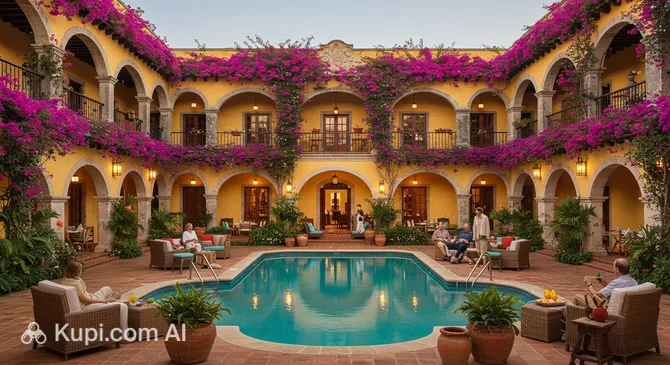
A unique feature of the region is the opportunity to stay in accommodations that reflect the local heritage. Many small hotels in the downtown area feature beautiful internal courtyards with gardens and pools, providing a private oasis away from the street noise. An example of this type of welcoming establishment is the Posada del Angel Hotel, which offers a comfortable base for exploring the city. Additionally, just outside the city limits, many historic henequen haciendas have been transformed into luxury resorts, offering a romantic and tranquil escape surrounded by nature.

Posada del Angel Hotel. Source: Kupi.Binoculars

Generally, accommodation prices in Merida are quite reasonable compared to the Riviera Maya. Budget travelers can find excellent value, while luxury seekers will find that their money goes further here. However, demand can be high during the peak winter season (November to March) and during Easter week. It is highly recommended to book your room well in advance if you plan to visit during these times. Most properties can be easily booked via major online platforms, though contacting smaller boutique hotels directly can sometimes yield better rates or special packages.

Nearby Cities

For those looking to explore the surroundings, Merida serves as an excellent base for day trips to several interesting nearby locations:

City Population Distance (km)
Kanasin 139,753 4
Uman 50,993 18
Progreso 37,369 36
Ticul 32,796 63
Tecax 25,751 90

One of the most popular escapes from the city heat is Progreso, located just a short drive to the north. As the region's main port city, it offers a relaxed beach atmosphere with a lengthy malecon (boardwalk) perfect for strolling and enjoying fresh seafood by the ocean. It is also famous for having one of the longest piers in the world, stretching far into the Gulf of Mexico waters.

Heading south, travelers will find Ticul, often referred to as the "Pearl of the South." This charming town is renowned for its skilled artisans, particularly in the production of fine leather shoes and traditional red clay pottery. It serves as an excellent stopover for those visiting the nearby Puuc route archaeological sites, offering a glimpse into the authentic daily life and craftsmanship of the Yucatán interior.

These nearby destinations offer a glimpse into the diverse culture and landscapes of the region.

Shopping & Souvenirs

Shopping in Merida is a delightful journey that takes you from bustling traditional markets to sophisticated modern centers. The city is renowned across Mexico for its high-quality artisanal goods, making it the perfect place to purchase authentic regional crafts rather than mass-produced trinkets. Whether you are looking for fashion, home decor, or unique gifts, the Yucatecan capital offers a diverse retail scene that reflects its rich cultural heritage.

The heart of the shopping experience lies in the Historic Center. Walking along Calle 60 and the surrounding streets, you will find a multitude of boutiques selling local handicrafts. This area is particularly famous for its specialized stores offering traditional clothing and handmade jewelry. Further north, the iconic Paseo de Montejo offers a more upscale experience, where elegant mansions have been converted into concept stores and art galleries, perfect for finding exclusive design pieces and luxury Mexican brands.

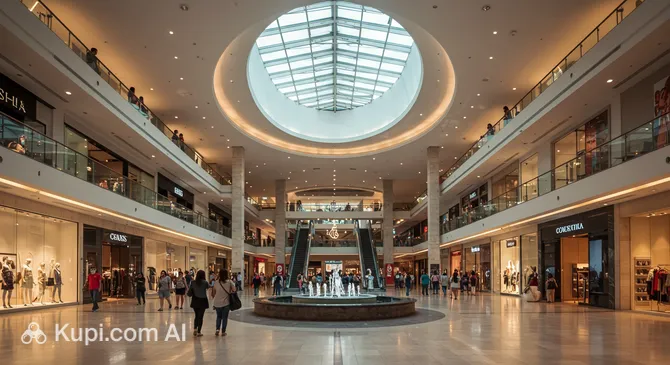
For those who prefer the comfort of air-conditioned spaces and international brands, the city boasts several impressive shopping centers. The Altabrisa Mall is one of the premier destinations in the northern part of the city, featuring a wide array of department stores, fashion boutiques, and entertainment options. Another noteworthy spot is Paseo 60, which combines a lifestyle center with a gourmet corridor, offering a curated selection of shops that focus on Mexican design and high-end artisanal products.

Altabrisa Mall. Source: Kupi.Binoculars

To truly understand the local culture, a visit to the municipal markets is essential. The Mercado Lucas de Gálvez is the city's main market, a vibrant and somewhat chaotic labyrinth where locals buy everything from fresh spices to shoes. It is an excellent place to find affordable crafts and soak in the local atmosphere. Additionally, on Sundays, the "Mérida en Domingo" event transforms the Plaza Grande into a large open-air bazaar, where artisans set up stalls selling everything from hand-carved wood to embroidered textiles.

When it comes to souvenirs, there are three items that Merida is famous for. First, the Guayabera, a traditional linen shirt with intricate pleating, is a staple of Yucatecan elegance. Second, the Hammock; Yucatán is the world capital of hammocks, and you can find them in cotton or nylon, woven in various sizes and colors. Finally, a Panama Hat (Jipijapa) is a classic purchase; these are woven in nearby caves to keep the palm fibers flexible and are widely available in specialist hat shops throughout the center.

Store hours in Merida can vary. Large malls and supermarkets typically operate from 10:00 AM to 9:00 PM or 10:00 PM daily. However, smaller independent shops in the center may close for a "siesta" break between 2:00 PM and 4:00 PM, reopening in the evening. While major stores and malls accept credit and debit cards, it is highly recommended to carry cash (pesos) when visiting traditional markets or buying from street artisans, as card terminals are not always available.

International tourists shopping in Mexico may be eligible for a tax refund on certain purchases through the "Moneyback" program. If you spend a minimum amount at affiliated stores (look for the "Tax Free" sign), you can request a refund of the VAT (IVA) at the airport before leaving the country. Be sure to ask for an official VAT invoice (factura) and keep your receipts organized to present them at the refund service desk.

Reached the end of the page?

That means the route is fully explored