Support

Tulum

About

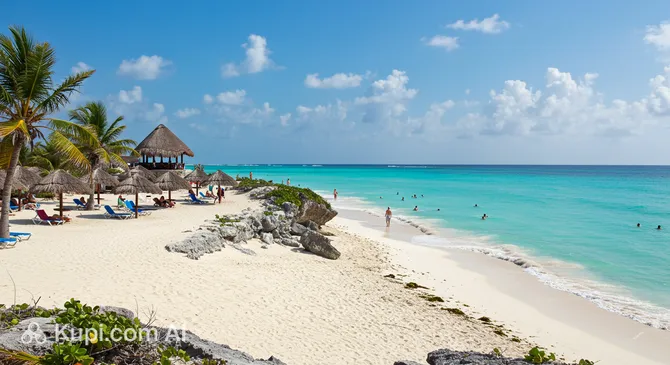
Tulum is a captivating destination situated on the Caribbean coast of the Yucatán Peninsula in the state of Quintana Roo. Known for its bohemian atmosphere and stunning natural beauty, it has become one of the most sought-after spots in Mexico. The town seamlessly blends ancient heritage with modern eco-luxury, offering travelers a unique escape where the jungle meets the sea.

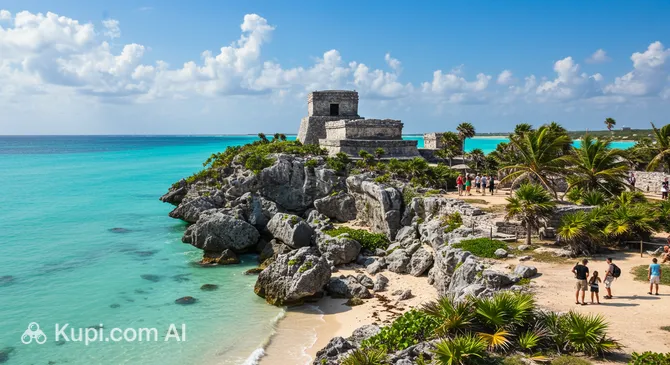
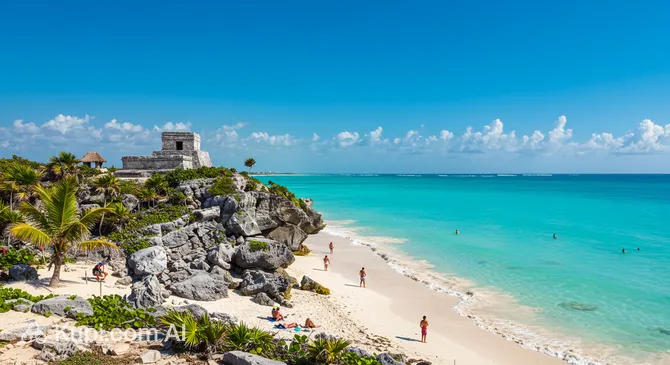
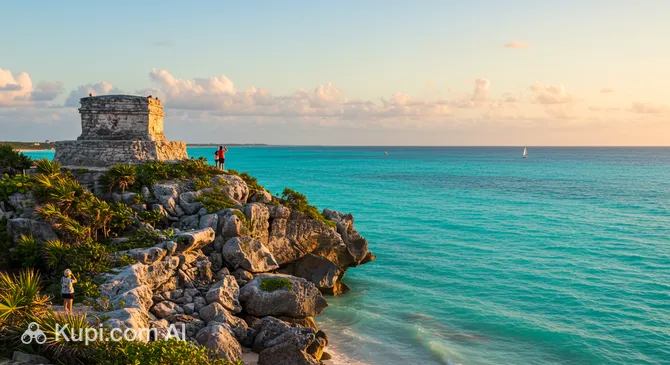
The history of Tulum is fascinating, as it was once a major port for the Mayan civilization. Today, visitors can marvel at the well-preserved ruins that stand guard on high cliffs above the turquoise waters, offering one of the most spectacular and photographed views in the region.

Tulum. Source: Kupi.Binoculars

With a local population of approximately 33,000 people, the town maintains a relatively intimate feel despite its growing popularity. Beyond the archaeological wonders, Tulum is famous for its magical cenotes—freshwater sinkholes hidden in the jungle—and the nearby Sian Ka'an Biosphere Reserve, a UNESCO World Heritage site teeming with biodiversity.

From yoga retreats and boutique hotels to vibrant beach clubs, this tropical paradise caters to diverse travelers. Whether you are seeking a spiritual recharge or a relaxing beach holiday, Tulum invites you to disconnect from the daily grind and immerse yourself in the warm Caribbean breeze.

Weather Overview

Tulum enjoys a warm tropical climate year-round, making it an inviting destination at almost any time. The average temperatures remain pleasant, ranging from a comfortable 24.3°C in January to a hotter 28.5°C during the peak of summer in July and August. Even in the cooler months, the minimum temperatures rarely drop below 22°C, ensuring a cozy atmosphere for outdoor activities.

Rainfall patterns vary significantly throughout the year. The spring months, particularly March and April, are typically the driest, with as few as 7 to 9 wet days, offering plenty of sunshine for beach days. In contrast, the summer and early autumn bring more frequent precipitation; September, for example, can see up to 24 wet days. For a more detailed breakdown of the seasons and forecasts, you can check the weather in Tulum page.

Overall, visitors can expect warm summers with frequent showers and slightly milder, drier springs. Even during the wetter period from June to October, rain often comes in short bursts, allowing travelers to enjoy the lush green surroundings and warm Caribbean waters.

Interesting Facts

Beyond its famous white sands and eco-chic atmosphere, Tulum holds many fascinating secrets from its ancient past and unique geography. This coastal enclave is far more than just a vacation spot; it is a place of deep historical significance and geological wonders waiting to be discovered.
  • The City of Dawn: Before it was known as Tulum (which translates to "wall" or "fence" in Mayan), the city was originally called Zama, meaning "City of Dawn." This name was incredibly fitting, as the site stands on east-facing cliffs, perfectly positioned to witness the spectacular sunrise over the Caribbean Sea every morning.

  • A Rare Fortification: Unlike many other Mayan settlements, this city was heavily fortified. The massive limestone walls that surround the main religious and ceremonial complex were built to protect the ruling class and priests from invaders and to separate them from the commoners who lived outside the enclosure.

  • Gateway to the Underworld: The region sits atop the Sac Actun system, one of the longest underground rivers in the world. Popular swimming spots like Gran Cenote are actually natural portals to this vast submerged network, which the ancient Maya considered sacred entrances to Xibalba, the underworld.

  • The Last Stand: Tulum was one of the last major cities built and inhabited by the Maya. It was at its height between the 13th and 15th centuries and remarkably managed to survive for about 70 years after the Spanish occupation of Mexico began, serving as a vital trading hub for goods like turquoise and jade.

El Castillo (Tulum). Source: Kupi.Binoculars

How to Get There

Reaching the Caribbean coastline of the Yucatán Peninsula has become increasingly accessible for travelers from around the globe. Whether you prefer a direct flight to the heart of the Riviera Maya or a scenic drive from a neighboring major hub, there are several convenient options to suit your itinerary. You can find detailed information on all ways to reach the city and plan your journey accordingly.

For those seeking the most direct route, the Tulum International Airport (TQO) is the ideal choice. Located within the municipality itself, approximately 21.2 km from the city center, this airport offers immediate access to the area's resorts and beaches. The travel time by taxi or shuttle is relatively short, typically taking about 30 to 45 minutes depending on traffic.

Another very popular option is flying into Cancun International Airport (CUN), which serves as the major gateway to the region. This large international airport is located in the city of Cancun, roughly 110 km north of Tulum. Due to its significant size and high passenger volume, it offers a wide range of flight connections. The transfer from Cancun to Tulum is well-established, with the journey taking approximately 1.5 to 2 hours by bus, private transfer, or rental car.

For clarity, here is a summary of the main airports serving the region:

Airport Name City Passenger Traffic Km from City
Cancun International Airport Cancun Very High 110.0
Manuel Crescencio Rejon International Airport Merida Medium 242.3
Tulum International Airport Tulum Medium 21.2
Cozumel Airport Cozumel Low 65.1
Chetumal Airport Chetumal Low 209.5

Main Attractions

Tulum offers a mesmerizing blend of ancient Mayan heritage, natural wonders, and contemporary art, making it a destination that appeals to history buffs and beach lovers alike. From the iconic cliffside ruins to the hidden freshwater pools in the jungle, the city is packed with unforgettable sights. Here are some of the top places you should not miss during your visit.

Undoubtedly the most famous landmark is the archaeological site of Tulum. Perched dramatically on a limestone cliff overlooking the Caribbean Sea, this walled city was one of the last built by the Mayans. Visitors are drawn here not just for the well-preserved structures, like the Temple of the Frescoes, but for the breathtaking contrast between the grey stone ruins and the vibrant turquoise waters below. It is a perfect spot to learn about ancient trade routes and astronomy while enjoying one of the most scenic views in Mexico.

Tulum. Source: Kupi.Binoculars

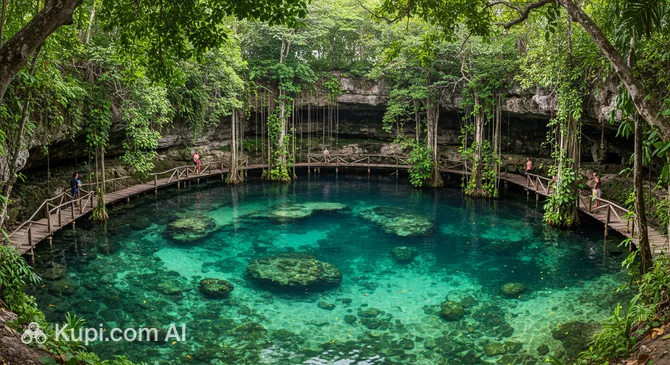
For a refreshing escape into nature, Gran Cenote is a must-visit. This large, open-air cenote is part of a vast underground river system and is renowned for its crystal-clear waters. It is an ideal location for snorkeling, as you can easily spot turtles and small fish swimming among the stalactites and stalagmites. Wooden boardwalks connect the various sections of the sinkhole, allowing you to explore both the sunlit open areas and the mysterious, cavernous parts of the pool.

Gran Cenote. Source: Kupi.Binoculars

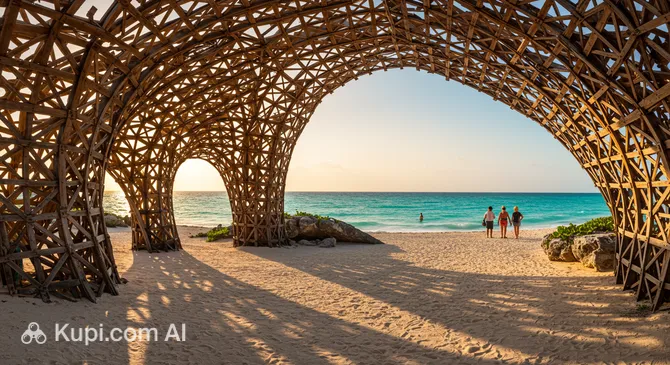
If you are looking for the quintessential Tulum photo, you will find it at the Come to the Light Sculpture (Ven a la Luz). Created by artist Daniel Popper, this towering installation features a female figure made of wood and rope, opening her chest to reveal a lush garden within. Originally part of an art festival, it is now permanently located at the entrance of the Ahau Tulum hotel. The sculpture symbolizes the deep connection between humanity and nature, capturing the artistic and eco-conscious spirit of the town.

Come to the Light Sculpture. Source: Kupi.Binoculars

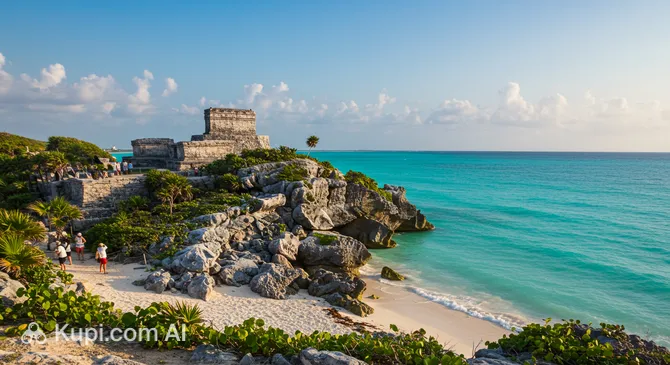
Located directly beneath the archaeological site, Playa Ruinas offers a beach experience unlike any other. While the stretch of sand is relatively small, the backdrop is spectacular, with the famous "El Castillo" looming on the cliffs above. It is one of the few places in the world where you can swim in the warm Caribbean sea while gazing up at ancient Mayan fortifications. Arriving early is recommended to enjoy the scenery before the midday crowds arrive.

Playa Ruinas. Source: Kupi.Binoculars

Local Cuisine

The local cuisine in Tulum is a vibrant journey through flavors, blending ancient Mayan techniques with contemporary international trends. Being in the Yucatán Peninsula, you must try Cochinita Pibil, a traditional slow-roasted pork dish marinated in sour orange and annatto seed, typically served with pickled red onions and warm corn tortillas. Seafood lovers will delight in the freshness of the catch of the day; Ceviche and fish tacos are staples found everywhere, from rustic beachside shacks to high-end culinary establishments.

When it comes to beverages, Mezcal is the undisputed star of the region. You will find extensive mezcal menus and artisanal cocktails featuring this smoky agave spirit in almost every bar. For a non-alcoholic refresher under the tropical sun, fresh coconut water is widely available, often served straight from the fruit. Fruit-infused waters, known as aguas frescas, are also a popular local choice to cool down during the day.

The dining experience in Tulum is split between two distinct worlds: the Pueblo (town center) and the Hotel Zone along the beach. The Pueblo offers an authentic taste of Mexico with affordable taquerias, bustling markets, and street food stalls where you can grab a delicious Marquesita—a rolled crispy crepe filled with Edam cheese and sweet toppings—for dessert. In contrast, the Beach Road is famous for its open-air "jungle dining" restaurants, where candlelit tables and wood-fired ovens create a magical, bohemian atmosphere.

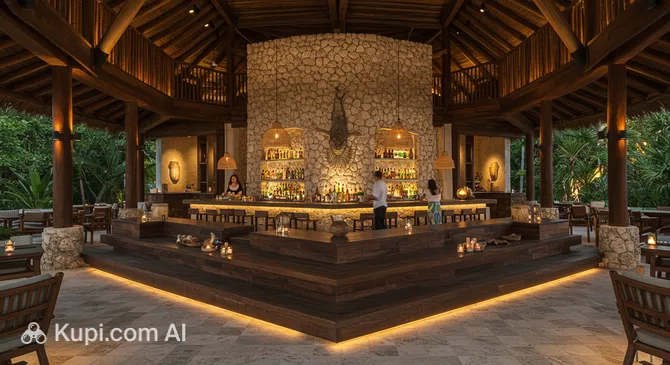
For those seeking a sophisticated dining experience with an electrifying atmosphere, RosaNegra is a renowned spot that celebrates Latin American cuisine with a bold twist. It is a perfect example of the area's high-energy nightlife combined with gourmet food.

RosaNegra. Source: Kupi.Binoculars

Another venue that captures the essence of the city's luxury social scene is Tantra, a beach club and restaurant known for its Indonesian-inspired design and lively events. If you are looking for a unique culinary setting, places like Onyx Tulum offer immersive environments that seamlessly blend avant-garde architecture with gastronomy.

Travel Tips

Welcome to Tulum, where ancient history meets modern bohemian luxury. To ensure your trip to this Caribbean paradise is as relaxing and seamless as possible, we have gathered some essential advice to help you navigate the unique local environment, from the bustling town center to the serene beach road.

  1. Clothing and Gear: Embrace the tropical heat with loose, breathable fabrics like linen and cotton. Since you will likely be visiting cenotes (natural sinkholes), it is strictly required to use biodegradable sunscreen and insect repellent to protect the delicate ecosystem; standard chemical products are often prohibited. Pack comfortable walking shoes for exploring Mayan ruins and a hat to shield yourself from the intense midday sun.
  2. Transportation: The most popular and eco-friendly way to get around, especially between the town (Pueblo) and the Hotel Zone, is by bicycle. Rentals are widely available and offer a fun way to explore. Taxis are plentiful but can be quite expensive, and they rarely use meters; always agree on the fare with the driver before getting in. For longer trips along the coast, colectivos (shared vans) are a budget-friendly option used by locals.
  3. Finances: While many boutique hotels and upscale restaurants accept cards, cash is king in Tulum. Small taco stands, some beach clubs, and almost all taxi drivers only accept cash. It is highly recommended to carry Mexican Pesos (MXN) rather than US Dollars for better exchange rates. Withdraw cash from official bank ATMs in the Pueblo (town center) rather than the standalone machines along the Beach Road, which often charge exorbitant fees and may be less secure.
  4. Health and Safety: Tap water is generally not safe to drink; always stick to bottled or purified water to avoid stomach issues. Pharmacies are readily available in the town center, with some chains like Farmacias del Ahorro offering long hours. Tulum is generally safe for tourists, but it is wise to stay vigilant, avoid unlit areas at night, and keep an eye on your belongings when on the beach.
  5. Communication: The official language is Spanish, but English is widely spoken in the Hotel Zone and tourist hotspots. However, learning a few basic phrases like "Buenos días" (Good morning) and "Gracias" (Thank you) is appreciated by locals. Wi-Fi can be spotty, especially in the eco-hotels along the beach; for reliable connectivity, purchase a local SIM card (Telcel is a good provider) at an OXXO convenience store upon arrival.
  6. Local Etiquette: Mexicans are generally polite and warm; greeting shopkeepers or servers when you enter an establishment is considered good manners. In Tulum, there is a strong culture of eco-consciousness. Many hotels operate on solar power and have limited hours for air conditioning or electricity; respecting these sustainability efforts is part of the local experience.
  7. What to Avoid: Do not attempt to climb the Mayan ruins. Unlike some other archaeological sites in Mexico, the structures at Tulum are roped off to preserve them, and climbing is strictly forbidden. Additionally, avoid touching the coral reefs or hanging on to the roots in the cenotes, as these environments are extremely fragile.
  8. Additional Tip: Understanding the layout is key to budgeting. Tulum is divided into two distinct areas: Tulum Pueblo (town) and Tulum Playa (beach). The Pueblo is where you will find authentic local food, cheaper accommodation, and real Mexican culture, while the Playa area is home to the famous eco-chic resorts and high-end nightlife. Splitting your time between both gives you the complete experience without breaking the bank.

By keeping these practical tips in mind, you will be well-equipped to enjoy the magic of the Riviera Maya. Whether you are cycling through the jungle, swimming in crystal-clear waters, or enjoying a sunset taco in the town square, Tulum promises an unforgettable adventure.

Entertainment & Nightlife

Tulum transforms when the sun goes down, offering a nightlife scene that is as diverse as it is electrifying. The city is world-renowned for its "jungle parties" and bohemian-chic atmosphere, drawing top international DJs and travelers seeking a unique nocturnal experience. The entertainment landscape is primarily divided into two distinct zones: the glamorous Hotel Zone along the beach and the vibrant, more authentic Pueblo (town center).

The Hotel Zone is the heartbeat of Tulum’s high-end nightlife. Here, the jungle meets the Caribbean Sea, creating a magical setting for open-air clubs and restaurants. The vibe is sophisticated yet wild, with a dress code that leans towards "tuluminati" style—flowing fabrics, earth tones, and stylish accessories. Venues here often host full-moon parties and electronic music events that go on until the early morning hours.

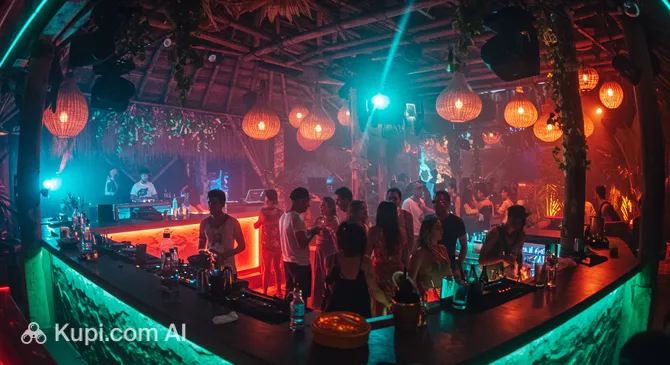
For those looking to immerse themselves in this upscale energy, Bonbonniere Tulum is a premier destination. Known for its elegant design and exclusive atmosphere, it offers a sensory experience with impressive light shows and world-class music. It is the perfect place to dance the night away under the stars, surrounded by the lush vegetation of the Riviera Maya.

Bonbonniere Tulum. Source: Kupi.Binoculars

In contrast, the Pueblo offers a more relaxed and culturally rich experience. The downtown area is bustling with rooftop bars, salsa clubs, and mezcalerias where you can enjoy live music ranging from reggaeton to rock. The atmosphere here is casual and welcoming, with a mix of locals and tourists mingling in the streets. Prices in the town are generally more affordable than on the beach, making it a great option for a fun night out without the premium price tag.

A popular spot in the town area to unwind is the M Tulum Hookah & Pool Lounge. This venue offers a laid-back environment where you can enjoy exotic cocktails and hookah in a stylish setting. It is an excellent choice for starting your evening or for those who prefer a lounge vibe over a high-energy nightclub.

M Tulum Hookah & Pool Lounge. Source: Kupi.Binoculars

When planning your night out, keep in mind that the peak time for clubs usually starts after 11:00 PM, though dinner-and-dance venues get busy earlier. Be prepared for higher prices in the Hotel Zone, where cover charges and drinks can be comparable to major global cities. In the town, you will find better deals and a wider variety of street food for a late-night snack.

Getting around at night requires some planning. The road connecting the town to the beach is narrow, unlit in many sections, and lacks sidewalks, so walking between the two zones is not recommended. Bicycles are great for the day but can be dangerous at night due to visibility. The safest and most convenient option is to take a taxi. Taxis are plentiful, but they do not use meters, so always confirm the price before getting in to avoid surprises.

While Tulum is generally safe for tourists, it is important to exercise common sense. Stick to well-populated areas like the main strip of the Hotel Zone or the central avenues of the Pueblo. Avoid walking alone on the beach at night and keep an eye on your drinks and belongings, just as you would in any popular tourist destination.

Beyond the nightlife, daytime entertainment in Tulum is equally engaging. The area is dotted with chic beach clubs where you can relax on sunbeds with full service. For a dose of culture and nature, visitors can explore nearby eco-parks or visit art galleries that have sprung up around the city. Whether you are diving into a cenote by day or dancing in the jungle by night, the city offers an endless array of activities to keep you entertained.

Parks & Museums

In Tulum, the concept of a "museum" is redefined by the region's extraordinary geography and history. Rather than enclosed halls filled with artifacts, the area offers open-air sanctuaries where the exhibits are living coral reefs, ancient geological formations, and protected jungle biospheres. The parks here are not just manicured gardens but vast expanses of wild nature that invite exploration and respect.

The crown jewel of the region's natural parks is the Sian Ka'an Biosphere Reserve. Translating to "Origin of the Sky" in Mayan, this UNESCO World Heritage site is a massive protected area located just south of the town. It encompasses tropical forests, mangroves, marshes, and a barrier reef. Visitors can take boat tours to spot dolphins, manatees, and diverse bird species in their natural habitat, making it an essential visit for eco-tourists.

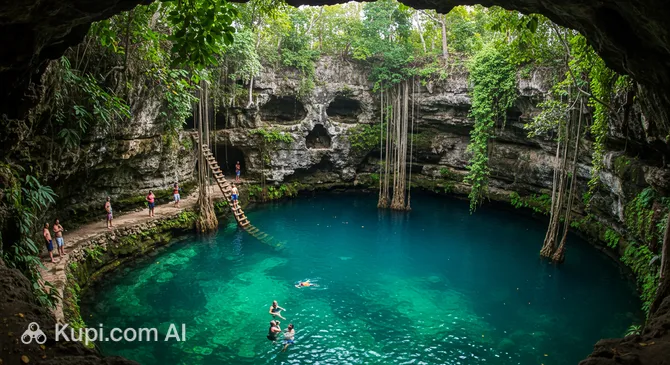
For a unique swimming experience that feels like visiting a natural geological museum, Cenote Calavera is a must-see. Often referred to as the "Temple of Doom," this cenote is famous for its three openings in the rock roof that resemble a skull when viewed from below. It is a favorite among divers and thrill-seekers who enjoy jumping through the smaller holes into the refreshing waters beneath the limestone crust.

Cenote Calavera. Source: Kupi.Binoculars

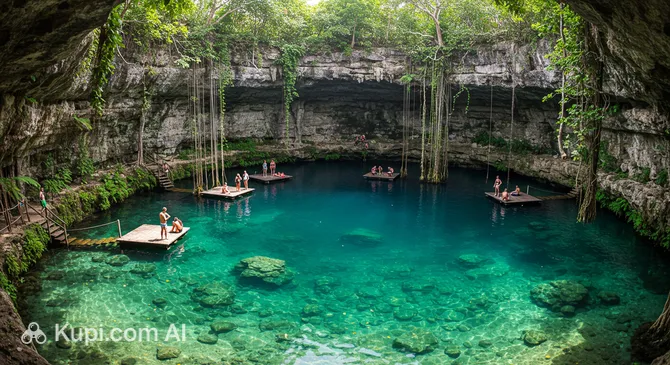
Another pair of natural attractions that function as serene recreational parks are Cenote Cristal and Cenote Escondido (Mayan Blue). Located opposite each other along the highway, these open-air cenotes are surrounded by lush vegetation, offering a peaceful retreat from the crowds. Cenote Cristal is particularly known for its clear, calm waters and the wooden platforms that make it easy to dive in or simply relax in the sun.

Cenote Cristal. Source: Kupi.Binoculars

If you are looking for the quintessential Caribbean beach park experience, head to Paradise Beach. This expansive stretch of white sand is one of the most iconic public beaches in the area. With its swaying palm trees and turquoise waves, it serves as a vibrant gathering spot for both locals and travelers. It is the perfect place to spend a day playing volleyball, snorkeling, or simply soaking up the vibrant atmosphere of the Riviera Maya.

Paradise Beach. Source: Kupi.Binoculars

While traditional museums are scarce, the town is home to a burgeoning art scene that integrates creativity with nature. Various immersive art installations and eco-galleries are scattered throughout the jungle and hotel zone. These spaces often feature organic architecture and contemporary works, offering a sensory experience that complements the natural beauty of the surroundings.

Getting Around

Public transport in Tulum is quite different from what you might expect in a large metropolis. The city does not have a metro, tram, or extensive municipal bus network. Instead, the local transport system relies heavily on colectivos (shared vans), which serve as the primary means of public transit for both locals and visitors. These white vans are efficient, frequent, and offer a budget-friendly way to navigate between the main areas, specifically connecting the downtown area (Pueblo) with the Hotel Zone along the beach and nearby attractions.

The payment system for public transport is strictly analog. There are no travel cards, digital apps, or tap-to-pay systems for the colectivos. Fares must be paid in cash, specifically in the local currency. Drivers generally do not accept foreign currency or large bills, so it is essential to carry small denominations of coins and notes. You typically pay the driver directly upon boarding or when you reach your destination, depending on the specific route's custom.

For tourists, using colectivos is relatively straightforward once you know the basics. The vans do not always have fixed timetables; they usually depart when they are full. In the town center, you can find the main boarding points along the primary avenue (Avenida Tulum). To catch a ride, you can simply wave your hand to flag one down if there are seats available. They operate from early morning until late evening, but service to the beach area may become less frequent after dark.

Given the linear layout of the city and the distance between the town and the coastline, bicycles are an extremely popular alternative to motorized transport. The terrain is flat, making cycling a pleasant and eco-friendly option. Numerous rental shops are scattered throughout the town and the Hotel Zone, offering everything from standard cruisers to electric bikes. For those who prefer faster individual transport, scooter rentals are also widely available and offer more freedom to explore further afield.

Taxis are abundant and can be found at designated stands or hailed on the street. However, they are known for being quite expensive compared to other Mexican cities, as they do not use meters. It is crucial to negotiate and agree on the fare before getting into the vehicle to avoid surprises. While not a public transit feature, the recent addition of the Maya Train (Tren Maya) station nearby has improved regional connectivity, offering a modern rail link that connects the city to other major destinations on the peninsula, though travelers will still need a transfer to reach the city center from the station.

Accommodation

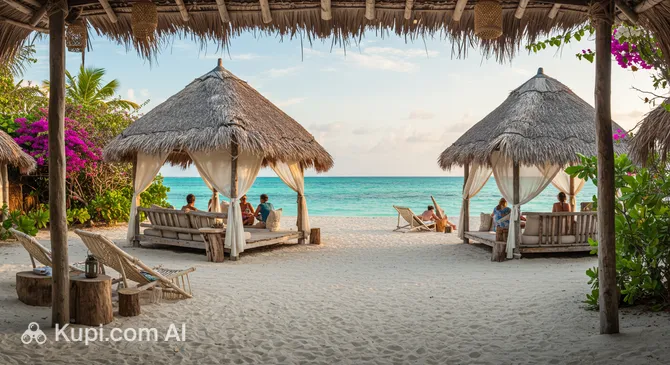
Accommodation in Tulum is as unique as the destination itself, moving away from the massive all-inclusive chains found elsewhere in the Riviera Maya to focus on eco-chic boutique hotels, rustic beachfront cabanas, and stylish downtown apartments. The options cater to a wide spectrum of travelers, ranging from backpackers looking for social hostels to luxury seekers desiring exclusive, sustainable resorts that blend seamlessly with the jungle.

When choosing where to stay, the decision usually comes down to two distinct areas: the Pueblo (Town Center) and the Hotel Zone (Beach Road). The Pueblo is the heart of local life, offering affordable hotels, Airbnbs, and easy access to supermarkets and authentic street food. It is a convenient base for those planning to explore the wider region, including cenotes and ruins. In contrast, the Hotel Zone is a strip of bohemian luxury running along the coast, where electricity is sometimes limited to preserve the ambiance, and prices are significantly higher. This area is perfect for travelers who want to step directly from their room onto the white sand.

For those looking to experience the renowned wellness lifestyle of the area, Amansala Resort is a classic example of Tulum’s eco-luxury vibe. Known for its yoga retreats and "bikini bootcamp," it captures the essence of the beach zone with its driftwood decor, thatched roofs, and focus on health and relaxation. Staying in such a place offers an immersive experience where the sound of the ocean becomes the soundtrack to your stay.

Amansala Resort. Source: Kupi.Binoculars

Booking Tip: Tulum has become an incredibly popular destination, especially during the peak winter season (December to April) and festival periods. It is highly advisable to book your accommodation several months in advance to secure the best rates and availability. Many of the smaller, more desirable boutique hotels have fewer than 20 rooms and fill up quickly.

The price range varies drastically depending on the location. In the Pueblo, you can find comfortable mid-range options and budget hostels for a fraction of the cost of the beach. However, staying in the Hotel Zone is a premium experience, with prices often rivaling major global cities like New York or London. While major online booking platforms are widely used, some of the smaller eco-hotels may offer better perks or specific room requests if you book directly through their websites.

Nearby Cities

For those looking to explore the surroundings, Tulum serves as an excellent base for day trips to several interesting nearby locations:

City Population Distance (km)
Cancun 888797 123
Playa del Carmen 304942 62
Felipe Carrillo Puerto 83990 92
Cozumel 77236 63
Valladolid 48973 93

Among the most rewarding excursions is a visit to Valladolid, a charming colonial city often referred to as a "Pueblo Mágico." Unlike the coastal resorts, this town offers a deep dive into authentic Yucatecan culture, featuring pastel-colored buildings, the impressive Convent of San Bernardino de Siena, and Cenote Zaci located right in the city center. It is a fantastic spot to sample traditional cuisine such as lomitos in a relaxed, historic setting.

For a more vibrant and energetic atmosphere, Playa del Carmen is just a short drive up the coast. Famous for its bustling Fifth Avenue (La Quinta Avenida), this pedestrian-friendly strip is lined with an endless array of shops, international restaurants, and bars. It serves as a lively contrast to the laid-back nature of Tulum, offering excellent shopping and a more urban beach experience.

If you are an underwater enthusiast, a trip to Cozumel is highly recommended. Accessible via a ferry from Playa del Carmen, this island is world-renowned for its spectacular coral reefs and crystal-clear visibility. It is a premier destination for snorkeling and scuba diving, allowing visitors to swim alongside sea turtles and colorful tropical fish in the protected marine park.

These nearby destinations offer a glimpse into the diverse culture and landscapes of the region, making them perfect additions to your travel itinerary.

Shopping & Souvenirs

Shopping in Tulum is a unique experience that mirrors the city's dual personality. Unlike typical resort destinations packed with international chain stores and duty-free giants, this coastal town focuses on independent boutiques, bohemian fashion, and artisanal craftsmanship. The shopping scene is split between the high-end, eco-chic boutiques of the Hotel Zone and the more traditional, affordable shops found in the Pueblo (town center). Whether you are looking for the perfect "jungle style" outfit or authentic Mexican handicrafts, the options are vibrant and diverse.

The most exclusive shopping area is undoubtedly the Tulum Beach Road (Carretera Boca Paila). This dusty, palm-lined strip acts as an open-air catwalk, featuring rustic-chic boutiques that blend seamlessly into the jungle. Here, you will find curated collections of flowing linen dresses, handmade swimwear, leather accessories, and gold jewelry. Be prepared for premium prices, as these items are often one-of-a-kind designs. In contrast, Avenida Tulum, the main avenue in the town center, offers a more grounded experience. This bustling street is lined with souvenir shops, pharmacies, and smaller clothing stores where you can find everything from hammocks to sombreros at a fraction of the cost found on the beach.

Travelers expecting large, air-conditioned shopping malls will not find them here. Tulum maintains a low-profile development style, so massive commercial centers are virtually non-existent. The closest equivalent to a shopping complex would be the commercial areas within Aldea Zama, a developing neighborhood between the town and the beach, which features a growing number of stylish shops and cafes. For a traditional mall experience with cinemas and global brands, it is best to take a day trip to Playa del Carmen or Cancun.

For a taste of local culture, the markets in the Pueblo are the place to go. While there isn't one single massive central market, the town streets come alive with vendors selling fresh fruit, vegetables, and street food. You can also find clusters of stalls selling artisan goods, particularly in the evenings. These smaller markets are excellent for finding hand-painted ceramics, colorful textiles, and intricate beadwork directly from local artisans.

When it comes to souvenirs, Tulum is famous for specific items that reflect its spiritual and artistic vibe. Dreamcatchers and macramé wall hangings are iconic to the area and can be found everywhere. Copal incense and handmade ceramic burners are also popular choices for those wanting to take home the signature scent of the Riviera Maya. Additionally, a bottle of artisanal Mezcal or local honey makes for a perfect gift, representing the flavors of the region.

Store opening hours can vary significantly. In the Hotel Zone, boutiques often open later in the morning, around 10:00 or 11:00 AM, and stay open until 9:00 or 10:00 PM to cater to the dinner crowd. In the town, shops generally open earlier, around 9:00 AM. Regarding payment, cash is essential in the town and for smaller vendors. While the upscale boutiques on the beach accept credit cards, they may charge an additional transaction fee, and signal issues can sometimes disrupt electronic payments.

Mexico operates a tax refund program for international tourists known as "Moneyback." If you purchase goods at participating stores (usually larger or more formal establishments) totaling a minimum amount, you may be eligible to claim a refund on the Value Added Tax (IVA) at the airport upon departure. Be sure to ask for an official tax invoice (factura) and the necessary forms at the time of purchase if you intend to use this service.
Reached the end of the page?

That means the route is fully explored