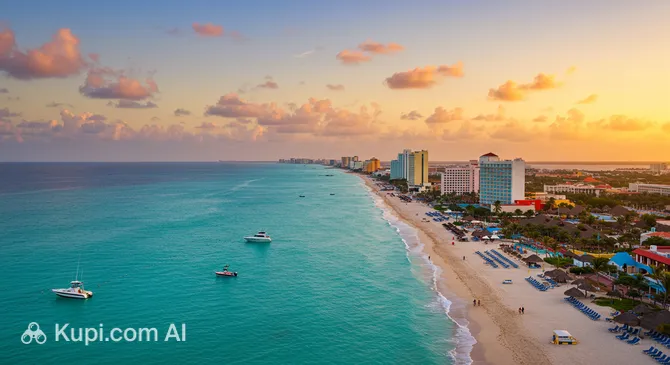
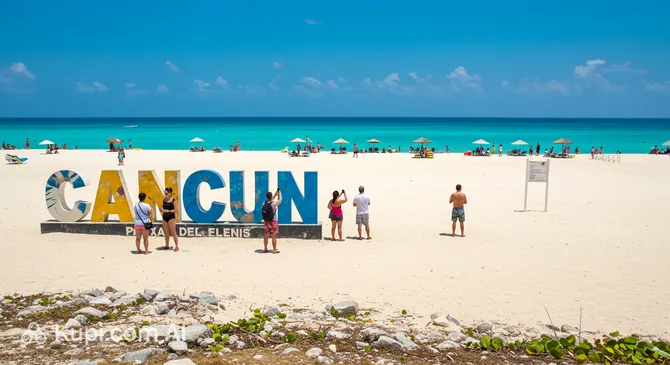
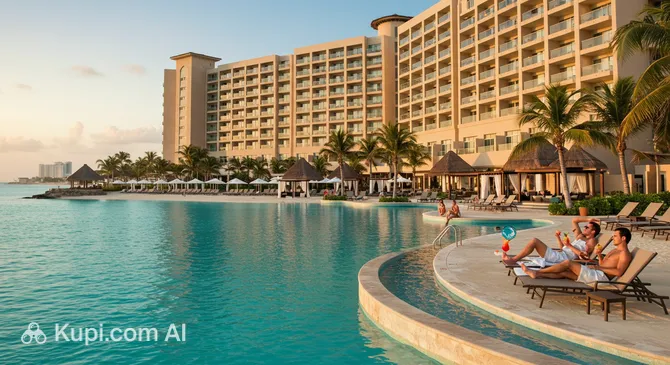
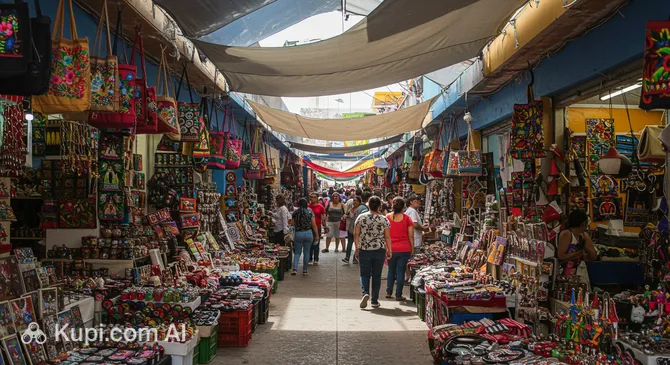
The public transport system in Cancun is straightforward, affordable, and heavily reliant on a network of buses that serves as the primary lifeline for both locals and tourists. Unlike many major global cities, there is no metro, tram, or train system here. Instead, the city operates two distinct zones for transport: the frequent, tourist-friendly buses that run along the Hotel Zone, and the more complex network of smaller vans and buses that serve the downtown area and residential neighborhoods.
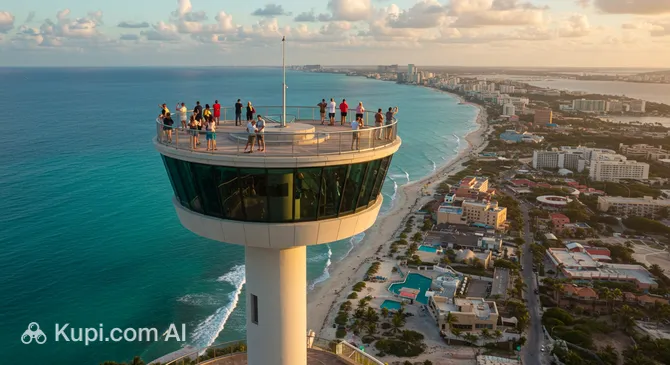
For most visitors, the bus system is the most efficient way to get around. The most important routes to know are R-1 and R-2. These buses run extensively along Boulevard Kukulcán, connecting the various hotels, beaches, and shopping malls of the Hotel Zone with Downtown Cancun (El Centro). They operate 24 hours a day, with frequencies as high as every few minutes during the day and every 20-30 minutes late at night. The buses are easily recognizable, and drivers are accustomed to tourists, often shouting out popular stops like "La Isla," "Coco Bongo," or "Playa Delfines."
Payment on public buses is strictly cash-based. There are no travel cards, digital passes, or tap-to-pay systems available for tourists. You simply board the bus at the front and pay the driver directly. The fare is fixed regardless of the distance traveled, typically costing around 12 MXN (Mexican Pesos) for the Hotel Zone routes. While drivers may accept US dollars (usually $1 USD), the exchange rate they offer is poor, and they generally do not give change in foreign currency. Therefore, it is highly recommended to carry a supply of 10 and 5 peso coins or small bills.
Taxis are abundant and can be hailed on the street, found at designated hotel stands, or called via telephone. However, they can be significantly more expensive than buses, especially within the Hotel Zone. A critical rule for using taxis in Cancun is to negotiate and agree on the fare before getting into the vehicle, as taxis here do not use meters. Most hotels have a rate sheet displayed in the lobby giving approximate costs to popular destinations. Ride-sharing apps do operate in the city, but their availability can be inconsistent due to ongoing regulatory disputes with local taxi unions, particularly at the airport and specific hotel pickup points.
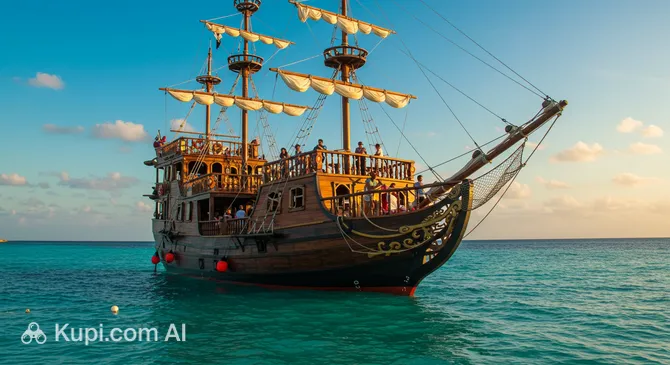
Another popular form of transport, particularly for day trips, is the ferry service. Modern, high-speed ferries connect the mainland to Isla Mujeres. There are terminals located within the Hotel Zone (at Playa Tortugas, El Embarcadero, and Playa Caracol) and a main terminal at Puerto Juárez, just north of downtown. Tickets can be purchased at the terminal booths or online in advance. These ferries run frequently from early morning until late at night and offer a scenic, comfortable ride across the Caribbean waters.
For those looking for alternatives, car rentals are widely available but require caution due to aggressive local driving styles and strict traffic enforcement. Bicycles are an option for short distances, particularly on the dedicated path that runs along parts of the Hotel Zone, though the heat and long distances between attractions often make air-conditioned transport preferable. Walking is generally safe on the sidewalks of the Hotel Zone, but distances can be deceptive, so it is best reserved for exploring specific areas like the nightlife district or shopping villages.