Support

Cozumel

About

Cozumel is a breathtaking island destination nestled in the turquoise waters of the Caribbean Sea. As one of the most popular stops for cruise ships and divers, this gem in **Quintana Roo** offers a perfect blend of natural beauty and cultural richness. Located just off the eastern coast of the Yucatán Peninsula, it is the largest inhabited island in Mexico, welcoming visitors with its warm tropical climate and stunning white-sand beaches.

With a population of approximately 77,000 residents, the island maintains a friendly, small-town feel despite its fame as a world-class resort. Exploring the history of Cozumel reveals its deep roots as a sacred site for the Maya people, who once traveled here to worship the goddess Ixchel. Today, this heritage blends seamlessly with modern amenities, creating a unique atmosphere where ancient ruins and lively promenades coexist.

Cozumel. Source: Kupi.Binoculars

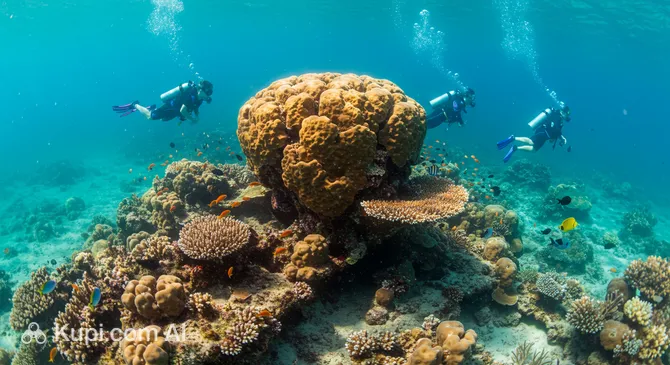
The island is globally renowned for its spectacular underwater world, part of the **Mesoamerican Barrier Reef System**, the second-largest coral reef system in the world. Divers and snorkelers flock to the Arrecifes de Cozumel National Park to witness vibrant coral formations and diverse marine life. For those who prefer land-based adventures, the archaeological site of San Gervasio offers a fascinating glimpse into the island's past, while the charming main town of San Miguel provides excellent shopping and dining experiences.

Whether you are seeking thrilling water sports or a relaxing escape under the sun, Cozumel promises an unforgettable journey. Its crystal-clear waters, lush landscapes, and welcoming spirit make it a truly essential destination for any traveler exploring the Caribbean.

Weather Overview

Visitors to this Caribbean gem can look forward to a consistently warm tropical climate, with average temperatures remaining pleasant throughout the year. Even in the coolest month of January, the average temperature hovers around 24.5°C, ensuring comfortable conditions for beach activities. To help plan your specific travel dates, it is helpful to review the detailed forecast and weather in Cozumel.

The island experiences distinct variations in rainfall and humidity. The driest season typically spans from February to April, with precipitation levels dropping to as low as 1mm and fewer wet days, making spring an excellent time for uninterrupted outdoor adventures. Conversely, the summer months of July and August see average temperatures peak at 28.5°C, with highs reaching 30.0°C.

As the year progresses into autumn, the frequency of rain increases significantly. September and October are the wettest months in terms of frequency, with October recording up to 23 wet days. Overall, you can expect hot, humid summers with regular showers and warm, drier springs perfect for exploring the coastline.

Interesting Facts

Beyond the popular white sands and vibrant cruise ports, Cozumel holds many fascinating secrets rooted in ancient history and unique biology. Here are some intriguing details that make this island truly special:
  • The island's name is derived from the Mayan word Cuzamil, which translates to "Island of Swallows." According to local legend, the indigenous gods sent these birds to the island as a tribute to Ixchel, the goddess of the moon and fertility.

  • In ancient times, Cozumel was a major pilgrimage destination. It was customary for Mayan women to visit the San Gervasio Archaeological Site at least once in their lifetime to leave offerings for Goddess Ixchel, seeking blessings for fertility and childbirth.

  • The island's transformation into a world-class tourism hub is largely credited to the famous oceanographer Jacques Cousteau. In 1961, he declared the waters surrounding Cozumel to be one of the most spectacular scuba diving sites on the planet, revealing the beauty of the Palancar Reef to the world.

  • Due to its isolation from the mainland, the island has evolved into a unique ecological haven. It is home to several endemic species found nowhere else on Earth, including the critically endangered Cozumel raccoon, also known as the pygmy raccoon, and the melodious Cozumel thrasher.

San Gervasio Archaeological Site. Source: Kupi.Binoculars

How to Get There

Reaching this Caribbean paradise is relatively straightforward, with options ranging from direct flights to scenic ferry rides from the mainland. Whether you are arriving from international destinations or neighboring cities, you can find more about how to get to Cozumel and choose the route that best fits your itinerary.

The most convenient entry point is the island's own Cozumel Airport (CZM), located just 1.7 km from the city center. As an international airport, it handles a significant volume of traffic, welcoming direct flights from major cities in the United States, Canada, and Mexico. Upon arrival, the journey to the downtown area or hotel zone is very quick, typically taking around 20 to 25 minutes by taxi or shuttle.

Alternatively, many visitors fly into Cancun International Airport (CUN), which serves as a major hub for the region. Located in the city of Cancun, approximately 59 km away (in a straight line across the channel), this option often offers a wider variety of flight connections. To reach Cozumel from here, travelers generally take a bus or taxi to Playa del Carmen and then board a ferry to the island. The total travel time for this transfer is approximately 1 hour and 50 minutes.

Another option for travelers exploring the Riviera Maya is the Tulum International Airport (TQO). Situated in Tulum, about 84 km from Cozumel, this airport is a growing gateway to the southern part of the state. The journey from Tulum to the ferry terminal in Playa del Carmen and across to Cozumel takes roughly 2.5 hours.

For clarity, here is a summary of the main airports:

Airport Name City Passenger Traffic Km from City
Cancun International Airport Cancun Large 59.0
Manuel Crescencio Rejon International Airport Merida Large 286.6
Tulum International Airport Tulum Medium 84.0
Cozumel Airport Cozumel Medium 1.7
Chetumal Airport Chetumal Small 264.9

Main Attractions

While the island is world-famous for its reefs, the attractions on land and just below the surface offer equally captivating experiences. From immersive cultural parks to secluded getaways, Cozumel provides a diverse array of activities for every type of traveler.

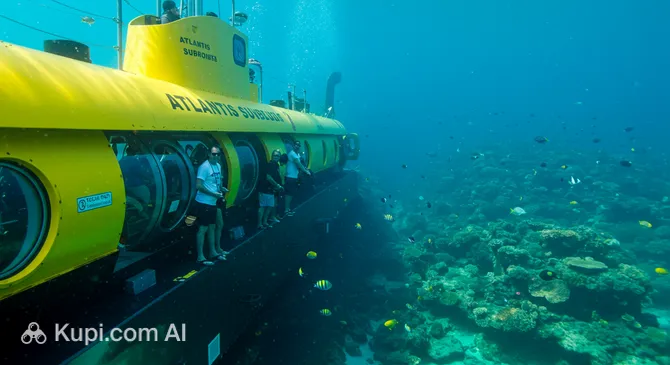
For a truly unique perspective of the Caribbean Sea, the Atlantis Submarine Cozumel offers an unforgettable adventure. This state-of-the-art vessel takes passengers to depths of up to 100 feet, allowing them to explore the Chankanaab reef without getting wet. It is a perfect activity for families and non-divers who wish to witness the vibrant marine life, including tropical fish, turtles, and rays, in their natural habitat through large portholes.

Atlantis Submarine Cozumel. Source: Kupi.Binoculars

Travelers interested in the rich heritage of the region should visit Pueblo del Maíz. This interactive theme park is dedicated to bringing the ancient Mayan culture to life. Visitors can participate in hands-on activities such as making corn tortillas, tasting chocolate, and observing traditional dances and rituals. It serves as a living museum where the history and legends of the pre-Hispanic era are enacted by knowledgeable guides in period costumes.

Pueblo del Maíz. Source: Kupi.Binoculars

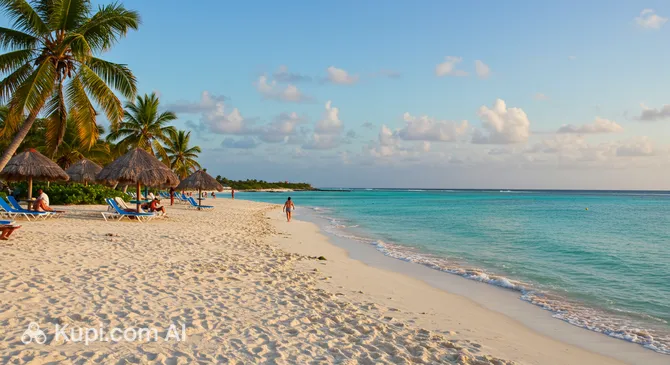
If you are looking for a slice of paradise away from the crowds, Isla de la Pasión is a must-visit destination. Located off the northern coast of Cozumel, this private island is renowned for its powdery white sands and crystal-clear turquoise waters. It offers a relaxing atmosphere ideal for sunbathing, kayaking, or enjoying a beachside hammock, making it a popular choice for romantic escapes and day trips.

Isla de la Pasión. Source: Kupi.Binoculars

For a blend of science and culture, the Cha'an Ka'an Planetarium provides a fascinating look at the universe through the eyes of the Maya. This modern facility features a 3D digital dome, an observatory, and interactive exhibits that explain Mayan astronomy and the biodiversity of the island. It is an educational stop that connects the celestial knowledge of the ancients with modern scientific understanding.

Local Cuisine

The culinary landscape of Cozumel is a vibrant reflection of its island heritage, blending fresh Caribbean ingredients with the rich, earthy flavors of the Yucatán Peninsula. Unsurprisingly, seafood is the star of the show here. Visitors simply must try the local ceviche, made with the catch of the day—often snapper, grouper, or octopus—marinated in lime juice and mixed with fresh tomatoes, onions, and cilantro. It is the perfect refreshing dish for a hot afternoon by the sea.

Beyond seafood, the island offers authentic Yucatecan classics that distinguish the region's cuisine from the rest of Mexico. A standout dish is Cochinita Pibil, slow-roasted pork marinated in achiote paste and sour orange juice, traditionally cooked in an underground oven. Another regional favorite is Sopa de Lima, a comforting chicken soup infused with the unique aroma of local limes and topped with crispy tortilla strips. For the adventurous eater, many local restaurants now serve lionfish, an invasive species that is delicious to eat; ordering it helps protect the coral reefs.

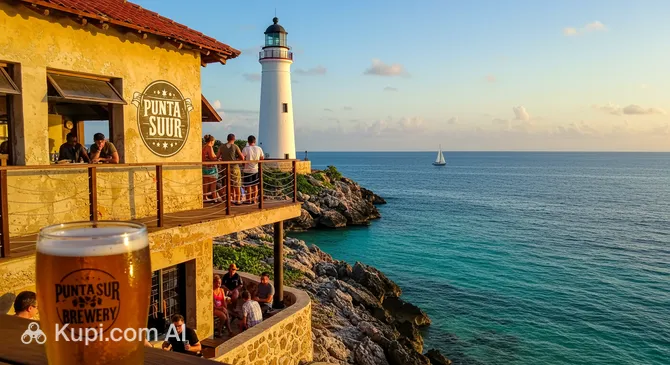
When it comes to beverages, the options are as colorful as the sunsets. To cool down, locals often drink aguas frescas, with flavors like hibiscus (jamaica) or rice-based horchata being very popular. For those seeking something stronger, the anise-flavored liqueur Xtabentún, made from fermented honey, offers a taste of ancient Mayan tradition. Beer lovers will appreciate the island's growing craft scene. A visit to the Punta Sur Brewery allows travelers to sample locally brewed cervesa that perfectly complements the tropical climate.

Punta Sur Brewery. Source: Kupi.Binoculars

The dining culture in Cozumel ranges from casual street food to upscale oceanfront experiences. In the mornings and evenings, the streets of San Miguel fill with vendors selling marquesitas, a crispy rolled crepe filled with Edam cheese and sweet toppings like Nutella or caramel—a beloved street dessert in the region. For a more substantial meal, the municipal market offers affordable, authentic tacos and empanadas where you can eat alongside residents.

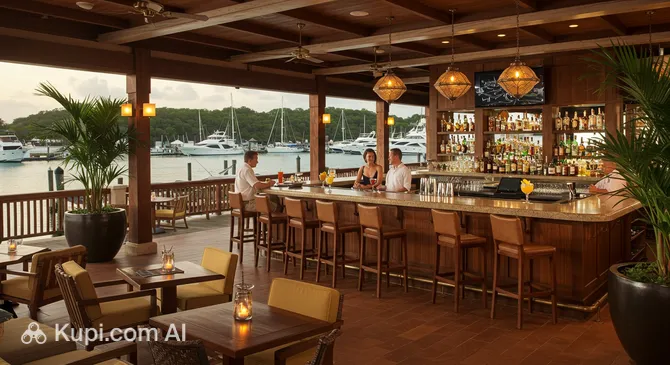
For a memorable dinner with a view, the island's coastline is dotted with establishments that combine excellent food with spectacular scenery. Places like the Bajau Steakhouse & Seafood Grill provide a sophisticated atmosphere where you can enjoy premium cuts and fresh seafood while watching the boats drift by. Whether you are dining on a plastic stool at a market stall or at a white-tablecloth restaurant, the flavors of Cozumel are sure to leave a lasting impression.

Bajau Steakhouse & Seafood Grill. Source: Kupi.Binoculars

Travel Tips

Welcome to Cozumel! To help you make the most of your island getaway, we have compiled a set of essential guidelines that ensure a smooth and enjoyable experience. A little preparation goes a long way in this tropical paradise, allowing you to relax and focus on the stunning scenery and vibrant culture.

  1. Clothing and Gear: Pack lightweight, breathable fabrics like cotton or linen to stay cool in the tropical heat. Since you will likely be spending time in the water, bring multiple swimsuits and a rash guard for sun protection. Crucially, bring or buy biodegradable reef-safe sunscreen; regular sunscreens are often banned in marine parks to protect the delicate coral reefs. Comfortable walking sandals are ideal for town, while water shoes are recommended for rocky beach entrances.
  2. Transportation: Taxis are the most common way to get around, but they do not use meters; instead, they have fixed rates based on zones, so always confirm the price before getting in. Unlike the mainland, ride-hailing apps like Uber are generally not available or reliable here. For exploring the island's scenic loop at your own pace, renting a jeep or a scooter is very popular, though we advise caution with scooters if you are not an experienced rider.
  3. Finances: The official currency is the Mexican Peso (MXN). While US Dollars are widely accepted, especially in tourist areas, paying in pesos usually guarantees a better exchange rate. Cash is king for small purchases, taxis, and street food. Credit cards are accepted at larger hotels, restaurants, and dive shops. ATMs are widely available in San Miguel, particularly around the main square and grocery stores. Tipping 10-15% is standard for good service.
  4. Health and Safety: Cozumel is generally very safe for tourists, but standard precautions like watching your belongings in crowded areas apply. Do not drink tap water; always opt for bottled or purified water to avoid stomach issues. Pharmacies (farmacias) are plentiful in the downtown area, and many have English-speaking staff. Mosquito repellent is highly recommended, especially if you plan to visit jungle areas or ruins like San Gervasio.
  5. Communication: Spanish is the official language, but due to the high volume of tourism, English is widely spoken and understood by almost everyone in the service industry. However, learning a few basic phrases like "Hola" (Hello) and "Gracias" (Thank you) is always appreciated by locals. Wi-Fi is standard in hotels and cafes. If you need mobile data, you can easily buy a prepaid SIM card from a Telcel shop or an OXXO convenience store.
  6. Local Etiquette: The island vibe is laid-back and friendly. It is polite to greet shopkeepers and staff when entering a business. Locals value politeness, so a smile and a calm demeanor go a long way. When dining, keep in mind that "island time" is real; service might be more relaxed than what you are used to, so try to be patient and enjoy the slower pace.
  7. What to Avoid: Never touch or stand on the coral reefs. Cozumel's reefs are protected and fragile living organisms; touching them can kill them and injure you. Also, avoid buying souvenirs made from black coral, sea turtle shells, or other protected marine life, as this is illegal and harmful to the ecosystem.
  8. Crowd Control Tip: Cozumel is a major cruise port, and the downtown area can get very crowded when several ships are docked. To escape the masses, head to the "Wild Side" (the east coast of the island). It is largely undeveloped, lacks electricity in many parts, and offers empty beaches, rugged views, and breezy beach bars that feel worlds away from the busy port.

By keeping these practical tips in mind, you are all set for a safe and unforgettable adventure in the Mexican Caribbean. Soak up the sun, respect the natural wonders, and enjoy the warm hospitality that makes Cozumel such a beloved destination!

Entertainment & Nightlife

Unlike the high-energy party scene of nearby Cancun, the nightlife in Cozumel is characterized by a laid-back, welcoming atmosphere that perfectly matches the island's tropical vibe. Instead of massive nightclubs with thumping bass, you will find charming waterfront bars, open-air lounges, and vibrant restaurants where the focus is on good conversation, live music, and enjoying the ocean breeze. The action centers primarily in San Miguel de Cozumel, particularly along the bustling Rafael E. Melgar Avenue (the waterfront promenade) and the streets surrounding the main square.

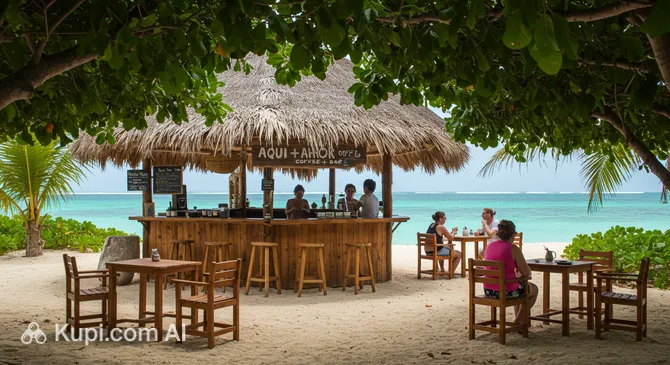
The evening typically begins at sunset, a celebrated daily event on the island's western coast. Locals and tourists alike gather at seaside venues to watch the sun dip below the horizon with a cold drink in hand. For a relaxed start to your night, Aqui + Ahora Coffee Bar is a fantastic choice. Located right on the waterfront, this venue transitions seamlessly from a daytime coffee spot to a lively evening hangout, offering creative cocktails and a front-row seat to the harbor views.

Aqui + Ahora Coffee Bar. Source: Kupi.Binoculars

As the night progresses, the sounds of live music—ranging from salsa and reggae to classic rock—fill the air. The dress code almost everywhere is "island casual," meaning shorts, sandals, and sundresses are perfectly acceptable even in nicer establishments. For those seeking a culinary experience that extends into the night, Fuego Restaurant offers a sophisticated yet unpretentious setting. It is an ideal spot to enjoy a lingering dinner with farm-to-table ingredients before heading out for a nightcap.

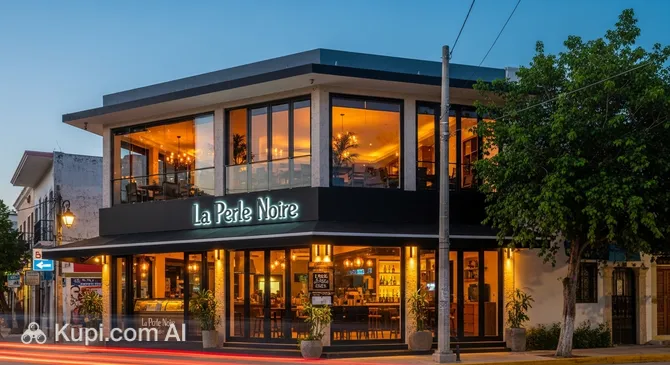
If you are looking for a place with a bit more European flair, La Perle Noire is a popular venue known for its cozy ambiance and excellent service. It attracts a mix of visitors who enjoy hearty meals and a good selection of drinks in a friendly environment. While there are a few late-night dance bars in the center, most venues close around 1:00 AM or 2:00 AM, making the island better suited for bar-hopping and socializing than all-night raving.

La Perle Noire. Source: Kupi.Binoculars

Practical Advice and Safety: Nightlife here is generally very safe, especially within the main tourist zones of San Miguel. However, it is always wise to stay in well-lit areas and avoid walking alone on empty beaches at night. When moving between venues or returning to your hotel, rely on the official red-and-white taxis. They are plentiful and can be easily hailed on the street or called by a restaurant server. Prices for drinks and cover charges (which are rare) are generally lower than on the mainland, making a night out quite affordable.

Daytime Entertainment: Before the sun goes down, the city offers plenty of cultural and leisure activities. You can explore local history at the Island Museum (Museo de la Isla), shop for silver and handicrafts at the bustling Benito Juárez Park, or catch a movie at the local cinema. For families, several beach clubs and eco-parks provide entertainment that spans from morning until the early evening.

Parks & Museums

Beyond its world-famous shores, the city offers a variety of green spaces and cultural landmarks that provide a deeper understanding of island life. From bustling plazas where locals gather to serene sanctuaries protecting the region's biodiversity, exploring these areas allows visitors to connect with the heart and soul of the community.

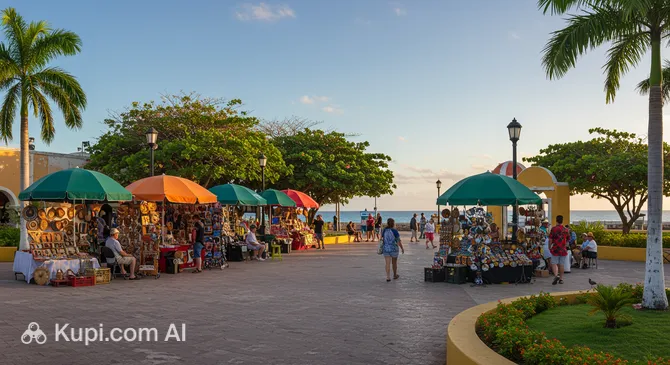
The vibrant center of social life in San Miguel is Benito Juárez Park. Located directly across from the ferry terminal, this iconic square is adorned with lush trees, a striking clock tower, and a central gazebo that often hosts live music and cultural events. It is the perfect place to sit on a bench with an ice cream, watch the world go by, and soak up the festive atmosphere that defines the town center.

Benito Juárez Park. Source: Kupi.Binoculars

For a unique blend of nature and culture, the Mayan Bee Sanctuary is a fascinating stop. This protected area is dedicated to the conservation of the stingless Melipona bee, a species sacred to the ancient Maya. Visitors can walk through jungle paths, learn about the traditional production of medicinal honey, and understand the vital role these pollinators play in the ecosystem. It offers a tranquil escape from the busy waterfront and an educational experience for all ages.

Mayan Bee Sanctuary. Source: Kupi.Binoculars

While the island is famous for its large marine parks, smaller spots like Playa Uvas offer a more intimate connection with nature. This beach club area lies within the marine park zone, providing easy access to guided snorkeling tours in crystal-clear waters. It serves as a gateway to the underwater wonders, allowing guests to explore the vibrant reefs while enjoying the amenities of a well-maintained coastal facility.

Those interested in the island's heritage should visit the Museo de la Isla de Cozumel (Island Museum). Housed in a historic luxury hotel, this museum showcases comprehensive exhibits on the island's geography, the intricate coral reef systems, and its history from Mayan times to the present day. It serves as the primary cultural institution in the city and provides essential context for the sights you will see around the island.

Architectural landmarks also dot the cityscape, reflecting the community's spiritual and artistic values. The San Miguel Church stands as a modest yet beautiful symbol of local faith. With its peaceful interior and open doors, it offers a quiet respite for reflection amidst the downtown hustle. Nearby, the Coral Reefs Monument is a striking sculpture located on the malecon, paying tribute to the divers and the magnificent underwater world that drives the local economy.

Coral Reefs Monument. Source: Kupi.Binoculars

Another significant religious site is the Corpus Christi Cathedral. As the largest church on the island, it features impressive stained glass windows and a spacious, modern design that contrasts with the older structures in town. Visiting these sites provides a glimpse into the daily lives and traditions of the Cozumeleños.

Insider Tip: To experience the true local vibe, visit Benito Juárez Park on a Sunday evening. This is when families come out to socialize, street food vendors set up their stalls, and the square comes alive with music and dancing, offering an authentic slice of Mexican culture.

Getting Around

Navigating Cozumel is relatively simple, though it differs significantly from large metropolitan areas. The city and the island do not have a metro, tram, or train system. Instead, the public transport network primarily consists of a local minibus service known as colectivos, alongside a vast fleet of taxis which serve as the main mode of transportation for most visitors.

The colectivos are small vans, typically white with blue or green details, operated by the local union (Uniper). They run on specific routes through the neighborhoods (colonias) of San Miguel and are an authentic, inexpensive way to move around the downtown area. Fares are very low, typically costing just a few pesos (approx. 10 to 20 MXN). However, it is important for tourists to note that these buses generally do not travel to the hotel zones, the remote beaches on the east side, or the major archaeological sites. They are designed primarily for residents commuting to work and school, operating mostly from early morning until roughly 8:00 PM or 9:00 PM.

For most travelers, taxis are the most convenient and efficient option. Taxis here do not use meters; instead, they operate on a strict fixed-rate system based on zones. You will often find a printed rate sheet (tarifario) at taxi stands near the ferry pier, cruise ports, and major hotels. Prices are set for specific destinations, such as from the downtown plaza to the southern beaches or beach clubs. While the service is reliable and available 24/7, it is always wise to confirm the price with the driver before getting into the car to avoid misunderstandings.

Regarding payment, cash is essential for all public transport in the city. The local buses accept only Mexican Pesos, and drivers rarely have change for large bills, so carrying coins or small notes is advisable. Taxis also operate on a cash-only basis. While many drivers accept US Dollars, paying in Pesos usually ensures a fairer exchange rate. There are no electronic travel passes, smart cards, or mobile apps for paying fares. Additionally, ride-sharing apps like Uber have historically been unavailable or unreliable due to local regulations, so you should not rely on them.

A very popular alternative for those who wish to explore the island independently is renting a vehicle. Scooter, moped, and Jeep rentals are widely available throughout San Miguel and are the preferred method for tourists wanting to complete the scenic "island loop" at their own pace. Bicycles are also a fantastic option for getting around the city center, which features a pleasant waterfront bike path. If you choose to rent a scooter, please exercise caution, wear a helmet, and be mindful of traffic rules.

For pedestrians, the heart of San Miguel is extremely walkable. The main square, the ferry terminal, and the famous waterfront promenade (Malecón) are all within easy walking distance of each other. While there is no "historic metro," the passenger ferries that connect the city to the mainland are a vital part of the local transit infrastructure, running frequently throughout the day and offering a scenic way to arrive or depart.

Accommodation

Where to Stay:

Accommodation in Cozumel caters to a wide spectrum of travelers, ranging from budget-conscious backpackers to luxury seekers looking for all-inclusive pampering. The island offers a diverse selection of lodging options, including affordable hostels in the town center, charming boutique hotels, vacation rentals, and sprawling beachfront resorts. Whether you prioritize easy access to local culture or immediate proximity to the famous coral reefs, there is a perfect spot for your stay.

The most popular areas to stay are generally divided into three main zones along the western coast. San Miguel de Cozumel (Downtown) is ideal for those who want to be within walking distance of the ferry pier, local restaurants, and shops. It offers the most authentic experience and generally lower prices. To the north of the city lies the North Hotel Zone, which tends to be quieter and features high-end condos and hotels. The South Hotel Zone is a favorite among divers and snorkelers, as it provides the quickest access to the marine park and the reefs, hosting many of the island's larger beach clubs and resorts.

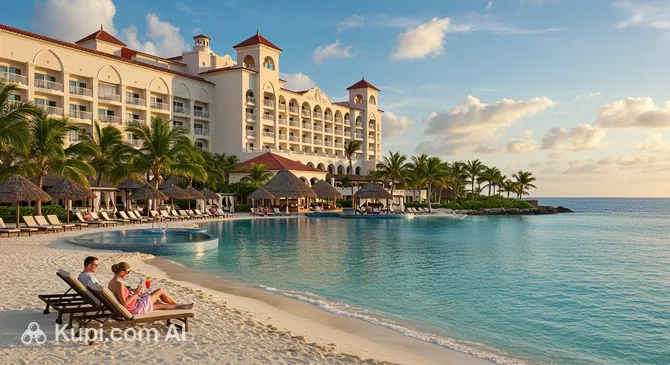
For travelers seeking a luxurious, all-inclusive experience within walking distance of the downtown area, Cozumel Palace is a well-known choice. This oceanfront resort is celebrated for its elegant amenities and stunning views of the Caribbean Sea, making it a convenient base for exploring both the city and the waters.

Cozumel Palace. Source: Kupi.Binoculars

If you prefer a stay that blends comfort with a deeper connection to the natural environment, Explorean Cozumel offers a unique concept. Located further south near the jungle and the sea, this resort focuses on "discovery" experiences, combining relaxation with guided expeditions into the island's wild landscapes.

Explorean Cozumel. Source: Kupi.Binoculars

When planning your trip, it is highly recommended to book in advance, especially if you are visiting during the high season from December to April or during major holidays like Easter. During these peak times, the best rooms fill up quickly, and prices tend to rise. Accommodation costs vary significantly; you can find comfortable budget options starting at reasonable rates, while luxury resorts command premium prices. Most properties can be easily booked through major online travel platforms or directly via their websites.

Nearby Cities

For those looking to explore the surroundings, Cozumel serves as an excellent base for day trips to several interesting nearby locations. While the island itself is a paradise, the mainland offers a different pace of life, historical treasures, and vibrant urban experiences just a ferry ride away.

Playa del Carmen is the closest and most accessible destination, located directly across the channel. Famous for its lively Fifth Avenue, this coastal city invites visitors to stroll through pedestrian-friendly streets lined with boutique shops, international restaurants, and vibrant bars. Further north lies Cancun, a world-renowned resort city known for its energetic nightlife, luxury shopping malls, and pristine white-sand beaches. For a touch of history and colonial charm, travelers might consider venturing inland to Valladolid. This "Magic Town" offers a glimpse into authentic Yucatecan culture, featuring colorful colonial architecture and easy access to spectacular cenotes and Mayan ruins.

City Population Distance (km)
Cancun 888,797 73
Playa del Carmen 304,942 19
Felipe Carrillo Puerto 83,990 154
Valladolid 48,973 133
Tizimin 46,971 144

These nearby destinations offer a glimpse into the diverse culture and landscapes of the region, making them perfect additions to your travel itinerary.

Shopping & Souvenirs

Shopping in Cozumel is a vibrant experience that ranges from high-end luxury boutiques to colorful local stalls. As a major cruise destination, the island is widely recognized as a shopper's paradise, particularly famous for its extensive selection of duty-free goods. Visitors can find everything from sparkling diamonds and designer watches to authentic Mexican handicrafts, all within a short distance of the turquoise sea.

The heartbeat of the island's commercial activity is Rafael E. Melgar Avenue, the scenic waterfront promenade that runs along the western coast of San Miguel. This bustling strip is lined with jewelry stores, perfume shops, and brand-name outlets catering to international tastes. Walking down this avenue offers not only great retail therapy but also stunning ocean views. Just a block inland, the area around the main square and Benito Juárez Park provides a more traditional atmosphere, where smaller shops sell clothing, hammocks, and regional art.

For a more concentrated shopping experience, the city features several open-air malls that blend retail with entertainment. Punta Langosta is a prominent shopping complex located directly across from the downtown cruise pier, making it incredibly accessible for day-trippers. It houses a variety of well-known brands, restaurants, and a cinema. Further south, near the international cruise terminals, the Royal Village Shopping Center offers a charming village-like setting with upscale boutiques and souvenir shops nestled among tropical gardens.

To discover the authentic flavors and colors of Mexico, a visit to the local markets is essential. The Mercado Municipal (Municipal Market) is where the locals shop for fresh produce, spices, and daily necessities. It is an excellent place to find affordable food and experience the genuine island lifestyle. Additionally, many visitors flock to Los Cinco Soles, a renowned establishment that functions like a curated market, offering high-quality Mexican silver, pottery, and organic vanilla in a beautiful historic building.

When looking for the perfect keepsake, Cozumel offers several distinct local treasures. Mexican silver, particularly from Taxco, is a top buy, but always look for the ".925" stamp to ensure quality. Other popular souvenirs include Talavera pottery, colorful hand-woven hammocks, and bottles of artisanal tequila or mezcal. Foodies should consider bringing home locally produced chocolate or a bottle of Xtabentún, the regional honey-anise liqueur.

Most shops in the main tourist zones open around 9:00 AM or 10:00 AM and stay open until roughly 8:00 PM or 9:00 PM, often aligning their hours with the cruise ship schedules. While major stores and malls stay open all day, smaller local businesses may close for a short siesta in the afternoon. US Dollars are widely accepted almost everywhere, though you may receive change in Pesos. Credit cards are standard in larger establishments, but carrying cash is recommended for street vendors and small market stalls.

International tourists shopping in Mexico may be eligible for a tax refund on certain purchases through the "Moneyback" program. If you spend a minimum amount at participating stores (look for the logo in the window), you can request a refund of the VAT (IVA) upon departure at the airport or cruise terminal. Be sure to ask the merchant for the necessary official receipt and paperwork at the time of purchase.
Reached the end of the page?

That means the route is fully explored