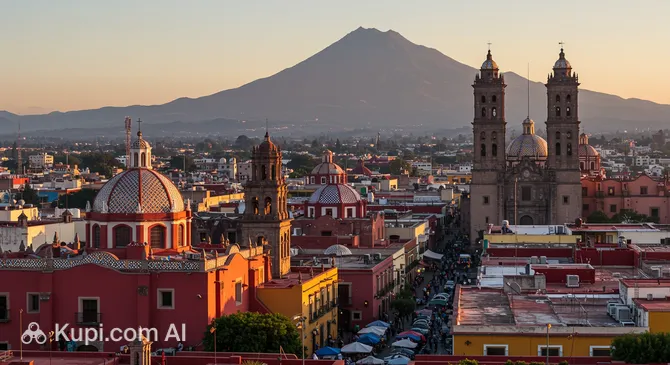
Puebla, often referred to as the "City of Angels," is a vibrant destination that perfectly blends colonial charm with modern energy. Renowned for its culinary heritage and stunning architecture, this metropolis offers a unique atmosphere that captivates travelers from around the globe. Located in the central highlands of Mexico, it sits in a valley surrounded by majestic volcanoes, including the famous Popocatépetl and Iztaccíhuatl, providing a breathtaking backdrop to the cityscape.
With a population of over 1.5 million people, Puebla is a bustling urban center that has managed to preserve its rich traditions. The city enjoys a mild, spring-like climate for most of the year, making it an ideal location for exploration. Its strategic position between the capital and the port of Veracruz has historically made it an important hub for trade and culture.
Puebla. Illustration.
Source: Kupi.com AI
The fascinating history of Puebla is evident in its well-preserved historic center, which is a UNESCO World Heritage site. The streets are lined with buildings adorned with colorful Talavera tiles, a local craft that has become a symbol of the region. Visitors can admire the imposing Puebla Cathedral, which dominates the main square, or explore the renowned Amparo Museum, which houses an extensive collection of pre-Hispanic and colonial art.
Beyond its visual beauty, the city is a paradise for food lovers, celebrated as the birthplace of mole poblano. Whether you are wandering through the lively Zócalo, tasting authentic local cuisine, or visiting the nearby Great Pyramid of Cholula, Puebla promises an unforgettable experience full of color and flavor. We invite you to discover the magic and warmth of this exceptional Mexican city.
Weather Overview
Puebla typically enjoys a mild and temperate climate year-round, often described as an "eternal spring," making it a comfortable destination for travelers at almost any time. The weather in Puebla is characterized by warm days and cooler nights, with average monthly temperatures generally ranging from 14°C to 19°C depending on the season.
The year is distinctively divided into dry and wet periods. The winter months, particularly December through March, are dry and sunny, though nights can be chilly with lows dropping to around 7°C. Conversely, the warmer months of April and May lead into a rainy season that spans from June to September. During this time, precipitation becomes much more frequent, with July, August, and September seeing up to 25 wet days per month, although daytime highs remain pleasant, usually reaching between 21°C and 23°C.
Average monthly temperature
Average monthly precipitation
Interesting Facts
Beyond its colorful streets and culinary fame, Puebla holds many fascinating secrets and historical milestones that surprise even seasoned travelers. Here are a few unique aspects that define the character of this remarkable city:
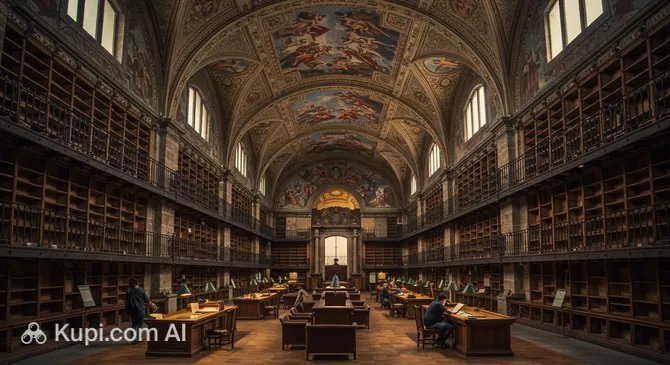
Palafoxian Library. Illustration.
Source: Kupi.com AI
Traveler photos:
The city is home to the very first public library in the Americas, a treasure recognized by UNESCO. The Palafoxian Library was established in 1646 and still preserves its original carved wooden shelving along with thousands of ancient manuscripts and books.
Puebla contains what is often cited as the world's smallest volcano. The Cuexcomate is actually an inactive geyser cone standing only about 13 meters tall, and unlike massive peaks, visitors can easily descend a spiral staircase right into its dormant crater.
The internationally famous holiday of Cinco de Mayo originated from a specific battle fought on these grounds. It commemorates the unlikely victory of the Mexican army over French forces in 1862 at the Historic Forts Zone, a site that remains a symbol of national sovereignty and pride.
The Chapel of the Rosary, Church of Santo Domingo is a masterpiece of Baroque architecture so ornate it was once dubbed the "Eighth Wonder of the World." Its interior is dazzlingly covered in 24-carat gold leaf, intricate stucco, and onyx, creating a breathtaking visual experience.
How to Get There
Reaching this colonial gem is straightforward thanks to its central location and excellent connectivity with the rest of the country. Whether you are arriving from international destinations or neighboring cities, there are several convenient options to suit your travel plans. For a complete guide on all available transport methods, you can read more about how to get to Puebla.
The most common entry point for international travelers is Benito Juarez International Airport (IATA: MEX), located in Mexico City. Although it is situated about 101 km from Puebla, it serves as the primary hub for the region with extensive flight connections. The journey from this airport to Puebla typically takes approximately 170 minutes by bus or taxi, depending on traffic conditions. Another option in the capital area is Felipe Angeles International Airport (IATA: NLU), which is roughly 116 km away. For those preferring a direct arrival, the city has its own facility, Huejotzingo Airport (IATA: PBC), located just 21.7 km from the center. A trip from this local airport to downtown takes about 55 minutes.
For clarity, here is a summary of the main airports:
Puebla is a treasure trove of architectural marvels and cultural landmarks, offering visitors a diverse range of experiences from colonial history to modern art. Exploring the city reveals a fascinating mix of the old and the new, where centuries-old traditions coexist with contemporary lifestyle.
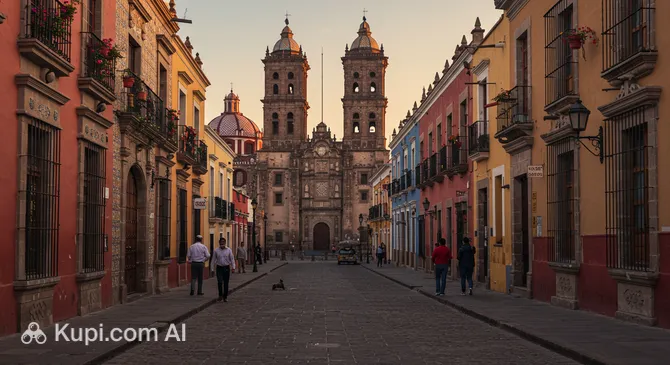
The heart of the city is the Historic Centre of Puebla, a UNESCO World Heritage site that serves as an open-air museum. Walking through these streets allows tourists to admire over 2,000 historic monuments, many featuring the city's signature Talavera tiles and red brick facades. It is the perfect starting point to soak in the colonial atmosphere, visit the bustling Zócalo, and discover hidden courtyards that tell stories of the past.
Historic Centre of Puebla. Illustration.
Source: Kupi.com AI
Traveler photos:
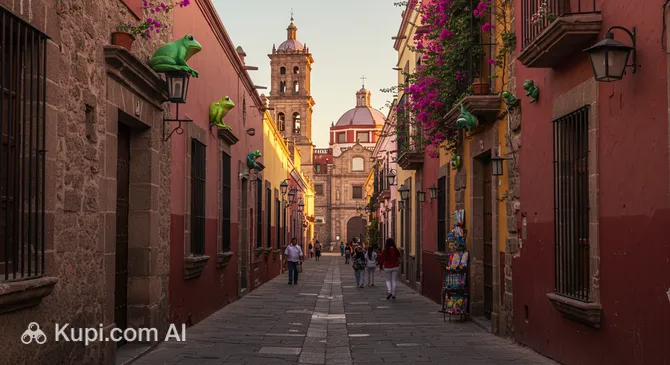
For a vibrant splash of color and a touch of bohemian flair, the Alley of the Frogs (Callejón de los Sapos) is a must-visit destination. This pedestrian street is lined with brightly painted houses and is famous for its antique shops, artisan boutiques, and cozy cafes. On weekends, the area transforms into a lively flea market where collectors and tourists alike hunt for unique vintage treasures and handicrafts.
Alley of the Frogs. Illustration.
Source: Kupi.com AI
Traveler photos:
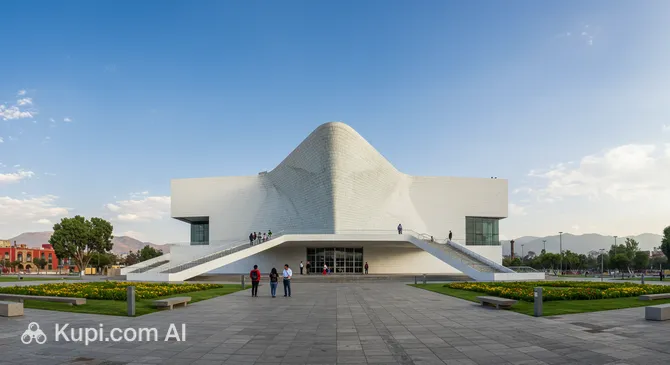
A striking contrast to the colonial architecture is the International Museum of the Baroque. Designed by the renowned architect Toyo Ito, this building is a masterpiece of modern design with its curving white walls and fluid forms. Inside, visitors can explore interactive exhibits that showcase the Baroque period's influence on art, culture, and society, making it a fascinating stop for art lovers and architecture enthusiasts alike.
International Museum of the Baroque. Illustration.
Source: Kupi.com AI
Traveler photos:
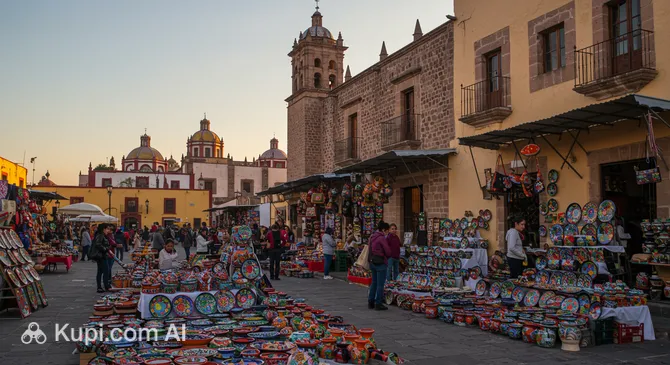
Those looking to take a piece of Puebla home should head to El Parián Market, the city's most famous craft market. Located in the old San Roque neighborhood, this traditional marketplace is the best place to find authentic Talavera pottery, colorful textiles, and leather goods. It offers a lively and authentic shopping experience where you can observe the richness of local craftsmanship up close.
El Parián Market. Illustration.
Source: Kupi.com AI
Traveler photos:
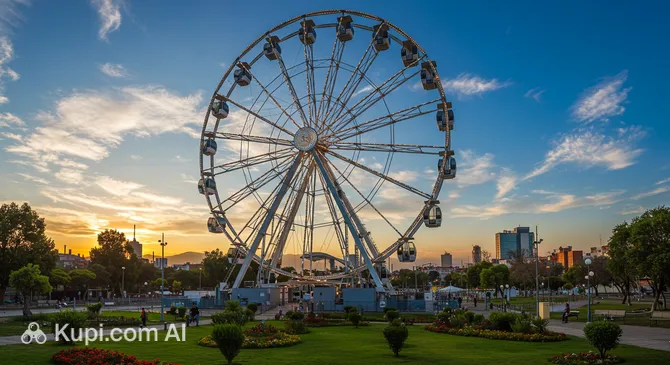
For a breathtaking perspective of the city and its surroundings, a ride on the Estrella de Puebla is highly recommended. This massive observation wheel, located in the modern Angelópolis district, stands 80 meters tall and holds the Guinness World Record for the largest portable observation wheel. The ride offers panoramic views of the urban landscape and the majestic volcanoes, Popocatépetl and Iztaccíhuatl, especially stunning during sunset.
Estrella de Puebla. Illustration.
Source: Kupi.com AI
Traveler photos:
Local Cuisine
Puebla is widely regarded as one of the gastronomic capitals of Mexico, offering a culinary experience that is as rich and colorful as its history. The city's cuisine is a fascinating blend of pre-Hispanic ingredients and Spanish influences, much of which originated in the colonial convents of the region. For food lovers, a visit here is a journey through complex flavors, aromatic spices, and centuries-old traditions that have shaped the Mexican palate.
The undisputed star of the local kitchen is Mole Poblano, a thick, dark sauce made from a blend of chili peppers, spices, chocolate, and dozens of other ingredients. It is typically served over turkey or chicken and is a staple at celebrations. Another seasonal masterpiece is Chiles en Nogada, usually available from July to September. This dish consists of poblano chilies stuffed with a mixture of meat and fruits, covered in a walnut cream sauce, and garnished with pomegranate seeds and parsley, representing the colors of the Mexican flag.
Mural de los Poblanos. Illustration.
Source: Kupi.com AI
Traveler photos:
For a more casual dining experience, you must try the Cemita Poblana. This sesame-seeded bread roll is distinct to the region and is packed with breaded meat, avocado, onions, spicy pápalo leaves, and generous strings of quesillo cheese. Another street food favorite is Tacos Árabes, a delicious result of Lebanese immigration, featuring seasoned pork cooked on a spit and served in pita-style bread with a chipotle sauce.
The beverage scene in Puebla is equally unique. Locals enjoy Pasita, a raisin liqueur traditionally served in a shot glass with a piece of cheese and a raisin inside. Rompope, an eggnog-like drink originally brewed by nuns in the Santa Clara convents, is also a sweet treat found throughout the city. For those preferring non-alcoholic options, fresh fruit waters and traditional hot chocolate are widely available and perfectly complement the rich food.
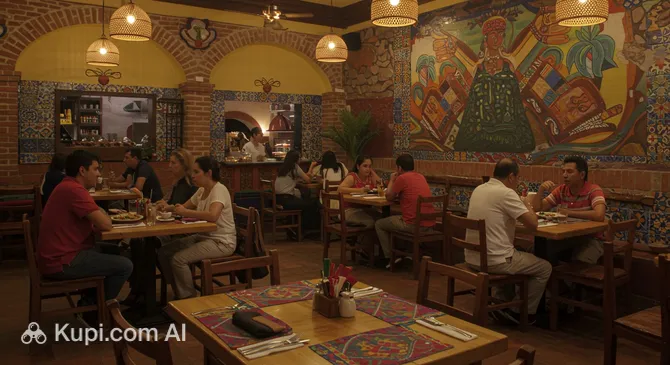
Visitors can explore a variety of dining settings, from bustling market stalls to elegant courtyards. For those seeking authentic traditional recipes in a refined setting, Mural de los Poblanos is a celebrated choice known for its dedication to local ingredients. Similarly, Casareyna Restaurant offers a renowned culinary experience, famous for serving authentic mole and seasonal dishes that capture the true essence of Puebla's gastronomy.
Travel Tips
To ensure your visit to this magnificent colonial city is as smooth and enjoyable as possible, we have compiled a set of practical recommendations. These insights will help you navigate local customs, stay comfortable, and experience the true essence of Puebla like a seasoned traveler.
Clothing and Gear: Due to Puebla's high altitude (over 2,100 meters), the weather can change quickly. It is best to dress in layers; days are often warm and sunny, but evenings can get quite chilly. Pack a light jacket or sweater even in summer. Since the historic center is paved with cobblestones, bring comfortable walking shoes. If you plan to visit churches, remember to dress modestly, covering shoulders and knees.
Transportation: The Historic Centre is best explored on foot, as many attractions are close to one another. For longer distances, ride-hailing apps like Uber and DiDi are widely available, affordable, and generally safer than hailing street taxis. While there is a public bus network, it can be complex for visitors; the "Turibus" is a better alternative for sightseeing loops.
Finances: The local currency is the Mexican Peso (MXN). While hotels and larger restaurants accept credit cards, cash is king in Puebla, especially for street food, artisan markets, and small shops. ATMs are plentiful, but it is safer to use those located inside banks or shopping malls. Tipping is customary; leaving 10-15% at restaurants is the standard practice.
Health and Safety: The altitude can affect some travelers, so stay hydrated and take it easy on your first day. Never drink tap water; always opt for bottled or purified water. Pharmacies like Farmacias del Ahorro or Farmacias Guadalajara are easy to find, and many operate 24 hours a day. The tourist areas are generally safe, but stick to well-lit streets at night and keep an eye on your belongings in crowded markets.
Communication: Spanish is the primary language. While staff in major hotels may speak English, it is less common in local eateries and shops. Learning a few basic phrases like "Buenos días" (Good morning) and "Gracias" (Thank you) goes a long way. For connectivity, you can easily buy a prepaid SIM card at OXXO convenience stores. WhatsApp is the main app used for communication by locals and businesses.
Local Etiquette: Politeness is highly valued here. It is polite to greet shopkeepers when entering a store. When you enter a restaurant or pass a table where people are eating, it is customary to say "Buen provecho" (Enjoy your meal). Mexicans are generally warm and helpful, so don't hesitate to ask for directions if you are lost.
What to Avoid: Avoid relying solely on large denomination bills (like 500 pesos) for small purchases, as vendors often lack change. Also, try not to be loud or boisterous in religious sites, as these are active places of worship for the local community.
Sweet Souvenir Tip: Don't miss a walk down Calle de los Dulces (Street of Sweets), officially 6 Oriente Street. It is lined with shops selling traditional candies like camotes (sweet potato candies) and tortitas de Santa Clara. It is the perfect place to buy affordable and authentic gifts to take home.
By keeping these practical tips in mind, you will be well-prepared to embrace the vibrant culture and relaxed pace of life in Puebla. Enjoy the stunning architecture, the incredible food, and the warm hospitality that make this city a highlight of any trip to Mexico.
Entertainment & Nightlife
As the sun sets over the volcanoes, Puebla transforms into a lively hub of entertainment, offering a nightlife scene that caters to every taste, from bohemian spirits to sophisticated party-goers. The city's energy shifts from its historical daytime charm to a vibrant evening atmosphere, where colonial courtyards become trendy bars and modern districts pulse with music. Whether you are looking for a quiet place to enjoy a cocktail or a dance floor to spend the night, the city has plenty to offer.
For those seeking a bustling nightlife experience, the neighboring district of Cholula is the place to be. Famous for its university vibe, it is packed with nightclubs, open-air bars, and "Container City," a unique complex of recycled shipping containers turned into trendy venues. Closer to the city center, Avenida Juárez offers a more upscale environment with chic lounges and restaurants, perfect for a sophisticated night out. Meanwhile, the Historic Centre provides a more relaxed, bohemian setting, ideal for enjoying live music and artisanal mezcal in beautifully restored buildings.
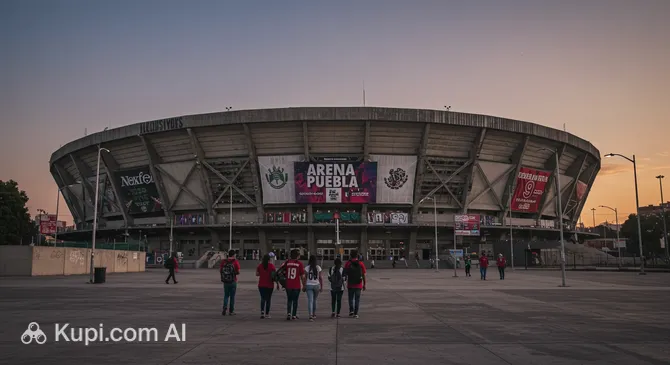
One of the most authentic and exciting evening activities in the city is experiencing Lucha Libre (Mexican wrestling). Monday nights at Arena Puebla are legendary, drawing crowds of locals and tourists alike to cheer on the masked wrestlers in a spectacle of high-flying acrobatics and drama. It is a loud, colorful, and thoroughly Mexican experience that shouldn't be missed.
Arena Puebla. Illustration.
Source: Kupi.com AI
Traveler photos:
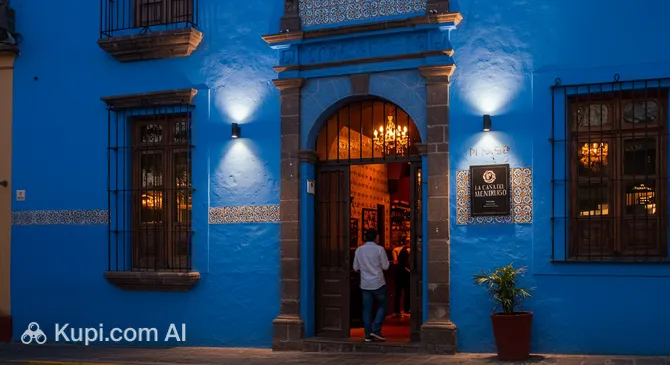
If you prefer a more cultural evening with excellent food and music, La Casa del Mendrugo is a fantastic choice. Located in the heart of the historic district, this venue combines a museum, a restaurant, and a jazz club, offering a sophisticated atmosphere where you can enjoy tapas and live performances. For those who want to turn up the volume, Todo Rock is a popular spot dedicated to live rock music, attracting a spirited crowd ready to sing along to classic hits.
La Casa del Mendrugo. Illustration.
Source: Kupi.com AI
Traveler photos:
Practical advice for enjoying Puebla at night includes starting a bit later than usual; many clubs don't get busy until after 11:00 PM, though bars are lively from early evening. The dress code is generally "smart casual"—jeans and a nice shirt work well in most places, though some upscale clubs in Angelópolis may require dressier attire. Prices are generally affordable compared to international standards, with beers often costing between 40 to 80 MXN.
Regarding safety, the main nightlife zones like Avenida Juárez and the tourist areas of Cholula and the Historic Centre are generally safe for walking in groups. However, it is highly recommended to use ride-sharing apps like Uber or DiDi rather than hailing taxis off the street late at night, as they offer GPS tracking and fixed prices. Avoid walking alone in poorly lit areas on the outskirts of the city center.
While the nights are exciting, Puebla also offers a wealth of daytime entertainment beyond its historical sites. Families and nature lovers will enjoy the Metropolitan Ecopark of Puebla, a vast green space perfect for picnics and outdoor activities. For an immersive experience with marine life, the Michin Aquarium Puebla is one of the best in the country, featuring interactive exhibits and a focus on conservation. Additionally, animal enthusiasts can visit the Living Museum Puebla, a specialized center dedicated to the preservation of reptiles and amphibians.
Parks & Museums
Puebla offers a rich tapestry of cultural and recreational spaces that go beyond its famous culinary scene and colonial architecture. The city is dotted with lush parks and houses some of the finest museums in the country, providing visitors with a deeper understanding of its artistic heritage and historical significance.
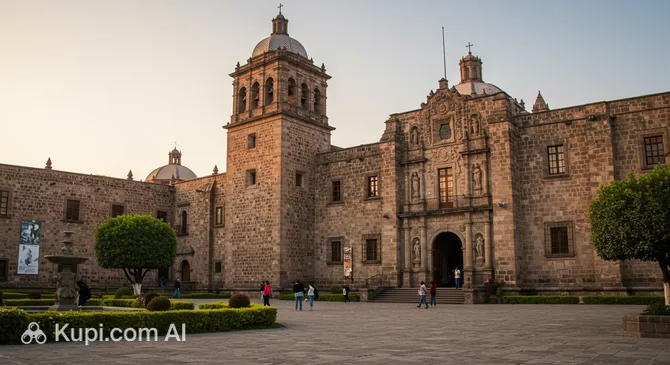
One of the most prestigious cultural institutions in Mexico is the Amparo Museum. Housed in two colonial-era buildings, this private museum boasts an extensive collection of pre-Hispanic, viceregal, and contemporary art. It is renowned for its modern museography and its rooftop terrace, which offers stunning views of the city's domes and towers. Visitors can easily spend hours exploring the meticulously curated exhibits that trace the evolution of Mexican culture through the centuries.
Amparo Museum. Illustration.
Source: Kupi.com AI
Traveler photos:
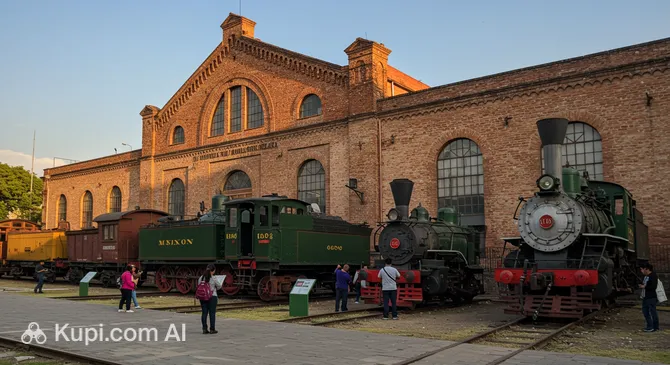
For a unique journey into the past, the National Museum of Mexican Railways is a must-visit destination. Located on the grounds of the former Mexican Railway station, this open-air museum preserves a fascinating collection of steam, diesel, and electric locomotives, as well as vintage passenger cars. It serves as a tribute to the golden age of rail travel, allowing guests to climb aboard some of the trains and learn about the impact of railways on the nation's development.
National Museum of Mexican Railways. Illustration.
Source: Kupi.com AI
Traveler photos:
History buffs should not miss the Regional Museum of the Mexican Revolution – House of the Serdán Brothers. This 17th-century house was the site of the first battle of the Mexican Revolution in 1910. The facade still bears the bullet marks from the conflict, and the interior has been preserved to tell the tragic but heroic story of the Serdán family, making it a poignant stop for understanding the city's revolutionary spirit.
When it comes to green spaces, the Ecological Park is one of the largest and most popular recreational areas in the city. It features extensive walking paths, sports facilities, and a beautiful lake. Inside the park, you will also find ArboTerra, an interactive aviary that is particularly engaging for families. It provides a peaceful escape from the urban bustle, perfect for a morning jog or a leisurely picnic.
Ecological Park. Illustration.
Source: Kupi.com AI
Traveler photos:
Another delightful spot is Paseo Bravo, a historic corridor that dates back to the 17th century. Lined with sculptures, fountains, and trees, it is a favorite gathering place for locals. Nearby, the Paseo de los Gigantes Park offers a whimsical experience where visitors can walk among miniature replicas of world-famous landmarks, from the Eiffel Tower to the Chichen Itza pyramid, making it a fun photo opportunity.
For a truly immersive experience, venture underground into the 5 de Mayo Historical Passage. These rediscovered tunnels, which run beneath the city streets, were part of the defense system during the Battle of Puebla and offer a fascinating, lesser-known perspective on the city's history.
Getting Around
Navigating Puebla is an adventure in itself, offering a mix of modern transit solutions and traditional methods that reflect the city's dynamic character. The backbone of the public transportation system is the RUTA (Red Urbana de Transporte Articulado), a Bus Rapid Transit (BRT) network that functions similarly to a metro system but on wheels. These modern buses run on dedicated lanes, bypassing traffic congestion, and serve three main lines that connect key areas, including the historic center and the modern Angelópolis district. The stations are well-marked and generally safe, making RUTA the most tourist-friendly option for getting around the main arteries of the city.
Complementing the RUTA system is a vast and somewhat chaotic web of traditional buses, minibuses, and vans known locally as colectivos or combis. These vehicles cover virtually every corner of the city where the main lines do not reach. Routes are typically displayed on the windshields, listing the major landmarks or neighborhoods they pass. While they are an authentic way to experience local life, they can be crowded and confusing for first-time visitors, as there are no fixed stops in many areas; you simply wave to signal the driver to stop.
The payment system depends entirely on the mode of transport you choose. For the RUTA system, you must purchase a rechargeable smart card at the vending machines located at any station. The card itself has a nominal fee, and each ride costs approximately 7.50 MXN. It is important to note that these machines usually accept only cash and do not give change, so having the exact amount or small bills is essential. Conversely, on the colectivos, payment is strictly cash. You pay the driver directly upon boarding, with fares usually ranging between 8 and 10 MXN depending on the route.
For those who prefer more comfort or need to travel late at night, ride-hailing apps are a highly recommended alternative. Services like Uber, DiDi, and Cabify operate extensively throughout the city, offering secure, tracked rides with upfront pricing. This is often the best choice for tourists who do not speak Spanish or want to avoid the complexity of bus routes. Traditional taxis are also available; however, they do not always use meters, so it is crucial to agree on a fare before starting your journey to avoid overcharging.
A unique feature of the city's transport landscape is the Teleférico de Puebla (Cable Car). While primarily a tourist attraction rather than a daily commuter tool, it offers a spectacular way to travel between the exhibition center and the historic forts area. The ride provides panoramic views of the city and the surrounding volcanoes, making it a functional yet scenic link for visitors exploring the parks on the hill.
Practical advice for travelers includes avoiding public transport during peak rush hours, typically from 7:00 AM to 9:00 AM and 6:00 PM to 8:00 PM, when buses can become extremely crowded. RUTA generally operates from 5:00 AM until 11:00 PM, while regular bus schedules vary. Always keep an eye on your belongings in crowded spaces, and if you plan to use the RUTA card, remember that one card can be shared among multiple people—you simply tap it multiple times at the turnstile.
Accommodation
Finding the perfect place to stay in Puebla is easy, as the city offers a diverse range of accommodation options to suit every budget and travel style. Visitors can choose from charming boutique hotels housed in restored colonial mansions, modern high-rise chains with business amenities, or budget-friendly hostels that cater to backpackers. Whether you prefer the historic atmosphere of the old town or the sleek comforts of the modern districts, there is something for everyone.
For most tourists, the best area to stay is the Historic Centre. Staying here puts you within walking distance of the Cathedral, the Zócalo, and the main museums, allowing you to immerse yourself in the city's colonial magic day and night. If you prefer a more contemporary vibe with shopping malls and luxury amenities, the Angelópolis district is the ideal choice. Alternatively, the nearby town of Cholula offers a more bohemian and youthful atmosphere, perfect for those who want to experience vibrant nightlife and stay close to the Great Pyramid.
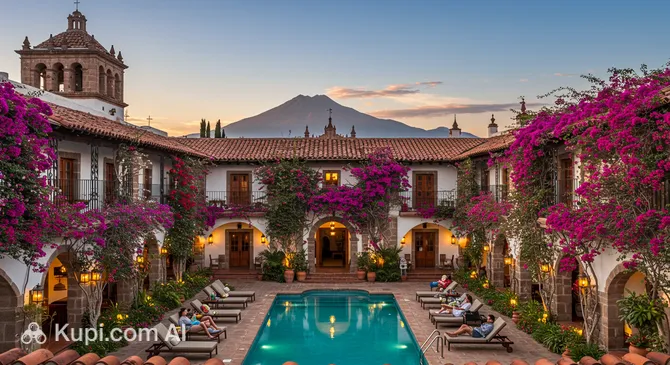
Among the available options, travelers seeking a relaxing getaway might consider the Puebla Resort. This property provides a comfortable retreat with amenities designed to help guests unwind after a day of exploring the city's attractions.
Puebla Resort. Illustration.
Source: Kupi.com AI
Traveler photos:
Accommodation prices in Puebla are generally very reasonable compared to Mexico's coastal beach destinations. You can find comfortable mid-range hotels for a fraction of the price you might pay in major capitals. However, it is highly recommended to book in advance if you plan to visit during major holidays like Cinco de Mayo (May 5th) or the Day of the Dead, as occupancy rates spike significantly during these festive periods. Most hotels can be easily booked through major online platforms, though some smaller boutique guesthouses may offer better rates if contacted directly.
Nearby Cities
For those looking to explore the surroundings, Puebla serves as an excellent base for day trips to several interesting nearby locations:
City
Population
Distance
Cholula
129 032
12 km
San Gregorio Atzompa
9 671
15 km
San Miguel Xoxtla
12 341
18 km
Zacatelco
38 654
18 km
Huejotzingo
25 684
25 km
Among these destinations, a few stand out as essential visits for travelers seeking culture and history:
Cholula is arguably the most famous neighbor, located just a short drive west of Puebla. It is renowned for being home to the Great Pyramid of Cholula, which has the largest base of any pyramid in the world. Visitors are often captivated by the sight of the Iglesia de Nuestra Señora de los Remedios perched dramatically atop the ancient structure, with the Popocatépetl volcano looming in the background. The town itself is a "Pueblo Mágico" with a vibrant atmosphere, filled with bars, restaurants, and a youthful energy thanks to its local university.
Another gem in the region is Atlixco, known as the "City of Flowers." Situated at the foot of the Popocatépetl volcano, it boasts an exceptionally mild climate that is perfect for growing a vast variety of plants. Tourists flock here to wander through its colorful streets, visit the municipal palace to see its famous murals, and climb the Cerro de San Miguel for a panoramic view. It is also a fantastic culinary spot, famous for its delicious cecina (cured meat) and artisanal ice creams.
These nearby destinations offer a glimpse into the diverse culture and landscapes of the region, making them perfect additions to your itinerary.
Shopping & Souvenirs
Shopping:
Shopping in Puebla is a delightful journey that takes you from centuries-old artisanal traditions to contemporary retail experiences. The city is celebrated across Mexico for its exquisite handicrafts, particularly its pottery and textiles, making it a prime destination for those looking to take home authentic cultural treasures. Whether you are hunting for antiques in a colonial alleyway or browsing international brands in a modern complex, the city offers a diverse range of options to satisfy every shopper.
For a walk through the city's artistic soul, the historic center is the place to start. The famous Callejón de los Sapos (Alley of the Frogs) is a charming pedestrian street lined with antique shops, art galleries, and boutiques selling vintage furniture and collectibles. On weekends, it transforms into a bustling flea market. Another essential stop is the Calle de los Dulces (Street of Sweets), located on 6 Oriente Street. Here, dozens of shops display an irresistible array of traditional candies, such as camotes and borrachitos, which are perfect for gifts.
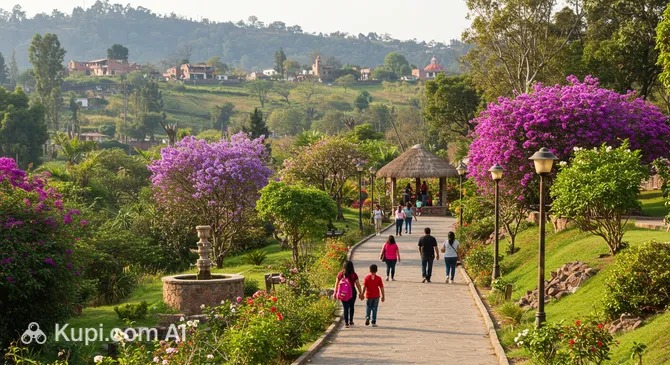
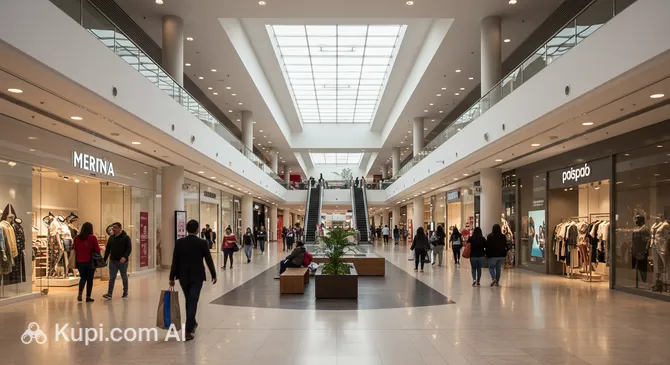
Travelers looking for a modern shopping experience will find impressive malls in the city's newer districts. Galerías Serdán is a prominent shopping center featuring wide architecture and a comprehensive selection of fashion brands, department stores, and entertainment options. It provides a comfortable environment for a full day of shopping and dining.
Galerías Serdán. Illustration.
Source: Kupi.com AI
Traveler photos:
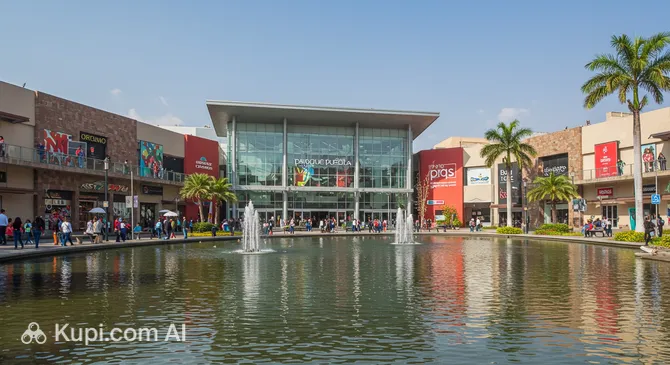
Another major retail hub is Parque Puebla, known for its vibrant atmosphere and extensive variety of stores. It is a family-friendly destination that combines shopping with leisure activities, including a large food court and cinema, making it a popular spot for both locals and visitors.
Parque Puebla. Illustration.
Source: Kupi.com AI
Traveler photos:
When it comes to traditional markets, El Parián Market remains the undisputed center for local handicrafts. Located just a few blocks from the Zócalo, this brick-and-tile marketplace is packed with stalls selling everything from colorful textiles and leather goods to copperware and onyx crafts. It is the ideal place to practice your bargaining skills and find unique, handmade souvenirs that represent the region's heritage.
The most iconic souvenir from Puebla is undoubtedly Talavera pottery. This ceramic style, characterized by its milky white glaze and intricate blue designs, has a protected designation of origin. When buying fine Talavera, look for a hologram or certificate of authenticity on the bottom of the piece to ensure it is genuine and lead-free. Other popular items include embroidered blouses, onyx figures carved in the nearby town of Tecali, and the region's famous mole paste.
Most shopping malls and large department stores operate daily from 11:00 AM to 9:00 PM. Smaller boutiques and markets in the historic center typically open around 10:00 AM and close between 6:00 PM and 8:00 PM. While credit and debit cards are widely accepted in malls and established shops, it is essential to carry cash (Mexican Pesos) when visiting traditional markets like El Parián or buying from street vendors.
International tourists shopping in Mexico may be eligible for a tax refund on purchases made at participating stores through the "Moneyback" program. To qualify, you usually need to spend a minimum amount and present your passport and immigration form. Look for the "Tax Free" logo in store windows and ask for a special invoice (factura) to process your refund at the airport before leaving the country.