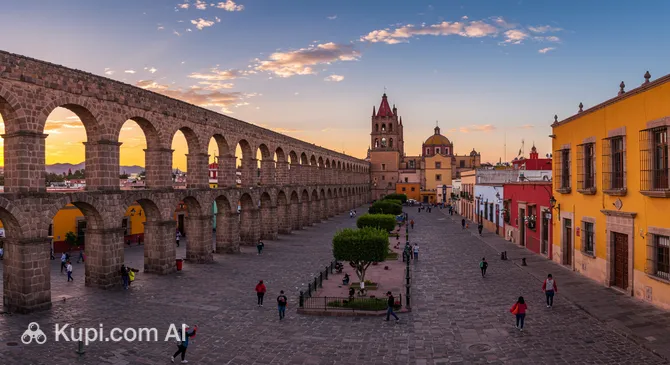
Santiago de Querétaro is a captivating destination that seamlessly blends colonial charm with modern dynamism. Located in the heart of the country, it is often cited as one of the safest and most livable cities in Mexico. Known for its exceptional quality of life and vibrant culture, this city offers a unique atmosphere where history meets progress.
Querétaro. Illustration.
Source: Kupi.com AI
Geographically, the city is situated in the Bajío region at a high altitude, which blesses it with a pleasant, spring-like climate throughout much of the year. With a population of approximately 800,000 residents, Querétaro serves as a bustling economic hub while still maintaining a relaxed and welcoming vibe for visitors.
The city's heritage is deeply ingrained in its streets and architecture. Those interested in the history of Querétaro will find it fascinating to explore the historic center, which is a designated UNESCO World Heritage site. This area is celebrated for its well-preserved Spanish colonial layout and its significant role in the country's independence movement.
Among the top attractions, the iconic Aqueduct (Los Arcos) stands out as a monumental symbol of the city, featuring 74 towering stone arches. Visitors should also explore the stunning baroque architecture of the Temple of Santa Rosa de Viterbo and enjoy a leisurely walk through the lively Plaza de Armas, which is surrounded by beautiful gardens and restaurants.
Whether you are admiring its architectural wonders or enjoying the local cuisine, Querétaro promises an unforgettable experience. It is a perfect destination for travelers seeking a mix of cultural depth and modern comfort.
Weather Overview
Querétaro enjoys a pleasant, semi-arid climate that makes it a comfortable destination to visit year-round. The city is known for its warm days and cooler nights, with distinct dry and wet seasons that shape the travel experience. To plan your packing list effectively, it is helpful to review the detailed weather in Querétaro guide.
The warmest period typically occurs in late spring, particularly in May, when average temperatures reach around 22.4°C and daily highs can climb to just over 30°C. Winters are generally mild and dry, though nights can be crisp; January is usually the coldest month, with average lows dipping to approximately 7.8°C.
Precipitation patterns are clearly defined, with the rainy season spanning from June through September. July is often the wettest month in terms of frequency, seeing about 19 wet days, while the period from November to April remains remarkably dry, often recording zero precipitation.
Average monthly temperature
Average monthly precipitation
Interesting Facts
Beyond the main attractions and well-trodden paths, Querétaro holds many fascinating secrets and legends that add depth to its colonial beauty. Exploring these lesser-known stories reveals a city rich in mystery, romance, and unique historical footnotes.
Cerro de las Campanas National Park. Illustration.
Source: Kupi.com AI
Traveler photos:
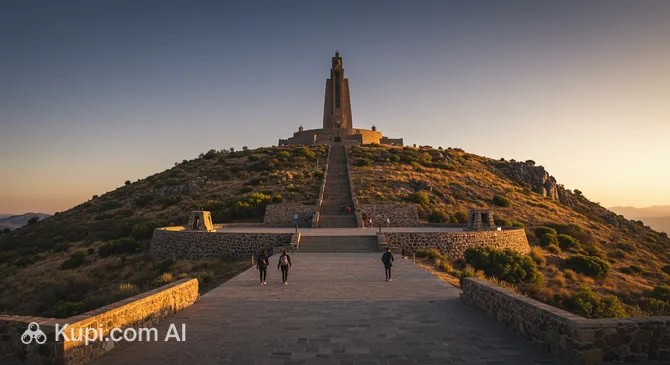
One of the most curious natural phenomena in the city can be found at the Cerro de las Campanas National Park. The hill gets its name ("Hill of the Bells") from strange rocks found there that, when struck, produce a metallic ringing sound similar to a bell. This site is also historically significant as the place where Emperor Maximilian of Habsburg was executed in 1867, marking a pivotal moment in Mexican history.
The city is home to a chilling local legend centered around the Casa de la Zacatecana Museum. Folklore says the 17th-century mansion was inhabited by a woman known as "La Zacatecana," who allegedly ordered the murder of her husband and then killed the executor herself, burying both bodies in the house's stables. Today, the museum displays art and artifacts, but the ghostly tale remains a major draw.
While the Aqueduct of Querétaro is a famous landmark, the romantic motivation behind it is often overlooked. Legend has it that the wealthy Marquis who funded its construction in the 18th century did so out of unrequited love for a Capuchin nun. He built the massive structure to ensure her convent had a supply of fresh, clean water, making it one of the largest monuments to love in the region.
Querétaro hosts one of the most unusual collections in the world at the Museum of the Calendar. Housed in a beautifully restored mansion, this museum is dedicated entirely to the history of timekeeping and calendars, featuring everything from ancient Aztec sun stones to vintage advertising calendars, a rarity that few other cities possess.
How to Get There
Reaching this vibrant destination is straightforward, thanks to its central location and excellent connectivity. Whether you are arriving from within Mexico or from abroad, there are several convenient options to choose from. For a comprehensive overview of all transport methods, including buses and driving routes, you can read more about how to get to Querétaro.
The most direct way to arrive is by flying into Queretaro Intercontinental Airport (QRO). This international airport serves as the primary gateway and is conveniently located just 21.5 km from the city center. It handles a significant volume of passengers annually, making it a reliable regional hub. A taxi or shuttle ride from here to the heart of the city typically takes around 50 minutes, depending on traffic conditions.
If you cannot find a direct flight, a viable alternative is the Guanajuato International Airport (BJX), situated in the city of Leon. Although it is approximately 122.1 km away from Querétaro, it offers additional flight connections. Travelers landing here should plan for a ground transfer of about 3.5 hours to reach their final destination.
Another option for international travelers is the Felipe Angeles International Airport (NLU) in Mexico City. While it is a major facility handling millions of passengers, it is located about 170.7 km from Querétaro. The journey by road from this airport can take approximately 4.5 hours.
For clarity, here is a summary of the main airports:
A visit to this colonial gem would not be complete without exploring the Regional Museum of Querétaro. Located in the former Convent of San Francisco, this imposing structure is a key landmark in the historic center. Inside, it houses a rich collection of artifacts that trace the region's history from pre-Hispanic times through the colonial period and the struggle for independence, offering deep insights into the local culture.
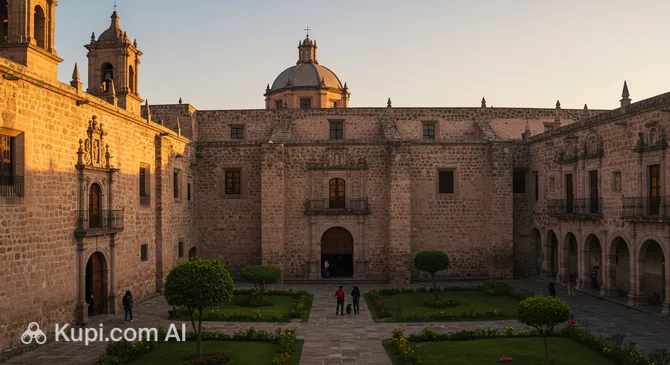
For art enthusiasts, the Querétaro Museum of Art is an essential stop. Housed in the meticulously restored Monastery of San Agustín, the building is famous for its breathtaking baroque courtyard, which is often cited as one of the most beautiful in Latin America. The museum displays a significant collection of European and Mexican paintings from the 17th to the 19th centuries, providing a visual feast within a serene historical setting.
Querétaro Museum of Art. Illustration.
Source: Kupi.com AI
Traveler photos:
To capture the most iconic photo of the city, travelers should head to the Viewpoint of the Arches. This vantage point offers a spectacular panoramic view of the monumental Aqueduct, allowing visitors to appreciate the scale and engineering of the 74 stone arches that define the city's skyline. It is an ideal spot for sunset, when the warm light illuminates the stone structure.
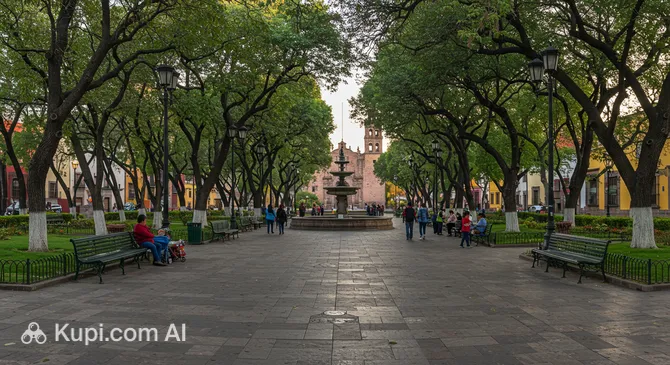
Those seeking a peaceful retreat amidst nature will enjoy the Alameda Hidalgo Park. As the city's oldest and largest park, it serves as a green lung filled with ancient trees, fountains, and wide pathways. It is a favorite gathering place for locals and offers a relaxing atmosphere for a leisurely stroll or a quiet break from sightseeing.
Alameda Hidalgo Park. Illustration.
Source: Kupi.com AI
Traveler photos:
Another fascinating site is the Old Train Station, which stands as a testament to the city's industrial past. The historic building features distinctive architecture and has been preserved to showcase the legacy of the railway system in the region. It is a charming spot that often hosts cultural activities and allows visitors to step back in time to the golden age of rail travel.
Local Cuisine
The culinary landscape of Querétaro is a delightful journey through flavors that blend pre-Hispanic traditions with Spanish colonial influences. The city's food scene is characterized by its unpretentious yet rich offerings, ranging from hearty street food found in bustling markets to sophisticated dining experiences in restored colonial courtyards. One of the most defining aspects of the local gastronomy is the use of fresh, regional ingredients, particularly corn, cheese, and chili peppers.
A must-try signature dish is the famous Enchiladas Queretanas. Unlike other versions found across Mexico, these are distinctively prepared with tortillas dipped in a red guajillo chili sauce and lightly fried. They are typically filled with cheese or chicken and, most importantly, topped with a generous garnish of diced potatoes and carrots that have been fried in the same sauce, creating a savory and comforting meal.
Another staple of the local diet is the Gordita de Migajas. These thick, pocket-like tortillas are made from "broken" corn dough (maíz quebrado) and stuffed with savory pork cracklings (migajas) or melted cheese. They are a favorite breakfast or lunch item, often served with spicy salsa and nopales (cactus pads), offering a crunchy texture and a smoky flavor profile that locals adore.
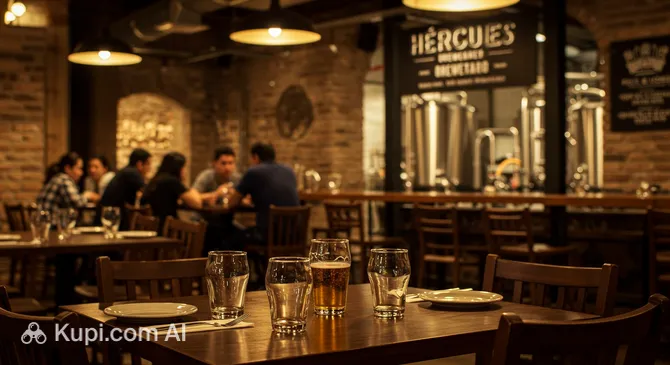
Hércules Brewery. Illustration.
Source: Kupi.com AI
Traveler photos:
Beyond the food, the region is gaining international acclaim for its beverages. Querétaro is the heart of Mexico's cheese and wine region, making local wine a popular choice at dinner tables. However, the craft beer scene has also exploded in recent years. A prime example of this movement is the Hércules Brewery. Located in a repurposed historic textile factory, it offers a unique atmosphere where visitors can sample locally brewed lagers and ales while enjoying a vibrant social setting.
For a more traditional dining atmosphere, travelers often head to the historic center, where restaurants spill out onto plazas and pedestrian streets. Here, you can enjoy classic Mexican dishes while soaking in the colonial architecture. Whether you are grabbing a quick bite at a market stall or sitting down for a multi-course meal at a place like the Domun Hotel Restaurant, the hospitality and flavors of Querétaro are sure to leave a lasting impression.
Travel Tips
Welcome to Querétaro! To ensure your journey through this colonial jewel and its surrounding regions is as smooth as it is memorable, we have compiled a set of essential guidelines to help you navigate local life with ease.
Clothing and Gear: Given the city's high altitude and semi-arid climate, the weather can change noticeably throughout the day. It is best to dress in layers; mornings and evenings can be quite crisp, while afternoons are often warm and sunny. Pack a light jacket or sweater even in summer. Most importantly, bring comfortable, sturdy walking shoes, as the historic center is paved with cobblestones that can be uneven and slippery. If you plan to visit churches, dress modestly by covering your shoulders and removing hats.
Transportation: The historic center is best explored on foot, as many streets are pedestrian-only or very narrow. For longer distances, ride-hailing apps like Uber and DiDi are widely available, safe, and generally more convenient than hailing traditional taxis on the street. Public buses (Qrobús) exist, but routes can be complex for visitors and often require a prepaid card. Car rental is not necessary for the city itself but is highly recommended if you plan to explore the nearby wine region or the Sierra Gorda.
Finances: The official currency is the Mexican Peso (MXN). While major hotels, restaurants, and shopping malls accept credit and debit cards (Visa and Mastercard are standard), cash is king for street food, small museums, and local markets. It is advisable to withdraw pesos from ATMs located inside banks or shopping centers for safety. Tipping is customary; leave 10-15% at restaurants and a few coins for grocery baggers and parking attendants.
Health and Safety: Querétaro is considered one of the safest cities in Mexico, but standard precautions apply. Stick to well-lit areas at night and keep an eye on your belongings in crowded markets. Tap water is generally not safe to drink; always opt for bottled or purified water. Pharmacies like Farmacias Guadalajara or Farmacias del Ahorro are abundant, and many operate 24 hours a day, often with a doctor available for minor consultations next door.
Communication: Spanish is the primary language. While staff in high-end hotels and tourist restaurants often speak English, it is less common in local shops and street stalls. Learning a few basic phrases like "Buenos días" (Good morning) and "Gracias" (Thank you) goes a long way. You can easily buy a SIM card from providers like Telcel at ubiquitous OXXO convenience stores to stay connected with maps and translation apps.
Local Etiquette: Politeness is highly valued here. Always greet shopkeepers or taxi drivers when entering their space. A unique and charming local custom is to say "Provecho" (Bon appétit) to strangers when you walk past their table in a restaurant or see them eating; it is a friendly gesture that locals appreciate. When greeting someone you have met before, a handshake or a light hug is common.
What to Avoid: Do not rely solely on US dollars; while some vendors might accept them, the exchange rate will be poor, and it is generally expected to pay in pesos. Avoid loud or disruptive behavior in religious sites and museums, as the local culture tends to be respectful and somewhat conservative in these spaces.
Sunday Vibes: If your schedule permits, spend a Sunday in the city. The historic center often closes streets to cars, allowing families and cyclists to take over. It creates a festive, relaxed atmosphere perfect for wandering around the plazas, listening to live music, and enjoying the local street snacks without the noise of traffic.
Armed with these practical tips, you are all set to immerse yourself in the vibrant culture and history of Querétaro. Enjoy the warm hospitality and the unique charm that make this city a favorite destination for travelers from around the world!
Entertainment & Nightlife
Entertainment and Nightlife:
As the sun sets over the colonial aqueduct, Querétaro transforms into a vibrant hub of evening activity. The city offers a sophisticated yet energetic nightlife scene that caters to diverse tastes, ranging from quiet bohemian terraces in the historic center to pulsing nightclubs in the modern districts. Unlike the chaotic party atmosphere of coastal resorts, the nightlife here is characterized by a safe, welcoming, and local vibe, where conversation and music blend seamlessly.
The heart of the action is undoubtedly the Centro Histórico. Pedestrian walkways like Andador Libertad and the areas surrounding Plaza de Armas are lined with cantinas, rooftop bars, and bistros. For a more modern and upscale experience, the districts around Boulevard Bernardo Quintana offer trendy clubs and lounge bars where the city's fashionable crowd gathers. Thursday through Saturday are the peak nights, with many venues staying open until 2:00 or 3:00 AM.
For those looking to dance the night away in a unique setting, La Fábrica is a standout venue. This nightclub is known for its industrial-chic aesthetic and energetic atmosphere, often hosting DJs that play a mix of electronic and Latin hits. It is a popular spot for both locals and visitors seeking a high-energy experience in a stylish environment.
La Fábrica. Illustration.
Source: Kupi.com AI
Traveler photos:
If you prefer a night filled with singing and nostalgia, Décadas Canta Bar offers a fun, interactive environment. As a "canta bar" (karaoke bar), it focuses on hits from the 80s, 90s, and 2000s, encouraging patrons to grab the microphone or simply sing along from their tables. It is an excellent choice for groups of friends looking to let loose. For a more laid-back evening with good drinks and casual conversation, La Marmota Cimatario provides a relaxed pub-style atmosphere perfect for unwinding.
Before the party starts, there are plenty of entertainment options to fill the late afternoon and early evening. Adventure seekers can challenge their minds at Enigma Rooms Queretaro, an escape room experience that is perfect for team building or family fun. Additionally, the city boasts a respectable theater scene, with venues like the Corral de Comedias offering traditional Mexican plays and comedy shows, often accompanied by dinner.
Practicalities are important for a smooth night out. The dress code in Querétaro is generally "smart casual"; while you don't need a tuxedo, shorts and flip-flops are often discouraged in clubs and nicer bars. Prices are moderate compared to Mexico City, with beers and cocktails being reasonably priced. In terms of safety, the main nightlife zones are well-patrolled and secure for walking, but it is always advisable to use ride-sharing apps like Uber or DiDi to get back to your hotel late at night rather than hailing taxis on the street.
Parks & Museums
Querétaro is a city that breathes culture and history through its open spaces and well-curated institutions. Beyond its colonial streets, the city offers a refreshing variety of green areas and galleries that allow visitors to connect with both the natural environment and the region's artistic heritage. Whether you are looking for a quiet bench to read a book or a deep dive into local art, the city has plenty to offer.
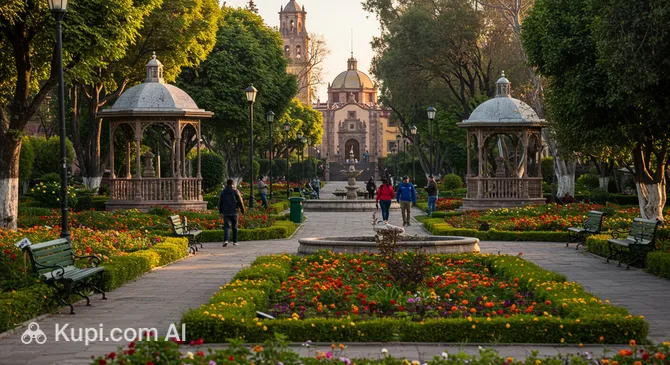
While the Alameda Hidalgo is the city's most famous lung, those seeking a more intimate atmosphere should visit the Guerrero Garden. Located in the heart of the historic center, this lovely square was originally part of the Santa Clara convent atrium. It features a beautiful fountain and ancient trees, making it a favorite spot for locals to play chess or enjoy an ice cream. For a more active experience, Carretas Park offers a lush, green corridor perfect for morning jogs or leisurely walks in a quieter residential neighborhood.
Guerrero Garden. Illustration.
Source: Kupi.com AI
Traveler photos:
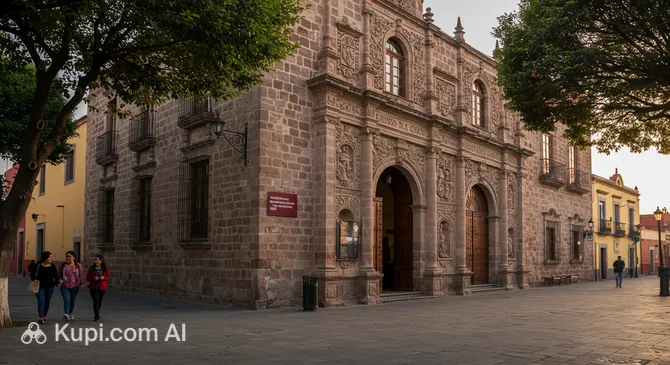
The city's museum scene is incredibly diverse, moving beyond traditional history to showcase specific artistic movements. A highlight is the Museum of the City (Museo de la Ciudad), housed in the former Royal Convent of San José de Gracia. This venue focuses on contemporary cultural expressions, including theater, visual arts, and photography, all set against the backdrop of stunning colonial architecture. It is a vibrant space where the past serves as a stage for modern creativity.
Art enthusiasts should not miss the Santiago Carbonell Museum. This institution is dedicated to the work of the master painter Santiago Carbonell, known for his breathtaking hyper-realistic style. The museum houses a significant collection of his paintings, offering a fascinating look into his technique and artistic evolution. Another key cultural stop is the Museum of Sacred Art, which preserves an impressive collection of religious paintings and sculptures that define the spiritual history of the region.
Museum of the City. Illustration.
Source: Kupi.com AI
Traveler photos:
Walking through Querétaro is like navigating an open-air museum. A significant landmark is Founders' Square (Plaza de los Fundadores), which marks the legendary spot where the city was established. Just a short walk away, the San Francisco Temple dominates the skyline with its distinct ochre facade. As the first religious building constructed in the city, it stands as a cornerstone of Querétaro's colonial identity and serves as a central point of reference for travelers.
For families or those interested in aquatic life, the Kaknab Aquarium provides an educational escape from the heat. It features a variety of freshwater and marine species, offering an engaging experience that highlights the importance of aquatic ecosystems. It is a smaller, yet delightful attraction that adds variety to the city's cultural offerings.
For a truly unique and lesser-known experience, seek out the Jardín de los Platitos. This curious little spot is known for its quirky decoration involving small plates and ceramic pieces embedded in the architecture, offering a charming and photogenic glimpse into local folk creativity that you won't find in standard guidebooks.
Getting Around
Navigating Querétaro is relatively straightforward, although the options differ slightly from what you might find in larger metropolises. The city does not have a metro or subway system; instead, the public transport network relies almost entirely on an integrated bus system known as Qrobús. These buses connect the historic center with residential neighborhoods, shopping districts, and industrial zones, serving as the primary mode of transit for locals.
The Qrobús network is divided into different types of routes, often color-coded or marked as "Troncales" (main lines) and "Complementarias" (feeder lines). While the system is extensive, it can be somewhat complex for first-time visitors due to the variety of routes. Modern buses are gradually replacing older units, offering a more comfortable ride, particularly on the main avenues where dedicated lanes help speed up travel times during rush hours.
To use the bus system effectively, you will need to understand the payment method, as cash is increasingly being phased out on many routes. The standard way to pay is using the Qrobús prepaid card. Fares are affordable, typically costing around 11 MXN per ride. If you transfer between buses within a certain time window, the second fare is often discounted or free, making it an economical choice for longer journeys across the city.
For tourists, the most practical advice is to purchase a Qrobús card immediately upon arrival if you plan to use public transit frequently. These cards can be bought and recharged at OXXO convenience stores, which are found on nearly every corner, or at automated vending machines located at major bus stations (estaciones). To board, simply tap your card on the reader near the driver. Operating hours generally run from 5:00 AM to 10:00 PM, though frequency drops significantly after 9:00 PM.
Given that bus routes can be confusing, many visitors prefer alternatives for convenience. Ride-hailing apps like Uber and DiDi are extremely popular, safe, and reasonably priced in Querétaro. They offer a stress-free way to get from point A to point B without worrying about route maps or language barriers. Traditional yellow taxis are also available; if you hail one on the street, ensure the driver uses the meter (taxímetro) or agree on a fare before starting the trip, as meters are not always used strictly.
A unique feature of the city's transport landscape, specifically for visitors, is the Tranvía Turístico. While not a public transport mode for commuting, these vehicles are designed to look like vintage trams and offer guided tours around the historic center. They are an excellent way to get an overview of the main attractions without walking long distances. You can typically find their departure points near the Plaza de Armas or the Alameda Hidalgo.
Finally, for short distances within the UNESCO-listed historic center, walking remains the best option. The area is compact, and many streets are pedestrian-friendly. For those who prefer two wheels, the city has been expanding its cycling infrastructure, and a public bike-sharing system called Qrobici is available. Users can register via an app to rent bikes for short trips, which is a lovely way to explore the colonial streets on a sunny afternoon.
Accommodation
Where to Stay:
Finding the perfect place to stay in Querétaro is an integral part of the travel experience, with options ranging from budget-friendly hostels to luxurious boutique hotels housed in centuries-old mansions. The city offers a diverse accommodation landscape that caters to history buffs, business travelers, and backpackers alike.
For those seeking total immersion in the local culture, the Historic Center (Centro Histórico) is the most popular and atmospheric choice. Staying here puts you within walking distance of the main plazas, museums, and pedestrian streets. Many hotels in this area are "Casonas"—restored colonial houses that feature beautiful central courtyards, stone fountains, and thick walls that keep the rooms cool. These properties often blend old-world charm with modern comforts, offering a romantic and unique stay.
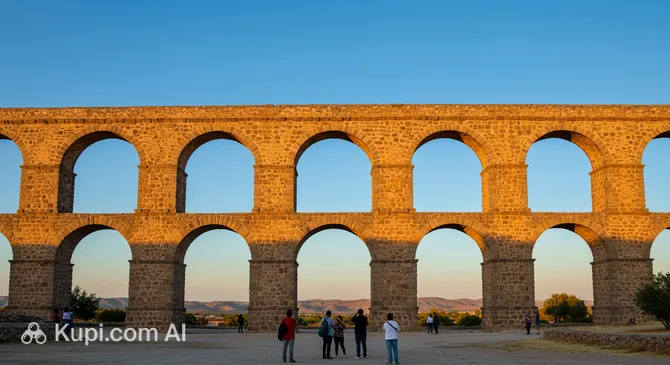
Aqueduct of Querétaro. Illustration.
Source: Kupi.com AI
Traveler photos:
If you prefer modern amenities, ample parking, or are visiting for business, the areas surrounding the iconic Aqueduct of Querétaro and the Boulevard Bernardo Quintana are excellent alternatives. These districts feature larger chain hotels, contemporary high-rises, and resorts that offer swimming pools, gyms, and easy access to the city's main highways. This location is particularly convenient for travelers who plan to rent a car to explore the nearby wine regions or the Sierra Gorda.
Booking Tip: Querétaro is a favorite weekend getaway for domestic tourists, especially from Mexico City. Consequently, hotels in the Historic Center can fill up quickly on Friday and Saturday nights. It is highly advisable to book your accommodation at least a few weeks in advance if you plan to visit during the weekend or on national holidays.
The price range is generally very reasonable compared to coastal destinations. Budget travelers can find comfortable hostels and guesthouses for a modest fee, while mid-range options offer excellent value for money. Luxury boutique hotels in the center command higher prices but provide exceptional service and atmosphere. Booking is easily done through major online platforms, though contacting smaller boutique hotels directly can sometimes yield better rates or special packages.
Nearby Cities
For those looking to explore the surroundings, Querétaro serves as an excellent base for day trips to several interesting nearby locations. The region is rich in history, gastronomy, and culture, offering travelers the chance to discover distinct local flavors and architectural gems just a short drive away.
One of the most popular nearby stops is Celaya, known throughout Mexico as the "Golden Gate of the Bajío." It is most famous for its production of cajeta, a delicious sweet caramel made from goat's milk. Beyond its culinary fame, the city boasts impressive neoclassical architecture, including the iconic water tower known as "La Bola del Agua." A visit here offers a perfect mix of sweet treats and historical sightseeing.
Another excellent destination is San Juan del Rio, a city with deep colonial roots and a designated UNESCO World Heritage site as part of the Camino Real de Tierra Adentro. It serves as a gateway to the region's growing wine and cheese circuit. Visitors can explore its charming historic center, visit nearby vineyards, or relax in the thermal waters that the area is known for.
For food enthusiasts, a quick trip to Santa Rosa Jauregui is a must. Located just minutes from the capital, this town is legendary among locals for its carnitas (slow-cooked pork tacos). It provides an authentic and savory culinary experience that perfectly complements a morning of exploration.
City
Population
Distance
Santa Rosa Jauregui
86 376
18 km
Apaseo el Alto
64 443
28 km
Coroneo
10 347
43 km
Celaya
494 304
44 km
La Trinidad
83 111
45 km
These nearby destinations offer a glimpse into the diverse culture and landscapes of the region, allowing visitors to expand their itinerary beyond the city limits.
Shopping & Souvenirs
Shopping in Querétaro offers a delightful contrast between the old and the new, mirroring the city's overall character. Visitors can spend their morning bargaining for traditional handicrafts in colorful markets and their afternoon browsing international luxury brands in sprawling, modern shopping centers. Whether you are looking for unique artisanal treasures or the latest fashion trends, the city provides a diverse retail experience that caters to every budget and taste.
For a charming and authentic experience, the best place to start is the Historic Center. The pedestrian streets, particularly the famous Andador Libertad, are lined with boutique shops, art galleries, and jewelry stores. Walking down these cobblestone pathways allows you to discover locally made clothing, silver jewelry, and intricate ceramics while enjoying the colonial atmosphere. It is the perfect area to find high-quality gifts that reflect the region's artistic heritage.
If you prefer a modern retail environment, the city boasts several impressive shopping malls. One of the most popular is Puerta La Victoria Mall, conveniently located near the city center. This lifestyle center features a wide range of fashion retailers, a cinema, and a variety of dining options, all designed with open-air elements that take advantage of the city's pleasant climate.
Puerta La Victoria Mall. Illustration.
Source: Kupi.com AI
Traveler photos:
Another major destination for shoppers is Paseo Querétaro. Situated in the northern part of the city, this expansive mall is one of the largest in the region. It houses major department stores, international clothing chains, and entertainment facilities. Its modern architecture and extensive selection make it a favorite spot for families and serious shoppers looking for a full day of retail therapy.
For a taste of local life, a visit to the traditional markets is essential. The Mercado de la Cruz is the most famous and bustling market in the city. Here, you can wander through endless aisles selling fresh produce, piñatas, and local snacks. It is also a great place to find the Mercado de Artesanías section, where artisans sell handmade goods directly. Sunday is particularly lively, as a large flea market (tianguis) expands into the surrounding streets.
When it comes to souvenirs, Querétaro is famous for a few specific items. The most iconic is the Lele doll, a colorful rag doll with ribbons in her hair, originating from the nearby town of Amealco; it has become a symbol of the state. Additionally, the region is known for its deposits of semi-precious stones, particularly fire opals. You can find beautiful opal jewelry in reputable shops in the center. Don't forget the region's gastronomic products, such as artisanal cheeses and wines from the local vineyards.
Opening Hours and Payment: Major shopping malls typically operate from 11:00 AM to 9:00 PM daily. Smaller boutiques in the historic center usually open around 10:00 AM and close by 8:00 PM, though some may close on Sundays. While credit and debit cards are widely accepted in malls and established stores, cash is absolutely necessary for street markets and smaller handicraft stalls.
Tax-Free Shopping: International tourists visiting Mexico may be eligible for a tax refund (Moneyback) on purchases made at participating stores. To qualify, you generally need to spend a minimum amount and present your passport and immigration form. Look for the "Tax Free" logo in shop windows, particularly in larger malls, and ask for the special invoice required to process the refund at the airport upon departure.