Support

Uruapan

About

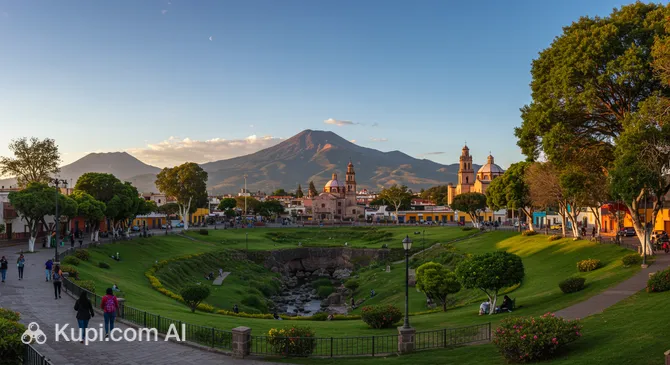
Nestled in the lush highlands of the state of Michoacán, Uruapan is a vibrant destination renowned for its rich natural beauty and agricultural abundance. As the second-largest city in the region, it serves as a bustling commercial hub while maintaining a unique charm that draws travelers from around the globe. Often referred to as the "Avocado Capital of the World," this city offers a fascinating glimpse into the cultural and ecological heart of Mexico.

Uruapan. Source: Kupi.Binoculars

The city enjoys a pleasant, temperate climate that fosters dense vegetation and blooming gardens year-round. With a population of over 330,000 residents, Uruapan sits at the transition between the mountain plateau and the tropical lowlands, creating a diverse environment. One of its most spectacular features is the Barranca del Cupatitzio National Park, an urban oasis where the Cupatitzio River—known as the "River that Sings"—emerges, creating a series of enchanting waterfalls and tropical flora.

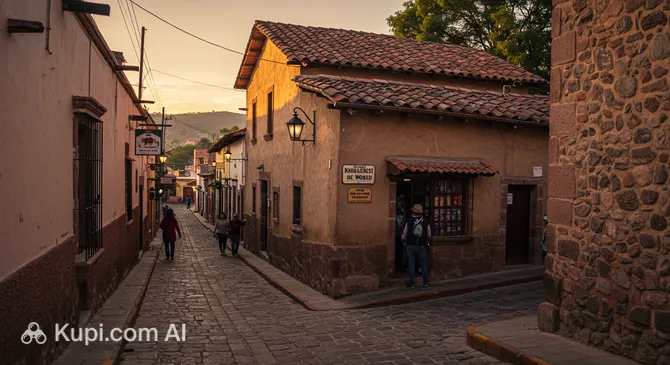
Beyond its natural wonders, the city is steeped in tradition. Visitors can explore the history of Uruapan through its well-preserved colonial architecture and landmarks like La Huatapera, a 16th-century hospital turned museum. Additionally, the city serves as the gateway to the famous Parícutin volcano, offering adventurous day trips to see the youngest volcano in the Western Hemisphere.

Whether you are wandering through its verdant parks, tasting local delicacies at the market, or simply enjoying the relaxed atmosphere, Uruapan invites you to discover a side of the country that is both authentic and refreshing.

Weather Overview

Uruapan enjoys a mild, temperate climate that makes it a pleasant destination to visit at almost any time of the year. The overall weather in Uruapan is characterized by consistent warmth during the day and cooler evenings, with a clear distinction between the dry and rainy seasons.

The warmest period typically occurs in late spring, particularly in April and May, when average temperatures reach around 20°C and daily highs can climb to 27°C. Conversely, the winter months of December and January are cooler, with average temperatures dipping to approximately 15°C and nighttime lows reaching roughly 9°C. Generally, you can expect warm days year-round, but it is advisable to pack layers for the fresher mornings and nights.

Rainfall patterns are quite specific, dividing the year into two phases. The dry season runs from November through April, with March and April seeing almost no precipitation. The rainy season begins in late May and peaks from July to September, where rain occurs frequently—often daily—transforming the landscape into a lush green paradise.

Interesting Facts

Beyond the main attractions and lush landscapes, Uruapan holds several fascinating secrets and cultural distinctions that often surprise visitors. From quirky architectural feats to deep-rooted legends, the city offers unique stories waiting to be uncovered.
The Narrowest House in the World. Source: Kupi.Binoculars
  • The city is home to a peculiar structure widely recognized as The Narrowest House in the World. This slender residence measures only about 1.4 meters (4.6 feet) in width, yet it was designed to be fully functional and was once inhabited by a local family, making it a popular spot for curious photo opportunities.

  • Local folklore attributes the origin of the Cupatitzio River to a legend known as "La Rodilla del Diablo" (The Devil's Knee). According to the tale, the devil knelt by the spring in a fit of rage or mockery, leaving a permanent indentation in the rock that caused the crystal-clear waters to burst forth, a site that can still be visited within the national park.

  • Uruapan hosts the largest artisan craft market in Latin America every year during the Easter holidays. The "Tianguis Artesanal de Domingo de Ramos" brings together over a thousand artisans from various indigenous communities in Michoacán, displaying millions of handmade pieces ranging from intricate pottery to vibrant textiles.

  • The region preserves the ancient pre-Hispanic technique known as "Maque," a complex form of lacquer art. Artisans use natural elements like insect grease (aje), plant oils, and powdered earth pigments to create glossy, durable designs on gourds and wooden trays, a process that can take months to complete.

How to Get There

Reaching this vibrant city in Michoacán is quite convenient, thanks to its own local airport and proximity to major regional hubs. Whether you are flying domestically or arriving from abroad, there are several routes to choose from. For a detailed breakdown of all transport options, you can read more about how to get to Uruapan.

The most direct way to arrive is by flying into the Licenciado y General Ignacio Lopez Rayon Airport (IATA: UPN). This facility is located right in Uruapan, just 1.2 km from the city center, making the transfer incredibly quick—often less than 10 minutes by taxi. While it is a smaller airport with lower passenger volume, it offers the ultimate convenience for travelers.

For a wider range of international connections, many visitors choose the Don Miguel Hidalgo y Costilla International Airport (IATA: GDL) in Guadalajara. It is a major hub situated approximately 181 km away. The drive from Guadalajara to Uruapan typically takes around 3 hours by car or bus. Another excellent alternative is the Morelia Airport (IATA: MLM) in the nearby city of Morelia. Located about 118 km from Uruapan, it offers a shorter transfer time of roughly 1.5 to 2 hours.

For clarity, here is a summary of the main airports:

Airport Name City Passenger Traffic Km from City
Don Miguel Hidalgo y Costilla International AirportGuadalajaraHigh181.3
Guanajuato International AirportLeonHigh185.3
Morelia AirportMoreliaMedium117.5
Colima AirportColimaSmall161.9
Licenciado y General Ignacio Lopez Rayon AirportUruapanSmall1.2

Main Attractions

Discovering Uruapan means immersing yourself in a blend of colonial history, indigenous culture, and inviting green spaces. While the city is famous for its natural surroundings, the downtown area and local parks offer their own set of unique experiences for travelers.

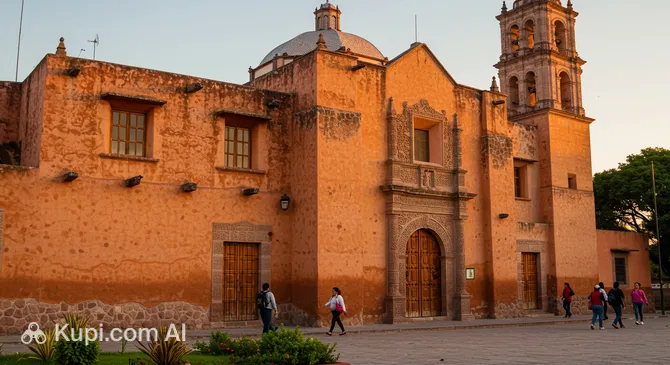
La Huatápera Indigenous Museum. Source: Kupi.Binoculars

One of the most significant cultural landmarks in the city is the La Huatápera Indigenous Museum. Originally founded in the 16th century by Don Vasco de Quiroga as a hospital for the indigenous population, this stunning building is a masterpiece of colonial architecture featuring intricate stone carvings and a peaceful courtyard. Today, it serves as a museum showcasing the rich artistic traditions of the Purepecha people, displaying beautiful lacquerware, textiles, and pottery that the region is famous for.

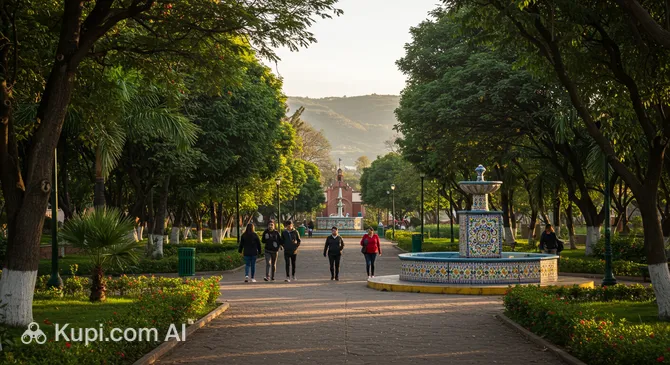
La Pinera Park. Source: Kupi.Binoculars

For those looking to enjoy the outdoors in a relaxed setting, La Pinera Park is a wonderful choice. This recreational area is a favorite among locals for family gatherings, jogging, and leisurely walks under the shade of tall pine trees. It offers a refreshing escape from the city streets and provides ample space for picnics or simply soaking up the pleasant mountain climate that Uruapan is known for.

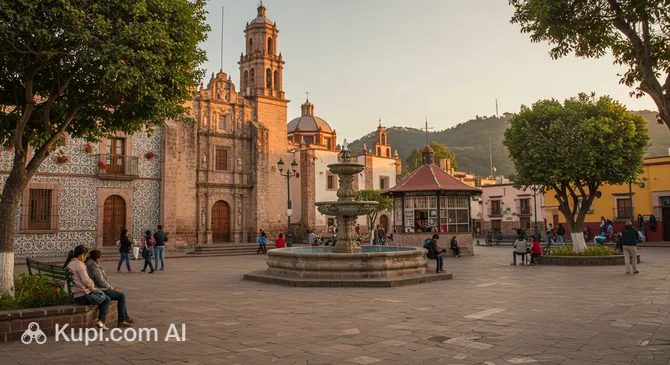
La Ranita Community Plaza. Source: Kupi.Binoculars

Another charming spot to visit is La Ranita Community Plaza. This picturesque square captures the essence of local neighborhood life. It is an excellent place to sit and watch the world go by, admire the surrounding traditional architecture, or enjoy a quiet moment away from the busier tourist hubs. Its authentic atmosphere makes it a delightful stop for those exploring the city on foot.

Local Cuisine

The culinary landscape of Uruapan is a vibrant reflection of Michoacán’s rich gastronomic heritage, which is often considered the soul of traditional Mexican cuisine. As the global capital of avocados, you can expect this creamy fruit to feature prominently in many meals, often served simply with a pinch of salt or as the base for exceptional guacamole. However, the local flavors extend far beyond this famous export, offering an authentic taste of Purepecha recipes that have been preserved for centuries.

A visit to Uruapan is incomplete without savoring Carnitas, the region's most iconic dish. This tender pork is slow-cooked in large copper cauldrons until it is golden and crispy on the outside while remaining juicy on the inside. Another staple you must try is the Corunda, a unique triangular tamale wrapped in green corn leaves, typically served with cream, fresh cheese, and a mild tomato salsa. For a sweeter option, look for Uchepos, which are soft tamales made from tender sweet corn, often enjoyed for breakfast or as a dessert.

When it comes to beverages, the city is proud of Charanda, a sugarcane spirit similar to rum that is protected by a denomination of origin unique to this region. It is often enjoyed as an aperitif or mixed into refreshing cocktails. For non-alcoholic alternatives, the local hot chocolate is rich and frothy, pairing perfectly with the cool mountain evenings. Additionally, the coffee grown in the surrounding highlands is aromatic and highly regarded by locals.

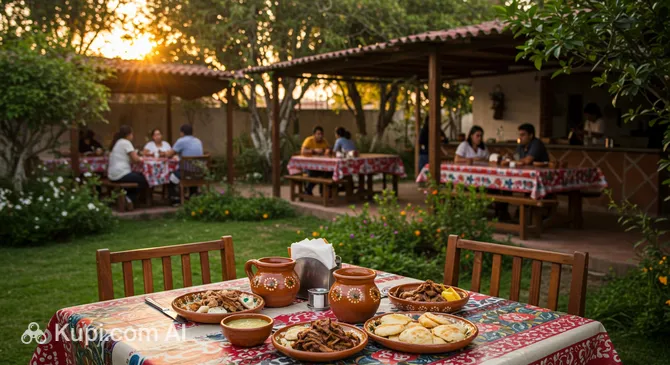
Dining in Uruapan offers a mix of experiences, from the bustling energy of the Mercado de Antojitos—a street food market famous for its variety of snacks—to cozy, family-run establishments. For those seeking a comfortable place to enjoy traditional seasoning and hearty portions, El Rincón de Aguililla is a popular restaurant that captures the essence of regional cooking.

El Rincón de Aguililla. Source: Kupi.Binoculars

If you are in the mood for a classic sweet treat after your meal, Doña Churros is another local favorite worth visiting. Whether you choose to eat at a lively market stall or a sit-down venue, the food scene in Uruapan is characterized by its freshness, deep earthy flavors, and the warm hospitality of its people.

Travel Tips

To ensure your visit to the "Avocado Capital of the World" is as smooth and enjoyable as possible, we have compiled a set of essential guidelines. These practical tips will help you navigate Uruapan’s local customs, climate, and logistics, allowing you to focus on the beauty of the region.

  1. Clothing and Gear: Since Uruapan enjoys a temperate climate, packing layers is the best strategy. Mornings and evenings can be crisp, while afternoons are generally warm. Bring a light jacket or sweater and comfortable walking shoes, especially for exploring the Barranca del Cupatitzio National Park or the cobblestone streets of the city center. If you are visiting during the rainy season (June to September), a waterproof jacket or umbrella is essential.
  2. Transportation: The most common way to get around the city is by using local taxis or "combis" (collective vans). Public buses are affordable and cover most routes, but they can be confusing for first-time visitors. Taxis do not always use meters, so it is customary to agree on the fare before starting your journey. While walking is a great way to see the historic center, for longer distances or trips to the airport, asking your hotel to call a trusted taxi is recommended.
  3. Finances: The local currency is the Mexican Peso (MXN). While major hotels, supermarkets, and established restaurants accept credit and debit cards, cash is king in local markets, small shops, and for street food. ATMs are widely available around the main plaza and in shopping centers. Tipping is standard practice; leaving 10-15% at restaurants is expected if the service was good.
  4. Health and Safety: Pharmacies are plentiful in Uruapan, with large chains like Farmacias Guadalajara often operating 24 hours a day. As a general precaution, stick to well-lit, populated tourist areas and avoid walking alone late at night. Always drink bottled water rather than tap water to avoid stomach issues. If you plan to hike near the Parícutin volcano, bring sunscreen and plenty of hydration.
  5. Communication: Spanish is the primary language, and English may not be widely spoken outside of major hotels and tourist attractions. It is highly helpful to learn a few basic phrases like "Buenos días" (Good morning) and "Gracias" (Thank you). Purchasing a local SIM card (Telcel offers good coverage) is advisable for navigation and translation apps, as public Wi-Fi can be spotty.
  6. Local Etiquette: Michoacán culture is warm and polite. It is customary to greet people when entering a shop or elevator. When you see someone eating in a restaurant or street stall, it is polite to say "Provecho" (Bon appétit) as you pass by. Locals appreciate patience and courtesy, so a smile goes a long way in daily interactions.
  7. What to Avoid: Do not take photographs of people, especially indigenous locals, without asking for permission first, as it can be considered disrespectful. Additionally, avoid hailing taxis on the street at night in isolated areas; it is safer to use a taxi stand (sitio) or a ride requested by your accommodation.
  8. Local Insight: If you are shopping for souvenirs, look for the "Maque" (lacquerware) or avocado-based products, which are specialties of the region. Visiting the Mercado de Antojitos is a must, but try to go earlier in the day when the food is freshest and the atmosphere is most vibrant.

By keeping these tips in mind, you will be well-prepared to embrace the authentic charm and vibrant culture of Uruapan. Safe travels and enjoy every moment of your adventure in this beautiful corner of Michoacán!

Entertainment & Nightlife

While Uruapan is widely celebrated for its daytime natural beauty and colonial charm, the city also offers a lively and welcoming atmosphere once the sun goes down. The nightlife here is less about massive, high-energy nightclubs found in coastal resorts and more about socializing in vibrant bars, enjoying live music, and savoring late-night snacks. The scene is authentically Mexican, providing a great opportunity to mingle with friendly locals.

The main hub for evening entertainment is typically found along the bustling Paseo Lázaro Cárdenas and the streets surrounding the historic center. Here, you will find a variety of establishments ranging from relaxed lounges to energetic spots where you can dance the night away. The vibe is generally casual to smart-casual; there is rarely a strict dress code, but looking neat is appreciated if you plan to visit the trendier venues.

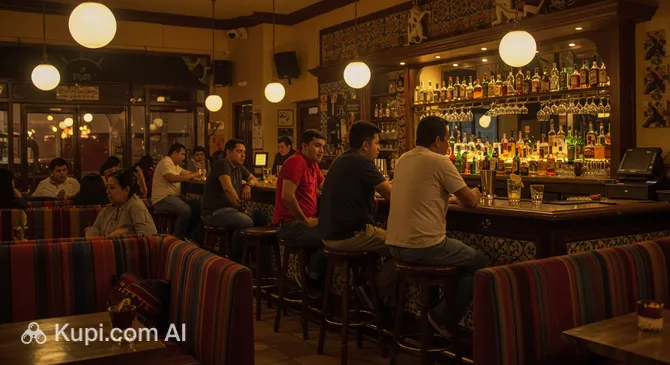
For those looking to enjoy a sophisticated drink in a modern setting, Billy Gin is a popular choice. This bar is known for its extensive selection of gin-based cocktails and a chic atmosphere that appeals to a younger, stylish crowd. It is an excellent spot to start your evening or to enjoy a conversation over high-quality beverages.

Billy Gin. Source: Kupi.Binoculars

If you prefer a place that combines hearty food with a party vibe, California Grill Fish n' Wings offers a dynamic environment. Categorized locally as a spot for nightlife fun, it often features music and a lively crowd, making it perfect for groups who want to eat, drink, and enjoy the energetic ambiance well into the night.

Practical Advice and Safety: The best time to experience the local nightlife is on Friday and Saturday nights when the streets are most active. Prices in Uruapan are generally affordable compared to larger Mexican cities. When moving between venues, it is highly recommended to use a radio taxi or a ride-hailing app rather than walking, especially late at night. Stick to well-lit, busy areas and avoid wandering into quiet neighborhoods after dark. Most venues close around 2:00 AM or 3:00 AM, though some may stay open later on weekends.

Daytime Entertainment: Before the evening sets in, Uruapan offers various leisure activities. You can catch the latest movies at local cinemas located in the shopping malls, such as Plaza Ágora. For a touch of culture, the city occasionally hosts events at local theaters or cultural centers, featuring regional music and dance performances that showcase the rich heritage of Michoacán.

Parks & Museums

Uruapan is widely recognized as a city where urban life coexists harmoniously with exuberant nature. While the city center offers bustling plazas and markets, the true spirit of the region is found in its protected green spaces and repurposed historic buildings. For travelers seeking tranquility or a deep dive into the local artistic scene, the parks and cultural centers here provide an immersive experience into the "River that Sings" and the industrial heritage of Michoacán.

The undisputed highlight for nature lovers is the Barranca del Cupatitzio National Park. This protected area is much more than a typical city park; it is a lush, subtropical sanctuary located right in the heart of the city. It protects the headwaters of the Cupatitzio River, which springs from the rocks within the park at a site known as the "Rodilla del Diablo" (Devil's Knee). Walking through the park, visitors are enveloped by a dense canopy of vegetation, including giant ferns, orchids, and towering trees that create a refreshing microclimate, significantly cooler than the surrounding streets.

Inside the Barranca, a network of paved paths and stone bridges allows guests to wander alongside the rushing crystal-clear water. The river creates numerous cascades and fountains throughout the reserve, filling the air with the soothing sound of falling water. The park is also a haven for biodiversity; it is common to spot colorful butterflies and various bird species flitting through the foliage. For a unique experience, visitors can stop by the trout hatchery located within the grounds, where the fresh mountain water is used to raise fish, a local delicacy often served in nearby stalls.

Continuing the connection with the river, the Parque Lineal La Camelina offers a different perspective. Stretching along the banks of the Cupatitzio River downstream from the national park, this linear park features scenic walkways that integrate the natural river corridor with the urban environment. It is an excellent spot for a leisurely stroll, allowing visitors to appreciate how the river winds through the city while enjoying well-maintained gardens and viewing platforms.

On the cultural front, the Fábrica de San Pedro stands as a testament to Uruapan's ability to reinvent its history. Housed in a 19th-century textile factory, this massive brick structure has been transformed into a vibrant cultural center and event space. The restoration has carefully preserved the industrial architecture, including the original machinery and water wheels, providing a dramatic backdrop for art exhibitions, workshops, and concerts. It is a fascinating venue where the industrial past meets contemporary creativity, offering a distinct contrast to the colonial architecture found elsewhere in the city.

Getting Around

The public transport system in Uruapan is straightforward, road-based, and relies heavily on informal but efficient networks. Unlike larger metropolises, the city does not have a metro, tram, or light rail system. Instead, the primary means of getting around for locals and visitors alike are colectivos (minibuses or vans) and standard urban buses. These vehicles cover a comprehensive network of routes that connect the historic center with residential neighborhoods, parks, and shopping areas.

Colectivos, often referred to locally as "combis," are the backbone of daily transit. These are typically white vans distinguished by colored stripes or numbers that indicate their specific route. They are known for being frequent and agile, navigating the sometimes narrow and hilly streets of the city with ease. Destinations are usually painted on the windshield or displayed on a sign in the front window. To catch one, you simply need to stand at a designated stop or sometimes just wave your hand from a safe spot on the curb, depending on the area.

Regarding payment, the system operates exclusively on cash. There are no travel cards, digital passes, or mobile apps for paying fares on public transit here. Passengers pay the driver directly upon boarding. The fare is very affordable, typically costing around 10 to 12 MXN per ride. It is essential to carry small change (coins or small bills), as drivers often do not have enough change for large denominations. You do not receive a ticket that needs validation; the payment is simply for that single trip.

For those preferring more privacy or direct transport, taxis are abundant and widely used. A crucial detail for tourists is that taxis in Uruapan generally do not use meters. Instead, fares are based on a zone system or are negotiated before the ride begins. It is standard practice to ask the driver, "¿Cuánto cobra a...?" (How much to...?) before getting in. To ensure safety and fair pricing, it is advisable to use "Sitios" (official taxi stands) or ask your hotel or restaurant to call a radio taxi for you.

While ride-sharing apps like Uber or DiDi have a presence in many parts of the region, their availability in Uruapan can fluctuate, and local taxis remain the most reliable option. If you do choose to use an app, be aware that wait times might be longer than in bigger cities. However, for short distances within the downtown area (Centro), walking is often the best alternative. Many of the main attractions, such as the national park and the main plazas, are within comfortable walking distance of each other.

Public transport generally operates from the early morning, around 6:00 AM, until approximately 9:00 PM or 10:00 PM. Service frequency drops significantly after dark, so if you plan to be out late, it is best to arrange for a taxi in advance. Understanding this simple, cash-based system will allow you to navigate the city authentically and economically, offering a closer look at the daily rhythm of life in this vibrant highland city.

Accommodation

Accommodation:

Finding a place to stay in Uruapan is generally a straightforward and pleasant experience, as the city offers a welcoming mix of options that cater to various travel styles. While you will not find the sprawling all-inclusive resorts typical of Mexico’s coastline, the city boasts a charming selection of accommodations ranging from modest, budget-friendly hostels to comfortable mid-range hotels. Many of these establishments are housed in beautiful colonial-style buildings, featuring central courtyards and traditional architecture that enhance the authentic feel of your visit.

For most travelers, the best area to stay is the Historic Center (Centro Histórico). Choosing a hotel in this district places you within walking distance of the main plaza, the vibrant markets, and key attractions like the La Huatápera museum. Staying here allows you to immerse yourself in the daily life of the city, with easy access to cafes and restaurants. Another convenient area is near the Barranca del Cupatitzio National Park or along the Paseo Lázaro Cárdenas, where you can find modern amenities and quick access to transport links.

When planning your trip, it is important to consider the local calendar. Uruapan is a major hub for domestic tourism, particularly during the Easter holidays (Semana Santa) and the famous Artisan Market (Tianguis Artesanal). During these peak times, occupancy rates soar, and rooms can sell out weeks in advance. It is highly recommended to secure your reservation well ahead of time if you plan to visit during these festive periods to ensure you have a comfortable place to rest.

Regarding costs, accommodations in Uruapan are generally quite affordable compared to major tourist destinations like Cancun or Mexico City. You can typically find excellent value for money, with clean and safe rooms available at reasonable rates. While major booking platforms work well for the larger and more established hotels, some smaller, family-run inns may prefer direct contact or payment in cash. Regardless of where you choose to stay, the hospitality in Michoacán is renowned, ensuring a warm and attentive service throughout your visit.

Nearby Cities

Uruapan serves as an excellent starting point for exploring the wider region of Michoacán. The city is surrounded by a diverse array of destinations, ranging from historical "Pueblos Mágicos" (Magic Towns) to bustling agricultural hubs. Whether you are interested in colonial architecture, lakeside traditions, or exploring the "hot lands" of the state, several fascinating cities are located just a short drive away.

City Name Population Distance (km)
Zamora de Hidalgo 207,860 69
Apatzingan 128,250 48
Patzcuaro 79,868 47
Tacambaro 76,661 64
Los Reyes 69,723 49

One of the most popular day trips is to Patzcuaro, located less than an hour away. This charming town is famous for its well-preserved colonial center, cobblestone streets, and deep-rooted indigenous traditions. It sits near the shores of Lake Pátzcuaro and is globally renowned for its spectacular Day of the Dead celebrations. Visitors can explore the bustling House of Eleven Patios or take a boat ride to Janitzio Island.

To the north lies Zamora de Hidalgo, an important commercial city known for its berry production and the impressive Sanctuary of Our Lady of Guadalupe, which features the tallest church towers in Mexico. For a change of climate, you can head south to Apatzingan in the Tierra Caliente region, a place of historical significance where Mexico's first constitution was signed, known for its warm weather and rich history.

Another gem in the vicinity is Tacambaro, often called the "Balcony of the Hot Land" due to its unique location between the mountains and the warmer valley. It offers a mix of pine forests and tropical vegetation, along with attractions like the Alberca de Tacámbaro, a volcanic crater lake.

Shopping & Souvenirs

Shopping in Uruapan offers a delightful contrast between modern convenience and deep-rooted artistic tradition. While the city provides all the contemporary retail experiences one might expect, it is most celebrated for its exceptional handicrafts and local products. Visitors can explore everything from bustling traditional markets filled with vibrant colors to modern commercial centers, making it easy to find both daily necessities and unique treasures to take home.

The heart of the local shopping scene is undoubtedly the Centro Histórico. Walking along the traditional portales (arched walkways) that frame the main plazas, you will find a variety of shoe stores, clothing boutiques, and jewelry shops. This area is perfect for window shopping while soaking in the colonial atmosphere. For a more modern commercial strip, Paseo Lázaro Cárdenas is the city's main avenue, lined with larger retail chains, supermarkets, and specialty stores that connect the different districts of the city.

For those seeking a comprehensive shopping experience with international brands, Plaza Ágora Uruapan is the city’s premier shopping mall. Located centrally, it houses major department stores like Liverpool, a variety of fashion outlets, electronics shops, and a cinema complex. It is a popular gathering spot for locals and offers a comfortable, air-conditioned environment where you can find almost anything you need.

To truly understand the culture of Michoacán, a visit to the local markets is essential. The Mercado Tariácuri is a massive, distinctive orange building located near the center. It is a labyrinth of stalls selling clothing, fresh produce, and general goods. If you are visiting during the Easter holidays (Semana Santa), you are in for a special treat: the city hosts the Tianguis Artesanal, widely considered the largest artisan market in Latin America. During this time, the main plazas overflow with potters, weavers, and woodcarvers from all over the state.

When looking for the perfect souvenir, Uruapan is famous for Maque, a pre-Hispanic lacquerware technique used to create stunningly decorated gourds, trays, and boxes. These intricate pieces are true works of art. Additionally, given the region's agricultural fame, bags of locally grown gourmet coffee and avocado-based products—such as oils and cosmetics—make for excellent and practical gifts. You can also find beautiful textiles and wooden masks that reflect the indigenous Purepecha heritage.

Most shops in the city center operate from approximately 10:00 AM to 8:00 PM, though some smaller businesses may close for a few hours in the afternoon for a siesta or rest on Sundays. The larger shopping malls typically stay open daily from 11:00 AM to 9:00 PM. While major stores and the mall accept credit and debit cards, cash is essential when shopping in traditional markets or buying from street artisans.

International tourists in Mexico may be eligible for a tax refund on certain purchases through the "Moneyback" program. This generally applies to goods bought at participating stores (often larger chains) totaling a minimum amount. To claim this, you must present your passport at the time of purchase and request the specific tax-free forms, which are then processed at departure points like major international airports.
Reached the end of the page?

That means the route is fully explored