Support

Manzanillo

About

Nestled along the Pacific coastline of the state of Colima, Manzanillo is a captivating destination that perfectly blends the energy of a bustling commercial port with the relaxed vibe of a beach resort. Known for its twin bays, Bahia de Manzanillo and Bahia de Santiago, this city offers stunning ocean views and year-round sunshine. As one of the most significant ports in Mexico, it serves as a vital trade hub while welcoming travelers seeking sun and adventure.

With a population of over 190,000 residents, the city feels lively yet accessible. The history of Manzanillo is deeply connected to the sea, evolving from a shipbuilding center in colonial times to a modern tourist favorite. It is famously dubbed the "Sailfish Capital of the World," hosting major international fishing tournaments that draw anglers from across the globe.
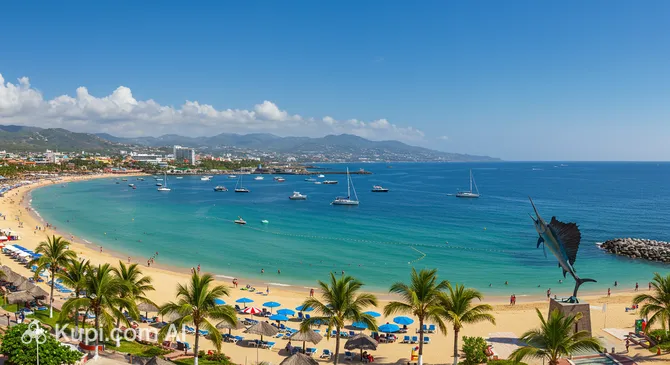
Manzanillo. Source: Kupi.Binoculars

Beyond fishing, the city is renowned for its diverse attractions. Playa La Audiencia is a favorite for water sports and snorkeling due to its calm waters, while the iconic Las Hadas resort features distinctive Moorish-style architecture that gained fame in the movie "10." Visitors can also explore the historic downtown area, known as El Centro, to see the giant blue sailfish sculpture dominating the waterfront plaza.

Whether you are looking to reel in a trophy catch, relax on golden sands, or explore local culture, Manzanillo provides a memorable escape. Its unique combination of industrial importance and natural beauty makes it a fascinating stop for any traveler.
Weather Overview

Manzanillo enjoys a warm tropical climate, making it an inviting destination for beach lovers throughout the year. Temperatures remain remarkably consistent, with daily averages generally hovering between 23°C and 27°C. The coolest nights occur in January, dipping to around 18°C, while May and July see daytime highs reaching up to 30°C.

Travelers should note the distinct difference between the seasons when planning their itinerary. The period from December to May is characterized by dry, sunny days, with months like March and April experiencing almost no rainfall. In contrast, the weather in Manzanillo shifts significantly from June through October. This season brings frequent precipitation, with August and September seeing rain on nearly every day of the month, although the city remains warm.

Expect hot, humid summers with frequent rainfall and pleasant, dry winters perfect for outdoor activities.

Interesting Facts

Beyond the main attractions, Manzanillo holds many fascinating secrets that reveal a deeper layer to this coastal city. From its perilous botanical origins to its unexpected wildlife encounters, there is much to discover.

  • The city's name is actually derived from the manzanilla trees (Hippomane mancinella) that were once abundant in the area. These trees are notoriously toxic, with poisonous fruit and sap that can blister human skin, forcing early shipbuilders to clear them before they could safely construct vessels for the Spanish fleet.

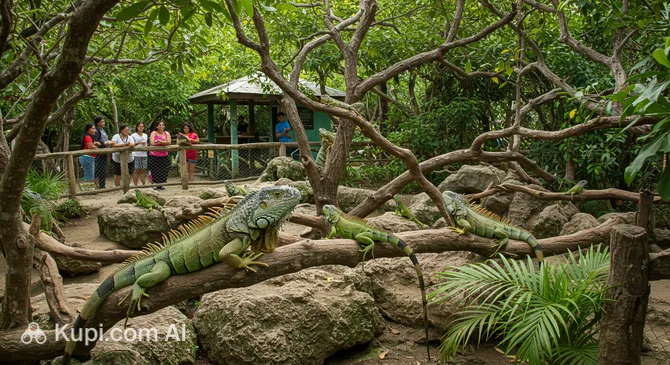
  • Right in the heart of the city lies the Archundia Iguana Sanctuary, a dedicated space created by a local resident to protect these reptiles. It is one of the few places where you can safely observe hundreds of large iguanas roaming freely in an urban environment.

  • The twin bays of Manzanillo were once a strategic hideout for notorious pirates during the colonial era. Historical accounts suggest that famous buccaneers like Sir Francis Drake and Thomas Cavendish used these sheltered waters to lie in wait for Spanish galleons laden with treasures arriving from the Philippines.

Archundia Iguana Sanctuary. Source: Kupi.Binoculars

How to Get There

Planning a trip to this beautiful coastal destination in Colima requires some logistical preparation, but multiple options make the journey accessible. Whether you prefer flying directly into the region or landing at a larger hub and driving, you can easily find a route that suits your schedule. For a complete overview of transportation methods, you can read more about how to get to Manzanillo.

The most convenient entry point is Manzanillo Airport (ZLO), located just 27.3 km from the city center. This facility, also known as Playa de Oro International Airport, handles a moderate volume of travelers and serves as the primary gateway for tourists. Upon arrival, a taxi or shuttle transfer to the main hotel zone or downtown area typically takes around 60 minutes.

If direct flights are unavailable, you might consider flying into Colima Airport (CLQ). Note that this airport is located in the city of Colima, approximately 81.6 km away from Manzanillo. While it is a smaller regional hub, it offers an alternative route into the state. The drive from Colima to the coast is scenic and takes about 2 hours and 20 minutes by road transport.

For international travelers seeking more flight connections, Don Miguel Hidalgo y Costilla International Airport (GDL) in Guadalajara is a significant option. Although it is situated 193.7 km away, it is a major airport with extensive international traffic. From Guadalajara, the journey to the coast takes approximately 5 hours and 10 minutes, making it a viable choice for those planning a broader tour of the region.

For clarity, here is a summary of the main airports:

Airport Name City Passenger Traffic Km from City
Don Miguel Hidalgo y Costilla International Airport Guadalajara Large 193.7
Gustavo Diaz Ordaz International Airport Puerto Vallarta Large 205.1
Manzanillo Airport Manzanillo Small 27.3
Colima Airport Colima Small 81.6
Licenciado y General Ignacio Lopez Rayon Airport Uruapan Small 242.5

Since there are no passenger railway services connecting directly to Manzanillo, most visitors arriving by land rely on the extensive bus network or private vehicles. Mexico has a robust system of first-class buses that connect major cities like Guadalajara and Mexico City to the coast, offering a comfortable and affordable alternative to flying.

Main Attractions

The city's appeal lies in its diverse range of activities, from sun-soaked shores to unique culinary experiences. Visitors can easily fill their days exploring the vibrant coast and discovering local gems that highlight the region's charm.

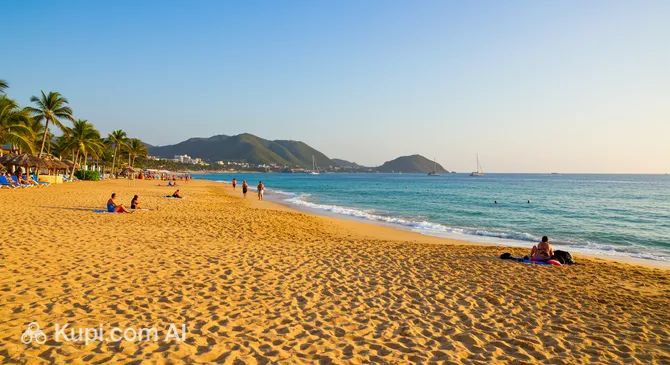
For those seeking a classic seaside experience, Manzanillo Beach is a perfect starting point. This stretch of coastline offers golden sands and calm waters, making it ideal for swimming or simply relaxing under the sun. It captures the essence of the Pacific coast, providing a scenic backdrop for a leisurely day by the ocean.

Manzanillo Beach. Source: Kupi.Binoculars

Nature enthusiasts should not miss the Archundia Iguana Sanctuary. Located near the city center, this conservation effort allows visitors to get up close with dozens of iguanas in a safe and protected environment. It is a fascinating stop for families and anyone interested in observing local wildlife in a dedicated refuge.

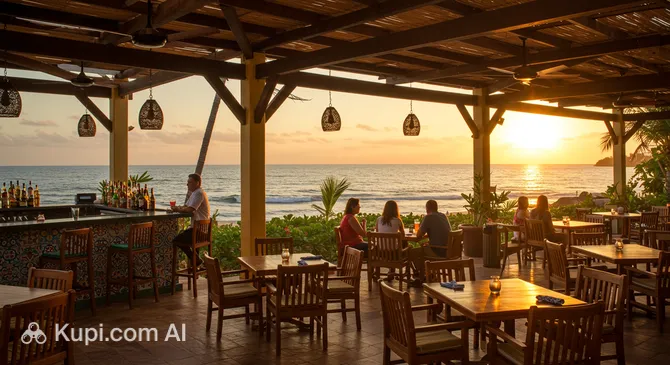
When hunger strikes, Pacifica del Mar offers a delightful dining experience. Known for its excellent seafood and inviting atmosphere, this restaurant is a favorite among both locals and tourists. Enjoying a meal here provides a taste of the region's culinary heritage, often accompanied by stunning views that enhance the dining occasion.

Pacifica del Mar. Source: Kupi.Binoculars

Local Cuisine

As the "Sailfish Capital of the World," the local cuisine of Manzanillo is naturally dominated by the bounty of the Pacific Ocean. Seafood lovers will find themselves in paradise, with menus featuring the freshest catches of the day, from marlin and swordfish to red snapper and octopus. The culinary style here blends traditional Colima recipes with the relaxed, coastal vibe of the tropics.

One of the most iconic dishes you must try is Ceviche Colima. Unlike other versions found in Mexico, this regional specialty typically uses finely ground or minced fish (often sierra or swordfish) rather than chunks. It is "cooked" in lime juice and mixed with carrots, cilantro, and onions, served atop a crunchy tostada. Another favorite is Pescado Zarandeado, a whole fish marinated in a chili-garlic paste and slowly grilled over charcoal, offering a smoky and savory flavor profile that perfectly captures the essence of the coast.

To quench your thirst in the heat, look for a local vendor selling Tuba. This traditional drink is derived from the sap of coconut palms and is often garnished with peanuts or walnuts. It is a refreshing, slightly sweet, and non-alcoholic beverage that is deeply rooted in the region's history. For something with a bit of a kick, you might encounter Tejuino, a fermented corn dough drink often served with a scoop of lime sorbet or salt.

The food culture in Manzanillo ranges from rustic to refined. For an authentic experience, head to the "enramadas"—traditional open-air restaurants with thatched roofs located right on the sand, particularly around Playa La Boquita or Santiago Bay. Here, you can eat with your feet in the sand while watching the waves. For those seeking a more polished atmosphere with panoramic views, establishments like Pacifica del Mar offer a sophisticated setting to enjoy high-quality seafood and sunsets, showcasing the elegant side of the city's gastronomy.

Travel Tips

Preparing for a trip to the "Sailfish Capital of the World" involves more than just packing a swimsuit and sunglasses. These practical tips will help you navigate local customs and logistics, ensuring your stay in Manzanillo is as relaxing and trouble-free as possible.

  1. Clothing and Gear: Given the tropical climate, lightweight and breathable fabrics like cotton or linen are essential to stay cool. Pack high-SPF sunscreen, sunglasses, and a hat, as the Pacific sun can be very intense. Mexico uses Type A and B electrical outlets (standard in the US and Canada), so bring an adapter if you are traveling from Europe or elsewhere.
  2. Transportation: Public buses are a budget-friendly way to travel between the hotel zone and downtown, though they can be bustling. Taxis are widely available but typically do not use meters; you must agree on the fare before getting in, as prices are usually based on zones. Renting a car is highly recommended if you wish to explore the various bays and hidden beaches at your own pace.
  3. Finances: The official currency is the Mexican Peso (MXN). While major resorts and restaurants accept credit cards, cash is king at smaller "enramadas" (beach shacks) and local markets. ATMs are easy to find in commercial areas. Tipping is customary; aim for 10–15% in restaurants and keep small change for baggers at grocery stores or parking attendants.
  4. Health and Safety: To avoid stomach illness, always drink bottled or purified water and avoid tap water. Pharmacies are common, with chains like Farmacias Guadalajara often open 24/7 for minor medical needs. As in any coastal area, use insect repellent, especially at dusk, to protect against mosquitoes.
  5. Communication: Spanish is the primary language. While English is spoken in most tourist-centric hotels and restaurants, it is less common in local shops and markets. Downloading a translation app or learning basic phrases like "Hola" (Hello) and "¿Cuánto cuesta?" (How much?) is very helpful. Telcel offers reliable coverage if you need to buy a local SIM card.
  6. Local Etiquette: Politeness is highly valued in Mexican culture. It is polite to greet shopkeepers or taxi drivers with a "Buenos días" or "Buenas tardes" upon contact. If you walk past someone eating, saying "Buen provecho" (enjoy your meal) is a friendly and appreciated gesture.
  7. What to Avoid: Avoid wearing swimwear away from the beach or pool areas; it is considered disrespectful to walk around town or enter shops without a cover-up or shirt. Additionally, do not take photos of locals without asking for permission first.
  8. Local Insight: Keep plenty of coins and small bills (20 and 50 peso notes) on hand. Breaking large bills (like 500 pesos) can be difficult for taxi drivers and small vendors, and you will frequently need coins for public restrooms or small tips.

By keeping these suggestions in mind, you can focus on enjoying the golden sands and vibrant culture of Manzanillo without logistical hiccups. A little preparation allows you to blend in with the relaxed rhythm of this beautiful coastal city and make the most of your vacation.

Entertainment & Nightlife

Compared to the high-energy party scenes of other Mexican resort towns, the nightlife in Manzanillo is distinctly more relaxed and sophisticated. The city favors romantic dinners, live music in open-air lounges, and casual gatherings over massive nightclubs and thumping techno beats. The evening atmosphere is welcoming and safe, catering largely to families, couples, and travelers looking to unwind after a day in the sun.

The main hub for evening entertainment runs along Boulevard Miguel de la Madrid, the coastal strip that connects the hotel zones of Las Brisas and Santiago. Here, you will find a variety of sports bars, karaoke spots, and laid-back pubs. The dress code is generally "resort casual"—light linens and summer dresses are perfect, while swimwear is restricted to the beach.

A perfect evening often begins with a sunset dinner and drinks. Pacifica del Mar is a standout venue for this, offering a refined setting where visitors can enjoy expertly crafted cocktails while watching the sun dip below the horizon. It serves as an excellent starting point before exploring other venues along the strip or heading back to your resort.

For those who prefer a tranquil end to the day, a moonlit stroll along Manzanillo Beach provides a refreshing alternative to loud bars. The sound of the waves and the cool ocean breeze create a peaceful ambiance that defines the local lifestyle. Additionally, many of the larger all-inclusive resorts in the Santiago Bay area host their own nightly shows and have private discos, which are often the liveliest spots in town for dancing.

When moving around at night, it is best to use radio taxis or hotel-arranged transport rather than walking long distances between districts, as the boulevard is quite long. The tourist zones are well-patrolled and safe, but standard precautions apply. Fares are reasonable, but always confirm the price before starting your journey.

While nightlife is low-key, daytime entertainment in Manzanillo offers its own charm beyond the beaches. The city is a premier destination for golf enthusiasts, boasting world-class courses. For culture and leisure, visitors can explore local shopping plazas such as Punto Bahía, which features a cinema and various boutiques, or visit small local museums in the downtown area to learn about the region's maritime history.

Parks & Museums

While the city is primarily celebrated for its golden coastline and port activity, Manzanillo offers a selection of green spaces and cultural institutions that provide a break from the beach lounger. Visitors can explore ecological reserves, archaeological collections, and historic plazas that showcase the region's natural diversity and artistic heritage.

For those looking to immerse themselves in nature, Manzanillo Beach and its surrounding areas act as the city's primary natural playground. Beyond the sand, the region features spots like Natura Camp, an ecological adventure park located in the nearby hills. This area is perfect for travelers who want to trade the ocean for the canopy, offering zip-lining and hiking trails surrounded by lush tropical vegetation.

A truly unique "green" space within the urban landscape is the Archundia Iguana Sanctuary. Although often classified as an attraction, it functions as a dedicated wildlife refuge where hundreds of iguanas roam freely among the trees and plants. It provides a rare opportunity to observe these prehistoric-looking creatures in a protected, naturalistic environment right in the center of town.

Culturally, the city's history is best preserved at the University Museum of Archaeology (MURA). This museum hosts a significant collection of pre-Hispanic artifacts found in the state of Colima and the western coast of Mexico. The exhibits include ceramics, tools, and shell ornaments that offer insight into the indigenous cultures that inhabited the region long before the arrival of the Spanish.

Architecturally, the historic downtown area, known as El Centro, is a landmark in its own right. The focal point is the Jardín Álvaro Obregón, the main plaza which faces the bay. Here, visitors can admire the massive, bright blue Sailfish Sculpture (Pez Vela) created by the artist Sebastián, which has become the undisputed symbol of the city. The plaza is surrounded by colonial-style buildings and offers a charming atmosphere for a leisurely walk.

For an authentic local experience, try visiting the Malecon (boardwalk) in the late afternoon. It is not just a walkway but a social hub where families gather, and you can often find local artisans selling handmade crafts or musicians playing traditional tunes, offering a genuine slice of life in Colima.

Getting Around

Navigating Manzanillo is straightforward and relatively stress-free, as the city does not rely on complex metro or rail systems. The public transport network consists primarily of buses and taxis, which are well-suited to the city's layout. Since Manzanillo stretches along the coast, most movement involves traveling up and down the main coastal artery, Boulevard Miguel de la Madrid, connecting the hotel zones, the Santiago Peninsula, and the historic downtown area.

The local bus service is the most economical way to get around and offers a genuine slice of local life. Buses run frequently from early morning until late evening, making them a convenient option for tourists. The most popular route for visitors travels between the hotel zone (often marked "Hoteles" or "Las Brisas") and the city center ("Centro"). These buses are easy to spot, often with their destinations hand-painted on the windshield, and the ride itself can be quite scenic as it follows the curve of the bays.

When it comes to payment, cash is the only accepted method on public buses. There are no travel cards, passes, or mobile payment apps for the transit system. You simply pay the driver directly upon boarding. The fares are very affordable, usually costing a small amount in Mexican pesos. It is highly recommended to carry coins or small bills, as drivers often have limited change and may not be able to break large banknotes.

For a more direct and private mode of transport, taxis are abundant and can be found at designated stands (sitios) outside major hotels, shopping centers, and bus terminals. Unlike in some larger cities, taxis here typically do not use meters. Fares are determined by a zone system, so it is essential to ask for the price to your destination and agree on the fare with the driver before entering the vehicle. Most drivers are friendly and honest, but confirming the cost beforehand is standard practice.

Alternatives such as car rentals are excellent for travelers who wish to explore the wider state of Colima or visit hidden beaches at their own pace. While ride-sharing apps do exist in Mexico, their availability in Manzanillo can be inconsistent compared to major metropolises like Mexico City or Guadalajara. Therefore, relying on the established network of official taxis or renting a vehicle is often the most reliable choice for getting around effectively.

Accommodation

Finding the perfect place to stay in Manzanillo is relatively easy, as the city offers a diverse array of lodging choices that cater to various travel styles and budgets. The destination is particularly famous for its expansive all-inclusive resorts, many of which are perched on cliffs or nestled along the sandy bays, providing spectacular ocean views and full-service amenities. For those seeking a more independent or low-key experience, there are plenty of mid-range hotels, charming boutique inns, and vacation rentals available throughout the coastal zone.

The most popular area for tourists is undoubtedly the Santiago Peninsula and the surrounding Santiago Bay. This region is home to many of the city's premier resorts and offers easy access to calm beaches suitable for swimming and water sports. Another key district is the Las Brisas hotel zone, a long strip that connects the port area to the resort districts. This area is lined with numerous accommodation options, from family-friendly hotels to budget motels, and offers convenient access to the beach and public transport.

For travelers on a tighter budget or those interested in the local commercial vibe, the Downtown (El Centro) area provides more affordable lodgings. While it is further from the main swimming beaches, staying here places you close to the port, local markets, and the historic plaza. It is a practical choice for those who prioritize cultural immersion and economy over resort-style luxury.

Booking Tip: Manzanillo is a favorite destination for both international tourists and Mexican families. The busiest times are during the winter months (December through April) and the Easter holidays (Semana Santa). It is highly recommended to book your accommodation several months in advance if you plan to visit during these peak periods to secure the best rates and ensure availability.

Prices in the city vary significantly depending on the location and amenities. You can find budget-friendly hostels and economy hotels in the city center or set back from the beach. Mid-range options are plentiful along the coast, while the luxury segment is dominated by large, all-inclusive properties. Most accommodations can be easily booked via major online travel platforms, though contacting smaller, family-run establishments directly can sometimes yield better deals.

Nearby Cities

For those looking to explore the surroundings, Manzanillo serves as an excellent base for day trips to several interesting nearby locations. The region offers a mix of colonial history, agricultural heritage, and dramatic volcanic landscapes just a short drive from the coast.

One of the most popular excursions is to the state capital, Colima. Known as the "City of Palms," it sits in the shadow of the imposing Volcán de Fuego. Visitors can wander through its charming historic center, visit the Cathedral Basilica of the Lesser Virgin, and explore museums that showcase the area's rich archaeological past. Immediately adjacent to the capital is Villa de Alvarez, a town famous for maintaining deep-rooted traditions, most notably "La Petatera," a unique bullring constructed entirely from wood, reeds, and petate mats.

Heading south along the coast, travelers will find Tecoman, often referred to as the "Lime Capital of the World." This agricultural hub offers a glimpse into the region's farming industry and serves as the gateway to Cuyutlán. Cuyutlán is renowned for its striking black sand beaches and the "Ola Verde" (Green Wave), as well as a dedicated turtle sanctuary that is a hit with nature enthusiasts.

City Population Distance (km)
Colima 150,673 66
Villa de Alvarez 149,762 65
Tecoman 116,305 49
Ciudad Guzman 115,000 115
Autlán de Navarro 60,572 80

These nearby destinations offer a glimpse into the diverse culture and landscapes of the region, providing a rewarding contrast to the beach-focused lifestyle of Manzanillo.

Shopping & Souvenirs

Shopping in Manzanillo offers a relaxed and authentic experience, distinct from the high-pressure sales environments found in larger tourist destinations. The city provides a pleasant mix of modern commercial centers and traditional markets, allowing visitors to find everything from practical vacation essentials to unique regional handicrafts.

For a glimpse into local life, a visit to the traditional markets is a must. The bustling Mercado Valle de las Garzas is a favorite among residents for fresh produce, spices, and local snacks. It is also an excellent place to browse for souvenirs, where you can find leather goods, embroidered clothing, and colorful ceramics that showcase the vibrant culture of Mexico.

Travelers seeking a more contemporary retail experience should head to Plaza Manzanillo or the newer Punto Bahía. These shopping malls offer air-conditioned comfort and house a variety of department stores, boutiques, and supermarkets. They are the ideal spots for purchasing clothing, swimwear, and electronics, or simply for enjoying a break from the midday sun.

Along the coastline, particularly near the popular Manzanillo Beach, you will find numerous vendors and small stalls catering to beachgoers. These are the best locations to pick up seashells, coral jewelry, and locally woven hammocks. The region is also famous for its culinary souvenirs, so be sure to look for "cocadas" (coconut candies) or a bottle of artisanal sea salt from the nearby salt flats.

When shopping in markets or with street vendors, bargaining is a common and accepted practice. While prices in supermarkets and malls are fixed, feel free to politely negotiate for a better deal at stalls, especially if you are purchasing multiple items.

Reached the end of the page?

That means the route is fully explored