Support

Puerto Vallarta

About

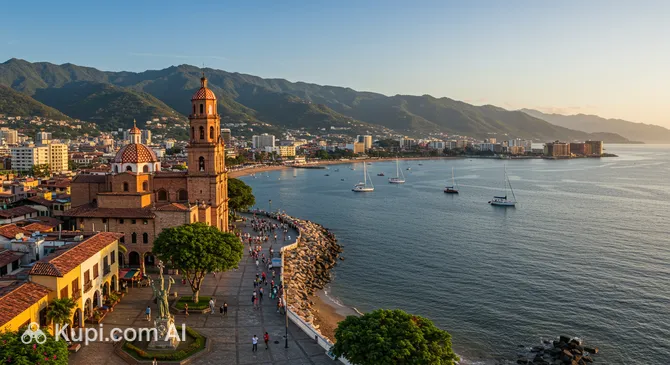
Puerto Vallarta is a captivating destination that seamlessly blends traditional charm with modern resort amenities, making it one of the most popular beach cities on the Pacific coast. Located in the state of Jalisco, Mexico, this vibrant city is renowned for its stunning natural beauty, preserving the authentic spirit of the region while offering world-class hospitality to travelers from around the globe.

Puerto Vallarta. Source: Kupi.Binoculars

Geographically, the city is uniquely situated between the rugged, jungle-covered Sierra Madre mountains and the shimmering waters of Banderas Bay, one of the largest bays in the world. This dramatic setting creates a picturesque backdrop and a warm, tropical climate that invites visitors year-round. With a population of approximately 224,000 residents, the city maintains a lively yet welcoming atmosphere, balancing its growth with a strong sense of community.

While it is now a bustling international hub, the history of Puerto Vallarta reveals humble beginnings as a quiet fishing village and port. Today, it stands as a cultural center where cobblestone streets in the old town meet contemporary art galleries and gourmet restaurants. The city's architecture and layout reflect its rich heritage, offering a glimpse into the past amidst the luxury of the present.

Travelers are often drawn to the famous Malecon, a seaside boardwalk adorned with sculptures and buzzing with activity, perfect for a sunset stroll. The charming Zona Romantica offers a more traditional experience with its red-tile roofs and vibrant street life, while the surrounding waters provide exceptional opportunities for snorkeling, diving, and whale watching. Whether you are seeking relaxation on golden sands or an adventure in the lush mountains, Puerto Vallarta promises an unforgettable escape.

Weather Overview

The climate in this coastal region is tropical, offering distinct seasons that cater to different travel preferences. Generally, you can expect warm summers with frequent rainfall and mild, dry winters. To plan your activities effectively, it is helpful to check the detailed forecast for the weather in Puerto Vallarta before your trip.

The winter and spring months, particularly from December to May, constitute the dry season. During this period, precipitation is minimal to non-existent, with March, April, and May recording virtually zero wet days. This makes it an ideal time for outdoor exploration and beach days, with average temperatures hovering comfortably around 21°C to 24°C. Even in the coolest month of January, daytime highs reach a pleasant 25.6°C, while nights remain refreshing with lows near 17°C.

In contrast, the summer and early autumn months bring higher humidity and regular rainfall. From June through October, the number of wet days increases significantly, peaking in August with rain occurring almost daily. Despite the wet weather, temperatures remain warm, with average highs reaching up to 29°C in July and May. Travelers visiting during this time can enjoy lush green landscapes, though they should be prepared for frequent showers.

Interesting Facts

Beyond the sun-soaked resorts and lively boardwalks, Puerto Vallarta holds a treasure trove of fascinating stories and unique features. Digging a little deeper into local lore reveals a destination rich in history and natural wonders that go far beyond the typical tourist experience.

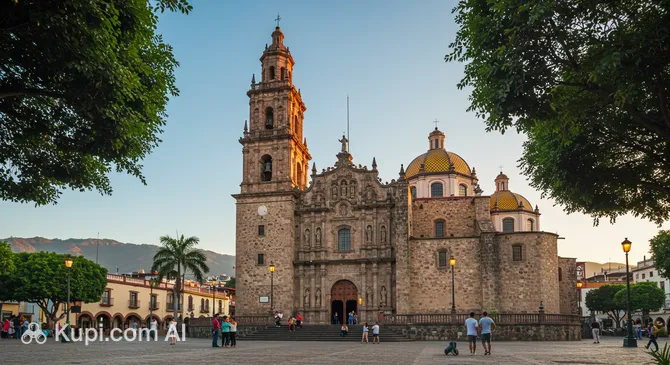
Parish of Our Lady of Guadalupe. Source: Kupi.Binoculars
  • The Hollywood Effect: Before the 1960s, this destination was a quiet fishing village known as Las Peñas. It was catapulted to international fame when director John Huston chose it to film The Night of the Iguana. The production brought Richard Burton and Elizabeth Taylor to the area, sparking a media frenzy; the couple famously purchased homes in Gringo Gulch, connecting them with a "Bridge of Love" that still stands today.

  • A Royal Crown: The skyline is dominated by the beautiful Parish of Our Lady of Guadalupe, but its tower is quite unusual. Instead of a traditional cross, it is topped with a wrought-iron crown supported by angels. Local legend suggests this design was modeled after a tiara worn by Empress Carlota of Mexico in the 19th century.

  • From Targets to Treasures: The granite rock formations known as Los Arcos are now a protected National Marine Park teeming with tropical fish. However, decades ago, these majestic islands served a very different purpose, reportedly being used as target practice for military exercises before their ecological value was recognized.

  • A Deep Sanctuary: Banderas Bay is not only one of the largest bays in the world but also one of the deepest, reaching depths of over 900 meters (3,000 feet). This immense depth makes it a perfect sanctuary for Humpback whales, which migrate here annually to give birth in the warm, protected waters.

How to Get There

Reaching this coastal paradise is straightforward, thanks to its well-connected transport infrastructure. Whether you are flying directly to the coast or planning a scenic road trip from a neighboring city, there are convenient options available. For a complete overview of travel routes and tips, you can read more about how to get to Puerto Vallarta.

The primary gateway for most travelers is Gustavo Diaz Ordaz International Airport (IATA: PVR). This international airport is conveniently located within Puerto Vallarta itself, just 5.2 km from the city center. Due to its proximity, the transfer is quick and easy; a taxi or bus ride typically takes around 30 minutes. As a major hub with high passenger traffic, it receives direct flights from many international destinations.

Another option for those exploring the wider region is Don Miguel Hidalgo y Costilla International Airport (IATA: GDL). However, it is important to note that this airport is located in Guadalajara, approximately 199 km away from Puerto Vallarta. While it is a large and busy airport offering extensive connections, the overland journey to the coast will take significantly longer, estimated at around 5 hours by road.

For clarity, here is a summary of the main airports:

Airport Name City Passenger Traffic Km from City
Don Miguel Hidalgo y Costilla International Airport Guadalajara High 198.7
Gustavo Diaz Ordaz International Airport Puerto Vallarta High 5.2
Tepic Airport Tepic Small 92.8
Manzanillo Airport Manzanillo Small 180.8
Colima Airport Colima Small 229.3

Main Attractions

Puerto Vallarta offers a diverse array of attractions that range from bustling modern landmarks to secluded natural hideaways. Whether you are interested in shopping for local crafts, admiring contemporary architecture, or relaxing by the sea, the city has something to captivate every traveler.

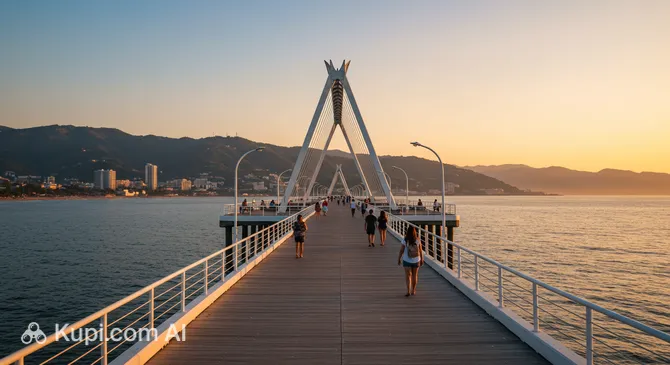
One of the most iconic structures on the waterfront is the Los Muertos Beach Pier. Replacing an older wooden structure, this modern pier extends over 100 meters into the ocean and features a distinctive sail-like design that has become a symbol of the city's rejuvenation. It serves as a departure point for water taxis and boat tours, but it is also a destination in itself. At night, the pier is illuminated with vibrant, changing colors, creating a magical atmosphere for an evening stroll along the bay.

Los Muertos Beach Pier. Source: Kupi.Binoculars

For a deep dive into local culture and commerce, a visit to the Rio Cuale Municipal Market is essential. Located on a lush island in the middle of the Cuale River, this sprawling market is a maze of stalls offering traditional Mexican handicrafts, silver jewelry, leather goods, and colorful souvenirs. The shaded pathways and the sound of the flowing river provide a pleasant escape from the heat, while the upper levels offer authentic food stalls where you can taste local dishes.

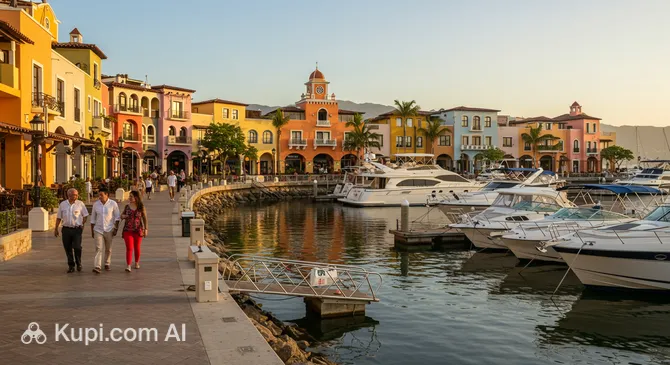
Travelers looking for a more upscale and tranquil environment should explore Marina Puerto Vallarta. This sophisticated district is centered around a large harbor filled with luxury yachts and sailboats. A scenic boardwalk lines the water, dotted with excellent restaurants, boutiques, and cafes that offer a perfect setting for a sunset dinner. The area is also known for its championship golf course and the landmark lighthouse, which offers panoramic views of the marina and the mountains.

Marina Puerto Vallarta. Source: Kupi.Binoculars

Just south of the main city lies the stunning Conchas Chinas Beach, often referred to as the "Beverly Hills of Puerto Vallarta" due to the exclusive villas on the hillside above. This beach is famous for its crystalline turquoise waters and unique rock formations that create natural tidal pools, perfect for relaxing and soaking in the sea. It offers a quieter, more secluded experience compared to the busy beaches in the town center, making it a favorite spot for couples and nature lovers.

Local Cuisine

The culinary scene in Puerto Vallarta is a vibrant reflection of its location within the state of Jalisco and its proximity to the Pacific Ocean. This unique positioning creates a gastronomy that blends fresh seafood with the rich, earthy flavors of the Mexican highlands. For food enthusiasts, the city offers an impressive variety of dining experiences, ranging from humble street stalls serving mouthwatering tacos to world-class restaurants like Campomar, known for its exceptional preparation of local catch.

No visit to this coastal destination is complete without trying the signature dish, Pescado Zarandeado. This regional specialty typically features a whole red snapper that is butterflied, marinated in a paste of dried chiles and spices, and then slowly grilled over charcoal. The result is a smoky, tender, and flavorful fish that is usually shared among friends and family. Another must-try is Birria, a spicy stew traditionally made with goat or beef. While it originates from the wider Jalisco region, it is a breakfast staple here, often served as tacos dipped in a rich consommé.

When it comes to beverages, Puerto Vallarta offers unique local tastes beyond the famous margaritas. Since the city is in Jalisco, the birthplace of tequila, you will find an abundance of high-quality agave spirits. For something more artisanal, try Raicilla, a smoky spirit distilled from a specific type of agave grown in the nearby mountains. On the non-alcoholic side, look for street vendors selling Tuba, a refreshing drink made from fermented coconut palm sap, typically garnished with chopped walnuts and apple chunks.

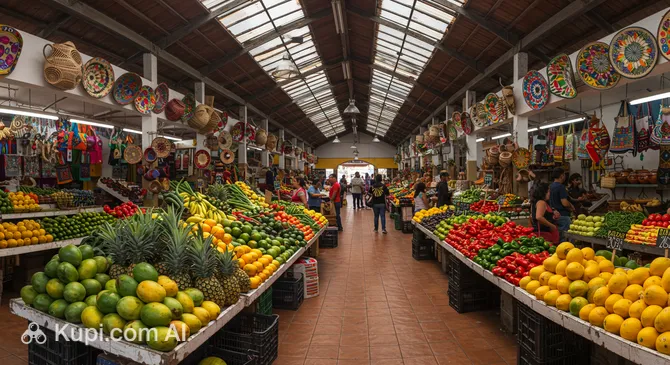
To truly understand the local food culture, travelers should venture beyond the tourist strip and explore the traditional markets. The Emiliano Zapata Municipal Market is a bustling hub where locals shop for fresh produce and eat at affordable fondas (small food counters). Here, you can taste authentic homemade dishes in a lively, unpretentious atmosphere.

Emiliano Zapata Municipal Market. Source: Kupi.Binoculars

For those with a sweet tooth, the region's connection to cacao is worth exploring. You can delve into the history of chocolate and taste locally made treats at the ChocoMuseo Puerto Vallarta. Whether you are dining on a sandy beach at sunset or grabbing a quick bite from a street cart, the flavors of Puerto Vallarta promise a memorable gastronomic journey.

Travel Tips

To ensure your getaway to this Mexican paradise is as relaxing and seamless as possible, a few insider preparations can make all the difference. While Puerto Vallarta is incredibly welcoming to international visitors, keeping these practical considerations in mind will help you navigate the city like a pro and focus on enjoying the sun and culture.

  1. Clothing and Gear: Given the tropical climate, lightweight and breathable fabrics like cotton or linen are essential for keeping cool in the humidity. However, the evenings can be breezy in the winter months, so packing a light jacket or sweater is wise. Comfortable walking shoes are a must, especially if you plan to explore the Zona Romantica or the downtown area, where charming but uneven cobblestone streets are the norm. If you intend to visit religious sites like the Parish of Our Lady of Guadalupe, remember to dress modestly, covering your shoulders and knees.
  2. Transportation: Getting around is fairly easy. Uber and other ride-sharing apps operate efficiently in the city and are often cheaper and more convenient than traditional taxis. However, note that they may have restrictions on picking up passengers directly at the airport curb. Local buses are a colorful, safe, and incredibly inexpensive way to travel between the hotel zone, downtown, and southern beaches; just look for the destination scrawled on the windshield. If you take a yellow city taxi, always confirm the fare before getting in, as they do not use meters.
  3. Finances: The local currency is the Mexican Peso (MXN). While US dollars are widely accepted by vendors and restaurants, the exchange rate offered is usually poor, so it is better to pay in pesos. Credit cards are accepted in most established businesses, but you will definitely need cash for street food, local buses, and small souvenir stalls. ATMs are plentiful; stick to those inside banks or supermarkets for safety. Tipping is customary, with 10% to 15% being the standard for good service in restaurants.
  4. Health and Safety: The most important rule is to avoid tap water; always drink bottled or purified water to prevent stomach issues. Ice in restaurants is generally made from purified water, but it doesn't hurt to ask. Pharmacies are abundant, and chains like Farmacia Guadalajara often operate 24/7 and can provide consultations for minor ailments. In terms of safety, Puerto Vallarta is one of the safest cities in Mexico for tourists, but standard precautions apply: keep an eye on your belongings and avoid unlit or deserted areas late at night.
  5. Communication: Spanish is the official language, but English is widely spoken in tourist areas, hotels, and restaurants. However, locals appreciate it when you try to use basic phrases like "Hola" (Hello) or "Gracias" (Thank you). Wi-Fi is readily available in most cafes and hotels. If you need constant connectivity, you can easily buy a prepaid SIM card from an OXXO convenience store or a Telcel shop for a reasonable price.
  6. Local Etiquette: Mexicans are generally warm and polite. It is polite to greet shopkeepers or taxi drivers with a "Buenos días" or "Buenas tardes" before starting a transaction. When entering a restaurant or passing a table where people are eating, it is customary to say "Buen provecho" (Enjoy your meal). Time can be a bit more fluid here; the word "ahorita" can mean anything from "right now" to "in a while," so patience is a virtue.
  7. What to Avoid: Do not engage in buying or using illegal drugs; the laws are strict, and penalties are severe. Also, avoid losing your tourist card (FMM) if you received a paper copy upon entry, as you will need it to exit the country and replacing it can be a hassle. Finally, respect the ocean warnings; if you see a red flag on the beach, do not swim, as currents can be strong and unpredictable.
  8. Sun Protection Tip: The sun in Puerto Vallarta can be intense, even on cloudy days. Bring high-SPF sunscreen, but if you plan to visit marine parks like Los Arcos or swim with wildlife, ensure your sunscreen is biodegradable. Many tours strictly prohibit regular sunscreen to protect the delicate coral reefs and marine ecosystems.

By keeping these simple tips in your back pocket, you are all set to experience the warmth and vibrancy of Puerto Vallarta without the stress. Embrace the laid-back pace of life, indulge in the local flavors, and enjoy every moment of your stay in this Pacific jewel.

Entertainment & Nightlife

As the sun sets over Banderas Bay, Puerto Vallarta transforms from a relaxed beach town into a vibrant hub of entertainment and nightlife. The city is famous for its diverse nocturnal scene, catering to everyone from those seeking a quiet romantic dinner with a view to party-goers looking to dance until dawn. The atmosphere is generally welcoming and energetic, with a unique blend of Mexican fiestas and cosmopolitan flair.

The heartbeat of the city's nightlife is undoubtedly the Malecon. This seaside promenade lights up at night, with music spilling out from various clubs and bars that line the street. It is the perfect place for a bar hop, where you can find everything from live rock bands to electronic dance music. Just south of the Cuale River lies the Zona Romantica (Old Town), which offers a more eclectic mix. This district is renowned as one of the most LGBTQ+ friendly areas in Mexico, featuring lively cantinas, drag shows, and chic cocktail lounges, particularly along streets like Lázaro Cárdenas and Olas Altas.

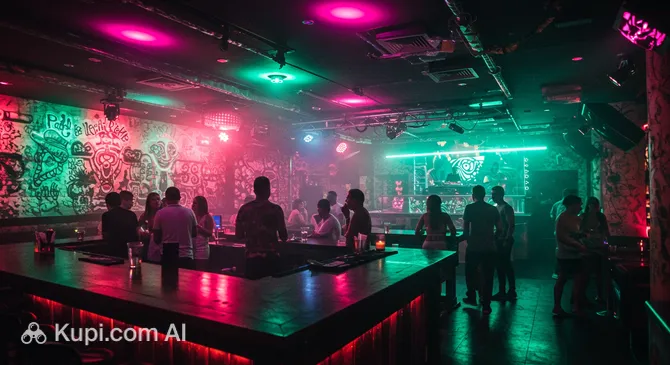
For travelers looking for a sophisticated evening experience, El Colibrí Cocktail Bar is a must-visit destination. Tucked away in the jungle-like ambiance of the city, this speakeasy-style venue is celebrated for its artisanal mixology and intimate, moody atmosphere, making it a favorite for starting the night. If you prefer a relaxed evening with stunning panoramic views, Barcelona Tapas offers an exceptional rooftop setting where you can enjoy Spanish-influenced dishes while watching the city lights twinkle below.

El Colibrí Cocktail Bar. Source: Kupi.Binoculars

Another great spot to soak in the local vibe is Tuna Azul Zona Romantica. Located in the bustling Old Town, this bar provides a casual yet lively environment, perfect for enjoying a cold drink and watching the world go by. Most venues in Puerto Vallarta have a relaxed dress code—"resort casual" is the norm, though some high-end clubs on the Malecon might prohibit beachwear like flip-flops or tank tops. The party usually starts late; bars get busy around 10:00 PM, while clubs peak after midnight.

Regarding safety and logistics, the main tourist zones like the Malecon and Zona Romantica are generally safe for walking at night, as they are well-lit and populated. However, it is always advisable to stay on main streets and avoid unlit alleys. For transportation, Uber is a reliable and safe way to get back to your hotel late at night, often preferred over hailing random taxis on the street. Prices for drinks and cover charges are reasonable compared to major US or European cities, though waterfront venues will command a premium.

Before the sun goes down, the city offers plenty of daytime entertainment to fill your itinerary. Culture enthusiasts can explore the Naval Museum of Puerto Vallarta to learn about the region's maritime history. For families and thrill-seekers, the area is home to exciting amusement options like Vidanta World, a sprawling entertainment park that promises fun for all ages. Whether day or night, Puerto Vallarta ensures there is never a dull moment.

Parks & Museums

Beyond its golden beaches and vibrant nightlife, Puerto Vallarta offers a wealth of cultural and natural treasures waiting to be explored. The city and its surroundings are dotted with fascinating museums that preserve local history and lush parks that showcase the region's diverse ecosystem. Whether you are a history buff or a nature enthusiast, these destinations provide a deeper understanding of this captivating coastal region.

For those interested in the maritime heritage of Mexico, the Naval Museum of Puerto Vallarta is an essential stop. Located right in the heart of downtown near the Malecon, this museum offers a comprehensive look at the country's naval history through detailed exhibits, scale models, and historical artifacts. Visitors can learn about the evolution of the Mexican Navy and the importance of the port in Pacific trade and defense, all while enjoying the air-conditioned comfort of a beautifully restored colonial-style building.

Another cultural highlight is the ChocoMuseo Puerto Vallarta, a delightful venue dedicated to the history of cacao. Since Mexico is the birthplace of chocolate, this museum provides an engaging experience where guests can trace the journey of the cacao bean from the tree to the chocolate bar. It is not just about observing; the museum is famous for its interactive workshops where you can create your own chocolates and traditional Mayan drinks.

Nature lovers will find their paradise at Los Arcos, a protected National Marine Park located just south of the city. These iconic granite islands, which jut dramatically out of the sea, are a sanctuary for seabirds such as pelicans and boobies. Beneath the surface, the park is teeming with colorful marine life, making it one of the premier spots for snorkeling and diving in the bay. The protected status ensures that the coral reefs and aquatic ecosystem remain thriving and pristine.

Back in the city, the Lázaro Cárdenas Park offers a unique urban escape in the Zona Romantica. Recently revitalized, this park has become famous for its "Tile Park" project, where benches and walls are covered in vibrant, intricate mosaics created by local and visiting artists. It is a colorful community hub that hosts farmers' markets and cultural events, perfect for a leisurely afternoon walk.

For a walk on the wilder side, the Crocodile Viewing Area provides a safe opportunity to observe the region's prehistoric inhabitants in their natural habitat. Located near the Estero El Salado, this protected urban estuary is home to American crocodiles, iguanas, and hundreds of bird species. If you prefer a more tranquil nature experience, the Jardin Magico Butterfly Sanctuary offers a peaceful setting filled with exotic flowers and fluttering butterflies, ideal for families and photographers.

Adventure seekers looking to immerse themselves in the jungle should visit Nogalito Ecopark. Nestled in the Sierra Madre mountains, this park combines natural beauty with outdoor activities. Visitors can hike along the river, swim in natural waterfalls, or soar above the canopy on zip lines, experiencing the lush biodiversity of the Jalisco rainforest firsthand.

Getting Around

Public transport in Puerto Vallarta is primarily based on a comprehensive bus network, which is the most authentic and economical way to get around. There is no metro, tram, or train system in the city. Instead, you will find a fleet of buses that connect the Hotel Zone, the downtown area (El Centro), the Romantic Zone, and outlying neighborhoods. These buses are frequent and easy to spot, often painted in blue and white or green and white color schemes. For travel to nearby towns along the coast, such as Bucerías or Sayulita, larger regional buses known as "ATM" or "Compostela" operate from designated stops.

The payment system for public buses is strictly cash-based; there are no electronic travel cards or mobile apps for ticketing currently available for tourists. When you board the bus, you pay the driver directly. The fare is very affordable, typically costing around 10 MXN for a standard ride within the city, though fares for regional buses traveling further north or south will be higher depending on the distance. It is essential to carry Mexican Pesos, preferably in coins or small bills, as drivers often do not have change for large denominations like 200 or 500 peso notes.

For tourists, navigating the bus system is an adventure in itself. Destinations are hand-painted on the windshield rather than displayed on digital signs. Key words to look for include "Centro" (Downtown), "Olas Altas" (Romantic Zone), and "Hoteles" (Hotel Zone). Be aware of the distinction between buses marked "Centro" and those marked "Tunnel"; the latter bypasses the downtown core and the Malecon, which might result in a longer walk if your destination is the boardwalk. Buses generally run from 6:00 AM until about 11:00 PM, though frequency drops significantly later in the evening. Bus stops are marked with blue signs featuring a bus icon, but in practice, drivers may stop if you wave them down in safe areas.

A unique and essential feature of Puerto Vallarta's transport network is the Water Taxi (Panga). Since many beautiful beaches and villages south of the city—such as Yelapa, Las Animas, and Quimixto—are accessible only by sea, these boats serve as the primary mode of transit for both locals and visitors. They typically depart from the Los Muertos Pier in the Romantic Zone or from Boca de Tomatlán, a small village south of the city. Prices vary by destination, and it is advisable to purchase a round-trip ticket.

If you prefer a more direct and private option, yellow city taxis are ubiquitous. Unlike in many other cities, these taxis do not use meters. Instead, they operate on a zone-based rate system. It is crucial to confirm the price with the driver before getting into the car to avoid misunderstandings. Alternatively, ridesharing apps like Uber and InDriver are widely available and popular among tourists for their convenience, safety, and transparent pricing, often costing less than traditional taxis.

Accommodation

Accommodation in Puerto Vallarta is as diverse as its landscape, catering to every type of traveler and budget. The city offers a vast spectrum of lodging options, ranging from lively backpacker hostels and charming boutique hotels in the historic center to sprawling, all-inclusive luxury resorts along the coast. Whether you are looking for a romantic hillside villa with panoramic views or a family-friendly hotel with direct beach access, you will find a place that suits your needs.

Choosing the right area is key to defining your experience. The Zona Romantica (Old Town) is perfect for those who want to be in the heart of the action, surrounded by traditional architecture, vibrant nightlife, and local dining. In contrast, the Hotel Zone (Zona Hotelera) is lined with high-rise resorts and modern conveniences, offering a classic beach vacation vibe. For a more exclusive and tranquil atmosphere, Marina Vallarta offers upscale accommodations near the harbor and golf courses.

Travelers seeking a premium resort experience often gravitate towards the northern part of the bay or the Marina area. For instance, The Grand Bliss is a well-known option that combines modern luxury with natural beauty, providing guests with expansive pools and relaxing garden settings. These types of resorts are designed to be self-contained sanctuaries where every amenity is at your fingertips.

Another excellent choice, particularly for sports enthusiasts, is the El Tigre Golf Club area. While primarily known for its challenging fairways, the surrounding development features resort-style accommodations that offer a quiet retreat from the bustling city center, making it ideal for those who prioritize relaxation and recreation.

Regarding costs, prices vary significantly by season and location. Budget travelers can find hostels or simple guesthouses for around $30 to $80 USD per night. Mid-range hotels typically fall between $100 and $250 USD, while luxury resorts and private villas can range from $300 to over $1,000 USD per night. Most accommodations can be booked easily via major online platforms, but booking directly through the hotel's website can sometimes yield better rates or special perks.

Booking Tip: Puerto Vallarta is an extremely popular winter destination. If you plan to visit during the high season, which runs from December to April, it is highly recommended to book your accommodation several months in advance to secure the best availability and prices.

Nearby Cities

For those looking to explore the surroundings, Puerto Vallarta serves as an excellent base for day trips to several interesting nearby locations. While the coast offers sun and sand, venturing inland reveals the rich history, culture, and diverse landscapes of western Mexico.

One of the most iconic destinations within reach is Tequila. Designated as a "Pueblo Mágico" (Magical Town), it is world-renowned as the birthplace of the famous spirit. Visitors can tour historic distilleries to learn about the production process, stroll through the charming town plaza, and admire the endless fields of blue agave, which are recognized as a UNESCO World Heritage site. It provides a fascinating look into Mexican tradition and gastronomy.

For those interested in colonial history and urban culture, Tepic offers a different perspective. As the capital of the neighboring state of Nayarit, it sits at the foot of the extinct Sangangüey volcano. The city is known for its well-preserved colonial center, the beautiful neo-Gothic cathedral, and museums that showcase the art and heritage of the indigenous Huichol and Cora people.

City Population Distance (km)
Tepic 413,609 99
Tala 80,365 157
Autlán de Navarro 60,572 132
Ameca 60,386 122
Tequila 42,009 146

These nearby destinations offer a glimpse into the diverse culture and landscapes of the region, making them well worth the journey for travelers seeking experiences beyond the beach.

Shopping & Souvenirs

Shopping in Puerto Vallarta is a delightful experience that ranges from browsing high-end designer boutiques to haggling for unique handicrafts in traditional open-air markets. The city is celebrated for its artistic soul, which is reflected in the quality of local goods available. Whether you are looking for authentic Mexican artwork, beachwear, or fine jewelry, the diverse retail landscape offers something for every taste and budget, blending modern convenience with local charm.

For those seeking a contemporary shopping experience, the city boasts several impressive malls. One of the most popular destinations is La Isla Shopping Village, located in the Hotel Zone. This open-air lifestyle center is designed with Venetian-style canals and fountains, offering a pleasant atmosphere to stroll among international brand stores, upscale boutiques, and restaurants. It is also home to a VIP cinema, making it a great spot for evening entertainment.

Another major retail hub is Galerias Vallarta, situated just north of the Hotel Zone near the cruise ship terminal. This large, air-conditioned mall is anchored by the Liverpool department store and features a wide array of fashion retailers, electronics shops, and a food court. For cruise passengers, Puerto Mágico offers a convenient shopping and cultural center right at the port, designed to showcase local traditions and goods to arriving visitors.

To truly connect with the local culture, visiting the traditional markets is a must. The Rio Cuale Municipal Market is perhaps the most iconic, spanning two stories on the northern end of Cuale Island. Here, you can find a dense maze of stalls selling everything from embroidered clothing to leather goods. Just a short walk away, under the shade of large trees, the Cuale Island Flea Market offers a relaxed environment to browse for souvenirs and handmade crafts while enjoying the river breeze.

Beyond the specific markets and malls, the city has distinct shopping districts that are perfect for window shopping. The Malecon is lined with shops offering silver jewelry, tequila, and souvenirs, often staying open late into the evening. In the Zona Romantica, specifically along Basilio Badillo Street, you will find a more bohemian vibe with numerous art galleries, ceramic shops, and boutiques selling designer resort wear and unique home décor items.

When it comes to souvenirs, Puerto Vallarta is famous for several specific items. Silver jewelry is a top choice, as Mexico is a leading producer of silver; look for the ".925" stamp to ensure quality. Huichol art is another distinct local treasure, characterized by intricate beadwork or yarn paintings created by the indigenous people of the region. Other popular buys include vanilla extract, artisanal tequila, and colorful Talavera pottery.

Most shops in malls and tourist areas are open daily from around 10:00 AM to 9:00 PM or 10:00 PM. Traditional markets typically open earlier, around 8:00 AM or 9:00 AM, and may close by late afternoon. While major stores, malls, and restaurants accept credit cards (Visa and Mastercard are widely accepted), it is essential to carry cash (Mexican Pesos) when shopping at markets or street stalls to get the best prices.

International tourists shopping in Mexico may be eligible for a tax refund on certain purchases through the "Moneyback" program. To qualify, you must shop at affiliated stores that display the Moneyback logo, spend a minimum amount, and pay by credit card. Be sure to ask for an official VAT invoice (factura) and present your documents at the refund kiosks located at the airport before leaving the country.
Reached the end of the page?

That means the route is fully explored