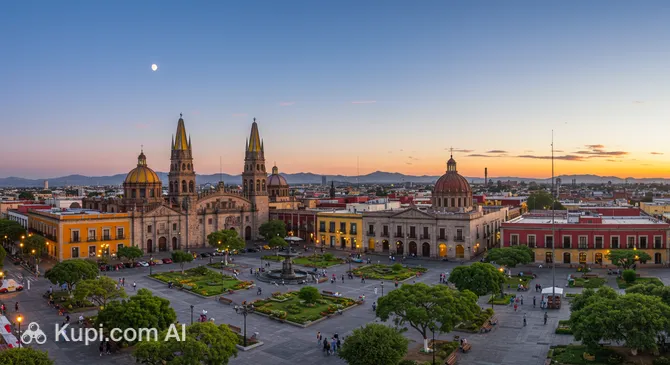
Guadalajara, the vibrant capital of the state of Jalisco, is often regarded as the cultural heart and soul of the nation. As the birthplace of iconic traditions such as mariachi music and tequila, this city offers an authentic and spirited atmosphere that captivates visitors from around the globe. It seamlessly blends its rich heritage with the energy of a modern metropolis, making it a fascinating destination for any traveler exploring Mexico.
Guadalajara. Illustration.
Source: Kupi.com AI
Located in the western part of the country, the city serves as a major economic and cultural hub with a metropolitan population of over 5.5 million people. Thanks to its geographical position, Guadalajara enjoys a mild, spring-like climate throughout most of the year, which invites tourists to explore its charming streets and plazas comfortably.
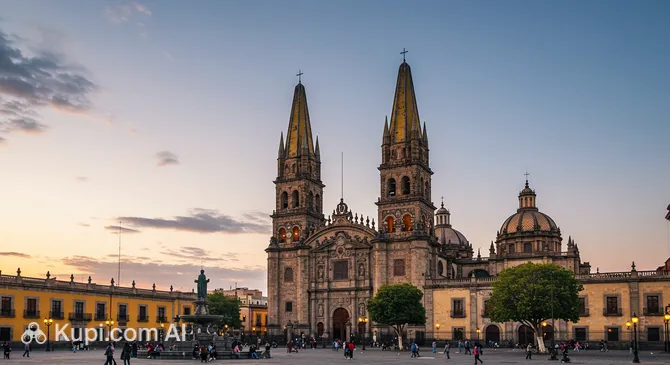
The fascinating history of Guadalajara is best experienced in its historic center, where colonial architecture tells the story of its past. The skyline is dominated by the majestic Guadalajara Cathedral, famous for its distinctive twin neo-Gothic towers. Just a short distance away lies the Hospicio Cabañas, a UNESCO World Heritage site renowned for the breathtaking murals by José Clemente Orozco, which are considered masterpieces of modern art.
Beyond its historical landmarks, the city is a gateway to unique experiences. Visitors can stroll through the colorful, tree-lined streets of Tlaquepaque, a nearby district famous for its high-quality artisan crafts and traditional restaurants. Whether you are an art lover, a history buff, or a foodie eager to taste authentic Mexican cuisine, Guadalajara promises an unforgettable journey filled with warmth and hospitality.
Weather Overview
Guadalajara enjoys a pleasant subtropical climate, often characterized by warm days and mild nights throughout the year. The weather pattern is distinct, divided into a long dry season that spans from autumn through spring and a wet season during the summer months.
The hottest temperatures typically arrive in May, with daily highs reaching up to 33.1°C, while January is generally the coolest month, offering refreshing lows around 10.4°C. Travelers should be prepared for the rainy season from June to September, when precipitation is frequent, peaking in July with approximately 29 wet days. For a comprehensive forecast and monthly averages, you can consult the guide to weather in Guadalajara before packing your bags.
Overall, you can expect warm, dry springs and frequent rainfall during the summer, followed by mild and clear winters. This makes the city a year-round destination, provided you pack a raincoat for a summer visit or light layers for winter evenings.
Average monthly temperature
Average monthly precipitation
Interesting Facts
Beyond the main attractions, Guadalajara holds many fascinating secrets and unique traits that define its character. From underground mysteries to record-breaking landmarks, the city offers plenty of surprises for the curious traveler.
Secret Underground Tunnels: Beneath the historic center lies a network of secret tunnels, believed to have been used as escape routes and hideouts during the Cristero War. These subterranean passages connect major buildings, including the Guadalajara Cathedral and the Government Palace, and while they were the subject of rumors for decades, some sections are now open to the public.
A Culinary Anomaly: The city's signature sandwich, the torta ahogada, is made with a special bread called birote salado. Locals insist that this crunchy, sourdough-like bread can only be baked correctly in Guadalajara due to the specific altitude and climate; if produced elsewhere, it reportedly loses its unique texture and flavor.
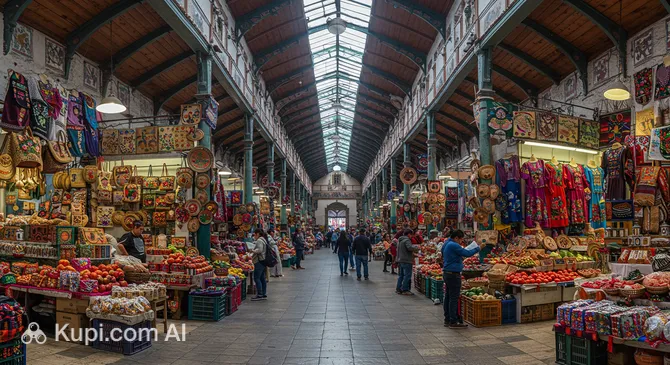
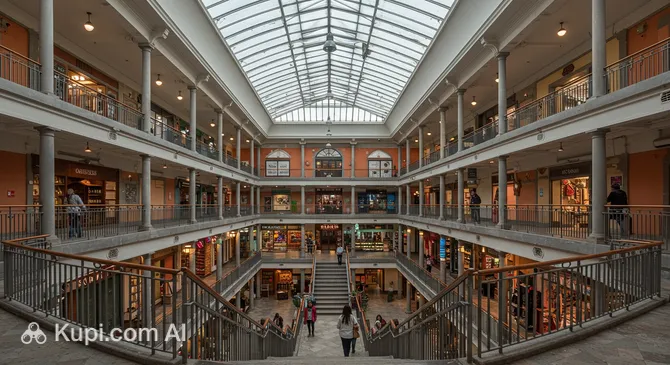
The Largest Indoor Market: The city is home to the Libertad Market - San Juan de Dios, which holds the title of the largest indoor market in Latin America. This colossal three-story structure houses nearly 3,000 stands selling everything from fresh produce and traditional witchcraft supplies to artisan leather goods.
The Silicon Valley of Mexico: While famous for its deep-rooted traditions like mariachi and charrería, Guadalajara is also the country's main technology hub. It hosts a thriving ecosystem of international tech giants and startups, creating a fascinating contrast between its colonial heritage and modern innovation.
Libertad Market - San Juan de Dios. Illustration.
Source: Kupi.com AI
Traveler photos:
How to Get There
Reaching this vibrant metropolis is quite convenient, thanks to its status as a major transportation hub in western Mexico. Whether you are arriving from international destinations or other parts of the country, you have several options to choose from. For a comprehensive guide on planning your journey, you can read more about how to get to Guadalajara.
The most direct and popular way to arrive is by flying into Don Miguel Hidalgo y Costilla International Airport (IATA: GDL). As the main gateway to the region, it is a bustling international facility located approximately 17 km from the city center. A taxi or shuttle ride from here typically takes around 45 to 50 minutes, depending on traffic conditions. It handles a large volume of passengers annually, ensuring good connectivity with major cities in North America and beyond.
For those exploring the wider region, Aguascalientes International Airport (IATA: AGU) is another functional transport node, though it is located in the city of Aguascalientes, about 156 km away from Guadalajara. Due to the significant distance, the overland journey from this airport to Guadalajara can take around 4 hours or more by car or bus. While not a primary choice for a direct visit, it serves as a viable alternative for travelers on a multi-city itinerary.
For clarity, here is a summary of the main airports:
Guadalajara does not currently have a major intercity passenger railway station for regular tourist arrivals, as train travel is not a primary mode of long-distance transport in this part of Mexico. Most visitors who prefer overland travel rely on the extensive and efficient network of luxury buses connecting the city with the rest of the country.
Main Attractions
Guadalajara is a city where history and modernity coexist beautifully, offering visitors a wealth of cultural, architectural, and recreational experiences. From colonial masterpieces to vibrant districts filled with folk art, the city's main sights capture the essence of Mexican tradition. Here are some of the top places to explore during your visit.
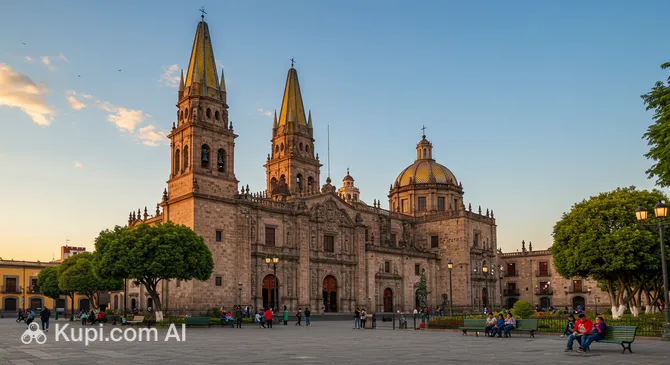
Standing as the city's most iconic landmark, the Guadalajara Cathedral dominates the historic center with its distinctive neo-Gothic twin towers. Built in the 16th and 17th centuries, this majestic minor basilica features a mix of architectural styles, including Spanish Renaissance and Baroque. Inside, visitors can admire Gothic vaults and significant religious relics, making it a peaceful sanctuary amidst the bustling plazas that surround it.
Guadalajara Cathedral. Illustration.
Source: Kupi.com AI
Traveler photos:
For art and history lovers, the Hospicio Cabañas is an absolute must-see. This UNESCO World Heritage site, founded in the late 18th century as a refuge for the needy, is renowned for its harmonious neoclassical design. Its main chapel houses a series of breathtaking murals by José Clemente Orozco, including the masterpiece "The Man of Fire," which is considered one of the finest works of Mexican muralism.
Located in the nearby district of Zapopan, the Basilica of Our Lady of Zapopan is a site of great spiritual importance. This 17th-century Franciscan sanctuary is home to the Virgin of Zapopan, a revered figure in local religious tradition. Crowds flock here to admire the ornate Plateresque facade and to witness the deep devotion of pilgrims, particularly during the annual Romería procession.
Basilica of Our Lady of Zapopan. Illustration.
Source: Kupi.com AI
Traveler photos:
Families and nature enthusiasts will find plenty to enjoy at the Guadalajara Zoo, widely regarded as one of the most important zoological parks in Latin America. Situated overlooking the Santiago River Canyon, the zoo offers unique experiences such as a safari ride and a cable car that provides panoramic views of the animals and the landscape. It plays a crucial role in conservation efforts and offers an educational day out for visitors of all ages.
Just a short distance from the city center lies the charming Tlaquepaque Center, a historic neighborhood that feels like a traditional Mexican village. Famous for its high-quality handicrafts, including pottery and blown glass, this area is a shopper's paradise. Visitors can stroll through the pedestrian-friendly streets, visit art galleries, and enjoy live mariachi music at the famous El Parián bandstand while savoring local cuisine.
Local Cuisine
The culinary scene in Guadalajara is legendary across Mexico, offering a rich tapestry of flavors that are bold, spicy, and deeply traditional. Unlike the Tex-Mex often found abroad, the food here is rooted in complex broths, unique local ingredients, and centuries-old recipes. The city is often referred to as a gastronomic capital, where humble street stalls serve dishes that rival high-end restaurants in flavor and authenticity.
The undisputed king of local street food is the torta ahogada, or "drowned sandwich." This iconic dish consists of a crunchy pork sandwich made with the region's signature sourdough-like bread, known as birote salado, which is firm enough to withstand being submerged in a spicy tomato and chili de árbol sauce. Locals often joke that you haven't truly visited the city until you've braved the heat of a fully drowned torta.
Another dish that defines the local palate is carne en su jugo, a hearty meat stew that originated in Guadalajara. It features finely chopped beef cooked in its own juices with tomatillos, beans, and crispy bacon, typically served with fresh onions, cilantro, and tortillas. For a traditional experience, visitors often head to Kamilos 333, a renowned establishment that has perfected this savory comfort food over generations.
Kamilos 333. Illustration.
Source: Kupi.com AI
Traveler photos:
While the city is inland, its proximity to the coast means excellent seafood is widely available. Tacos usually take center stage here, with Baja-style fish and shrimp tacos being particularly popular for lunch. A favorite spot among locals for these delights is Taco Fish La Paz, where the fresh ingredients and casual atmosphere capture the essence of a perfect midday meal.
No culinary tour is complete without tasting the local beverages. As the capital of Jalisco, Guadalajara is the heartland of tequila, which is best enjoyed slowly or mixed into a refreshing cantarito with citrus juices and chili salt. For a non-alcoholic option, try tejuino, a pre-Hispanic fermented drink made from corn dough and piloncillo sugar, served cold with lime juice and a scoop of lemon sorbet—a unique and refreshing remedy for warm afternoons.
The food culture here revolves around social dining, whether in the bustling aisles of the massive Libertad Market - San Juan de Dios or in family-run eateries known as cenadurías. The market, in particular, offers a sensory explosion where you can sample everything from rich birria (spiced goat or beef stew) to sweet treats, making it an essential stop for any food lover.
Travel Tips
Preparing for a trip to Guadalajara is exciting, but a few insider tips can make your experience significantly smoother and more enjoyable. From navigating the bustling streets to understanding local customs, keeping these practical suggestions in mind will help you travel like a pro and focus on the fun.
Clothing and Gear: The city generally enjoys a mild, spring-like climate, but temperatures can drop noticeably in the evenings, especially during winter months. Pack light layers and a jacket or sweater to stay comfortable. Since you will likely be doing plenty of walking on cobblestone streets in the historic center or Tlaquepaque, comfortable walking shoes are essential. If you plan to visit religious sites like the Cathedral, remember to dress modestly; shoulders and knees should be covered out of respect.
Transportation: Ride-hailing apps like Uber and DiDi are widely available, safe, and often more convenient than hailing traditional taxis on the street. For public transit, the SITEUR light rail system (Tren Ligero) is clean, efficient, and connects major areas, including the historic center. Renting a car is generally unnecessary for city exploration and can be stressful due to heavy traffic and limited parking in central zones.
Finances: The local currency is the Mexican Peso (MXN). While credit and debit cards are accepted in most hotels, restaurants, and shopping malls, you will definitely need cash for street food stands, small shops, and markets. It is best to withdraw money from ATMs located inside banks or shopping centers for safety. Tipping is customary; leaving 10-15% at restaurants is the standard practice if service charges are not included.
Health and Safety:Farmacias Guadalajara is a ubiquitous pharmacy chain, with many locations open 24 hours a day, selling medicines, snacks, and basic essentials. Regarding safety, stick to well-populated tourist areas like Chapultepec, Centro, and Zapopan. Avoid walking alone late at night in poorly lit neighborhoods, and keep a close eye on your belongings in crowded places like the San Juan de Dios market.
Communication: Spanish is the primary language. While staff in major hotels and tourist attractions often speak English, it is not as widely spoken in local eateries or by drivers. Downloading a translation app and learning a few basic phrases like "Buenos días" (Good morning) and "Gracias" (Thank you) will go a long way. Pre-paid SIM cards from providers like Telcel are easy to buy at convenience stores like OXXO.
Local Etiquette: Mexicans are generally very polite and warm. It is customary to greet shopkeepers or taxi drivers upon interaction. A unique and polite local custom is to say "Buen provecho" (Enjoy your meal) to other diners when you enter or leave a small restaurant or taco stand. When greeting locals, a handshake is common, though friends often greet with a hug or a kiss on the cheek.
What to Avoid:Do not drink tap water. Always opt for bottled or purified water to avoid stomach issues; ice in restaurants is usually made from purified water, but it is okay to ask to be sure. Additionally, avoid flashing expensive jewelry or large amounts of cash in public, as this can attract unwanted attention.
Sunday Activity: If you are in the city on a Sunday, take advantage of the Vía RecreActiva. Major avenues are closed to motorized traffic from 8:00 AM to 2:00 PM, allowing pedestrians, cyclists, and skaters to take over the streets. It is a fantastic, safe way to see the city from a different perspective alongside thousands of locals enjoying their weekend.
By keeping these practicalities in mind, you can focus on soaking up the rich culture, delicious food, and vibrant energy of the city. A little preparation ensures that your visit to the capital of Jalisco will be as relaxing as it is memorable.
Entertainment & Nightlife
As the sun sets, Guadalajara transforms into a vibrant hub of activity, offering a nightlife scene that rivals any major global metropolis. The city caters to a wide variety of tastes, from those seeking a relaxed evening with craft cocktails to night owls looking to dance until dawn. The energy is infectious, and the locals, known as tapatíos, are renowned for their festive spirit and welcoming nature.
The nightlife geography is distinct and offers different vibes depending on the neighborhood. The trendy Avenida Chapultepec is the cultural heart of the city's evening scene, lined with casual bars, rooftops, and pubs where live music spills onto the streets. It attracts a diverse, bohemian crowd and is perfect for bar-hopping. In contrast, the Andares district in Zapopan offers an upscale experience with chic clubs and high-end lounges, requiring a sharper dress code and a higher budget. For a more traditional atmosphere, the historic center hosts classic cantinas where you can enjoy tequila accompanied by mariachi tunes.
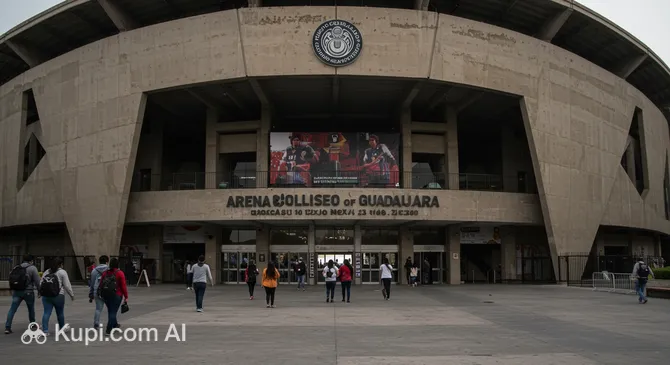
One of the most electrifying entertainment experiences in the city is Lucha Libre. A visit to the Arena Coliseo of Guadalajara on a Tuesday or Sunday night is a must. Here, you can witness the theatrical and acrobatic spectacle of Mexican wrestling, a cultural phenomenon filled with colorful masks and roaring crowds. It is a loud, fun, and affordable night out that perfectly captures the local passion for entertainment.
Arena Coliseo of Guadalajara. Illustration.
Source: Kupi.com AI
Traveler photos:
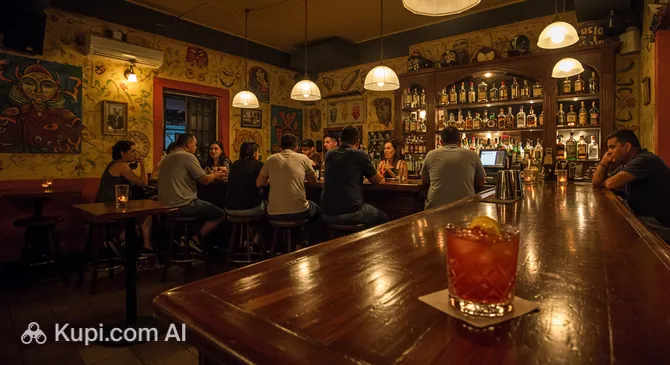
For those who prefer the club scene, the options are plentiful. If you are looking for an exclusive atmosphere with top-tier electronic music and stylish decor, Lou Lou Private Club is a popular choice among the fashionable crowd. Alternatively, for a blast from the past, Génesis Disco offers a legendary retro experience, famous for its 80s and 90s music that keeps the dance floor busy all night long. Another notable spot to grab a drink and socialize is Los Arcos, a bar known for its lively ambiance.
Lou Lou Private Club. Illustration.
Source: Kupi.com AI
Traveler photos:
When planning your night out, keep in mind that the party starts late in Guadalajara. Bars usually fill up around 10:00 PM, while clubs often don't get going until after midnight and stay open until 4:00 AM or later. Regarding dress codes, places in Chapultepec are generally casual, but if you are heading to Andares, dress to impress—men should wear shirts and closed shoes, and women often wear heels. Prices vary significantly; a beer might cost 40-60 MXN in a dive bar but over 100 MXN in an upscale club.
Safety is a priority for night entertainment. While areas like Chapultepec and Andares are generally safe for walking, it is always recommended to use ride-sharing apps like Uber or DiDi rather than hailing taxis on the street, especially late at night. Avoid walking alone in unlit or deserted streets, particularly on the outskirts of the main entertainment districts.
Before the night begins, the city offers plenty of daytime entertainment to fill your itinerary. Art enthusiasts should not miss the MUSA Museum of the Arts, which hosts impressive contemporary exhibitions. For families or those looking to beat the heat, Los Camachos Water Park provides a refreshing escape with its pools and slides, located just a short drive from the city center.
Parks & Museums
Parks & Museums:
Guadalajara is not only a city of colonial architecture and bustling markets; it also boasts an impressive array of green spaces and educational institutions. Whether you are looking to escape the urban heat in a lush forest or dive into the mysteries of the past, the city offers plenty of options for relaxation and discovery.
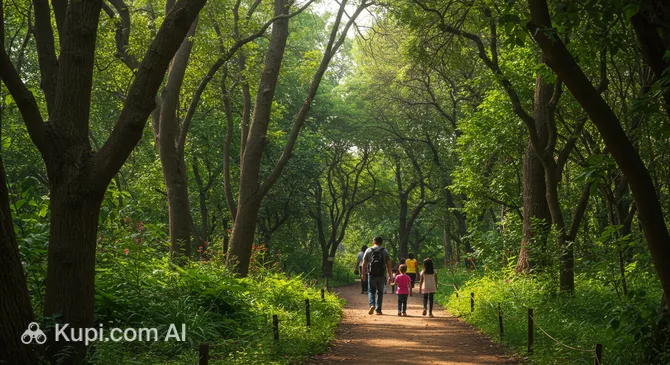
One of the most beloved urban retreats is Los Colomos Forest. Located on the border with Zapopan, this sprawling park is an oasis of calm, featuring towering eucalyptus trees, jogging tracks, and a picturesque Japanese garden that transports visitors to Kyoto. It is a perfect spot for a morning walk, a picnic, or simply feeding the squirrels that call the forest home.
Los Colomos Forest. Illustration.
Source: Kupi.com AI
Traveler photos:
For those seeking a more rugged nature experience, Bosque La Primavera serves as the "lungs" of the Guadalajara metropolitan area. This protected flora and fauna area offers extensive hiking and mountain biking trails, as well as natural hot springs, making it a favorite weekend getaway for locals. Closer to the city center, Agua Azul Park provides a traditional park setting with an orchid house and a butterfly sanctuary, offering a quick connection with nature amidst the city bustle.
Aquatic life enthusiasts should not miss the Michin Aquarium Guadalajara. Unlike typical aquariums, this modern facility focuses on the diversity of Mexican marine life and indigenous cultures. It features interactive exhibits where visitors can learn about conservation while observing sharks, rays, and colorful tropical fish in immersive tanks.
Michin Aquarium Guadalajara. Illustration.
Source: Kupi.com AI
Traveler photos:
History takes a fascinating and slightly spooky turn at the Belén Cemetery Museum. This 19th-century cemetery is a masterpiece of funerary architecture, filled with elaborate mausoleums and tombs. It is famous for its guided night tours, where storytellers recount local legends of vampires and ghosts, blending history with folklore in a captivating way.
For a journey further back in time, the Guadalajara Paleontology Museum offers intriguing exhibits on the region's prehistoric past. Located near the Agua Azul Park, it showcases fossils of megafauna found around Lake Chapala, providing an educational experience that contrasts with the city's modern vibrancy.
Getting Around
Navigating Guadalajara is relatively straightforward thanks to an integrated public transport network that connects the historic center with surrounding neighborhoods and districts like Zapopan and Tlaquepaque. The backbone of the system is the SITEUR (Sistema de Tren Eléctrico Urbano), which manages the light rail, bus rapid transit, and connecting bus lines. For most tourists, the Tren Ligero (Light Rail) is the most efficient option. It consists of three lines, with Line 3 being particularly useful for visitors as it links major tourist hubs, offering a modern, clean, and fast ride, partly underground and partly elevated.
Complementing the trains is the Mi Macro system, a Bus Rapid Transit (BRT) service known locally as the Macrobús. These distinct blue buses run in dedicated lanes along major arteries, bypassing heavy traffic. For areas not reached by rail or BRT, a vast network of standard urban buses covers the entire metropolitan area. While regular buses can be slower and more crowded, they are essential for reaching specific corners of the city. Additionally, the SITREN trolleybuses and feeder buses connect seamlessly with the train stations.
To use the public transport system conveniently, it is highly recommended to purchase the Mi Movilidad card. This rechargeable smart card works across the Tren Ligero, Macrobús, and most city buses. You can buy and top up the card at ticket machines located in all light rail and Macrobús stations. The fare is affordable, typically costing around 9.50 MXN per ride. While some buses still accept cash, they require exact change and do not issue tickets or transfers, making the card the smarter and more economical choice.
For those who prefer active travel, the city offers a public bike-share program called MiBici. You will see docking stations with red bikes throughout the central zones. It is a fantastic way to explore the flat, tree-lined streets of neighborhoods like Colonia Americana. Users can purchase a temporary pass for one, three, or seven days using a credit card at the kiosks, allowing for unlimited short trips of up to 30 minutes each.
If you prefer a more direct and private mode of transport, ride-sharing apps are extremely popular and often safer and more convenient than hailing a cab on the street. Services like Uber and DiDi are widely available, offering reliable pricing and GPS tracking. Traditional yellow taxis are also available, but it is advisable to use them from official "sitios" (taxi stands) or ask your hotel to call one for you to ensure a fair rate and safety.
Public transport generally operates from approximately 5:00 AM to 11:00 PM, though hours may vary slightly by line and day of the week. When planning your route, apps like Google Maps or Moovit are very reliable for real-time schedules and bus numbers. A practical tip for visitors is to validate your card upon entering the station or boarding the bus; simply tap it on the reader until it beeps. Avoid rush hours (typically 7:00–9:00 AM and 6:00–8:00 PM) if possible, as trains and buses can get quite crowded.
Accommodation
Accommodation in Guadalajara is as diverse and welcoming as the city itself, catering to every budget and travel style. Visitors can choose from a wide spectrum of options, ranging from charming backpacker hostels housed in colonial mansions to sleek, modern skyscrapers offering world-class luxury. Whether you prefer the historic atmosphere of a boutique hotel or the amenities of a large resort, the city has something to suit your needs.
Choosing the right neighborhood is key to enjoying your stay. First-time visitors often prefer the Centro Histórico, where they are within walking distance of major landmarks like the Cathedral and the Degollado Theater. For a trendier vibe, the Colonia Americana and the area around Avenida Chapultepec are excellent choices, known for their walkable streets, vibrant nightlife, and eclectic mix of cafes and design hotels. Meanwhile, travelers seeking luxury and shopping often head to the Andares district in Zapopan, a modern area filled with high-end hotels and exclusive malls.
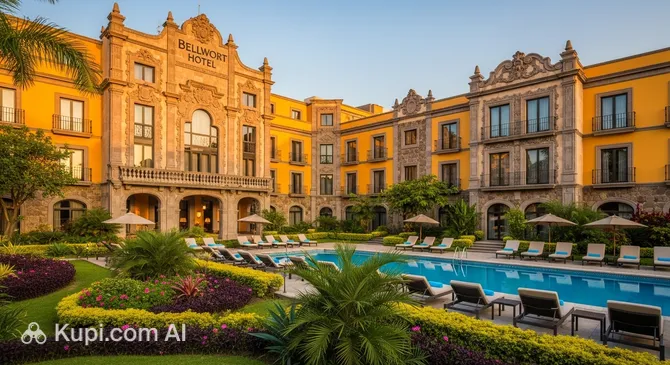
If you are looking for a stylish stay that captures the modern spirit of the city, the Bellwort Hotel is a notable option, offering contemporary comfort in a convenient location. For those with a layover or an early morning departure, staying near the transport hubs is a practical choice; the Bugari Hotel Guadalajara Airport provides excellent facilities just a stone's throw from the terminals, ensuring a stress-free transit experience.
Bellwort Hotel. Illustration.
Source: Kupi.com AI
Traveler photos:
Prices in the city are generally reasonable compared to other North American destinations. Budget travelers can find dormitory beds or simple rooms for a modest price, while mid-range hotels offer great value with comfortable amenities. Luxury accommodations are available at international standards but often at more accessible rates than in coastal resort towns. It is highly recommended to book your accommodation in advance via online platforms, especially if you plan to visit during major events like the International Book Fair (FIL) in late November or the International Mariachi Festival in late August, when the city fills up quickly.
Nearby Cities
For those looking to explore the surroundings, Guadalajara serves as an excellent base for day trips to several interesting nearby locations:
Just a short distance from the city center lies Tlaquepaque, a charming municipality that retains the atmosphere of a traditional Mexican village. It is renowned for its pedestrian-friendly streets lined with art galleries, colonial mansions, and the famous El Parián, a central bandstand where visitors can enjoy food and live mariachi music. For those interested in local craftsmanship, Tonala is an essential stop, particularly known for its massive street markets on Thursdays and Sundays where artisans sell exquisite ceramics, blown glass, and rustic furniture directly to the public.
Another significant destination is Zapopan, which offers a fascinating blend of deep-rooted religious tradition and modern luxury. Home to the revered Basilica of Our Lady of Zapopan, it is a major pilgrimage site that contrasts with the area's upscale shopping districts like Andares. Further out, the town of Tala provides a glimpse into the rural life of Jalisco and serves as a gateway to natural attractions and archaeological sites in the wider Tequila Valley region.
These nearby destinations offer a glimpse into the diverse culture and landscapes of the region.
Shopping & Souvenirs
Shopping in Guadalajara is a delightful experience that caters to every taste and budget, ranging from high-end designer boutiques to bustling traditional markets. The city is a major commercial hub in western Mexico, renowned for its production of high-quality leather goods, jewelry, and artisan crafts. Whether you are looking for luxury brands or unique handmade treasures, the city offers a diverse array of retail environments to explore.
For a shopping experience steeped in culture, the district of Tlaquepaque is an essential destination. Its pedestrian-friendly streets, particularly Calle Independencia, are lined with upscale galleries and boutiques housed in beautiful colonial buildings. Here, visitors can find exquisite ceramics, blown glass, and contemporary art. It is the perfect place to purchase high-quality decor and fashion while enjoying the charming atmosphere of a traditional Mexican village.
Those seeking a modern and luxurious retail environment will find plenty of options among the city's impressive shopping centers. The Andares Shopping Mall in the Zapopan district is one of the most exclusive lifestyle centers in the country. It features an open-air design with high-end international brands, fine dining restaurants, and a VIP cinema, all set within a sophisticated architectural complex.
Andares Shopping Mall. Illustration.
Source: Kupi.com AI
Traveler photos:
Another top-tier destination is La Perla, a newer lifestyle center located on the site of the former Kodak plant. This massive complex combines shopping, art, and recreation, offering wide open spaces, green areas, and a vast selection of fashion and lifestyle stores. It represents the modern face of the city's retail scene, providing a relaxed environment for families and shoppers alike.
La Perla. Illustration.
Source: Kupi.com AI
Traveler photos:
For a more traditional and sensory-rich experience, a visit to the Libertad Market - San Juan de Dios is mandatory. As the largest indoor market in Latin America, it is a labyrinth of nearly 3,000 stalls offering everything imaginable. It is the ideal place to bargain for leather sandals, belts, and cowboy boots, which are local specialties. The market is also a hub for silver jewelry and traditional Mexican clothing, offering authentic goods at very competitive prices.
When it comes to souvenirs, Guadalajara offers distinctive items that reflect its heritage. Tequila is the most iconic purchase; look for bottles from small-batch producers that are hard to find outside of Mexico. Huichol art, characterized by intricate beadwork and yarn paintings made by indigenous artisans, makes for a colorful and meaningful keepsake. Additionally, the region is famous for its leather goods and stoneware ceramics from nearby Tonalá.
Most shopping malls and department stores are open daily from 11:00 AM to 9:00 PM. Traditional markets typically open earlier, around 8:00 AM, and close by late afternoon. Major credit and debit cards are widely accepted in malls and established boutiques, but cash is king in markets and smaller street stalls. It is advisable to carry small denominations when shopping in traditional venues to make transactions smoother.
International tourists visiting Mexico may be eligible for a tax refund on purchases made at participating stores through the "Moneyback" program. To qualify, you must spend a minimum amount (usually 1,200 MXN) at affiliated merchants and present your passport and immigration form. Look for the "Tax Free" logo in shop windows and ask for a special invoice (factura) to process your refund at the airport before leaving the country.