Support

Leon

About

Leon, officially known as León de los Aldama, is a vibrant metropolis situated in the fertile valley of the state of Guanajuato. As one of the most populous cities in Mexico, it serves as a crucial economic and cultural hub for the region. With a population exceeding 1.5 million inhabitants, the city offers a lively atmosphere that seamlessly blends modern industrial growth with traditional charm.
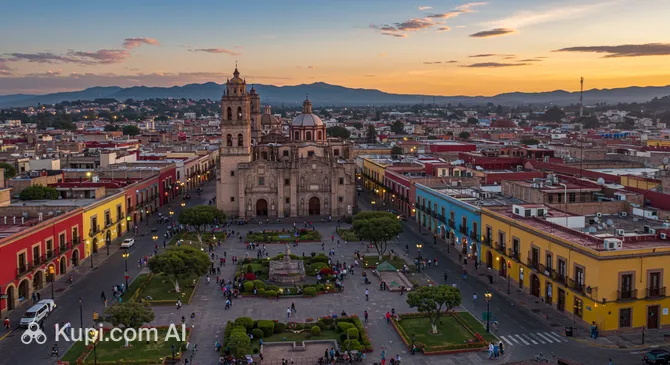
Leon. Source: Kupi.Binoculars

Renowned worldwide as the "Shoe Capital of the World", the city is famous for its exceptional leather goods and thriving footwear industry. Travelers interested in the history of Leon will discover a fascinating past that has seen the settlement evolve from a colonial outpost into a bustling commercial center. The local climate is generally mild and semi-arid, providing pleasant conditions for exploration throughout most of the year.

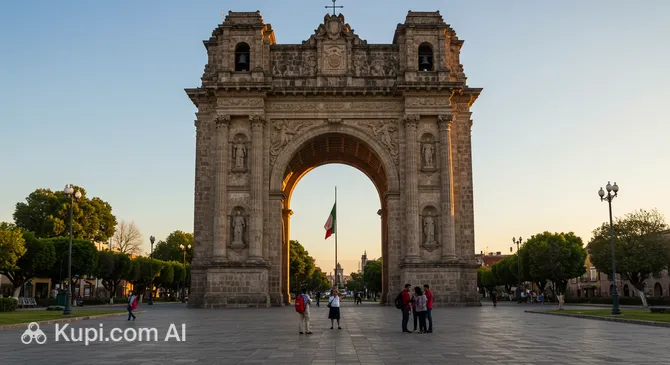
Among the city's most striking landmarks is the Templo Expiatorio (Expiatory Temple of the Sacred Heart of Jesus), a breathtaking example of neo-Gothic architecture known for its intricate stained glass and catacombs. Another iconic symbol is the Arco de la Calzada, a triumphal arch topped with a bronze lion that represents the strength and pride of the local people. Additionally, the city is host to the renowned International Balloon Festival, which fills the sky with color every November.

Whether you are visiting to shop for high-quality leather products, admire unique architectural feats, or simply enjoy the local cuisine, Leon offers a distinct and memorable experience. It is a destination that invites you to uncover the industrious spirit and warm hospitality of central Mexico.
Weather Overview

The climate in Leon is generally mild and agreeable, characterized by warm springs, a distinct rainy season in summer, and cool, dry winters. The warmest time of the year typically occurs in May, when average temperatures rise to around 22.9°C and daily highs can reach just over 30°C.

Winters are cooler but remain comfortable for exploration. During December and January, the average temperature sits near 15°C, with nighttime lows dropping to approximately 8°C. For a more detailed breakdown of seasonal trends, you can check the current weather in Leon to help plan your packing list.

Rainfall is heavily concentrated in the summer months. The dry season runs from November through April, seeing almost no precipitation. In contrast, the wet season begins in June and peaks in July, which experiences about 22 wet days, before tapering off in September.

Interesting Facts

Beyond the main attractions, Leon holds many fascinating secrets that offer a deeper look into its unique traditions and history.
  • A spicy culinary icon: The city is the birthplace of the "Guacamaya," a beloved street food snack. It consists of a bolillo roll stuffed with crispy pork cracklings (chicharrón), avocado, and cueritos (pickled pork skin), all drenched in a spicy tomato salsa.

  • The fizzing drink: Locals refresh themselves with "Cebadina," a traditional red beverage made from barley water and fruit (often pineapple or tamarind). The drink is famous for its effervescence, created by adding a spoonful of baking soda right before you drink it.

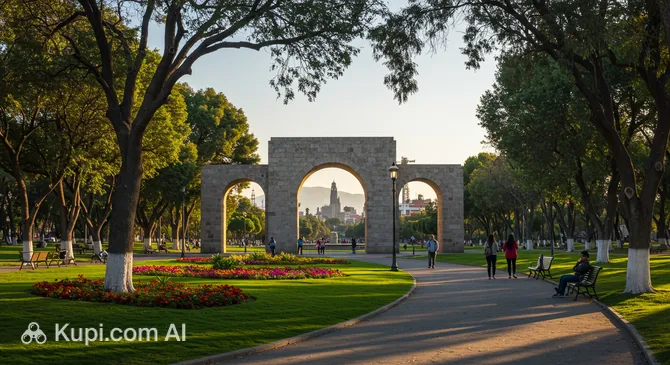
  • A landmark's evolution: The iconic Triumphal Arch of the Heroes' Causeway did not always look the way it does today. The bronze lion that currently stands atop the arch was added in 1958, replacing an earlier masonry lion that was moved to the local zoo.

  • Leather city scale: The Zona Piel is widely considered one of the largest leather goods districts in Latin America. It is not merely a market but a sprawling commercial zone covering dozens of blocks with thousands of stores selling shoes, jackets, and accessories.

Triumphal Arch of the Heroes' Causeway. Source: Kupi.Binoculars

How to Get There

Reaching this vibrant destination is quite convenient, thanks to its central location and good connectivity. For detailed information on all available transport methods, you can read more about how to get to Leon. Most international and domestic travelers choose to arrive by air, utilizing the region's well-equipped airport facilities.

The primary entry point is Guanajuato International Airport (BJX), which serves the metropolitan area. Located just 25.8 km from the city center, it is a busy hub handling millions of passengers annually. Travelers can expect a comfortable ride to downtown Leon, with the journey by taxi or shuttle taking approximately 60 minutes. This airport offers numerous connections to major cities in Mexico and the United States.

Alternatively, visitors can fly into Aguascalientes International Airport (AGU). It is important to note that this airport is not in Leon but in the city of Aguascalientes, situated about 91.8 km away. While further out, it serves as a practical option for those traveling through the wider region. The transfer time from Aguascalientes to Leon by road is roughly 2 hours and 40 minutes.

For clarity, here is a summary of the main airports:

Airport Name City Passenger Traffic Km from City
Guanajuato International Airport Leon High 25.8
Queretaro Intercontinental Airport Querétaro Medium 165.9
Morelia Airport Morelia Medium 157.1
Aguascalientes International Airport Aguascalientes Moderate 91.8
San Luis Potosi Airport San Luis Potosí Moderate 147.5

Regarding rail travel, the city of Leon does not currently have a passenger railway station. The train network in this part of Mexico is primarily dedicated to freight transport. Tourists are advised to rely on the country's extensive and comfortable intercity bus network or private car rentals to reach the city from other parts of Mexico.

Main Attractions

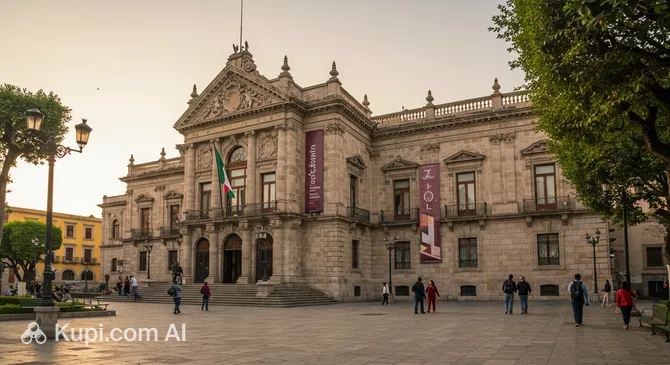
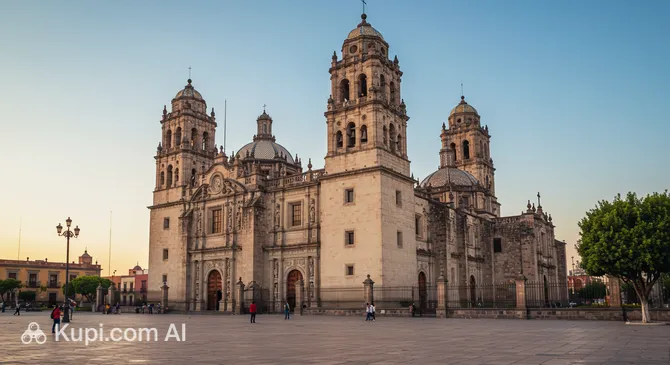
The city offers a diverse array of sights that range from historic religious monuments to modern cultural complexes, catering to history buffs, art lovers, and families alike. One of the most prominent spiritual landmarks is the Metropolitan Cathedral Basilica of Our Most Holy Mother of Light. Located in the heart of the historic center, this majestic building dates back to the mid-18th century. Its neoclassical façade and baroque interior features make it a captivating stop for those interested in colonial architecture and religious art.

Metropolitan Cathedral Basilica of Our Most Holy Mother of Light. Source: Kupi.Binoculars

For a deep dive into the artistic heritage of the region, the Forum Cultural Guanajuato is an essential destination. This sprawling modern complex acts as a beacon for the arts, housing a theater, a library, and expansive green areas. Within this cultural hub, you will find the Museum of Art and History of Guanajuato. The museum is renowned for its impressive architecture and comprehensive exhibits that trace the cultural identity of Guanajuato from pre-Hispanic times to the present day, making it a favorite for educational visits.

Museum of Art and History of Guanajuato. Source: Kupi.Binoculars

Travelers visiting with children or those who enjoy nature will find the León Zoo to be a delightful experience. Often referred to as Zooleón, it offers a safari-style attraction where visitors can observe animals in habitats that closely mimic their natural environments. It serves as an excellent recreational space for a family day out, providing both entertainment and environmental education.

Another fantastic option for families is the Explora Science Center. This interactive museum is one of the most important of its kind in Mexico, featuring themed halls dedicated to the human body, communication, and the universe. The center is surrounded by the Explora Ecological Park, a large green space perfect for walking, jogging, or simply relaxing after a day of discovery.

Local Cuisine

To understand the true spirit of Leon, one must dive into its distinctive culinary scene, which is famously characterized by bold street snacks and hearty traditional flavors. The city is often affectionately called the capital of "vitamin T" (tacos, tortas, and tamales), but its gastronomy goes far beyond typical Mexican staples. The local food culture is casual and vibrant, with many of the best treats found at street stalls in the Historic Center of León or near the bustling markets.

The undisputed king of local cuisine is the Guacamaya. While it may look like a simple sandwich, it is a crunchy explosion of flavor consisting of a bolillo roll filled with crispy pork cracklings (chicharrón), avocado, and pickled pork skin, all drowned in a fiercely spicy tomato salsa. Another unique snack you must try is the Caldo de Oso (Bear Broth). Despite the name, it contains no meat; it is a refreshing mix of jicama, cucumber, pineapple, and onion, seasoned with vinegar, lemon, cheese, and chili powder—a perfect remedy for a warm afternoon.

When it comes to beverages, the city takes pride in the Cebadina. This refreshing, non-alcoholic red drink is made from barley water fermented with pineapple or tamarind. It is traditionally served cold with a spoonful of baking soda added at the last second, causing it to fizz up, which is said to aid digestion. For those looking for something stronger, the region produces excellent mezcal, often enjoyed in the city's lively cantinas.

La Casona del Arco. Source: Kupi.Binoculars

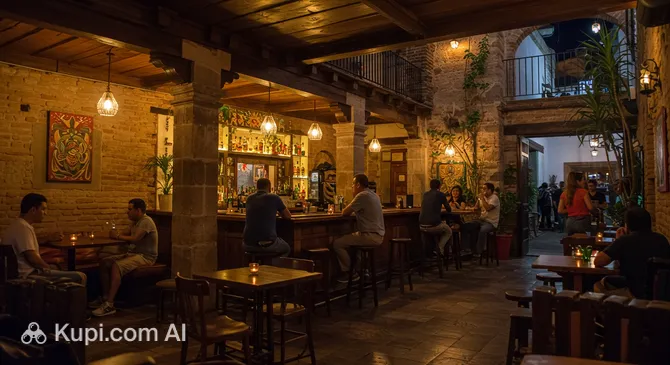
For a more formal dining experience that blends history with gastronomy, visitors can head to La Casona del Arco. Housed in a beautifully restored building, this establishment offers a sophisticated atmosphere where you can enjoy fusion cuisine and signature cocktails. It is an ideal spot to relax after a day of shopping or sightseeing.

Travelers seeking authentic regional dishes in a colorful setting should visit Mamalinda León. This restaurant is known for its traditional Mexican recipes and warm hospitality, making it a great place to sample classic moles or enchiladas. Whether you are grabbing a spicy snack on a street corner or enjoying a sit-down dinner, the flavors of Leon are sure to leave a lasting impression.

Travel Tips

Welcome to Leon! To ensure your visit to this industrious and culturally rich metropolis is as smooth and enjoyable as possible, we have compiled a set of essential travel guidelines. These practical tips will help you navigate the city with confidence, allowing you to focus on exploring its leather markets, historic sites, and culinary delights.

  1. Clothing and Gear: Since Leon enjoys a semi-arid climate, pack lightweight, breathable clothing for the daytime, but always bring a jacket or sweater for the evenings, as temperatures can drop significantly, especially in winter. If you visit during the rainy season (June to September), a compact umbrella or raincoat is essential. Comfortable walking shoes are a must for exploring the city center, though you might want to leave extra space in your luggage to buy a new pair of high-quality leather boots locally. When visiting religious sites like the Expiatory Temple, remember to dress modestly, covering your shoulders and knees.

  2. Transportation: The city boasts an efficient Bus Rapid Transit (BRT) system known as the Optibús (or "Oruga" due to the articulated green buses), which is an affordable way to navigate main avenues. For more direct travel, ride-hailing apps like Uber and Didi are widely available, safe, and often more convenient than hailing traditional green taxis on the street. Renting a car is useful if you plan to explore the surrounding Guanajuato region, but be prepared for heavy traffic during peak hours within the city.

  3. Finances: The local currency is the Mexican Peso (MXN). While credit and debit cards are accepted in hotels, shopping malls, and established restaurants, cash is king in local markets and for street food. It is advisable to carry small denominations for taxis and snacks. ATMs are plentiful, particularly near the main plaza and shopping centers. Tipping is customary; leaving 10% to 15% in restaurants is the standard practice if service is not included.

  4. Health and Safety: Leon is generally safe for tourists, but standard big-city precautions apply. Stick to well-lit, busy areas at night and avoid displaying expensive jewelry or electronics. Pharmacies are easy to find, with major chains like Farmacias Guadalajara often operating 24/7. Important: Do not drink tap water; always opt for bottled or purified water to avoid stomach issues.

  5. Communication: Spanish is the primary language. While staff at major hotels and the airport may speak English, it is not widely spoken in local markets or by bus drivers. Learning a few basic phrases like "Buenos días" (Good morning) and "Gracias" (Thank you) will go a long way. You can easily purchase a prepaid SIM card (Telcel is a reliable provider) at convenience stores like OXXO to stay connected.

  6. Local Etiquette: Mexicans are generally polite and formal. It is polite to greet people when entering a shop or elevator. A unique local custom involves saying "Provecho" (Bon appétit) to other diners when you enter or leave a restaurant; it is a friendly gesture that locals appreciate. Handshakes are the standard greeting, but close acquaintances may use a light hug or a kiss on the cheek.

  7. What to Avoid: Avoid getting into unmarked taxis; stick to official ranks or apps. Also, try to avoid discussing sensitive topics such as local crime or politics with strangers. When shopping in the markets, aggressive haggling is not as common here as in some other countries; a polite negotiation is acceptable, but pushing too hard is considered rude.

  8. Shopping Tip: If you are here for the leather goods, head to the Zona Piel near the bus station early in the day. With thousands of shops, it can get overwhelming and crowded in the afternoon. Compare prices before buying, as many stalls sell similar items, and you can often find excellent deals on jackets, bags, and shoes just a few steps away from the main thoroughfares.

By keeping these tips in mind, you are well on your way to a hassle-free and memorable adventure in the heart of Guanajuato. Embrace the local rhythm, savor the spicy flavors, and enjoy the warm hospitality that makes Leon a unique destination in Mexico.

Entertainment & Nightlife

When the sun sets over the Bajío region, Leon transforms into a lively hub of entertainment, offering a diverse nightlife scene that caters to university students, locals, and visitors alike. The city's energy shifts from its industrial and commercial focus to a vibrant social atmosphere, particularly on weekends. Whether you are looking for a quiet place to enjoy a craft beer, a sophisticated cocktail lounge, or a club to dance the night away, the city has plenty of options to explore.

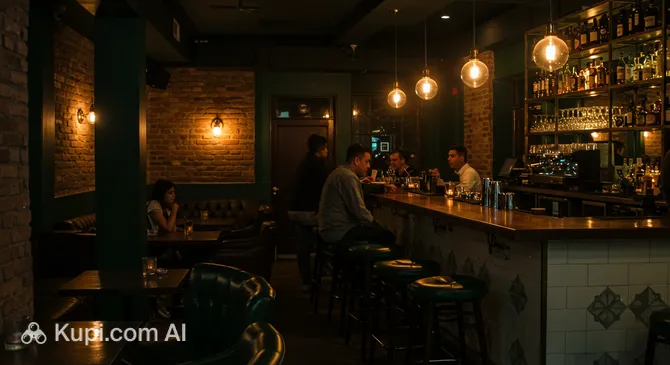
The epicenter of nightlife in Leon is undoubtedly Calle Madero (Madero Street) located in the historic center. This iconic street is lined with numerous bars, pubs, and restaurants, making it the perfect destination for a "bar-hopping" experience. The atmosphere here is bohemian and relaxed, with crowds spilling out onto the sidewalks. For a unique experience, you can visit Clandestina 74 León, a venue known for its speakeasy vibe and expertly crafted cocktails. It is an ideal spot for those who appreciate mixology in an intimate setting.

Clandestina 74 León. Source: Kupi.Binoculars

For those who prefer a more energetic environment with live music, the city offers several venues dedicated to rock and alternative genres. Station Rock Bar is a popular choice among locals, featuring live bands and a spirited crowd. If you are in the mood for dancing or electronic beats, you might check out Viento Libre, which often hosts DJ sets and themed nights. Beyond the historic center, the areas surrounding major shopping districts like Plaza Mayor also feature upscale clubs and lounges that tend to have a more dressy and exclusive vibe.

Practical advice for enjoying a night out in Leon includes timing and transportation. The nightlife typically kicks off late, with bars filling up around 10:00 PM and clubs peaking after midnight. The dress code is generally smart-casual; while jeans are acceptable in most bars on Madero Street, upscale venues in the northern part of the city may require a more polished look. Prices are generally reasonable compared to major beach resorts in Mexico, with beers and cocktails being quite affordable.

Regarding safety, the main nightlife corridor of Calle Madero is well-policed and busy, making it generally safe for walking between venues. However, it is advisable to stay on the main lit streets and avoid wandering into deserted side alleys late at night. When it is time to return to your accommodation, avoid hailing taxis on the street. Instead, use ride-hailing apps like Uber or Didi, or ask your venue to call a radio taxi for you. This ensures a tracked and safe journey home.

While nightlife is a major draw, Leon also offers engaging entertainment during the day, particularly for families and thrill-seekers. Visitors can test their problem-solving skills at Enigma Rooms León Panorama, a popular escape room experience. For those traveling with children, Sealand León provides an immersive aquarium adventure, while Selva Park offers amusement rides and family-friendly fun. These attractions provide a perfect balance to the city's nocturnal excitement.

Parks & Museums

Beyond its industrial prowess and bustling leather markets, Leon surprises visitors with a rich tapestry of cultural venues and refreshing green spaces. The city actively preserves its heritage through specialized museums while providing ample recreational areas where locals and tourists alike can unwind amidst nature.

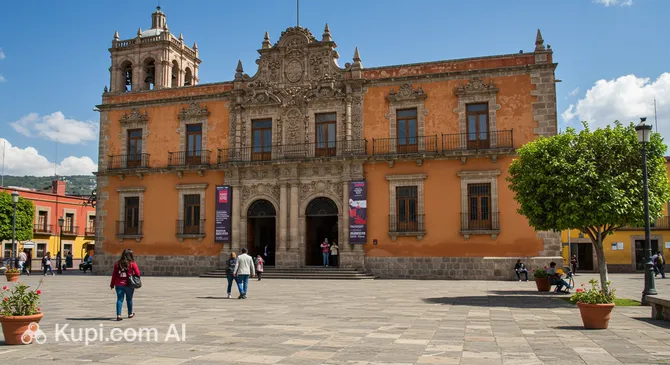
For those looking to delve into the local narrative, the Museum of Leonese Identities is a fascinating stop. Located in a historic building that once served as the municipal jail, this museum is dedicated to the stories, traditions, and daily life of the people of Leon. Through interactive exhibits and photographs, it explores the evolution of the city's identity, making it an excellent place to understand the "soul" of the region.

Museum of Leonese Identities. Source: Kupi.Binoculars

Another cultural gem is the Museum of the City of León. Situated in the historic center, this venue serves as a guardian of the municipality's artistic and historical heritage. It frequently hosts temporary exhibitions showcasing contemporary local artists alongside permanent collections that trace important historical events. It is a quiet, contemplative space perfect for escaping the midday heat while soaking up some culture.

When it comes to outdoor relaxation, Los Cárcamos Park stands out as a favorite among residents. This ecological reserve features a beautiful lake, walking trails, and abundant vegetation, creating a serene environment for jogging or a family picnic. The park is designed to manage rainwater naturally, blending environmental functionality with recreational beauty.

Los Cárcamos Park. Source: Kupi.Binoculars

For a more active day out, the Explora Ecological Park offers extensive green areas adjacent to the science center. It is a "green lung" for the city, equipped with playgrounds, exercise tracks, and open spaces for festivals. It is a vibrant spot where you can observe local life, from families flying kites to joggers enjoying the fresh air.

If you are interested in aquatic life but want to stay indoors, consider a visit to Pepe Pez Aquarium. While smaller than massive commercial aquariums, it offers an intimate look at various aquatic species and serves as an educational experience, particularly suitable for younger travelers interested in marine biodiversity.

Getting Around

Navigating Leon is relatively straightforward thanks to its well-organized and pioneering public transportation network. Unlike many other large cities, Leon does not have a subway or metro system. Instead, it relies on the Integrated Transport System (SIT), locally known as the Optibús. This system is famous for being the first Bus Rapid Transit (BRT) network in the country, serving as a model for other metropolitan areas.

The backbone of the SIT consists of large, articulated green buses known affectionately by locals as "Orugas" (caterpillars). These buses run on dedicated lanes down the city's main avenues, bypassing traffic and ensuring faster travel times. They connect to a series of main transfer stations where passengers can switch to "feeder" buses (typically yellow or orange) that serve the outskirts and residential neighborhoods without paying an additional fare, provided they remain within the station network.

To use the system efficiently, it is highly recommended to purchase a Pagobús card. This smart card offers a discounted fare compared to paying with cash. While you can pay for a single journey with coins at the turnstiles in the stations or directly to the driver on feeder buses, the cash rate is higher (currently around 13 MXN). The Pagobús card can be purchased and recharged at vending machines located at the main transfer terminals and some authorized shops.

The transport system generally operates from 6:00 AM to 11:00 PM. For tourists, the most practical advice is to use the main transfer stations to orient yourself, as they feature route maps and personnel who can assist. When entering a station, you validate your payment at the turnstile; once inside, you can transfer between lines freely. If you are boarding a bus on the street, you tap your card on the reader near the driver.

For those who prefer more direct or private transportation, taxis are plentiful. Official taxis are green and can be hailed on the street or found at designated ranks (sitios). However, for greater convenience and safety, many visitors prefer using ride-hailing apps like Uber or Didi, which are widely available, reasonably priced, and overcome language barriers by allowing you to set your destination on your phone.

If you enjoy cycling, the city offers a public bike-sharing system called Bici León. It is an excellent alternative for short trips within the central districts, particularly near the Historic Center and the cultural forum. You can access the bikes via a mobile app, making it a green and pleasant way to explore the city's parks and architectural landmarks at your own pace.

Accommodation

Finding the perfect place to stay in Leon is relatively easy, as the city boasts a well-developed hospitality infrastructure designed to cater to both business travelers and vacationers. The accommodation landscape ranges from modern high-rise hotels belonging to international chains to charming boutique establishments and budget-friendly hostels. Whether you are looking for luxury amenities or a simple, comfortable base for your explorations, the city offers diverse options to suit various needs and budgets.

The choice of location largely depends on the purpose of your visit. The Poliforum District is highly popular among business travelers and event-goers due to its proximity to the convention center, the stadium, and the cultural forum. For those who prefer a more atmospheric experience, the Historic Center places you within walking distance of the main cathedral and museums. Alternatively, the northern part of the city, particularly around Plaza Mayor, is known for its upscale hotels, shopping malls, and exclusive dining options.

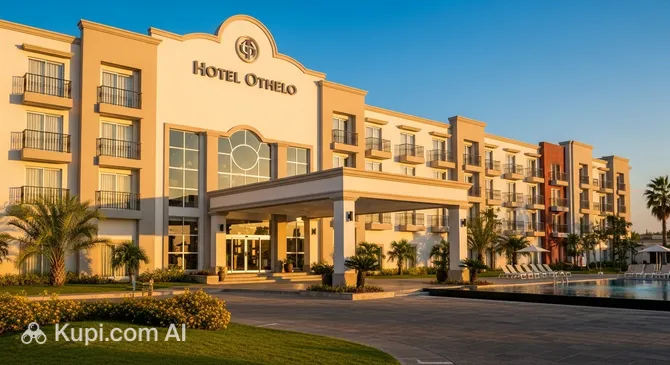
Among the notable accommodation choices, visitors often look for places that offer a blend of comfort and convenient access to the city's highlights. One such example is Hotel Othelo, which provides a welcoming environment for travelers seeking a restful stay. Properties in this category often feature essential amenities like Wi-Fi and breakfast, ensuring a pleasant experience after a day of sightseeing or meetings.

Hotel Othelo. Source: Kupi.Binoculars

When planning your trip, it is crucial to consider the local event calendar. Leon hosts major international events, most notably the International Balloon Festival in November and the State Fair in January. During these periods, demand for rooms spikes significantly, and prices can rise. It is highly recommended to book your accommodation several months in advance if you intend to visit during these peak seasons to secure availability and better rates.

In terms of pricing, Leon is generally more affordable than Mexico's popular beach destinations. Budget travelers can find hostels and economy hotels for very reasonable rates, while mid-range and luxury options offer excellent value for money compared to other major cities. Reservations can be easily made through major online booking platforms or directly with the hotels, which is often the best way to find special promotions or packages.

Nearby Cities

For those looking to explore the surroundings, Leon serves as an excellent base for day trips to several interesting nearby locations:

City Population Distance (km)
Irapuato 592953 60
Salamanca 327169 80
Guanajuato 194500 46
Lagos de Moreno 172402 37
Penjamo 149936 77

One of the most compelling destinations is Guanajuato City, the state capital located less than an hour away. This UNESCO World Heritage site is famous for its vibrant, colorful houses stacked on hillsides, its unique network of underground tunnels, and its rich colonial history. Visitors can explore the iconic Alley of the Kiss (Callejón del Beso) or visit the fascinating Museum of the Mummies.

Another nearby gem is Lagos de Moreno, situated just across the border in the state of Jalisco. Designated as a "Pueblo Mágico" (Magical Town), it boasts a beautifully preserved historic center with impressive religious architecture, such as the Parish of Our Lady of the Assumption. It offers a quieter, more traditional atmosphere compared to the bustling city.

For those interested in agriculture and local flavors, Irapuato is known as the "World's Strawberry Capital." Beyond its delicious berries, the city offers a pleasant historic center with fountains and plazas, making it a relaxing stop for an afternoon visit.

These nearby destinations offer a glimpse into the diverse culture and landscapes of the region.

Shopping & Souvenirs

Shopping:

Shopping in Leon is an experience that revolves primarily around one material: leather. As the "Shoe Capital of the World," the city attracts thousands of visitors annually who come specifically to update their wardrobes with high-quality footwear, jackets, bags, and accessories. The industry here is not just a commercial activity but a deep-rooted tradition, offering everything from cowboy boots to high-fashion stilettos at competitive prices.

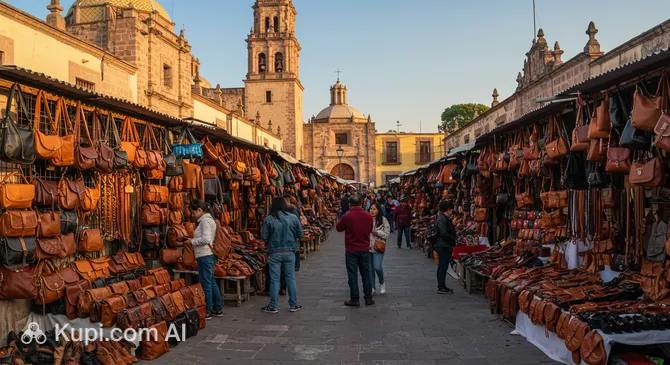
The epicenter of this trade is the famous Zona Piel. Located conveniently near the main bus station, this massive commercial district spans over 85 hectares and houses more than 4,500 outlets. It is a bustling labyrinth of sights and smells, where you can find leather goods in every conceivable color and style. Whether you are looking for a sturdy belt, a custom leather jacket, or comfortable walking shoes, this is the place to find the best deals directly from producers and artisans.

Zona Piel. Source: Kupi.Binoculars

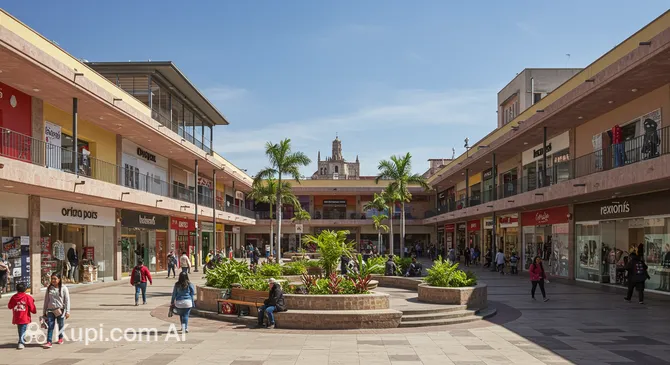
For those who prefer a more modern and upscale shopping environment, Plaza Mayor is the city's premier destination. Located in the northern part of Leon, this expansive shopping center features wide avenues, fountains, and a vast selection of international and domestic brands. It serves as a lifestyle hub where visitors can enjoy department stores, boutiques, and a variety of dining options, making it a perfect spot for a full day of leisure.

Plaza Mayor. Source: Kupi.Binoculars

Another excellent option, particularly for those staying in the southern part of the city, is Altacia Mall. This shopping center stands out for its contemporary open-air design and sustainable architecture. It offers a relaxed atmosphere with a mix of fashion retailers, an aquarium, and cinema facilities. It is a great place to shop for trendy apparel before grabbing a coffee or a meal in its vibrant food court.

Altacia Mall. Source: Kupi.Binoculars

Beyond the major malls and the leather district, the city is dotted with factory outlets along the main boulevards, where major shoe brands offer discounted prices. When shopping in Leon, it is always a good idea to inspect the quality of the leather. While prices are generally fixed in the malls, polite negotiation is often acceptable in market settings like Zona Piel, especially if you are purchasing multiple items.

Reached the end of the page?

That means the route is fully explored