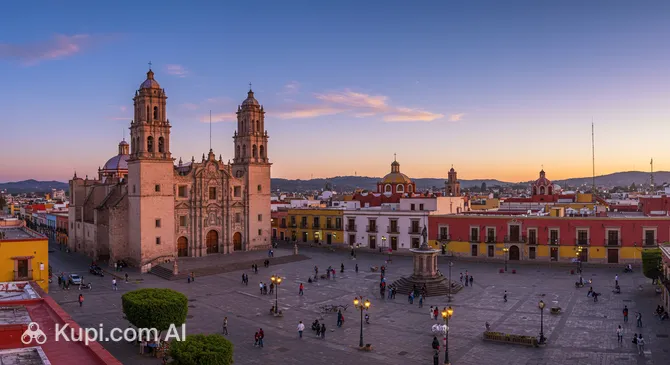
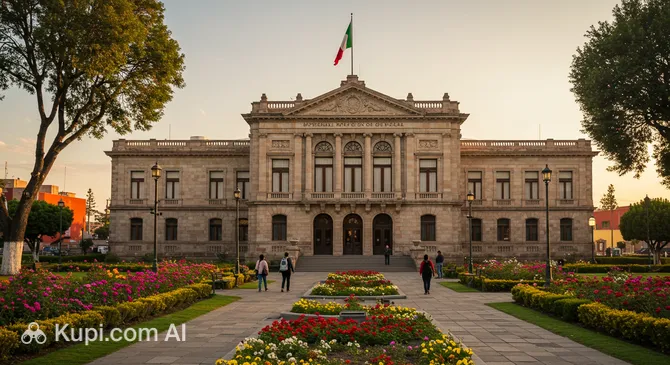
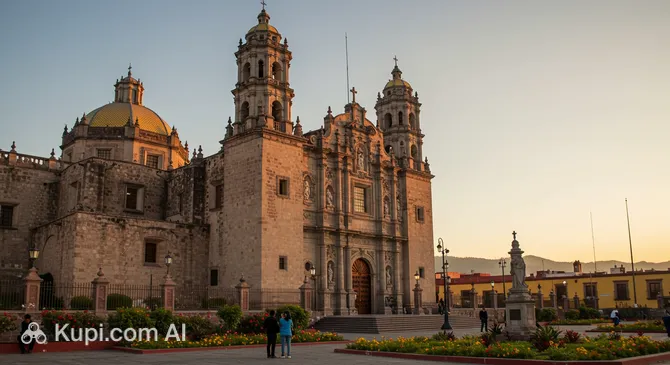
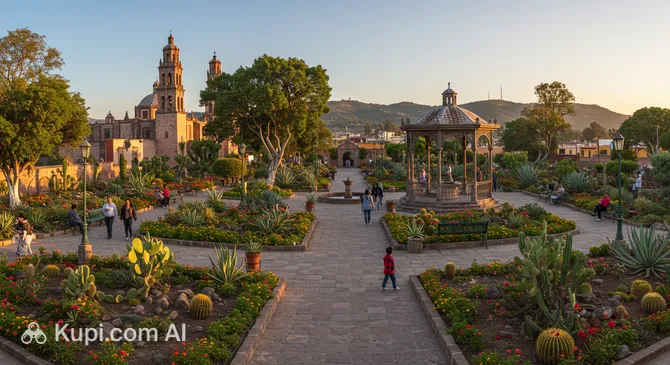
San Luis Potosí is a captivating destination that seamlessly blends colonial charm with modern vitality. Located in the heart of Mexico, this city serves as the capital of the state bearing the same name. It is a place where intricate Baroque architecture meets bustling plazas, creating a unique atmosphere that invites exploration and offers a glimpse into the region's cultural depth.
Geographically, the city sits on the Mexican Plateau at a high elevation, which grants it a generally mild and semi-arid climate. With a population of over 770,000 residents, it is a significant urban center that retains a welcoming and accessible feel. The history of San Luis Potosí is deeply rooted in the colonial mining era, as it was once a major hub for gold and silver, a legacy that is still visible in its opulent buildings and well-preserved streets.
San Luis Potosí. Illustration.
Source: Kupi.com AI
Visitors are often drawn to the stunning Historic Center, a UNESCO World Heritage site characterized by its distinctive pink quarry stone structures. Key landmarks include the majestic Metropolitan Cathedral and the lively Plaza de Armas, which serve as gathering points for locals and tourists alike. For those seeking green spaces, Tangamanga Park offers a massive urban oasis, considered one of the largest of its kind in the country, perfect for outdoor activities and relaxation.
Whether you are an architecture enthusiast or simply looking to experience authentic local culture, San Luis Potosí provides a memorable travel experience. Its combination of rich heritage, pleasant weather, and friendly locals makes it a wonderful addition to any itinerary through the region.
Weather Overview
Travelers planning a trip to this region can generally expect a mild and semi-arid climate, making it a pleasant destination year-round. The warmest time of the year typically occurs in late spring, particularly in May, when the average temperature reaches around 22.1°C and daytime highs can climb to nearly 30°C. This period offers plenty of sunshine, perfect for exploring the city's outdoor plazas and architectural landmarks.
Following the warm spring, the summer months bring a shift in conditions with an increase in rainfall. From June through September, the frequency of rain rises significantly, with September seeing up to 14 wet days, although the temperatures remain comfortable, averaging around 19°C to 21°C. To ensure you pack the right gear for these seasonal shifts, it is helpful to review the detailed guide to the weather in San Luis Potosí.
Winters are characterized by cooler and much drier conditions. During December and January, precipitation is virtually non-existent, and while daytime highs stay pleasant around 21°C, nights can get chilly with lows dropping to approximately 6.6°C. Overall, visitors should expect warm springs, a wetter summer season, and cool, dry winters.
Average monthly temperature
Average monthly precipitation
Interesting Facts
To create a truly memorable experience, it helps to look past the guidebooks and discover the stories that shaped this unique destination. Beyond the main attractions, San Luis Potosí holds many fascinating secrets that reveal the depth of its heritage.
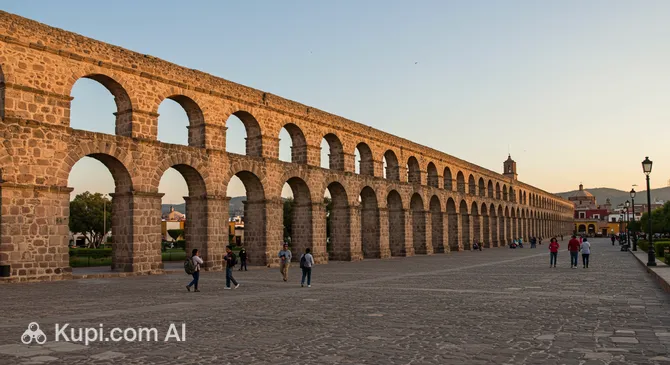
Caja de Agua. Illustration.
Source: Kupi.com AI
Traveler photos:
The city's name is a nod to both royalty and riches. While "San Luis" honors King Louis IX of France, the "Potosí" part was added later to compare the region to the famous silver mines of Potosí in Bolivia. The Spanish founders hoped the mines here would yield equal wealth, cementing the city's status as a major mining hub.
The iconic Caja de Agua is much more than a beautiful neoclassical monument. In the 19th century, this circular stone structure served as an active water reservoir. It marked the endpoint of a long aqueduct that delivered fresh water from the Cañada del Lobo to the city's inhabitants, functioning as a vital utility disguised as art.
One of the city's most vibrant cultural spaces, the San Luis Potosí Arts Center, has a surprising past. The building was originally a penitentiary constructed in the late 1800s. It famously housed Francisco I. Madero, a key historical figure who drafted the "Plan of San Luis" within its walls, setting the stage for major national changes before the building was eventually transformed into a hub for the arts.
Surrealism has a special home here at the Leonora Carrington Museum. Located inside the Arts Center, this is the first museum in the world entirely dedicated to the British-born Mexican artist Leonora Carrington. It houses a vast collection of her sculptures, jewelry, and sketches, celebrating her magical and dreamlike artistic vision.
How to Get There
Reaching this destination is quite convenient due to its central location and well-connected transport infrastructure. The most direct method is to fly into San Luis Potosi Airport (IATA: SLP), which is situated just 12 km from the city center. This international airport, also known as Ponciano Arriaga International Airport, handles a significant number of regional flights. A taxi or private transfer from the terminal to the downtown area typically takes about 25 to 35 minutes depending on traffic. You can find more about how to get to San Luis Potosí and the specific transport options available in our detailed guide.
If direct flights are unavailable, a viable alternative is Guanajuato International Airport (IATA: BJX), located in the city of Leon. Although it is approximately 139 km from San Luis Potosí, it is a larger hub with more frequent connections. Travelers arriving here can expect a road journey of around 2 hours to reach San Luis Potosí by bus or rental car. Another option is Queretaro Intercontinental Airport (IATA: QRO) in Querétaro, roughly 189 km away, which also serves as a major entry point for the region.
For clarity, here is a summary of the main airports:
Regarding rail travel, San Luis Potosí does not currently have a passenger train service connecting it to other major cities. While the city has a rich railway history, modern travel is primarily conducted via the country's extensive highway system. Visitors generally rely on long-distance luxury buses or private vehicles to arrive from neighboring states.
Main Attractions
San Luis Potosí offers a diverse array of sights, ranging from deeply historical religious sites to cutting-edge interactive museums. The city's rich past as a mining hub and its modern cultural evolution are reflected in its most popular landmarks, making it a fascinating place for exploration.
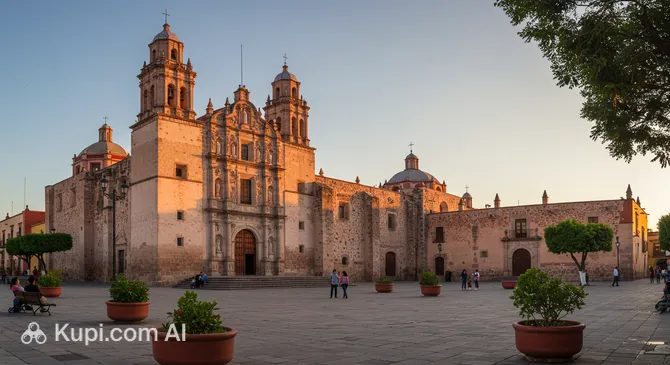
One of the most picturesque spots in the city is Plaza del Carmen. This vibrant square is a favorite among locals and tourists alike, known for its lively atmosphere and stunning surroundings. Dominated by the ornate Templo del Carmen, the plaza is a perfect place to sit and admire the Churrigueresque architecture or watch street performers. It serves as a central hub that connects visitors to other nearby architectural gems in the historic center.
Plaza del Carmen. Illustration.
Source: Kupi.com AI
Traveler photos:
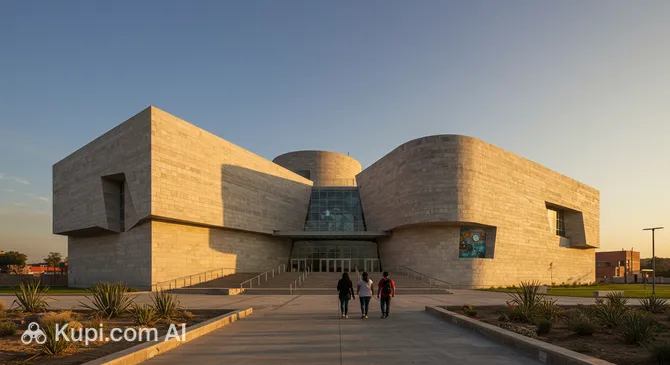
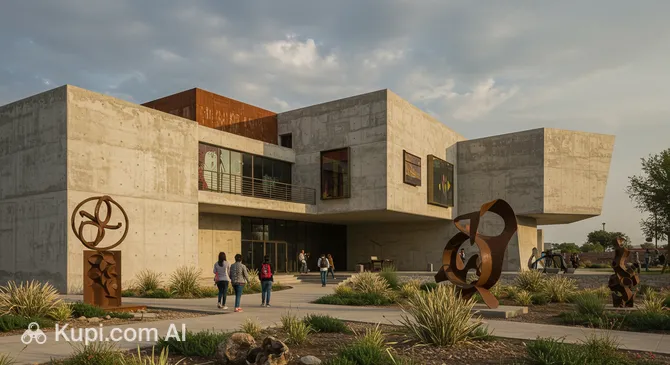
For a unique blend of art, science, and architecture, the Labyrinth Museum of Sciences and Arts is a must-visit. Located near Tangamanga Park, this museum is housed in a building designed by the renowned architect Ricardo Legorreta, featuring a fortress-like structure with courtyards and open spaces. Inside, interactive exhibits engage visitors of all ages, while the outdoor sculpture gardens provide a serene environment for a leisurely walk.
Labyrinth Museum of Sciences and Arts. Illustration.
Source: Kupi.com AI
Traveler photos:
History enthusiasts will appreciate the National Museum of the Mexican Railways. Housed in a beautiful Art Deco station that dates back to the mid-20th century, the museum preserves the city's important legacy as a transport hub. Visitors can explore vintage train cars, steam locomotives, and exhibits that detail the development of the railway system in Mexico, offering a nostalgic journey through time.
National Museum of the Mexican Railways. Illustration.
Source: Kupi.com AI
Traveler photos:
Another iconic landmark is the Basilica Shrine of Our Lady of Guadalupe. Standing majestically at the end of a long pedestrian causeway known as the Calzada de Guadalupe, this neoclassical church is constructed from the region's distinctive pink quarry stone. Its towering spires and elegant facade make it one of the most photographed and spiritually significant structures in the city.
Basilica Shrine of Our Lady of Guadalupe. Illustration.
Source: Kupi.com AI
Traveler photos:
Local Cuisine
To fully experience the culture of San Luis Potosí, one must explore its distinct and flavorful culinary scene. The local cuisine is a proud reflection of the region's history, blending indigenous traditions with Spanish influences. It is famous for its use of corn, dried chilies, and cactus products, offering a variety of textures and tastes that range from spicy savory dishes to unique natural sweets.
The undisputed star of the city's gastronomy is the Enchilada Potosina. Unlike standard enchiladas, these are made with a special dough infused with red chile, giving them a vibrant orange-red color. They are typically smaller in size, filled with fresh cheese and salsa, and then fried to perfection. You will often find them served as a hearty breakfast or dinner, accompanied by refried beans, guacamole, and sometimes cream.
Another dish that meat lovers should not miss is Cecina, a type of salted and sun-dried beef that is marinated to preserve its flavor. It is frequently grilled and served alongside enchiladas or chilaquiles. For those with a sweet tooth, the region offers a unique dessert known as Queso de Tuna. Despite its name, it is not cheese but a sweet block made from the juice of the prickly pear cactus, which is boiled down until it solidifies. It is a traditional treat that perfectly captures the essence of the semi-arid landscape.
El México de Frida. Illustration.
Source: Kupi.com AI
Traveler photos:
When it comes to beverages, San Luis Potosí is a significant producer of Mezcal. The high-plateau maguey plants yield a spirit with a distinctive smoky flavor that rivals those from southern Mexico. Visitors can enjoy a tasting in local cantinas or restaurants. For a non-alcoholic option, try Colonche, a seasonal fermented drink made from cactus fruit, which has been consumed in the region for centuries.
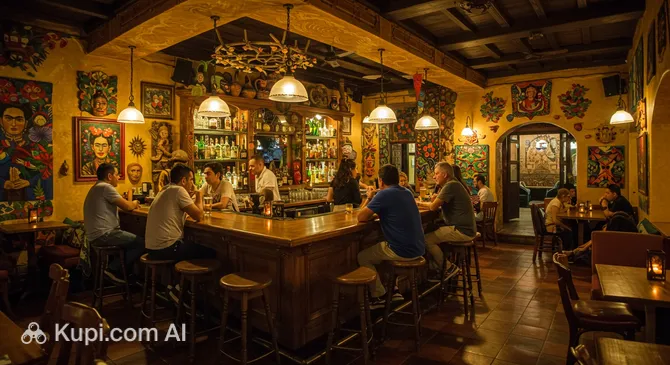
Dining in the city ranges from casual street food stalls in the bustling markets to elegant establishments housed in colonial buildings. The historic center is packed with options where you can soak up the atmosphere. For a vibrant setting that celebrates Mexican folklore and art while you dine or enjoy a drink, El México de Frida is a popular spot among locals and visitors alike. Alternatively, if you are looking for a place to enjoy a relaxed coffee or a light meal, Café Corta'o offers a cozy environment to take a break from sightseeing.
Travel Tips
Visiting San Luis Potosí is a rewarding experience filled with architectural wonders and culinary delights, but a little preparation goes a long way in ensuring a smooth trip. To help you navigate the city like a pro and focus on enjoying the rich culture, here are some essential practical tips to keep in mind.
Clothing and Gear: Due to the city's high elevation on the Mexican Plateau, the weather can be changeable. It is best to pack layers; days can be warm and sunny, while evenings often get surprisingly cool. Comfortable walking shoes are a must, as the historic center is paved with cobblestones that can be uneven. If you plan to visit religious sites like the Cathedral, remember to dress modestly, covering shoulders and knees.
Transportation: The most convenient way to get around the city, especially for those not fluent in Spanish, is using ride-hailing apps like Uber or DiDi, which are widely available and generally safer than hailing taxis on the street. Public buses are affordable but can be confusing for first-time visitors. For exploring the beautiful Historic Center, walking is undoubtedly the best option.
Finances: The local currency is the Mexican Peso (MXN). While credit and debit cards are accepted in hotels, malls, and larger restaurants, cash is king for street food stalls, small markets, and public transport. ATMs are widespread, but it is safer to use those located inside banks or shopping centers. Tipping is customary; leaving 10-15% at restaurants is the standard practice.
Health and Safety: San Luis Potosí is a busy industrial and tourist hub, but standard urban precautions apply. Stick to well-lit, populated areas at night and avoid displaying expensive jewelry or electronics. Pharmacies like Farmacias Guadalajara are easy to find, and many operate 24/7. Always drink bottled water to avoid stomach issues, as tap water is not safe for consumption.
Communication: The main language is Spanish. While staff at high-end hotels may speak English, it is not widely spoken in local shops or by taxi drivers. It is highly recommended to learn a few basic phrases or download a translation app. Buying a local SIM card from providers like Telcel is easy and ensures you have data for maps and communication throughout your stay.
Local Etiquette: Mexicans are generally very polite and warm. It is customary to greet people with a "Buenos días" (Good morning) or "Buenas tardes" (Good afternoon) when entering a shop or elevator. When you see someone eating, it is polite to say "Provecho" (Bon appétit). Handshakes are the standard greeting, though locals may greet friends with a hug or cheek kiss.
What to Avoid: Avoid taking photos of people, especially indigenous locals, without asking for permission first, as it can be considered rude. Also, try not to raise your voice in public conversations; a calm and polite demeanor is much more effective and respected in local culture.
Local Insight: If you are in the city on a Sunday, head to the Carranza Avenue. On Sunday mornings, a large section of this main avenue is closed to cars and opened up for cyclists, runners, and families, creating a festive and community-focused atmosphere that offers a great glimpse into local life.
By keeping these practical points in mind, you will be well-equipped to explore everything San Luis Potosí has to offer with confidence and ease. Embrace the local rhythm, try the unique flavors, and enjoy the warm hospitality that defines this beautiful Mexican city.
Entertainment & Nightlife
As the sun sets over the colonial skyline, San Luis Potosí transforms into a vibrant hub of activity, offering a nightlife scene that caters to diverse tastes. Thanks to a large university population and a growing cosmopolitan vibe, the city boasts an energetic atmosphere ranging from bohemian cantinas in the historic center to chic nightclubs in the modern districts. Whether you prefer a quiet evening sipping local mezcal or dancing until dawn, the city has plenty to offer.
The nightlife geography is essentially divided into two main zones. The Historic Center is perfect for those who enjoy a relaxed, traditional ambiance. Here, you can find rooftop bars with views of illuminated churches and cozy venues tucked into old colonial buildings. On the other hand, the western part of the city, particularly along Avenida Venustiano Carranza and the Lomas district, is home to upscale clubs, trendy lounges, and lively pubs where the dress code is smarter and the energy is higher.
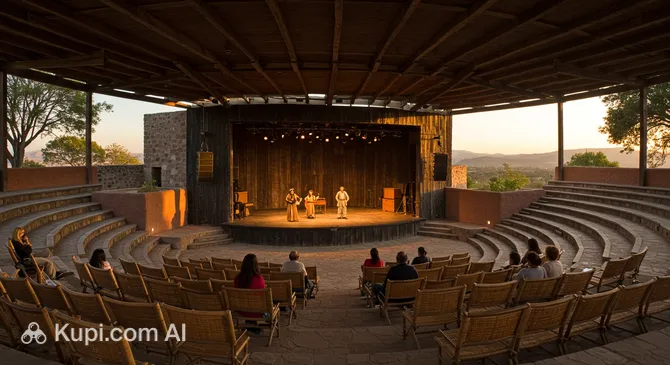
For a taste of the local social scene, Cielo Tinto is a popular choice. This venue combines the charm of a traditional cantina with a modern twist, making it an excellent spot to enjoy live music and a variety of drinks in a spirited environment. It is a favorite among locals for starting the night or enjoying a long evening of conversation and music.
Cielo Tinto. Illustration.
Source: Kupi.com AI
Traveler photos:
If you are in the mood for something more interactive, karaoke bars are a staple of the city's entertainment culture. Señor Popper’s CantaBar offers a fun and unpretentious atmosphere where guests can sing their hearts out or simply enjoy the performances of others. Another excellent option for singing enthusiasts is El Canta Karaoke Bar, known for its lively crowd and extensive song list, ensuring a memorable night out with friends.
Señor Popper’s CantaBar. Illustration.
Source: Kupi.com AI
Traveler photos:
Practicalities are important for a smooth night out. The action typically starts late, with bars filling up around 9:00 PM and clubs peaking after midnight. Prices in San Luis Potosí are generally more affordable than in larger tourist hubs like Mexico City or Cancun. While the dress code is mostly casual-chic, some of the more exclusive clubs in the Lomas area may require a shirt and closed shoes for men.
Regarding safety, it is advisable to stay in well-populated areas and avoid walking alone on poorly lit streets late at night. The Historic Center is safe for evening strolls, especially on weekends when plazas are busy, but for returning to your accommodation, using ride-sharing apps like Uber or DiDi is highly recommended over hailing street taxis. This ensures a tracked and safe journey back to your hotel.
Before the night begins, daytime entertainment in San Luis Potosí offers its own set of adventures. Beyond the museums and architectural tours, families and nature lovers can visit the Tangamanga Zoo located within the immense Tangamanga Park. It provides a relaxing break from the urban environment, allowing visitors to see diverse wildlife and enjoy the city's green lung before the evening festivities commence.
Parks & Museums
Parks and Museums:
Beyond its stunning colonial architecture, San Luis Potosí offers a wealth of green spaces and cultural institutions that provide a deeper look into the region's identity. The city balances its urban energy with peaceful gardens and world-class museums, making it an ideal destination for travelers who enjoy both nature and the arts.
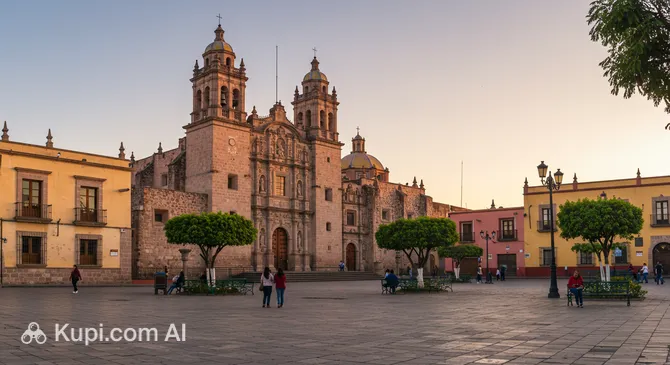
For a moment of tranquility amidst the bustling historic center, the San Francisco Garden is a perfect retreat. Located in front of the church of the same name, this leafy plaza is a favorite spot for locals to read, chat, or simply enjoy the shade of large trees. Its central fountain and paved paths create a relaxing atmosphere, offering a quiet break from sightseeing while still being surrounded by beautiful baroque structures.
San Francisco Garden. Illustration.
Source: Kupi.com AI
Traveler photos:
Those interested in the region's natural history should visit the Tangamanga Park Ecomuseum. Situated within the expansive Tangamanga I Park, this facility is dedicated to the flora and fauna of the Potosino Altiplano. It provides an educational experience where visitors can learn about the diverse ecosystems of the state, making it a great stop for families and nature enthusiasts exploring the city's largest green lung.
The city's museum scene is equally impressive, with unique venues that stand out on a national level. The Federico Silva Sculpture Museum is a must-visit for art lovers. Housed in a beautifully restored 17th-century building that was once a hospital and later a school, it is the first museum in Latin America dedicated entirely to contemporary sculpture. The contrast between the ancient stone walls and the massive, modern abstract works by Federico Silva creates a visually striking experience.
Federico Silva Sculpture Museum. Illustration.
Source: Kupi.com AI
Traveler photos:
Another cultural gem is the Francisco Cossio Museum. Located in an elegant neoclassical villa, this museum holds one of the most eclectic collections in the country. Its exhibits range from pre-Hispanic archaeological artifacts and colonial art to geological specimens and 20th-century Mexican paintings. The surrounding gardens of the villa are also beautifully maintained, adding to the charm of the visit.
For a different kind of indoor experience, especially if traveling with children, the San Luis Potosí Aquarium offers an engaging look at aquatic life. While smaller than some coastal aquariums, it provides an entertaining and educational diversion right in the city, showcasing various species of fish and reptiles.
Getting Around
Getting around San Luis Potosí is relatively straightforward, offering a mix of traditional and modern options that cater to different needs. The city’s layout allows for a varied approach, depending on whether you are exploring the colonial heart or venturing into the modern commercial districts.
For visitors focusing on the Historic Center, walking is undoubtedly the best choice. Many of the key attractions, plazas, and museums are clustered within a compact area connected by pedestrian-friendly streets like Calle Zaragoza. Strolling through these stone-paved corridors allows you to appreciate the intricate baroque architecture up close, without the distraction of vehicle traffic.
A popular option for sightseeing within the downtown area is the Tranvía Turístico (Tourist Trolley). These trolley-style buses typically depart from the Plaza de Armas and offer guided tours that loop around the main landmarks. It is a relaxing way to get an overview of the city's history and layout before exploring specific sites on foot.
For longer distances, such as reaching the expansive Tangamanga Park or the shopping centers in the western part of the city, ride-sharing apps are highly recommended. Services like Uber and DiDi operate extensively in San Luis Potosí, providing a safe, traceable, and often more convenient alternative to hailing traditional taxis on the street. If you do take a standard taxi, look for the official green or white units and agree on the fare beforehand if a meter is not used.
The city is also served by a comprehensive network of public buses, locally known as "urbanos." While they are an economical way to travel, the routes can be complex for first-time visitors. The buses accept cash only, so it is advisable to carry small change if you plan to use them. They are particularly useful for connecting the center with the Terminal Terrestre Potosina (TTP), the city’s main bus station.
Regarding intercity connectivity, the Terminal Terrestre Potosina is a major transport hub located on the eastern side of the city. It offers frequent first-class and executive bus services to major destinations across Mexico, including Mexico City, Monterrey, and Guadalajara. For travelers who prefer not to fly, this station provides a comfortable and efficient link to the rest of the country.
Accommodation
Accommodation in San Luis Potosí caters to a wide spectrum of travelers, offering options that range from economical stays to luxurious experiences. Visitors can choose from charming boutique hotels housed in restored colonial mansions, reliable international chains with modern amenities, and budget-friendly hostels perfect for backpackers. The city’s lodging scene is well-developed, ensuring that whether you are visiting for business or leisure, you will find a comfortable place to rest.
For tourists who want to be in the heart of the action, the best area to stay is undoubtedly near the Historic Center of San Luis Potosí. Choosing a hotel in this district places you within walking distance of the main plazas, the cathedral, and numerous museums, allowing you to immerse yourself in the city’s rich heritage day and night. Many of the accommodations here are located in beautiful, centuries-old buildings that feature central courtyards and traditional architecture, adding a unique cultural touch to your stay.
Historic Center of San Luis Potosí. Illustration.
Source: Kupi.com AI
Traveler photos:
Alternatively, travelers seeking modern luxury and business-class facilities often prefer the western part of the city, particularly along Avenida Carranza and in the Lomas district. This area is characterized by contemporary infrastructure, upscale restaurants, and major commercial hubs like the El Dorado Shopping Center. Hotels here typically offer spacious rooms, parking, and easy access to the highway, making it a convenient base for those with a car or those visiting for work.
Prices for accommodation in San Luis Potosí are generally very reasonable compared to Mexico's coastal resort destinations. You can find excellent value in the mid-range category, while even the higher-end hotels remain relatively affordable. Booking is usually straightforward via major online platforms, though contacting smaller boutique hotels directly can sometimes yield better rates or special offers.
Booking Tip: While it is usually easy to find a room, the city fills up completely during Holy Week (Semana Santa), especially for the famous Procession of Silence. If you plan to visit during this period, it is essential to book your accommodation several months in advance to secure a spot.
Nearby Cities
For those looking to explore the surroundings, San Luis Potosí serves as an excellent base for day trips to several interesting nearby locations:
One of the most spectacular destinations within reach is Guanajuato. Famous for its vibrant, multicolored houses stacked upon the hillsides and its unique network of subterranean streets, this UNESCO World Heritage site is a treasure trove of colonial history. Visitors can explore the majestic Juarez Theater, wander through the winding alleys known as "callejones," and learn about the region's silver mining past. It is a visually stunning city that offers a completely different atmosphere just a short drive away.
Another excellent option is Aguascalientes, a city renowned for its clean streets, colonial architecture, and the famous San Marcos National Fair. True to its name, which translates to "Hot Waters," the area was originally known for its thermal springs. Today, it attracts travelers with its beautiful historic center, the Government Palace featuring striking murals, and unique cultural institutions like the National Museum of Death, which explores the country's fascinating relationship with mortality.
For a quieter but equally charming experience, Lagos de Moreno in the state of Jalisco is a designated "Pueblo Mágico" (Magic Town). It boasts an exceptionally well-preserved historic center with impressive religious architecture, such as the Parish of Our Lady of the Assumption. Walking across its iconic bridge over the Lagos River and admiring the colonial mansions makes for a relaxing and culturally enriching day trip.
These nearby destinations offer a glimpse into the diverse culture and landscapes of the region.
Shopping & Souvenirs
Shopping in San Luis Potosí offers a delightful mix of the traditional and the modern, reflecting the city's dual character. Visitors can spend their day wandering through centuries-old streets lined with local vendors or enjoying the air-conditioned comfort of contemporary lifestyle centers. Whether you are looking for authentic Mexican handicrafts, high-end fashion, or unique regional delicacies, the city provides a diverse retail experience that caters to every budget and taste.
The heart of the shopping scene is undoubtedly the Historic Center of San Luis Potosí. Here, the main pedestrian thoroughfare is Calle Hidalgo, a vibrant walkway that stretches from the Plaza de Armas to the Mercado Hidalgo. This bustling street is packed with shoe stores, clothing boutiques, and jewelry shops. It is the perfect place to soak up the local atmosphere while browsing for goods, surrounded by beautiful colonial architecture.
For those seeking international brands and a modern shopping environment, the city boasts several impressive malls. One of the most prominent is the El Dorado Shopping Center. Located in the western part of the city, this expansive complex features a wide range of fashion retailers, a cinema, and numerous dining options, making it a favorite destination for locals and tourists alike.
El Dorado Shopping Center. Illustration.
Source: Kupi.com AI
Traveler photos:
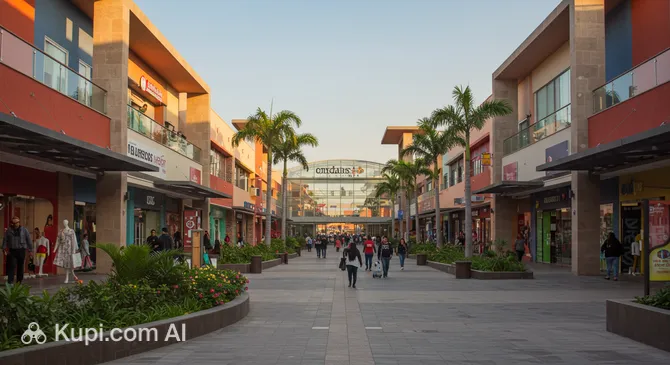
Another excellent option for a more open-air, lifestyle-oriented experience is Citadella Plaza. This stylish plaza combines shopping with entertainment, offering a curated selection of shops, restaurants, and leisure facilities in a sophisticated setting. It is a great spot to enjoy an evening stroll, grab a coffee, and browse through trendy boutiques.
Citadella Plaza. Illustration.
Source: Kupi.com AI
Traveler photos:
To experience the authentic flavors and colors of the region, a visit to the Mercado Hidalgo is essential. This traditional iron-structure market is a sensory overload in the best way possible. Here, you can find everything from fresh produce and dried chilies to woven baskets and folk art. It is the ideal place to hunt for bargains and observe the daily life of the Potosinos.
When it comes to souvenirs, San Luis Potosí is famous for its exquisite rebozos (shawls). While the town of Santa María del Río is the production hub, you can find these intricate silk garments in specialty shops throughout the capital. Another "must-buy" is Costanzo chocolates. This local confectionery brand is a source of city pride, and its sweets make for perfect, delicious gifts to bring back home. Additionally, look for mezcal produced in the Potosino highlands and artisanal inlaid wood boxes known as taracea.
Store opening hours generally run from 10:00 AM to 8:00 PM or 9:00 PM. Shopping malls typically stay open later, often until 9:00 PM, seven days a week. While major shopping centers, hotels, and established restaurants accept credit and debit cards (Visa and Mastercard are widely used), it is highly recommended to carry cash (Mexican Pesos) when visiting traditional markets like Mercado Hidalgo or buying from street vendors.
International tourists visiting Mexico may be eligible for a tax refund on purchases made at participating stores through the "Moneyback" program. Look for the "Tax Free" logo in shop windows. To claim the refund, you generally need to spend a minimum amount, present your passport and immigration form during the purchase, and process the claim at designated kiosks at international airports before leaving the country.