Support

Morelia

About

Welcome to Morelia, a city that effortlessly blends colonial grandeur with a vibrant, modern spirit. Known as the "City of Pink Stone" due to the distinctive cantera rosa used in its historic buildings, Morelia offers a visual feast for travelers seeking authentic culture and architectural beauty. As the capital of the state of Michoacán, it stands as a UNESCO World Heritage site and a testament to the rich heritage of central Mexico.

Geographically, the city is situated in the Guayangareo Valley, surrounded by rolling hills and mountains that contribute to its pleasant, spring-like climate year-round. With a population of approximately 960,000 inhabitants, it is a bustling urban center that maintains a relaxed and welcoming atmosphere. The city serves as a cultural hub, hosting prestigious international film and music festivals that attract visitors from all over the globe.
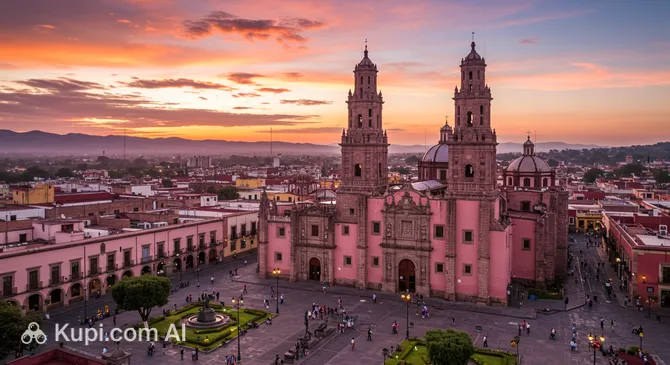
Morelia. Source: Kupi.Binoculars

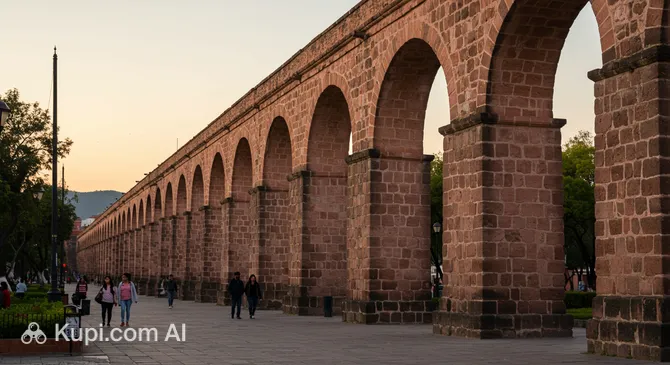
Walking through the historic downtown is like stepping back in time. You can delve deeper into the fascinating history of Morelia to learn how this aristocratic city, originally founded as Valladolid, played a crucial role in the country's independence movement. Today, its streets are lined with over 200 historic buildings, including the majestic Morelia Cathedral with its soaring baroque towers and the iconic Aqueduct, which stretches elegantly across the city with its 253 stone arches.

Beyond its architecture, Morelia is famous for its culinary delights, particularly the traditional sweets found at the Mercado de Dulces (Sweets Market). Whether you are admiring the illuminated cathedral at night or exploring the majestic Clavijero Palace, Morelia promises an unforgettable journey filled with charm and tradition. It is a destination that truly captures the heart of the region, inviting every traveler to explore its hidden gems.
Weather Overview

Travelers visiting this historic city will generally find a mild and agreeable climate, though conditions shift significantly between seasons. To plan your activities effectively, it is helpful to review the detailed weather in Morelia before your trip. The year is typically divided into a warm, dry spring and a cooler, wetter summer season.

The warmest months are April and May, where average temperatures hover around 21.0°C to 21.6°C, with daytime highs often reaching 29.0°C. This period is largely dry, making it excellent for outdoor exploration. However, the weather changes noticeably from June through September, which marks the rainy season. During these months, you can expect frequent rainfall, with July seeing up to 29 wet days and average temperatures cooling slightly to around 19.0°C.

Winters, specifically December and January, mark the coolest part of the year. Average temperatures drop to approximately 15.6°C, and while days remain pleasant, nights can be crisp with lows dipping to around 8.7°C. Overall, visitors can expect warm springs, a wet and lush summer, and cool, dry winters perfect for enjoying the city's architectural beauty.

Interesting Facts

Beyond the main attractions, Morelia holds many fascinating secrets that offer a deeper glimpse into its heritage. From underground mysteries to botanical treasures, the city is full of surprises for the curious traveler.
  • Locals have long shared stories about a mysterious network of subterranean tunnels believed to run beneath the historic center. Legend has it that these secret passageways connect the Morelia Cathedral to the Government Palace and various old convents, purportedly serving as escape routes during turbulent colonial times.

  • The city was not always known by its current name; it was founded as Valladolid in 1541. It was renamed in 1828 to honor José María Morelos y Pavón, a hero of Mexican independence born here, whose legacy is preserved at the Morelos Birthplace Museum.

  • Nature enthusiasts might be surprised to discover the Morelia Orchidarium, a specialized sanctuary that houses over 3,000 orchid specimens. This facility plays a vital role in the conservation of wild species native to the diverse Michoacán region.

  • The iconic Morelia Aqueduct was originally constructed in the 18th century to alleviate a severe two-year drought. Unlike many others of its time, it remains remarkably intact with 253 arches, standing as a testament to the city's architectural resilience.

Morelia Aqueduct. Source: Kupi.Binoculars

How to Get There

Reaching the capital of Michoacán is quite convenient, offering travelers a mix of direct flights and scenic road trips through the central highlands. For a complete guide on the best routes and transportation methods, you can read more about how to get to Morelia on our detailed page. Below is an overview of the most common arrival points.

The most direct entry point is Morelia Airport (IATA: MLM), officially known as General Francisco Mujica International Airport. Located within the municipality, it is the most convenient option, situated just 23.9 km from the historic center. A taxi or shuttle ride from here to the heart of the city typically takes around 55 minutes. It is a well-connected regional hub handling a significant number of passengers annually.

If you cannot find a direct flight to Morelia, a popular alternative is Guanajuato International Airport (IATA: BJX), located in the city of Leon. This is a larger facility with higher passenger traffic, offering more international connections. However, it is situated approximately 145.6 km away. Traveling from Leon to Morelia by road is a longer journey, taking roughly 4 hours by taxi or bus, but it can be a viable option for those seeking more flight schedules.

For clarity, here is a summary of the main airports:

Airport Name City Passenger Traffic Km from City
Guanajuato International Airport Leon High 145.6
Queretaro Intercontinental Airport Querétaro Medium 146.0
Toluca International Airport Mexico City Medium 175.8
Morelia Airport Morelia Medium 23.9
Licenciado y General Ignacio Lopez Rayon Airport Uruapan Small 95.0

Regarding rail travel, Morelia does not currently have a commercial passenger railway station serving tourists. The primary means of ground transportation from other Mexican cities is via the extensive and comfortable intercity bus network or by private car. The central bus station in Morelia is a major hub, connecting travelers to destinations across the country efficiently.

Main Attractions

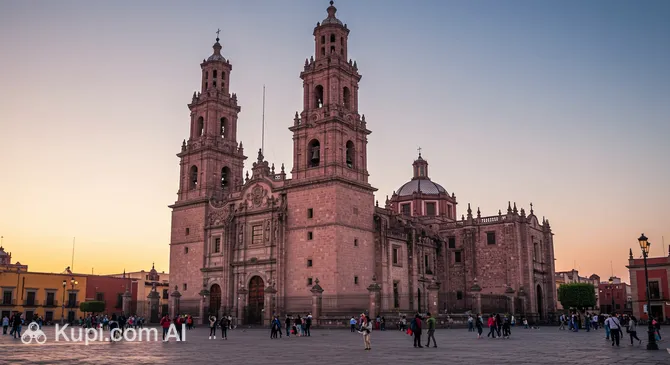
The city's historic center is a treasure trove of architectural and cultural gems, making it a delight for pedestrians. At the heart of this UNESCO World Heritage site stands the magnificent Morelia Cathedral. Dominating the skyline with its 66-meter tall towers, this baroque masterpiece is constructed from the region's signature pink stone. Unlike many other cathedrals in Mexico, it does not face the main plaza directly but stands majestically along the main avenue. Visitors are often captivated by its monumental organ, consisting of 4,600 pipes, and the spectacular lighting display that illuminates the facade on Saturday nights.

Morelia Cathedral. Source: Kupi.Binoculars

For a more tranquil and artistic atmosphere, the Garden of the Roses is an essential stop. Known locally as the Jardín de las Rosas, this picturesque plaza is surrounded by trees and lined with charming cafes. It sits adjacent to the Conservatory of Roses, the oldest music conservatory in the Americas, which often fills the air with the sounds of rehearsal. It is the perfect spot to enjoy a coffee, admire the bronze sculptures of famous writers, and soak in the city's creative spirit.

Families and nature lovers will find the Benito Juárez Zoo to be one of the most engaging attractions in the region. Regarded as one of the most important zoos in Latin America, it houses a vast collection of species in environments designed to mimic their natural habitats. The park is not only a place to see wildlife but also serves as a center for conservation and education, featuring a herpetarium, an aquarium, and a playful artificial lake where visitors can rent boats.

Benito Juárez Zoo. Source: Kupi.Binoculars

Another architectural jewel is the Clavijero Cultural Center. Housed in a former Jesuit college built in the mid-17th century, this massive complex is famous for its grandiose central courtyard, which is the largest of its kind in Spanish America. Today, the building serves as a vibrant space for art exhibitions, workshops, and cultural events. Walking through its wide corridors and admiring the pink stone arches offers a deep connection to the colonial history of Michoacán.

Local Cuisine

Morelia is the culinary heart of Michoacán, a state whose traditional cooking methods contributed significantly to Mexican cuisine being recognized as a UNESCO Intangible Cultural Heritage of Humanity. The local gastronomy is a flavorful fusion of pre-Hispanic Purépecha ingredients and Spanish colonial techniques. A must-try starter is Sopa Tarasca, a creamy bean and tomato soup garnished with fried tortilla strips, dried chilies, fresh cheese, and cream.

For a hearty main course, visitors should seek out Carnitas. While found across Mexico, the Michoacán style of slow-cooked pork is legendary for its golden, crispy exterior and tender meat, usually served in tacos with cilantro, onion, and spicy salsa. Another local favorite is Enchiladas Placeras, which are tortillas dipped in red guajillo chili sauce, lightly fried, and served with carrots, potatoes, and chicken or cheese. These are commonly enjoyed in the city's plazas and markets.

San Miguelito Restaurant. Source: Kupi.Binoculars

Corn remains the staple of the region, showcased in unique tamale varieties like Corundas and Uchepos. Corundas are triangular, savory tamales wrapped in long corn leaves and often topped with salsa and cream. In contrast, Uchepos are made from fresh sweet corn, resulting in a softer texture that can be eaten as a savory breakfast or a sweet treat.

Those with a sweet tooth will find paradise at the famous Mercado de Dulces (Sweets Market). Here, you can sample traditional candies such as ates (fruit pastes made from guava or quince) and chongos zamoranos, a dessert made from curdled milk, sugar, and cinnamon. To accompany your meal, try Charanda, a regional sugarcane spirit with a protected designation of origin, or a warm mug of atole, a corn-based drink available in various fruit flavors.

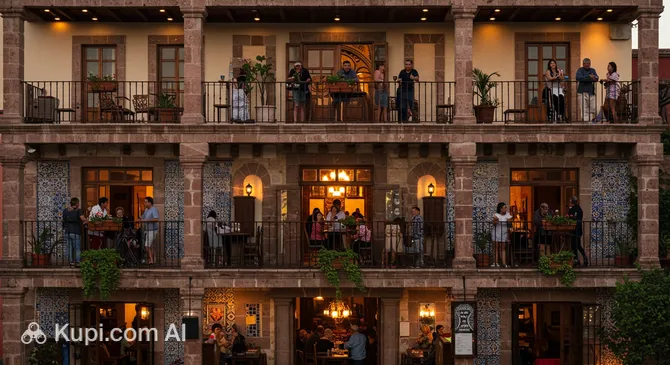
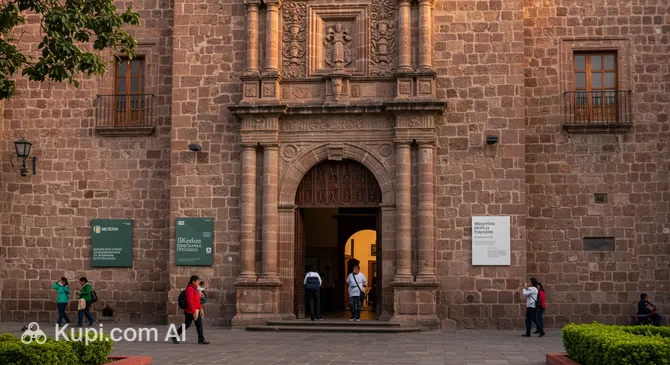
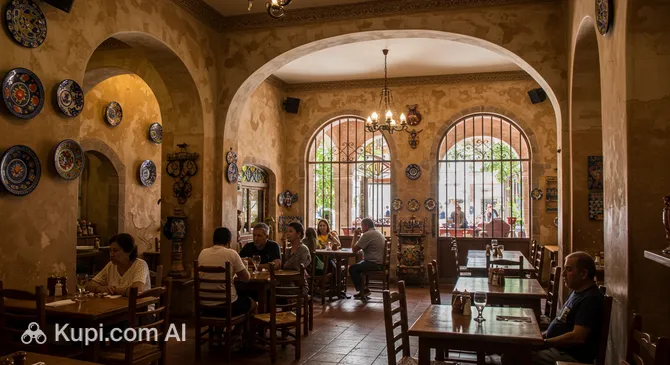
The city offers a diverse dining scene, from casual street stalls to elegant establishments. For an atmospheric dinner surrounded by Mexican art and antiques, the San Miguelito Restaurant is a renowned choice among locals and tourists alike. If you prefer dining in a historic courtyard, the restaurant at the Hotel de la Soledad provides a refined experience. Additionally, the outdoor cafes lining the Garden of the Roses offer the perfect setting to enjoy a coffee while watching the world go by.

Travel Tips

Visiting the "City of Pink Stone" is a rewarding experience, but a little preparation goes a long way in ensuring your trip is smooth and enjoyable. To help you navigate Morelia with ease and confidence, we have compiled a list of essential practical tips for your journey.

  1. Clothing and Gear: Since Morelia enjoys a spring-like climate for most of the year, layering is key. Bring light clothing for warm afternoons and a jacket or sweater for the cooler mornings and evenings, especially during the winter months. Comfortable walking shoes are a must for navigating the cobblestone streets of the historic center. If you plan to enter religious sites like the Cathedral, dress modestly (covering shoulders and knees) out of respect.
  2. Transportation: The historic downtown is best explored on foot, as many attractions are close to one another. For longer distances, the city has an extensive network of color-coded vans known as combis, which are an affordable local experience. Taxis are plentiful, but it is advisable to agree on the fare before getting in, as they often do not use meters. Ride-hailing apps like Uber and Didi are also available and reliable.
  3. Finances: The local currency is the Mexican Peso (MXN). While hotels and larger restaurants accept credit cards, cash is essential for street food, small shops, and the famous Mercado de Dulces. ATMs are widely available near the main plazas. Tipping is customary; leaving 10% to 15% in restaurants is standard practice if service is not included.
  4. Health and Safety: As with most of Mexico, stick to bottled water for drinking and brushing your teeth to avoid stomach issues. Pharmacies such as Farmacias Guadalajara or Farmacias del Ahorro are easy to find, and many operate 24/7. In terms of safety, the historic center is generally safe for tourists, but it is wise to stay in well-lit, populated areas at night and avoid wearing flashy jewelry.
  5. Communication: Spanish is the primary language. While staff at major hotels and tourist attractions may speak English, it is less common in local markets and smaller eateries. Learning a few basic phrases like "Buenos días" (Good morning) and "Gracias" (Thank you) will be greatly appreciated. SIM cards can be easily purchased at convenience stores like OXXO for data connectivity.
  6. Local Etiquette: People in Michoacán are generally warm and polite. It is polite to greet shopkeepers when entering a store and to say "Buen provecho" (enjoy your meal) to other diners when entering or leaving a restaurant. This small gesture is a significant part of local social norms.
  7. What to Avoid: Avoid taking taxis from the street late at night; instead, ask your hotel or restaurant to call a radio taxi or use an app. Also, try not to schedule intercity road travel at night; stick to daytime travel on toll roads (cuotas) for better safety and road conditions.
  8. Local Insight: Do not miss the Saturday night lighting ceremony of the Cathedral. It is a spectacular event where the building is illuminated to the sound of music and fireworks. Also, when locals mention "gazpacho," they are referring to a refreshing fruit salad with cheese, onion, and chili, not the Spanish tomato soup—it is a unique local delicacy you must try!

By keeping these practicalities in mind, you can focus on what really matters: soaking up the rich history and vibrant culture of this UNESCO World Heritage city. Morelia welcomes visitors with open arms, ready to offer an unforgettable travel experience.

Entertainment & Nightlife

As the sun sets over the pink stone buildings, Morelia transforms into a vibrant hub of activity, offering a nightlife scene that caters to both relaxed evenings and energetic nights out. The city's large student population infuses the atmosphere with a youthful energy, while its colonial charm provides a sophisticated backdrop for evening entertainment. Whether you are looking for a quiet rooftop drink with a view of the illuminated Cathedral or a lively club to dance the night away, the capital of Michoacán has something to offer.

The nightlife is concentrated in a few key areas. The Historic Center is perfect for those who want to enjoy the architectural beauty while sipping a cocktail or a local mezcal. Here, many terraces offer stunning views of the city lights. For a more modern and bustling scene, Boulevard García de León is lined with numerous bars, pubs, and restaurants that stay open late. Another popular district is the Altozano area, located in the hills south of the city, known for its upscale venues and panoramic views of the valley below.

For those seeking a lively atmosphere to sing and dance, Sinatra Cantabar is a popular choice among locals who enjoy karaoke and a festive environment. If you prefer a more traditional nightclub experience with electronic or Latin beats, The Seventh Moon offers a vibrant setting to party until the early hours. For a slightly more relaxed evening combining good food with drinks, Las Trojes de La Loma provides a welcoming ambiance often accompanied by live music.

Alley of Romance. Source: Kupi.Binoculars

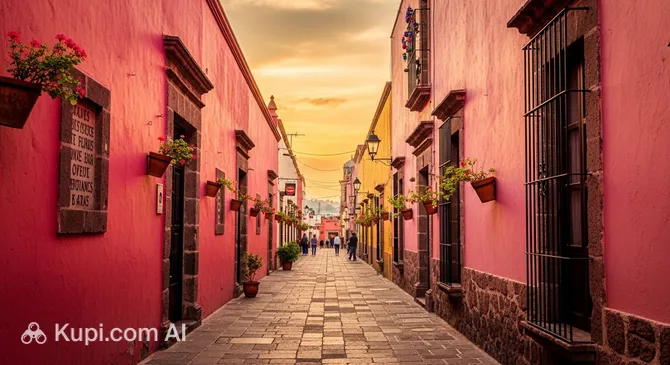
Couples and those seeking a quieter, more romantic experience should not miss a stroll through the Alley of Romance (Callejón del Romance). This picturesque, narrow lane is lined with colonial buildings, fountains, and flowers, making it an enchanting spot for an evening walk. It is located near the Aqueduct and offers a peaceful respite from the louder music venues.

Regarding safety and logistics, the main nightlife districts like the Historic Center and Altozano are generally safe, but it is always advisable to stay in well-lit areas and avoid walking alone on deserted streets late at night. The best way to get around after dark is by using radio taxis or ride-hailing apps like Uber or Didi, which are reliable and affordable. Dress codes are generally casual to smart-casual; while some upscale clubs in Altozano might prefer dressier attire, most bars in the center are quite relaxed.

During the day, entertainment options are equally diverse. Apart from the historical sites, visitors can enjoy modern shopping and leisure experiences at major malls like Plaza Las Américas Morelia or Paseo Altozano, which feature cinemas and a wide range of international stores. For a touch of local culture, the city's theaters often host plays and concerts, reflecting the rich artistic heritage of the region.

Parks & Museums

While Morelia is celebrated for its pink stone architecture, the city also boasts refreshing green spaces and a rich collection of museums that preserve its historical and artistic legacy. Stepping away from the busy plazas to explore these tranquil parks and cultural institutions offers a deeper understanding of the region's identity and a welcome change of pace for travelers.

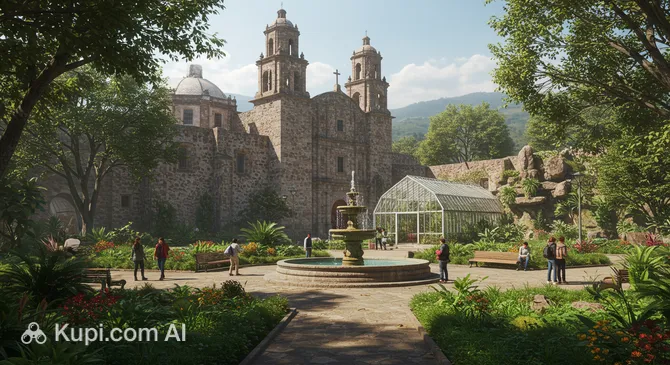
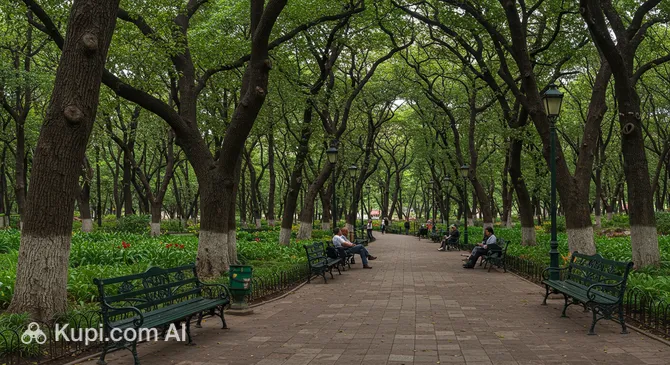
The city's most significant green lung is the Cuauhtémoc Forest (Bosque Cuauhtémoc). This sprawling park is a favorite among locals for morning jogs, family picnics, and leisurely strolls under the shade of ancient trees. Historically, it served as the private garden for the city's aristocracy, but today it is a vibrant public space filled with paved paths, fountains, and playgrounds. It is also a cultural hub, as several of the city's important museums are nestled within its grounds, making it easy to combine nature and culture in a single visit.

Cuauhtémoc Forest. Source: Kupi.Binoculars

For nature enthusiasts, the Morelia Orchidarium is a must-see botanical treasure. Located near the Convention Center, this facility is dedicated to the preservation and display of orchids, housing thousands of plants. It is particularly famous for its collection of species native to Michoacán. Walking through the greenhouse offers a sensory experience filled with vibrant colors and subtle fragrances, providing a quiet escape from the urban environment.

Morelia's role in Mexico's history is pivotal, and nowhere is this more evident than at the Morelos Birthplace Museum (Museo Casa Natal de Morelos). This historic house, where the independence hero José María Morelos y Pavón was born in 1765, has been beautifully preserved. Visitors can explore the rooms featuring period furniture, documents, and an animatronic figure of Morelos. The museum also houses a serene neoclassical courtyard that frequently hosts cultural events and film screenings.

Morelos Birthplace Museum. Source: Kupi.Binoculars

Art lovers should head back to the Cuauhtémoc Forest to visit the Alfredo Zalce Museum of Contemporary Art (MACAZ). Housed in a striking 19th-century summer mansion with a distinct French architectural style, the museum is dedicated to the works of Alfredo Zalce, a renowned Michoacán artist, as well as other contemporary Mexican artists. The building itself is a work of art, and the exhibitions provide a fantastic insight into the modern artistic movements of the region.

Another educational gem located within the forest is the Museum of Natural History (MUHNA). This small but engaging museum is perfect for families, offering exhibits on paleontology, zoology, and the diverse ecosystems of Michoacán. It is an excellent place to learn about the region's flora and fauna before heading out on eco-tours.

Insider Tip: If you visit the Morelos Birthplace Museum, take a moment to sit in the back garden near the library. It is one of the quietest and most atmospheric spots in the city center, often overlooked by tourists rushing through the exhibits.

Getting Around

Navigating Morelia is a straightforward and authentic experience, as the city does not rely on a complex metro or light rail system. Instead, the public transport network is primarily composed of buses and, most notably, a vast fleet of collective vans known locally as combis. These distinctive vehicles are the backbone of daily mobility for residents, offering extensive coverage across the metropolitan area. For tourists, they provide an affordable and efficient way to reach neighborhoods outside the historic center, although they can get quite crowded during peak hours.

One of the unique features of the transport system in this city is the color-coded categorization of the combis. Each route is identified by a specific color—such as grey (Ruta Gris), red (Ruta Roja), or orange (Ruta Naranja)—painted as a stripe on the side of the white vans. This visual system helps passengers easily identify which line serves their destination. Buses operate similarly but tend to cover longer distances towards the suburban outskirts. There are no travel cards or digital passes for public transit here; the payment system is entirely cash-based.

For visitors planning to use public transport, carrying small change is essential. The fare is inexpensive, typically costing around 10 to 12 MXN per ride. You pay the driver directly upon boarding; simply hand over the cash, and if you need change, the driver will provide it. To catch a bus or combi, you can wave one down at designated stops or, in many areas, simply from the street corner. To exit, you usually press a button near the door or call out "bajan" (getting off) to alert the driver. Operating hours generally run from 6:00 AM to 10:00 PM, though frequency decreases significantly after dark.

Given the compact nature of the UNESCO-listed historic center, the best way to explore the main attractions is undoubtedly on foot. However, for trips to the zoo, the aqueduct, or shopping malls, alternatives to public transit are readily available. Taxis are abundant, but it is crucial to note that they do not use meters. You must agree on the fare with the driver before starting your journey to avoid misunderstandings. For added safety and convenience, "Radio Taxis" (dispatched by phone) are recommended over flagging one down on the street, especially at night.

Modern ride-sharing apps such as Uber and Didi are also widely popular and operational within the city. They offer a comfortable and often safer alternative for tourists who prefer transparent pricing and digital payment methods. While bike rentals are not as integrated into a public sharing scheme as in larger capitals, the city does encourage cycling on Sundays when the main avenue, Avenida Madero, is closed to automotive traffic for recreational use, allowing visitors to enjoy the colonial architecture from a different perspective.

Accommodation

Finding the perfect place to stay in Morelia is an integral part of the travel experience, as the city offers a unique blend of historical immersion and modern comfort. The most coveted accommodations are undoubtedly found in the historic center, where many hotels are housed in restored 17th and 18th-century mansions, or casonas. These properties allow guests to sleep within walls rich in history, featuring high ceilings, elegant stone arches, and tranquil central courtyards that provide a peaceful escape from the bustling streets outside.

For travelers seeking a luxurious stay steeped in tradition, the Hotel de la Soledad is a standout option. Located just steps from the majestic Cathedral, this establishment dates back to the 18th century and is celebrated for its award-winning architecture. Guests can enjoy the atmosphere of a bygone era while benefiting from sophisticated amenities, making it a perfect base for exploring the city's UNESCO World Heritage sites.

Hotel de la Soledad. Source: Kupi.Binoculars

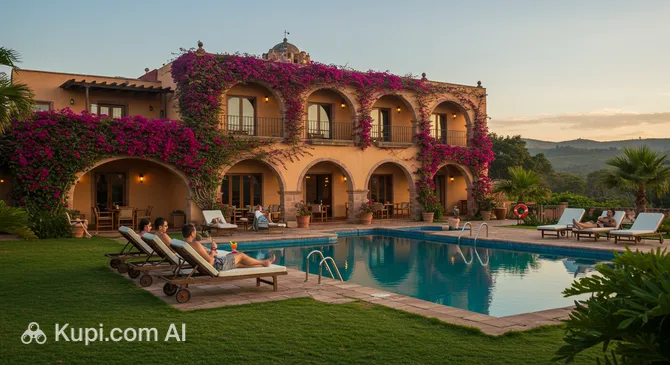
Those looking for a more secluded retreat with breathtaking vistas should consider the Santa Maria hills, which rise above the main valley. In this elevated area, the Villa Montaña Hotel & Spa offers a resort-style experience characterized by terraced gardens and antique decor. It is an ideal sanctuary for relaxation, offering spa services and panoramic views of the city's twinkling lights below, all while maintaining a cozy, village-like ambiance.

Villa Montaña Hotel & Spa. Source: Kupi.Binoculars

Beyond boutique and luxury stays, Morelia caters to a variety of needs. The modern districts, particularly near the Aqueduct and major shopping centers, feature contemporary chain hotels well-suited for business travelers requiring reliable connectivity and parking. Meanwhile, budget-conscious visitors will find a wide selection of hostels and affordable guesthouses in the downtown area, providing friendly service and easy access to the city's vibrant nightlife and cultural attractions.

Nearby Cities

For those looking to explore the surroundings, Morelia serves as an excellent base for day trips to several interesting nearby locations:

City Population Distance (km)
Valle de Santiago 150,054 76
Ciudad Hidalgo 122,619 68
Patzcuaro 79,868 48
Tacambaro 76,661 59
Puruandiro 71,139 54

Among the most rewarding destinations for a day trip is Patzcuaro. Located just a short drive away, this designated "Pueblo Mágico" (Magical Town) is renowned for its preservation of indigenous Purépecha culture and its colonial architecture. Visitors can explore the beautiful Plaza Vasco de Quiroga, one of the largest plazas in Latin America, or take a boat ride on Lake Pátzcuaro to visit the famous island of Janitzio, known for its monumental statue and traditional fishermen.

Another captivating option is Tacambaro, often referred to as the "Balcony of Tierra Caliente" due to its varied climate and lush vegetation. It offers a mix of natural and architectural attractions, including the stunning Alberca de Tacámbaro, a volcanic crater filled with water, and the refreshing Chorros de Varal waterfall. The town center features charming streets and the notable Sanctuary of Our Lady of Fatima.

For those interested in unique geological features, Valle de Santiago in the neighboring state of Guanajuato is famous for the "Seven Luminaries" (Siete Luminarias). These are a group of seven extinct volcanic craters that dot the landscape, some of which house lakes or agricultural fields within their rims, offering a spectacular setting for hiking and photography.

These nearby destinations offer a glimpse into the diverse culture and landscapes of the region.

Shopping & Souvenirs

Shopping in Morelia is a delightful experience that balances the charm of traditional Mexican craftsmanship with the convenience of modern retail. The city is renowned not just for its architectural beauty but also as a hub for the diverse artisanal products of the Michoacán state. Visitors can expect to find everything from high-end fashion boutiques to bustling markets filled with colorful handicrafts and local delicacies.

For those interested in exploring the city's commercial heart, the Historic Center serves as an open-air shopping district. Walking along the famous Portales (arched walkways) surrounding the Cathedral and the main square, you will find numerous shops selling clothing, shoes, and jewelry. Avenida Madero, the city's main artery, is lined with a mix of local businesses and national chains, making it a perfect spot for a leisurely window-shopping stroll amidst colonial buildings.

If you prefer a modern shopping experience with international brands, the city boasts impressive commercial centers. Plaza Las Américas Morelia is one of the most established malls in the region, offering a wide range of department stores, fashion retailers, and entertainment options. Another standout destination is Paseo Altozano, located in the hills south of the city. This open-air lifestyle center is famous for its scenic views of the valley, lush green areas, and extensive selection of shops and restaurants.

Paseo Altozano. Source: Kupi.Binoculars

A visit to Morelia would be incomplete without exploring its traditional markets. The most iconic is the Mercado de Dulces y Artesanías (Sweets and Crafts Market), located near the Public Library. It is a sensory wonderland where you can purchase regional candies, leather goods, and wood carvings. For high-quality handicrafts, the Casa de las Artesanías, housed in the former Convent of San Francisco, is the premier destination. It gathers the finest works from artisans across the state, ensuring authenticity and quality.

When it comes to souvenirs, the choices are abundant. The city is famous for its traditional sweets, such as ates (fruit pastes) and morelianas (wafers with caramel), which make excellent gifts. Additionally, Michoacán is known for its copperware from Santa Clara del Cobre and intricate pottery from Capula, both of which are widely available in Morelia's artisan shops. Bringing back a piece of copper art or a handmade guitar is a wonderful way to remember your trip.

Standard store opening hours in the city are generally from 10:00 AM to 8:00 PM from Monday to Saturday. Shopping malls typically stay open later, often until 9:00 PM, and operate on Sundays as well. While major malls, department stores, and hotels accept credit and debit cards, cash is essential when visiting traditional markets, street stalls, or smaller artisan workshops.

International tourists shopping in Mexico may be eligible for a tax refund on certain purchases through the "Moneyback" program. To qualify, you must shop at affiliated stores that offer the tax-free service, spend a minimum amount, and present your passport and immigration form. Be sure to ask for a formal VAT invoice (factura) and the tax refund form at the time of purchase to process your claim at the airport upon departure.

Reached the end of the page?

That means the route is fully explored