Support

Mexico City

About

Mexico City is a vibrant and sprawling metropolis that serves as the cultural, financial, and political heart of Mexico. Known for its incredible energy and rich heritage, this high-altitude capital offers a unique blend of ancient traditions and modern urban life. Located in the Valley of Mexico at an elevation of over 2,200 meters, it is surrounded by impressive volcanic mountains and enjoys a mild, spring-like climate year-round.
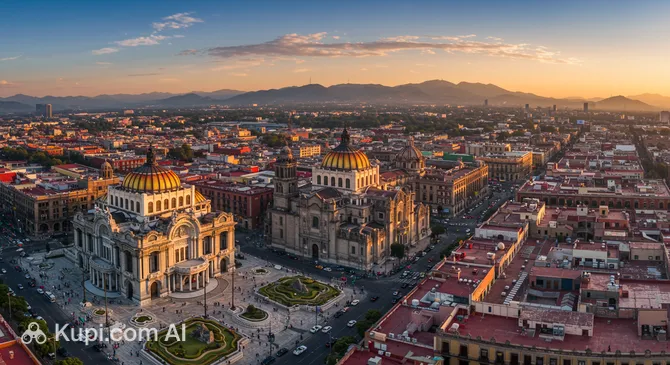
Mexico City. Source: Kupi.Binoculars

As one of the most populated urban areas in the world, with approximately 21.8 million residents, the city is a bustling hub of activity. The deep and complex history of Mexico City is visible at every turn, from the ruins of the Aztec empire to the elegant colonial architecture of the historic center. This fusion of eras creates an atmosphere that is both chaotic and charming, drawing visitors from all over the globe.

Travelers are spoiled for choice when it comes to attractions. The massive Zócalo plaza stands as the city's centerpiece, flanked by the magnificent Metropolitan Cathedral and the National Palace. Art lovers often flock to the Frida Kahlo Museum in the bohemian district of Coyoacán, while nature enthusiasts can explore the vast green expanse of Chapultepec Park, which houses the renowned National Museum of Anthropology.

Whether you are exploring its world-class culinary scene, wandering through colorful markets, or marveling at its architectural wonders, Mexico City promises an unforgettable adventure. It is a destination that truly has something for everyone, inviting you to discover the soul of the country.
Weather Overview

Due to its high altitude, the metropolis enjoys a mild and pleasant climate year-round, though it is distinctly divided into wet and dry periods. For a more detailed breakdown of what to expect during your specific travel dates, you can consult the guide to the weather in Mexico City.

Spring is typically the warmest time of the year, with May seeing average temperatures of 18.5°C and highs reaching nearly 26°C. As the city transitions into summer, the rainy season takes hold from June through September. During these months, precipitation is frequent, with July and August experiencing up to 27 or 28 wet days, although the rain often arrives in short, heavy bursts in the afternoon.

In contrast, the winter months from November to February are significantly drier, often recording little to no rainfall. Expect warm springs and mild, rainy summers, followed by cool, dry winters where nighttime temperatures can drop to around 6°C.

Interesting Facts

Beyond the bustling streets and famous landmarks, Mexico City holds fascinating secrets that reveal its complex layers of history and culture. Uncover the stories that make this metropolis truly one of a kind.

  • The city is actually sinking because it was built on the soft soil of the ancient Lake Texcoco. Some areas sink several centimeters each year, which has led to the unique tilting of historic buildings and requires constant engineering efforts to preserve structures like the Palace of Fine Arts.

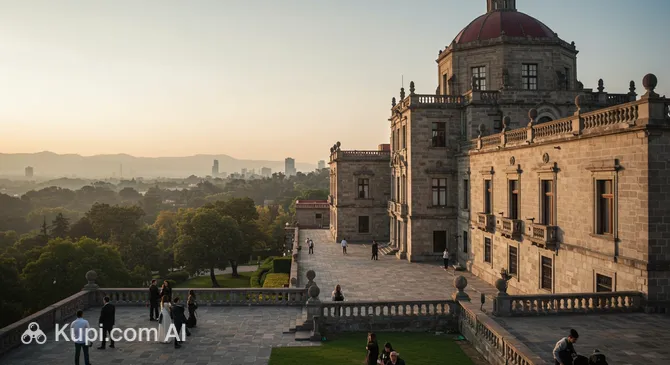
  • It is home to the only royal castle in the Americas that was inhabited by European sovereigns. Chapultepec Castle served as the imperial residence for Emperor Maximilian I and Empress Carlota, offering breathtaking views of the city from its hilltop perch.

  • With a staggering number of cultural institutions, the capital rivals Paris and London for the title of the city with the most museums in the world. You can explore everything from the futuristic architecture of the Soumaya Museum to the ancient treasures housed in the National Museum of Anthropology.

  • The Chapultepec Forest is one of the largest urban parks in the Western Hemisphere, measuring nearly double the size of New York's Central Park. This massive green lung is not just a park but a cultural hub containing a zoo, several lakes, and multiple museums.

  • The ruins of the Aztec empire lie directly beneath the modern city center. In fact, the Templo Mayor Museum showcases the remains of the main Aztec temple, which were discovered by accident in 1978 by electrical workers digging near the cathedral.

Chapultepec Castle. Source: Kupi.Binoculars

How to Get There

Reaching the Mexican capital is a straightforward experience thanks to its status as a major global hub. Most international and domestic travelers arrive by air, taking advantage of the multiple airports serving the metropolitan area. For a comprehensive guide on transportation options, including buses and driving routes, you can read more about how to get to Mexico City.

The primary gateway is Benito Juarez International Airport (MEX), located directly within Mexico City. It is the busiest hub in the country, handling a vast number of international connections. Situated just 6.4 km from the city center, it offers quick access to downtown; a taxi or ride-share trip typically takes around 30 minutes, depending on traffic.

Another significant option is Felipe Angeles International Airport (NLU), a newer facility designed to alleviate air traffic congestion. It is located approximately 37.9 km from the heart of the capital. Travelers choosing this airport should plan for a transfer time of about 77 minutes by car or taxi.

Travelers may also consider Toluca International Airport (TLC), which also serves the metropolitan region. It is situated roughly 46.7 km from the center of Mexico City. The journey from here to the main city districts generally takes about 90 minutes by road.

For clarity, here is a summary of the main airports:

Airport Name City Passenger Traffic Km from City
Benito Juarez International Airport Mexico City Very High 6.4
Felipe Angeles International Airport Mexico City High 37.9
Queretaro Intercontinental Airport Querétaro Medium 171.2
Toluca International Airport Mexico City Medium 46.7
Huejotzingo Airport Puebla Low 85.6

Main Attractions

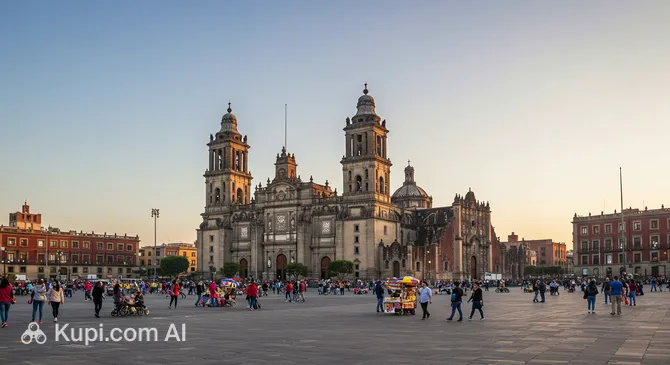
Located in the heart of the historic center, the Constitution Plaza, commonly known as the Zócalo, is one of the largest public squares in the world. It serves as the vibrant pulse of the capital, flanked by the majestic Metropolitan Cathedral and the National Palace. Tourists are drawn here to witness the ceremonial raising and lowering of the massive Mexican flag and to feel the energy of the city's primary gathering place for cultural events and festivals.

Constitution Plaza. Source: Kupi.Binoculars

Regarded as one of the most important cultural institutions globally, the National Museum of Anthropology is an absolute must-visit for anyone interested in history. Situated within Chapultepec Forest, it houses an extensive collection of pre-Columbian artifacts, including the famous Aztec Sun Stone. Visitors are captivated by the stunning architecture and the deep dive into the diverse indigenous cultures that shaped the region.

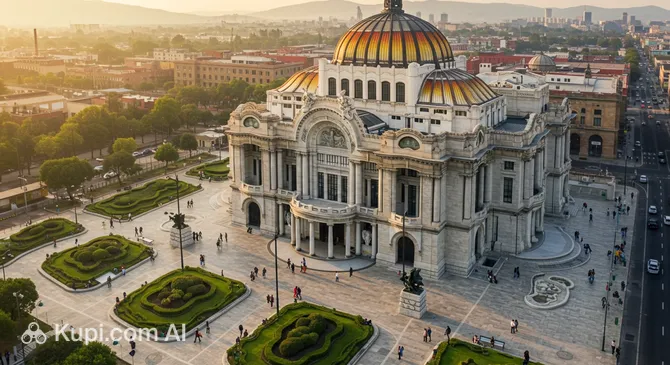
A masterpiece of Art Nouveau and Art Deco styles, the Palace of Fine Arts is an architectural gem that hosts top-tier opera, dance, and music performances. Inside, art enthusiasts can admire magnificent murals by legendary artists like Diego Rivera and David Alfaro Siqueiros. Its gleaming white marble facade and the famous stained-glass curtain in the theater make it a visual highlight of the city center.

Palace of Fine Arts. Source: Kupi.Binoculars

As one of the most visited Catholic shrines in the world, the Basilica of Our Lady of Guadalupe holds immense spiritual significance. Located at the foot of Tepeyac Hill, the site features both the sinking Old Basilica and the modern New Basilica, which houses the venerated image of the Virgin of Guadalupe. It offers a profound cultural experience, allowing guests to observe the devotion of millions of pilgrims who visit each year.

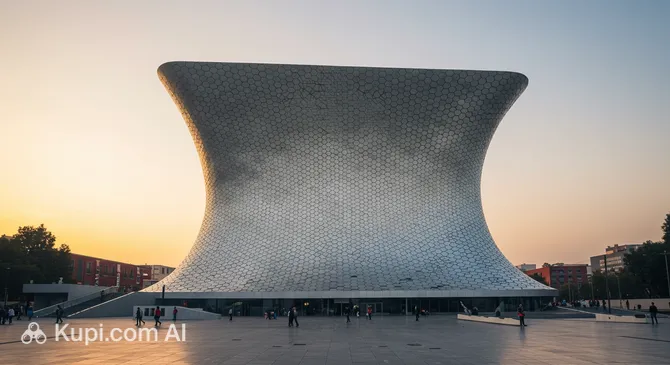
Instantly recognizable by its futuristic, anvil-shaped architecture covered in hexagonal aluminum tiles, the Soumaya Museum is a modern icon in the Polanco district. Founded by Carlos Slim, it boasts a vast private collection of art ranging from Old Masters to the largest collection of Rodin sculptures outside of France. Best of all for travelers, admission is completely free, making world-class art accessible to everyone.

Soumaya Museum. Source: Kupi.Binoculars

Local Cuisine

The culinary scene in Mexico City is legendary, offering an explosion of flavors that reflects the country's diverse history and culture. From humble street stalls to world-renowned fine dining establishments, the capital is a gastronomic paradise where pre-Hispanic ingredients blend seamlessly with Spanish influences. The aroma of roasted corn, chilies, and grilled meats fills the air, inviting visitors to embark on a delicious journey through the city's neighborhoods.

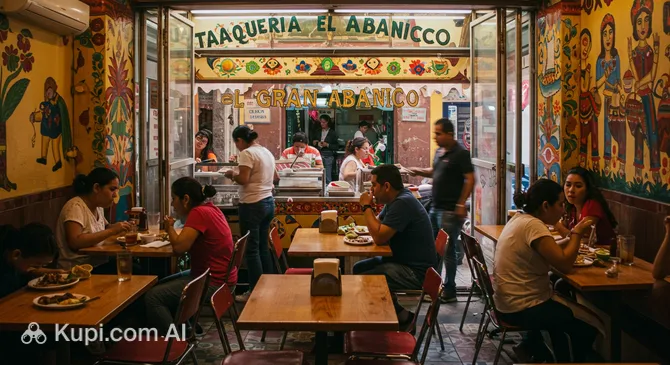
No visit is complete without tasting the iconic tacos al pastor, featuring spit-roasted pork marinated in dried chilies and spices, typically served with pineapple, cilantro, and onion. For those seeking authentic local flavors, Taqueria El Gran Abanico is a celebrated spot, particularly famous for its carnitas (slow-cooked pork) and bustling atmosphere. Another staple is the tamal, a steamed corn dough filled with meats, cheeses, or chilies, often enjoyed as a hearty breakfast.

Taqueria El Gran Abanico. Source: Kupi.Binoculars

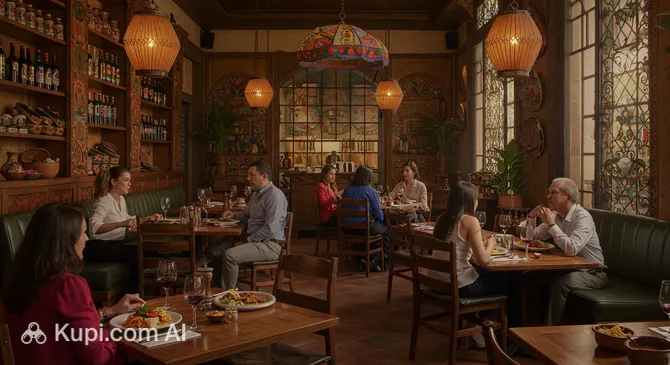
For a more traditional and elegant dining experience, locals and tourists alike flock to El Cardenal. This historic establishment is renowned for preserving classic Mexican recipes and is the perfect place to try dishes like escamoles (ant larvae, a delicacy known as "Mexican caviar") or their famous hot chocolate with fresh sweet bread. The restaurant captures the essence of old-school Mexican hospitality and cuisine.

El Cardenal. Source: Kupi.Binoculars

The city's beverage culture is just as vibrant as its food. Mezcal and Tequila are the spirits of choice, often sipped slowly to appreciate their complex smoky notes. For something truly ancient, adventurous travelers can try pulque, a viscous fermented drink made from the maguey plant. Non-alcoholic options are equally refreshing, with aguas frescas (fruit waters) like Jamaica (hibiscus) and Horchata (rice and cinnamon) available on almost every corner. For a relaxed coffee or a casual drink amidst books and culture, El Péndulo offers a unique café-bookstore vibe that is popular with locals.

Eating in Mexico City is a social affair. The street food culture is the heartbeat of the metropolis, where people from all walks of life gather around puestos (stalls) to enjoy quick and affordable bites. Whether you are exploring the trendy restaurants of Polanco, such as Saks Polanco, or navigating the vibrant food markets, the capital promises a culinary adventure that is bold, spicy, and unforgettable.

Travel Tips

Exploring Mexico City is a thrilling experience, but its sheer size and unique characteristics require a bit of preparation to navigate smoothly. To help you embrace the local rhythm and avoid common pitfalls, we have compiled a list of essential practical tips for your journey.

  1. Clothing and Gear: Due to the high altitude (over 2,200 meters), the weather can change rapidly. The best strategy is to dress in layers; mornings and evenings are often cool, while afternoons can be quite warm. If you are visiting during the rainy season (June to September), a waterproof jacket or umbrella is indispensable. Comfortable walking shoes are a must for exploring the historic center, and modest attire is recommended when entering churches.

  2. Transportation: The Metro is an efficient and very affordable way to get around, though it can be incredibly crowded during rush hours. For female travelers, look for the designated women and children only carriages at the front of the train. For greater comfort and safety, ride-hailing apps like Uber or DiDi are widely used and generally preferred over hailing pink-and-white taxis on the street.

  3. Finances: While credit cards are accepted in most restaurants, museums, and malls, cash is king for street food and small markets. Always carry some Mexican Pesos (MXN) in smaller denominations. ATMs located inside banks or secure shopping centers are the safest places to withdraw money. Tipping, or propina, is customary; aim for 10% to 15% in restaurants and leave a few coins for street performers or grocery baggers.

  4. Health and Safety: The most important rule is to never drink tap water; always buy bottled water, even for brushing your teeth if you have a sensitive stomach. Be mindful of altitude sickness; take it easy on your first day to let your body acclimatize. In terms of safety, stick to well-populated tourist areas like Roma, Condesa, and Polanco, and avoid walking alone in unfamiliar neighborhoods at night.

  5. Communication: Spanish is the primary language, and while many people in the tourism industry speak English, it is not guaranteed everywhere. Learning a few basic phrases like "Hola" (Hello), "Por favor" (Please), and "Gracias" (Thank you) goes a long way. You can easily purchase a local SIM card at convenience stores like OXXO to stay connected with maps and translation apps.

  6. Local Etiquette: Mexicans are generally very polite and formal. It is customary to greet people with a "Buenos días" or "Buenas tardes" when entering a shop or elevator. When eating at a street stall or passing a table in a casual restaurant, it is polite to say "Buen provecho" (Enjoy your meal) to other diners.

  7. What to Avoid: Do not hail taxis directly from the street, especially at night, as they can be unregistered and unsafe; use authorized Sitio taxi stands or apps instead. Also, avoid loud or aggressive behavior in public, as it is seen as disrespectful in the local culture.

  8. Lunch Like a Local: To save money and eat well, look for places serving Comida Corrida between 1:00 PM and 4:00 PM. These are set-menu lunches that typically include a soup, a main dish, a drink, and dessert for a very reasonable price, offering a true taste of home-style Mexican cooking.

With these practical insights in mind, you are well-equipped to navigate the bustling streets and vibrant neighborhoods of this metropolis. Embrace the energy, taste the flavors, and enjoy every moment of your adventure in Mexico City!

Entertainment & Nightlife

When the sun sets, Mexico City transforms into one of the most exciting nightlife destinations in Latin America. The metropolis offers an incredible variety of options, ranging from traditional cantinas in the Historic Center to upscale clubs in Polanco and trendy rooftop bars in Condesa and Roma. Whether you are looking for a quiet drink, a night of salsa dancing, or a world-class concert, the capital has something to match every mood and budget.

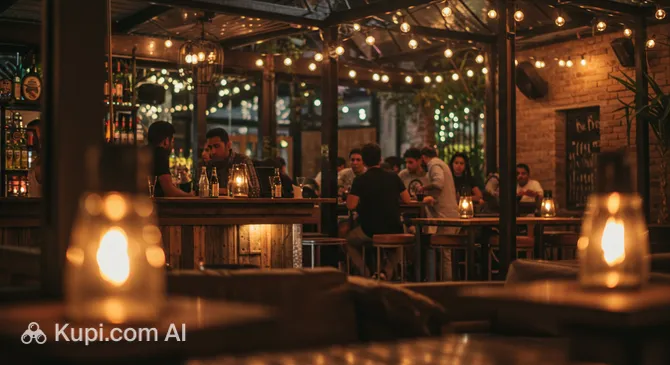
The neighborhoods of Roma and Condesa are the beating heart of the city's hipster and bohemian nightlife. Here, the streets are lined with mezcal bars, speakeasies, and craft beer spots that attract a mix of locals and international travelers. A popular choice for a relaxed evening is BeerGarden Roma, where visitors can enjoy a wide selection of artisanal beers in a vibrant, open-air setting that perfectly captures the area's laid-back yet energetic vibe.

BeerGarden Roma. Source: Kupi.Binoculars

For those who appreciate live music, the city boasts an impressive jazz scene. Jazzatlán Capital in Roma Norte is a must-visit venue dedicated to promoting local and international talent. With its intimate atmosphere, excellent acoustics, and a menu of craft cocktails and Mexican snacks, it offers a sophisticated night out for music lovers. Dress codes in these neighborhoods are generally smart-casual, allowing for a comfortable yet stylish experience.

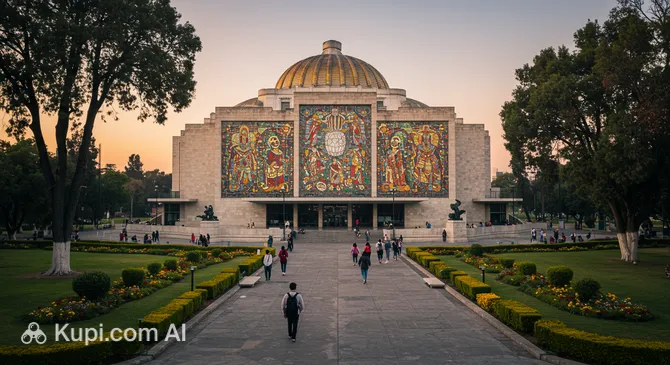
If you are interested in large-scale entertainment, the capital is a major stop for global tours and massive events. The iconic National Auditorium on Paseo de la Reforma is one of the world's top venues for concerts, dance performances, and cultural shows. Attending an event here is a memorable experience, thanks to its massive capacity and state-of-the-art sound system.

National Auditorium. Source: Kupi.Binoculars

When enjoying the nightlife, safety and logistics are important considerations. The best way to get around at night is by using ride-sharing apps like Uber or DiDi, which are reliable and trackable. Avoid hailing taxis directly from the street after dark. While areas like Polanco, Roma, and Condesa are generally safe for walking between venues, it is always wise to stay on well-lit, busy streets. Nightlife in Mexico City starts late; clubs often don't get busy until after midnight, while bars are lively from around 9:00 PM.

Beyond the nocturnal excitement, the city offers plenty of daytime entertainment for families and thrill-seekers. Adventure lovers can spend a day at Six Flags Mexico, the most visited theme park in Latin America, located in the southern part of the city. From adrenaline-pumping roller coasters to cultural parades, the capital ensures that the entertainment never stops, day or night.

Parks & Museums

Mexico City is a metropolis where concrete jungles coexist with lush green oases and a staggering array of cultural institutions. The capital takes great pride in its public spaces and artistic heritage, offering visitors a chance to escape the urban bustle in vast parks or dive deep into history within its world-class museums.

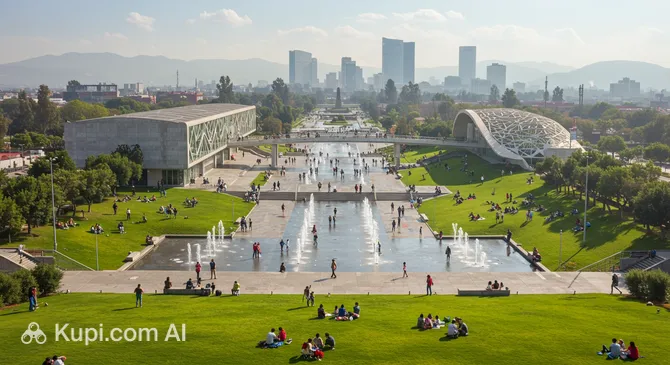
While the famous Chapultepec Forest often steals the spotlight, the city boasts other remarkable green spaces that are well worth a visit. One of the most modern additions is La Mexicana Park, located in the Santa Fe district. This sustainable park is an architectural marvel, featuring artificial lakes, skate parks, and gourmet dining areas, all set against a dramatic backdrop of towering skyscrapers. It is a perfect spot for a relaxing afternoon walk or watching the sunset over the modern skyline.

La Mexicana Park. Source: Kupi.Binoculars

For those seeking a true escape into nature without leaving the city limits, the Desierto de los Leones National Park offers a refreshing retreat. Located in the mountains to the southwest, this protected area is covered in dense pine and oak forests, making it ideal for hiking and breathing fresh mountain air. At its heart lies a mysterious 17th-century ex-convent, which visitors can explore to learn about the Carmelite monks who once lived in this secluded wilderness.

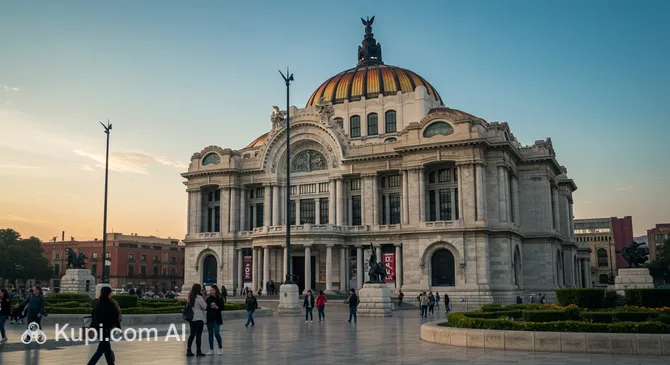
The city's cultural landscape is equally impressive, with museums that cover every era of Mexican history. Situated in the historic center, the National Museum of Art (MUNAL) is housed in a breathtaking Neoclassical building that is a work of art in itself. The museum displays a comprehensive collection of Mexican art from the 16th to the mid-20th century, providing a visual journey through the nation's artistic evolution.

National Museum of Art. Source: Kupi.Binoculars

In contrast to the classical styles, the Jumex Museum in the Polanco district represents the cutting edge of contemporary art. Its distinctive sawtooth architecture makes it a landmark of the area. Inside, it hosts one of the largest private collections of contemporary art in Latin America, featuring works by renowned international and Mexican artists. It is conveniently located right next to the Soumaya Museum, allowing art lovers to easily visit both in one day.

For a more local and authentic experience, head to Viveros de Coyoacán. This historic tree nursery serves as a beloved jogging and meditation spot for residents. Walking beneath its tall trees offers a peaceful break from the city noise and a chance to see where many of the trees that line Mexico City's streets are grown.

Getting Around

Navigating Mexico City is an adventure in itself, supported by one of the largest, most affordable, and integrated public transport networks in the world. The backbone of this system is the Metro (STC), which consists of 12 lines covering vast areas of the metropolis. It is incredibly efficient and inexpensive, with trains arriving frequently. A unique and helpful feature for tourists is that every station is identified by a distinct logo or icon—such as a grasshopper for Chapultepec or a bell for Hidalgo—making navigation easy even if you do not speak Spanish.

Complementing the subway is the Metrobús, a Bus Rapid Transit (BRT) system that runs in dedicated lanes, bypassing much of the traffic. This is often a preferred option for visitors, especially Line 7, which utilizes double-decker buses and travels along the scenic Paseo de la Reforma. For those heading to the floating gardens of Xochimilco, the Tren Ligero (Light Rail) connects seamlessly with the metro system at the Tasqueña station. Additionally, the city has recently introduced the Cablebús, a cable car system serving higher-altitude neighborhoods; while primarily for commuters, it offers spectacular aerial views of the sprawling urban landscape.

To use the Metro, Metrobús, Light Rail, Cablebús, and the electric Trolleybuses, you must purchase the Integrated Mobility Card (Tarjeta de Movilidad Integrada). This rechargeable smart card is essential for tourists and can be bought at ticket machines in Metro and Metrobús stations for a small fee (around 15 MXN), plus the cost of your credit. Fares are remarkably low, typically ranging from 5 to 6 MXN per ride depending on the mode of transport. Note that while the card covers most official transport, the ubiquitous green-and-gray microbuses (peseros) usually accept cash only and can be a more chaotic experience.

Operating hours vary slightly by system and day of the week. The Metro generally runs from 5:00 AM to midnight on weekdays, starting later at 6:00 AM on Saturdays and 7:00 AM on Sundays and holidays. Travelers should be aware that the system gets extremely crowded during peak "rush hours" (roughly 7:00 AM to 9:00 AM and 6:00 PM to 8:00 PM). During these times, designated carriages at the front of the train are reserved exclusively for women and children to ensure a safer and more comfortable journey.

For alternatives to mass transit, ride-sharing apps like Uber and DiDi are widely used, safe, and often more convenient than hailing the pink-and-white street taxis. If you prefer to explore on two wheels, the city operates a public bike-sharing system called Ecobici. Visitors can purchase temporary plans ranging from one day to one week via the official app or at kiosks, allowing access to thousands of bikes docked in key neighborhoods like Roma, Condesa, and the Historic Center.

Accommodation

Where to Stay:

Accommodation in Mexico City is as diverse as the metropolis itself, catering to every type of traveler and budget. The city offers an impressive range of options, from historic colonial mansions turned into boutique hotels and high-end international luxury chains to budget-friendly hostels and stylish vacation rentals. Whether you prioritize staying near major landmarks, enjoying a bohemian atmosphere, or having easy access to business districts, there is a perfect neighborhood for your stay.

For first-time visitors who want to be in the heart of the action, the Historic Center (Centro Histórico) is the most convenient choice. Staying here puts you within walking distance of the Zócalo and major museums. Travelers seeking a more upscale and exclusive experience often prefer Polanco, a district known for its luxury hotels, fine dining, and designer shopping. Meanwhile, the trendy neighborhoods of Roma and Condesa are favorites among younger travelers and digital nomads, offering a vibrant mix of art deco architecture, leafy streets, and charming boutique accommodations.

If you are looking for specific examples of places to stay, the city has numerous well-rated establishments. One such option is the Mexico City Hotel, which offers a comfortable base for exploring the surrounding attractions. For those who prefer a resort-style atmosphere within the urban environment, the Azteca Plaza Hotel provides excellent amenities and service, ensuring a relaxing retreat after a day of sightseeing.

Mexico City Hotel. Source: Kupi.Binoculars

When planning your trip, it is highly recommended to book your accommodation in advance, especially if you are visiting during peak seasons like the Day of the Dead (late October to early November) or the Formula 1 Grand Prix. During these major events, occupancy rates soar, and prices can increase significantly.

Generally, prices in Mexico City are quite competitive compared to other global capitals. You can find comfortable mid-range hotels for a very reasonable price, while luxury experiences are available at a fraction of the cost you might expect in Europe or the US. Most accommodations can be easily booked through major online platforms, which is often the safest and most convenient method to secure your reservation.

Nearby Cities

For those looking to explore the surroundings, Mexico City serves as an excellent base for day trips to several interesting nearby locations:

City Population Distance (km)
Ecatepec de Morelos 1,929,926 18
Nezahualcoyotl 1,109,363 16
Naucalpan 913,681 11
Tlalnepantla 653,410 13
Chimalhuacan 614,453 18

While the immediate metropolitan area is densely packed with bustling satellite cities, the wider region offers spectacular destinations for travelers. Just a short journey away lies the ancient city of Teotihuacan, one of the most impressive archaeological sites in the Americas. Famous for its massive Pyramid of the Sun and Pyramid of the Moon, this UNESCO World Heritage site allows visitors to walk down the Avenue of the Dead and imagine the grandeur of the complex civilization that once thrived here.

Another favorite escape is the colonial city of Puebla, located about two hours southeast of the capital. Known for its stunning architecture adorned with colorful Talavera tiles and its rich culinary heritage—most notably Mole Poblano—Puebla offers a charming and historic atmosphere. Visitors can explore its beautiful cathedral, wander through the artist quarter of Barrio del Artista, or visit the nearby Great Pyramid of Cholula, the largest pyramid by volume in the world.

For a more mystical and relaxed vibe, the "Pueblo Mágico" of Tepoztlán is a perfect choice. Nestled at the foot of dramatic cliffs, this town is renowned for its colorful market, spiritual energy, and the hike up to the Tepozteco pyramid, which offers breathtaking panoramic views. It is a popular spot for enjoying traditional ice cream (tepoznieves) and soaking in a unique blend of indigenous and colonial culture.

These nearby destinations offer a glimpse into the diverse culture and landscapes of the region, providing a perfect contrast to the urban energy of the capital.

Shopping & Souvenirs

Shopping in Mexico City is an exhilarating experience that reflects the capital's diverse character, offering everything from high-end designer boutiques to vibrant traditional markets. Whether you are looking for luxury fashion, unique artisanal crafts, or modern electronics, the city provides a vast array of options to suit every taste and budget.

For those seeking luxury and international brands, the neighborhood of Polanco is the place to be. Often compared to Beverly Hills, its main thoroughfare, Avenida Presidente Masaryk, is lined with prestigious fashion houses, jewelry stores, and chic boutiques. Walking down this tree-lined avenue offers a sophisticated shopping experience, surrounded by some of the city's best restaurants and cafes.

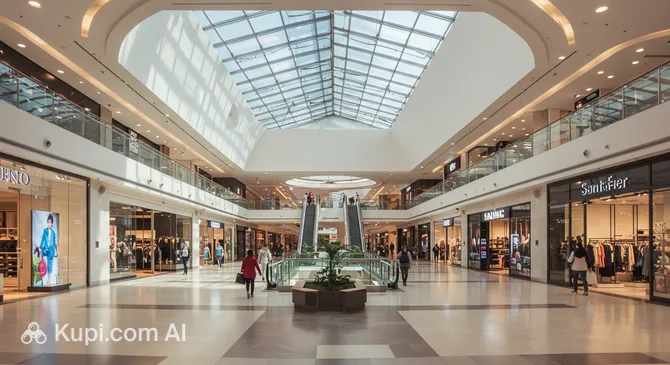
The metropolis is also home to some of the largest and most impressive shopping centers in Latin America. The massive Santa Fe Center is a destination in itself, featuring hundreds of stores, an ice rink, and extensive dining options in the modern business district. For a more artistic and open-air luxury experience, ARTZ Pedregal in the south of the city offers high-end brands and stunning architecture, making it a favorite spot for fashion enthusiasts.

Santa Fe Center. Source: Kupi.Binoculars

To truly connect with the local culture, a visit to the traditional markets is essential. The Mercado de Artesanías La Ciudadela is the premier destination for souvenirs and handicrafts. Here, you can find colorful alebrijes (fantastical wooden carvings), intricate textiles from Oaxaca, and beautiful Talavera pottery. It is a safe and friendly environment where you can browse high-quality goods from artisans across the country.

When it comes to souvenirs, besides handicrafts, Mexico is world-famous for its silver. While the town of Taxco is the source, you can find excellent silver jewelry throughout the capital. Other popular items to bring back include bottles of artisanal Mezcal or Tequila, vanilla extract, and locally produced coffee beans.

Most shopping malls and department stores are open daily from 11:00 AM to 8:00 PM or 9:00 PM. While credit and debit cards are widely accepted in malls, boutiques, and supermarkets, it is important to carry cash (Pesos) when visiting street markets or smaller stalls, as card terminals may not be available. International tourists may also be eligible for a tax refund (Moneyback) on purchases made at participating stores, provided they meet a minimum spend and present their passport and immigration form.

Reached the end of the page?

That means the route is fully explored