Support

Acapulco

About

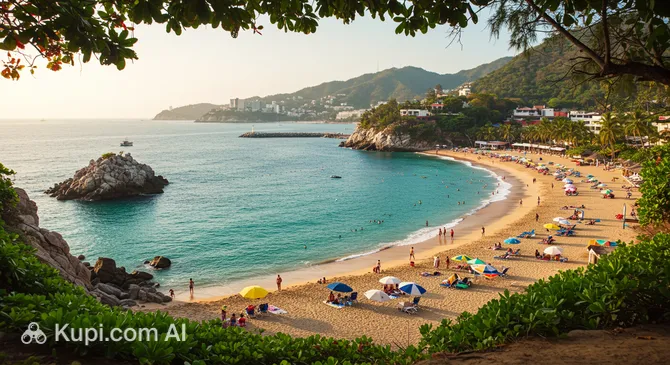
Welcome to Acapulco, a dazzling port city that has long been a favorite destination for travelers seeking sun, sand, and endless entertainment. Situated on the Pacific coast of Mexico, this vibrant metropolis is famous for its high-energy atmosphere and stunning natural beauty. The city wraps around a large, semi-circular bay, often described as one of the most beautiful in the world, providing a picturesque backdrop for a memorable vacation.
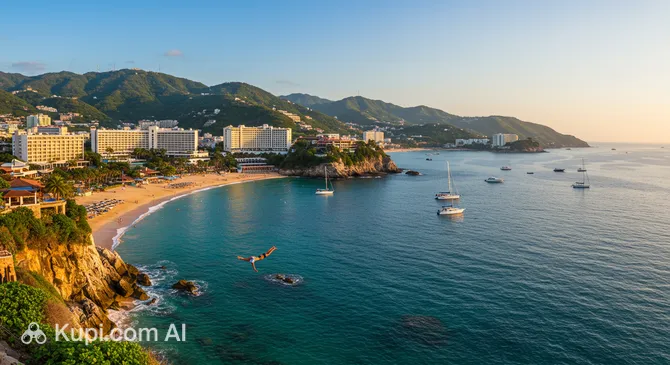
Acapulco. Source: Kupi.Binoculars

With a population of approximately 673,000 people, Acapulco is the largest city in the state of Guerrero and a bustling hub of activity. The climate here is tropical and warm year-round, making it an ideal spot for beach lovers at any time. Beyond its modern resorts and glittering skyline, the history of Acapulco is deeply rooted in its past as a vital trade port connecting Asia and the Americas, a legacy that adds a layer of cultural depth to your visit.

Visitors are spoiled for choice when it comes to attractions. The most iconic sight is undoubtedly La Quebrada, where brave cliff divers plunge from impressive heights into the ocean waves below—a tradition that has captivated audiences for decades. For those interested in heritage, the star-shaped Fort of San Diego (Fuerte de San Diego) houses a fascinating historical museum. Meanwhile, the golden beaches of the Zona Dorada offer the perfect setting to relax by day before enjoying the city's legendary nightlife.

Whether you are looking for thrilling adventures, historical exploration, or simply a place to unwind by the sea, Acapulco offers a unique blend of urban excitement and tropical paradise. It is a destination that promises to leave every traveler with unforgettable memories.

Weather Overview

Travelers visiting this coastal gem can look forward to a tropical climate that remains consistently warm throughout the year. Average monthly temperatures stay within a comfortable range of 25°C to 28°C, while daily highs often climb to around 30°C or 32°C, particularly in May. Even during the "cooler" months of January and December, the evenings are mild with minimum temperatures rarely dropping below 20°C, making it an excellent destination for sun-seekers at any time.

The city experiences two distinct seasons regarding rainfall. The dry season runs from November through April, offering long stretches of sunshine with virtually no rain; in fact, March and April typically see zero wet days. In contrast, the wet season spans from June to October, characterized by higher humidity and frequent showers, with August and September experiencing up to 26 rainy days per month. For more detailed forecasts and seasonal averages to help plan your trip, you can consult the guide to the weather in Acapulco. Overall, expect hot, sunny days perfect for the beach in winter and spring, while the summer months bring warm temperatures accompanied by regular tropical rains.

Interesting Facts

Beyond its reputation as a glamorous beach resort, Acapulco holds a treasure trove of historical secrets and fascinating stories that many visitors overlook.
Fort San Diego Historical Museum. Source: Kupi.Binoculars
  • For over 250 years, the city served as the vital eastern anchor of the Manila Galleon trade route. Ships laden with silk, porcelain, and spices from Asia would dock here to transport goods across Mexico to Spain, a rich history preserved at the Fort San Diego Historical Museum, which was originally built to protect these treasures from pirates.

  • The famous Mexican artist Diego Rivera created one of his final masterpieces here, known as Exekatlkalli or the House of the Winds. Unlike his traditional frescoes, this outdoor mural on a private home was uniquely crafted using seashells, mosaic tiles, and natural stones to withstand the corrosive tropical sea air.

  • The serene Chapel of Peace, visible from across the bay due to its massive 42-meter cross, has a touching origin story. It was built by a grieving father to honor his two sons who perished in a plane crash, standing today as a symbol of universal brotherhood and ecumenical faith.

  • While the city is known for its golden age glamour, few know that it stood in for the jungles of Vietnam in the movie Rambo: First Blood Part II. The lush scenery and waterfalls around the area provided the perfect backdrop for the 1985 action film.

  • Acapulco was the chosen honeymoon destination for John F. Kennedy and Jacqueline Bouvier in 1953. Their visit helped cement the city's status as a playground for the international jet set long before it became a mass tourism hub.

How to Get There

Reaching this iconic Pacific coast destination is relatively straightforward, with air travel being the most popular method for international and long-distance visitors. For a comprehensive breakdown of routes and transport options, you can check more about how to get to Acapulco on our detailed page. The city is well-connected to major hubs in Mexico and several cities abroad.

The primary gateway is Acapulco International Airport (ACA), conveniently located within the municipality. It welcomes a steady flow of tourists throughout the year and serves as a key regional hub. The airport is situated approximately 18.1 km from the city center. A journey by taxi or shuttle bus typically takes around 50 minutes, depending on traffic conditions along the coast.

Another common option, especially for those planning a broader Mexican itinerary, is flying into Benito Juarez International Airport (MEX). Located in Mexico City, this is the country's busiest air hub and offers a vast array of international connections. It is situated about 297.3 km from Acapulco. While it is not in the immediate vicinity, many travelers choose to land here and then take a comfortable luxury bus or a connecting flight to reach the coast.

For clarity, here is a summary of the main airports:

Airport Name City Passenger Traffic Km from City
Benito Juarez International Airport Mexico City Very Large 297.3
Toluca International Airport Mexico City Medium 275.8
Acapulco International Airport Acapulco Medium 18.1
Ixtapa-Zihuatanejo International Airport Ixtapa Small 186.6

Main Attractions

Acapulco offers a diverse array of sights that go far beyond its legendary nightlife, ranging from adrenaline-pumping spectacles to serene natural hideaways. Whether you are interested in witnessing daring feats of bravery, exploring local history, or simply relaxing on a traditional beach, the city provides iconic landmarks that define its unique character on the Mexican Pacific.

No visit to the city is complete without witnessing the world-famous cliff divers at La Quebrada. This dramatic chasm in the cliffs serves as the stage for a breathtaking tradition that has existed for decades. Brave divers scale the jagged rocks and plunge 35 meters into the surging ocean waves below, timing their jump perfectly with the incoming tide. It is a mesmerizing performance that captures the fearless spirit of Acapulco and offers spectacular views, especially during the evening shows when the cliffs are illuminated.

La Quebrada. Source: Kupi.Binoculars

For a taste of the city's nostalgic charm, head to Caleta Beach, located in the "Traditional" zone. Unlike the open ocean waves found elsewhere, this beach is known for its exceptionally calm waters, making it a favorite for families and those looking to swim in a relaxing environment. It also serves as the departure point for glass-bottom boats to the nearby Isla de la Roqueta, offering a perfect mix of leisure and exploration in a classic setting.

Caleta Beach. Source: Kupi.Binoculars

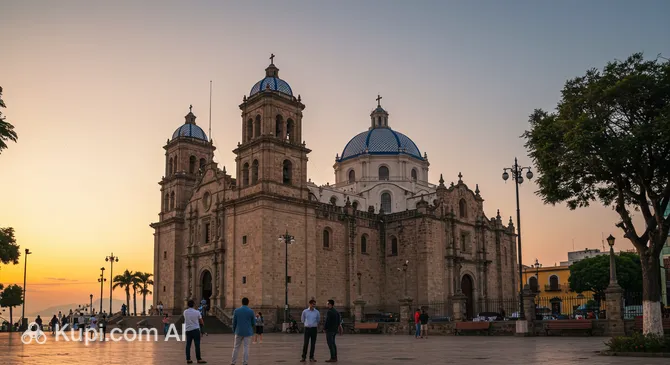
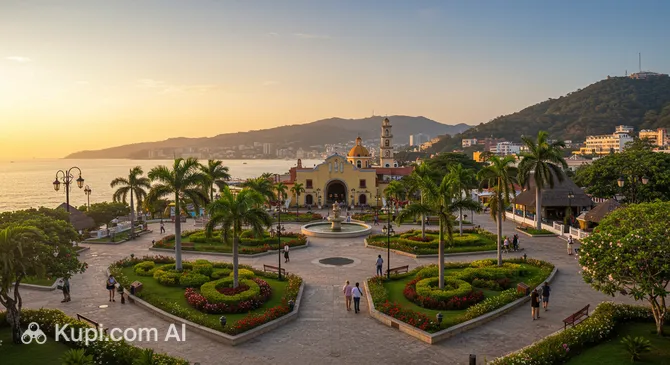
In the heart of the city center, near the main square, stands the Acapulco Cathedral (Our Lady of Solitude). This architectural gem is distinct from typical Mexican churches due to its unique design, which blends Art Deco details with Byzantine and Moorish influences. Its blue onion-shaped domes and white towers create a striking contrast against the bustling city streets, providing a peaceful retreat and a glimpse into the local spiritual life.

Acapulco Cathedral (Our Lady of Solitude). Source: Kupi.Binoculars

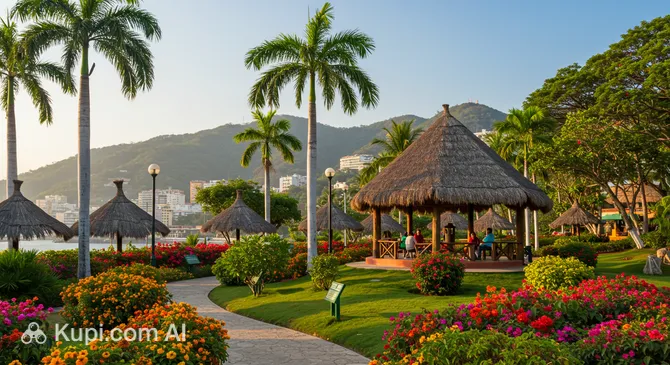
Travelers seeking a green escape within the urban area should visit Papagayo Park. Known as the "green lung" of Acapulco, this expansive ecological reserve offers a refreshing break from the heat with its shaded paths, artificial lakes, and diverse exotic plants. The park features a small zoo, sports courts, and recreational areas, making it an excellent spot for a leisurely afternoon walk or a fun outing with children amidst nature.

Papagayo Park. Source: Kupi.Binoculars

Local Cuisine

The culinary scene in Acapulco is a vibrant reflection of its coastal location and the rich traditions of the Guerrero state. Seafood naturally takes center stage, offering visitors some of the freshest flavors in Mexico. The undisputed king of local dishes is Pescado a la Talla, a red snapper that is butterflied, marinated in a distinct chili sauce (often guajillo and ancho), and grilled over charcoal. It is typically served with warm tortillas and slices of lime, making it a must-try experience, particularly in the Barra Vieja area where the dish originated.

Beyond seafood, the city is famous for its unique "Jueves Pozolero" (Pozole Thursday) tradition. On this day, restaurants and local eateries fill up with locals enjoying Pozole Guerrerense. Unlike the red version common elsewhere, the local favorite is often green (mole verde based) or white, served with a side of avocado, chicharrón (pork rinds), and sometimes sardines. It is a hearty, festive meal that perfectly embodies the soul of the region's gastronomy.

When it comes to beverages, the tropical climate calls for refreshing options. A classic beachside drink is the Coco Loco, a potent cocktail made with coconut water, gin, rum, and tequila served directly inside a fresh coconut. For a non-alcoholic alternative, try Chilate, an icy, frothy drink made from cacao, rice, cinnamon, and brown sugar. It is deeply refreshing and has roots tracing back to the colonial era.

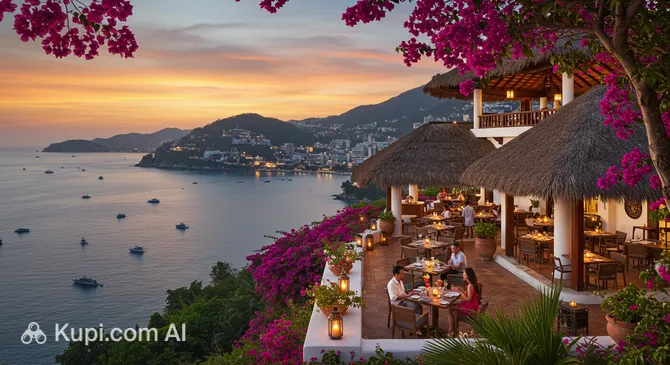
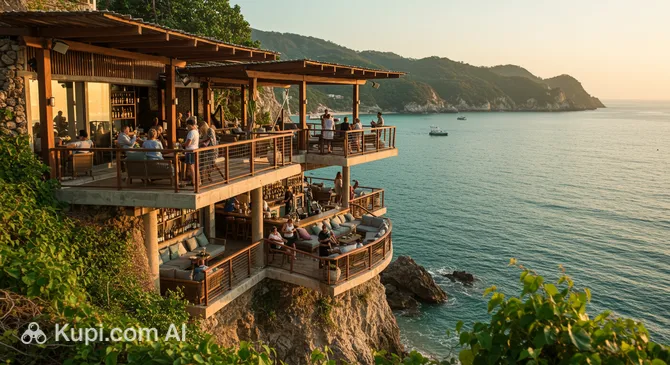
The dining atmosphere in the city ranges from casual open-air palapas on the sand to sophisticated establishments with breathtaking views of the bay. For a taste of the city's modern culinary creativity, you can visit Zibu, a renowned restaurant that pioneered "Mex-Tai" cuisine, blending Thai spices with Mexican ingredients to honor the city's history as a trade port with Asia.

Zibu. Source: Kupi.Binoculars

Those seeking excellent seafood in a relaxed setting might enjoy Paititi del Mar, known for its fresh catches and family-friendly vibe. Whether you are grabbing a quick ceviche tostada from a street vendor or enjoying a sunset dinner on the cliffs, the food culture here is sure to be a highlight of your trip.

Travel Tips

To ensure a smooth and enjoyable vacation in Acapulco, keeping a few practical tips in mind can help you make the most of your stay. The city is broadly divided into three main tourist zones: "Traditional" (the historic center), "Golden" (the main hotel strip), and "Diamond" (luxury resorts). Most travelers find it convenient to focus their activities within the Golden and Diamond zones, where tourist amenities and services are most concentrated.

  • Getting Around: Taxis are the most convenient way to navigate the city. However, they typically do not use meters, so it is essential to negotiate and agree on the fare before starting your journey. App-based ride services are available but may have restrictions in certain hotel areas.

  • Currency and Payments: The local currency is the Mexican Peso. While credit cards are widely accepted at hotels and larger restaurants, carrying cash is recommended for taxis, street food, and small souvenir shops. Tipping is customary in Mexico; a gratuity of 10% to 15% is standard for good service.

  • Water and Health: To stay healthy, avoid drinking tap water. Always choose bottled water for drinking and brushing your teeth. The tropical sun can be intense, so wearing high-SPF biodegradable sunscreen and staying hydrated is crucial, especially during midday.

  • Language: Spanish is the primary language. While English is spoken by staff in major hotels and tourist attractions, learning a few basic phrases like "por favor" (please) and "gracias" (thank you) is a polite gesture that is well-received by locals.

Entertainment & Nightlife

As the sun sets over the Pacific, Acapulco transforms into a vibrant playground that has earned a legendary reputation worldwide. The city's nightlife is famously energetic, offering everything from sophisticated cliffside lounges to pulsating dance clubs that stay open until dawn. The primary hub for nocturnal activity is the Costera Miguel Alemán, particularly the stretch near Condesa Beach in the Golden Zone, where neon lights and music spill out onto the streets, creating an electrifying atmosphere.

For decades, the city has been synonymous with glamour, and nowhere is this more evident than at Baby'O Acapulco. This iconic nightclub is a local institution that has hosted celebrities and jet-setters since the 1970s. With its cave-like interior and high-energy vibe, it remains the place to see and be seen. Visitors should expect a dress code that leans towards smart casual or chic, and it is advisable to make a reservation, especially during weekends or holidays.

Baby'O Acapulco. Source: Kupi.Binoculars

If you prefer a more relaxed evening where you can enjoy conversation and cocktails with a view, Café al Mar is an excellent choice. Located right by the water, this bar offers a refreshing escape from the thumping bass of the superclubs, allowing guests to unwind with the sound of waves in the background. It is a perfect spot to start your night or to enjoy a romantic evening under the stars.

Café al Mar. Source: Kupi.Binoculars

For those interested in large-scale events, the Acapulco Arena frequently hosts concerts, shows, and cultural performances. It is worth checking the local schedule during your visit to see if any major Latin American artists or international acts are performing. The venue attracts a diverse crowd and offers a different kind of night out compared to the traditional bar scene.

Practical Advice: The nightlife in Acapulco starts late. Bars may fill up around 10:00 PM, but nightclubs often don't hit their peak until after midnight. Cover charges are common at popular clubs, and prices for drinks can be comparable to major international cities, particularly in the Diamond Zone. For safety, always stick to the well-lit tourist zones and use official taxis or reputable ride-sharing apps rather than hailing cabs on the street at night.

While the nights are for partying, the daylight hours offer their own array of entertainment. Before the sun goes down, you might explore the open-air La Isla Shopping Village for some retail therapy or visit the city's various museums and water parks. This balance of sun-soaked leisure by day and exhilarating fun by night is exactly what keeps travelers returning to this Mexican coast gem.

Parks & Museums

Beyond its glittering coastline and vibrant nightlife, the city offers a wealth of cultural treasures and lush green spaces that invite exploration. Visitors taking a break from the beach will find that Acapulco preserves its rich heritage in historic fortresses and celebrates its natural beauty in dedicated conservation areas and quiet parks.

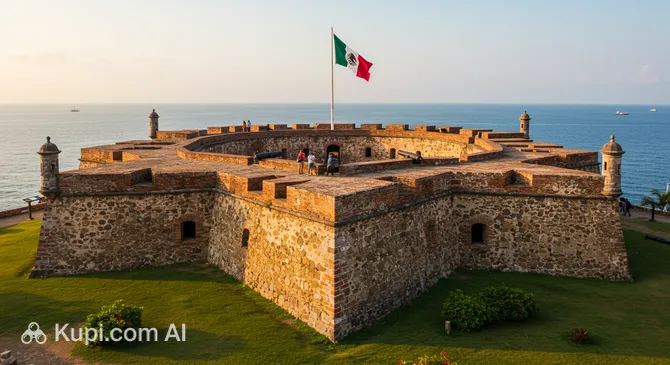
The most significant cultural venue is the Fort San Diego Historical Museum. Housed within a beautifully restored pentagonal fortress, this museum is essential for understanding the city's past. Its exhibits guide visitors through the region's history, from the earliest indigenous settlements to the pivotal era of the Manila Galleons. The artifacts on display, including Chinese porcelain and religious objects, highlight the port's crucial role in connecting Asia with the Americas.

For those seeking a peaceful retreat away from the tourist crowds, Merle Oberon Park offers a charming escape. Located in the Costa Azul district, this small but well-maintained park is named after the famous actress who had a deep affection for the city. It provides a quiet, shaded environment perfect for a leisurely stroll or a moment of relaxation amidst local flora.

Merle Oberon Park. Source: Kupi.Binoculars

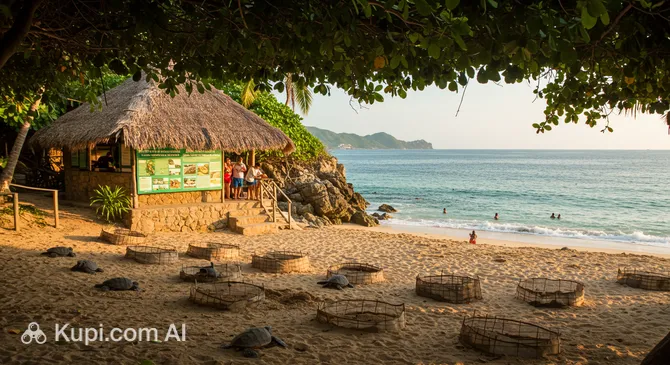
Nature enthusiasts interested in wildlife conservation should make a trip to the Playa Hermosa Turtle Camp. This sanctuary is dedicated to the protection of sea turtles that nest along the coast. It offers an educational experience where visitors can learn about the life cycle of these magnificent creatures and, during the right season, participate in the moving experience of releasing baby turtles into the ocean.

Playa Hermosa Turtle Camp. Source: Kupi.Binoculars

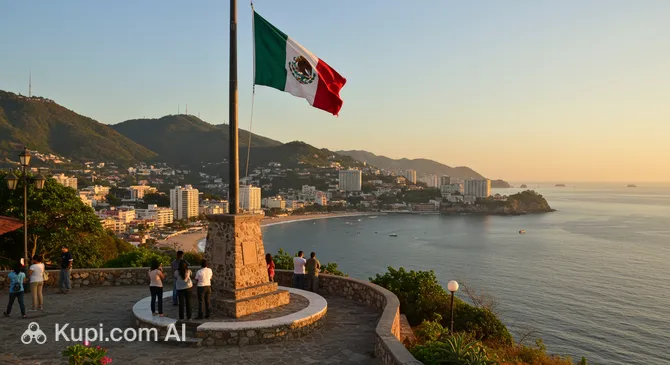
Another prominent landmark that combines open space with national pride is the Flagpole (Asta Bandera) of Acapulco. Standing majestically across from Papagayo Park, this monumental flagpole flies one of the largest Mexican flags in the country. It serves as a striking focal point on the bay, surrounded by a pleasant promenade where locals and tourists alike gather to enjoy the sea breeze and the view.

Flagpole (Asta Bandera) of Acapulco. Source: Kupi.Binoculars

For a deeper dive into local culture, travelers can also seek out the Mask Museum (Museo de las Siete Regiones), which displays a colorful collection of ceremonial masks from across the state of Guerrero, showcasing the region's vibrant artisan traditions. Whether you are releasing turtles at dawn or exploring colonial history at the fort, these sites offer a meaningful complement to a beach vacation.

Getting Around

Navigating Acapulco is an adventure in itself, as the city relies primarily on a network of buses, taxis, and private shuttles rather than a subway or rail system. The most modern and efficient option for getting around the main avenues is the Acabús. This Bus Rapid Transit (BRT) system operates on dedicated lanes, connecting key areas such as the traditional downtown, the Golden Zone, and the outskirts. The buses are modern, air-conditioned, and generally faster than regular traffic, making them a comfortable choice for moving between major districts.

For a more local experience, you will see a multitude of privately operated city buses. These are often colorfully decorated and can be quite lively, sometimes playing loud music. While they cover extensive routes and are very affordable, they can be crowded and confusing for first-time visitors. In addition to standard buses, colectivos (shared vans or sedans) are extremely popular. These follow fixed routes along specific streets and pick up or drop off passengers anywhere along the way. They are a quick and cheap way to travel short to medium distances, though you will need to pay in cash.

The payment system varies by transport type. The Acabús requires a rechargeable smart card, which can be purchased and topped up at vending machines located at the stations. The card itself is inexpensive, and a single journey costs a small fixed fee. For all other forms of public transport, including the colorful city buses and colectivos, you must pay in cash directly to the driver upon boarding. It is highly recommended to carry small bills and coins (pesos), as drivers often do not have change for large denominations.

Taxis are ubiquitous and often the most convenient option for tourists, especially when moving between the widely separated hotel zones. You will mostly see blue-and-white sedans, which serve the main city areas. It is critical to note that taxis in the city generally do not use meters. You must negotiate and agree on the fare with the driver before getting into the vehicle. Most hotels display a list of approximate rates to popular destinations, which can serve as a helpful benchmark for your negotiations.

A unique and scenic form of transport is the water taxi. These small boats are the primary way to reach Isla de la Roqueta or traverse between beaches like Caleta and Puerto Marqués. The ride offers beautiful views of the bay and is an attraction in its own right. Tickets for these boats can usually be purchased at the docks or small kiosks near the boarding points.

While ride-sharing apps do operate in the city, availability can sometimes be inconsistent compared to the abundance of local taxis, and some restrictions may apply in specific hotel zones. Renting a car is an alternative for those who want total freedom, but be prepared for heavy traffic and aggressive driving styles. For most visitors, a combination of the Acabús for main routes and taxis for direct door-to-door service provides the best balance of cost and convenience.

Accommodation

Where to Stay:

Accommodation in Acapulco is as diverse as its landscape, offering everything from economical hostels and family-run guesthouses to sprawling, world-class resorts. The city is broadly segmented into three distinct hotel zones, each providing a different atmosphere and price point for travelers, ranging from the nostalgic charm of the old town to the exclusive luxury of the newer developments.

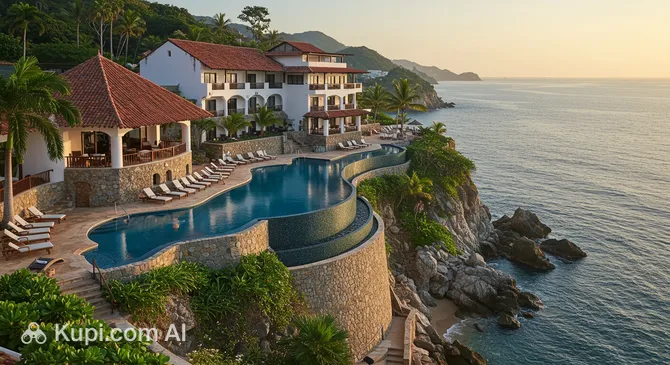
The **Diamond Zone** (Zona Diamante) is the newest and most upscale area, located near the airport and away from the city center's hustle. Here, you will find extensive resorts with private beaches, golf courses, and spa facilities. A standout example of this grandeur is the Princess Mundo Imperial Hotel, an architectural icon shaped like an Aztec pyramid that dominates the shoreline and offers a self-contained vacation experience.

Princess Mundo Imperial Hotel. Source: Kupi.Binoculars

For those seeking a more secluded and intimate high-end experience, Cabo Marqués provides a tranquil escape. Perched on the cliffs overlooking the Pacific, this resort area is renowned for its breathtaking views and top-tier amenities, making it perfect for travelers looking to unwind in privacy while remaining close to nature.

Cabo Marqués. Source: Kupi.Binoculars

The **Golden Zone** (Zona Dorada) runs along the main bay and the Costera Miguel Alemán avenue. This is the heart of the action, where the majority of mid-range and high-rise hotels are located. Staying here offers the convenience of being within walking distance to popular beaches, shopping malls, and the city's famous nightlife. In contrast, the **Traditional Zone** (Zona Tradicional) in the older part of town offers budget-friendly hotels with a retro vibe, situated close to historic attractions and the classic cliff diving shows.

Booking Tips: The general price range varies significantly depending on the zone and the season. While budget options are plentiful in the Traditional Zone, the Diamond Zone commands premium rates. It is highly recommended to book your accommodation well in advance if you plan to visit during major holidays like Christmas, Easter (Semana Santa), or Spring Break, as the most popular hotels fill up quickly. Reservations can be easily made through major online platforms or by booking directly with the properties.

Nearby Cities

For those looking to explore the surroundings, Acapulco serves as an excellent base for day trips to several interesting nearby locations:

City Population Distance (km)
Chilpancingo de los Bravo 187,251 86
Iguala 140,363 168
Chilapa de Alvarez 120,790 111
Taxco 52,217 190
Petatlán 44,485 165

Among the most popular destinations is Taxco, often referred to as the "Silver Capital of the World." Although it requires a slightly longer journey, this "Pueblo Mágico" (Magical Town) is well worth the trip for its stunning colonial architecture, winding cobblestone streets, and the magnificent Santa Prisca Church. It offers a complete change of pace from the coastal heat, nestled in the mountains and renowned for its silver workshops where visitors can buy high-quality jewelry.

Closer to the coast lies Chilpancingo de los Bravo, the state capital of Guerrero. It provides a window into the region's history and daily life, featuring museums and a local zoo that make for an educational stop. For those interested in religious history and local traditions, Petatlán is another notable town, famous for its Sanctuary of Padre Jesús de Petatlán and its proximity to the beautiful wetlands of Barra de Potosí.

These nearby destinations offer a glimpse into the diverse culture and landscapes of the region.

Shopping & Souvenirs

Shopping:

Shopping in Acapulco is a diverse experience that mirrors the city's contrasts, offering everything from luxury international brands to vibrant local markets filled with handcrafted treasures. Whether you are looking to update your wardrobe with the latest summer fashions or hunt for unique souvenirs to take home, the city provides ample opportunities to satisfy every type of shopper. The retail scene is conveniently spread across the main tourist zones, ensuring that you are never far from a good place to browse.

The primary artery for shopping is the bustling Costera Miguel Alemán. This avenue runs the length of the bay and is lined with an endless array of boutiques, swimwear shops, and souvenir stands. Walking along the Costera, particularly in the Golden Zone, allows you to dip in and out of air-conditioned stores while soaking up the lively street atmosphere. It is the perfect place to find beach essentials, casual clothing, and local curiosities all in one stroll.

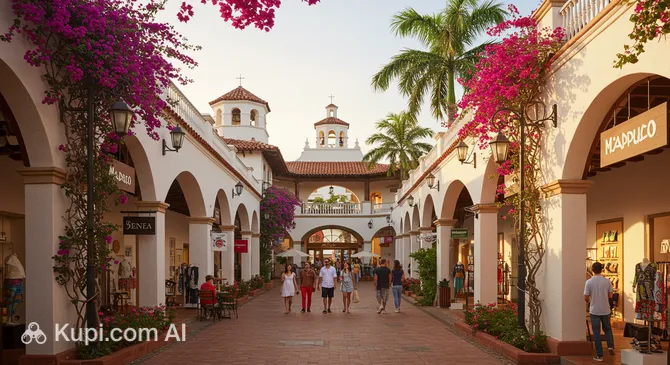
For a modern and upscale retail experience, the city boasts several impressive shopping centers. In the exclusive Diamond Zone, you will find La Isla Shopping Village. This open-air mall is designed with canals and bridges, creating a pleasant village-like atmosphere where you can shop for designer brands, enjoy a meal, or simply walk around. It is a favorite among visitors for its relaxed vibe and wide selection of high-end stores.

La Isla Shopping Village. Source: Kupi.Binoculars

Another major destination is Galerías Acapulco (formerly known as Gran Plaza), located right on the Costera in the Golden Zone. This large, enclosed mall offers a welcome escape from the midday heat and features a vast department store, cinema, and numerous fashion retailers. It is a central hub for both locals and tourists, making it a convenient stop for families and serious shoppers alike.

Galerías Acapulco. Source: Kupi.Binoculars

To truly connect with the local culture, a visit to one of the traditional Mercados de Artesanías (Craft Markets) is essential. There are several located along the Costera, such as the colorful market near Papagayo Park or the El Pueblito market. These stalls are packed with folk art, embroidered clothing, leather goods, and hand-painted ceramics. Bargaining is a common practice here, so feel free to negotiate politely with the vendors to reach a fair price.

When it comes to souvenirs, silver jewelry is a top choice, reflecting the proximity to the famous silver city of Taxco. You will also find beautiful shell crafts, woven hammocks, and locally produced mezcal. For a sweet treat, look for traditional candies made from coconut and tamarind, which are specialties of the coastal region and make for delicious gifts.

Most shopping malls and department stores are open daily from around 11:00 AM to 9:00 PM. While major retailers and malls widely accept credit and debit cards, it is highly recommended to carry cash (Mexican Pesos) when visiting craft markets or smaller street vendors, as card terminals may not be available. International tourists shopping at participating stores may be eligible for a tax refund (MoneyBack) on purchases over a certain amount, so be sure to ask for a VAT refund form and keep your receipts.

Reached the end of the page?

That means the route is fully explored