Support

Zihuatanejo

About

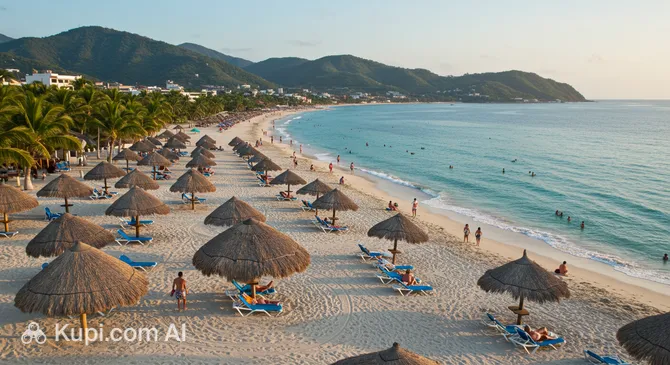
Nestled along the sun-drenched Pacific coastline of the state of Guerrero, Zihuatanejo is a captivating destination that offers a refreshing alternative to large-scale resort towns. Unlike many modern tourist hubs, this city has managed to preserve the authentic atmosphere of a traditional fishing village while providing all the amenities travelers need. Located in Mexico, it sits on a well-protected bay, making it a haven for swimmers, boaters, and those seeking a tranquil escape.

Zihuatanejo. Source: Kupi.Binoculars

With a population of approximately 67,000 residents, the city feels intimate and welcoming. The climate is typically tropical, offering warm weather year-round that is perfect for enjoying the outdoors. While the nearby area of Ixtapa is known for its high-rise hotels, Zihuatanejo is celebrated for its winding cobblestone streets, local markets, and a laid-back rhythm of life. To understand how this humble coastal community grew into a beloved international destination, it is worth exploring the history of Zihuatanejo, which traces its roots back to pre-Hispanic times and its development as a key port.

Visitors are drawn to the city's stunning natural beauty, particularly the famous Playa La Ropa, often cited as one of the most beautiful beaches in the region with its soft sand and gentle waves. The picturesque Zihuatanejo Bay provides a scenic backdrop for sunset dining and water sports, while the downtown waterfront, known as the Paseo del Pescador (Fisherman's Walk), is the heart of local activity where fishermen still bring in their daily catch. Whether you are looking to relax under a palm tree or explore vibrant local culture, Zihuatanejo invites you to experience its unique charm and warm hospitality.

Weather Overview

Zihuatanejo enjoys a warm tropical climate year-round, making it a reliable destination for sun-seekers. The average temperatures remain remarkably consistent, generally hovering between 24°C and 27°C, with daily highs often reaching close to 29°C during the warmer months like July. Nights are comfortable, rarely dropping below 20°C, ensuring pleasant evenings for outdoor dining or strolls along the bay. For a more comprehensive breakdown of conditions by month, you can consult the guide to weather in Zihuatanejo.

The year is distinctly divided into two seasons based on rainfall. The winter and spring months, particularly from December to May, are extremely dry with almost zero precipitation and clear blue skies, perfect for uninterrupted beach time. In contrast, the summer and early autumn bring the rainy season; from June to October, travelers should expect frequent rainfall, with August and September seeing up to 26 wet days. Despite the increase in rain, the weather remains warm, and the surrounding landscape becomes beautifully lush and green.

Interesting Facts

Beyond the main attractions and sun-soaked beaches, Zihuatanejo holds many fascinating secrets and cultural curiosities that add depth to its tropical charm. This coastal city is not just a tourist destination but a place rich in history, legends, and pop culture connections.

  • The name "Zihuatanejo" is derived from the Nahuatl word Cihuatlan, which translates to "Place of Women." Historical accounts suggest that in pre-Hispanic times, the region was a matriarchal society dedicated to the goddess Cihuatéotl, and early Spanish expeditions reported seeing a population predominantly composed of women when they first arrived.

  • High in the hills overlooking the bay stands a bizarre architectural oddity known as the Parthenon of Zihuatanejo. This crumbling mansion was built by a controversial former police chief in the style of the ancient Greek temple, featuring disco floors and lavish murals, and it remains one of the city's most peculiar and mysterious landmarks.

  • Zihuatanejo gained worldwide fame as the ultimate paradise in the classic film The Shawshank Redemption. Although the movie's final scenes were filmed in the Caribbean, the city remains the symbolic sanctuary where the characters Andy and Red dream of reuniting, drawing fans from around the globe who come to see the place that represents freedom.

  • Local legend claims that the breakwater at Playa Las Gatas was constructed by a Tarascan king named Calzonzin. It is said he ordered the reef to be built to create a giant, calm saltwater pool specifically for his daughter, ensuring she could swim safely without being disturbed by the ocean's waves.

Parthenon of Zihuatanejo. Source: Kupi.Binoculars

How to Get There

Reaching this beautiful stretch of the Mexican Pacific is relatively straightforward, with air travel being the most popular choice for international visitors. For a detailed breakdown of all transport options, including driving directions and bus routes, you can read more about how to get to Zihuatanejo.

The primary gateway for most travelers is the Ixtapa-Zihuatanejo International Airport (IATA: ZIH). Conveniently situated just 10.6 km from the heart of Zihuatanejo, this airport serves both the traditional town and the nearby resort areas. It welcomes flights from major cities in Mexico, the United States, and Canada. The transfer from the terminal to the city center is quick and hassle-free, typically taking about 15 to 20 minutes by taxi or shuttle.

If direct flights are unavailable, some travelers might consider flying into Acapulco International Airport (IATA: ACA) in the city of Acapulco. However, it is important to note that this airport is approximately 214.8 km away. The journey from Acapulco to Zihuatanejo involves a significant ground transfer, taking roughly 5 to 6 hours by bus or rental car, making it a less convenient option compared to the local airport.

For clarity, here is a summary of the main airports in the wider region:

Airport Name City Passenger Traffic Km from City
Morelia Airport Morelia High 250.6
Acapulco International Airport Acapulco Medium 214.8
Ixtapa-Zihuatanejo International Airport Ixtapa Medium 10.6
Colima Airport Colima Low 280.3
Licenciado y General Ignacio Lopez Rayon Airport Uruapan Low 201.0

Regarding rail travel, Zihuatanejo is not connected to a passenger railway network. There are no train stations in the immediate vicinity or in nearby cities that offer passenger services suitable for tourists. Consequently, visitors who do not fly usually arrive by long-distance luxury buses or private vehicles via the federal highway system.

Main Attractions

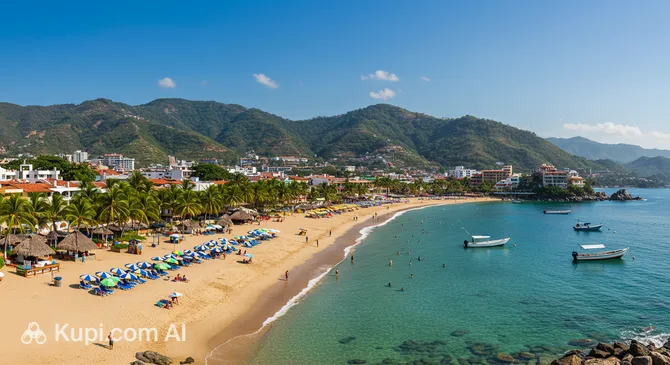
Zihuatanejo offers a delightful mix of natural beauty and unique local landmarks. The most celebrated stretch of coastline is undoubtedly La Ropa Beach. Extending for over a kilometer along the bay, this beach is beloved for its soft sand and gentle waves, making it perfect for swimming and water sports like parasailing. Its name, which translates to "The Clothes Beach," stems from a local legend about a colonial-era shipwreck that washed a cargo of fine silks ashore. Today, it serves as the social hub of the city, lined with inviting palapas and restaurants where visitors can enjoy fresh seafood with their toes in the sand.

La Ropa Beach. Source: Kupi.Binoculars

For a glimpse into a more eccentric chapter of the area's past, travelers often look toward the hills to see the Parthenon of Zihuatanejo. This imposing structure was constructed in the late 1970s by a notorious figure and was designed to mimic the ancient Greek temple in Athens. While access to the interior has fluctuated over the years due to its complex legal status, the site remains a major point of interest. Visitors are drawn to its massive columns and the spectacular panoramic views it offers over the bay, making it a favorite spot for photography from the outside.

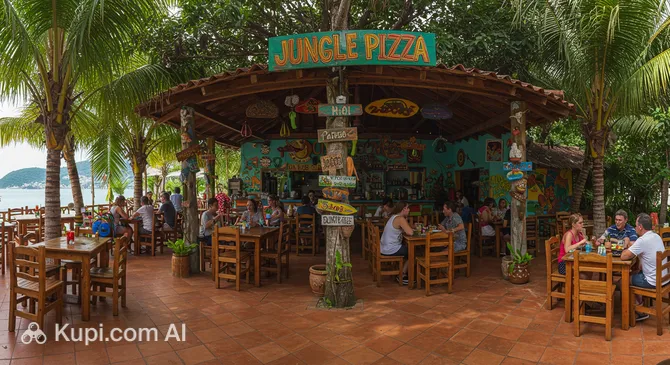
In addition to its beaches and history, the city has culinary spots that have become attractions in their own right, such as Jungle Pizza. This establishment has earned a legendary reputation among repeat visitors and locals alike. Known for its wood-fired ovens and lively, rustic atmosphere, it provides a distinct dining experience that goes beyond just a meal. It is a popular gathering place in the evenings, offering a warm and friendly environment that perfectly captures the welcoming spirit of Zihuatanejo.

Local Cuisine

The culinary heart of Zihuatanejo beats to the rhythm of the ocean, offering a gastronomic experience that is fresh, unpretentious, and deeply rooted in the traditions of the Guerrero coast. As a historic fishing village, the city prides itself on "sea-to-table" dining, where the catch of the day is often brought ashore just hours before being served. The local food scene is less about fine dining and more about authentic flavors enjoyed in open-air palapas and family-run eateries.

The undisputed signature dish of the city is tiritas de pescado. Unlike the cubed ceviche found elsewhere in Mexico, tiritas consist of thin strips of raw fish—typically sailfish or dorado—that are "cooked" briefly in lime juice and mixed with sliced red onions and spicy habanero or serrano peppers. This dish was invented by local fishermen who needed a quick, simple meal while at sea, and it has since become a culinary icon of Zihuatanejo, best enjoyed with tortilla chips and a cold beer.

Another regional staple that visitors must try is Pozole Verde (Green Pozole). While pozole is common throughout Mexico, the Guerrero version is distinct for its rich green broth made from pumpkin seeds (pepitas) and green herbs. It is traditionally served on Thursdays, a custom known as "Jueves Pozolero," and is often accompanied by a side of mezcal, avocado, and chicharrón. For a refreshing non-alcoholic option, look for chilate, an icy, frothy drink made from cocoa, rice, cinnamon, and brown sugar, which provides a sweet respite from the midday heat.

Jungle Pizza. Source: Kupi.Binoculars

Dining in Zihuatanejo ranges from the bustling morning fish market at the Paseo del Pescador to relaxed evening venues. While traditional seafood dominates the lunch hour, the dinner scene offers a variety of casual spots that capture the town's laid-back vibe. A popular example is Jungle Pizza, which attracts both locals and tourists with its inviting environment, offering a break from seafood with its wood-fired specialties. Whether eating street food in the center or dining under the stars, the food culture here is warm, welcoming, and always flavorful.

Travel Tips

Visiting Zihuatanejo is a delightful experience that combines the charm of a traditional Mexican fishing village with the comforts of a beach destination, but a little preparation goes a long way. To help you settle into the relaxed "Zihua" rhythm and make the most of your stay, here are some practical tips to keep in mind.

  1. Clothing and Gear: The climate is tropical and warm, so pack lightweight, breathable fabrics like cotton or linen. Since you will likely be walking on cobblestone streets in the downtown area, bring comfortable walking shoes or sturdy sandals rather than high heels. Don't forget high-SPF sunscreen, a wide-brimmed hat, and insect repellent for the evenings.
  2. Transportation: The downtown area is very walkable, but for longer distances, taxis are plentiful and reasonably priced; always agree on the fare before getting in as they do not use meters. For a local experience and a cheap way to travel between Zihuatanejo and the resort area of Ixtapa, try the combis (small white shuttle buses). Renting a car is generally unnecessary unless you plan to explore remote coastal areas of Mexico on your own.
  3. Finances: The local currency is the Mexican Peso (MXN). While major hotels and restaurants accept credit cards, cash is king in Zihuatanejo, especially for small family-run eateries, taxis, and artisan markets. ATMs are widely available in the city center. Tipping is customary; leaving 10-15% at restaurants and a few coins for baggers at grocery stores is standard practice.
  4. Health and Safety: Zihuatanejo is generally considered safe for tourists, but it is wise to stick to well-lit areas at night and keep valuables secure. The most important health rule is to avoid drinking tap water; always opt for sealed bottled water, even for brushing your teeth if you have a sensitive stomach. Pharmacies are common, and many offer consultations with a doctor for minor ailments.
  5. Communication: Spanish is the official language. While English is widely spoken by hotel staff and restaurant servers in tourist zones, it is less common in local markets or smaller neighborhoods. Learning a few basic phrases like "Buenos días" (Good morning) and "Gracias" (Thank you) is greatly appreciated by locals and helps build rapport.
  6. Local Etiquette: The culture here is warm and polite. It is customary to greet shopkeepers or taxi drivers when you enter their space. Life in Zihuatanejo moves at a slower, more relaxed pace compared to big cities; patience is a virtue here, so do not rush service at restaurants—embrace the leisure time instead.
  7. What to Avoid: Do not lose your temper if things happen slowly; displaying anger is seen as rude and aggressive. Also, avoid buying coral or turtle products from vendors, as these are protected species and purchasing them damages the local ecosystem and is illegal.
  8. Water Taxi Tip: To reach some of the best snorkeling spots like Playa Las Gatas, use the water taxis (pangas) from the municipal pier. It is an affordable and scenic 10-minute ride. Buy a round-trip ticket and keep the return stub safe for your journey back in the afternoon.

By keeping these practicalities in mind, you can focus on what really matters: soaking up the sun and enjoying the authentic hospitality of this coastal gem. Zihuatanejo welcomes visitors with open arms, and a respectful, prepared traveler is sure to have an unforgettable vacation.

Entertainment & Nightlife

Nightlife in Zihuatanejo reflects the city's overall character: relaxed, authentic, and delightfully bohemian. Unlike the high-energy party scene found in larger Mexican resort destinations, the evening entertainment here centers around socializing, live music, and enjoying the tropical ambiance. The atmosphere is generally laid-back, where casual attire is the norm, and the dress code rarely requires more than a nice shirt or a summer dress. While you won't find massive discotheques in the city center, you will discover plenty of charming spots to enjoy a cold beer, a margarita, or a glass of mezcal accompanied by local troon music or salsa.

The heart of the action is found in the downtown area, particularly along the waterfront promenade known as the Paseo del Pescador and the streets radiating from it, such as Calle Cuauhtémoc and Calle Adelita. As the sun sets, these areas come alive with locals and tourists strolling by the bay. For a lively dining experience that often extends into the night, Jungle Pizza is a popular choice. Its vibrant setting makes it a great place to start the evening with friends before exploring other nearby bars. On Sunday evenings, the basketball court near the main pier often hosts cultural events and impromptu gatherings, offering a wholesome and spirited slice of local life.

For those seeking a more romantic or scenic evening, the establishments along La Ropa Beach offer a spectacular setting. Many hotel bars and open-air restaurants here allow you to sip cocktails with your toes in the sand, watching the lights shimmer across the bay. If you are looking for a more intense clubbing experience with DJs and dancing until dawn, it is best to take a short taxi ride to the neighboring resort town of Ixtapa, where the nightlife is flashier and geared towards late-night partying. In Zihuatanejo, the vibe remains focused on conversation and acoustic melodies.

Practicalities for a night out are straightforward. Most bars and restaurants stay open until around midnight or 1:00 AM, though some may close earlier on weekdays. Prices are generally moderate and lower than in Ixtapa, but it is essential to carry cash, as many smaller venues do not accept credit cards. Getting around is easy; authorized taxis are plentiful and safe to use at night. It is advisable to ask your hotel or restaurant to call one for you, or to take one from a designated sitio (taxi stand). While the tourist zones are safe for walking in the early evening, it is always recommended to take a taxi back to your accommodation late at night rather than walking through unlit areas.

During the daylight hours, entertainment in Zihuatanejo shifts towards cultural and outdoor activities. Before the sun goes down, visitors can explore the Archeological Museum of the Costa Grande, which houses artifacts from the region's pre-Hispanic history, or browse the colorful artisan markets for handicrafts. The city offers a perfect balance, allowing travelers to immerse themselves in history and nature by day, and unwind with good food and mellow music by night.

Parks & Museums

Zihuatanejo offers a harmonious blend of lush natural landscapes and a rich cultural heritage that dates back centuries. While the city is primarily known for its coastline, it also possesses inviting green spaces and cultural venues that allow visitors to connect with the region's history and artistic spirit beyond the sand and surf.

Although Zihuatanejo does not feature large urban parks in the traditional sense, its natural geography serves as a spectacular open-air reserve. The most prominent green space for leisurely walking is the Paseo del Pescador (Fisherman's Walk). This waterfront promenade is lined with almendro and palm trees, offering a shaded, scenic route that connects the municipal pier with the Archaeological Museum. It acts as the town's linear park, where locals and tourists mingle while enjoying views of the bay. For a more immersive nature experience, La Ropa Beach functions as a vast natural recreational area; its long stretch of sand is backed by tropical vegetation and hills, making it ideal for morning jogs or observing local birdlife like pelicans and frigates.

For those interested in the region's past, the Museo Arqueológico de la Costa Grande is the city's cultural crown jewel. Conveniently located at the eastern end of the Paseo del Pescador, this museum may be small, but it houses an impressive collection of artifacts from the Olmec, Teotihuacan, Tarascan, and Aztec cultures. The exhibits provide fascinating insights into the pre-Hispanic history of the "Cihuatlán" region, displaying intricate pottery, stone carvings, and maps. Another key cultural element of the city is its vibrant art scene; numerous small galleries in the downtown area, such as the Galería Maya, showcase high-quality Mexican folk art, paintings, and sculptures, effectively serving as living museums of local creativity.

Architecturally, the city offers a mix of traditional coastal charm and eccentric landmarks. The most famous architectural curiosity is the Parthenon of Zihuatanejo. Perched on a hill, this structure is a surreal replica of the Greek temple, featuring Doric columns and statues that contrast sharply with the tropical jungle surroundings. While entry is often restricted, viewing it from the outside remains a popular activity for those interested in the town's unique modern history. Additionally, the city center itself, with its terracotta roofs and winding cobblestone streets, stands as a preserved example of a traditional Mexican Pacific town.

For a truly authentic experience, take a short trip outside the city to the Soledad de Maciel (Xihuacan) archaeological site. Located about 30 minutes south, this ancient ceremonial center features a recently excavated ball court and a pyramid base, offering a deeper dive into the indigenous history of Guerrero than what is visible in town. It is a perfect half-day excursion for history buffs seeking a quiet, educational escape.

Getting Around

Public transport in Zihuatanejo is straightforward, informal, and an authentic part of the local experience. Unlike massive urban centers, the city does not have a metro, tram, or trolleybus system. Instead, the network relies almost entirely on road-based vehicles, specifically minibuses and taxis, which provide comprehensive coverage of the downtown area, residential neighborhoods, and the nearby hotel zone of Ixtapa.

The most popular and economical way to get around is by using the combis (minivans) or micros (small buses). These vehicles run frequently along fixed routes and are easily identifiable by the destinations painted on their windshields. They are the backbone of local mobility, shuttling residents and tourists between the city center, local markets, and beaches. Riding a combi is not only efficient but also offers a glimpse into daily life in the city.

The payment system is strictly cash-based. There are no electronic travel cards, mobile apps, or pre-paid transit passes available. Passengers pay the driver directly upon boarding. Fares are incredibly affordable, typically ranging from 10 to 15 pesos depending on the distance. It is highly recommended to carry coins or small bills, as drivers often do not have enough change for large denominations.

For tourists, navigating the system is relatively easy with a few practical tips. Designated bus stops exist, particularly in the downtown area, but in many neighborhoods, you can simply wave at an approaching combi to signal it to stop. To exit, look for a buzzer button near the door or simply call out "bajan" (getting off) to the driver. Service generally begins around 6:00 AM and continues until approximately 10:00 PM, though frequency drops significantly after dark.

Taxis serve as a ubiquitous alternative to public buses. They are white cars, often with specific color stripes indicating their union or zone. Taxis in Zihuatanejo do not use meters; instead, rates are based on a zone system. It is essential to agree on the fare with the driver before getting into the car to avoid misunderstandings. You can hail them on the street or find them at designated stands known as sitios.

A unique and scenic feature of the local transport network is the water taxi service. Small motorboats, locally called pangas, operate from the municipal pier (Muelle Municipal) to transport visitors to beaches that are less accessible by road, such as the popular Playa Las Gatas. These boats function like a bus service on water, selling round-trip tickets at a fixed price. They operate only during daylight hours, usually stopping before sunset, and offer a delightful commute across the bay.

While car rentals are available, they are generally unnecessary for navigating the city itself due to the compact nature of the downtown area, which is best explored on foot. Walking allows you to easily access the waterfront, shops, and restaurants without the hassle of finding parking. For longer excursions or late-night travel, taxis remain the most convenient option.

Accommodation

Accommodation in Zihuatanejo caters to a diverse range of travelers, offering a more intimate and traditional experience compared to the high-rise resort developments of neighboring Ixtapa. The city provides a wide spectrum of lodging options, ranging from budget-friendly hostels and family-run guesthouses—known locally as posadas—to charming boutique hotels and exclusive luxury resorts nestled in the hills. For those seeking a home-away-from-home feel, vacation rentals and private villas are also widely available, particularly for longer stays.

When choosing where to stay, location plays a key role in the experience. The downtown area, or El Centro, is ideal for travelers who want to be immersed in local culture, with easy access to markets, street food, and the main pier. It tends to offer more affordable pricing. For beach lovers, the area around La Ropa Beach is the most popular choice. This zone is home to many of the city's finest hotels and romantic hideaways, offering direct access to the sand and stunning views of the bay. Another excellent option is the Playa Madera neighborhood, situated between downtown and La Ropa, which features hillside properties with spectacular ocean vistas, though it often involves navigating stairs.

Booking accommodation in Zihuatanejo requires some strategic planning, particularly regarding the season. The busiest time of year runs from mid-December through Easter, when the weather is at its best. During this peak season, and especially around Christmas and New Year's, hotels can fill up months in advance. It is highly recommended to secure your reservation well ahead of time to ensure availability and better rates. Conversely, traveling during the "green season" (summer and early autumn) often allows for more spontaneous booking and significantly lower prices.

In terms of cost, Zihuatanejo is generally accommodating to all budgets. Budget travelers can find clean, comfortable rooms in the city center for a modest price, while mid-range options often include pools and breakfast. The luxury segment here focuses on personalized service and privacy rather than massive scale, with prices reflecting the exclusivity. While major booking platforms are widely used for hotels and villas, many smaller posadas may still prefer direct booking via email or phone. Additionally, while credit cards are accepted at larger establishments, having cash on hand is advisable for settling bills at smaller, family-owned lodgings.

Nearby Cities

For those looking to explore the surroundings, Zihuatanejo serves as an excellent base for day trips to several interesting nearby locations:

One of the most accessible and culturally rich options is the town of Petatlán, located just a short drive south of Zihuatanejo. This town is a significant pilgrimage site, famous for the Sanctuary of Padre Jesús de Petatlán, a church that draws faithful visitors from across the region. Beside the religious architecture, Petatlán is well-known for its vibrant street market where local artisans sell gold jewelry at competitive prices. The town also serves as the gateway to the archaeological site of Soledad de Maciel (Xihuacan), making it a perfect spot for history enthusiasts.

For travelers willing to venture further, the legendary city of Acapulco offers a glimpse into Mexico's golden age of tourism. Although it requires a longer journey, this iconic port city is renowned worldwide for the courageous cliff divers at La Quebrada and its expansive bay. While it is a bustling urban center compared to the laid-back vibe of Zihuatanejo, Acapulco provides a wealth of dining, shopping, and historical attractions, such as the San Diego Fort, for those interested in seeing one of the country's most famous coastal destinations.

Another option along the coast is Lazaro Cardenas, situated to the northwest in the neighboring state of Michoacán. While primarily an industrial port city, the surrounding area features rustic beaches like Playa Azul, known for their sea turtle conservation camps and powerful waves suitable for surfing. It offers a different perspective on the Pacific coast, focusing more on local life and industry than international tourism.

City Population Distance (km)
Acapulco 673,478 197
Apatzingan 128,250 181
Lazaro Cardenas 79,200 77
Tacambaro 76,661 176
Petatlán 44,485 32

These nearby destinations offer a glimpse into the diverse culture and landscapes of the region.

Shopping & Souvenirs

Shopping in Zihuatanejo offers a refreshing departure from the commercialized mega-malls found in many international resort destinations. Instead of high-end luxury brands and chain stores, the city specializes in authentic Mexican handicrafts, folk art, and locally produced goods. The experience here is vibrant and personal, often involving direct interaction with the artisans or shopkeepers. Visitors can expect to find high-quality silver, colorful textiles, and unique home décor items, all while wandering through lively streets that retain the charm of a traditional coastal town.

The primary shopping district is located in El Centro (Downtown), particularly along the streets radiating from the waterfront. Calle Cuauhtémoc and Calle Cinco de Mayo are two of the most important thoroughfares for browsing. These streets are lined with boutiques, jewelry stores, and galleries selling everything from beachwear to intricate sculptures. A stroll along the Paseo del Pescador also offers opportunities to buy souvenirs, especially from vendors who set up near the beach, offering seashells and simple crafts in a relaxed, open-air setting.

Travelers looking for large-scale modern shopping malls might find Zihuatanejo's options somewhat limited, as the city prioritizes local commerce. While there are smaller commercial plazas and large supermarkets for essentials, the city does not have a massive fashion mall. For those seeking international brands, designer clothing, or a typical mall experience, a short trip to the neighboring resort area of Ixtapa is recommended, where shopping centers like Plaza Kukulkan offer a more conventional retail environment.

The true heart of the local shopping scene beats in its markets. The Mercado de Artesanías (Artisan Market), located on Calle Cinco de Mayo, is a must-visit labyrinth of hundreds of stalls. It is the best place to find traditional Mexican crafts, including silver jewelry, hand-painted ceramics, hammocks, and embroidered clothing. For a more culinary experience, the Mercado Municipal serves as the central hub for locals. Here, you can wander through aisles of fresh tropical fruits, vegetables, dried chilies, and regional spices, providing a sensory overload and a glimpse into daily life in Guerrero.

When it comes to souvenirs, Zihuatanejo offers several distinctive items worth bringing home. The region is famous for its silver work, often sourced from the nearby mining town of Taxco; look for the "925" stamp to ensure quality. Ceramics and pottery are also popular, ranging from bright Talavera-style plates to intricate clay figures. Additionally, the state of Guerrero is known for its coffee and mezcal. A bag of locally grown organic coffee beans or a bottle of artisanal mezcal makes for a flavorful reminder of your trip.

Store opening hours in Zihuatanejo generally run from 10:00 AM to 8:00 PM, Monday through Saturday. Some smaller shops and boutiques may close for a "siesta" break in the afternoon, typically between 2:00 PM and 4:00 PM, though this is becoming less common in tourist-heavy areas. On Sundays, many shops in the downtown area may have reduced hours or close entirely, although the artisan market remains active. Regarding payment, cash is king. While established boutiques and restaurants accept credit cards, most market vendors and small stalls deal exclusively in Mexican Pesos. It is advisable to carry smaller denominations for bargaining and easier transactions.

International tourists in Mexico may be eligible for a tax refund on certain purchases through the "Moneyback" program. This applies to goods purchased at affiliated stores that offer the tax-free service, usually for a minimum amount. To claim this, you must shop at participating merchants, request a special VAT refund invoice (factura), and present your receipts, passport, and immigration form at a designated booth at the airport before leaving the country. However, keep in mind that this is rarely available at traditional markets or small street stalls.
Reached the end of the page?

That means the route is fully explored