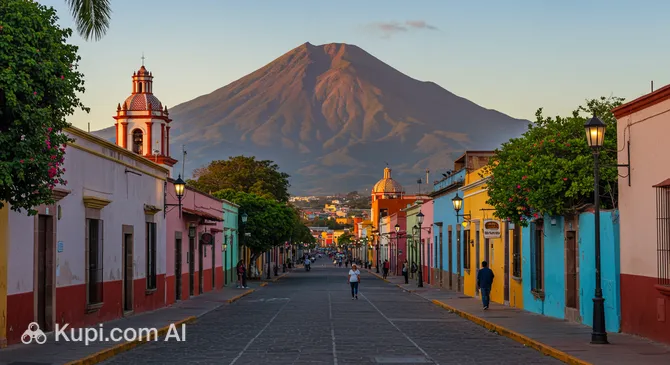
Nestled in a fertile valley in western Mexico, the city of **Colima** is a hidden gem often referred to as the "City of Palms." With a population of approximately 150,000 residents, this state capital offers a tranquil yet vibrant atmosphere that stands in contrast to the country's bustling metropolises. Its strategic location between the coastal plains and the rugged mountains provides a stunning backdrop for travelers seeking an authentic experience.
Colima. Illustration.
Source: Kupi.com AI
The city is renowned for its colonial charm and well-preserved architecture. As you stroll through the streets, the history of Colima comes alive in its elegant plazas and historic buildings. The climate here is pleasantly warm year-round, making it an ideal destination for outdoor exploration. One of the most striking geographical features is the imposing presence of the **Volcán de Colima**, also known as the "Volcano of Fire," which dominates the horizon and adds a dramatic touch to the landscape.
Visitors are often drawn to the heart of the city, particularly the **Jardín Libertad**, a central square surrounded by palm trees and arcades where locals gather to socialize. Nearby, the majestic **Basilica Minor of Colima** stands as a testament to the region's architectural heritage. Whether you are interested in exploring lush eco-parks or enjoying the local cuisine, Colima provides a welcoming environment that perfectly blends tradition with modern Mexican life.
We invite you to discover the relaxed pace and natural beauty of Colima, a destination that promises a memorable journey off the beaten path.
Weather Overview
Colima is known for its pleasant, warm climate that remains inviting throughout the year. The city generally experiences a distinct dry season and a wet season, influencing when most travelers choose to visit. For precise forecasts and monthly averages, you can consult the guide to the weather in Colima.
The dry season, spanning from November to May, offers the most stable conditions for exploration. During this period, rainfall is practically non-existent, and the sun shines bright. Temperatures are comfortable, with daily averages between **22°C and 26°C**, though the heat peaks in May with highs reaching up to **32.7°C**. This is an excellent time to walk the city streets or visit nearby natural attractions without the worry of rain.
Conversely, the months from June through October bring the rainy season. While the weather remains warm, with average temperatures staying around **24°C to 25°C**, precipitation becomes frequent. August, for instance, records approximately **29 wet days**, transforming the surrounding vegetation into a lush green. Expect warm summers with frequent rain and mild, dry winters that provide a perfect escape from colder climates.
Average monthly temperature
Average monthly precipitation
Interesting Facts
Beyond the main attractions, Colima holds many fascinating secrets and local legends that define its unique character. Here are some intriguing facts that reveal the deeper spirit of this charming city.
La Piedra Lisa Park. Illustration.
Source: Kupi.com AI
Traveler photos:
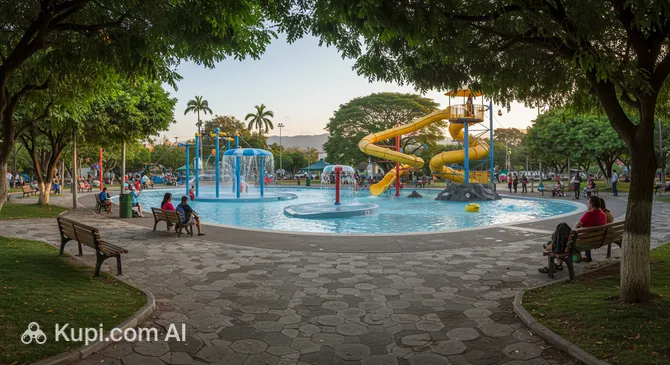
One of the city's most enduring urban legends revolves around a large monolithic stone located in La Piedra Lisa Park. Local tradition claims that visitors who slide down the rock's smooth surface are destined to marry a resident of Colima or return to the city in the future.
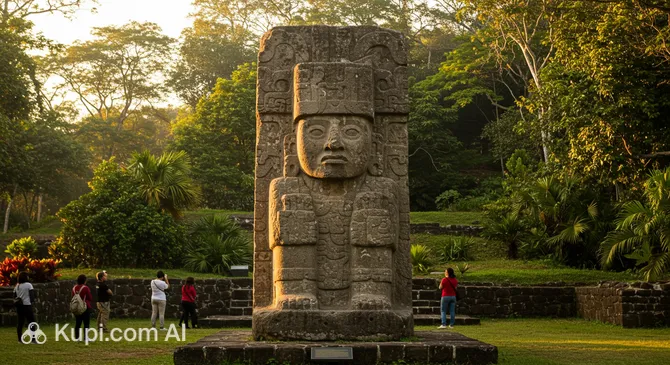
The city is named after the legendary chieftain Colimotl, who led a fierce resistance against Spanish conquerors. Today, his legacy is immortalized by the imposing King of Colima Monument, which stands as a symbol of local pride and indigenous strength.
Colima has a distinctive beverage culture centered around "Tuba," a drink made from the fermented sap of coconut palms. Street vendors traditionally serve this refreshing liquid in large gourds, often garnishing it with peanuts to add a savory crunch to the sweet nectar.
The region is historically significant for its unique ceramics, particularly the famous Red Clay Dogs found in ancient shaft tombs. These artifacts, often depicting the Xoloitzcuintle breed in playful poses, were believed to guide souls to the underworld and are now iconic symbols of the state.
How to Get There
Reaching this destination is relatively straightforward, with options ranging from direct regional flights to landing at major international hubs nearby. While the city has its own airport, many visitors find it convenient to fly into larger neighboring cities and complete their journey by bus or rental car. For a comprehensive guide on all transport modes, including driving routes and bus schedules, you can read more about how to get to Colima.
The most direct entry point is Colima Airport (IATA: CLQ), situated just 15.8 km from the city center. This regional facility primarily serves domestic connections, making it an excellent choice for travelers already in Mexico or connecting through Mexico City. The transfer from the terminal to downtown is quick, typically taking around 20 to 25 minutes by taxi or shuttle.
For international travelers, the Don Miguel Hidalgo y Costilla International Airport (IATA: GDL) in Guadalajara is often the most practical option. Located approximately 147.8 km away, this major hub handles a high volume of international traffic. Although it requires a longer ground transfer—taking about 2.5 to 3 hours by taxi or bus—it offers a much wider range of flight schedules and direct connections from abroad.
Another accessible alternative is the Manzanillo Airport (IATA: ZLO), located in the coastal city of Manzanillo, about 88.5 km from Colima. This airport is popular with tourists visiting the Pacific coast but serves as a viable gateway for the state capital as well. The drive from Manzanillo takes approximately 1.5 hours, offering a scenic route from the coast inland.
For clarity, here is a summary of the main airports:
Exploring Colima reveals a city where history, nature, and local legends intertwine seamlessly. While the city center is compact, it boasts several landmarks that offer a glimpse into the region's rich heritage and daily life. Here are some of the top places to visit during your stay.
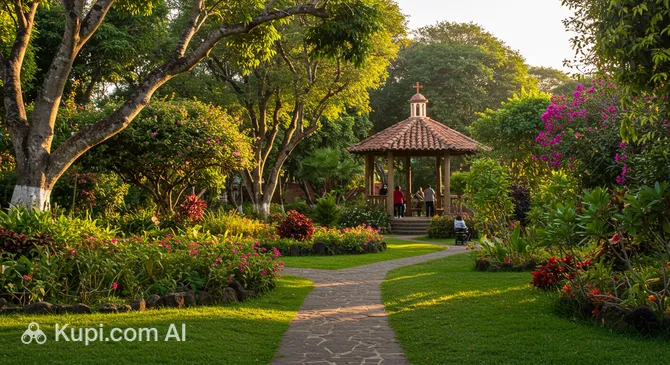
One of the most cherished green spaces in the city is Núñez Garden. Located a few blocks away from the main square, this park is a favorite among locals for its dense, leafy trees that provide welcome shade on sunny days. It has a distinct, more relaxed atmosphere compared to the bustling central plaza. Visitors can admire the historic architecture surrounding the garden or simply enjoy a quiet stroll along its paths, which are often filled with the sounds of local life.
Núñez Garden. Illustration.
Source: Kupi.com AI
Traveler photos:
For a mix of recreation and folklore, a visit to La Piedra Lisa Park is essential. This popular recreational area is famous for its monolithic stone, which is the subject of the city’s most well-known legend. Beyond the stories, the park serves as an excellent spot for families, featuring playgrounds, an interactive science center nearby, and plenty of space for outdoor activities. It is a lively hub where you can experience the community spirit of Colima.
Standing as a proud symbol of the state's indigenous roots is the King of Colima Monument. This imposing sandstone sculpture depicts King Colimotl, the legendary leader who defended the region against Spanish conquistadors. The monument is not only a significant historical tribute but also an artistic landmark that commands attention. Its intricate details and commanding presence make it a noteworthy stop for those interested in the cultural identity of western Mexico.
King of Colima Monument. Illustration.
Source: Kupi.com AI
Traveler photos:
Local Cuisine
Local Cuisine:
The culinary landscape of Colima is a delightful fusion of pre-Hispanic traditions and western Mexican ranch culture, characterized by the abundant use of corn, coconut, and locally grown lime. The region's cuisine is distinct and flavorful, offering travelers a chance to taste dishes that are unique to this part of the country. From street food stalls to established family eateries, the city invites you to explore its savory heritage.
A must-try staple is Sopitos, small, thin corn tortillas that are lightly fried and topped with ground meat, shredded cabbage, and a savory juice, often garnished with radishes and cheese. Another iconic dish is Pozole Seco (dry pozole), a variation of the famous Mexican hominy stew where the broth is cooked down until it evaporates, leaving the kernels coated in a rich, seasoned sauce. For those who enjoy hearty meat dishes, Tatemado—pork marinated in coconut vinegar and spices, then slow-cooked—is a local favorite often served at celebrations.
Carnitas Sahuayo. Illustration.
Source: Kupi.com AI
Traveler photos:
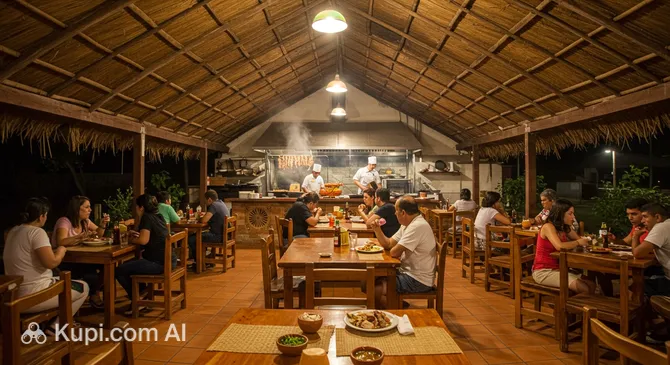
When it comes to dining out, the city offers a variety of welcoming spots. For authentic local flavors, particularly succulent pork dishes, Carnitas Sahuayo is a well-regarded establishment. Visitors looking for a lively atmosphere to enjoy food and drinks might visit La Lola Fonda de Mar, which combines a relaxed vibe with a varied menu. Additionally, La Finca del Barrio provides a charming setting for a meal, while Barrio de Quilmes is another popular option for those wishing to explore the local dining and social scene.
Travel Tips
Welcome to Colima, a city where the warmth of the locals is matched only by the tropical climate. To ensure your visit to the "City of Palms" is as smooth and enjoyable as possible, we have compiled a set of essential guidelines to help you navigate daily life in this charming capital.
Clothing and Gear: Given the region's warm and humid weather, lightweight and breathable fabrics like cotton or linen are your best friends. Pack comfortable walking shoes, as the historic center features charming but uneven cobblestone streets. Don't forget a hat, sunglasses, and high-SPF sunscreen. If you plan to visit religious sites like the Basilica Minor, remember to dress modestly, covering shoulders and knees.
Transportation: The historic center of Colima is compact and best explored on foot. For longer distances, local taxis are plentiful and affordable; however, it is advisable to agree on the fare before starting your journey as meters are not always used. Ride-hailing apps are available but may have fewer drivers than in larger Mexican cities. Public buses are an economical option, though routes can be confusing for first-time visitors.
Finances: The local currency is the Mexican Peso (MXN). While major hotels and restaurants accept credit cards, cash is king for smaller establishments, street food vendors, and local markets. ATMs are widely available around the main plazas. Tipping is customary in Mexico; leaving 10-15% at restaurants and a few coins for grocery baggers is standard practice.
Health and Safety: Pharmacies (farmacias) are easy to find throughout the city, with many chains operating 24/7. As with most travel in the region, stick to bottled water for drinking and brushing your teeth to avoid stomach issues. In terms of safety, it is best to stay in well-lit, populated areas, especially at night, and keep expensive electronics or jewelry out of sight to avoid attracting unwanted attention.
Communication: Spanish is the primary language, and while staff at high-end hotels may speak English, it is not widely spoken in general shops or by taxi drivers. downloading an offline translation app and map is highly recommended. Learning a few basic phrases like "Buenos días" (Good morning) and "Gracias" (Thank you) will go a long way in interacting with the friendly locals.
Local Etiquette: Politeness is highly valued here. It is polite to greet shopkeepers when entering a store and to say "Buen provecho" (enjoy your meal) to other diners when you enter or leave a restaurant. Locals generally have a relaxed approach to time, so patience is a virtue during service interactions.
What to Avoid: Avoid drinking tap water under any circumstances; always opt for sealed bottled water. Additionally, try not to get frustrated if businesses close for a few hours in the mid-afternoon; this is a traditional break during the hottest part of the day, and life resumes in the cooler evening hours.
Savor the Evenings: One specific tip for Colima is to embrace the evening culture. The city truly comes alive after sunset when the heat subsides. This is the perfect time to visit the Jardín Libertad, enjoy a cool "Tuba" drink, and watch the locals socialize in the plazas.
By keeping these practical tips in mind, you will be well-prepared to immerse yourself in the authentic rhythm of Colima. Enjoy the vibrant culture, the delicious cuisine, and the welcoming spirit that makes this city a unique destination in western Mexico.
Entertainment & Nightlife
When the sun sets and the heat of the day subsides, Colima transforms into a lively hub of social activity. Unlike the high-energy, tourist-heavy party scenes found in coastal resorts like Manzanillo, the nightlife here is more authentic and community-focused. The atmosphere is generally relaxed yet vibrant, driven largely by the local university population and residents who enjoy the pleasant evening temperatures. The city offers a mix of traditional cantinas, modern bars, and open-air venues perfect for conversation and music.
The nightlife action is primarily concentrated in two main areas: the historic center and the northern district (Zona Norte). In the downtown area, around the main plazas, you will find laid-back establishments where you can enjoy a beer or a cocktail while soaking in the colonial architecture. For a more contemporary scene with louder music and trendier crowds, heading north along Avenida Felipe Sevilla del Río and Avenida Constitución is the best choice. Here, the energy picks up, and you can find places that stay open until the early hours of the morning.
La Lola Fonda de Mar. Illustration.
Source: Kupi.com AI
Traveler photos:
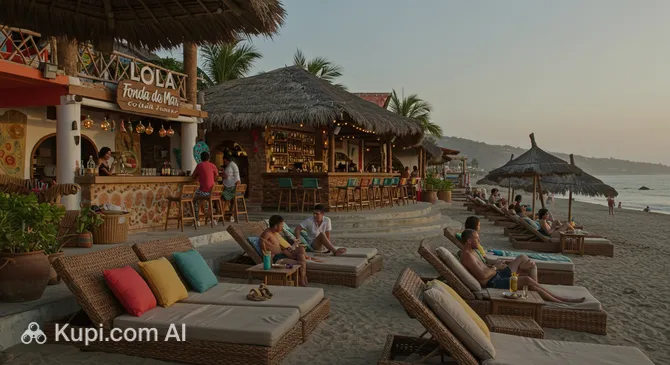
For those looking to experience the local bar culture, La Lola Fonda de Mar is a standout option. This venue combines the casual vibe of a traditional fonda with a spirited bar atmosphere, making it an excellent spot to start the night with drinks and seafood-inspired snacks. It attracts a diverse crowd looking to unwind after work or kickstart their weekend festivities.
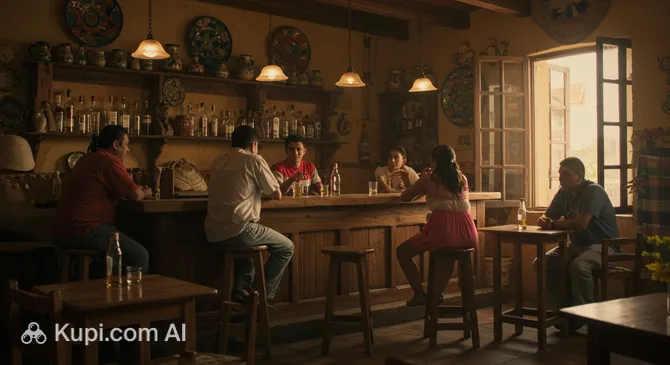
Another popular destination for a fun evening is Barrio de Quilmes. Known for its welcoming environment, this spot is perfect for travelers who want to mingle with locals. The venue often features a good selection of beverages and a setting that encourages socializing. Whether you prefer a quiet corner to chat or a livelier space to enjoy the music, these local favorites provide a genuine taste of Colima's social life.
Barrio de Quilmes. Illustration.
Source: Kupi.com AI
Traveler photos:
Practical Advice for Night Owls: The peak time for nightlife in Colima is Friday and Saturday, typically starting around 10:00 PM. The dress code is generally casual to smart-casual; while you don't need formal wear, locals tend to dress neatly for a night out. Prices are significantly lower than in major tourist destinations, making a night out quite affordable. A beer might cost between 30 to 50 MXN, and cocktails are reasonably priced.
Safety and Transport: Colima is generally safe for nightlife, especially in the busy zones mentioned. However, it is always wise to stay in well-lit areas and avoid walking alone on deserted streets late at night. For transportation, radio taxis are the most reliable option. You can ask the venue staff to call one for you, or use ride-hailing apps if available, though traditional taxis are abundant. Avoid hailing cabs on the street at night if you are unfamiliar with the area.
While the nights are for socializing, daytime entertainment in Colima offers a more cultural pace. The city is home to several theaters, such as the Teatro Hidalgo, which hosts plays and concerts. Museums and cultural centers provide a cool refuge from the midday sun, allowing visitors to explore the region's history and art before the evening festivities begin.
Parks & Museums
The cultural and natural landscape of Colima offers a refreshing blend of lush greenery and deep-rooted history. Beyond its lively plazas, the city preserves its heritage in well-curated museums and maintains beautiful open spaces that allow visitors to enjoy the region's eternal spring weather. Whether you are looking to explore ancient artifacts or take a peaceful walk under the shade of tropical trees, the city provides ample opportunities to connect with its environment and past.
For nature lovers, the Parque Regional Metropolitano Griselda Álvarez is a standout destination. This extensive green lung located in the southern part of the city is perfect for families and eco-tourists. It features a small zoo, an artificial lake, and winding paths surrounded by dense vegetation, offering a quick escape from the urban rhythm. Another significant green space is Núñez Garden, which serves as a botanical haven in the city center. Unlike the main plaza, this garden is celebrated for its diverse collection of trees and flora, making it an ideal spot for a quiet afternoon of reading or people-watching in a serene atmosphere.
To truly understand the region's identity, a visit to the Museo Regional de Historia de Colima is essential. Housed in a beautifully restored 19th-century building, the museum chronicles the state's history from pre-Hispanic times to the modern era. Its exhibits include archaeological pieces and artifacts that tell the story of the local indigenous cultures. Equally impressive is the Museo de las Culturas de Occidente, often located within the House of Culture complex. This venue is famous for its extensive collection of pre-Columbian pottery, particularly the iconic "Perros Cebados" (fat dogs) figures, which are a hallmark of Colima's ancient artistic tradition.
Architectural enthusiasts should not miss the Palacio de Gobierno, located facing the main square. While it functions as a government office, its interior courtyard houses magnificent murals by the renowned artist Jorge Chávez Carrillo, depicting the history and struggles of the Mexican people. Nearby, the Teatro Hidalgo stands as a jewel of 19th-century architecture. Its gothic-style interior and elegant facade make it one of the most beautiful theaters in western Mexico, frequently hosting cultural events and performances.
For a unique experience, consider visiting the La Campana Archaeological Zone early in the morning. Although primarily a historical site, its park-like grounds offer a peaceful walk among ancient structures with spectacular views of the Volcán de Colima in the distance. It is a perfect way to combine a history lesson with outdoor exploration before the midday heat sets in.
Getting Around
The public transport system in Colima is straightforward and relies primarily on a network of buses that serve the city and the conurbated area of Villa de Álvarez. There is no metro, tram, or train service within the city limits. Instead, the urban buses, locally known as rutas or camiones, are the backbone of daily mobility. These vehicles are typically color-coded or numbered, with their main destinations and route numbers clearly painted on the windshields to help passengers identify them from a distance.
Payment for bus rides is exclusively cash-based; there are no electronic travel cards or mobile ticketing apps for the public bus system here. When you board, you pay the driver directly. The fare is very affordable, usually a fixed low rate regardless of the distance traveled within the urban zone. It is essential to carry small change, such as coins or small denomination bills, as drivers may not always have enough change for larger notes. Upon payment, you will receive a small paper ticket, which serves as your receipt and insurance for the journey.
For tourists, navigating the bus system requires a bit of attention. designated bus stops exist, particularly in the downtown area and on major avenues, but in residential neighborhoods, stops can be less formal. It is common practice to wave your hand to signal the driver to stop as the bus approaches. Operating hours generally run from early morning, around 6:00 AM, until approximately 10:00 PM. Service frequency is good during the day but drops significantly later in the evening, so it is wise to plan ahead if you are staying out late.
Taxis are a very popular and convenient alternative to buses. The local taxis are typically yellow and can be easily hailed on the street or found at designated stands known as sitios. Unlike in some larger cities, taxis in Colima often do not use meters. Instead, fares are usually based on a zone system. It is highly recommended to confirm the price with the driver before starting your trip to avoid misunderstandings. Most drivers are friendly and honest, but clarifying the cost upfront is standard practice.
In addition to traditional taxis, ride-sharing apps have become increasingly popular and offer a modern, comfortable way to get around. Services like Uber and Didi operate in the city, providing the advantage of transparent pricing and the ability to pay via credit card through the app. Given the compact nature of Colima's historic center, walking is also a viable and pleasant option for short distances, allowing you to appreciate the colonial architecture at your own pace.
Accommodation
Where to Stay:
Finding the perfect place to stay in Colima is relatively easy, as the city offers a welcoming variety of accommodation options that cater to different travel styles and budgets. Unlike the sprawling all-inclusive resorts found on the nearby coast, the state capital focuses more on personalized hospitality. Visitors can choose from charming boutique hotels housed in restored colonial buildings, efficient business hotels with modern amenities, and budget-friendly hostels run by local families. The atmosphere in most establishments reflects the city's relaxed pace, ensuring a restful stay.
For those who want to be in the heart of the action, the **Historic Center** is the most popular area to stay. Choosing a hotel here puts you within walking distance of the city's main landmarks, museums, and colonial plazas. It is an ideal location for culture lovers who enjoy stepping out of their lobby directly onto cobblestone streets. Staying near the leafy **Núñez Garden** offers a particularly pleasant balance, providing easy access to downtown attractions while offering a slightly quieter, greener environment than the immediate vicinity of the main square.
Travelers seeking a more modern vibe or visiting for business often prefer the **Zona Norte** (Northern Zone). This area is characterized by wider avenues, shopping centers, and contemporary dining spots. Here, you are more likely to find well-known hotel chains and establishments offering amenities like swimming pools—a highly appreciated feature given the region's warm climate. This district is well-connected to the rest of the city and offers quick access to roads leading to nearby attractions like **La Piedra Lisa Park**.
Booking Tips: While Colima is not usually overrun by tourists, it is a popular destination during major Mexican holidays, particularly Semana Santa (Holy Week) and the Feast of the Virgin of Guadalupe in December. During these peak times, availability can drop quickly, so it is highly recommended to book your accommodation at least a few weeks in advance. For the rest of the year, reserving a few days prior to arrival is generally sufficient.
Price Range: Accommodation in Colima is generally very affordable compared to coastal destinations like Manzanillo or Puerto Vallarta.
Budget: Simple guesthouses and hostels typically range from 300 to 600 MXN per night.
Mid-Range: Comfortable hotels with air conditioning and private baths usually cost between 800 and 1,500 MXN.
High-End: Boutique hotels and upscale business properties can range from 1,800 to 3,000 MXN or more.
Most hotels are listed on major online booking platforms, but calling smaller, family-run establishments directly can sometimes secure a better rate or a more personalized room choice.
Nearby Cities
For those looking to explore the surroundings, Colima serves as an excellent base for day trips to several interesting nearby locations:
Just a stone's throw from the capital lies Villa de Alvarez. Often considered a twin city to Colima, it retains a distinct provincial charm while being seamlessly connected to the urban area. It is world-famous for La Petatera, a magnificent temporary bullring constructed entirely from wood, rope, and petate mats every year for the Charro Taurine Festivals. Visitors here can enjoy traditional Mexican snacks and a festive atmosphere that feels deeply rooted in local history.
For a complete change of scenery, a trip to the coast is highly recommended. Manzanillo, located about an hour's drive away, is the state's premier beach destination. Known as the "Sailfish Capital of the World," it features two main bays with calm waters, ideal for swimming and sunbathing. It is a perfect spot to enjoy fresh seafood by the ocean before heading back to the city in the evening.
Another interesting option is Tecoman, known as the "Lime Capital of the World." This agricultural hub drives the region's economy and serves as the gateway to the famous black sand beaches of Cuyutlán nearby. It offers a glimpse into the authentic rural life of the state and the chance to taste some of the best citrus-based cuisine in the region.
City
Population
Distance
Villa de Alvarez
149 762
3 km
Comala
9 649
9 km
Coquimatlan
20 837
10 km
Pueblo Juarez
21 807
23 km
Pihuamo
11 192
36 km
These nearby destinations offer a glimpse into the diverse culture and landscapes of the region, ranging from cool mountain towns to warm coastal retreats.
Shopping & Souvenirs
Shopping in Colima offers a relaxed and authentic experience, distinct from the frantic pace of larger commercial hubs. The city presents a pleasant mix of modern retail centers and traditional markets where the local culture thrives. While it may not be a massive fashion capital, visitors can find everything from high-end international brands to unique artisanal crafts that reflect the region's deep artistic heritage.
The heart of the shopping scene is undoubtedly the Historic Center. The streets radiating from the main plaza and the areas surrounding Núñez Garden are lined with small boutiques, shoe stores, and shops selling traditional clothing. Calle Madero is a particularly bustling thoroughfare where locals go for their daily needs. Walking through this district allows you to soak in the colonial atmosphere while browsing for goods in family-owned businesses that have operated for generations.
For those seeking a more contemporary shopping experience, the city boasts several modern malls. Plaza San Fernando is a favorite among residents, offering a wide range of department stores, cinemas, and clothing boutiques in a comfortable, air-conditioned environment. Another major destination is Plaza Zentralia, located in the northern part of the city. It features upscale brands, a variety of dining options, and serves as a social hub for the younger crowd.
To truly understand the local flavor, a visit to Mercado Álvaro Obregón is essential. This traditional market is a sensory delight, filled with the aroma of fresh fruits, regional cheeses, and spices. It is the perfect place to observe daily life in Colima. Here, you can find stalls selling everything from embroidered fabrics to rustic kitchenware. It is also an excellent spot to purchase affordable, locally grown coffee and the region's famous sea salt.
When it comes to souvenirs, Colima has several signature items that make for perfect gifts. The most iconic keepsake is a reproduction of the Perros Colimotes (Colima Dogs), ancient ceramic figures that are a symbol of the state. You should also look for crafts featuring the designs of renowned local artist Alejandro Rangel Hidalgo. Gastronomic souvenirs are equally popular; bottles of Ponche (a local fruit liqueur), boxes of traditional coconut sweets known as cocadas, and bags of artisanal sea salt from the nearby Cuyutlán lagoon are highly recommended.
Store opening hours generally run from 10:00 AM to 8:00 PM for malls and larger establishments. However, smaller shops in the downtown area may close for a siesta between 2:00 PM and 4:00 PM, reopening in the evening. While major shopping centers and supermarkets accept credit and debit cards, cash is essential when visiting markets like Mercado Álvaro Obregón or buying from street vendors. It is always wise to carry small denominations of Mexican Pesos for these transactions.
International tourists shopping at participating stores may be eligible for a tax refund (Moneyback) on purchases of merchandise. To take advantage of this, look for the "Tax Free" logo in store windows and be sure to request the necessary official invoice (factura) and refund form at the time of purchase, which you will need to present at the airport upon departure.