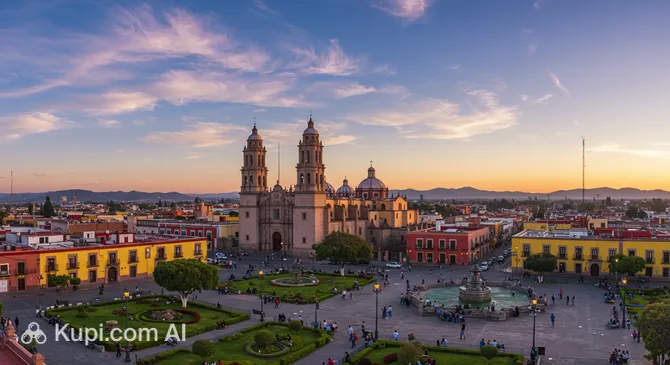
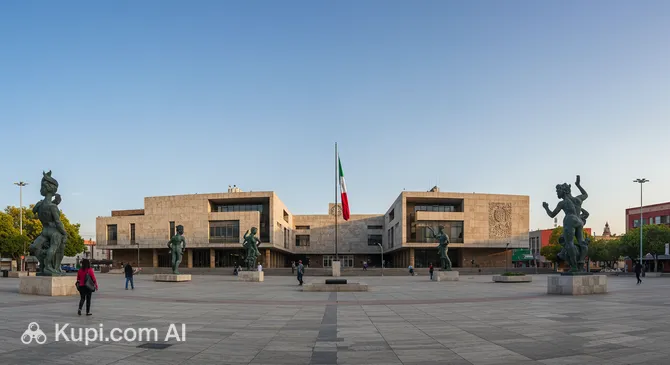
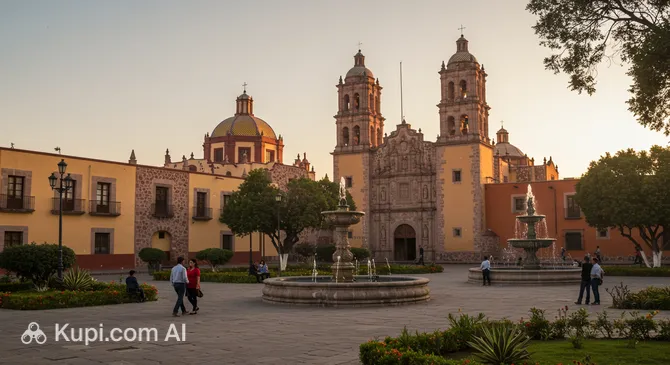
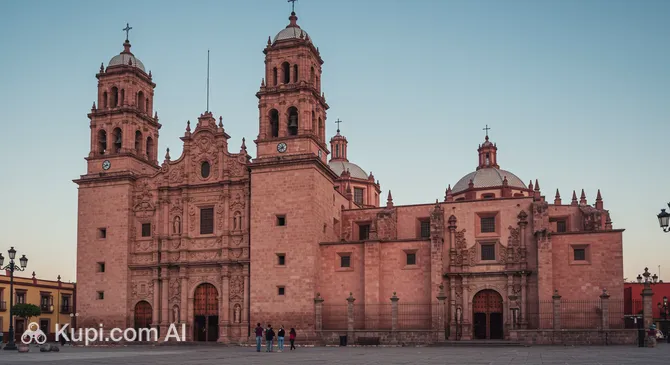
Aguascalientes is a vibrant and prosperous city located in the Bajío region of central Mexico. Known for its excellent quality of life, clean streets, and strategic location, it serves as the capital of the state bearing the same name. With a population of over 930,000 inhabitants, the city seamlessly blends modern industrial development with the charm of a traditional colonial town, offering a welcoming atmosphere for travelers from around the world.
The city’s name, which translates to "hot waters," originates from the abundance of thermal springs found in the area. Visitors interested in the past will find the history of Aguascalientes fascinating, particularly its evolution from a colonial outpost to a major railroad and mining hub. Today, the city preserves its rich heritage through beautifully maintained architecture, lush gardens, and historic plazas.
Aguascalientes. Illustration.
Source: Kupi.com AI
One of the city's main draws is the famous Feria Nacional de San Marcos, often referred to as "the Fair of Mexico," which attracts millions of visitors annually with its cultural events, concerts, and lively nightlife. Beyond the festivities, tourists can admire the stunning baroque architecture of the Cathedral Basilica of Our Lady of the Assumption or enjoy a relaxing soak in the historic Ojocaliente thermal baths.
Whether you are seeking cultural festivals, architectural beauty, or a relaxing getaway, Aguascalientes offers a unique and memorable experience. It is a destination that perfectly captures the heart and spirit of the region, inviting everyone to discover its many treasures.
Weather Overview
Aguascalientes typically enjoys a mild semi-arid climate, offering visitors warm days and cooler evenings for most of the year. The city experiences a clear distinction between its dry and wet seasons, making it easy to plan activities based on the time of your visit. Expect warm springs with rising temperatures and a rainy summer season, followed by cool, dry winters that are perfect for exploring the city's outdoor attractions.
The warmest period usually occurs in late spring, particularly in May, when the average maximum temperature reaches 30.0°C. As the summer arrives, humidity increases with the onset of the rainy season. June through September sees the most rainfall frequency; for instance, July records approximately 20 wet days, though the average temperature remains pleasant at around 19.8°C. Travelers visiting during these months should pack a light raincoat or umbrella.
Winter provides a refreshing change with drier conditions. January is generally the coldest month, with average temperatures dipping to 14.0°C and nightly lows around 6.7°C, but precipitation is virtually non-existent during this time. For a more comprehensive breakdown of what to expect during your trip, you can check the detailed report on the weather in Aguascalientes.
Average monthly temperature
Average monthly precipitation
Interesting Facts
Beyond its colonial charm and bustling fairs, Aguascalientes holds fascinating stories that often escape the casual visitor. Delve into the city's unique heritage with these intriguing facts that highlight its artistic soul and historic significance.
Plaza of the Three Centuries. Illustration.
Source: Kupi.com AI
Traveler photos:
Aguascalientes is widely considered to be the geographic heart of the country. A tall column topped with an eagle, known as the Exedra Monument located in the Plaza de la Patria, symbolically marks the precise center of Mexico.
The city is the proud birthplace of José Guadalupe Posada, the legendary engraver who created La Catrina, the elegant skeleton that has become the global symbol of the Day of the Dead. His satirical works and original printing plates are preserved and displayed at the José Guadalupe Posada Museum.
While many cultures celebrate life, this city hosts one of the few museums in the world dedicated entirely to the iconography of mortality. The National Museum of Death explores Mexico's colorful and complex relationship with death through centuries of art and artifacts, ranging from pre-Hispanic relics to modern folk art.
A mysterious network of tunnels runs beneath the city streets, originally constructed as part of an ancient hydraulic system. Known locally as the Aguascalientes Underworld, these subterranean passages have given rise to countless legends about hidden treasures and secret escape routes used during the Mexican Revolution.
The city was once a crucial pivot point for the nation's transportation network, earning it the nickname "The Railroad City." This industrial legacy is celebrated at the Plaza of the Three Centuries, where historic workshops, steam locomotives, and dancing fountains stand as monuments to the golden age of trains.
How to Get There
Reaching this destination is convenient thanks to its central location and good connectivity. Whether you are arriving from within Mexico or traveling internationally, you can find all ways to reach the city in our detailed guide, but here is an overview of the most common arrival methods.
The most direct option is to fly into Aguascalientes International Airport (IATA: AGU). This regional hub handles a steady flow of passengers and is located just 20.1 km from the city center. Because of its proximity, the transfer is quick; a taxi or shuttle ride typically takes around 50 minutes.
The city of Aguascalientes does not have another major airport within its immediate limits, but you can fly into Guanajuato International Airport (IATA: BJX) in the city of Leon, which is about 129.7 km from Aguascalientes. This is a popular alternative for travelers visiting the Bajío region. From there, you can get a taxi or bus, which takes about 3.5 hours.
Another significant option is Don Miguel Hidalgo y Costilla International Airport (IATA: GDL) in the city of Guadalajara, located approximately 184.4 km away. As one of the country's busiest airports, it offers extensive international connections. However, the ground transfer to Aguascalientes is longer, taking approximately 5 hours.
For clarity, here is a summary of the main airports:
Currently, there is no regular passenger train service to Aguascalientes, as the rail network in this region is primarily dedicated to freight. For those not arriving by air, the most common method of transport is by bus. The city is served by a large central bus station, the Central Camionera, which receives first-class and executive buses from major cities across Mexico, offering a comfortable and affordable way to travel.
Main Attractions
Aguascalientes is a city where history and modernity coexist beautifully, offering visitors a range of sites that capture the essence of central Mexico. From lush gardens to architectural marvels, the city's landmarks provide a perfect itinerary for those looking to explore its cultural depth and vibrant atmosphere.
San Marcos Garden. Illustration.
Source: Kupi.com AI
Traveler photos:
One of the most iconic spots in the city is the San Marcos Garden. This verdant park is the symbolic heart of the famous San Marcos Fair, but it remains a peaceful retreat year-round. Enclosed by a stunning pink stone balustrade and featuring graceful bronze statues depicting scenes of local life, the garden is an ideal place for a leisurely stroll. Tourists love the relaxing atmosphere, the charming gazebo at the center, and the proximity to other historic landmarks.
For architecture enthusiasts, the Temple of Saint Anthony of Padua is an absolute must-see. Located in the downtown area, this religious masterpiece stands out due to its unique eclectic style, blending Gothic, Baroque, and Moorish influences. Its towering yellow stone facade and vibrant green and gold dome make it one of the most photogenic structures in the city. The interior is equally impressive, featuring intricate frescoes and a sense of spiritual grandeur that captivates visitors.
Aguascalientes Historic Center. Illustration.
Source: Kupi.com AI
Traveler photos:
To truly understand the city's vibe, a walk through the Aguascalientes Historic Center is essential. This area is the beating heart of the capital, home to well-preserved colonial buildings, government palaces, and bustling plazas. It serves as the perfect starting point for exploring local shops, enjoying traditional street food, and soaking in the daily life of the locals. The area is pedestrian-friendly and connects many of the city's most important cultural institutions.
Art lovers should not miss the Aguascalientes Museum. Housed in a beautiful neoclassical building that was once a school, the museum offers a deep dive into the region's artistic heritage. It is particularly renowned for its collection of works by Saturnino Herrán, a native of the city and one of Mexico's most celebrated modernist painters. The museum's serene courtyards and curated exhibits provide a sophisticated cultural experience away from the busy streets.
Local Cuisine
The culinary scene in Aguascalientes is a delightful reflection of its location in the heart of Mexico, blending traditional Bajío flavors with unique local ingredients. The city’s gastronomy is characterized by savory meat dishes, a love for sweet and sour combinations, and a vibrant street food culture that comes alive in the evenings. Visitors can expect a dining experience that ranges from humble market stalls serving generations-old recipes to modern bistros offering contemporary fusion cuisine.
One of the most iconic dishes you must try is Pollo San Marcos (San Marcos Chicken). This festive dish is a staple during the city's famous fair but is available year-round in traditional restaurants. It features chicken simmered in a rich, sweet-and-savory sauce made with chorizo, tomatoes, chilies, and fruits like pears, apples, and apricots, creating a complex flavor profile that perfectly represents the region's festive spirit.
Another signature specialty is the Chile Aguascalientes. Similar to the famous Chile en Nogada but with its own twist, this dish consists of a dried ancho chili stuffed with a mixture of ground pork and beef, spices, and dried fruits. It is typically served with a creamy walnut sauce or a guava-based sauce, highlighting the state's significant production of guavas. For meat lovers, the local lechón (roast suckling pig) and birria are also incredibly popular, often enjoyed as hearty breakfasts or early lunches.
San Telmo Plaza. Illustration.
Source: Kupi.com AI
Traveler photos:
When it comes to snacking, you cannot miss the local version of corn in a cup, known here as chascas. Unlike the standard esquites found elsewhere in Mexico, chascas in Aguascalientes can be customized with a variety of toppings beyond the usual mayonnaise and cheese, including mushrooms, bacon, and different types of chilies. You will often find vendors selling these steaming cups near popular gathering spots like the San Marcos Garden.
For those with a sweet tooth, the region is famous for its guava sweets, known as ates or rollos de guayaba, often filled with cajeta (caramelized goat milk) and nuts. As for drinks, the area has a growing reputation for viticulture. You can sample excellent local wines, or try aguamiel, a traditional non-alcoholic sap extracted from the maguey plant. In the evenings, locals and tourists alike flock to dining hubs like San Telmo Plaza, where a variety of restaurants and bars offer the perfect setting to enjoy these local flavors in a sophisticated atmosphere.
Travel Tips
To help you make the most of your visit to this charming colonial city, we have compiled a set of essential guidelines that cover everything from packing to local customs. These practical insights will ensure your trip to Aguascalientes is as smooth, comfortable, and enjoyable as possible.
Clothing and Gear: Since the climate is semi-arid, the weather can change significantly throughout the day. Pack light, breathable clothing for the warm afternoons, but always bring a jacket or sweater for the cooler mornings and evenings. Comfortable walking shoes are a must for exploring the cobblestone streets of the historic center. If you plan to visit religious sites like the Cathedral Basilica, modest attire covering shoulders and knees is recommended.
Transportation: The most convenient way to navigate the city beyond the walkable downtown area is by using ride-hailing apps like Uber or Didi, which are reliable and affordable here. Traditional taxis are also available but ensure they use a meter or agree on a price beforehand. Public buses (known as camiones) cover most routes but can be confusing for first-time visitors; car rental is generally not necessary unless you plan to explore the surrounding state.
Finances: The official currency is the Mexican Peso (MXN). While major hotels, restaurants, and malls accept credit and debit cards, cash is essential for street food stalls, small local shops, and taxis. ATMs are widely available in banks and shopping centers. Tipping is customary in Mexico; leaving 10% to 15% of the bill in restaurants is standard practice for good service.
Health and Safety: Aguascalientes is considered one of the safer cities in Mexico, but it is always wise to exercise standard precautions, such as keeping an eye on your belongings in crowded areas like the San Marcos Garden. For minor health issues, chains like Farmacias Guadalajara or Farmacias del Ahorro are ubiquitous, and many locations operate 24/7. Always drink bottled water, never tap water, to avoid stomach upsets.
Communication: Spanish is the primary language. While staff at major hotels and tourist attractions often speak English, it is less common in local markets and smaller eateries. Learning a few basic phrases like "Buenos días" (Good morning) and "Gracias" (Thank you) will go a long way. For mobile data, you can easily purchase a SIM card from a Telcel provider or at convenience stores like OXXO.
Local Etiquette: Locals are generally warm and polite. It is customary to greet people when entering a shop or elevator with a friendly "Hola" or "Buenas tardes." When dining, it is polite to say "Buen provecho" (enjoy your meal) to others if you catch their eye or as you leave the restaurant. Punctuality can be somewhat flexible in social settings, but it is best to be on time for tours and business appointments.
What to Avoid: Avoid taking photos of people, especially indigenous locals or children, without asking for permission first, as it can be considered rude. Also, try not to get frustrated if service in restaurants is slower than what you are used to; dining here is often a leisurely social activity, not a rush.
Fair Season Awareness: If you are visiting during the famous Feria Nacional de San Marcos (usually April-May), be aware that the city transforms completely. Hotel prices skyrocket, and the streets become incredibly crowded. If you prefer a quiet cultural trip, it is best to avoid these specific weeks; however, if you want to party, book your accommodation months in advance.
Armed with this local knowledge, you are well-prepared to navigate the streets of Aguascalientes with confidence and ease. Embrace the relaxed pace of life, engage with the friendly residents, and enjoy every moment of your stay in this beautiful heart of Mexico.
Entertainment & Nightlife
Entertainment and Nightlife:
Aguascalientes offers a diverse and energetic nightlife scene that caters to all tastes, from those seeking a quiet glass of wine to party-goers looking to dance until dawn. The city comes alive after dark, particularly in designated entertainment districts where locals and visitors mingle in a safe and welcoming environment. Whether you prefer bohemian cafes, pulsating nightclubs, or sophisticated cocktail lounges, you will find plenty of options to enjoy the evening.
The most famous area for nightlife is undoubtedly the San Marcos district, especially around the garden and the fairgrounds. While it reaches its peak during the annual fair, the area remains active year-round with traditional cantinas and music venues. For a more modern and upscale experience, head to Avenida Luis Donaldo Colosio in the northern part of the city. This bustling avenue is lined with trendy bars, high-end restaurants, and nightclubs that attract a stylish crowd. Alternatively, Calle Venustiano Carranza in the historic center offers a more relaxed, bohemian vibe with stunning views of colonial architecture, perfect for an alfresco drink.
If you are looking for a specific place to start your night, Las Costillas de Sancho is a well-regarded spot. It combines a lively bar atmosphere with delicious food, making it an excellent choice for dinner and drinks. For those who want to experience the local clubbing scene, Sabrosura Discotheque provides a vibrant setting with great music and energy. Another popular venue for enjoying the pleasant evening weather is Terraza Bar, where you can relax with a cocktail in hand.
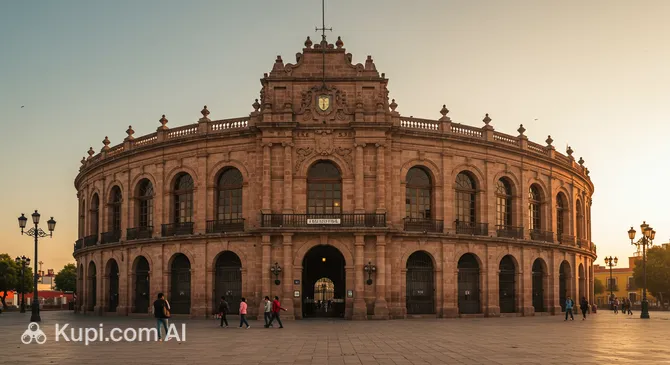
Monumental Bullring of Aguascalientes. Illustration.
Source: Kupi.com AI
Traveler photos:
When planning your night out, keep in mind that the action typically starts late. Bars begin to fill up around 9:00 PM, while nightclubs often don't get busy until after 11:00 PM and stay open until the early morning hours. The dress code varies by district; casual attire is acceptable in the historic center and San Marcos, but "smart casual" is recommended for the venues along Avenida Colosio. Prices are generally reasonable compared to larger Mexican metropolises, with beers and cocktails being quite affordable.
Regarding safety, the main nightlife districts are well-patrolled and considered safe for walking, especially on weekends when crowds are present. However, it is always advisable to use ride-hailing apps like Uber or Didi when moving between districts late at night, rather than hailing taxis on the street. This ensures a secure and tracked journey back to your accommodation.
Beyond the nightlife, the city offers engaging entertainment during the day. Culture enthusiasts should visit the Museo Espacio, a contemporary art museum housed in former railway workshops, or the Discover Interactive Museum of Science and Technology, which is perfect for families. For large-scale events, concerts, and bullfights, the Monumental Bullring of Aguascalientes is a major hub of activity, while sports fans can catch exciting football matches at the Victoria Stadium.
Parks & Museums
Aguascalientes is a city that prides itself on balancing its industrial dynamism with serene green spaces and a profound respect for its cultural heritage. Beyond the bustling fairgrounds and colonial plazas, visitors will find a collection of parks and museums that offer a deeper look into the region's natural beauty and storied past.
For those seeking relaxation and a connection with nature, the Ojocaliente Hot Springs are an essential stop. These historic thermal baths are the very reason for the city's name. Visitors can enjoy private tubs filled with mineral-rich waters that have been soothing locals for centuries. The site is not only a spa but also a place of historical significance, featuring neoclassical architecture that transports you back to the 19th century.
Miguel Hidalgo Park. Illustration.
Source: Kupi.com AI
Traveler photos:
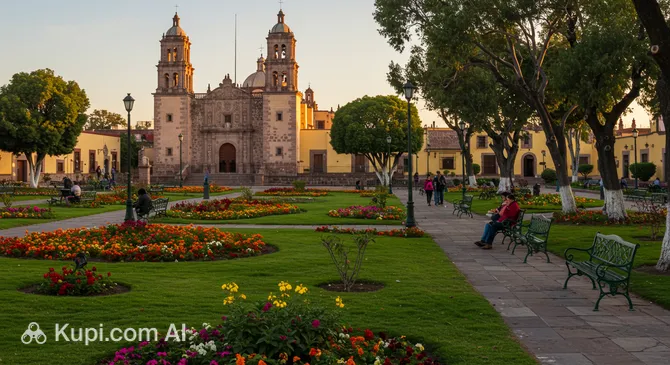
Another delightful green space is Miguel Hidalgo Park. One of the city's oldest parks, it offers a tranquil environment with tall trees, well-kept paths, and a charming atmosphere that contrasts with the busy streets nearby. It is a favorite spot for families and joggers, providing a perfect setting for a quiet morning walk or a leisurely afternoon picnic.
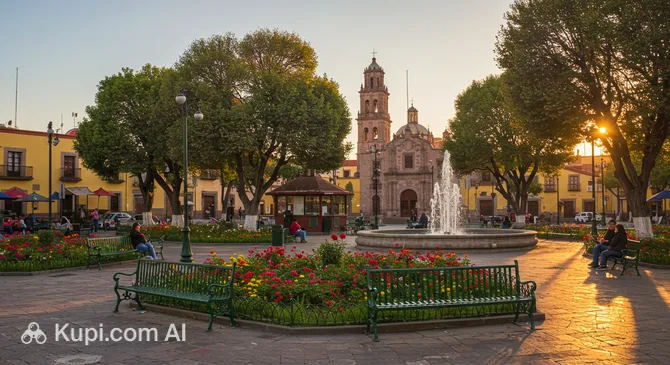
In the heart of the traditional Guadalupe neighborhood, you will find the Guadalupe Garden. This lovely square is a quintessential example of a Mexican plaza, complete with a central kiosk and surrounded by local life. It serves as the atrium for the magnificent baroque temple nearby and is a wonderful place to sit on a bench, enjoy a local snack, and watch the world go by.
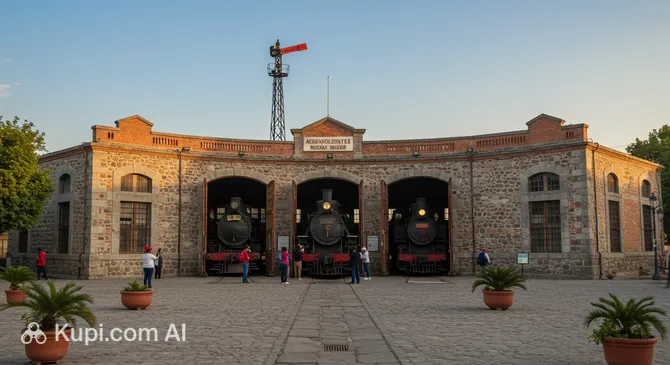
When it comes to museums, the city's identity as a major rail hub is brilliantly preserved at the Aguascalientes Railway Museum. Located within the historic railway complex, this museum allows visitors to step inside restored steam locomotives and vintage carriages. The exhibits narrate the pivotal role the railroad played in the Mexican Revolution and the industrialization of the country, making it a fascinating visit for history buffs and train enthusiasts alike.
Aguascalientes Railway Museum. Illustration.
Source: Kupi.com AI
Traveler photos:
To understand the broader historical context of the state, a visit to the Aguascalientes Regional History Museum is highly recommended. Housed in a stunning building designed by the self-taught architect Refugio Reyes Rivas, the museum showcases a comprehensive collection ranging from paleontological fossils and pre-Hispanic artifacts to objects from the colonial and revolutionary eras. The architecture of the building itself, with its beautiful patio and intricate details, is as impressive as the collection it holds.
While exploring the area around the famous San Marcos Garden, take a moment to admire the Temple of San Marcos. Often overshadowed by the garden's fame, this church is a gem of local architecture. Its asymmetrical facade and the indigenous influence in its interior design elements make it a unique piece of religious art worth inspecting up close.
For a truly authentic experience, try visiting the railway complex in the late afternoon. As the sun sets, the silhouettes of the old trains against the colorful sky create a nostalgic and photogenic scene that perfectly captures the spirit of old Aguascalientes.
Getting Around
Navigating Aguascalientes is relatively straightforward, although travelers should note that the city does not possess a metro or light rail system. The backbone of the local public transportation network is an extensive bus service, known locally as "YoVoy," which connects the historic center with residential neighborhoods, shopping districts, and industrial zones. These buses are the most common way for residents to move around and offer a comprehensive reach across the metropolitan area.
The "YoVoy" bus system has been undergoing modernization to improve user experience. While the city is transitioning towards a prepaid card system, cash is still widely accepted on many units. If you choose to pay with cash, it is essential to carry the exact fare in coins, as drivers do not carry change. For visitors planning to stay longer or use the bus frequently, purchasing a rechargeable YoVoy card at authorized convenience stores (such as OXXO) or designated terminals is highly recommended to make boarding smoother and faster.
Public transport generally operates from early morning, around 6:00 AM, until approximately 10:00 PM. Buses can get crowded during peak hours (7:00 AM to 9:00 AM and 6:00 PM to 8:00 PM), so tourists might prefer to travel outside these times for a more comfortable journey. Bus stops are marked, but in some residential areas, you may need to signal the driver to stop.
For those seeking more comfort or traveling late at night, ride-hailing apps are an excellent alternative. Services like Uber and Didi are very popular, reliable, and affordable in Aguascalientes. They offer the distinct advantage of overcoming language barriers, as you can input your destination directly into the app. Traditional taxis are also abundant and generally safe; they are typically white or red cars. While many are metered, it is always a prudent practice to confirm the estimated fare with the driver before getting in, especially if you hail one on the street.
Although there is no historic metro to ride, the city offers charming "tourist trams" (tranvías turísticos) that depart from the main plaza. While these are not part of the public transit system for commuting, they are a fantastic way for visitors to see the sights without walking. Speaking of walking, the Historic Center is very pedestrian-friendly, and exploring on foot is often the most efficient way to get between museums, churches, and restaurants in the downtown area.
Accommodation
Finding the perfect place to stay in Aguascalientes is relatively easy, as the city boasts a well-developed hospitality infrastructure driven by both tourism and its thriving business sector. The accommodation landscape ranges from familiar international chain hotels catering to business travelers to charming boutique hotels housed in restored colonial mansions. Whether you are looking for a luxury suite with modern amenities or a budget-friendly hostel with a communal vibe, the city offers options to suit various travel styles and budgets.
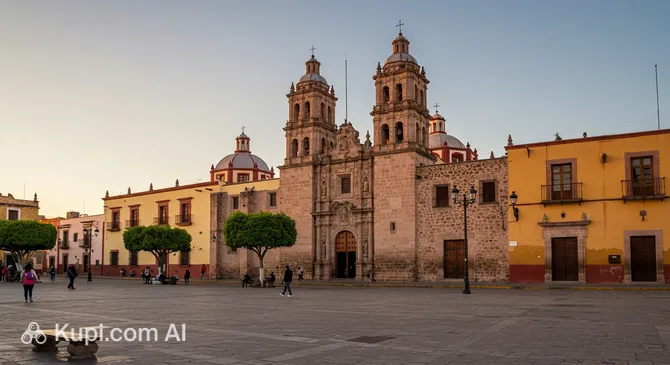
For those who want to be in the middle of the cultural action, the Historic Center is the most convenient area. Staying here puts you within walking distance of museums, government palaces, and the stunning Cathedral Basilica of Our Lady of the Assumption. This district is ideal for first-time visitors who wish to explore the city's architectural heritage on foot and enjoy the lively atmosphere of the main plazas day and night.
Cathedral Basilica of Our Lady of the Assumption. Illustration.
Source: Kupi.com AI
Traveler photos:
Another popular district is the area surrounding the San Marcos Garden. This neighborhood is the epicenter of the city's social life and is perfect for travelers interested in nightlife and tradition. However, if you prefer a more modern setting with access to upscale shopping and dining, the northern part of the city is the best choice. This area, particularly near the Altaria Mall, features contemporary business hotels that offer spacious rooms, pools, and easy access to the main highways.
Important Booking Tip: The hotel situation changes drastically during the Feria Nacional de San Marcos, usually held in April and May. During these weeks, occupancy rates often hit 100%, and prices can triple or quadruple. If you plan to visit during the fair, it is absolutely essential to book your accommodation several months in advance. For travel during the rest of the year, booking a few weeks ahead is generally sufficient to secure good rates.
In terms of pricing, Aguascalientes is generally affordable compared to Mexico's coastal resort destinations. You can find comfortable mid-range hotels for a very reasonable price, while luxury options remain accessible. Reservations can easily be made through major online booking platforms, though contacting smaller boutique hotels directly can sometimes yield better personalized offers or packages.
Nearby Cities
For those looking to explore the surroundings, Aguascalientes serves as an excellent base for day trips to several interesting nearby locations:
City
Population
Distance
Jesús María
43 012
10 km
San Francisco de los Romo
46 454
21 km
Pabellón de Arteaga
28 633
29 km
San Jose de Gracia
8 896
32 km
Rincon de Romos
94 978
38 km
Located just over an hour to the north, Zacatecas is a must-visit destination for history and architecture enthusiasts. Designated as a UNESCO World Heritage site, this colonial mining city is renowned for its stunning buildings constructed from pink quarry stone and its winding, romantic streets. Visitors can explore the depths of the Mina El Edén to understand the region's silver mining heritage or take a cable car ride over the city for breathtaking panoramic views of the historic center and the surrounding hills.
To the southeast lies Lagos de Moreno, a charming town recognized as a "Pueblo Mágico" (Magical Town). It offers a peaceful retreat with its beautifully preserved colonial center and rich tradition of charrería (Mexican rodeo). The towering Parish of Our Lady of the Assumption stands as a masterpiece of Mexican Baroque architecture, and a walk across the historic bridge over the Lagos River provides a glimpse into the area's colonial past. It is an ideal spot for those seeking a more relaxed, traditional atmosphere.
For travelers interested in shopping and urban excitement, Leon is a fantastic option located to the south. Known globally as the "Shoe Capital of the World," it is the premier place in Mexico to find high-quality leather goods, from footwear to jackets and accessories. Beyond its shopping districts, the city boasts impressive landmarks such as the Expiatory Temple of the Sacred Heart of Jesus and hosts major international events, making it a vibrant and bustling neighbor worth exploring.
These nearby destinations offer a glimpse into the diverse culture and landscapes of the region.
Shopping & Souvenirs
Shopping in Aguascalientes offers a delightful contrast between centuries-old artisanal traditions and contemporary retail experiences. Whether you are seeking intricate handmade crafts or the latest international fashion trends, the city provides a diverse range of options to satisfy every type of shopper.
The region is famous across Mexico for its exquisite needlework, particularly deshilado (drawn thread work). This delicate embroidery technique, passed down through generations, is applied to everything from tablecloths and napkins to beautiful blouses and dresses. The best place to find these treasures is along Calle Nieto in the downtown area, where numerous boutiques showcase the skill of local artisans. Visitors often leave with high-quality linens that serve as lasting souvenirs of the city's cultural heritage.
Beyond textiles, the city is renowned for its sweet treats, especially those made from guava, a fruit grown abundantly in the nearby municipality of Calvillo. You can find ates (fruit paste), jams, and candies filled with cajeta (caramel) in local markets like the traditional Mercado Terán. These edible souvenirs are a must-buy for anyone with a sweet tooth looking to bring a taste of the region home.
For a modern retail experience, the city boasts several high-end commercial centers. The most prominent is Altaria Mall, located in the northern part of the city. As the premier shopping destination in the region, it houses a wide array of exclusive department stores, international clothing brands, and entertainment options, making it a favorite spot for a full day of leisure.
Altaria Mall. Illustration.
Source: Kupi.com AI
Traveler photos:
Another popular spot is San Telmo Plaza, an open-air lifestyle center known for its sophisticated atmosphere. Here, you can browse through trendy boutiques and then relax at one of the many cafes or restaurants. For those specifically interested in clothing and textiles at competitive prices, the Plaza Vestir is a massive complex dedicated almost entirely to apparel, drawing shoppers from all over the country.