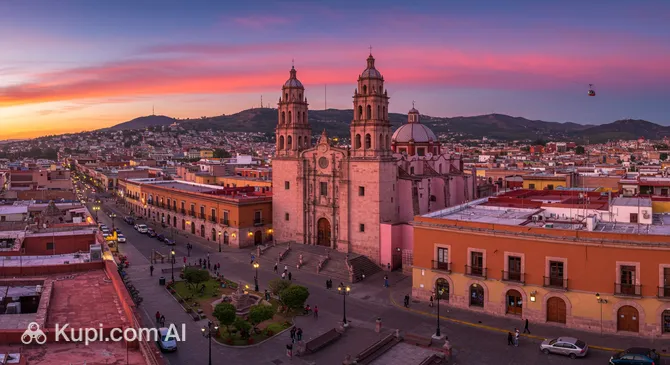
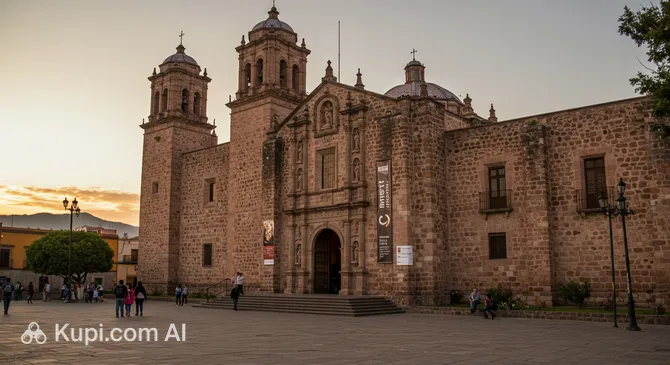
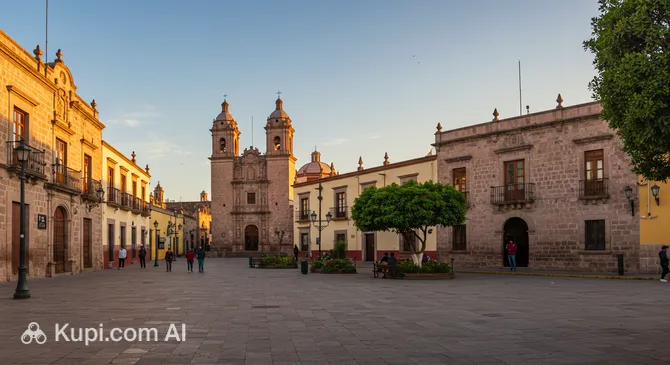
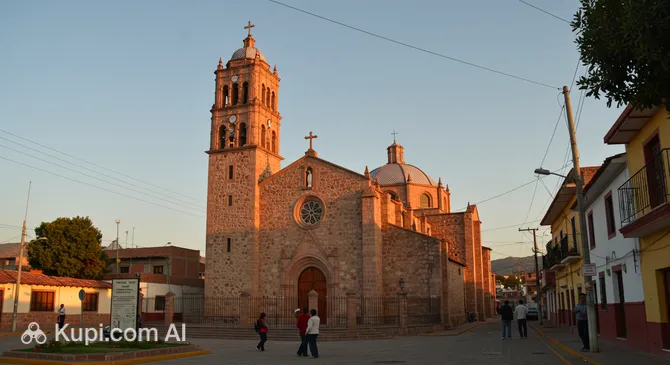
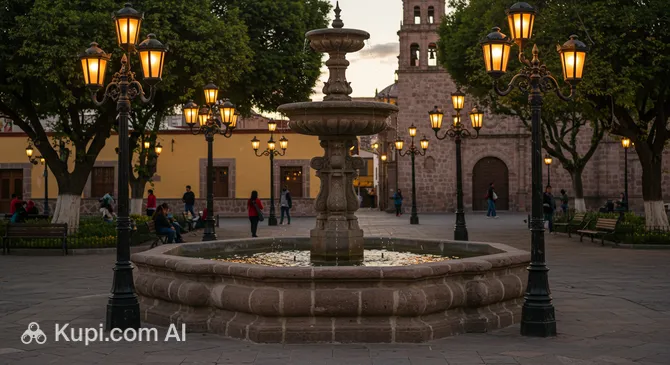
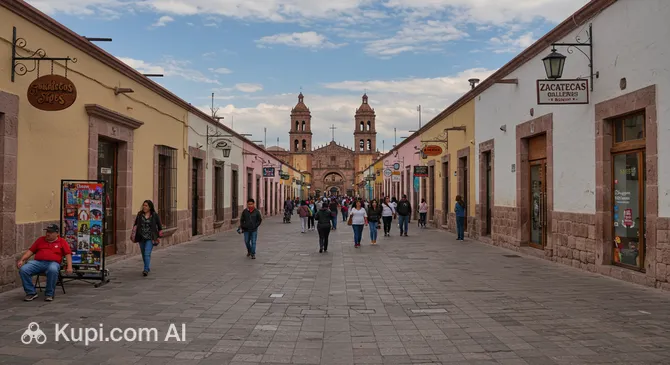
Welcome to Zacatecas, a dazzling colonial treasure hidden in the north-central highlands of Mexico. Renowned for its stunning architecture made from pink quarry stone, or cantera rosa, this city offers a unique blend of Spanish heritage and mining legacy. As a designated UNESCO World Heritage site, Zacatecas captivates visitors with its winding streets, historic plazas, and romantic atmosphere.
Zacatecas. Illustration.
Source: Kupi.com AI
Geographically, the city is situated in a deep ravine flanked by the Cerro de la Bufa and Cerro del Grillo. With a population of approximately 122,889 inhabitants, it maintains a vibrant yet manageable size for exploration. Due to its high elevation of over 2,400 meters, the climate is generally cool and dry, offering a refreshing escape from the heat often associated with other parts of the country.
The history of Zacatecas is inextricably linked to the discovery of silver in the 16th century, which transformed it into one of the wealthiest cities in New Spain. This prosperity is evident in the opulent buildings and churches that dot the landscape. Today, travelers can delve into this past by visiting the Mina El Edén, an underground mine that has been converted into a fascinating tourist attraction.
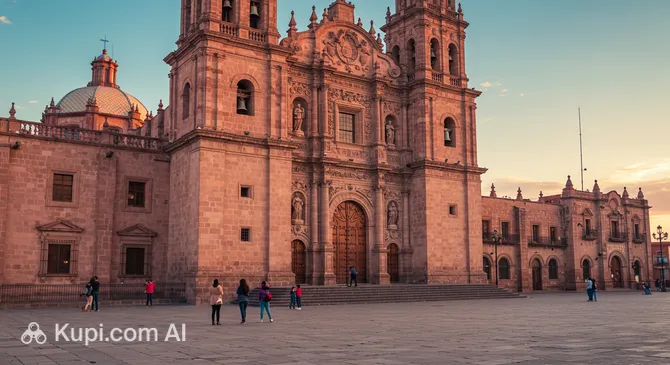
No visit is complete without admiring the breathtaking Zacatecas Cathedral, famous for its intricate Churrigueresque facade, or taking a ride on the Teleférico (cable car) to the summit of Cerro de la Bufa for panoramic views. Whether you are wandering through its illuminated alleyways at night or exploring its rich cultural museums, Zacatecas promises an unforgettable journey into the heart of colonial grandeur.
Weather Overview
Due to its high altitude, the climate in this region is generally mild and semi-arid, offering distinct seasonal changes that are pleasant for travel. To plan your trip effectively, it is helpful to check the detailed forecast for the weather in Zacatecas before you pack.
The warmest period occurs in late spring and early summer, particularly in May and June, when average temperatures rise to around 21°C and daily highs can reach nearly 29°C. This transition leads into the rainy season, which spans from July to September. July is typically the wettest month, featuring about 17 rainy days, although the precipitation usually comes in short, refreshing bursts rather than prolonged downpours.
Winters, from December through February, are characterized by clear, sunny skies and much cooler air. During this time, rainfall is virtually non-existent, but temperatures drop significantly at night, with lows averaging between 5°C and 7°C. Overall, you can expect warm summers with occasional rain and cold, dry winters, so bringing layers is highly recommended to stay comfortable throughout the day.
Average monthly temperature
Average monthly precipitation
Interesting Facts
Beyond the main attractions, Zacatecas holds many fascinating secrets and historical curiosities that add depth to its colonial charm. From underground revelry to world-class collections, here are some unique aspects of the city that often surprise visitors.
The Rafael Coronel Museum houses the largest collection of Mexican masks in the world. Located in the beautiful ruins of the former San Francisco Convent, this museum displays thousands of these colorful and often surreal artifacts, offering a deep dive into the country's diverse indigenous traditions.
Deep inside the El Edén Mine, you can find one of the most unusual nightlife spots on the planet. A section of this historic 16th-century mine has been converted into a unique underground club and bar, allowing guests to party within the rocky depths of the earth.
The Zacatecas Cable Car holds the distinction of being the first aerial tramway in the world built specifically to cross an entire city. Since 1979, it has connected the iconic Cerro de la Bufa and Cerro del Grillo, providing a bird's-eye view of the historic center below.
The city has its own musical legacy with the "Marcha de Zacatecas." Composed by Genaro Codina in the late 19th century, this stirring piece of music is so revered that it is widely considered the "second national anthem" of Mexico and is played at major civic events across the country.
Rafael Coronel Museum. Illustration.
Source: Kupi.com AI
Traveler photos:
How to Get There
Reaching this colonial gem is straightforward, with several convenient options available for travelers. Whether you prefer flying directly into the region or taking a scenic drive through the central highlands, you can easily find a route that suits your schedule. For a detailed breakdown of all transport modes, including buses and driving directions, read more about how to get to Zacatecas.
The most direct way to arrive is by flying into La Calera Airport (IATA: ZCL), also known as General Leobardo C. Ruiz International Airport. Located within the municipality of Zacatecas itself, this airport is the primary hub for the city. It is situated approximately 17.8 km from the historic center. A taxi or shuttle ride from the airport to downtown typically takes around 45 minutes, depending on traffic conditions.
If flight options to La Calera are limited, a popular alternative is to fly into Aguascalientes International Airport (IATA: AGU) in the neighboring city of Aguascalientes. This airport is located about 121.2 km from Zacatecas. From here, you can rent a car or take a bus to reach your final destination, a journey that generally takes between 2 to 3 hours by road.
For clarity, here is a summary of the main airports serving the region:
Currently, there is no passenger train service directly to Zacatecas. Travelers looking for ground transportation typically rely on Mexico's extensive and comfortable intercity bus network. First-class buses connect Zacatecas with major cities like Mexico City, Guadalajara, and Monterrey, arriving at the Central de Autobuses located on the city's outskirts.
Main Attractions
Zacatecas is a city where history is etched into every stone, offering visitors a journey through centuries of art, faith, and industry. A perfect place to begin your exploration is the Cathedral Basilica of Zacatecas. Dominating the historic center, this architectural masterpiece is renowned for its breathtaking facade, intricately carved from the region's signature pink quarry stone. While the exterior displays an elaborate Churrigueresque style, the interior offers a solemn, neoclassical contrast, making it a fascinating site for architecture enthusiasts.
For those who appreciate world-class art, the Pedro Coronel Museum is an essential stop. Housed in the former Jesuit College of San Luis Gonzaga, this institution displays the vast private collection of the Zacatecan artist Pedro Coronel. Visitors can wander through halls filled with artifacts from ancient Greece, Rome, and Africa, as well as masterpieces by European legends such as Goya, Picasso, and Dalí, creating a unique dialogue between local heritage and global culture.
Cathedral Basilica of Zacatecas. Illustration.
Source: Kupi.com AI
Traveler photos:
Another cultural gem is the Manuel Felguérez Museum of Abstract Art. Located in a 19th-century building that has served as both a seminary and a jail, it is the only museum in Latin America dedicated entirely to abstract art. The collection focuses on the works of Manuel Felguérez, a pioneer of the Abstract Generation in Mexico, and features grand sculptures and paintings that stand in striking contrast to the building's colonial architecture.
To fully understand the wealth that built this city, a visit to El Edén Mine is highly recommended. This 16th-century mine offers tours that take you deep underground aboard a small train. Inside, you can explore the tunnels, see realistic recreations of the miners' daily lives, and marvel at the geological formations, providing a vivid glimpse into the silver mining boom that put Zacatecas on the map.
Local Cuisine
The culinary landscape of Zacatecas is a flavorful journey that reflects its rich history and semi-arid geography. The local cuisine is characterized by hearty ingredients, bold spices, and a deep connection to the land. One dish you absolutely cannot miss is Asado de Boda (Wedding Roast). Traditionally served at weddings, this festive pork stew is bathed in a thick, reddish-brown sauce made from dried chilies, nuts, spices, chocolate, and orange zest, offering a perfect balance of savory, spicy, and slightly sweet notes.
For a more casual yet iconic dining experience, look for Tacos Envenenados. Despite their intimidating name, which translates to "poisoned tacos," they are a harmless and delicious local favorite. These tacos are typically deep-fried and stuffed with a savory mixture of beans, potatoes, cheese, and sometimes meat. Another staple of the street food scene is the gordita, a thick corn tortilla pocket filled with various stews such as pork rinds in green sauce or shredded beef.
Zacatecas is also a proud producer of high-quality spirits, particularly Mezcal. The region has a designation of origin for this agave-based spirit, and you will find many local varieties to taste, ranging from young and smoky to aged and smooth. For a non-alcoholic option, try Colonche, a seasonal fermented drink made from the juice of the red prickly pear cactus fruit, known locally as tuna cardona. It has a distinctive bright red color and a sweet, fizzy taste.
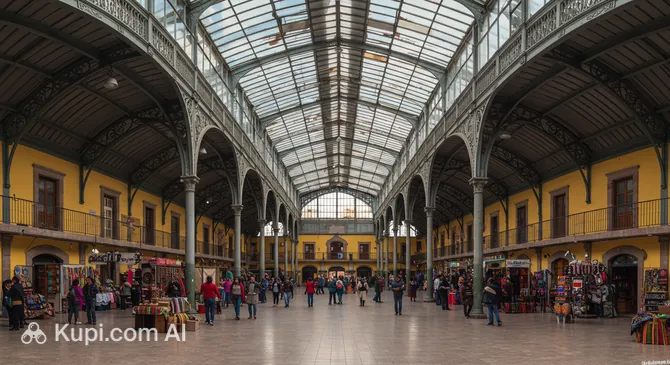
When it comes to dining venues, the city offers a mix of humble street stalls and elegant restaurants housed in colonial buildings. A beautiful place to explore is the González Ortega Market. Once a bustling traditional market, this 19th-century iron-and-stone structure has been transformed into a refined shopping center where you can find cafes and restaurants to enjoy a meal amidst historical architecture.
González Ortega Market. Illustration.
Source: Kupi.com AI
Traveler photos:
Food enthusiasts interested in diving deeper into the country's culinary heritage should consider visiting the Viva Mexico Gastronomic Museum. This venue offers a unique perspective on the evolution of Mexican food. For a lively evening atmosphere, places like Las Costillas de Sancho Zacatecas provide a great setting to enjoy hearty grilled dishes and local drinks in a vibrant environment.
Travel Tips
Exploring Zacatecas is a rewarding experience, but its unique geography and high altitude require a bit of preparation to ensure a smooth trip. Here are some practical tips to help you navigate the city like a pro and enjoy every moment of your stay.
Clothing and Gear: Since Zacatecas sits at a high elevation, the weather can be changeable with significant temperature drops at night. Pack layers; you will likely need a light jacket or sweater for the cool mornings and evenings, even in summer. Comfortable walking shoes with good grip are essential, as the historic center is filled with steep, cobblestone streets. If you plan to enter churches like the Cathedral, remember to dress modestly by covering your shoulders and knees.
Transportation: The heart of the city is best explored on foot, though be prepared for some physical exertion due to the hills. For longer distances or to avoid the climb, taxis are plentiful and affordable; ride-hailing apps like Uber and DiDi also operate reliably here. Renting a car is generally unnecessary for the city center itself, as parking is scarce and the narrow one-way streets can be challenging to navigate.
Finances: The local currency is the Mexican Peso (MXN). While major hotels and upscale restaurants accept credit cards, cash is king for museums, small shops, and street food stalls. ATMs are widely available around the city center. It is customary to leave a tip of 10% to 15% in restaurants if the service is good, and a few coins for grocery baggers and parking attendants.
Health and Safety: Due to the altitude (over 2,400 meters), some travelers may experience mild altitude sickness; stay hydrated and take it easy on your first day. Pharmacies are common, with chains like Farmacia Guadalajara often open 24/7 for any medical needs. As in any city, stick to well-lit, populated areas at night and keep an eye on your belongings in crowded markets.
Communication: Spanish is the primary language, and while staff at major hotels may speak English, it is less common in local shops and transport. Learning basic phrases like "Buenos días" (Good morning) and "Gracias" (Thank you) goes a long way. For connectivity, purchasing a prepaid SIM card from a provider like Telcel is easy and ensures you have reliable access to maps and translation apps.
Local Etiquette: Zacatecanos are generally polite and welcoming. It is customary to greet people when entering a shop or elevator. When dining, saying a simple "Buen provecho" (Enjoy your meal) to neighboring tables when you leave or arrive is a nice local custom that is well-received.
What to Avoid: Strictly avoid drinking tap water; always opt for bottled or purified water to prevent stomach issues. Additionally, avoid taking photographs of locals, especially indigenous vendors, without asking for permission first, as it can be considered disrespectful.
Experience the Callejoneada: For a truly local experience, try to join a traditional Callejoneada. This is a festive evening walking tour through the alleyways, accompanied by a tamborazo band and a donkey carrying mezcal. It is a fun, communal way to see the city's nightlife and mingle with locals.
With these tips in mind, you are ready to immerse yourself in the rich culture and stunning scenery of Zacatecas. Embrace the slower pace of the highlands, enjoy the warm hospitality, and make memories that will last a lifetime.
Entertainment & Nightlife
When the sun sets over Zacatecas, the city undergoes a magical transformation. The pink quarry stone buildings of the historic center are illuminated, creating a romantic and warm atmosphere that invites visitors to explore. Nightlife here is less about thumping mega-clubs and more about vibrant plazas, bohemian bars, and the unique local tradition of roaming street parties. Whether you are looking for a quiet place to enjoy a glass of mezcal or a lively spot to hear live music, the city offers a diverse range of evening experiences.
The heart of the action is undoubtedly the historic center. One of the most popular gathering spots is Miguel Auza Square. This picturesque plaza, surrounded by colonial architecture, is a hub for dining and drinking. In the evenings, the area comes alive with locals and tourists sitting at outdoor tables, enjoying the cool mountain air. The surrounding streets are lined with cafes, bars, and restaurants that often feature live trova, rock, or jazz music, making it a perfect starting point for a night out.
Miguel Auza Square. Illustration.
Source: Kupi.com AI
Traveler photos:
For a truly authentic Zacatecan experience, you must participate in a Callejoneada. This is not a specific venue but a traditional mobile party. On weekends, groups gather in the main plazas to follow a tamborazo (drum and brass band) through the winding alleyways of the city. Participants dance through the streets while a donkey carries jugs of mezcal to share. It is a festive, communal way to see the city at night and mingle with the friendly local crowd.
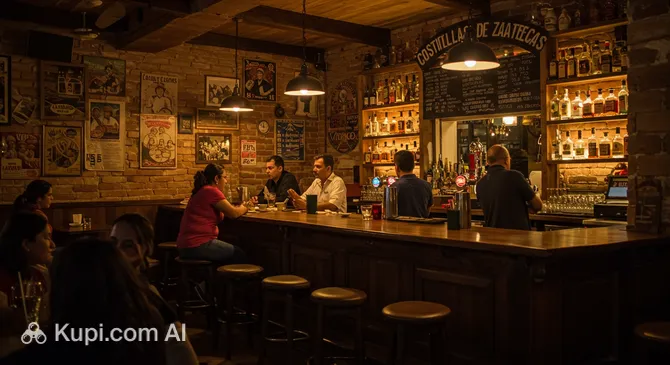
If you prefer a stationary venue with a great atmosphere, Las Costillas de Sancho Zacatecas is a favorite among locals. Known for its lively vibe, this spot offers a mix of hearty food and drinks, making it an excellent place to start your evening before heading to other bars. The crowd here is usually a mix of friends and families enjoying the relaxed but energetic setting.
Las Costillas de Sancho Zacatecas. Illustration.
Source: Kupi.com AI
Traveler photos:
Another excellent option for evening entertainment is Patio D’ Villa. This venue combines the charm of Zacatecas' architecture with a welcoming environment, perfect for enjoying dinner and drinks. For those seeking something truly unique, the city offers the only nightclub in the world located inside a mine. Deep within the El Edén Mine, you can find a club where you can dance the night away surrounded by rock formations, accessible via a train ride into the earth.
While the nightlife is captivating, Zacatecas also offers plenty of daytime entertainment. Culture lovers can explore the city's renowned museums or take a stroll through its parks. For those interested in shopping, Zacatecas Galleries provides a modern contrast to the historic center, offering a variety of stores, a cinema, and entertainment options for the whole family.
Practical Advice for Nightlife:
Best Time to Go: Friday and Saturday nights are the liveliest, especially for the Callejoneadas. Most bars in the center stay open until 2:00 AM or 3:00 AM.
Dress Code: The style is generally smart-casual. You will feel comfortable in jeans and a nice shirt, but bring a jacket as nights can get quite cold due to the altitude.
Safety and Transport: The historic center is generally safe for walking at night, especially around the main plazas which are well-lit and patrolled. However, to return to your hotel or move between distant districts, it is best to use a radio taxi or a ride-hailing app like Uber rather than hailing a cab on the street.
Prices: Nightlife in Zacatecas is reasonably priced compared to larger Mexican cities. Expect to pay moderate prices for cocktails and beers, with many venues offering promotions on weekends.
Parks & Museums
Beyond its silver mines and colonial splendor, Zacatecas offers a refreshing balance of cultural depth and natural beauty through its diverse array of museums and green spaces. The city is often referred to as a "city of museums" due to the high quality and quantity of its collections, while its parks provide peaceful retreats where visitors can enjoy the cool highland air and admire the local flora.
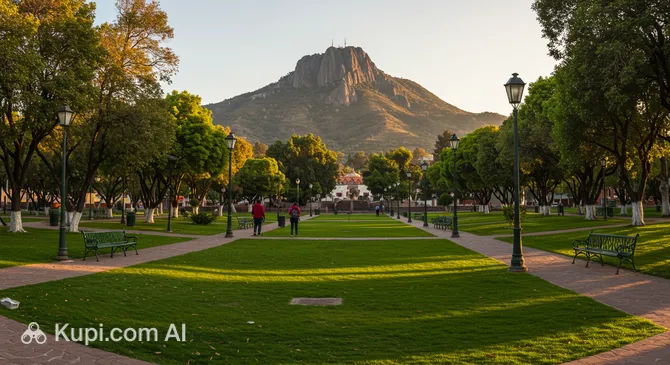
For a relaxing break in the heart of the city, the Sierra de Alica Park is a favorite among locals and tourists alike. This elegant park serves as a green lung for the downtown area, featuring manicured gardens, fountains, and wide walking paths. It is an ideal spot for a leisurely stroll or a family picnic, often hosting cultural events and art exhibitions in its open spaces. Just a short distance away, nature enthusiasts can explore the Centennial Ecopark. This larger protected area focuses on conservation and education, offering trails that wind through the native semi-arid landscape, allowing visitors to observe local plant species and wildlife in their natural habitat.
Sierra de Alica Park. Illustration.
Source: Kupi.com AI
Traveler photos:
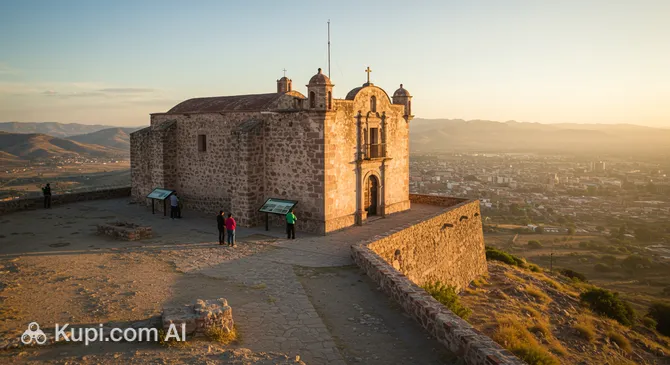
Zacatecas played a pivotal role in the Mexican Revolution, and this history is vividly preserved at the Museum of the Taking of Zacatecas. Located at the summit of Cerro de la Bufa, this museum chronicles the decisive 1914 battle where Pancho Villa's troops defeated the federal army. The exhibits include original weaponry, photographs, and documents that bring this intense historical moment to life, all set against the backdrop of panoramic city views.
Museum of the Taking of Zacatecas. Illustration.
Source: Kupi.com AI
Traveler photos:
Art lovers should not miss the Francisco Goitia Museum, housed in a stunning mansion that was once the governor's residence. Surrounded by beautiful gardens, this museum is dedicated to the works of Francisco Goitia, one of Mexico's most important realist painters, as well as other renowned Zacatecan artists. For a broader look at regional heritage, the Zacatecas Museum (Museo Zacatecano) offers an eclectic collection ranging from Huichol art to colonial ironwork and religious iconography, housed in the historic former Mint (Casa de Moneda).
In addition to these cultural institutions, the city's streets are lined with architectural marvels. A standout landmark is the Parish of Our Lady of Fátima. This neo-Gothic church is constructed from the same iconic pink quarry stone as the rest of the city but features soaring spires and intricate stained glass that make it one of the most photogenic religious sites in the region. Another charming spot to visit is García Square, a historic plaza surrounded by colonial buildings that captures the romantic essence of Zacatecas.
Parish of Our Lady of Fátima. Illustration.
Source: Kupi.com AI
Traveler photos:
For a truly unique experience that differs from the traditional history trail, consider visiting the PlaymoHistory Museum. This quirky and fascinating museum displays extensive dioramas created with Playmobil figures, depicting various historical events and scenes. It is a delightful "hidden gem" that offers a fun and educational perspective, particularly enjoyable for those traveling with children or anyone young at heart.
Getting Around
Navigating Zacatecas is relatively straightforward, as the city is compact and many of its main attractions are concentrated within the historic center. While there is no metro, tram, or light rail system, the city relies on a network of buses, taxis, and ride-sharing services that effectively connect downtown with the surrounding neighborhoods and suburbs.
The primary form of public transportation consists of buses, locally known as rutas. These buses are numbered and follow specific routes throughout the city. They are an economical way to get around, with fares typically costing a small amount of local currency. The buses do not run on a strict minute-by-minute timetable, but they are frequent during the day, operating generally from early morning until around 9:00 PM or 10:00 PM.
Payment for the bus system is exclusively in cash. There are no travel cards, digital passes, or mobile apps for ticketing. When you board, you pay the driver directly. It is essential to carry small change, specifically coins, as drivers often do not have change for large bills. The fare is fixed regardless of the distance traveled within the urban area, making it a simple and affordable option for travelers.
For a more comfortable and direct alternative, taxis are widely available and can be easily hailed on the street or found at designated stands called sitios. Taxis in Zacatecas generally do not use meters. Instead, fares are based on a zone system. It is highly advisable to ask the driver for the price to your destination before getting in to avoid misunderstandings. Ride-hailing apps like Uber and DiDi also operate in the city, offering the advantage of transparent pricing and the ability to pay via credit card through the app.
A unique feature of the local transport landscape is the Teleférico (Cable Car). While primarily a tourist attraction, it serves as a functional link between the city center (near Cerro del Grillo) and the summit of Cerro de la Bufa. Riding the cable car allows you to bypass a steep climb while enjoying spectacular aerial views of the colonial architecture below. It operates daily, though hours may vary depending on weather conditions.
Finally, exploring the historic center on foot is highly recommended, as it allows you to appreciate the intricate details of the pink quarry stone buildings. However, be prepared for a workout; the streets are often steep and winding due to the city's location in a ravine. For longer distances or when you need a break from the hills, combining walking with short taxi or bus rides is the most practical strategy for tourists.
Accommodation
Finding the perfect place to stay in Zacatecas is part of the charm of visiting this colonial city. The accommodation options range from budget-friendly hostels and comfortable mid-range inns to luxurious boutique hotels housed in restored 17th and 18th-century mansions. Unlike many beach destinations, the focus here is on historic character and atmosphere rather than sprawling all-inclusive resorts.
For the best experience, it is highly recommended to stay in the Historic Center. This area allows you to be within walking distance of the main museums, plazas, and the cathedral. Staying here means you can easily enjoy the city's romantic evening lighting and vibrant street life without worrying about transportation. Many of the most delightful hotels are tucked away on cobblestone streets near iconic landmarks like the Fountain of Lanterns, offering a quiet yet central base for your explorations.
Fountain of Lanterns. Illustration.
Source: Kupi.com AI
Traveler photos:
Another excellent area to consider is near García Square. This location offers a picturesque setting surrounded by beautiful architecture and is close to several key attractions. Choosing a hotel in the heart of the city often gives you access to stunning internal courtyards and rooftop terraces with views of the illuminated Cerro de la Bufa at night.
Booking Tips and Prices: Generally, accommodation prices in Zacatecas are very reasonable compared to Mexico's coastal tourist hubs. You can find high-quality lodgings at moderate rates. However, the city fills up quickly during major events, particularly the Cultural Festival during Holy Week (Semana Santa) and the National Fair of Zacatecas in September. It is advisable to book your room several months in advance if you plan to travel during these peak seasons. Reservations can easily be made through major online booking platforms or directly with the hotels.
Nearby Cities
For those looking to explore the surroundings, Zacatecas serves as an excellent base for day trips to several interesting nearby locations. The region is dotted with charming towns, religious sanctuaries, and bustling cities that offer a deeper insight into the history and culture of central Mexico.
One of the most delightful visits is to Jerez, a designated "Pueblo Mágico" (Magical Town) located just a short drive away. Famous for its well-preserved colonial architecture and traditional atmosphere, Jerez is considered the cradle of the spirited Tamborazo music. Visitors can admire the beautiful Hinojosa Theater, stroll through the Sanctuary of Solitude, and enjoy the town's festive vibe.
Another significant destination is Fresnillo. While it is an important mining city, its main draw for travelers is the nearby community of Plateros, home to the Sanctuary of the Santo Niño de Atocha. This shrine is one of the most visited pilgrimage sites in the country, attracting thousands of faithful visitors who come to leave votive offerings.
For a change of pace, you can head south to Aguascalientes. As the capital of the neighboring state, it offers a mix of modern amenities and colonial charm. It is renowned for its thermal springs, the National Museum of Death, and the legacy of the famous engraver José Guadalupe Posada. It is also an excellent place to enjoy regional cuisine and shop for textiles.
These nearby destinations offer a glimpse into the diverse culture and landscapes of the region, making them perfect additions to your travel itinerary.
Shopping & Souvenirs
Shopping in Zacatecas is a vibrant reflection of the city's rich mining heritage and artisan traditions. As one of the most important silver cities in Mexico, it is the perfect place to purchase high-quality jewelry. Visitors will find an abundance of shops offering exquisite .925 silver pieces, ranging from traditional colonial designs to contemporary artistic creations. Whether you are looking for earrings, necklaces, or decorative items, the craftsmanship here is world-class and often more reasonably priced than in other parts of the country.
For a shopping experience steeped in history, the González Ortega Market is an essential stop. Located next to the cathedral, this magnificent 19th-century building with its cast-iron columns and stone facade is a treasure trove for travelers. Inside, you can browse through a variety of stalls selling fine leather goods, regional wines, and local handicrafts. It is also a prime spot to find charreria gear (cowboy accessories), which is deeply rooted in the culture of the state.
Beyond silver and leather, the region is famous for its unique folk art. Look for intricate items made from the local pink quarry stone (cantera rosa), such as miniature replicas of the city's landmarks or decorative fountains. The city is also a great place to buy Huichol (Wixárika) art, characterized by colorful beadwork and yarn paintings that depict the spiritual worldview of this indigenous group. Textiles, particularly traditional wool sarapes woven in nearby towns, are also popular keepsakes.
If you are in search of modern fashion, department stores, and international brands, Zacatecas Galleries is the city's premier commercial hub. This large shopping mall offers a contemporary retail environment where you can find everything from clothing and electronics to beauty products. It serves as a convenient contrast to the traditional markets, providing all the amenities and services expected of a modern city.
Zacatecas Galleries. Illustration.
Source: Kupi.com AI
Traveler photos:
Finally, no shopping spree is complete without picking up some edible souvenirs. Zacatecas is renowned for its traditional sweets, particularly queso de tuna (a sweet paste made from prickly pear cactus fruit) and melcochas (taffy-like candies). Bottles of award-winning local mezcal or regional wines from the Tierra Adentro vineyards also make for excellent gifts to take home.