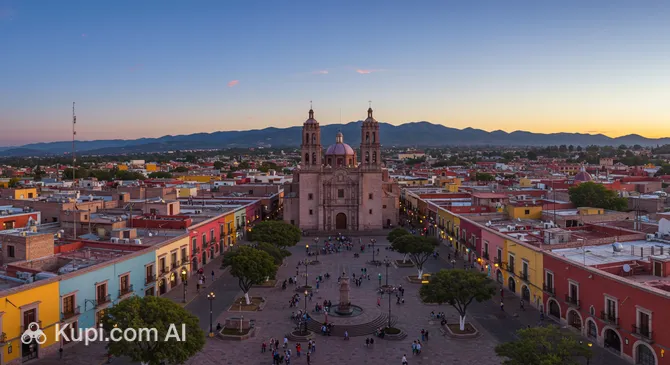
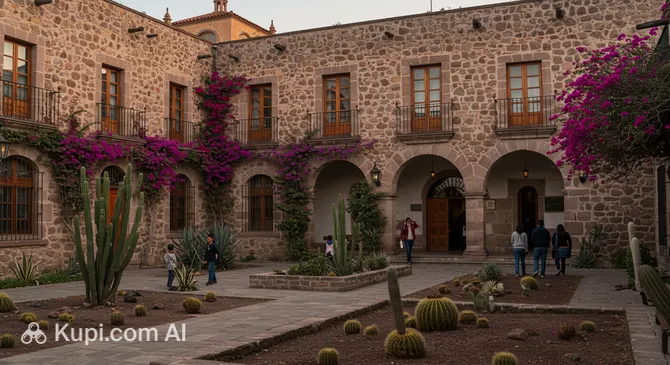
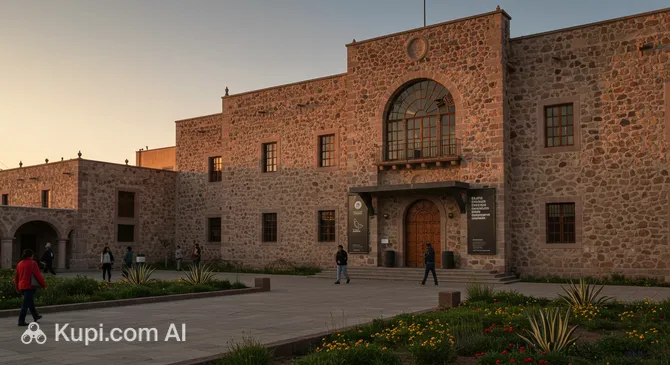
Durango, officially known as Victoria de Durango, is a captivating city that surprises visitors with its rich heritage and stunning architectural beauty. Nestled in the Guadiana Valley in the northwestern part of Mexico, it serves as the state capital and is home to approximately 655,000 residents. The city offers a vibrant yet relaxed atmosphere, distinct from the country's busier coastal resorts, and is renowned for its well-preserved colonial center as well as its unique claim to fame as a premier filming location for classic Hollywood Westerns.
Durango. Illustration.
Source: Kupi.com AI
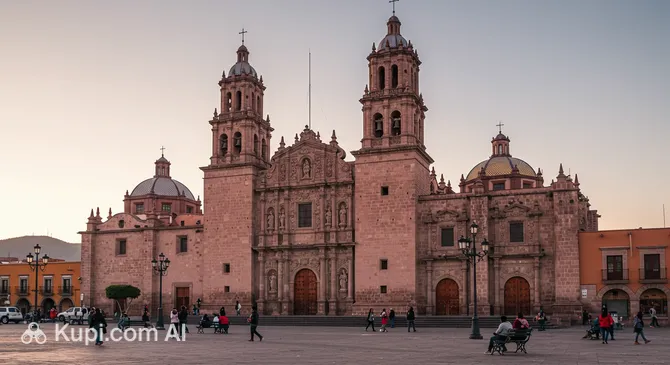
Walking through the streets feels like stepping back in time, and those who delve into the history of Durango will discover a legacy founded by Spanish explorers in the 16th century. The historic center boasts the largest number of historic buildings in the north of the country, earning it a spot on the UNESCO World Heritage list as part of the Camino Real de Tierra Adentro. Visitors are often captivated by the majestic Cathedral Basilica Menor and the lively Plaza de Armas, which pulse with local culture and tradition.
Beyond its urban charm, Durango is famous as the "Land of Cinema," having hosted the production of over a hundred movies, particularly Westerns starring legends like John Wayne. Nature lovers will also appreciate the surrounding landscapes, which include dramatic canyons, waterfalls, and forests perfect for eco-tourism. Whether you are a film buff, a history enthusiast, or an adventurer seeking new horizons, Durango invites you to experience its authentic spirit and warm hospitality.
Weather Overview
Durango features a semi-arid climate with distinct seasonal changes that travelers should consider when planning their trip. You can generally expect warm summers with occasional rain and cold, dry winters, so packing versatile clothing is recommended to stay comfortable. The weather in Durango is also known for significant temperature fluctuations between day and night, largely due to the city's inland location and elevation.
The winter months are the coolest and driest, with January seeing an average temperature of 11.8°C and nighttime lows dipping to around 3.2°C. Precipitation is extremely rare during this time, often with zero wet days recorded in March and very few in December and January. As spring arrives, the city warms up quickly; by May and June, average maximum temperatures peak near 29.7°C, offering sunny and hot conditions for outdoor activities.
Summer brings a shift in the weather pattern with the arrival of the rainy season. July is typically the wettest month, experiencing approximately 20 wet days, which helps temper the heat. During this period, average temperatures settle around 20°C to 22°C. The rain continues through September before tapering off in October, leading back into the crisp, dry autumn days.
Average monthly temperature
Average monthly precipitation
Interesting Facts
Beyond the well-known movie sets and colonial architecture, Durango holds many fascinating secrets and local legends that offer a deeper glimpse into its character. From geological marvels to ghostly tales, the city’s history is woven with unique details that often escape the casual traveler.
The Scorpion Capital: The scorpion is more than just a local creature; it is the cultural symbol of the city. While you will see them encased in keychains and clocks as souvenirs, the truly adventurous can try "tacos de alacrán" at the local market, where these arachnids are fried and served as a crunchy delicacy.
The Legend of the Nun: One of the city's most enduring ghost stories centers on the Durango Cathedral. Locals say that on moonlight nights, you can see the silhouette of a nun named Beatriz in the bell tower, eternally waiting for the return of a French soldier she fell in love with during the intervention era.
A Mountain of Iron: The city was originally founded near the Cerro de Mercado, which Spanish explorers believed to be a mountain of silver. To their surprise, it turned out to be one of the world's largest deposits of iron ore, a geological feature that has shaped the region's economy for centuries.
Home of Pancho Villa: While he is a national icon, the revolutionary leader Pancho Villa (born Doroteo Arango) is a native son of this state. The Francisco Villa Museum, housed in the historic Zambrano Palace, is entirely dedicated to preserving his legacy and the history of the Mexican Revolution.
Durango Cathedral. Illustration.
Source: Kupi.com AI
Traveler photos:
How to Get There
Reaching this historic city is relatively straightforward, with air travel being the most convenient option for most visitors. For a comprehensive breakdown of all transport methods, including driving routes and bus services, you can read more about how to get to Durango on our detailed page. The region is well-connected to major hubs in Mexico and select international destinations.
The primary gateway is the local Guadalupe Victoria Airport (DGO), located approximately 17 km from the city center. It is a regional hub that handles a moderate volume of passengers, making arrival and departure relatively quick and stress-free. A taxi or shuttle ride from the terminal to downtown typically takes between 20 and 30 minutes.
Travelers seeking more direct international flight options might consider arriving at Mazatlan International Airport (MZT) in the coastal city of Mazatlan. Although it is situated about 190 km away, it is a larger facility with higher passenger traffic. The journey from Mazatlan to Durango is a scenic drive that now takes approximately 2.5 to 3 hours thanks to the modern highway connecting the two cities. Another alternative is the Francisco Sarabia International Airport in Torreon, which is about 213 km away and serves as a key access point for the neighboring region.
For clarity, here is a summary of the main airports:
Durango offers a diverse array of sights that blend its rich colonial history with modern cultural experiences. From pedestrian-friendly promenades to interactive learning centers, the city provides engaging activities for history buffs, families, and architecture enthusiasts alike.
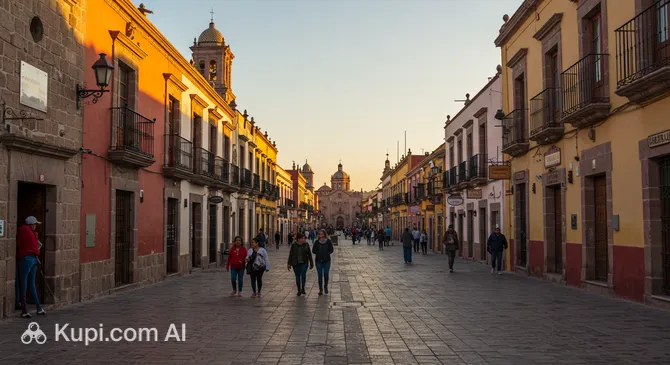
One of the most vibrant spots in the city center is the Constitución Corridor. This pedestrianized street, also known as Paseo Constitución, is the beating heart of Durango's social life. Lined with beautifully restored colonial buildings, it offers a fantastic selection of outdoor cafes, restaurants, and shops. It is the perfect place for an evening stroll, allowing visitors to admire the illuminated architecture while enjoying the lively atmosphere and local street performances.
Constitución Corridor. Illustration.
Source: Kupi.com AI
Traveler photos:
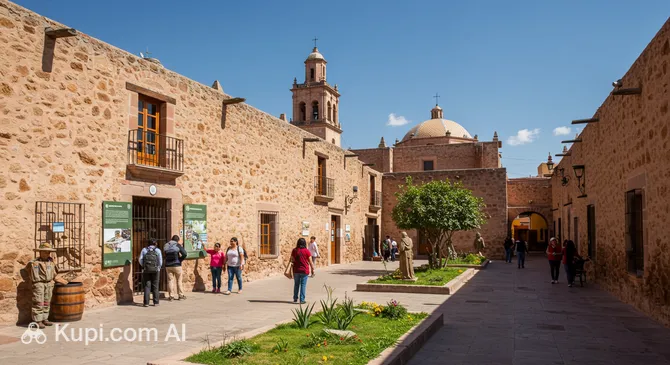
For those interested in delving deeper into the local heritage, the City Museum 450 is an essential stop. Housed in the elegant Palacio de Escárzaga, a 19th-century mansion, the museum was established to celebrate the 450th anniversary of the city's founding. Inside, you will find a curated collection of photographs, documents, and artifacts that chronicle the evolution of Durango from its colonial beginnings to the present day, offering a fascinating narrative of its development.
City Museum 450. Illustration.
Source: Kupi.com AI
Traveler photos:
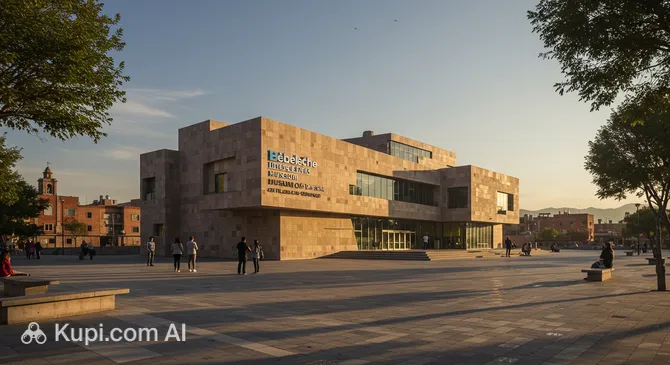
Travelers visiting with family should not miss the Bebeleche Interactive Museum of Durango. This modern and colorful facility is designed to spark curiosity in children and adults alike through hands-on exhibits focused on science, technology, art, and culture. It features a 3D projection room and various thematic halls, making it an educational and entertaining escape from the traditional sightseeing route.
Bebeleche Interactive Museum of Durango. Illustration.
Source: Kupi.com AI
Traveler photos:
Another architectural gem worth visiting is the Sanctuary of Guadalupe. While the city is famous for its Cathedral, this sanctuary holds a special place in the hearts of locals. Its sober yet imposing facade and the peaceful interior provide a quiet space for reflection. The church is a testament to the region's deep-rooted faith and offers a glimpse into the religious traditions that have shaped the community for centuries.
Local Cuisine
The local cuisine of Durango is a hearty reflection of its cattle-ranching heritage and semi-arid geography, offering flavors that are bold, savory, and deeply satisfying. Meat plays a central role in the regional diet, and the city is famous for its high-quality beef and preservation techniques involving drying and salting. Food here is not just sustenance; it is a celebration of the land, often featuring ingredients like sun-dried chilies, local cheeses, and nuts gathered from the surrounding valleys.
The undisputed star of the culinary scene is Caldillo Durangueño, a dish that every visitor must try at least once. This traditional stew is typically made with fresh or dried beef (machaca), simmered in a rich sauce of tomatoes, onions, and the region's signature chile pasado (roasted and dried green chilies). It is usually served with homemade flour tortillas, which are a staple in northern Mexico. Another local favorite is the gordita, a thick corn tortilla stuffed with a variety of savory stews, or guisados, such as pork rind in green sauce, shredded beef, or beans with cheese. These are available everywhere, from street stalls to dedicated "gordita" restaurants.
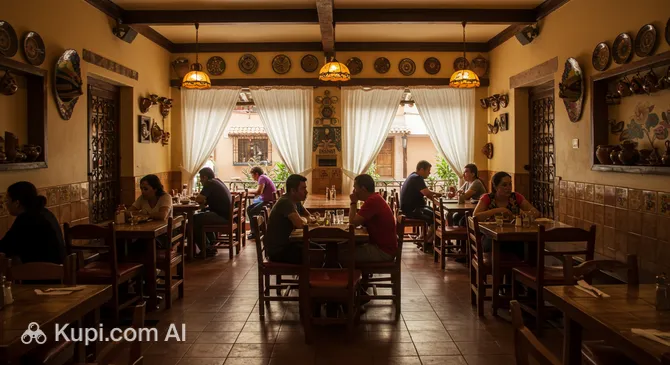
For those looking to explore the dining atmosphere, the city offers a mix of traditional markets and elegant eateries. The La Victoria Restaurant is a notable establishment where travelers can sample regional specialties in a comfortable setting. The historic center, particularly along the pedestrian corridors, is packed with options ranging from casual cafes to upscale dining rooms, allowing you to enjoy a meal while admiring the colonial architecture.
La Victoria Restaurant. Illustration.
Source: Kupi.com AI
Traveler photos:
No culinary tour of Durango is complete without tasting its beverages. The state is a proud producer of Mezcal, holding a designation of origin for this agave spirit. The local variety is often made from the wild Agave Cenizo, giving it a distinctive smoky and earthy flavor profile that rivals those from southern Mexico. For a non-alcoholic treat or a sweet finish to a meal, try the local fruit liqueurs and preserves, particularly those made from quince and almonds, which are part of the region's sweets tradition.
If you are in the mood for something different after a day of sightseeing, the city also has a growing international food scene. You can find popular spots like Corleone Pizza, which offers a relaxed environment for enjoying Italian-style comfort food. Whether you are sitting down for a formal dinner of steak and wine or grabbing a quick gordita at a bustling market, the food in Durango is sure to leave a lasting impression.
Travel Tips
Welcome to Durango! To ensure your visit to this historic colonial jewel and the "Land of Cinema" is as smooth and enjoyable as possible, we have compiled a set of essential travel guidelines. These practical insights will help you navigate the local customs, climate, and logistics like a seasoned pro.
Clothing and Gear: Due to the city's semi-arid climate and elevation, the weather can change drastically throughout the day. Pack layers, such as a light jacket or sweater, for the cool mornings and evenings, even if the afternoons are hot. Comfortable walking shoes are a must for exploring the cobblestone streets of the historic center. Don't forget a hat and high-SPF sunscreen, as the high-altitude sun can be quite strong.
Transportation: The historic center is best explored on foot, as many attractions are close to one another. For longer distances, ride-hailing apps like Uber and Didi operate in the city and are often more convenient and reliable than hailing a street taxi. If you do take a regular taxi, make sure to agree on the fare before starting your journey, as meters are not always used.
Finances: The local currency is the Mexican Peso (MXN). While hotels and larger restaurants accept credit cards, cash is king in Durango, especially for small purchases, local markets, and street food stalls. ATMs are widely available, preferably those located inside banks for added security. A standard tip for good service in restaurants is between 10% and 15%.
Health and Safety: Durango is generally safe for tourists, but standard precautions apply; avoid walking alone in poorly lit areas on the outskirts at night. Pharmacies are common, with major chains like Farmacias Guadalajara often open 24/7. Always drink bottled water to avoid stomach issues, and stay hydrated, as the dry air and altitude can dehydrate you quickly.
Communication: Spanish is the primary language, and while staff at major hotels may speak English, it is not widely spoken in local shops or by taxi drivers. It is highly recommended to learn a few basic phrases or download an offline translation app. Purchasing a local SIM card from providers like Telcel (available at OXXO convenience stores) will ensure you have data connectivity for maps and communication.
Local Etiquette: Politeness is highly valued in Mexico. It is customary to greet people with a "Buenos días" (good morning) or "Buenas tardes" (good afternoon) when entering a shop or getting into a taxi. Locals are generally warm and hospitable; returning a smile and being patient goes a long way in daily interactions.
What to Avoid: Do not drink tap water under any circumstances; stick to sealed bottles or purified water. Additionally, avoid taking photos of people without asking for permission first, as some locals may be private or conservative.
The "Scorpion Check": Since Durango is famous for its scorpions (alacranes), a practical local habit is to shake out your shoes before putting them on, especially if they have been sitting on the floor overnight. While encounters in modern hotels are rare, it is a simple precaution that gives you peace of mind and connects you with a quirky aspect of local life!
By keeping these tips in mind, you will be well-prepared to embrace the authentic charm and rugged beauty of Durango. Whether you are wandering through its film-set landscapes or enjoying a quiet evening on the Paseo Constitución, a little preparation ensures your adventure remains unforgettable for all the right reasons.
Entertainment & Nightlife
Durango offers a nightlife scene that is vibrant, authentic, and distinct from the overcrowded coastal resorts. The city’s evening entertainment is centered largely around its historic colonial core, where the atmosphere is welcoming and relaxed. Instead of massive nightclubs, you will find a lively mix of bohemian bars, open-air terraces, and venues playing everything from live rock and acoustic trova to the energetic beats of regional banda music.
The undisputed hub of nightlife in the city is the Constitución Corridor (Paseo Constitución). As the sun sets, this pedestrian promenade lights up and transforms into a bustling social center. It is lined with beautifully restored buildings that house numerous pubs, cafes, and restaurants with outdoor seating. This is the perfect district for a night walk, allowing you to hop from one venue to another while enjoying the safe, festive environment and the cool evening air.
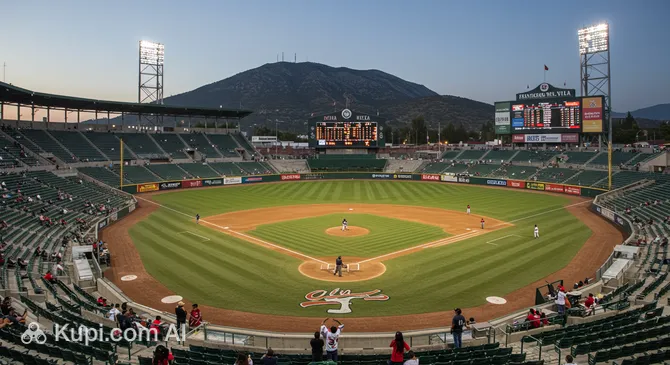
For those looking to start the night with casual drinks and food, Corleone Pizza offers a laid-back setting that fits the bill for a relaxed evening out. If you prefer a more commercial atmosphere or want to catch a late-night movie, the Paseo Durango shopping mall serves as a popular meeting point for locals and visitors alike. Sports fans should not miss the chance to experience an evening game at the Francisco Villa Baseball Stadium; the energy of the crowd under the floodlights provides a unique and exciting glimpse into local culture.
Francisco Villa Baseball Stadium. Illustration.
Source: Kupi.com AI
Traveler photos:
When planning your night out, keep in mind that the action typically starts later in the evening, with many bars filling up after 9:00 PM or 10:00 PM. The dress code is generally "smart casual"—jeans and a nice shirt are appropriate for almost all venues. Prices in Durango are quite reasonable compared to larger Mexican cities. In terms of safety, the historic center and the Constitución Corridor are well-patrolled and safe for walking. However, if you venture further out, it is advisable to use ride-sharing apps or call a radio taxi rather than hailing one on the street.
While the nights are spirited, the city also boasts excellent daytime entertainment options. Before the evening festivities begin, visitors can explore cultural landmarks such as the Francisco Villa Museum or enjoy a family outing at the Sahuatoba Zoo. From historical immersion during the day to lively social scenes at night, Durango ensures there is never a dull moment.
Parks & Museums
Durango is a city that successfully balances its arid surroundings with lush, inviting green spaces and a profound dedication to preserving its history. For travelers, this means the opportunity to transition from a relaxing morning walk under ancient trees to an afternoon immersed in the turbulent and fascinating stories of the Mexican Revolution. The city's parks serve as community hubs, while its museums are housed in some of the region's most stunning colonial architecture.
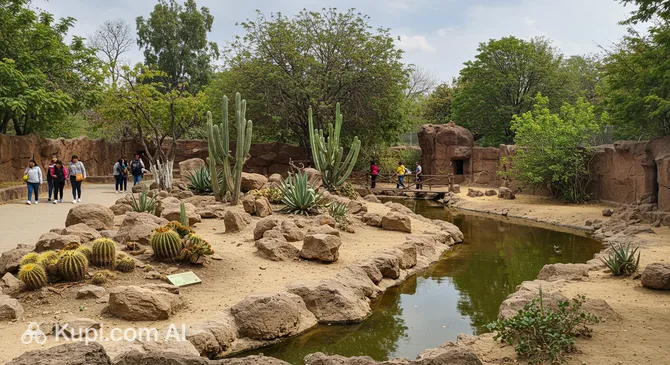
The most beloved green lung of the city is undoubtedly Parque Guadiana. This expansive park is a favorite among locals for its jogging tracks, fountains, and the shade of its massive eucalyptus and willow trees. It is the perfect spot for a picnic or a leisurely boat ride on the small lake. Adjacent to this natural oasis, you will find the Sahuatoba Zoo. This facility is more than just an animal enclosure; it is an educational center dedicated to conservation, housing species such as lions, hippos, and bears, alongside native fauna like the Mexican wolf. It is an excellent destination for families looking to connect with nature without leaving the city limits.
Sahuatoba Zoo. Illustration.
Source: Kupi.com AI
Traveler photos:
When it comes to museums, Durango offers deep insights into its revolutionary past. The Francisco Villa Museum is a must-visit cultural landmark. Located in the magnificent Zambrano Palace, which features a beautiful baroque facade, the museum chronicles the life of the legendary "Centaur of the North." Visitors can explore varied exhibit halls displaying photographs, weapons, and personal belongings of Pancho Villa, providing a comprehensive narrative of the Mexican Revolution that shaped the nation.
Francisco Villa Museum. Illustration.
Source: Kupi.com AI
Traveler photos:
Another architectural and cultural jewel is the Bicentennial Cultural and Convention Center. Originally built in the late 19th century as a hospital, this neoclassical building has been meticulously restored and transformed into a vibrant arts venue. It now hosts rotating art exhibitions, historical displays, and cultural events within its majestic stone walls and expansive courtyards. Walking through its corridors offers a dual experience of appreciating contemporary art while soaking in the grandeur of Porfirian-era architecture.
Bicentennial Cultural and Convention Center. Illustration.
Source: Kupi.com AI
Traveler photos:
For a truly authentic experience, take a moment to visit the Baca Ortiz Monument and the surrounding plazuela. While smaller than the main parks, this area offers a quiet glimpse into local daily life, often overlooked by the main tourist trail. It is a lovely spot to sit with a coffee and admire the tribute to the city's historical figures away from the crowds.
Getting Around
Navigating Durango is a straightforward experience, as the city relies primarily on a network of buses and taxis rather than a complex metro or light rail system. The public transport backbone consists of buses, locally known as rutas or camiones. These vehicles cover the entire urban area and are easily identifiable by their color schemes and the route numbers or destination names painted on their windshields. While they may not be as modern as those in larger capitals, they are an authentic and efficient way to move between neighborhoods and the historic center.
For tourists, the payment system for these buses is simple and cash-based. There are no travel cards or digital passes required for general transit; instead, you pay the driver directly upon boarding. The fare is very affordable, typically costing just a few pesos. It is highly recommended to carry small change, such as coins or small denomination bills, as drivers may not always have enough change for larger notes. The buses generally operate from early morning, around 6:00 AM, until approximately 10:00 PM, though frequency can drop significantly later in the evening.
If you prefer a more direct and comfortable mode of transport, taxis are abundant and can be hailed on the street or found at designated stands called sitios. These are often green or white "eco-taxis." Since meters are not always used or strictly adhered to, it is a practical tip to agree on the fare with the driver before starting your journey to avoid misunderstandings. For those accustomed to digital convenience, ride-sharing apps like Uber and Didi are fully operational in the city. These platforms are often the best choice for visitors, as they overcome language barriers and offer transparent pricing and cashless payment options.
A unique feature of the local transport landscape that doubles as a major attraction is the Teleférico, or cable car. While it serves more as a tourist experience than a daily commuter tool, it connects the historic center near the Calvary Church with the Cerro de los Remedios viewpoint. Riding the cable car offers a spectacular aerial perspective of the city's colonial architecture and surrounding geography, making it a must-do "journey" even if your destination is simply the panoramic view at the top.
Walking remains the best way to explore the heart of the city, particularly around the pedestrian-friendly corridors where many attractions are clustered. However, for longer distances or trips to the outskirts, combining walking with the affordable taxi services or ride-sharing apps ensures a hassle-free travel experience. Bike rentals are less common for general commuting but can sometimes be found near major recreational parks for leisure riding.
Accommodation
Finding the perfect place to stay in Durango is relatively easy, as the city offers a welcoming variety of options to suit different tastes and budgets. The accommodation landscape ranges from charming boutique hotels housed in restored colonial mansions to modern chain hotels and budget-friendly hostels. Unlike the expensive coastal resorts, Durango provides excellent value for money, allowing visitors to enjoy comfortable and often historic lodgings without breaking the bank.
For most travelers, the best area to stay is the Historic Center (Centro Histórico). Staying here places you within walking distance of major landmarks like the Cathedral and the bustling Constitución Corridor. This area is particularly atmospheric in the evenings when the colonial buildings are illuminated. If you prefer modern amenities, ample parking, or are traveling for business, the zones along the main boulevards, such as Boulevard Francisco Villa, offer larger commercial hotels with easy access to shopping centers like Paseo Durango.
When it comes to booking, it is generally advisable to reserve your room in advance, especially if you plan to visit during major local events like the Feria Nacional Durango in July or during the Easter holidays. While you can often find a room on arrival during the low season, securing your accommodation early ensures you get the best choice of those unique colonial-style rooms that define the city's character.
Prices in Durango are typically quite reasonable. Budget travelers can find hostels or simple guesthouses for approximately $20 to $40 USD per night. Mid-range options, which often include comfortable amenities and central locations, usually range from $50 to $90 USD. For a more luxurious experience in a high-end boutique hotel, rates generally start around $100 USD. Most properties are listed on major online booking platforms, but contacting smaller hotels directly can sometimes yield better rates or special offers.
Nearby Cities
For those looking to explore the surroundings, Durango serves as an excellent base for day trips to several interesting nearby locations. The region's improved highway infrastructure allows travelers to easily reach diverse destinations, ranging from sunny beaches to industrial hubs rich in culture.
One of the most popular getaways is Mazatlan, often referred to as the "Pearl of the Pacific." Located a scenic drive away via the impressive Baluarte Bridge, this coastal city offers a complete contrast to Durango's mountain scenery. Visitors can spend the day walking along the famous Malecón, enjoying fresh seafood by the ocean, or exploring its vibrant historic center before returning inland.
Heading northeast, you will find the dynamic city of Torreon, part of the metropolitan area known as La Comarca Lagunera. It is famous for the colossal Cristo de las Noas statue, the third-largest of its kind in Latin America, which watches over the city from a hilltop. Torreon also boasts modern museums and parks, making it an engaging stop for those interested in the urban development and history of northern Mexico.
Another interesting option is Fresnillo, located in the neighboring state of Zacatecas. Known primarily for its rich mining heritage, it is also a significant pilgrimage site due to the Sanctuary of Plateros, which houses the venerated Santo Niño de Atocha. This destination offers a glimpse into the deep religious traditions and colonial mining history that have shaped this part of the country.
City
Population
Distance
Canatlán
10 342
56 km
Guadalupe Victoria
16 923
72 km
Vicente Guerrero
15 982
76 km
Nuevo Ideal
12 850
104 km
Santiago Papasquiaro
22 750
112 km
These nearby destinations offer a glimpse into the diverse culture and landscapes of the region, allowing visitors to experience everything from the Sierra Madre mountains to the Pacific coast within a short travel radius.
Shopping & Souvenirs
Shopping in Durango offers a delightful mix of traditional Mexican charm and modern convenience. While the city may not have the massive commercial sprawl of a metropolis, it compensates with a unique selection of goods that reflect its cultural identity. Visitors can expect to find everything from high-end fashion brands in contemporary malls to artisanal crafts and regional delicacies in bustling local markets. The shopping experience here is less about frantic consumption and more about discovering the authentic flavor of the state.
For a leisurely shopping stroll, the historic center is the best place to start. The pedestrian-friendly Constitución Corridor, which transforms into a lively social hub at night, is also a prime destination during the day. Here, you can browse through boutique stores selling clothing, jewelry, and local art while admiring the colonial architecture. The surrounding streets are dotted with shops offering leather goods and western wear, a nod to the city's cowboy culture and filming history.
Travelers looking for a more comprehensive retail experience should visit Punto Guadiana Mall. This modern complex is one of the city's newest additions, featuring a wide variety of department stores, fashion retailers, and entertainment options. It is an excellent spot to find international brands or to enjoy a comfortable break in the food court.
Punto Guadiana Mall. Illustration.
Source: Kupi.com AI
Traveler photos:
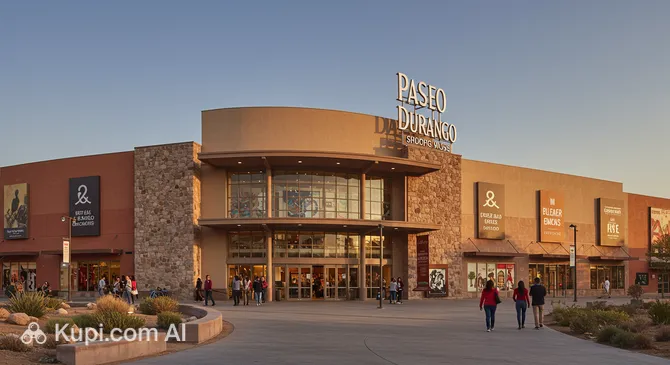
Another major destination is Paseo Durango, the city's largest and most popular shopping center. It serves as a central meeting point for locals and offers a vast array of shops, a cinema, and a hotel anchor. Whether you are looking for electronics, clothing, or just a cool place to escape the afternoon heat, this mall provides a full-service experience with ample parking and amenities.
Paseo Durango. Illustration.
Source: Kupi.com AI
Traveler photos:
For a truly authentic taste of local commerce, a visit to the Mercado Gómez Palacio is essential. Located in the heart of the city, this traditional market is a sensory explosion of colors and scents. It is the go-to place for handicrafts, including hand-tooled leather belts, pottery, and textiles. This is also where you will find the most iconic—and perhaps startling—souvenirs: scorpion artifacts. From keychains and belt buckles to clocks containing real scorpions, these items are the ultimate keepsake from the "land of scorpions."
Beyond the arachnid-themed mementos, Durango is famous for other unique goods worth bringing home. The state is a renowned producer of Mezcal, particularly the variety made from the wild Cenizo agave, which makes for a sophisticated gift. Western wear is another top buy; high-quality cowboy boots and hats are widely available and often priced much lower than in the United States or Europe. Additionally, look out for sweets made from quince and pecan, which are regional specialties.
Store hours in Durango generally run from 10:00 AM to 8:00 PM or 9:00 PM. The larger shopping malls stay open seven days a week, often until later in the evening. Smaller independent shops in the city center may close on Sundays or take a short break in the mid-afternoon, though this is becoming less common. Major credit and debit cards are widely accepted in malls and established restaurants, but it is highly recommended to carry cash (Pesos) when visiting markets or buying from street vendors.
International tourists shopping in Mexico may be eligible for a tax refund on certain purchases through the "Moneyback" program. To qualify, you usually need to spend a minimum amount at participating stores and present your passport and immigration form. Be sure to ask for a VAT (IVA) invoice or "factura" at the time of purchase if you intend to claim this refund at the airport upon departure.