Support

Torreon

About

Located in the heart of the semi-arid Chihuahuan Desert, Torreon is a dynamic and industrious city in the state of Coahuila. As a key part of the metropolitan area known as La Comarca Lagunera, it stands out as a major economic and cultural hub in northern Mexico. The city is characterized by its modern urban layout, warm hospitality, and a unique blend of industrial heritage and contemporary lifestyle.
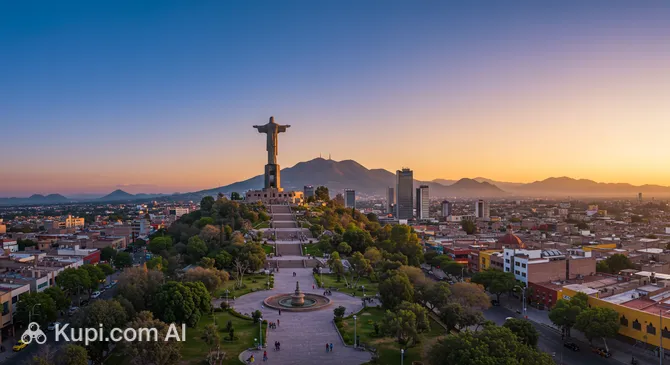
Torreon. Source: Kupi.Binoculars

With a population of over 700,000 inhabitants, Torreon experiences a hot, semi-desert climate, making it a sun-drenched destination for most of the year. Although it is one of the country's younger cities, the history of Torreon is rich with stories of revolution, railway expansion, and agricultural growth that transformed it into a thriving metropolis in a relatively short period.

Travelers visiting the city should not miss the iconic Cristo de las Noas, a massive statue of Jesus Christ that stands atop a hill, offering panoramic views of the entire region. Another fascinating site is the Canal de la Perla, an underground irrigation channel discovered in the early 2000s that has been converted into a unique pedestrian walkway and cultural space. For those interested in culture, the Plaza Mayor serves as a vibrant gathering spot surrounded by important civic buildings and recreational areas.

Whether you are visiting for business or leisure, Torreon offers a welcoming atmosphere with excellent cuisine and a distinct northern charm. It is an inviting destination that perfectly illustrates the industrious spirit and cultural depth of the region, making it well worth a visit.
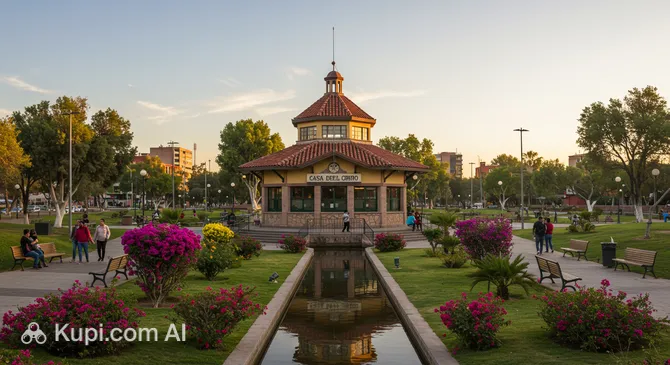
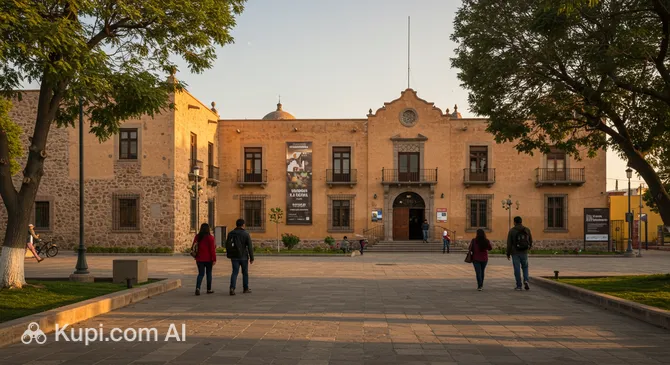
Weather Overview

The climate in Torreon is typical of a semi-desert region, featuring distinct seasonal changes and generally dry conditions. Summers are notoriously hot, especially in June, when average temperatures climb to 29.4°C and daily highs often reach 36.0°C. If you visit during this season, lightweight clothing and sun protection are essential.

Winters offer a respite from the heat, with January being the coldest month, averaging 15.8°C and seeing nighttime lows of 8.7°C. Precipitation is scarce throughout the year, with even the wettest month, September, recording minimal accumulation. Expect sweltering summers with very little rain and mild, dry winters. You can find more specific forecasts and seasonal trends on the dedicated page for weather in Torreon.

Interesting Facts

Beyond the main attractions, Torreon holds many fascinating secrets that reveal the depth of its character. This young city, rising from the desert sands, boasts a history and industrial importance that often go unnoticed by the casual observer.
Venustiano Carranza Park. Source: Kupi.Binoculars
  • The city derives its name from a specific "torreón" (watchtower) built in 1850 by Leonardo Zuloaga; originally constructed to monitor water levels in the Nazas River, this structure became the seed from which the entire metropolis grew.

  • Torreon is a heavyweight in the global mining industry, home to the Met-Mex Peñoles metallurgical complex, which is recognized as one of the largest silver producers in the world.

  • Despite the arid surroundings, the city maintains a vibrant green oasis known as Venustiano Carranza Park, which locals affectionately call the "lungs of the city" due to its extensive forestation and role as a central recreational hub.

  • Located within the city's main park, the Laguna Regional Museum stands as a cultural guardian, specifically dedicated to preserving the artifacts and history of the nomadic tribes that originally inhabited the Chihuahuan Desert.

How to Get There

Planning a trip to the Comarca Lagunera region is quite straightforward, thanks to its well-connected transport infrastructure. Whether you are arriving from within Mexico or from abroad, you can find more about how to get to Torreon and the best routes available for your journey. The city is served by a primary local airport and is accessible via major highways connecting it to neighboring states.

The most convenient entry point is Francisco Sarabia International Airport (IATA: TRC), located directly in Torreon. It is a bustling regional hub that handles a significant number of passengers annually. Since the airport is situated just 2.8 km from the city center, the commute is a quick trip; a taxi or transfer typically takes just a few minutes to reach downtown hotels. This proximity makes it the preferred choice for most travelers visiting the area.

If you cannot find a direct flight to Torreon, there are alternative airports in nearby cities, though they require a ground transfer. You can fly into Guadalupe Victoria Airport (IATA: DGO) in the city of Durango, which is approximately 194 km away. The drive from there to Torreon typically takes about 2.5 hours. Another option is the Plan de Guadalupe International Airport (IATA: SLW) in Saltillo, located about 249 km from Torreon, entailing a travel time of roughly 3 to 3.5 hours by car. These alternatives are generally less convenient due to the distance but serve as viable backup options.

For clarity, here is a summary of the main airports serving the region:

Airport Name City Passenger Traffic Km from City
Francisco Sarabia International Airport Torreon Medium 2.8
Guadalupe Victoria Airport Durango Medium 194.0
Plan de Guadalupe International Airport Saltillo Small 249.0

Since passenger rail service is not currently a primary mode of transport for tourists in this part of the country, most visitors who do not fly opt for the extensive bus network. Torreon is a major crossroads in northern Mexico, and first-class buses connect the city efficiently with destinations like Monterrey, Durango, and Mexico City.

Main Attractions

Torreon boasts a variety of attractions that cater to history buffs, nature lovers, and shoppers alike. While the city is known for its industrial strength, its recreational spaces and cultural institutions provide excellent opportunities for leisure and exploration. From informative museums to expansive green parks, there is plenty to see and do.

One of the most significant cultural sites is the Laguna Regional Museum. Situated within the lush grounds of the Venustiano Carranza Park, this museum is a treasure trove of regional history and archaeology. It offers visitors a deep dive into the lives of the nomadic tribes that once roamed the desert, displaying fascinating artifacts and exhibits that trace the area's development from pre-Hispanic times to the modern era.

Laguna Regional Museum. Source: Kupi.Binoculars

For those seeking outdoor recreation, the Oriente Urban Forest is a fantastic destination. This expansive green space serves as a major lung for the city and features a beautiful artificial lake where families can enjoy boat rides. With its planetarium, open-air theater, and well-maintained walking paths, it is a perfect spot to relax and enjoy the pleasant evenings typical of the region.

Oriente Urban Forest. Source: Kupi.Binoculars

Travelers looking for a modern shopping and entertainment experience should visit Galerías Laguna. As one of the most prominent shopping centers in the city, it houses a wide array of national and international brands, a cinema complex, and a food court. It is a lively hub where locals and tourists alike gather to shop, dine, and escape the midday heat in comfort.

Galerías Laguna. Source: Kupi.Binoculars

Another charming spot to discover is Turtle Plaza. This local landmark in the Torreón Jardín neighborhood is known for its peaceful atmosphere and the iconic turtle sculptures that give it its name. It is a lovely place for a quiet stroll, allowing visitors to appreciate the residential architecture and the calmer side of city life.

Local Cuisine

The culinary scene in Torreon is a proud reflection of its northern Mexican heritage, characterized by hearty flavors, high-quality meats, and a deep love for flour-based products. Visitors will find that the local gastronomy is unpretentious yet incredibly satisfying, revolving around staples that have nourished the region's inhabitants for generations. At the heart of this tradition is the iconic gordita, a must-try delicacy for anyone visiting the Comarca Lagunera.

Unlike in other parts of Mexico where corn dominates, the flour gordita reigns supreme here. These thick, handmade tortillas are sliced open and stuffed with a variety of savory stews, known as guisados. Favorites include chicharrón prensado (pressed pork cracklings), asado rojo (pork in red chili sauce), and rajas con queso (peppers with cheese). You can find these at humble street stalls and dedicated restaurants throughout the city, often accompanied by spicy salsas that add a perfect kick.

Given its location in a major cattle-ranching state, Torreon is also a paradise for meat lovers. The city is famous for its exceptional cuts of beef, and enjoying a carne asada (grilled meat) is a favorite social ritual. For a premium dining experience, you can visit Steak Palenque, where the art of grilling is taken seriously, offering tender cuts cooked to perfection. Another excellent option for those seeking high-end Sonoran-style cuisine is Mochomos Torreón, known for its sophisticated atmosphere and innovative meat dishes.

Mochomos Torreón. Source: Kupi.Binoculars

Another staple of the local table is the Pan Francés Lagunero. This unique bread is crunchy on the outside and soft on the inside, serving as the perfect accompaniment to almost every meal, especially breakfast. It is so beloved that it has become a symbol of regional identity. When it comes to beverages, the region is known for Sotol, a distilled spirit made from the Desert Spoon plant, which holds a designation of origin in Coahuila. It has an earthy, smoky flavor distinct from tequila or mezcal.

The dining culture in Torreon ranges from casual eateries to vibrant nightlife spots. After a good meal, locals often enjoy the city's social scene. Places like Umo Penthouse offer a trendy environment to enjoy cocktails and music, while Casa del Panini provides a more relaxed setting for a casual bite and drinks. Whether you are grabbing a quick breakfast on the street or sitting down for an elegant dinner, the flavors of Torreon are sure to leave a lasting impression.

Travel Tips

Welcome to Torreon! To ensure your visit to this vibrant industrial hub in the Chihuahuan Desert is as smooth and enjoyable as possible, we have compiled a list of essential travel tips. These practical suggestions will help you navigate local customs, manage logistics with ease, and fully experience the warm hospitality of the "Comarca Lagunera."

  1. Clothing and Gear: Given the semi-arid climate, lightweight and breathable clothing (cotton or linen) is essential, especially from May to September when temperatures soar. A wide-brimmed hat, sunglasses, and high-SPF sunscreen are mandatory to protect against the intense desert sun. However, if you visit during winter (December to February), bring a warm jacket and layers, as nights can get surprisingly cold. Comfortable walking shoes are a must for exploring parks and downtown areas.

  2. Transportation: The most convenient and safe way for tourists to get around Torreon is by using ride-hailing apps like Uber or DiDi, which are widely available and affordable. Regular taxis are also an option, but ensure they are from a registered site (sitio) or hotel stand. While there is a public bus network, it can be confusing for first-time visitors. Renting a car is recommended if you plan to explore the broader Coahuila region or visit nearby towns like Parras.

  3. Finances: The local currency is the Mexican Peso (MXN). Major credit and debit cards (Visa, Mastercard) are accepted in hotels, shopping malls like Galerías Laguna, and established restaurants. However, you will need cash (pesos) for street food stalls, small local shops, and public transport. ATMs are plentiful; for safety, use those located inside banks or shopping centers. Tipping is customary—leave 10% to 15% in restaurants if service is good.

  4. Health and Safety: Stay hydrated! The dry heat can cause dehydration quickly, so carry bottled water at all times. Do not drink tap water; always opt for purified bottled water. Pharmacies, such as Farmacias Guadalajara or Farmacias del Ahorro, are common and many operate 24/7 for minor ailments. In terms of safety, Torreon is generally welcoming to tourists, but it is wise to stick to well-lit, busy areas like the Plaza Mayor and main boulevards, and avoid unpopulated outskirts at night.

  5. Communication: The main language is Spanish. While staff in major hotels and business centers may speak English, it is not widely spoken in local markets or smaller eateries. Learning a few basic phrases like "Hola" (Hello), "Gracias" (Thank you), and "¿Cuánto cuesta?" (How much?) goes a long way. You can easily buy a prepaid SIM card from providers like Telcel at convenience stores (e.g., OXXO) to stay connected with maps and translation apps.

  6. Local Etiquette: People in northern Mexico are known for being frank, friendly, and hospitable. A firm handshake is a standard greeting. It is polite to say "Buenos días" (Good morning) or "Buenas tardes" (Good afternoon) when entering a shop or elevator. If you see someone eating, it is customary to say "Buen provecho" (Enjoy your meal) as you pass by. Locals appreciate it when visitors show an interest in their regional food and baseball culture.

  7. What to Avoid: Avoid consuming alcohol in public streets or open spaces, as it is prohibited by law and can lead to fines. Also, try not to underestimate the midday sun; schedule strenuous outdoor activities for the morning or late afternoon to avoid the peak heat between 1:00 PM and 4:00 PM.

  8. Local Insight: Embrace the local breakfast culture! In Torreon, gorditas are primarily a morning to early afternoon food. If you want the freshest and most authentic experience, head to a gordita stall before noon. Also, keep in mind that many local businesses may close on Sundays or have shorter operating hours, so plan your shopping accordingly.

By keeping these tips in mind, you will be well-prepared to discover the unique charm and industrial spirit of Torreon. Whether you are here to enjoy the delicious cuisine or explore the historic sites, a little preparation will ensure your trip is safe, comfortable, and truly memorable.

Entertainment & Nightlife

Torreon may be known for its industrial prowess, but when the sun goes down, the city reveals a vibrant and energetic side. The nightlife scene here is driven by a young population and a culture that values socializing, music, and good drinks. Whether you are looking for a sophisticated cocktail lounge, a lively dance club, or a relaxed terrace to enjoy the desert breeze, the city offers a diverse array of options to suit every mood.

The epicenter of nightlife in Torreon is undoubtedly the area surrounding Calzada Colón and the revitalized Paseo Morelos. This pedestrian-friendly corridor transforms in the evenings, becoming a bustling promenade lined with bars, restaurants, and historic buildings. It is the perfect place to bar-hop, as you can easily walk from one venue to another while enjoying the lively atmosphere. The vibe here ranges from laid-back pubs playing rock music to trendy rooftop bars offering views of the city lights.

For those who enjoy an interactive and high-energy night out, El Foro Karaoke is a fantastic spot to visit. It combines the excitement of a nightclub with the fun of karaoke, attracting a crowd that loves to sing and dance until the early hours. It is a great example of the local party spirit, where the atmosphere is inclusive and always festive.

El Foro Karaoke. Source: Kupi.Binoculars

If you prefer to start your evening with a more relaxed pace, Plaza Cuatro Caminos offers a different kind of entertainment. This upscale shopping mall is not just for retail therapy; it serves as a social hub with modern cinemas and a variety of dining establishments. It is a common meeting point for locals to catch a movie or enjoy a late dinner before heading out to the bars in the nearby districts.

Plaza Cuatro Caminos. Source: Kupi.Binoculars

Beyond the bars and clubs, Torreon offers cultural entertainment during the day and early evening. The city is home to the beautiful Teatro Isauro Martínez, considered one of the most stunning theaters in Mexico, which hosts concerts, plays, and cultural events. Museums and galleries also provide a quieter alternative for those interested in the arts before the nightlife kicks into high gear.

When planning a night out, keep in mind that the action typically starts late. Bars begin to fill up around 9:00 PM, but clubs often don't peak until after midnight. The dress code is generally smart casual; while some high-end venues might require dress shoes and collars for men, most places on Paseo Morelos are relaxed. Prices in Torreon are reasonable compared to larger Mexican metropolises, making it affordable to enjoy a full night of entertainment.

For safety and convenience, it is highly recommended to use ride-hailing apps like Uber or DiDi rather than hailing taxis on the street at night. Stick to the well-lit and populated areas like the Distrito Colón and Paseo Morelos, which are generally safe and patrolled. By taking these simple precautions, you can fully enjoy the warm hospitality and festive nights that Torreon has to offer.

Parks & Museums

Beyond its industrial exterior, Torreon surprises visitors with a rich collection of cultural institutions and welcoming green spaces. The city actively preserves its history and provides ample recreational areas for its residents, creating a balanced environment where art, history, and nature coexist. From world-class art collections to serene neighborhood plazas, there are plenty of spots to explore the city's softer side.

One of the most beloved green spaces in the city is the Alameda Zaragoza. Located in the heart of downtown, this park serves as a primary social hub where families gather to enjoy the shaded walkways and the colorful artificial lake. It is more than just a park; it is a center of community life, featuring a public library and monuments dedicated to local history. For those seeking a quieter experience, Turtle Plaza in the Torreón Jardín neighborhood offers a peaceful retreat. Famous for its turtle fountains, this landscaped square is perfect for a relaxing afternoon stroll amidst residential calm.

Turtle Plaza. Source: Kupi.Binoculars

While the Venustiano Carranza Park is the city's largest recreational area, known for its sports facilities and expansive grounds, visitors should also look out for smaller, historically significant spots. A notable example is the Lorenzo de Medici Fountain. This replica of a Florentine masterpiece adds a touch of European elegance to the cityscape and stands as a testament to the diverse cultural influences that have shaped the region.

Lorenzo de Medici Fountain. Source: Kupi.Binoculars

Torreon's museum scene is headlined by the impressive Museo Arocena. Housed in the historic Casino de la Laguna building, this museum boasts an extensive collection of art ranging from the Viceroyalty era to European masters, along with exhibits on Mexican history. It is widely considered one of the best museums in northern Mexico. Complementing this is the Laguna Regional Museum, located inside Venustiano Carranza Park, which focuses on the archaeology and anthropology of the native desert tribes, offering deep insights into the pre-Hispanic past of the Comarca Lagunera.

For a dive into the revolutionary spirit of the country, the Museo de la Revolución is a must-visit. Situated in a beautiful chalet-style house, it narrates the crucial role Torreon played during the Mexican Revolution, featuring photographs, weaponry, and documents from that turbulent era. Another unique venue is the Museo del Algodón (Cotton Museum), located in an old hacienda. It pays homage to the "white gold" that originally drove the city's economic boom, telling the story of the agricultural industry that built the region.

Insider Tip: If you visit the Alameda Zaragoza, keep an eye out for the "Fuente del Pensador" (Thinker's Fountain). It is a favorite meeting point for locals and often surrounded by vendors selling traditional snacks like elotes (corn) and aguas frescas, giving you a true taste of everyday life in Torreon.

Getting Around

Public transportation in Torreon is primarily reliant on a network of buses, locally known as rutas or camiones. The city does not possess an underground metro or tram system, so these buses serve as the main arteries for moving residents across the metropolitan area. The routes are extensive, covering the downtown district, major shopping centers, and residential neighborhoods. While the buses are frequent and budget-friendly, the system can be somewhat complex for newcomers to navigate, as route maps are not always displayed at stops. Destinations are typically painted on the front windshield of the bus.

For payment, the system operates almost exclusively on cash. Unlike in some larger capitals where smart cards are common, here you simply pay the driver directly upon boarding. The fare is affordable, generally hovering around 13 to 15 pesos per ride. It is highly recommended to carry small change or coins, as drivers may not always have enough change for large bills. There are no time-based travel passes for tourists, so you pay for each individual journey you take.

A standout feature of the local transport landscape is the Teleférico Torreón (Cable Car). While it functions more as a tourist attraction than a daily commuter tool, it is an essential experience. This modern cable car system connects the historic downtown area near Plaza Mayor with the religious sanctuary at the top of the Cerro de las Noas. The ride offers spectacular aerial views of the city and is the most scenic way to reach the famous Cristo de las Noas statue. It operates from late morning until the evening, with extended hours on weekends.

For tourists seeking convenience and comfort, ride-hailing apps are the most popular alternative. Services like Uber and DiDi are widely available, safe, and offer a stress-free way to get around without worrying about language barriers or navigating bus routes. Traditional taxis are also plentiful and can be hailed on the street or found at designated stands (sitios). If you take a regular taxi, ensure the taximeter is running or agree on a fare before starting your trip, although using an app is generally more transparent regarding pricing.

Driving is also a viable option if you prefer independence. The city's layout is relatively modern with wide avenues, making car rentals a practical choice for those planning to visit attractions on the outskirts or explore the wider region. However, for short trips within the city center, walking is often sufficient, as many key points of interest, restaurants, and museums are located within a reasonable distance of one another.

Accommodation

Finding the perfect place to stay in Torreon is a straightforward experience, as the city’s accommodation sector is well-developed to meet the needs of its thriving industrial and business community. Because Torreon is a major economic hub in northern Mexico, the hospitality standards are generally high, with a strong focus on comfort, connectivity, and modern amenities. Whether you are visiting for a corporate convention or a leisurely exploration of the Comarca Lagunera, you will find options ranging from internationally recognized hotel chains to charming local establishments.

For travelers interested in history and culture, the Downtown (Centro) area is an excellent choice. Staying here places you within walking distance of the city's main plazas, museums, and the cable car station. It is a convenient base for those who want to feel the pulse of the city and explore on foot. Hotels in this district are often close to the lush greenery of Venustiano Carranza Park, allowing for a pleasant balance between urban exploration and relaxation.

If you prefer a more modern atmosphere with easy access to shopping and dining, the area along Boulevard Independencia and the so-called "Golden Zone" is highly recommended. This district is home to many of the city's upscale hotels and is situated near Plaza Cuatro Caminos. This location is particularly popular among business travelers and tourists who enjoy having premium restaurants, banks, and entertainment centers right on their doorstep.

Another strategic area for accommodation is near the Periférico Raúl López Sánchez, particularly around the Galerías Laguna shopping complex. Hotels in this sector are typically modern, offering spacious rooms and ample parking. This location is ideal for those renting a car or requiring quick access to the airport and the industrial parks on the outskirts of the city. It serves as a practical hub for moving around the metropolitan area efficiently.

In terms of pricing, Torreon offers great value compared to larger tourist destinations in the country. While luxury and business-class hotels provide top-tier services like swimming pools, gyms, and business centers, there are also numerous budget-friendly options that do not compromise on cleanliness or safety. It is advisable to book in advance if you plan to visit during the week, as business activity can fill up the most popular hotels quickly.

Nearby Cities

For those looking to explore the surroundings, Torreon serves as an excellent base for day trips to several interesting nearby locations:

City Population Distance (km)
Saltillo 864431 245
Durango 654876 211
Gomez Palacio 342286 9
Ciudad Lerdo 79669 13
Ramos Arizpe 66554 247

Just a short drive away is Ciudad Lerdo, known locally as the "Garden City" due to its abundant parks and leafy plazas. It provides a relaxed, small-town atmosphere that contrasts with the industrial pace of its neighbors. Visitors often flock here to enjoy the famous artisanal ice creams, or "nieves," which are a cherished local tradition and perfect for cooling off on a warm afternoon.

For travelers willing to venture a bit further, Durango offers a rich historical experience as the capital of the neighboring state. The city is renowned for its well-preserved baroque architecture and its history as a filming location for classic Western movies. A walk through its colonial center reveals stunning cathedrals and museums that tell the story of the region's past.

Saltillo, the capital of Coahuila, is another worthwhile destination for a full day trip. It is famous for the expansive Museo del Desierto (Desert Museum), which showcases the area's paleontology and desert ecosystems. The city is also celebrated for its vibrant culture, including the traditional colorful sarape blankets and delicious regional cuisine.

These nearby destinations offer a glimpse into the diverse culture and landscapes of the region.

Shopping & Souvenirs

Shopping in Torreon reflects the city's status as a commercial powerhouse in northern Mexico. Visitors will find a diverse retail landscape that ranges from modern, air-conditioned malls housing international brands to bustling traditional markets filled with local character. Whether you are looking for high-quality denim, regional sweets, or the latest fashion, the city offers a satisfying experience for every type of shopper.

For a traditional shopping atmosphere, the Historic Center is the place to start. The pedestrian areas around the main plazas, particularly along Calle Valdez Carrillo, are lined with shoe stores, clothing boutiques, and electronics shops. This area buzzes with activity and is perfect for finding bargains while soaking in the local vibe. On the other hand, Boulevard Independencia serves as a corridor for more upscale shopping, featuring design stores, furniture showrooms, and exclusive boutiques.

The city is home to several top-tier shopping centers that provide a comfortable escape from the desert heat. Galerías Laguna is the largest and most popular mall, offering a vast selection of department stores, fashion chains, and entertainment options. It is a go-to spot for families and fashion enthusiasts. For a more exclusive experience, Plaza Cuatro Caminos is known for its sophisticated atmosphere and premium brand selection, making it a favorite destination for luxury shopping.

To truly understand the local culture, a visit to Mercado Juárez is essential. Housed in a historic building with Art Deco influences, this market is a sensory delight. Here, you can wander through aisles stacked with colorful piñatas, traditional herbs, artisanal crafts, and seasonal produce. It is the best place to find authentic Mexican folk art and to interact with friendly local vendors who have been selling their wares there for generations.

When it comes to souvenirs, Torreon has some unique specialties. The region is a major producer of pecans, so bringing back bags of fresh nuts or traditional pecan candies (dulces de nuez) is highly recommended. As the city is often referred to as the "Denim Capital of Mexico" due to its textile industry, you can often find high-quality jeans and denim jackets at excellent prices. Additionally, a bottle of Sotol, the regional distilled spirit, makes for a distinctive gift that captures the flavor of the Coahuila desert.

Most shopping malls and large department stores operate daily from 11:00 AM to 9:00 PM. Independent shops in the downtown area typically open around 10:00 AM and close by 8:00 PM, with many closing earlier on Sundays. While credit and debit cards are widely accepted in malls, supermarkets, and restaurants, it is important to carry cash (pesos) when visiting markets like Mercado Juárez or buying from street vendors.

International tourists visiting Mexico may be eligible for a tax refund on purchases made at participating stores through the "Moneyback" program. Look for the tax-free signage in larger establishments and keep your receipts and immigration form handy if you plan to claim a refund upon departure at major international airports.

Nearby cities

Reached the end of the page?

That means the route is fully explored