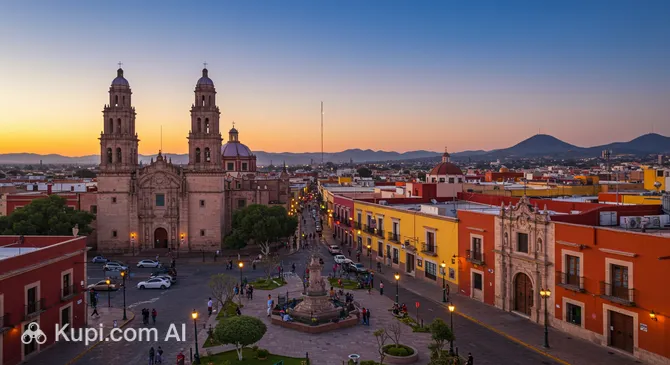
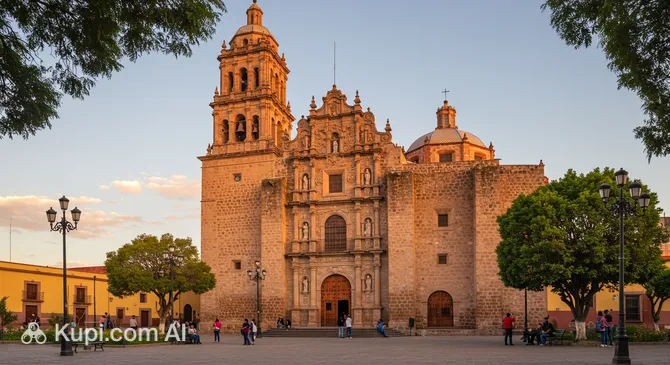
Welcome to Saltillo, a captivating city that seamlessly blends colonial charm with modern vitality. As the capital of the state of Coahuila in northern Mexico, it is a cultural and industrial hub known for its rich traditions and friendly atmosphere. Nestled in a valley surrounded by the majestic Zapalinamé mountains, the city enjoys a pleasant semi-arid climate, offering a refreshing escape with cooler temperatures than many other parts of the region.
Saltillo. Illustration.
Source: Kupi.com AI
With a population of over 860,000 people, Saltillo is a bustling metropolis that has earned the nickname "The Athens of Mexico" due to its prestigious educational institutions and strong cultural focus. Visitors interested in the past will find much to admire here; the history of Saltillo is reflected in its beautiful historic center, filled with elegant architecture and plazas that date back to the colonial era.
Travelers should not miss the renowned Museo del Desierto (Desert Museum), which offers a fascinating look at the region's paleontology and diverse ecosystems. The city is also famous for the Cathedral of Santiago, an architectural gem with intricate baroque details, and for its production of the sarape, a colorful traditional shawl that is an icon of Mexican identity. Whether you are exploring its museums or enjoying the local cuisine, Saltillo invites you to discover the authentic heart of northern Mexico.
Weather Overview
Saltillo generally enjoys a mild semi-arid climate, offering distinct seasonal changes that remain pleasant for travel throughout most of the year. To plan your trip effectively, it is helpful to check the current weather in Saltillo before packing, as conditions can vary significantly between seasons.
The warmest period typically occurs from May to June, where average temperatures hover around 22.5°C and daily highs can reach approximately 28.6°C. As the summer progresses, the city enters its rainy season; July is historically the wettest month in terms of frequency, experiencing up to 19 wet days. September also sees significant activity with around 15 wet days, bringing refreshing showers to the region.
In contrast, the winter months are much cooler and drier. January is usually the coldest month, with average temperatures dropping to 12.1°C and nighttime lows dipping to around 5.8°C. Precipitation is minimal during this time, with December and January often recording almost no rainfall. Overall, visitors can expect warm summers with occasional rain and cool, dry winters.
Average monthly temperature
Average monthly precipitation
Interesting Facts
Beyond its well-known industrial reputation and colonial plazas, Saltillo holds a variety of fascinating secrets and cultural treasures that often surprise visitors. From unique culinary traditions to specialized museums found nowhere else, the city offers a deeper glimpse into the heritage of Northern Mexico.
Sarape Museum. Illustration.
Source: Kupi.com AI
Traveler photos:
The city is famous for its traditional "Pan de Pulque," a sweet bread that uses the fermented sap of the agave plant as a leavening agent instead of yeast. This culinary staple is a delicious legacy of the Tlaxcalan people who settled in the region centuries ago and influenced local gastronomy.
Saltillo is home to the Museum of Birds of Mexico, which houses one of the largest avian collections in the country. Located in a former Jesuit college, it displays over 3,000 specimens, representing approximately 75% of all bird species found in Mexico.
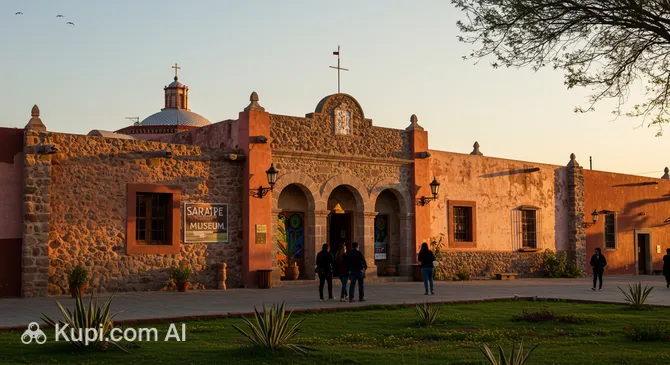
While the iconic colorful shawl is a symbol of the city, the dedicated Sarape Museum is a unique institution that preserves the intricate history of this textile. It showcases the evolution of weaving techniques and patterns that have made the Saltillo sarape famous worldwide.
History enthusiasts can explore the Museum of Bullfighting Culture, a rare venue dedicated to the art and history of the fiesta brava. It stands as a significant cultural archive in a state that has since moved away from the practice, preserving the artistic heritage of the tradition.
How to Get There
Reaching this industrial and cultural hub in northern Mexico is relatively straightforward, thanks to its proximity to major transport networks. Visitors have several options depending on their point of origin and budget. For a detailed breakdown of all available routes and transportation methods, you can read more about how to get to Saltillo.
The most common gateway for international and domestic travelers is Gen Mariano Escobedo Airport (IATA: MTY), located in the neighboring city of Monterrey. Although this major hub is not in Saltillo itself, but rather about 95 km away, it handles a large volume of passenger traffic and offers extensive flight connections. The drive from the airport to Saltillo is efficient, typically taking between 1.5 to 2 hours by taxi or shuttle bus via the highway.
For those looking to fly directly into the immediate area, the city is served by Plan de Guadalupe International Airport (IATA: SLW). It is located just over 13 km from the city center of Saltillo. However, travelers should note that this airport sees very limited passenger traffic compared to Monterrey and has fewer commercial flight options. Another alternative for regional travel is Francisco Sarabia International Airport (IATA: TRC) in Torreon, situated approximately 245 km away.
For clarity, here is a summary of the main airports:
Saltillo offers a delightful mix of history, nature, and culture, making it a rewarding destination for travelers. From world-class museums to tranquil green spaces, the city's highlights reflect its rich heritage and modern vibrancy. Whether you are interested in paleontology or colonial architecture, there is something here to capture your imagination.
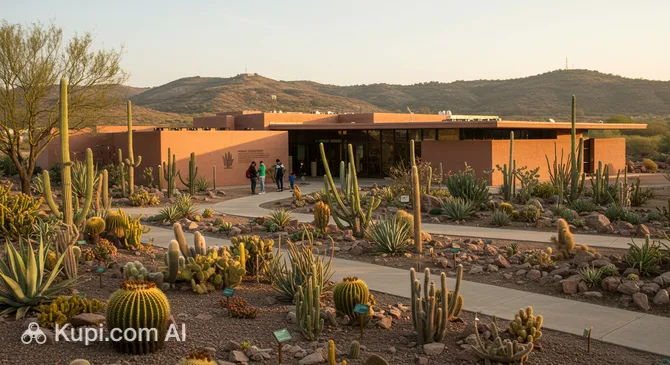
Undoubtedly the city's most famous landmark is the Desert Museum. This extensive facility is much more than a traditional museum; it is a celebration of the Chihuahuan Desert's biodiversity and history. Visitors are treated to impressive displays of dinosaur fossils found in the region, interactive geology exhibits, and even live animal enclosures featuring species like black bears and prairie dogs. It serves as a fascinating educational journey for both adults and children.
Desert Museum. Illustration.
Source: Kupi.com AI
Traveler photos:
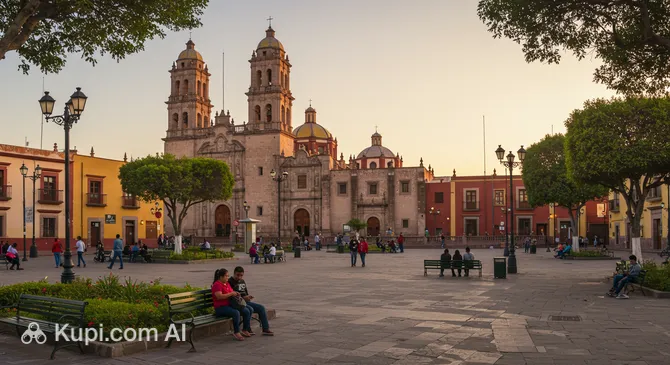
The heart of the city beats at the Plaza de Armas. Surrounded by significant historical buildings, including the Government Palace and the majestic Cathedral of Santiago, this square is the perfect starting point for a walking tour. It is a lively spot where locals gather, offering tourists a chance to soak in the atmosphere of daily life in Saltillo while admiring the beautiful colonial architecture that frames the open space.
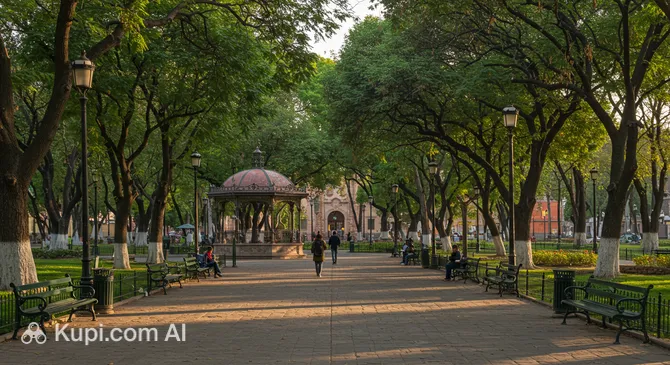
For a relaxing afternoon, travelers should head to Alameda Zaragoza. This large, picturesque park is a favorite among families and couples for its shaded walkways, artificial lake, and library. The park features statues and monuments dedicated to Mexican history, and it provides a lush, green escape from the urban environment. It is an ideal location to enjoy a quiet stroll or simply sit and watch the world go by.
Alameda Zaragoza. Illustration.
Source: Kupi.com AI
Traveler photos:
Those looking for a unique cultural experience should visit the Museum of La Catrina and Dolls. This quirky and colorful institution is dedicated to the iconic figure of La Catrina, a symbol of the Day of the Dead, as well as a vast collection of dolls. The museum offers an intriguing look at Mexican folklore and traditions surrounding death and celebration, presented in a way that is both artistic and respectful.
Local Cuisine
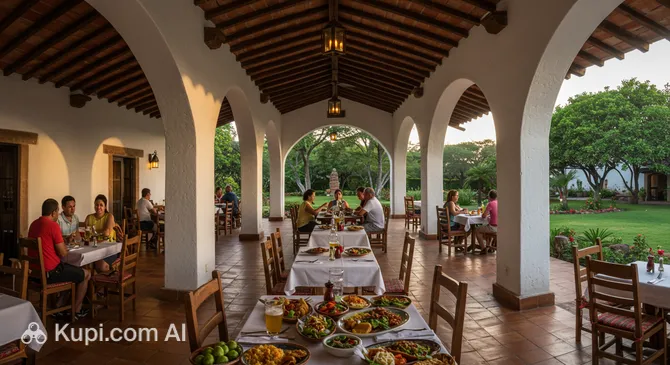
The culinary scene in Saltillo is a true reflection of Northern Mexico's bold flavors and ranching heritage. As a city located in a state famous for its livestock, the gastronomy here is heavily centered around high-quality meats. The undisputed king of the local table is cabrito (roasted young goat). Traditionally prepared "al pastor" (roasted over an open fire), this dish is tender, flavorful, and a must-try for any visitor. For an authentic experience of this regional specialty, travelers often head to El Mesón Principal, a landmark establishment known for serving traditional northern cuisine in a classic setting.
El Mesón Principal. Illustration.
Source: Kupi.com AI
Traveler photos:
Beyond goat, Saltillo is celebrated for its exceptional beef cuts, or cortes de carne. The region produces some of the best beef in the country, making steakhouses a staple of the local dining culture. Locals frequently gather for family barbecues, but visitors can enjoy these premium cuts at restaurants like El Feligrez Steak House. Another popular breakfast or brunch dish is machacado con huevo, a hearty meal consisting of dried shredded beef scrambled with eggs, onions, tomatoes, and chili peppers, usually served with fresh flour tortillas.
No culinary tour of Saltillo is complete without tasting the city's famous Pan de Pulque. This sweet bread, leavened with the fermented sap of the agave plant (pulque) rather than yeast, has a unique texture and flavor that pairs perfectly with a cup of coffee or hot chocolate. You will find bakeries throughout the city dedicated entirely to this tradition. For a quick and savory bite on the go, gorditas—thick corn or flour tortillas stuffed with various stews like pork rinds or shredded meat—are a favorite street food option.
To accompany these rich meals, the region offers distinct beverages. Coahuila has a burgeoning wine industry, being home to the oldest winery in the Americas, so you will often find excellent local wines on restaurant menus. For something stronger, try Sotol, a distilled spirit similar to tequila but made from the Desert Spoon plant native to northern Mexico. For a modern dining atmosphere where you can explore various culinary options in one place, the gastronomic corridor at Parque Centro is a vibrant spot to spend an evening.
Travel Tips
To make the most of your visit to Saltillo, a little preparation goes a long way. While the city is known for its welcoming industrial spirit and rich culture, knowing the local logistics can turn a good trip into a great one. Here are some practical tips to help you navigate the capital of Coahuila with ease and confidence.
Clothing and Gear: Saltillo has a semi-arid climate, meaning temperatures can fluctuate significantly. In summer, lightweight, breathable clothing and sun protection are essential for the warm days. However, if you are visiting in winter or late autumn, bring a warm jacket and layers, as nights can get quite cold. Comfortable walking shoes are a must for exploring the cobblestone streets of the historic center.
Transportation: The most convenient and safe way for tourists to get around is by using ride-hailing apps like Uber or Didi, which are widely available and affordable. While there is a local bus network known as rutas, the routes can be confusing for first-time visitors. If you prefer traditional taxis, it is safer to call a radio taxi service or take one from a designated stand (sitio) rather than hailing one on the street.
Finances: The local currency is the Mexican Peso (MXN). While major hotels, restaurants, and the large shopping malls at Parque Centro accept credit and debit cards, cash is king for smaller establishments. You will need pesos for buying street food, souvenirs, or paying for small purchases at local convenience stores. ATMs are plentiful, especially in the city center and shopping plazas. Tipping 10% to 15% is standard in restaurants.
Health and Safety: Saltillo is generally considered safe for tourists, but standard precautions apply. Stick to well-lit, populated areas at night and avoid displaying expensive jewelry or electronics. For minor health issues, pharmacy chains like Farmacias Guadalajara or Farmacias del Ahorro are common and often open 24 hours. Always drink bottled water; tap water is not generally recommended for consumption.
Communication: Spanish is the primary language. While staff at high-end hotels and business centers may speak English, it is not widely spoken in local shops or by taxi drivers. Learning a few basic phrases like "Buenos días" (Good morning) and "Gracias" (Thank you) will be appreciated. You can easily buy a SIM card at OXXO convenience stores or Telcel shops to stay connected.
Local Etiquette: People in northern Mexico are known for being friendly and direct. It is polite to greet people when entering a shop or elevator. A simple handshake is a common greeting. If you are eating in a restaurant and make eye contact with diners leaving or arriving, it is customary to say "Buen provecho" (Enjoy your meal).
What to Avoid: Avoid discussing sensitive topics related to politics or public security with strangers, as these can be complex issues. Also, try not to compare Saltillo constantly to Mexico City or other southern regions; locals are proud of their distinct norteño identity and culture.
Local Insight: If you plan to buy the famous Pan de Pulque, try to visit the bakeries in the morning when the bread is freshest. Also, keep in mind that many museums are closed on Mondays, so plan your cultural excursions for the rest of the week to avoid disappointment.
Armed with these tips, you are ready to explore everything from the dinosaur fossils at the Desert Museum to the vibrant streets of the city center. Saltillo is a city that rewards curiosity, so don't hesitate to engage with the locals and immerse yourself in the unique rhythm of northern Mexico.
Entertainment & Nightlife
While Saltillo is often recognized for its industrial strength and history, its nightlife scene is surprisingly vibrant and diverse, fueled in part by a large university population. The city offers a mix of laid-back pubs, energetic nightclubs, and stylish lounges, ensuring that there is something for every taste after the sun goes down. The atmosphere is generally welcoming and unpretentious, with locals eager to share the fun with visitors.
The main hubs for evening entertainment are located in the northern part of the city, particularly along Boulevard Venustiano Carranza and the buzzing Pedro Figueroa district. These areas are lined with modern plazas, bars, and restaurants where the city's young professionals and students gather. The dress code is typically smart-casual; while some high-end clubs might expect a more polished look, most bars are relaxed about attire.
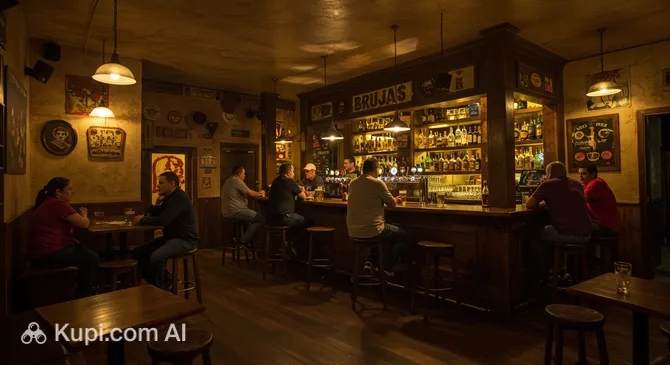
Brujas Pub. Illustration.
Source: Kupi.com AI
Traveler photos:
For those looking to start the night with a drink and good conversation, Brujas Pub is a popular choice. It offers a unique ambiance often favored by locals for its rock music and distinct style, making it a great place to experience the alternative side of the city's culture. If you prefer a more energetic vibe with dancing and live DJ sets, Rabbit Speak is a well-known nightclub where the party continues late into the night. Another notable venue for a fun evening out is Corazón de María, which combines a lively atmosphere with great music, perfect for socializing with friends.
Practicalities are important for a smooth night out. Most bars open around 8:00 PM, but the clubs don't truly fill up until after 11:00 PM. Prices in Saltillo are generally reasonable compared to larger Mexican metropolises; expect to pay moderate prices for beers and cocktails. When it comes to safety and transportation, it is highly recommended to use ride-sharing apps like Uber or Didi rather than hailing taxis on the street at night. These services are reliable and provide a safer way to get back to your hotel, especially if you are in the busy nightlife districts.
Beyond the nightlife, Saltillo offers plenty of daytime entertainment options. Families and shoppers can spend hours at Galerías Saltillo, a large shopping mall that features a cinema, numerous retail stores, and a food court. For those seeking outdoor fun during the day, the city and its surroundings offer recreational spots like El Molino Water Park, which provides a refreshing escape during the warmer months.
Parks & Museums
Beyond its industrial prowess, Saltillo surprises visitors with a wealth of green sanctuaries and a profound dedication to preserving its history. The city's cultural landscape is dotted with impressive museums that recount the narrative of northern Mexico, while its parks offer serene retreats filled with native flora, providing a perfect balance to the urban energy.
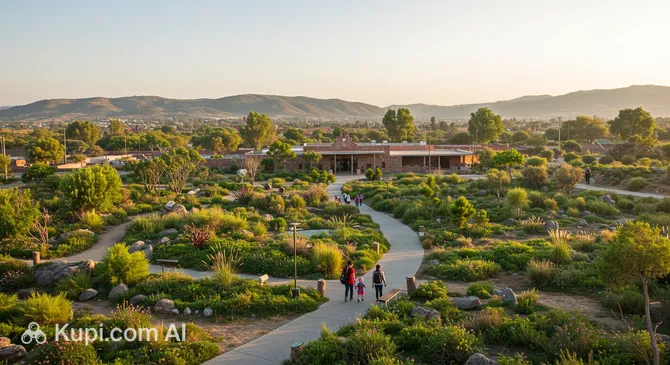
For those seeking a connection with nature, El Chapulín Ecological Park is a standout destination. This protected area focuses on the conservation of regional plant species, particularly cacti and trees native to the semi-arid climate. It is an excellent spot for families and nature enthusiasts to enjoy walking trails and learn about environmental care in a tranquil setting, right in the heart of the city.
El Chapulín Ecological Park. Illustration.
Source: Kupi.com AI
Traveler photos:
Another vital green space is the Ejército Mexicano Urban Forest. As one of the largest lungs of the city, it offers extensive areas for outdoor recreation, including jogging paths and playgrounds. It is a favorite among locals for morning exercise or weekend picnics, providing a refreshing escape with plenty of shade and open space to relax away from the traffic.
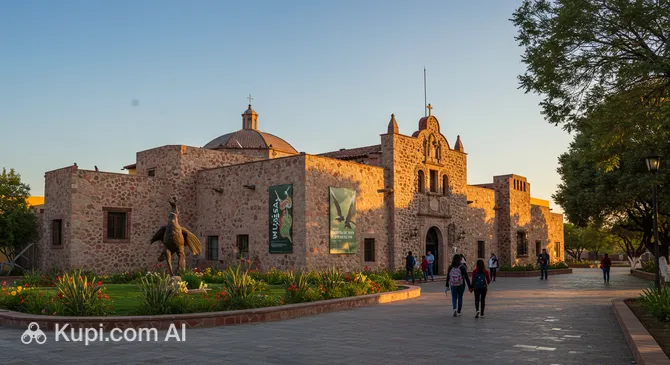
Saltillo's museums are equally compelling, with the Museum of Birds of Mexico being a crown jewel. Housed in the former Jesuit College of San Juan Nepomuceno, this institution holds a massive collection of taxidermy specimens representing the vast majority of Mexican avian species. Tourists are often captivated not just by the exhibits, but by the building's historical significance and its beautiful central courtyard.
Museum of Birds of Mexico. Illustration.
Source: Kupi.com AI
Traveler photos:
To understand the region's pivotal role in national history, a visit to the Museum of the Mexican Revolution is essential. Saltillo and the state of Coahuila were home to key revolutionary figures like Francisco I. Madero and Venustiano Carranza. The museum details their lives and the strategic importance of the city during the conflict through documents, photographs, and period artifacts, offering a deep dive into the events that shaped modern Mexico.
Architectural beauty and spiritual history converge at the San Juan Nepomuceno Church. Located adjacent to the bird museum, this temple is renowned for its neoclassical design and the stunning oil paintings that adorn its interior. It stands as a testament to the Jesuit influence in the region and remains an active place of worship and artistic admiration.
San Juan Nepomuceno Church. Illustration.
Source: Kupi.com AI
Traveler photos:
For a touch of local folklore and a bit of exercise, travelers should climb the Santa Anita Stairway. This colorful landmark leads up to a historic neighborhood and offers panoramic views of the city. It is steeped in legends and is a picturesque spot that perfectly captures the charm of old Saltillo.
An insider tip for architecture lovers is to stop by the Purcell House Cultural Center. Built in the 19th century by an Irish merchant, its design resembles an English cottage, standing in stark contrast to the surrounding colonial Mexican buildings. Today, it serves as a cultural center hosting art exhibitions and events, making it a hidden gem for those looking for something unique.
Getting Around
Navigating Saltillo is relatively straightforward, though the public transport options are somewhat different from larger global metropolises. The city does not have a metro, tram, or light rail system. Instead, the public transportation network relies entirely on a system of urban buses, locally referred to as rutas. These buses cover the vast majority of the city and are identified by numbers and specific color schemes painted on the vehicles.
For most tourists, the bus system can be an authentic but slightly challenging experience. Routes can be complex, and official maps at bus stops are rare. If you choose to travel by bus, the payment system is predominantly cash-based for visitors. You pay the driver directly upon boarding. While there is a prepaid card system used by local residents to secure discounted fares, it is generally not practical for short-term travelers to obtain one. It is highly advisable to carry small coins and exact change, as drivers often cannot break large bills.
Given the complexities of the bus network, many visitors find that ride-sharing applications are the most convenient and efficient alternative. Services such as Uber and Didi operate extensively throughout the city, offering safe, reliable transport with the benefit of upfront pricing and GPS tracking. This eliminates language barriers regarding directions and payment. Traditional taxis are also available and are typically white or yellow. For safety, it is best to board them at designated stands known as sitios or request one via phone rather than hailing them on the street.
If you do decide to use the local buses, be aware that they generally operate from early morning, around 6:00 AM, until approximately 9:00 PM or 10:00 PM, depending on the specific route. Stops are not always clearly marked with signage, so you may need to wave at the driver to signal them to stop. For exploring the historic center, walking is often the best option, as many key attractions are clustered close together, allowing you to enjoy the colonial architecture at your own pace.
Accommodation
Where to Stay:
Accommodation in Saltillo is largely shaped by its status as a major industrial and business hub, resulting in a high standard of lodging options that cater to international travelers. Visitors will find a wide range of choices, from reliable international chain hotels and modern luxury suites to charming boutique hotels housed in colonial-era buildings. While there are fewer backpacker hostels compared to Mexico's tourist beach destinations, budget-friendly inns and comfortable mid-range options are plentiful and generally offer excellent value for money.
For tourists interested in culture and history, the Historic Center (Centro Histórico) is the most atmospheric place to stay. Choosing a hotel in this area puts you within walking distance of the city's top museums and architectural landmarks. You will be steps away from the heart of the city at the Plaza de Armas, allowing you to easily explore the cathedral and government palace on foot. Staying here immerses you in the traditional side of the city, surrounded by colorful streets and local eateries.
Plaza de Armas. Illustration.
Source: Kupi.com AI
Traveler photos:
Alternatively, the northern part of the city, often referred to as the Zona Dorada (Golden Zone), is preferred by business travelers and those seeking modern amenities. This area, particularly along Boulevard Venustiano Carranza, is home to many well-known hotel brands that offer pools, gyms, and business centers. It is a convenient location for shopping and dining, with modern complexes like Parque Centro providing a sophisticated environment for evening relaxation. This district is well-connected by main avenues, making it easy to get in and out of the city.
Parque Centro. Illustration.
Source: Kupi.com AI
Traveler photos:
When planning your stay, it is important to consider the nature of the city's calendar. Since Saltillo sees a significant amount of business tourism, hotels can fill up quickly during the workweek (Monday to Thursday) or when large industrial conventions are taking place. Therefore, it is a good booking tip to reserve your room in advance if you plan to visit during these times. Conversely, weekends can sometimes offer lower rates as business travelers depart.
In terms of pricing, Saltillo is generally more affordable than Mexico's resort towns. You can expect to find high-quality, mid-range accommodation for a reasonable price, while luxury options remain accessible compared to global standards. Booking is easily done through major online travel platforms, which offer the most competitive rates, though many local hotels also accept direct reservations via phone or their own websites.
Nearby Cities
For those looking to explore the surroundings, Saltillo serves as an excellent base for day trips to several interesting nearby locations:
Just a short drive away lies the bustling metropolis of Monterrey, the capital of the neighboring state of Nuevo León. Known as the "City of the Mountains," it offers a stark contrast to the colonial pace of Saltillo with its modern skyline, world-class museums, and the famous Macroplaza. Visitors can enjoy a boat ride along the Paseo Santa Lucía or marvel at the iconic Saddle Mountain (Cerro de la Silla), making it a perfect destination for those seeking urban excitement and culture.
For nature enthusiasts, Santa Catarina is an unmissable stop located between Saltillo and Monterrey. This city is the gateway to the spectacular Huasteca Ecological Park, a canyon famous for its breathtaking limestone rock formations. It is a haven for rock climbers, hikers, and photographers who want to experience the dramatic landscapes of the Sierra Madre Oriental without venturing too far from the city.
Another interesting option is San Nicolás de los Garza, part of the greater metropolitan area. As a university city home to the Autonomous University of Nuevo León, it possesses a vibrant, youthful energy. It is also known for its passion for sports, hosting the famous Tigres UANL football team, and offers a variety of shopping and dining experiences that reflect the modern lifestyle of northern Mexico.
These nearby destinations offer a glimpse into the diverse culture and landscapes of the region.
Shopping & Souvenirs
Shopping:
Shopping in Saltillo is a delightful experience that mirrors the city's unique character, offering a perfect blend of traditional Mexican heritage and modern convenience. Visitors can spend their day browsing through vibrant local markets filled with handcrafted goods or exploring contemporary commercial centers that house international fashion brands. Whether you are looking for a unique keepsake or simply want to enjoy a day of retail therapy, the city provides ample options to suit every taste and budget.
The heart of the traditional shopping scene lies in the Historic Center. The pedestrian-friendly Calle Victoria is a bustling thoroughfare lined with shoe stores, clothing boutiques, and local businesses. It is a lively place to walk, people-watch, and soak in the local atmosphere. For a more upscale and modern experience, the northern part of the city, particularly along Boulevard Venustiano Carranza, features elegant plazas and boutiques catering to a contemporary lifestyle.
For those who prefer the convenience of large shopping complexes, Galerías Saltillo is the premier destination. This extensive mall is home to major department stores like Liverpool, a cinema, and a wide variety of well-known international and domestic retail chains. It serves as a one-stop shop for fashion, electronics, and accessories, making it a favorite among locals and tourists alike.
Galerías Saltillo. Illustration.
Source: Kupi.com AI
Traveler photos:
Another standout location is Parque Centro. This mixed-use development offers a sophisticated open-air shopping environment. It combines high-end retail stores with a gastronomic corridor and office spaces. Its modern architecture and pleasant outdoor areas make it an excellent spot to shop for premium brands and then relax with a coffee or a meal in a chic setting.
To truly experience the local culture, a visit to Mercado Juárez is essential. Located in the city center, this traditional market is a sensory explosion of colors, smells, and sounds. Here, you can find everything from regional food products and herbal remedies to leather goods and folk art. It is the best place to practice your bargaining skills and interact with friendly local vendors who have been selling their wares for generations.
When it comes to souvenirs, the undisputed icon of the city is the Sarape de Saltillo. This brightly colored, hand-woven shawl or blanket is famous worldwide for its intricate patterns and quality. You can find authentic sarapes in the market or at specialized shops near the Sarape Museum. Other popular items to bring back include the delicious Pan de Pulque (a sweet bread made with agave sap) and traditional milk-based sweets known as dulces de leche or glorias.
Most shopping malls and department stores generally operate from 11:00 AM to 9:00 PM daily. Traditional markets and smaller shops in the center usually open earlier, around 9:00 AM, and close by 8:00 PM. While credit and debit cards are widely accepted in malls like Galerías Saltillo and Parque Centro, it is highly recommended to carry cash (Mexican Pesos) when visiting Mercado Juárez or buying from street vendors.
International tourists shopping at participating stores may be eligible for a tax refund (VAT/IVA) on purchases of merchandise. Look for the "Moneyback" or "Tax Free" signs in store windows. To claim this, you typically need to spend a minimum amount, present your passport and immigration form during the purchase, and process the refund at designated counters at international departure points, such as major airports.