Support

Monterrey

About

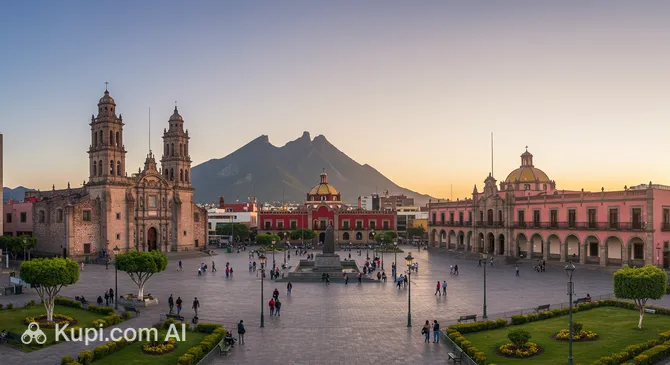
Monterrey, often referred to as the "Sultan of the North," is a bustling metropolis that perfectly balances industrial power with breathtaking natural beauty. As the capital of the state of Nuevo León in northeastern Mexico, this city offers a dynamic atmosphere that attracts business travelers and adventure seekers alike. It stands as a beacon of modernity and progress, set against a dramatic backdrop of jagged mountain peaks.

Home to a metropolitan population of over 5 million people, Monterrey is the country's third-largest city. It is situated at the foothills of the Sierra Madre Oriental, a location that defines its unique character and stunning scenery. The city is known for its semi-arid climate, offering warm weather for most of the year, which contrasts sharply with the tropical environments found further south.
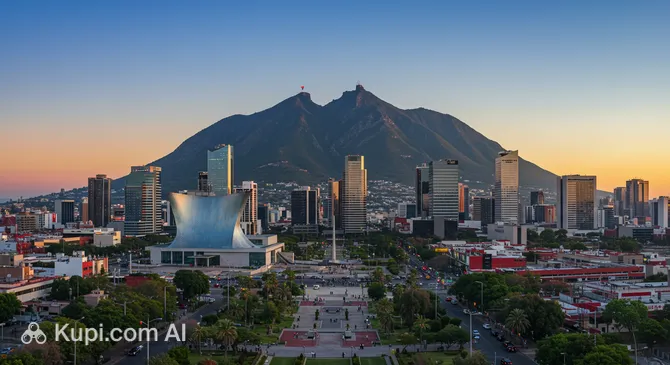
Monterrey. Source: Kupi.Binoculars

The rich history of Monterrey is woven into the fabric of its streets, where colonial heritage meets contemporary innovation. While it is a major business hub, the city has preserved its cultural roots, evident in the historic buildings that stand alongside gleaming skyscrapers. A prime example of this blend is the Macroplaza, one of the largest public squares in the world, which serves as the cultural and administrative heart of the city.

Visitors are inevitably drawn to the iconic Cerro de la Silla (Saddle Mountain), a distinctive mountain formation that dominates the skyline and serves as the city's most famous landmark. For those seeking leisure and culture, Fundidora Park is a must-visit; this massive urban park, built on the grounds of a former steel foundry, features museums, lakes, and walking trails, seamlessly integrating the city's industrial past with recreational green space.

Whether you are here to hike the surrounding trails, enjoy the renowned local cuisine—famous for its grilled meats—or explore top-tier museums, Monterrey promises an unforgettable experience. It is a destination where tradition and modernity coexist harmoniously, inviting travelers to discover the vibrant spirit of northern Mexico.
Weather Overview

The weather in Monterrey is generally characterized by distinct seasons, offering hot summers and mild, comfortable winters. Understanding the local climate patterns can help you choose the best time to explore the city's parks and outdoor attractions.

From May through August, the city experiences its warmest temperatures. During this period, average temperatures range from 24.6°C to 26.1°C, with daily highs consistently reaching around 30°C to 31°C. August is typically the hottest month, with maximum temperatures peaking at 31.3°C. In contrast, the winter months of December and January are significantly cooler, with average temperatures dropping to between 13.9°C and 15.2°C. January is usually the coldest month, where nighttime lows can dip to 8.3°C.

Precipitation is spread throughout the year, though the frequency of rainy days varies. May and September tend to see the most activity, with 14 and 13 wet days respectively, while February is generally the driest month with only about 4 wet days. Overall, you can expect warm summers with occasional rain and cool, drier winters.

Interesting Facts

Beyond the main attractions, Monterrey holds many fascinating secrets that surprise even seasoned travelers. From industrial marvels transformed into cultural landmarks to sporting legends that made history, the city's stories are as captivating as its mountain backdrop.
  • The city is home to the Santa Lucia Riverwalk, which is considered one of the longest artificial rivers in Latin America. This completely man-made waterway connects the city center with Fundidora Park, allowing visitors to navigate through the urban landscape on small boats while enjoying beautiful scenery and fountains.

  • In the heart of the Macroplaza stands the distinctive "Faro del Comercio" (Lighthouse of Commerce), a towering orange monument that is more than just a statue. At night, it projects a powerful green laser beam across the city sky, symbolizing Monterrey's status as an industrial beacon.

  • Monterrey holds a unique place in sports history, particularly in baseball. In 1957, a local team of children became the first non-U.S. squad to win the Little League World Series, achieving the victory with a rare "perfect game." You can explore this rich sporting heritage at the Mexican Baseball Hall of Fame.

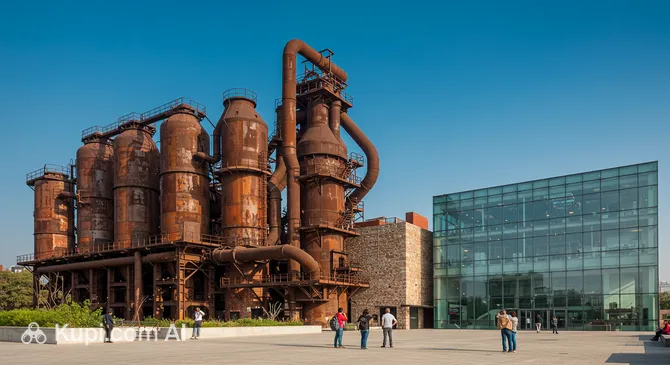
  • The city creatively honors its industrial past at the Museum of Steel, located inside a decommissioned blast furnace known as "Horno 3." This massive structure was once the heart of steel production in the region and now serves as an interactive science center where you can take an elevator to the top for panoramic views.

Museum of Steel. Source: Kupi.Binoculars

How to Get There

As a major industrial and business hub in northern Mexico, Monterrey is well-connected and accessible for travelers. Whether you are arriving for business or leisure, there are convenient options to suit your itinerary. For a comprehensive guide on routes and transportation methods, you can read more about how to get to Monterrey.

The primary gateway to the city is Gen Mariano Escobedo Airport (MTY), located approximately 23 km from the city center. As a major international airport, it handles a significant volume of flights from across Mexico and the United States. The journey from the terminal to downtown Monterrey typically takes around 55 minutes by taxi or shuttle, depending on traffic. This is the most direct and convenient option for the vast majority of visitors.

An alternative option for some travelers is the Plan de Guadalupe International Airport (SLW), situated in the neighboring city of Saltillo. Although it is a smaller facility with fewer connections, it is located about 63 km from Monterrey. A transfer from Saltillo to Monterrey by car or bus generally takes just under 2 hours. This can be a viable choice if you are planning to visit the wider region or find specific regional flight deals.

For clarity, here is a summary of the main airports in the vicinity:

Airport Name City Passenger Traffic Km from City
Gen Mariano Escobedo Airport Monterrey High 23.3
McAllen International Airport McAllen Medium 215.1
Gen Lucio Blanco International Airport Reynosa Medium 212.3
Quetzalcoatl International Airport Nuevo Laredo Low 208.4
Plan de Guadalupe International Airport Saltillo Low 63.4

Monterrey does not currently have a passenger railway service for tourist arrivals, as train travel in this part of the country is primarily focused on freight. Consequently, if you are not flying, the most common way to reach the city is by road. Mexico has an extensive network of long-distance buses that are comfortable and reliable, connecting Monterrey with major cities like Mexico City, San Luis Potosí, and the U.S. border.

Main Attractions

Monterrey is a city where modern urban planning meets rugged natural beauty, creating a destination filled with diverse experiences. From sprawling public squares to scenic viewpoints high above the bustling streets, the main attractions offer a glimpse into the region's rich culture and industrial heritage.

At the very heart of the city lies the Macroplaza, one of the largest public squares in the world. This immense urban park connects the city's most important government buildings with museums, monuments, and gardens. It is a perfect starting point for any tour, offering a vibrant atmosphere where locals gather and visitors can admire landmarks like the Neptune Fountain and the towering Lighthouse of Commerce. Walking through its pathways gives you a sense of the city's scale and energy.

Macroplaza. Source: Kupi.Binoculars

Just a short distance away, you will find Fundidora Park, a shining example of urban regeneration. Once the site of a massive steel foundry, this area has been transformed into an expansive green space that celebrates the city's industrial past while providing a recreational haven. Visitors can wander among old blast furnaces that now stand as industrial sculptures, rent bicycles to explore the wide trails, or simply relax by the lakes. It is a cultural hub that frequently hosts festivals and events.

Connecting the city center with the park is the enchanting Santa Lucia Riverwalk. This man-made canal is lined with lighted walkways, murals, and fountains, making it an incredibly picturesque route, especially in the evening. Tourists can enjoy a leisurely stroll along the water's edge or take a guided boat tour to learn more about the city's history while floating beneath the bridges. It offers a tranquil escape from the urban noise without leaving the downtown area.

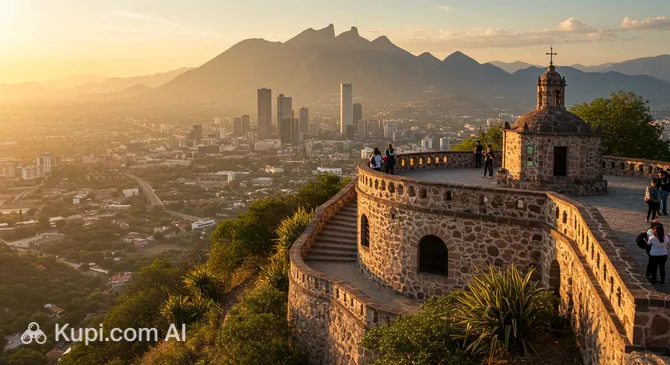
For those seeking the best panoramic views, a trip to Bishop's Lookout (Mirador del Obispado) is essential. Located atop a hill, this site features the historic Bishop's Palace and proudly flies the monumental Mexican flag. The climb is rewarded with breathtaking 360-degree vistas of the Monterrey skyline and the surrounding mountains, including the iconic Saddle Mountain. It is particularly magical at sunset when the city lights begin to twinkle against the darkening peaks.

Bishop's Lookout. Source: Kupi.Binoculars

Culture enthusiasts should not miss the Mexican History Museum, located near the start of the riverwalk. The building itself is a modern architectural gem, and inside, it houses a comprehensive collection that narrates the history of Mexico from the pre-Hispanic era to the present day. The exhibits are engaging and provide deep insight into the events that shaped not just the region of Nuevo León, but the entire nation.

Local Cuisine

Monterrey is widely celebrated as the gastronomic capital of Northern Mexico, offering a culinary scene that is distinctively different from the rest of the country. While the south is known for its corn-based dishes and complex moles, the cuisine here is proudly carnivorous, rooted in ranching traditions and a deep love for fire and smoke. The "Regio" diet revolves heavily around high-quality beef and open-flame grilling, creating flavors that are robust, savory, and unforgettable.

The undisputed king of local dishes is Cabrito (roast kid goat). This culinary icon dates back to the region's early settlers and involves slow-roasting a young goat over charcoal until the meat is incredibly tender and the skin is crispy. It is typically served with charro beans, roasted salsa, and tortillas. Another staple you cannot miss is Carne Asada. In Monterrey, grilling beef is not just a cooking method but a social ritual. You will find world-class cuts like arrachera (skirt steak) and ribeye served everywhere, from backyard gatherings to upscale steakhouses.

Unlike central Mexico, where corn tortillas reign supreme, Monterrey is famous for its tortillas de harina (flour tortillas). These are often larger and softer, serving as the perfect vessel for the region's hearty fillings. For breakfast, the local favorite is Machacado con Huevo, a delicious scramble made with dried shredded beef, eggs, onions, tomatoes, and chili peppers. It is a hearty way to start the day, often accompanied by refried beans.

Cuerno Calzada. Source: Kupi.Binoculars

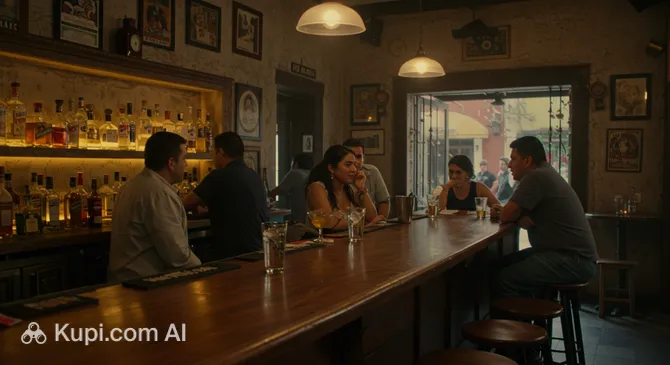
The city's dining scene ranges from casual street stands to sophisticated venues that elevate traditional flavors. For those looking to experience the modern side of Northern hospitality, Cuerno Calzada is a prime example of a contemporary grill and cantina where the atmosphere is as impressive as the menu. Alternatively, if you crave seafood despite being inland, Los Arcos offers excellent Pacific-style dishes that are very popular among locals.

To accompany these rich meals, beer is the beverage of choice. Monterrey is a historic brewing hub, and an ice-cold local lager is the standard pairing for barbecue. For a non-alcoholic option, try Topo Chico, the legendary sparkling mineral water sourced from a nearby spring, which has gained a cult following worldwide. To finish on a sweet note, look for "Glorias," a traditional candy made from burnt goat's milk and pecans, originating from the nearby town of Linares.

Travel Tips

To ensure your trip to the "Sultan of the North" is as smooth and enjoyable as possible, we have compiled a list of essential practical advice. These tips will help you navigate the local customs, climate, and logistics of Monterrey, allowing you to focus on exploring its stunning mountains and vibrant culture.

  1. Clothing and Gear: Monterrey experiences extreme heat, especially from May to August, so lightweight, breathable fabrics are essential. However, indoor venues often blast air conditioning, and winter evenings can be surprisingly crisp, so always carry a light jacket or sweater. If you plan to hike the famous ecological parks like Chipinque, sturdy hiking boots are a must.
  2. Transportation: The most convenient way for tourists to get around is by using ride-hailing apps like Uber or Didi, which are safe, reliable, and affordable. The city also has a metro system called Metrorrey; while it is efficient and inexpensive, its coverage is limited mostly to central areas and may not reach all tourist attractions. Car rentals are an option but be prepared for heavy traffic and aggressive driving styles.
  3. Finances: The local currency is the Mexican Peso (MXN). Credit and debit cards are widely accepted in hotels, shopping malls, and restaurants, particularly in affluent areas like San Pedro. However, you should always carry some cash (small denominations) for street food stalls, small convenience stores, and tips. The standard tipping rate in restaurants is between 10% and 15%.
  4. Health and Safety: Monterrey is generally safer than many other border regions, but standard big-city precautions apply. Stick to well-lit, populated areas at night and avoid displaying expensive jewelry. Pharmacies like Farmacias Guadalajara or Benavides are ubiquitous, and many open 24/7. While the tap water in Monterrey is technically among the cleanest in Mexico, short-term visitors are advised to drink bottled water to avoid any stomach discomfort.
  5. Communication: Spanish is the official language. While English is commonly spoken in business circles and high-end tourist establishments, it is less widespread in local markets or smaller shops. downloading an offline translation app and learning basic phrases like "Hola" (Hello) and "Gracias" (Thank you) will go a long way. SIM cards can be easily purchased at any OXXO convenience store.
  6. Local Etiquette: People in northern Mexico are known for being frank, hardworking, and friendly. A handshake is the standard greeting, and it is polite to say "Buen provecho" (enjoy your meal) to other diners when you enter or leave a restaurant. Locals take great pride in their city, so showing appreciation for their culture and food is always well-received.
  7. What to Avoid: Do not underestimate the sun; avoid strenuous outdoor activities between 12:00 PM and 4:00 PM during summer months to prevent heatstroke. Also, avoid discussing sensitive topics related to security or politics with casual acquaintances, as these can be complex local issues.
  8. Additional Tip: Embrace the local convenience store culture. The chain OXXO was founded in Monterrey, and you will find one on almost every corner. They are incredibly useful for buying snacks, water, phone credit, and even making small bank deposits if needed.

By keeping these practical tips in mind, you will be well-prepared to experience the best of Monterrey's hospitality and energy. Whether you are here for business or adventure, blending in with the local rhythm will make your stay much more rewarding and stress-free.

Entertainment & Nightlife

Monterrey comes alive after dark, offering a vibrant nightlife scene that perfectly reflects the city's energetic and modern spirit. From historic cobblestone streets lined with bohemian bars to glitzy districts filled with high-end clubs, there is something for every taste. The locals, known as "Regios," work hard and play hard, creating a welcoming and lively atmosphere that often continues well into the early morning hours.

For a relaxed and eclectic vibe, the Barrio Antiguo (Old Quarter) is the go-to destination. Located right next to the Macroplaza, this area transforms at night into a bustling hub of activity. Its colonial-style buildings house an array of rooftop bars, indie music venues, and art cafes. It is the perfect place for bar-hopping on foot, where you can hear everything from rock and electronic music to traditional Latin beats spilling out onto the streets. The crowd here is diverse, ranging from university students to tourists seeking a casual night out.

In contrast, the municipality of San Pedro Garza García, particularly the area known as "Centrito Valle," offers a more exclusive and upscale experience. This is where you will find the city's most luxurious nightclubs and chic lounge bars. The venues here are sophisticated, often requiring a smart dress code (no shorts or sandals for men). It is the place to see and be seen, with top-tier mixology and international DJs frequenting the clubs. Be prepared for higher prices here compared to the city center, but the service and ambiance are world-class.

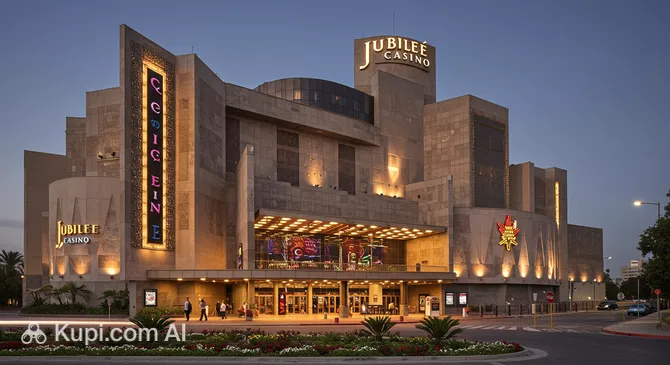
If you are looking for specific venues to experience the local flavor, RAGNAROK Restaurant & Bar is a popular spot that combines a distinct atmosphere with a great selection of drinks, making it a solid choice for starting your evening. For those who prefer a mix of excitement and entertainment, the Jubilee Casino is one of the largest in the city, offering not just gaming but also live shows and a restaurant, operating 24 hours a day.

Jubilee Casino. Source: Kupi.Binoculars

When planning your night out, keep in mind that the party starts late in Monterrey. Bars typically fill up around 10:00 PM, while clubs do not get busy until after midnight. For transportation, it is highly recommended to use ride-sharing apps like Uber or Didi rather than hailing taxis on the street, especially at night. These services are reliable, trackable, and widely used by locals. While areas like Barrio Antiguo and San Pedro are generally safe for walking between venues, it is always wise to stay in well-lit, populated zones.

Beyond the nightlife, Monterrey offers plenty of daytime entertainment options for families and leisure travelers. KidZania provides a unique interactive experience for children, allowing them to role-play various professions in a mini-city. For nature enthusiasts seeking adventure without leaving the urban area, the Amazon Expedition Park offers fun outdoor activities. Whether you are exploring museums by day or dancing the night away, the city's entertainment landscape is diverse and engaging.

Parks & Museums

Monterrey offers a fascinating mix of natural wonders and intellectual pursuits, providing a well-rounded experience for any traveler. Beyond its busy avenues and business districts, the city is surrounded by majestic peaks and filled with cultural institutions that preserve the region's unique identity. Whether you are looking to escape into nature or dive into history, there are plenty of spaces designed to inspire and relax.

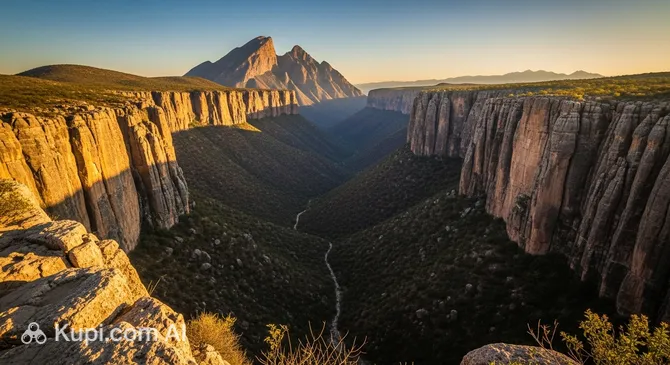
For those seeking a dramatic encounter with nature, La Huasteca National Park is an absolute must. Located within the Cumbres de Monterrey National Park, this area is famous for its stunning limestone rock formations that rise vertically from the ground. It is a paradise for rock climbers, cyclists, and photographers who come to admire the rugged canyon scenery just a short drive from the city. The sheer scale of the cliffs creates a breathtaking backdrop that feels worlds away from the urban sprawl.

La Huasteca National Park. Source: Kupi.Binoculars

If you prefer a more tranquil and green setting within the city limits, Rufino Tamayo Park offers a peaceful retreat. Situated in the upscale San Pedro area, this beautifully landscaped park is perfect for a leisurely afternoon walk or a picnic. It features lush lawns, modern sculptures, and designated areas for pets, making it a favorite spot for locals to unwind. For a deeper immersion in the local flora, La Estanzuela Natural Park provides shaded hiking trails along a creek, leading to small waterfalls that are incredibly refreshing during the warmer months.

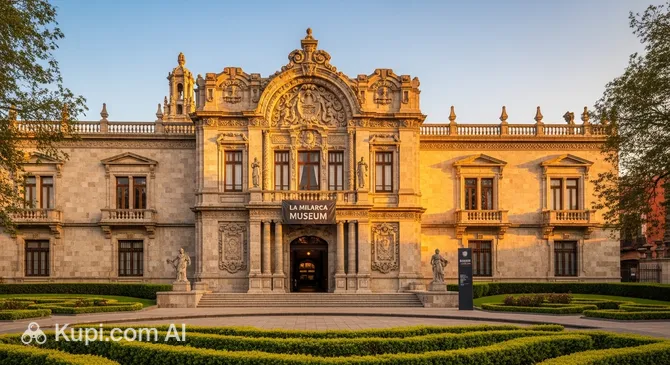
Monterrey's cultural scene is equally impressive, boasting institutions that cater to diverse interests. A recent and unique addition to the city's offerings is La Milarca Museum. This eclectic venue houses a private collection that includes everything from paleontological fossils and numismatics to Renaissance art. The architecture of the building itself is a work of art, featuring intricate ceilings and arches that transport visitors to another era.

La Milarca Museum. Source: Kupi.Binoculars

Sports fans will find a special home at the Mexican Baseball Hall of Fame. Located within the Fundidora complex, this museum celebrates the country's deep love for the sport with interactive exhibits, memorabilia, and a batting cage. It is a fun and educational stop that highlights the heroes of Mexican baseball. For art and history enthusiasts, the Colegio Civil serves as a vital cultural center. Housed in a historic building, it hosts art exhibitions, theater performances, and literary events, standing as a testament to the city's academic and artistic heritage.

For a family-friendly outing that combines nature with wildlife, consider a visit to La Pastora Zoo. It offers a chance to see various animal species in a setting that utilizes the natural vegetation of the area, providing a nice break from the concrete jungle.

Getting Around

Navigating Monterrey is relatively straightforward thanks to a public transport system that is currently undergoing significant modernization. The backbone of the city's transit is the Metrorrey, a light rail system that is efficient, safe, and remarkably affordable. It consists of three lines that connect key areas, including the downtown district, the bus terminal, and major parks like Fundidora. Most of the network is elevated, offering passengers interesting views of the city and the surrounding mountains while avoiding street-level traffic.

Complementing the metro is the Ecovía, a Bus Rapid Transit (BRT) system that runs in dedicated lanes, making it faster than regular traffic. For areas not covered by rail or BRT, there is an extensive network of urban buses known as "rutas." While these buses cover nearly every corner of the metropolitan area, the system can be complex for first-time visitors due to the sheer number of routes. Recently, the city has introduced new, green "Muevo León" buses which are more comfortable and technologically advanced than the older units.

The payment system in Monterrey is shifting rapidly towards digital solutions. While some older buses still accept cash (exact change is required), the Metro and the new bus lines primarily use the Tarjeta Me Muevo (often referred to as the MIA card) or the Urbani app. The Urbani app is particularly convenient for tourists; you can download it, link a credit card, and generate a QR code to scan at turnstiles and bus readers. Fares are very low by international standards, typically costing just a few pesos per ride, with integrated fares available for transferring between the metro and specific bus lines.

Public transport generally operates from around 5:00 AM to midnight, though hours can vary slightly on weekends and holidays. If you plan to use the metro or buses, it is advisable to avoid peak rush hours (roughly 7:00 AM to 9:00 AM and 6:00 PM to 8:00 PM), when the system can become extremely crowded. Tickets or rechargeable cards can be purchased at station vending machines, often found at the entrance of metro stations.

For many tourists, especially those traveling in groups or at night, ride-hailing apps are the most practical alternative. Services like Uber and DiDi are widely available, safe, and often more convenient than navigating bus routes. They eliminate the language barrier regarding destinations and handle payment automatically. Traditional green and white taxis are also available and can be hailed on the street, but it is recommended to use a meter or agree on a fare beforehand if you choose this option.

While not a primary mode of commuter transport, the city also features the Teleférico (cable car) near the Grutas de García, though this is more of a tourist attraction than a way to get around town. Additionally, within Fundidora Park and the Santa Lucia Riverwalk, small boats and rented bicycles offer a scenic way to move between specific cultural attractions, providing a relaxing break from the bustle of the main city streets.

Accommodation

Where to Stay:

Accommodation in Monterrey is as diverse as the city itself, catering heavily to business travelers while offering excellent options for leisure tourists. The range spans from ultra-modern luxury skyscrapers and international hotel chains to charming boutique hotels and budget-friendly hostels. Whether you prefer the convenience of the city center or the exclusivity of upscale districts, you will find lodging that suits your style and budget.

For those interested in history and sightseeing, the Downtown (Centro) area is the most convenient choice. Staying here places you within walking distance of key attractions like the Macroplaza and the museums. It is a bustling zone where you can easily access public transport. A prominent landmark in this area is Pabellón M, a massive mixed-use complex that defines the skyline; staying near such hubs ensures you are never far from dining and entertainment options.

Pabellón M. Source: Kupi.Binoculars

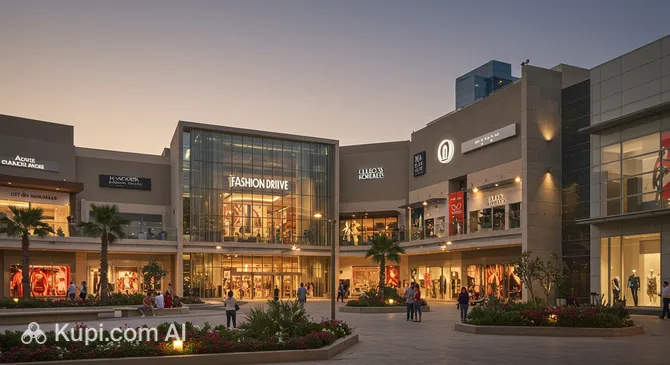
If you are seeking luxury and a more sophisticated atmosphere, the municipality of San Pedro Garza García is the place to be. Often considered one of the most affluent areas in Latin America, it is home to high-end hotels, exclusive nightlife, and premium shopping centers like Fashion Drive. While it is further from the historic center, it offers a safer, more polished environment perfect for travelers who enjoy comfort and style.

Another popular area is around Fundidora Park. This location is ideal for families and event-goers, as it provides easy access to the park's green spaces and the Cintermex convention center. It offers a good middle ground with modern amenities and quick connections to other parts of the city via the riverwalk or metro.

Booking Tip: Since Monterrey is a major industrial hub, accommodation can fill up quickly during the week with business travelers and during weekends with visitors for music festivals. It is highly recommended to book your stay at least a few weeks in advance to secure the best rates.

Price Range and Booking: Prices vary significantly by neighborhood. San Pedro is generally the most expensive area, offering luxury experiences, while the Downtown area provides a wider range of mid-range and budget options. Booking is easily done through major online travel platforms, though checking directly with establishments can sometimes yield special weekend packages.

Nearby Cities

For those looking to explore the surroundings, Monterrey serves as an excellent base for day trips to several interesting nearby locations:

One of the most rewarding excursions is to Saltillo, the capital of the neighboring state of Coahuila. Located just over an hour's drive away, this city is renowned for its rich history, colonial architecture, and the world-class Desert Museum (Museo del Desierto), which features extensive paleontological exhibits. It is also famous for the production of the sarape, a colorful traditional Mexican shawl.

Closer to the city center, the municipality of Guadalupe offers its own distinct attractions. It sits at the foot of the iconic Cerro de la Silla, making it the primary access point for hikers looking to conquer the mountain's trails. Additionally, it is home to the Estadio BBVA, one of the most modern and beautiful soccer stadiums in Latin America.

For nature enthusiasts, Santa Catarina is another essential stop. While part of the metropolitan area, it serves as the gateway to the spectacular La Huasteca Canyon. This area is a haven for rock climbers, cyclists, and photographers who come to admire the dramatic limestone cliffs that tower over the landscape.

City Population Distance (km)
Saltillo 864,431 72
Guadalupe 691,931 10
Apodaca 523,370 16
San Nicolas de los Garza 443,273 8
Santa Catarina 306,322 13

These nearby destinations offer a glimpse into the diverse culture and landscapes of the region.

Shopping & Souvenirs

Shopping in Monterrey offers a vibrant mix of traditional Mexican culture and modern luxury. As a major industrial and commercial hub, the city caters to all tastes and budgets, ranging from bustling open-air markets selling local handicrafts to glittering multi-story complexes housing international designer brands. Whether you are looking for authentic regional goods or the latest fashion trends, the "Sultan of the North" provides a diverse retail experience.

For those who enjoy walking and window shopping, the pedestrian area of Morelos Street (Plaza Morelos) in the city center is the place to start. This lively strip is lined with shoe stores, clothing boutiques, and department stores, often accompanied by the sounds of street musicians. It connects seamlessly with the Macroplaza, making it an easy stop during a sightseeing tour. On the other end of the spectrum, the municipality of San Pedro Garza García features Calzada del Valle, an upscale avenue known for its exclusive boutiques and high-end showrooms.

The city is famous for its impressive shopping malls, which serve as major social hubs for locals. One of the premier destinations is Fashion Drive, located in the San Pedro district. This modern complex offers a wide array of luxury brands, excellent dining options, and entertainment facilities, making it a favorite for a full day of leisure. Other notable centers include Plaza Fiesta San Agustín and Galerías Monterrey, both offering extensive retail choices in comfortable, air-conditioned environments.

Fashion Drive. Source: Kupi.Binoculars

To experience the authentic local atmosphere, a visit to Mercado Juárez is essential. Housed in an Art Deco building downtown, this market is a sensory overload of colorful piñatas, herbal remedies, and traditional food stalls. It is the perfect spot to find folk art, rustic ceramics, and everyday items used by the residents. On weekends, various flea markets (known as "tianguis") pop up around the city, offering everything from vintage clothes to antiques.

When it comes to souvenirs, Monterrey is renowned for its high-quality leather goods. The region's ranching heritage means you can find excellent cowboy boots, belts, and jackets at very competitive prices. Another popular gift is "Glorias," the traditional goat-milk and pecan candies wrapped in red cellophane, which are a sweet symbol of Nuevo León. For foodies, bringing back authentic machaca (dried shredded beef) or regional salsas is a great way to share the local flavor at home.

Most shopping malls and department stores are open daily from roughly 11:00 AM to 9:00 PM. Credit and debit cards are widely accepted in these establishments. However, if you plan to visit markets like Mercado Juárez or buy from street vendors, it is necessary to carry cash, preferably in smaller denominations (Mexican Pesos), as card terminals may not be available.

International tourists visiting Monterrey may be eligible for a tax refund on their purchases through the "Moneyback" program. This applies to goods purchased at participating affiliated stores, provided the total amount exceeds a certain threshold and you can present your passport and immigration form. Look for the "Tax Free" logo in shop windows and ask for the necessary paperwork at the checkout to process your refund at the airport before leaving the country.

Reached the end of the page?

That means the route is fully explored