Support

Nuevo Laredo

About

Nuevo Laredo is a dynamic city located in the northern part of the state of Tamaulipas. As a major port of entry, it serves as a vital connection point between the United States and Mexico. The city is defined by its energetic atmosphere and the constant flow of people and goods, making it a place where cultures seamlessly blend and interact on a daily basis.
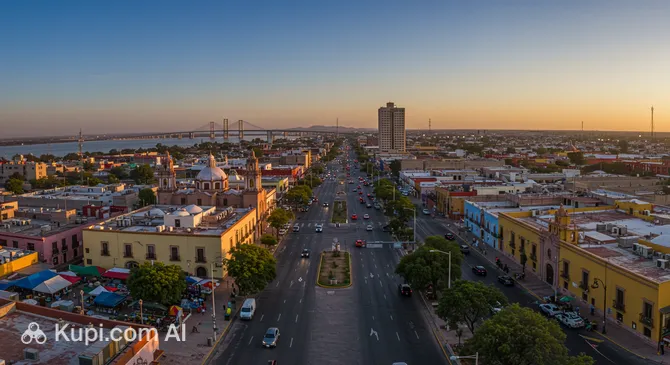
Nuevo Laredo. Source: Kupi.Binoculars

Situated on the southern bank of the Rio Grande, directly across from Laredo, Texas, the city enjoys a warm, semi-arid climate that characterizes much of the region. With a population of approximately 384,000 residents, it is a bustling urban center that retains a strong sense of local community. The history of Nuevo Laredo is particularly fascinating, as the city was founded by families who chose to move south of the river to remain Mexican citizens following the border changes in the 19th century, a testament to their deep patriotism.

Visitors to the city can explore the impressive Centro Cultural, a modern complex that houses a museum, theater, and library, offering a deep dive into the region's artistic and historical heritage. Nuevo Laredo is also celebrated for its authentic cuisine; travelers should not miss the opportunity to taste traditional Northern Mexican dishes, such as succulent carne asada or distinctively flavorful tacos found in local eateries. Additionally, the regional zoo offers a pleasant recreational space for families and nature enthusiasts.

Whether you are interested in cross-border culture, shopping for traditional handicrafts, or simply enjoying the local gastronomy, Nuevo Laredo offers a unique glimpse into life on the border. Its welcoming spirit and rich cultural tapestry make it an intriguing destination for those looking to experience the authentic heart of the region.
Weather Overview

Travelers planning a visit should be prepared for a climate that varies significantly between seasons. The weather in Nuevo Laredo is generally characterized by scorching summers and mild, comfortable winters. During the peak summer months of June, July, and August, the heat is intense, with average temperatures rising above 31°C and maximum highs frequently reaching 38°C.

In contrast, the winter season offers a respite from the heat. January is typically the coolest month, with average temperatures around 15.9°C and lows dropping to roughly 10°C. Precipitation is generally light throughout the year; however, you might encounter occasional showers, particularly in May and September, which tend to have about 8 wet days each.

Interesting Facts

Beyond the busy border crossings, Nuevo Laredo holds fascinating stories and unique cultural features that define its character. The city is rich in history and local pride, offering several surprising details that go unnoticed by the average traveler.
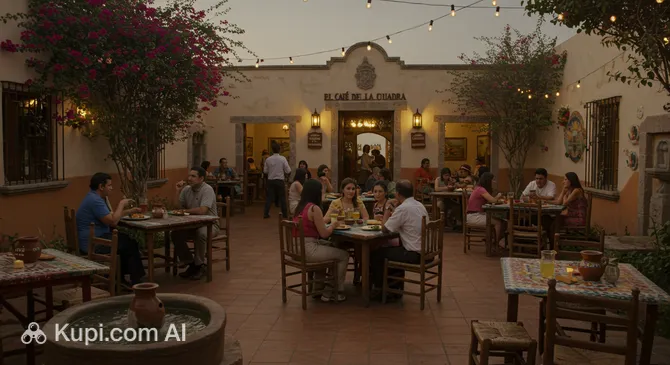
El Café de la Cuadra. Source: Kupi.Binoculars
  • A Binational Team: Nuevo Laredo is home to the Tecolotes de los Dos Laredos, widely considered the only professional baseball team in the world that plays its official home games in two different countries. The team splits its time between stadiums in Nuevo Laredo, Mexico, and Laredo, Texas, symbolizing the deep unity between the two sister cities.

  • The 17 Families: The city owes its founding to a profound act of patriotism. After the Treaty of Guadalupe Hidalgo in 1848 established the Rio Grande as the border, 17 families living on the north side dug up their ancestors' remains and crossed the river into Mexico to preserve their nationality. This event inspired the city's motto, "Siempre con la Patria" (Always with the Homeland).

  • Global Trade Hub: This border city is often cited as the busiest inland port in the Americas. It handles a massive portion of Mexico's international overland trade, with thousands of trucks crossing the World Trade Bridge daily, making it a critical artery for the North American economy.

  • Culinary Heritage: The region is famous for its authentic northern cuisine, particularly its high-quality beef and charcoal-grilled dishes. Traditional establishments like El Café de la Cuadra are cherished by locals for keeping these rich, savory flavors alive in a historic atmosphere.

How to Get There

Reaching this border city is relatively straightforward due to its strategic location connecting two nations. Travelers have several viable options for arriving by air, ranging from local regional flights to major international hubs nearby. For a comprehensive look at all available routes and transport methods, you can consult our detailed guide on how to get to Nuevo Laredo.

The most direct way to arrive is via the local Quetzalcoatl International Airport (NLD). Located just 4.3 km from the city center, it primarily serves domestic connections. Because of its proximity, a taxi ride to the downtown area is very quick, typically taking around 10 to 15 minutes.

Another popular option, especially for those coming from the north, is Laredo International Airport (LRD). It is important to note that this airport is not in Nuevo Laredo but in the city of Laredo, United States, situated approximately 11.4 km away. Travelers choosing this airport must cross the international border to reach their destination. The total travel time by taxi or shuttle can vary significantly depending on border wait times, but generally takes about 40 to 60 minutes.

For a wider range of international flights, many visitors choose Gen Mariano Escobedo Airport (MTY) in the city of Monterrey. This major hub is located about 196.3 km from Nuevo Laredo. It handles a large volume of passenger traffic and offers numerous connections. The journey from Monterrey to Nuevo Laredo by bus or car typically takes approximately 3 hours via the highway.

For clarity, here is a summary of the main airports serving the region:

Airport Name City Passenger Traffic Km from City
Gen Mariano Escobedo Airport Monterrey Large 196.3
McAllen International Airport McAllen Medium 194.4
Corpus Christi International Airport Corpus Christi Medium 204.7
Laredo International Airport Laredo Small 11.4
Quetzalcoatl International Airport Nuevo Laredo Small 4.3

Main Attractions

Exploring Nuevo Laredo offers a mix of cultural immersion, history, and authentic flavors. While the city is often seen as a transit point, it possesses several landmarks and spots that provide a deeper understanding of life on the border. From cultural centers to traditional markets, there are distinct places where tourists can appreciate the local heritage.

One of the most important stops for any visitor is the Centro Cultural Nuevo Laredo. This expansive complex serves as the heart of the city's artistic and historical life. Inside, visitors can explore the Museo Reyes Meza, which showcases regional art and history, including exhibits on the city's unique origins and the natural history of the Rio Grande region. It is an excellent place to escape the heat and learn about the area's rich past.

For those looking to take a piece of Mexico home, the Mercado Maclovio Herrera is a must-visit destination. This traditional market is filled with stalls selling colorful handicrafts, leather goods, jewelry, and typical Mexican souvenirs. It is also a lively spot to interact with local artisans and shopkeepers, offering a vibrant atmosphere that captures the spirit of the city.

Carnitas San Pancho. Source: Kupi.Binoculars

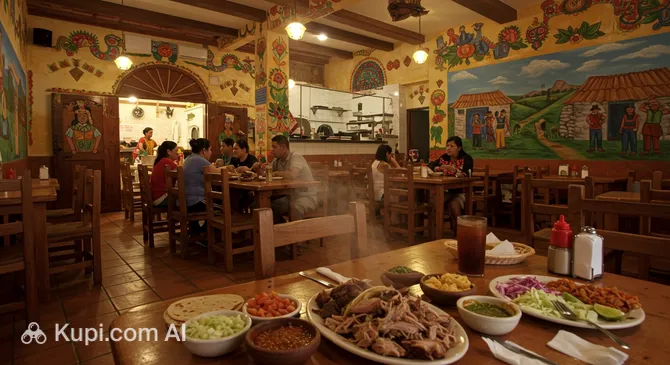
No visit to Northern Mexico is complete without indulging in its renowned cuisine. Carnitas San Pancho is a celebrated establishment that delights both locals and tourists. Known for its tender, flavorful pork dishes, this spot offers a genuine taste of the region's culinary traditions. It is a perfect place to enjoy a hearty meal and experience the friendly hospitality that defines the local dining scene.

Families and nature lovers often enjoy a trip to the Zoológico Regional de Nuevo Laredo. This zoo provides a green sanctuary within the city and houses a variety of species from around the world as well as local wildlife. It serves as an educational and recreational space, offering pleasant walkways and the chance to see animals in well-maintained habitats.

Local Cuisine

The culinary scene in Nuevo Laredo is a proud reflection of Northern Mexican heritage, where the grill takes center stage. The city is renowned for its high-quality beef, making carne asada (grilled meat) not just a dish, but a social ritual. Unlike the southern parts of the country where corn dominates, here you will typically find large, soft flour tortillas accompanying almost every meal, perfect for wrapping around sizzling cuts of arrachera (skirt steak).

Travelers looking for authentic regional specialties must try cabrito al pastor. This roasted young goat is a delicacy of the Tamaulipas borderlands, slow-cooked over charcoal until the meat is tender and the skin is crispy. Another staple is the fajita, a cut that gained global fame from this border region. The food here is characterized by robust, smoky flavors and generous portions that reflect the ranching history of the area.

To combat the intense desert heat, locals often turn to refreshing beverages. An ice-cold Mexican lager is the standard accompaniment to a barbecue, frequently served "dressed" as a michelada with lime, salt, and savory sauces. For something stronger, a shot of tequila or mezcal is customary. Non-alcoholic options are equally popular, with aguas frescas like horchata (rice water) or jamaica (hibiscus tea) providing sweet, cooling relief during the warm afternoons.

The dining culture ranges from casual street stalls selling tacos de barbacoa in the mornings to established family restaurants that have served the community for generations. It is a place where unpretentious, hearty flavors rule. Visitors can enjoy a rustic and inviting atmosphere at local favorites such as Carnitas San Pancho, where the focus is on preserving the genuine taste of home-cooked Mexican cuisine. Whether dining at a market stall or a sit-down venue, the hospitality in Nuevo Laredo is as warm as the flavors.

Travel Tips

Visiting Nuevo Laredo offers a fascinating look at life on the border, but like any bustling international gateway, it requires a bit of local know-how to navigate smoothly. To help you make the most of your trip and enjoy the city's unique blend of Mexican and American cultures, here are some practical tips to keep in mind.

  1. Clothing and Gear: Given the semi-arid climate, lightweight and breathable fabrics like cotton or linen are essential, especially if you visit during the scorching summer months. A wide-brimmed hat and high-SPF sunscreen are must-haves to protect against the intense sun. If you are traveling in winter, bring layers or a light jacket, as evenings can get surprisingly cool. Comfortable walking shoes are recommended for exploring the downtown areas and markets.

  2. Transportation: While local buses are available, they can be confusing for first-time visitors. The most convenient and secure way to get around is by using ride-hailing apps like Uber or DiDi, which allow you to track your route and pay digitally. Taxis are also plentiful, but it is advisable to agree on the fare before starting your journey or ensure the meter is running. If you drive, stick to main avenues and use secure parking lots.

  3. Finances: The official currency is the Mexican Peso (MXN), but due to the city's proximity to the US, US Dollars are widely accepted in many establishments. However, the exchange rate offered at shops may not be favorable, so it is often better to pay in pesos. Credit and debit cards are accepted at hotels and larger restaurants, but you should always carry cash for street food, taxis, or small souvenirs. Tipping 10-15% is standard practice in restaurants.

  4. Health and Safety: As with many border cities, it is important to stay alert. Stick to well-lit, busy tourist areas and avoid walking alone at night in unfamiliar neighborhoods. Pharmacies are abundant, with major chains like Farmacias Guadalajara often open 24/7. Always drink bottled water instead of tap water to avoid stomach issues, and ensure ice in drinks is made from purified water.

  5. Communication: Spanish is the primary language, but English is widely spoken and understood due to the constant cross-border interaction. Nevertheless, locals appreciate it when you use basic Spanish courtesies like "Buenos días" (Good morning) or "Gracias" (Thank you). For mobile data, you can easily purchase a SIM card at convenience stores like OXXO, which are found on almost every corner.

  6. Local Etiquette: People in Nuevo Laredo are generally warm and polite. It is customary to greet shopkeepers when entering a store and to say "Buen provecho" (Enjoy your meal) to other diners if you make eye contact while leaving a restaurant. Being polite and patient goes a long way here. Dress codes are casual, but modest attire is respectful if visiting any religious sites.

  7. What to Avoid: Avoid taking photographs of government buildings, police, or military personnel, as well as sensitive border infrastructure, as this is strictly prohibited and can cause unnecessary trouble. Also, refrain from flashy displays of wealth, such as wearing expensive jewelry or carrying large amounts of cash openly.

  8. Border Crossing Tip: If you plan to cross back into the United States via the bridges, be prepared for potential wait times. Traffic can be heavy, especially on weekends and holidays. It is a good idea to check official border wait time apps or local reports before heading to the bridge to plan your departure accordingly.

By keeping these practical tips in mind, you can focus on the vibrant culture, delicious food, and historical charm that Nuevo Laredo has to offer. With a little preparation and a sense of adventure, your visit to this dynamic border city will be a smooth and memorable experience.

Entertainment & Nightlife

As the sun sets over the Rio Grande, Nuevo Laredo transforms into a lively hub of activity, offering a distinct border nightlife experience. The city’s energy shifts from commercial bustle to a more relaxed and social atmosphere, where locals and visitors gather to enjoy music, food, and conversation. The nightlife here is defined by its authenticity; you are more likely to find traditional cantinas and family-run dance halls than polished, commercialized tourist traps.

The primary artery for evening entertainment is Avenida Vicente Guerrero. This bustling street is the heart of the city's downtown district and hosts a variety of establishments ranging from casual bars to energetic nightclubs. Walking along this avenue, you will hear the sounds of Norteño and Banda music spilling out onto the sidewalks, setting the rhythm for the night. For a slightly more upscale and quieter experience, the area around Paseo Colón offers modern restaurants and hotel bars where you can enjoy a cocktail in a sophisticated setting.

A perfect evening often begins with a hearty meal, which is an essential part of the local nightlife culture. El Café de la Cuadra is an excellent choice for those looking to immerse themselves in the region's history while enjoying a drink. Its traditional decor and inviting ambiance make it a favorite spot to start the night with friends. Later in the evening, if you are looking for authentic flavors that sustain the late-night crowds, Carnitas San Pancho offers some of the best pork dishes in town, serving as a popular stop for a satisfying meal after a few hours of exploring.

The atmosphere in Nuevo Laredo is generally casual and welcoming. Most venues do not have a strict dress code, though "smart casual" is appropriate for nicer bars on Paseo Colón. The nightlife typically peaks between 10:00 PM and 1:00 AM, especially on weekends. Prices are very reasonable compared to larger metropolitan areas or the US side of the border, making it affordable to enjoy a full night out with dinner and drinks.

When enjoying the nightlife, safety should be a priority. It is highly recommended to stick to the well-lit, populated areas of Avenida Guerrero and Paseo Colón. Avoid wandering into unlit side streets or unfamiliar neighborhoods late at night. For transportation, do not hail taxis on the street; instead, use reputable ride-sharing apps like Uber or DiDi, or ask your hotel or restaurant to call a radio taxi for you. This ensures a secure and trackable ride back to your accommodation.

Before the sun goes down, visitors can enjoy the city's daytime offerings to round out their trip. The Centro Cultural provides a dose of art and history, while the city's zoo and aquarium are great for a relaxing afternoon stroll. Whether day or night, Nuevo Laredo offers a unique glimpse into the vibrant culture of the northern border.

Parks & Museums

While Nuevo Laredo is primarily known as a bustling commercial hub, the city also offers a variety of green spaces and cultural institutions where visitors can relax and connect with the region's heritage. From expansive parks perfect for family outings to modern museums preserving local history, there are several spots that provide a welcome break from the urban energy.

One of the most beloved green spaces in the city is Parque Viveros. Considered the "lungs" of Nuevo Laredo, this extensive park is a favorite among locals for jogging, picnicking, and outdoor recreation. It is characterized by its large, shady trees and paved pathways. Within its grounds, you will find the regional zoo, making it a dual-purpose destination that combines nature walks with wildlife observation. It is an ideal spot for families looking to spend a quiet afternoon surrounded by greenery.

Another significant area is Parque Narciso Mendoza, often referred to as a classic meeting point for the community. This park is historically significant and is home to the iconic Reloj Floral (Floral Clock), a beautifully landscaped landmark that has become a symbol of the city. The park offers a more traditional plaza atmosphere, where visitors can sit on benches, enjoy the local climate, and observe the daily rhythm of life in the borderlands.

For those interested in the arts and history, the Centro Cultural Nuevo Laredo is the undisputed highlight. This striking modern architectural complex is the epicenter of the city's cultural scene. It houses the Museo Reyes Meza, named after the famous Mexican muralist, which displays a rotation of visual arts ranging from painting to sculpture. The center serves not just as a museum but as a vibrant venue for theater, dance, and workshops, reflecting the city's commitment to fostering the arts.

Inside the same cultural complex, visitors can explore the Museo de Historia Natural. This museum is particularly fascinating for its focus on the prehistoric era of the region. It features impressive exhibits of fossils and dinosaur replicas, educating visitors about the flora and fauna that inhabited the Rio Grande area millions of years ago. It is an educational stop that appeals to both children and adults interested in paleontology and natural sciences.

In terms of historical architecture, the Antigua Aduana (Old Customs House) stands out. This building is a testament to the city's long-standing role as a trade gateway. Recently restored and converted into a cultural space, its brick façade and classical design offer a glimpse into the late 19th and early 20th-century architectural styles that once defined the border region. It often hosts exhibitions and cultural events, merging historical ambiance with contemporary creativity.

For a truly local experience, take a stroll through Plaza Hidalgo in the historic downtown area. Surrounded by significant buildings like the Palacio Federal and the Church of the Holy Spirit, this square is the beating heart of the city's civic life. It is a place where history feels tangible, offering a perfect setting to admire the monuments dedicated to the city's founders and soak in the authentic atmosphere of Nuevo Laredo.

Getting Around

The public transport system in Nuevo Laredo is primarily road-based, relying heavily on a network of buses and taxis to serve the population. Unlike larger metropolitan areas, the city does not have a metro, tram, or light rail system. The layout of the city makes buses the most common mode of transit for residents, connecting the outlying neighborhoods with the bustling downtown area, industrial parks, and border crossings.

The local buses, frequently called camiones or urbanos, run on numerous fixed routes that crisscross the city. While they are an authentic way to experience local life, they can be somewhat confusing for first-time visitors due to the lack of strict schedules or comprehensive route maps. Destinations are typically painted on the windshields of the vehicles. If you choose to use the bus, be prepared for a functional rather than luxurious ride, as vehicles vary in age and condition.

Payment for public transport is almost exclusively cash-based. There are no complex travel cards, digital passes, or ticket machines for the bus network. You simply pay the driver upon boarding. The fares are very affordable, generally costing between 10 and 12 Pesos. It is crucial to carry small change, preferably coins, as drivers often cannot break large bills. Keep your ticket (a small paper slip) until you disembark, although inspections are rare.

For tourists, the most practical and recommended alternatives are taxis and ride-sharing services. Traditional taxis are plentiful, but it is advisable to use "Radio Taxis" or take one from a designated stand (*sitio*) rather than hailing them on the street for safety reasons. Ride-sharing apps like Uber and DiDi are widely available and are often the best choice for visitors. They offer the security of tracked rides, upfront pricing, and the convenience of paying with a credit card, eliminating the need to haggle over fares in Spanish.

Public transportation generally operates from early morning, around 6:00 AM, until roughly 10:00 PM. Service frequency drops significantly after dark. If you are traveling late at night, it is strongly recommended to rely on ride-sharing apps or have your hotel arrange a taxi. While the downtown area near the international bridges is walkable, distances to other attractions or shopping centers usually require a vehicle, and bike rentals are not a common part of the local transport infrastructure.

Accommodation

Accommodation in Nuevo Laredo primarily caters to business travelers, cross-border commuters, and those passing through on their way to the interior of Mexico or the United States. Consequently, the hospitality landscape is dominated by functional and convenient options rather than leisure-focused resorts. Visitors will mostly find a selection of reliable mid-range chain hotels, budget-friendly motels, and simple inns that offer essential amenities for a comfortable overnight stay.

When choosing a location, travelers typically opt for one of two main areas depending on their needs. The Historic Center (Centro) works well for those who need immediate access to the international bridges and want to be within walking distance of the border crossing. However, for a more modern and often quieter experience, the areas along Avenida Reforma and Paseo Colón are highly recommended. These major avenues host the city's most established hotels, offering secure parking, on-site dining, and easy access to the main commercial districts.

Prices in Nuevo Laredo are generally quite affordable, especially when compared to rates on the U.S. side of the border. Most accommodations fall into the budget to mid-range categories. While you won't find ultra-luxury five-star properties, the higher-end business hotels provide excellent value with pools, gyms, and business centers. It is advisable to book your room in advance through major online travel platforms, particularly if you are visiting during the week when business travel is at its peak. This not only guarantees availability but also allows you to review guest ratings regarding safety and service.

Nearby Cities

For those looking to explore the surroundings, Nuevo Laredo serves as an excellent base for day trips to several interesting nearby locations:

City Population Distance (km)
Reynosa 725,793 199
Apodaca 523,370 199
General Escobedo 299,364 201
Monclova 237,169 196
Piedras Negras 173,959 166

Among these options, Piedras Negras stands out as a culturally rich destination located just a short drive northwest along the border. Known famously as the birthplace of nachos, this city offers a welcoming atmosphere and attractions such as the Plaza de las Culturas, which features replicas of ancient Mexican pyramids and vibrant murals celebrating the country's heritage.

Another fascinating choice is Monclova, situated to the south in the state of Coahuila. Often called the "Steel Capital," it balances its industrial importance with surprising green spaces like the Xochipilli Park, a beautifully landscaped area perfect for relaxation. History enthusiasts will appreciate the Museo Coahuila y Texas, which delves into the shared history of the region.

These nearby destinations offer a glimpse into the diverse culture and landscapes of the region, making them well worth the journey for travelers seeking to expand their itinerary beyond the immediate border area.

Shopping & Souvenirs

General Overview: Shopping in Nuevo Laredo is a diverse experience that ranges from browsing traditional Mexican handicrafts to exploring modern retail centers. As a major border city, it has long been a popular destination for visitors seeking affordable goods, medical tourism, and authentic local products. The city offers a mix of bustling street-side commerce and air-conditioned malls, catering to both those looking for cultural souvenirs and everyday necessities.

Main Shopping Areas: The heart of the city's commercial activity for tourists is undoubtedly Avenida Vicente Guerrero. This historic avenue runs south from the international bridge and is lined with a variety of shops selling everything from leather boots and silver jewelry to curios and pharmaceuticals. It is a vibrant district where you can walk comfortably and browse numerous storefronts. Another key commercial artery is Avenida Reforma, which stretches through the city and hosts larger chain stores, supermarkets, and varied businesses, serving as the modern spine of local commerce.

Shopping Malls: For a contemporary shopping experience, Paseo Reforma is the most prominent destination in the city. This large shopping mall features a wide selection of national and international brands, a cinema complex, and a food court. It provides a comfortable, climate-controlled environment perfect for escaping the afternoon heat while browsing for clothing, electronics, and accessories. It is a favorite gathering spot for locals and offers a standard mall experience with a Mexican touch.

Markets: The crown jewel of traditional shopping in Nuevo Laredo is the Mercado Maclovio Herrera. Located conveniently near the downtown area, this market is the best place to find authentic Mexican crafts. It is filled with stalls offering colorful textiles, pottery, and handcrafted items. The atmosphere here is lively and welcoming, allowing visitors to interact directly with merchants and find unique items that reflect the artistic heritage of the region.

Souvenirs: When looking for gifts to take home, visitors are spoiled for choice. Leather goods are a specialty of the region, so look for high-quality belts, wallets, and cowboy boots. Talavera pottery, with its intricate blue and white designs, is another popular buy. Additionally, bottles of premium Tequila or Mezcal, along with pure Mexican vanilla extract, make for excellent and flavorful souvenirs that capture the essence of the country.

Opening Hours and Payment: Most shops in the downtown area and malls are open daily, typically from 10:00 AM to 8:00 PM, though some smaller boutiques may close on Sundays. While the Mexican Peso (MXN) is the official currency, US Dollars are widely accepted in Nuevo Laredo due to its border location. However, exchange rates in stores may not be as favorable as in banks or exchange houses. Credit and debit cards are commonly accepted in malls and larger establishments, but carrying cash is recommended for markets and smaller street vendors.

Tax-Free Shopping: International tourists visiting Mexico may be eligible for a tax refund on certain purchases made at participating stores through the "Money Back" program. To qualify, you generally need to spend a minimum amount and present your passport and immigration form during the purchase. It is advisable to ask store staff if they participate in this program and request the necessary paperwork if you plan on making significant purchases.

Reached the end of the page?

That means the route is fully explored