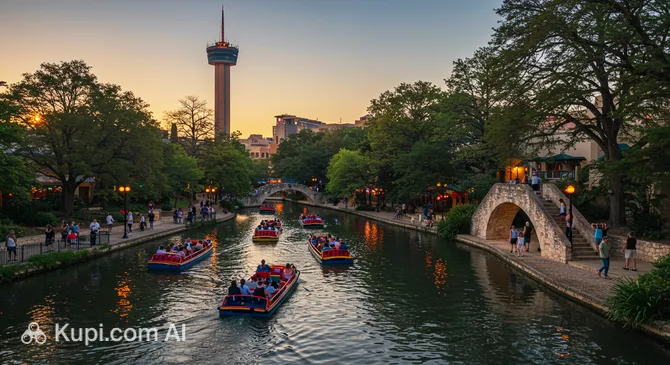
San Antonio captures the spirit of the Southwest like no other city, offering a unique fusion of history, culture, and modern entertainment. As one of the largest cities in the United States, with a population of nearly 2 million people, it serves as a vibrant cultural hub in south-central Texas. The city is renowned for its warm hospitality and an atmosphere that beautifully reflects its diverse heritage.
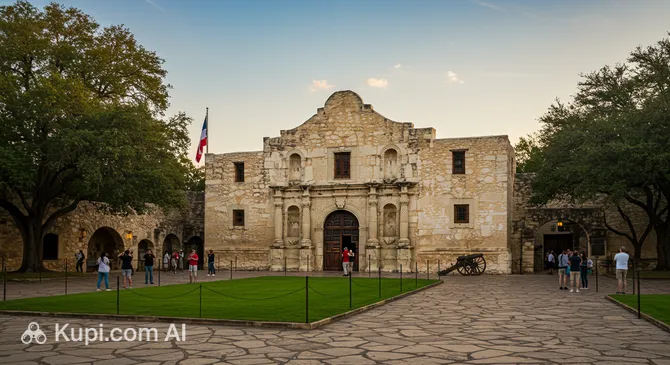
Deeply rooted in the past, the history of San Antonio is evident in its stunning colonial architecture and legendary landmarks. Visitors are often drawn to the 18th-century Spanish frontier missions, including the world-famous Alamo, which stands as a symbol of resilience and is a pivotal site in Texan lore. These preserved sites offer a fascinating glimpse into the region's storied background.
San Antonio. Illustration.
Source: Kupi.com AI
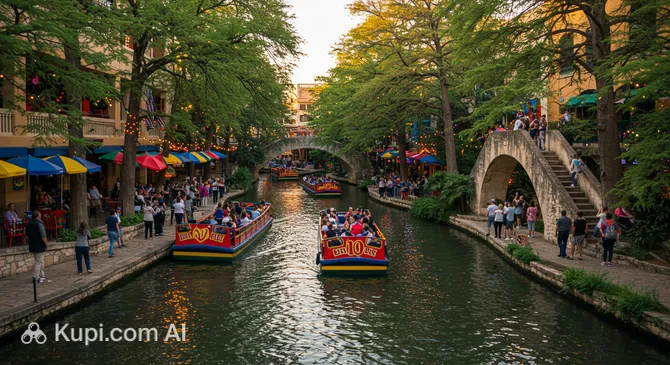
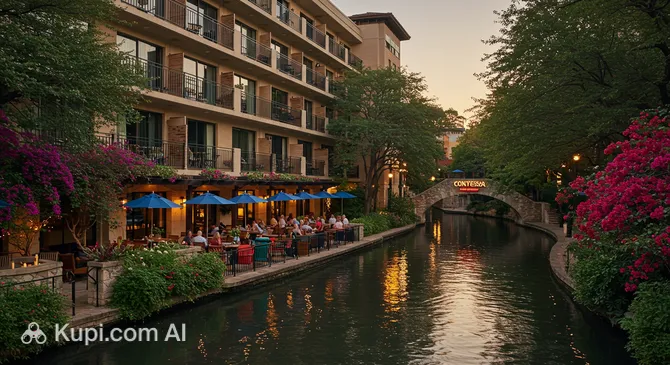
Beyond its historical significance, the city is celebrated for the San Antonio River Walk. This scenic urban waterway winds through the downtown area, lined with lush cypress trees, bustling restaurants, and charming shops, making it the perfect place for a leisurely stroll. Whether you are exploring the UNESCO World Heritage-designated San Antonio Missions or indulging in authentic Tex-Mex cuisine, this destination promises an unforgettable experience for every traveler.
Weather Overview
San Antonio offers a warm, inviting climate for most of the year, characterized by hot summers and mild winters. During the peak of summer in August, average temperatures rise to 30.5°C, with daytime highs often reaching 36.2°C, making it perfect for indoor attractions or water activities. Conversely, the winter months are gentle, with January seeing average temperatures of 12.3°C and lows comfortably staying around 6.7°C.
If you are looking for the best time to visit, it is worth noting the seasonal shifts. Expect hot summers with consistent warmth and cool, comfortable winters with generally lower precipitation. May tends to be the wettest month, recording about 14 wet days, while the rest of the year sees moderate rainfall frequency. For a complete breakdown of seasonal conditions, you can view the full report on the weather in San Antonio.
Average monthly temperature
Average monthly precipitation
Interesting Facts
Beyond the main attractions, San Antonio holds many fascinating secrets and historical oddities that often escape the casual visitor's notice. From culinary inventions to architectural feats, the city's backstory is as colorful as its streets.
One of America's favorite snacks, Fritos corn chips, was invented right here in 1932. Charles Doolin purchased the original recipe for fried corn chips from a local man for just $100 and began manufacturing them in his mother's kitchen, eventually building a snack food empire.
The city holds a remarkable record in engineering history involving the Fairmount Hotel. In 1985, the entire historic brick building, weighing roughly 1,600 tons, was lifted and rolled six blocks to its current location, setting a Guinness World Record at the time for the heaviest building ever moved on wheels.
The lush Japanese Tea Garden has a surprising industrial past. Before becoming a botanical paradise, the site was an abandoned limestone rock quarry and cement factory, which was transformed into the beautiful sunken garden you see today.
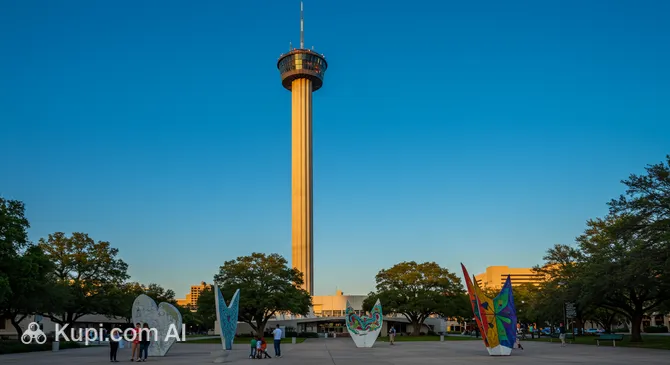
Constructed as the centerpiece for the 1968 World's Fair, known as HemisFair '68, the Tower of the Americas remained the tallest observation tower in the United States until 1996, symbolizing the city's connection to global culture.
Tower of the Americas. Illustration.
Source: Kupi.com AI
Traveler photos:
How to Get There
Reaching this vibrant Texan destination is convenient thanks to its well-connected transport infrastructure. Whether you are flying from afar or driving through the state, you have several options to choose from. You can find more about how to get to San Antonio and the specific routes available to suit your travel plans.
The most direct way to arrive is via San Antonio International Airport (SAT), which serves as the primary gateway to the region. Located just 12.3 km from the city center, this facility handles a significant volume of domestic and international flights annually. Once you land, the journey to downtown is quick and easy; a taxi or shuttle ride typically takes between 15 and 25 minutes.
Another popular option for travelers is Austin-Bergstrom International Airport (AUS), situated in the city of Austin. Although it is located approximately 117 km from San Antonio, it is a large hub with extensive flight connections. Visitors arriving here can rent a car or take a bus to reach San Antonio. The travel time by road is estimated to be around 1 hour and 15 minutes to 1 hour and 30 minutes, making it a viable alternative if you find better flight deals to the state capital.
For clarity, here is a summary of the main airports:
Besides air travel, San Antonio is accessible by rail and road. The city is a key stop on Amtrak's network, with the Texas Eagle and Sunset Limited lines providing scenic rail journeys from major cities like Chicago and Los Angeles. For those preferring to drive, San Antonio is a major hub on the interstate highway system, easily reached via I-10, I-35, and I-37, offering a flexible way to explore the Texas landscape at your own pace.
Main Attractions
San Antonio offers a wealth of historic and cultural sites that draw visitors from around the world. No visit is complete without stopping at The Alamo, the city's most iconic landmark. Located in the downtown area, this former Spanish mission became a fortress and the site of the legendary 1836 battle for Texan independence. Today, it stands as a museum and shrine, allowing guests to walk through the historic church and barracks while learning about the defenders who fought there.
The Alamo. Illustration.
Source: Kupi.com AI
Traveler photos:
Just a short walk from the historic center, the San Antonio River Walk offers a completely different atmosphere. This network of walkways sits one story below street level, winding along the banks of the San Antonio River. Lined with cypress trees, vibrant restaurants, and shops, it serves as a cool, scenic urban oasis. Visitors can explore on foot or take a narrated river barge cruise to see the city's architecture from the water.
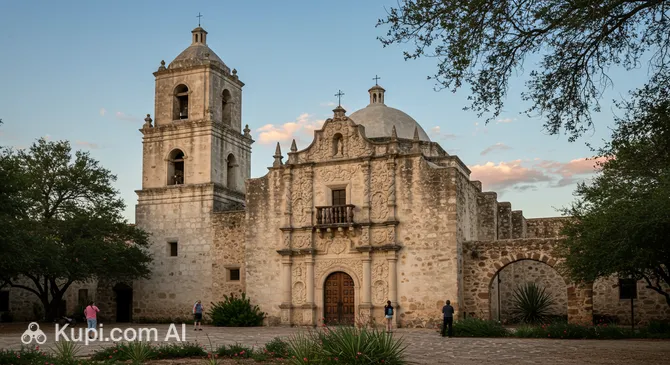
For those interested in the region's colonial heritage, the San Antonio Missions National Historical Park is a must-see. Designated as a UNESCO World Heritage Site, the park preserves four Spanish frontier missions—Concepción, San José, San Juan, and Espada. These 18th-century complexes are connected by a hike-and-bike trail and feature active parishes, offering a profound look into the area's spiritual and architectural past.
San Antonio Missions National Historical Park. Illustration.
Source: Kupi.com AI
Traveler photos:
Nature lovers and adventure seekers should head north of the city to explore the Natural Bridge Caverns. As the largest known commercial caverns in Texas, this underground wonder features massive chambers filled with spectacular limestone formations, including stalactites and stalagmites. The site offers various tours ranging from easy walking paths to adventure spelunking, as well as above-ground activities for families.
Another favorite for families is the San Antonio Zoo, located in the sprawling Brackenridge Park. The zoo is home to over 750 species and is dedicated to wildlife conservation and education. With interactive exhibits like the jagged limestone cliffs of the Africa Live! area and a fun miniature train that loops through the park, it provides an engaging day out for visitors of all ages.
Local Cuisine
San Antonio is widely recognized as a culinary powerhouse, holding the prestigious title of a UNESCO Creative City of Gastronomy. The city's food scene is a vibrant reflection of its heritage, blending Mexican traditions with Texan heartiness to create the world-famous Tex-Mex cuisine. For food lovers, this destination offers an explosion of flavors, from spicy chilies and savory meats to sweet, refreshing treats that define the local palate.
When it comes to signature dishes, the puffy taco is the undisputed king of San Antonio dining. Unlike traditional hard or soft shells, this local invention features a raw corn tortilla dough that is deep-fried until it puffs up, creating a light, crispy, and airy vessel for seasoned ground beef, lettuce, and cheese. Another essential culinary experience is the breakfast taco. Locals start their day with these warm flour tortillas filled with endless combinations like bacon and egg, bean and cheese, or potato and chorizo, available everywhere from humble street trucks to upscale cafes.
To wash down these savory meals, the Margarita is the drink of choice, with many establishments claiming to serve the best version in the state. For a truly local twist, try a Prickly Pear Margarita, distinguishable by its vibrant pink hue and sweet, fruity flavor derived from the local cactus fruit. On the non-alcoholic side, Big Red soda is a cultural icon here. This red cream soda is traditionally paired with barbacoa on Sundays, a ritual that many visitors happily adopt during their stay.
The atmosphere of dining in San Antonio is just as important as the food itself. The San Antonio River Walk is the epicenter of the city's social dining scene. Here, you can enjoy a meal under the shade of cypress trees while watching river barges glide by. The area is lined with colorful umbrellas and lively patios, making it the perfect spot to enjoy authentic guacamole and sizzling fajitas while soaking in the festive energy.
San Antonio River Walk. Illustration.
Source: Kupi.com AI
Traveler photos:
Beyond Tex-Mex, the city offers a diverse range of gastronomic experiences. For those craving premium cuts of meat in an elegant setting, Chama Gaúcha Brazilian Steakhouse provides an authentic churrascaria experience with succulent skewers served tableside. If you prefer a more laid-back vibe with outdoor seating and creative cocktails, Elsewhere Garden Bar & Kitchen is a fantastic spot to relax by the river, offering a whimsical garden setting that perfectly captures the city's friendly and welcoming spirit.
Travel Tips
Visiting San Antonio is an immersion into the heart of Texan hospitality, where deep-rooted history meets vibrant modern culture. To ensure your trip to the Alamo City is as smooth and enjoyable as possible, a little preparation goes a long way, especially regarding the local climate and customs.
Clothing and Gear: The most important factor to consider is the heat. Summers are intensely hot and humid, so pack lightweight, breathable fabrics like cotton or linen. However, indoor venues often blast air conditioning, so carrying a light sweater or jacket is a smart move. Comfortable walking shoes are essential for navigating the cobblestones of the River Walk and the unpaved paths at the Missions.
Transportation: Downtown San Antonio is very walkable, but the city sprawls outward. For exploring the historic missions, the VIA Metropolitan Transit offers a dedicated service called the VIVA Missions route (Bus 40), which is an affordable and convenient way to see the sites without a car. Ride-hailing apps are widely available, but if you plan to visit the Hill Country or theme parks on the outskirts, renting a car is recommended.
Finances: The local currency is the US Dollar (USD). Credit and debit cards are accepted almost everywhere, from museums to taco trucks. However, having a small amount of cash is useful for small tips or parking meters. Tipping is standard practice in the service industry; expect to leave 15-20% of the bill at restaurants and bars.
Health and Safety: The intense sun can be dangerous, so staying hydrated is non-negotiable; carry a water bottle at all times. In terms of safety, the tourist areas like the River Walk are generally well-patrolled and safe, but be mindful that the river paths often lack railings—watch your step, especially at night or after a margarita. Dial 911 for any emergencies.
Communication: English is the primary language, but you will hear Spanish spoken frequently due to the city's strong Mexican heritage. Knowing a few basic Spanish phrases like hola (hello) and gracias (thank you) is appreciated, though not necessary. Free Wi-Fi is often available in hotels and coffee shops, but having a mobile data plan is best for navigation.
Local Etiquette: Texans are known for their friendliness, so do not be surprised if strangers greet you with a smile or a nod. When visiting The Alamo, remember it is considered a shrine to those who died there. The atmosphere is solemn; men are expected to remove their hats inside the church, and loud voices or photography in sacred areas are often restricted.
What to Avoid: Never attempt to swim in the San Antonio River. While it looks refreshing, entering the water is illegal and unsafe. Additionally, avoid touching the ancient limestone walls of the Missions; the oils from your hands can damage these centuries-old structures.
Local Tip: To truly beat the heat and the crowds, plan your outdoor activities, such as visiting the San Antonio Missions National Historical Park, for the early morning. You will not only enjoy cooler temperatures but also capture the best light for photos before the midday sun becomes harsh.
By keeping these practical tips in mind, you will be well-equipped to navigate the city's unique blend of cultures and climates. Whether you are strolling along the shaded riverbanks or exploring colonial history, San Antonio promises a memorable and welcoming adventure.
Entertainment & Nightlife
As the sun sets over South Texas, San Antonio transforms into a vibrant hub of evening entertainment, offering everything from laid-back lounges to energetic dance floors. While the famous River Walk is beautiful by day, it truly comes alive at night with shimmering lights, live mariachi music, and bustling patios. However, the local nightlife extends far beyond the riverbanks. Districts like the St. Mary’s Strip are legendary among locals for their eclectic mix of dive bars, music venues, and food trucks, while the historic Pearl District offers a more upscale, trendy atmosphere perfect for craft cocktails and evening strolls.
For those seeking a sophisticated evening with fine tunes and premium drinks, Eddie V's is a prime destination. Known for its charismatic vibe, it combines the elegance of a premier dining spot with a lively lounge area that often features live jazz, making it an ideal start to a night out. If you are looking for a more high-energy experience later in the night, the Superstore Lounge offers a spirited club atmosphere where the music keeps the crowd moving. Alternatively, for a classic bar experience to unwind with friends, Embassy provides a welcoming environment to enjoy a few drinks.
Eddie V's. Illustration.
Source: Kupi.com AI
Traveler photos:
The atmosphere in San Antonio’s nightlife scene is generally relaxed and welcoming. Most bars and clubs on the St. Mary’s Strip have a casual dress code, embracing the city's unpretentious spirit, while venues at The Pearl or downtown hotel bars might require "smart casual" attire. Bars typically close at 2:00 AM, which is the standard legal closing time in Texas. Prices are reasonable compared to other major US cities; you can expect to pay around $6-$10 for a cocktail in most local spots, though high-end venues will charge more.
Navigating the city at night is relatively safe, especially in popular areas like downtown and Southtown. However, as with any large city, it is wise to stay aware of your surroundings and avoid poorly lit areas. Public transportation is less frequent late at night, so the most practical way to get around is by using ride-sharing services like Uber or Lyft. Taxis are also available, particularly near major hotels and the River Walk. If you are exploring the River Walk late, stick to the populated sections near restaurants and hotels.
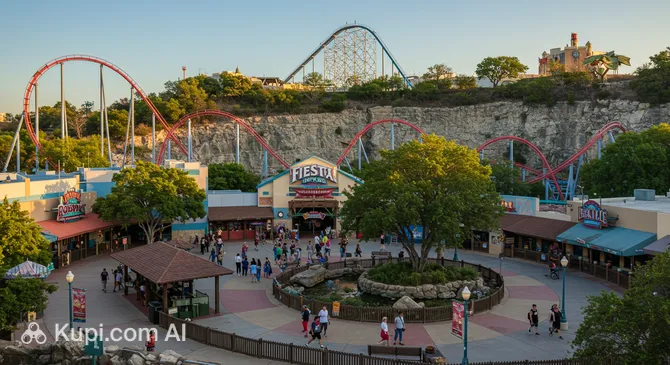
Before the nightlife begins, San Antonio offers plenty of daytime excitement to fill your schedule. Thrill-seekers should head to Fiesta Texas, a massive amusement park featuring world-class roller coasters and live shows. For a more educational yet fun experience, the Witte Museum explores nature, science, and culture in engaging ways. Families will also appreciate SeaWorld San Antonio, which combines marine life exhibits with exciting rides, ensuring that your days are just as action-packed as your nights.
Fiesta Texas. Illustration.
Source: Kupi.com AI
Traveler photos:
Parks & Museums
San Antonio seamlessly blends its rich heritage with vibrant outdoor spaces, offering visitors a chance to explore both lush landscapes and world-class cultural institutions. Beyond the bustling River Walk, the city is dotted with serene gardens, interactive museums, and historical landmarks that tell the story of South Texas in captivating ways.
For a peaceful escape into nature, the San Antonio Botanical Garden is a premier destination. Spanning 38 acres, this living museum features a diverse collection of native and exotic plants, formal gardens, and the futuristic Lucile Halsell Conservatory. It is a perfect spot for a leisurely walk, offering seasonal floral displays and educational trails that highlight the region's ecological diversity.
San Antonio Botanical Garden. Illustration.
Source: Kupi.com AI
Traveler photos:
Another gem is the Japanese Tea Garden, located within the larger recreational hub of Brackenridge Park. This enchanting site, transformed from an old limestone quarry, features a stunning 60-foot waterfall, koi-filled ponds, and stone arch bridges. It provides a tranquil atmosphere that feels worlds away from the city center, making it a favorite for photographers and those seeking a moment of zen.
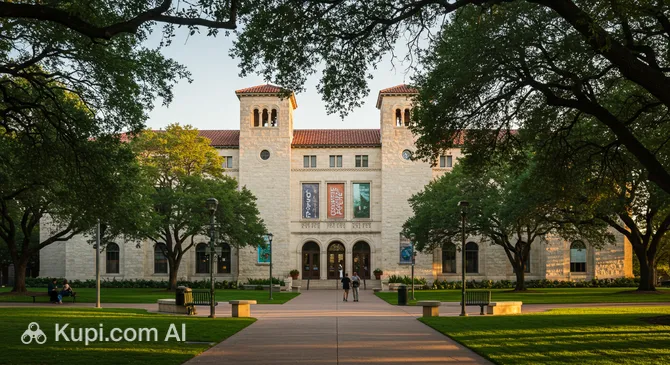
When it comes to museums, the city offers engaging experiences for all ages. The Witte Museum is dedicated to telling the stories of Texas, from natural history and science to local heritage. Situated on the banks of the San Antonio River, it features massive dinosaur exhibits, Texas wildlife dioramas, and interactive labs that make learning exciting for visitors. It serves as a cultural cornerstone where the past meets the present.
Witte Museum. Illustration.
Source: Kupi.com AI
Traveler photos:
For families traveling with children, The DoSeum is an unmissable stop. This museum for kids focuses on learning through play, with interactive exhibits covering science, arts, and literacy. If you are looking for something more avant-garde, Hopscotch San Antonio offers an immersive art experience. This gallery features large-scale light and sound installations created by local and international artists, providing a surreal and highly Instagrammable journey.
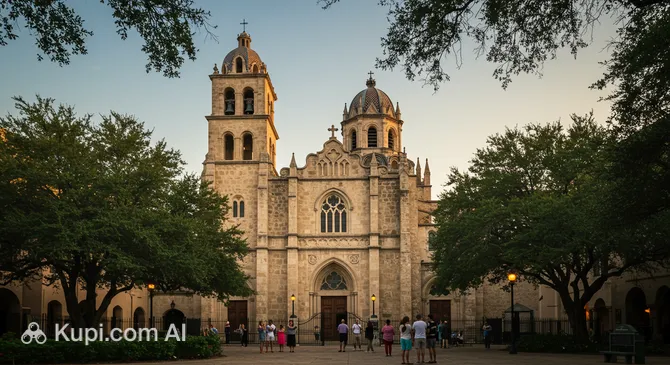
History enthusiasts should visit the San Fernando Cathedral. Founded in 1731, it is the oldest standing church building in Texas and continues to be an active parish. At night, the cathedral's façade becomes a canvas for "The Saga," a spectacular video art projection that narrates the history of San Antonio through light and music, drawing crowds to the main plaza.
San Fernando Cathedral. Illustration.
Source: Kupi.com AI
Traveler photos:
For a truly authentic and quieter experience, venture out to Mission Espada. As the southernmost mission in the National Historical Park, it is often less crowded than the famous Alamo or San José. Its ancient aqueduct and serene grounds offer a contemplative glimpse into the 18th-century Spanish colonial era. Alternatively, locals love Woodlawn Lake Park for a classic picnic by the water with a view of the lighthouse, away from the main tourist trails.
Getting Around
Public transport in San Antonio is primarily managed by VIA Metropolitan Transit, which operates an extensive and affordable bus network covering the city center and surrounding neighborhoods. While the city is spread out, the central tourist areas are well-connected. The system includes standard bus lines, "Prímo" rapid bus routes, and specific services designed to help visitors navigate popular attractions easily.
For tourists, the most convenient option is the VIVA bus service, which connects major cultural and historical sites. There are three distinct routes: VIVA culture (Route 11), which links Southtown, downtown, and the museum district; VIVA missions (Route 40), which travels from the Alamo to the UNESCO World Heritage missions; and VIVA centro (Route 301), which circulates through the heart of the downtown area. These buses are easily recognizable by their distinct branding and are a perfect way to sightsee without a car.
A truly unique mode of transport in San Antonio is the river shuttle system operated by GO RIO. Unlike the narrated tour cruises, these shuttles act as water taxis, transporting passengers along the San Antonio River Walk. They stop at key locations along the downtown loop and the Museum Reach section to the north. Look for the shuttle signs at river-level landings; these boats are color-coded or marked differently from the tour barges to avoid confusion.
Paying for transport is straightforward. You can pay with exact cash upon boarding, but the most practical method for travelers is the VIA GoMobile+ app. Through the app, you can purchase tickets instantly and validate them with your smartphone. A single ride typically costs around $1.30, but the best value for tourists is the One-Day Pass, which costs approximately $2.75 and allows unlimited rides on all VIA services for the day. Physical "goCards" are also available at information centers and select retail outlets.
Buses generally operate from early morning, around 5:00 AM, until late at night, typically ending service between 11:00 PM and midnight, though frequencies vary by route and day of the week. It is advisable to check the schedule or use a navigation app to plan your trips, as service on weekends or holidays may be reduced. Always validate your digital ticket before boarding and have it ready to show the driver.
For those who prefer active travel, the San Antonio BCycle program offers a bike-share system with docking stations located throughout downtown and along the Mission Reach trail. It is an excellent alternative for short trips between the missions or museums. Rideshare services like Uber and Lyft are also widely available and popular, offering a reliable alternative for reaching destinations not directly served by the VIVA routes or for late-night travel when bus frequency drops.
Accommodation
San Antonio offers a diverse array of accommodation options that cater to every type of traveler, from history buffs to families on a theme park adventure. The city’s lodging landscape ranges from historic luxury hotels that have hosted presidents to budget-friendly motels and charming bed-and-breakfasts tucked away in quiet neighborhoods. Whether you are looking for a lavish resort with a spa or a simple, comfortable room near the highway, the Alamo City has plenty of choices to suit your needs.
The most popular area for tourists is undoubtedly Downtown, specifically along the famous River Walk. Staying here places you within walking distance of major attractions like The Alamo, the arts district, and countless restaurants. It is the heart of the action and offers a unique atmosphere where you can step out of your lobby directly onto the scenic river banks. For families planning to visit SeaWorld or Six Flags Fiesta Texas, the Northwest side of the city (often called the Westover Hills area) is a convenient alternative, offering larger resort-style hotels with pools and easy access to the parks.
For those seeking a stay right in the center of the excitement, the River Walk San Antonio Hotel is a prime example of the city's hospitality. Locations like this allow guests to immerse themselves fully in the vibrant culture of the city, often providing stunning views of the river and immediate access to the bustling nightlife and dining scene just steps away.
River Walk San Antonio Hotel. Illustration.
Source: Kupi.com AI
Traveler photos:
If you prefer a more outdoorsy experience or are traveling with an RV, options like the Greenlake RV Resort on the outskirts provide a peaceful retreat with modern amenities. These types of accommodations are excellent for travelers exploring the wider Texas Hill Country or those who prefer a quiet base away from the downtown crowds.
Booking Tip: San Antonio is a major tourist destination, and hotels fill up quickly, especially during the spring for the massive Fiesta San Antonio festival or during the summer vacation season. It is highly recommended to book your accommodation at least a few months in advance if you plan to visit during these peak times. Prices can vary significantly; budget options typically start around $80-$100 per night, while mid-range and luxury stays near the River Walk can range from $150 to over $400 per night. Most bookings can be easily made via major online platforms or directly through hotel websites.
Nearby Cities
For those looking to explore the surroundings, San Antonio serves as an excellent base for day trips to several interesting nearby locations:
City
Population
Distance
Leon Valley
11 503
14 km
Helotes
8 937
23 km
Universal City
19 679
23 km
Schertz
41 607
27 km
Cibolo
31 489
30 km
Among the most popular destinations on this list is New Braunfels, located just a short drive northeast. Deeply rooted in German heritage, this city is famous for its historic district of Gruene and the legendary Gruene Hall, Texas' oldest dance hall. It is also a haven for water lovers, offering opportunities to float down the Comal and Guadalupe Rivers or visit Schlitterbahn, one of the world's best waterparks.
Further north lies the city of Kyle, which offers a charming slice of small-town Texas life. It has earned the nickname "Pie Capital of Texas," making it a delightful stop for culinary enthusiasts. The town serves as a gateway between San Antonio and Austin, providing a quieter atmosphere and easy access to the rolling landscapes of the region.
These nearby destinations offer a glimpse into the diverse culture and landscapes of the region, making them perfect for a quick getaway from the city center.
Shopping & Souvenirs
Shopping in San Antonio is a vibrant reflection of its multicultural heritage, offering a delightful mix of modern luxury and traditional charm. From upscale open-air lifestyle centers to bustling historic markets, the city provides a retail experience that caters to every taste and budget. Visitors can easily transition from browsing high-end designer fashion to hunting for authentic handcrafted Mexican goods within the same day.
For a unique local experience, the downtown area and the riverbanks are dotted with charming boutiques and souvenir shops. However, the crown jewel of cultural shopping is the Historic Market Square, often referred to as El Mercado. This three-block outdoor plaza is lined with shops and restaurants and is considered the largest Mexican market in the United States. It is the perfect place to immerse yourself in the local culture while browsing for colorful crafts, textiles, and art.
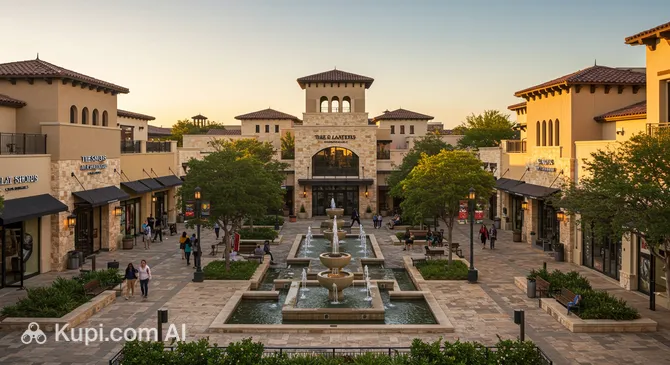
For a more modern retail therapy session, the city boasts impressive shopping destinations. The Shops at La Cantera is an award-winning open-air mall nestled in the foothills of the Texas Hill Country. It features a sophisticated collection of department stores and luxury boutiques set in a beautiful, garden-like environment, making it a favorite among locals and tourists alike.
The Shops at La Cantera. Illustration.
Source: Kupi.com AI
Traveler photos:
Another massive destination is The Rim, located nearby. This sprawling outdoor center offers a vast mix of popular fashion retailers, entertainment venues, and dining options. It serves as a one-stop spot where you can shop for the latest trends, catch a movie, or enjoy a meal, all in one convenient location.
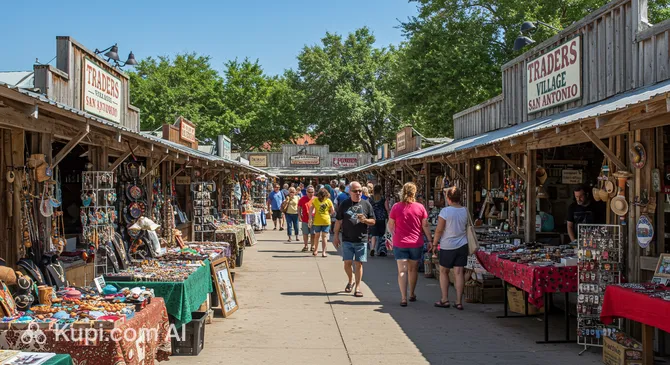
If you enjoy the thrill of the hunt and a lively atmosphere, Traders Village San Antonio is a must-visit. Often described as a combination of a flea market, festival complex, and theme park, it hosts hundreds of vendors on weekends. Here, you can find everything from rare collectibles and furniture to eclectic goods and bargain clothing.
Traders Village San Antonio. Illustration.
Source: Kupi.com AI
Traveler photos:
When looking for keepsakes to bring home, San Antonio offers plenty of distinctively Texan and Southwestern items. Authentic cowboy boots and Stetson hats are timeless choices. Visitors also love to purchase Talavera pottery, colorful Mexican embroidery, "Fiesta" flower crowns, and locally produced culinary treats like hot sauces or pecan pralines.
Most major shopping malls operate from 10:00 AM to 9:00 PM Monday through Saturday, with shorter hours on Sundays, typically from 12:00 PM to 6:00 PM. Independent boutiques and market stalls may close earlier, often around 6:00 PM. Credit and debit cards are widely accepted everywhere, although carrying some cash is advisable for smaller vendors at flea markets or food stalls.
International shoppers can also take advantage of the Texas Tax Back program. Texas allows international visitors to receive a refund on the state sales tax paid on merchandise purchased in the state and taken out of the country. To participate, look for tax refund centers in major shopping hubs like La Cantera or at the airport, and be sure to keep your original receipts and flight information handy.