Support

Del Rio

About

Located on the banks of the Rio Grande, Del Rio offers a unique blend of culture and natural beauty in the southern United States. Often referred to as the "Oasis of Texas," this vibrant city serves as a refreshing gateway to outdoor adventure and authentic border heritage. With a population of approximately 35,000 residents, it maintains a welcoming, small-town atmosphere while providing ample amenities for travelers exploring the vast landscapes of Val Verde County.

The city's geography is defined by its abundant water sources in an otherwise semi-arid region, creating a lush environment that has attracted settlers for centuries. Those interested in the region's development can dive deeper into the history of Del Rio, discovering stories of the railroad era, early pioneers, and the enduring influence of the nearby border.

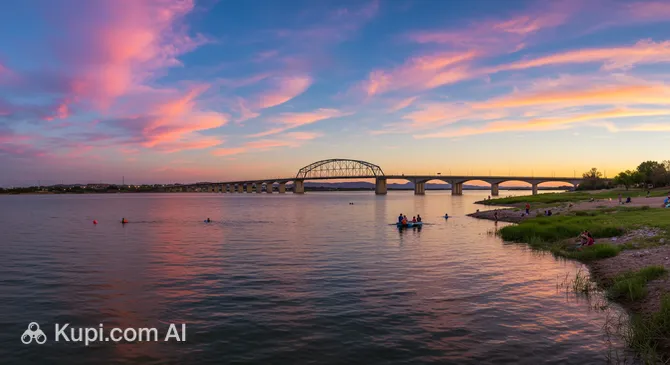
Del Rio. Source: Kupi.Binoculars

Del Rio is a paradise for nature lovers and outdoor enthusiasts. One of the main draws is the Amistad National Recreation Area, known for its excellent fishing, boating, and ancient Native American rock art. Within the city limits, the San Felipe Springs pump millions of gallons of crystal-clear water daily, feeding the picturesque San Felipe Creek which is perfect for swimming and picnicking. Additionally, visitors can explore the Val Verde Winery, the oldest continuously operating bonded winery in Texas, to taste award-winning local wines.

Whether you are looking to relax by the water, explore historic sites, or simply enjoy the warm climate, Del Rio invites you to experience its unique charm and hospitality.

Weather Overview

The climate in this region is generally characterized by hot summers and mild, comfortable winters. July and August are typically the warmest months, with average temperatures climbing to 31.2°C and daytime highs often reaching 36.6°C, making it perfect for water-based activities at the nearby springs and recreation areas.

Winters are much cooler but rarely freezing, with January seeing average temperatures of 12.5°C and lows around 6.5°C. Rainfall is minimal throughout the year, often recording just 1mm to 3mm of precipitation per month, though May can be slightly more humid with up to 9 wet days. To help you pack appropriately for your trip, it is helpful to check the weather in Del Rio before you go.

Interesting Facts

Beyond the main attractions, Del Rio holds many fascinating secrets ranging from eccentric radio history to inspiring underdog stories. This border city has been the stage for unique cultural moments that have left a lasting impact far beyond the Texas state lines.

  • The "Border Blaster" Legacy: In the mid-20th century, Del Rio was the operational base for powerful "border blaster" radio stations like XERA and XERF, located just across the river to bypass U.S. regulations. These stations broadcasted at up to one million watts—so powerful that signals could reportedly be heard in Canada and even picked up by metal dental fillings. This era launched the career of the legendary DJ Wolfman Jack, who became a global icon while broadcasting from the region.

  • Home of the "Mustang Miracle": Del Rio is the setting for the incredible true story behind the film The Long Game. In the 1950s, five Mexican-American caddies from San Felipe High School, who were barred from playing at the local all-white country club, built their own rudimentary golf course in the mesquite brush. Despite lacking resources, they went on to win the 1957 Texas State High School Golf Championship, a victory that remains a proud part of local lore.

  • Texas' Oldest Winery: You might not expect to find a historic vineyard in this semi-desert climate, but Del Rio is home to the Val Verde Winery, the oldest continuously operating bonded winery in Texas. Established in 1883 by Italian immigrant Frank Qualia, the winery famously survived the Prohibition era by legally selling grapes for home winemaking and producing wine for church sacraments.

  • A Massive Natural Oasis: The San Felipe Springs are a geological marvel, pumping approximately 90 million gallons of crystal-clear water every single day. As one of the largest groups of springs in Texas, this natural aquifer creates a lush oasis in the arid landscape and has been the primary source of life and settlement in the area for thousands of years.

How to Get There

Reaching this scenic border city usually involves a combination of air travel and a scenic drive through the Texas landscape. While the journey requires some planning due to its remote location, the destination is well worth the effort. You can find more about how to get to Del Rio and explore all available transport options to help plan your itinerary.

The city of Del Rio does not have its own major commercial airport, so most visitors arrive via larger hubs in neighboring cities. The most significant gateway for travelers is San Antonio International Airport (SAT), located in San Antonio, approximately 236 km away. It is a large hub with numerous connections, and the drive to Del Rio typically takes about 2.5 to 3 hours by rental car or taxi. Alternatively, you can fly into Laredo International Airport (LRD) in Laredo, which is about 246 km from the city. For those coming from within the region, San Angelo Regional Airport (SJT) in San Angelo offers a closer but smaller option, situated roughly 224 km away.

For clarity, here is a summary of the main airports:

Airport Name City Passenger Traffic Km from City
San Antonio International Airport San Antonio High 236.0
Laredo International Airport Laredo Medium 246.4
Quetzalcoatl International Airport Nuevo Laredo Medium 249.9
San Angelo Regional Airport San Angelo Small 223.6

Main Attractions

Del Rio offers a surprising variety of attractions that blend outdoor adventure with deep-rooted history. From massive bodies of water to ancient cultural sites, the city provides unique experiences for every type of traveler.

Amistad National Recreation Area is the crown jewel of the region, known as an oasis in the desert. This massive reservoir, created by the Amistad Dam on the Rio Grande, is a paradise for water sports enthusiasts, offering world-class fishing, boating, and scuba diving in its clear blue waters. Beyond the lake, visitors can explore hiking trails or view ancient Native American rock art at sites like Panther Cave, making it a top destination for nature lovers.

For a fascinating look into the frontier past, the Whitehead Memorial Museum is a must-visit. Unlike traditional museums, this unique site is set up as a small pioneer village featuring over a dozen historic buildings, including a replica of the "Jersey Lilly" saloon. It is the final resting place of the legendary Judge Roy Bean, known as the "Law West of the Pecos," and offers immersive exhibits on everything from the Black Seminole Scouts to the era of border radio.

The city's lifeblood is visible at San Felipe Springs, a natural marvel that pumps millions of gallons of crystal-clear water every day. This lush area is perfect for a relaxing afternoon, with parks and swimming holes that provide a refreshing escape from the Texas heat. The San Felipe Creek Walk offers a scenic path for strolling or jogging, winding through the heart of the city alongside the cool, flowing waters.

Wine enthusiasts will appreciate a stop at the Val Verde Winery, the oldest continuously operating bonded winery in Texas. Established in 1883 by Italian immigrants, this historic vineyard survived Prohibition and continues to produce award-winning wines using grapes that thrive in the local climate. A visit here offers a taste of local heritage along with delicious samples in a charming, rustic setting.

Just a short drive west of the city, Seminole Canyon State Park & Historic Site offers a profound glimpse into human history. The park is famous for its majestic canyons and the Fate Bell Shelter, which houses some of North America's oldest and best-preserved prehistoric pictographs. Guided tours take visitors down into the canyon to see these ancient cave paintings up close, providing an unforgettable connection to the people who inhabited this land thousands of years ago.

Local Cuisine

The culinary landscape of Del Rio is a vibrant reflection of its location on the border between Texas and Mexico. The city offers an authentic Tex-Mex experience that is hard to rival, characterized by bold flavors, fresh ingredients, and generous portions. Food here is not just sustenance; it is a celebration of the region's bicultural heritage, where traditional Mexican recipes blend seamlessly with classic Southern comfort food.

When it comes to main dishes, breakfast tacos are a local staple that visitors simply must try. Often served on fresh, handmade flour tortillas, these are filled with ingredients like eggs, potatoes, chorizo, or barbacoa, making for a hearty start to the day. For lunch or dinner, the city is famous for its sizzling fajitas and cheesy enchiladas, often smothered in rich chili gravy. Being in Texas, you will also find excellent barbecue, with slow-smoked brisket and ribs taking center stage at several local smokehouses.

The beverage scene in Del Rio is equally distinctive, headlined by the historic Val Verde Winery. As the oldest continuously operating bonded winery in Texas, it produces award-winning wines from grapes that thrive in the local climate, such as the lenoir and blanc du bois. For those preferring non-alcoholic options, sweet tea is a ubiquitous refresher, while traditional Mexican sodas and aguas frescas (fruit waters) provide a cool, sweet respite from the desert heat.

Dining in Del Rio is generally a casual and welcoming affair. The food culture revolves around family-owned restaurants and unpretentious taquerias where the atmosphere is laid-back and friendly. Locals often frequent spots that have been serving the community for generations, creating a sense of shared history at the dinner table. Whether you are grabbing a quick bite at a roadside stand or enjoying a sit-down meal near the creek, the hospitality is as warm as the flavors.

Travel Tips

Planning a trip to Del Rio means preparing for a sun-soaked adventure where Texas charm meets the rugged beauty of the borderlands. To help you navigate the "Oasis of Texas" with ease, here are some practical tips to ensure your visit is smooth and enjoyable.

  1. Clothing and Gear: The climate is semi-arid, meaning summers are hot and require light, breathable fabrics like cotton or linen. A broad-brimmed hat, sunglasses, and high-SPF sunscreen are essential year-round. If you plan to hike in the nearby recreation areas, bring sturdy, comfortable walking shoes. For winter visits, pack layers, as mornings can be crisp while afternoons remain mild.

  2. Transportation: Renting a car is the most practical way to get around Del Rio and explore the sprawling Amistad National Recreation Area. While ride-sharing services may be available, they are not always reliable in this smaller city, and public transportation options are limited for tourist itineraries.

  3. Finances: The local currency is the US Dollar (USD). Major credit and debit cards are accepted at most hotels, restaurants, and supermarkets. However, it is wise to carry some cash for small purchases at local taco stands or independent shops. Tipping is standard practice; expect to leave 15-20% for good service at restaurants.

  4. Health and Safety: Del Rio is generally a safe community, but standard precautions should be taken. For emergencies, dial 911. The Val Verde Regional Medical Center is the primary facility for medical assistance. As a border city, you will see a significant law enforcement presence; this is normal and contributes to local safety.

  5. Communication: English is the primary language, but due to the city's location on the Mexican border, Spanish is widely spoken and understood. You will find that many locals are bilingual. Free Wi-Fi is commonly available in hotels and coffee shops, and major mobile networks offer good coverage within the city limits.

  6. Local Etiquette: The culture here is defined by warm, Southern hospitality. It is polite to greet people with a friendly "hello" or "howdy" when entering a shop or passing on the street. The pace of life is slightly more relaxed than in big cities, so patience and courtesy are highly valued.

  7. What to Avoid: Do not attempt to swim in the Rio Grande outside of designated recreational zones, as currents can be unpredictable and strict border regulations apply. Additionally, avoid trespassing on private land when exploring the countryside; always look for public access signs or purple paint markings on posts, which indicate "no trespassing" in Texas.

  8. Travel Documents: When driving north or east out of Del Rio to other parts of the United States, you will likely pass through a U.S. Border Patrol checkpoint. These are routine stops; simply have your passport or valid identification ready to show the agents to ensure a quick and hassle-free process.

By keeping these practical tips in mind, you will be well-equipped to relax and fully enjoy the unique culture and natural splendor of Del Rio. Pack your sense of adventure and get ready for a memorable Texan getaway!

Entertainment & Nightlife

While Del Rio may not have the high-energy club scene of a major metropolis, its nightlife reflects the city's warm, welcoming character. The evening entertainment here is centered around socializing, live music, and enjoying a cold drink in a relaxed atmosphere. The vibe is distinctly Texan, often featuring a mix of country tunes and local beats, with a crowd that ranges from locals unwinding after work to visitors soaking up the borderland culture.

The heart of the city's commercial activity, and consequently its evening life, runs largely along Veterans Boulevard. This main artery is where you will find a concentration of restaurants and bars that stay open late. Historic Main Street in the downtown area also offers a few spots where you can enjoy a quieter, more atmospheric evening. Unlike big cities with strict door policies, venues in Del Rio are generally casual; jeans and boots are the standard attire, and the mood is unpretentious and friendly.

For a taste of the local social scene, Mesquite Creek Outfitters is a standout destination. Located downtown, this unique venue blends a high-quality retail shop with a taproom, offering a selection of craft beers and wines in a rustic, comfortable setting. It is a favorite gathering spot for residents to converse and relax. If you are looking for energetic entertainment suitable for all ages, The Spot serves as the city's premier family center. Featuring a roller skating rink and arcade games, it offers a lively and fun alternative to the traditional bar scene for an active evening.

When planning a night out, keep in mind that options for public transport late at night are limited. Ride-sharing services may not be as readily available as in larger cities, especially after midnight, so it is highly recommended to have a designated driver or arrange a local taxi service in advance. Prices in Del Rio are generally very affordable compared to the state average. The city is safe for evening outings, particularly in the main commercial areas, though it is always wise to stay in well-lit zones and avoid walking alone in unpopulated areas late at night.

Before the sun goes down, Del Rio offers plenty of daytime entertainment to fill your itinerary. Visitors can catch the latest films at the local cinema or enjoy a round of bowling for some family-friendly fun. For those interested in arts and culture, the city occasionally hosts performances at the Paul Poag Theatre or community events that showcase local talent. Shopping enthusiasts can explore the boutiques downtown or visit the Plaza del Sol Mall for a mix of retail therapy and air-conditioned comfort.

Parks & Museums

Del Rio offers a delightful contrast between the rugged beauty of the South Texas brush country and the lush, inviting greenery fed by its natural springs. For visitors, this means easy access to refreshing outdoor spaces and a collection of cultural institutions that preserve the region's unique frontier spirit and artistic endeavors.

Moore Park is the city's premier urban green space and a favorite gathering spot for locals and tourists alike. Located directly along the banks of San Felipe Creek, this park serves as a cool respite from the heat, offering grassy areas for picnicking and direct access to the water for swimming. The park is famous for its "Blue Lake" swimming area, where the spring water is refreshing and clear, making it an ideal location for a relaxing afternoon dip or a scenic walk under the shade of mature pecan trees.

For those who enjoy hiking and history combined with nature, the Seminole Canyon State Park & Historic Site is an essential stop just west of the city. While known for its ancient rock art, the park also features miles of hiking trails that traverse the canyon rim, offering breathtaking views of the Rio Grande and the rugged desert landscape. It provides a stark, beautiful contrast to the lushness of the city springs and is a haven for photographers and birdwatchers looking to spot desert species.

In terms of cultural heritage, the Whitehead Memorial Museum stands as the guardian of Del Rio's history. Spanning over two acres, this unique museum is designed to resemble a pioneer village, comprised of more than 20 historic structures and exhibits. Visitors can wander through the grounds to see the original trading post of the legendary Judge Roy Bean and his opera house, the "Jersey Lilly." The museum also houses extensive collections related to the Black Seminole Scouts and early ranching life, offering a tangible connection to the Wild West.

Art enthusiasts should visit the Firehouse Art Gallery, managed by the Del Rio Council for the Arts. Housed in the city's historic old firehouse and city hall building, this venue is the cultural heartbeat of the visual arts scene. The gallery hosts rotating exhibitions featuring works by local and regional artists, ranging from painting and sculpture to photography. It also frequently organizes workshops and community events, making it a vibrant space to experience the contemporary creative side of the borderlands.

Another significant institution is the Laughlin Heritage Foundation Museum, dedicated to the history of the nearby Laughlin Air Force Base. This museum is a treat for aviation buffs, showcasing memorabilia, photographs, and artifacts that tell the story of the base's role in military history, including the Cold War era and pilot training programs. It offers a fascinating look at how the military presence has shaped the community's identity over the decades.

For a truly authentic local experience, take a stroll along the San Felipe Creek Walk at sunrise or sunset. This paved trail winds through the city alongside the flowing water and is a prime spot for birdwatching. Del Rio is situated on a major migratory path, and patient observers can often spot Green Kingfishers or Great Kiskadees right in the middle of town.
Getting Around

Public transport in Del Rio is quite limited compared to larger metropolitan areas, reflecting its nature as a smaller border community. The primary mode of public transit is the fixed-route bus service operated by the City of Del Rio Transportation Department. There is no metro, tram, or light rail system here. Instead, you will find a fleet of buses and shuttle vehicles that connect key residential areas with major commercial districts, the medical center, and downtown locations.

Regarding payment, the system is designed to be accessible. Fares are affordable, typically consisting of a nominal fee or a few dollars for a one-way trip. Payment is generally made in cash directly to the driver upon boarding. It is essential to carry the exact amount in coins or small bills, as drivers usually do not carry change. There are no complex digital ticketing apps or smart cards; the system relies on traditional, straightforward cash transactions.

For tourists relying on these buses, it is important to plan ahead. The service operates primarily during standard business hours on weekdays, with significantly reduced or no service on weekends and holidays. Frequencies can vary, so waiting times between buses may be longer than what you might expect in a big city. Route maps and schedules can typically be found at the city's transportation office or on the official city website, and it is advisable to check these in advance to ensure the bus aligns with your itinerary.

Given the limited scope of the bus network, most visitors find that alternative means of transport are necessary to fully explore the area, especially for reaching attractions like the Amistad National Recreation Area which are located outside the city center. Renting a car is by far the most popular and practical option, offering the freedom to travel at your own pace. Local taxi services are available and can be called by phone, and ride-sharing apps operate in the city, though availability may be sporadic during off-peak hours.

While there are no historic cable cars or underground trains, the city's layout is relatively spread out, making reliance on a single mode of transport difficult without a vehicle. Walking is pleasant and recommended in the historic downtown area or along the scenic San Felipe Creek Walk, but for general navigation across the city, a personal vehicle or taxi remains the most efficient choice for travelers.

Accommodation

Finding a place to stay in Del Rio is generally a straightforward and budget-friendly experience. The city primarily offers a selection of reliable mid-range chain hotels, affordable motels, and independent inns that cater to road trippers and outdoor enthusiasts. While you will not find ultra-luxury resorts here, there are plenty of comfortable options that provide modern amenities like swimming pools and complimentary breakfasts, which are perfect for cooling off after a day in the Texas sun.

For those looking for a more scenic or private experience, especially anglers and boaters visiting the Amistad National Recreation Area, there is a good selection of vacation rentals, cabins, and lodges located closer to the water. These options often feature extra space for gear and boat parking, making them ideal for groups or families planning an extended stay near the lake.

The majority of the city's hotels are conveniently clustered along Veterans Boulevard. Staying in this area places you right in the heart of the commercial district, with easy access to restaurants, supermarkets, and shopping centers. It is the most practical location for travelers who want to be close to city amenities while still being just a short drive from the airport and the border crossing. Alternatively, visitors who prefer a quieter atmosphere might look for accommodations on the northern edge of town, which offer quicker access to the recreational areas and hiking trails.

Booking Tip: Del Rio is a premier destination for bass fishing tournaments and hunting seasons. During these peak times, as well as on major holiday weekends, accommodations can fill up quickly. It is highly recommended to book your room or rental well in advance if you plan to visit during a tournament or in the spring and autumn months.

Travelers will find that accommodation prices in Del Rio are generally very reasonable compared to larger Texas cities. Most options fall into the budget to mid-range category. Booking is easily done through major online travel platforms, though direct booking with local lodges or vacation rental owners is also common for those seeking a more personalized stay near the reservoir.

Nearby Cities

For those looking to explore the surroundings, Del Rio serves as an excellent base for day trips to several interesting nearby locations:

Located just a short drive southeast along the river, Eagle Pass is the closest destination for a quick getaway. It is well-known for its rich border heritage and is home to the historic Fort Duncan. Many visitors are also drawn to the city for its entertainment options, including the popular Kickapoo Lucky Eagle Casino.

Although it requires a longer drive to the east, San Antonio is a major cultural hub that warrants a visit. It is famous worldwide for the historic Alamo mission and the vibrant River Walk, where travelers can enjoy boat rides, shopping, and exceptional dining. It offers a stark contrast to the quiet nature of Del Rio with its bustling urban atmosphere.

To the north lies San Angelo, a city that beautifully preserves its western history. It is home to Fort Concho, one of the best-preserved frontier forts in the country. The city also features a scenic river walk along the Concho River, which is unique for producing fresh-water mussels that contain purple pearls.

City Population Distance (km)
San Antonio 1,910,785 233
Laredo 256,748 248
San Angelo 100,330 236
Timberwood Park 33,506 237
Eagle Pass 28,367 83

These nearby destinations offer a glimpse into the diverse culture and landscapes of the region.

Shopping & Souvenirs

Shopping in Del Rio offers a relaxed and authentic experience that mirrors the city's friendly, small-town atmosphere. While you will not find high-end luxury fashion houses here, the city provides a satisfying mix of practical retail chains, western wear specialists, and charming local boutiques. Visitors can find everything from daily essentials to unique regional crafts that reflect the area's rich Texas-Mexico border heritage.

The primary hub for commercial activity is Veterans Boulevard. This bustling thoroughfare runs through the city and is lined with major national retailers, supermarkets, and convenience stores. It is the go-to destination for travelers needing to restock on supplies or looking for familiar brands. For a more traditional browsing experience, the historic Downtown area along Main Street offers a slower pace. Here, you can wander past restored buildings housing independent shops, antique stores, and small businesses that have served the community for decades.

For those who prefer an enclosed shopping environment, the Plaza del Sol Mall is the city's main shopping center. Located centrally, it features a variety of department stores, apparel shops, and specialty kiosks. It serves as a convenient one-stop destination where visitors can escape the Texas heat while browsing for clothing, jewelry, and gifts in air-conditioned comfort.

When it comes to finding unique keepsakes, Del Rio has several distinct options. The most iconic souvenir is a bottle of local wine from the Val Verde Winery. As the oldest continuously operating bonded winery in Texas, their vintages make for a perfect gift or memento. Additionally, given the region's cowboy culture, western wear is a popular purchase; visitors often look for high-quality leather boots, cowboy hats, and belts at local outfitters. Authentic Mexican handicrafts and artisanal goods are also commonly found in local shops, reflecting the cross-border cultural influence.

Standard store hours in the city generally run from 10:00 AM to 9:00 PM on weekdays and Saturdays, with reduced hours on Sundays, typically closing around 6:00 PM. Independent boutiques in the downtown area may close earlier, often around 5:00 PM or 6:00 PM. Payment is hassle-free, with major credit and debit cards widely accepted throughout the city, though carrying a small amount of cash is recommended for smaller vendors or local markets.

International visitors to Texas may be eligible for a sales tax refund on merchandise purchased for export. Texas offers a Tax-Free Shopping program for international travelers, which allows for a refund of the state sales tax paid on goods. To take advantage of this, look for stores that participate in the refund service and be sure to keep your original receipts and travel documents handy for processing at designated refund centers.

Reached the end of the page?

That means the route is fully explored