Support

Piedras Negras

About

Welcome to Piedras Negras, a dynamic city located in the northeastern state of Coahuila. Sitting right on the banks of the Rio Grande, opposite Eagle Pass, Texas, this border city serves as a vital gateway between the United States and Mexico. Known for its hospitality, clean streets, and orderly urban planning, it offers a unique blend of cultures that defines the northern frontier.

With a population of approximately 174,000 residents, Piedras Negras is a bustling urban center that retains a welcoming, community-focused atmosphere. The city experiences a semi-arid climate, characterized by hot summers and mild winters, making it an accessible destination year-round for travelers crossing the border or exploring the region.

Piedras Negras. Source: Kupi.Binoculars

One of the city's most delicious claims to fame is being the birthplace of the world-famous snack, nachos. Exploring the history of Piedras Negras reveals that this culinary icon was invented here in the 1940s by Ignacio "Nacho" Anaya, a legacy celebrated annually with the "International Nacho Festival." Beyond its culinary contributions, the city has a rich past rooted in coal mining and international trade.

Visitors should not miss the Plaza de las Culturas, an impressive park featuring scale replicas of ancient Mayan, Aztec, and Olmec pyramids, which pays homage to the country's diverse pre-Hispanic heritage. The Gran Plaza is another focal point, offering a perfect spot for a leisurely stroll near the international bridges, complete with fountains, sculptures, and a monumental Mexican flag that waves proudly over the border.

Whether you are visiting for business, medical tourism, or simply to enjoy authentic northern cuisine, Piedras Negras welcomes you with open arms. It is a friendly destination that perfectly captures the vibrant spirit of the borderlands, inviting travelers to discover its charm.

Weather Overview

Piedras Negras typically experiences a semi-arid climate, defined by distinct seasonal changes that range from sweltering heat to comfortable coolness. Travelers can expect hot summers with intense sun and generally mild, dry winters. For a comprehensive forecast and monthly breakdowns, you can view the detailed weather in Piedras Negras before your trip.

The summer months, particularly from June through August, are the hottest time of the year. During this period, average temperatures hover around 31°C to 32°C, with daytime highs frequently reaching up to 37.4°C in July. Rainfall remains minimal during the peak of summer, making it important to stay hydrated and protected from the sun if you are visiting then.

Winter brings a refreshing change, with temperatures dropping significantly between December and February. January is usually the coldest month, with an average temperature of 13.7°C and lows that can dip to around 7.5°C. Precipitation is scarce year-round, although May tends to be the rainiest month with up to 10 wet days, despite the overall rainfall volume remaining low.

Interesting Facts

Beyond its reputation as a welcoming border crossing, Piedras Negras holds several fascinating details that add depth to its history and culture. The city is not just a gateway but a place with unique origins and cinematic connections.
  • The city's name, which translates to "Black Stones," is a literal reference to the abundant coal deposits found on the surface along the banks of the Rio Grande in 1850. These "black stones" were the catalyst for the region's settlement and its subsequent development as a mining and industrial hub.

  • The rustic and atmospheric landscapes of the surrounding region served as a backdrop for the internationally acclaimed film Like Water for Chocolate (Como agua para chocolate). Filming locations included areas near Piedras Negras and Eagle Pass, bringing the magical realism of the story to life in this authentic northern setting.

  • Urban life in the city revolves around massive public spaces designed for community gathering. The Macroplaza II, connected to the Gran Plaza, forms one of the largest continuous town squares in northern Mexico, hosting concerts, fairs, and families enjoying the safe, vibrant atmosphere.

How to Get There

Reaching this border city is relatively straightforward, with several options available depending on your starting point. You can find more details and all ways to reach the city on our dedicated page. While Piedras Negras is a key entry point into Mexico, many international travelers choose to fly into larger regional hubs nearby and drive the remaining distance.

The city of Piedras Negras does not have a large international airport for long-haul commercial flights, so visitors often utilize Laredo International Airport (LRD) in Laredo, Texas. Located approximately 165 km from Piedras Negras, the journey by car or taxi typically takes around 2 hours and 30 minutes. Another viable option within Mexico is Quetzalcoatl International Airport (NLD) in Nuevo Laredo. It is situated about 168 km away, and the drive takes roughly 2.5 hours.

For those seeking more extensive flight connections, San Antonio International Airport (SAT) in San Antonio, Texas, serves as a major gateway. It is about 222 km from the city, with a travel time of approximately 3 hours by road. This airport handles a large volume of passengers and offers a wider range of international flights compared to the closer regional options.

For clarity, here is a summary of the main airports:

Airport Name City Passenger Traffic Km from City
San Antonio International Airport San Antonio Large 222.1
Laredo International Airport Laredo Medium 165.5
Quetzalcoatl International Airport Nuevo Laredo Medium 168.0
San Angelo Regional Airport San Angelo Small 295.7

Beyond air travel, Piedras Negras is easily accessible by land. It sits directly across the border from Eagle Pass, Texas, connected by international bridges that facilitate both vehicular and pedestrian traffic. Additionally, a network of buses connects the city to other major destinations within the state of Coahuila and the rest of Mexico, making it a convenient hub for overland travelers.

Main Attractions

Piedras Negras offers a variety of attractions that range from expansive public spaces to vibrant commercial centers and exceptional culinary spots. The city is designed for community interaction, with large plazas and modern facilities that welcome both locals and visitors. Whether you are looking to enjoy a relaxing walk, shop for local goods, or indulge in the famous northern Mexican cuisine, the city has several key points of interest to explore.

One of the most important urban spaces in the city is Macroplaza II. This extensive area serves as a central hub for social life and outdoor activities. It is an extension of the city's main square and features well-maintained gardens, sports facilities, and ample space for cultural events. Tourists often visit to experience the local atmosphere, watch families enjoying the evening, or simply to take a pleasant stroll in a safe and clean environment.

For those interested in shopping and leisure, El Mirador is a popular destination. Categorized as a shopping mall, it provides a convenient spot to find a variety of stores and services. It is a great place to take a break from sightseeing, do some shopping, or enjoy a casual meal in a comfortable setting. The center is a testament to the city's modern commercial development.

El Mirador. Source: Kupi.Binoculars

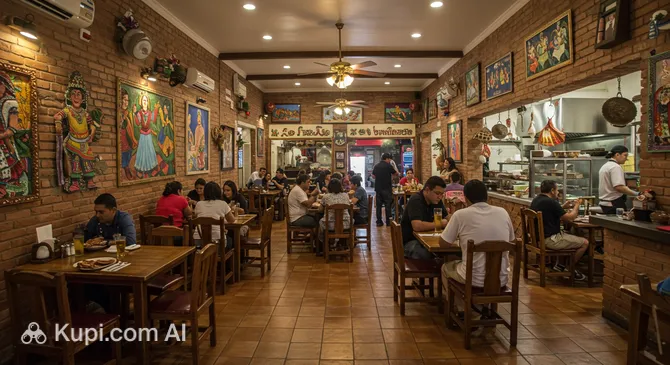
No visit to northern Mexico is complete without experiencing its renowned gastronomy, particularly its high-quality meats. Tierra Santa Restaurant is a standout choice for food lovers. This establishment is known for its excellent service and a menu that highlights the region's culinary traditions, making it a perfect spot to enjoy a hearty dinner after a day of exploring the city.

Tierra Santa Restaurant. Source: Kupi.Binoculars

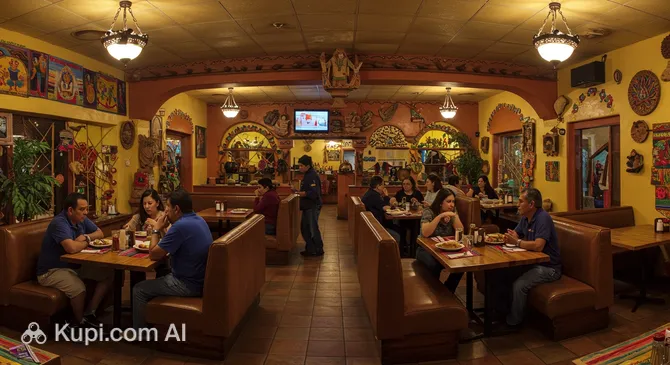
Another excellent option for dining and entertainment is Barrokas Restaurant & Bar. This venue combines a lively atmosphere with delicious food, appealing to those who want to experience the city's nightlife. Whether you are looking for a refreshing drink or a full meal, it offers a vibrant setting that captures the energetic spirit of Piedras Negras.

Local Cuisine

The culinary scene in Piedras Negras is a proud reflection of its Northern Mexican heritage, characterized by hearty flavors, high-quality meats, and a distinct "Tex-Mex" influence due to its proximity to the border. Unlike the corn-centric south, this region is famous for its love of wheat, meaning you will find excellent, large flour tortillas accompanying almost every meal.

As the birthplace of the nacho, the city holds a special place in gastronomic history. While you can find this snack worldwide, tasting the "Original Nacho" here is a unique experience. Local restaurants serve them in their traditional style—crispy fried tortilla triangles topped simply with melted cheddar cheese and a slice of jalapeño pepper. It is a humble yet iconic appetizer that locals take great pride in.

For the main course, beef is king. The state of Coahuila is renowned for its cattle ranching, making cuts of beef (cortes de carne) and carne asada (grilled meat) the staples of the local diet. Weekend cookouts are a cultural ritual, but visitors can enjoy premium steaks at various steakhouses throughout the city. Another regional specialty is cabrito (roast kid goat), often prepared al pastor (spit-roasted) and seasoned with local herbs.

Carnitas Uruapan. Source: Kupi.Binoculars

If you are looking for traditional Mexican comfort food, pork is also a highlight. Carnitas Uruapan is a popular spot to try authentic carnitas—tender, slow-cooked pork served with tortillas, salsa, and lime. Places like this offer a casual, friendly atmosphere where you can dine alongside locals enjoying a hearty lunch.

To wash down the savory flavors, locals often opt for a cold Mexican lager or a glass of Sotol. This distilled spirit, similar to tequila but made from the Desert Spoon plant native to the Chihuahuan Desert, offers a smoky and earthy taste that perfectly complements the rich, meaty dishes of the region. Refreshing aguas frescas (fruit waters) made from melon, lime, or hibiscus are also widely available for a non-alcoholic alternative.

Travel Tips

To ensure your visit to Piedras Negras is as enjoyable and seamless as possible, we have compiled a list of essential practical advice. Being a border city gives it a unique dynamic, so keeping these tips in mind will help you navigate the local culture and logistics with ease.

  1. Clothing and Gear: Given the semi-arid climate, lightweight and breathable fabrics like cotton or linen are essential, especially during the scorching summer months when temperatures soar. A wide-brimmed hat, sunglasses, and high-SPF sunscreen are mandatory accessories to protect against the intense sun. If you are visiting in winter, bring layers and a medium-weight jacket, as evenings can get surprisingly chilly. Comfortable walking shoes are recommended for exploring the Gran Plaza and riverwalk areas.
  2. Transportation: The most convenient way to get around the city is by using local taxis, often referred to as "radio taxis." They are affordable and plentiful; however, it is always wise to confirm the fare before starting your journey or ensure the meter is running. While ride-hailing apps are present in Mexico, their availability can fluctuate in smaller border cities, so having a taxi number handy is a good backup. Renting a car is useful if you plan to explore the wider Coahuila region, but for the city center, it is not strictly necessary.
  3. Finances: The official currency is the Mexican Peso (MXN). Due to its proximity to the US, US Dollars are widely accepted in many restaurants, hotels, and larger stores, though the exchange rate offered may not always be favorable. It is best to carry pesos for small purchases, street food, or taxi fares. International credit and debit cards are accepted in established businesses, and ATMs are easily found near the main plazas and shopping centers. Tipping 10% to 15% is standard practice in restaurants.
  4. Health and Safety: Piedras Negras is a popular destination for medical tourism, so you will find an abundance of high-quality pharmacies, many of which are open 24/7. Basic medical assistance is readily available and often has English-speaking staff. regarding safety, stick to well-lit, populated areas like the tourist zones and main avenues. As in any border region, it is advisable to be aware of your surroundings and avoid driving on isolated highways late at night.
  5. Communication: Spanish is the primary language, but English is spoken and understood more widely here than in the interior of Mexico due to the daily cross-border interaction. Learning basic phrases like "Buenos días" (Good morning) and "Gracias" (Thank you) is appreciated. For mobile data, you can buy a SIM card from a local carrier like Telcel at any OXXO convenience store to ensure you have reliable coverage and internet access.
  6. Local Etiquette: People in northern Mexico are known for their frankness and hospitality. A firm handshake is a common greeting, and it is polite to greet shopkeepers or waiters when entering an establishment. If you are invited to a social gathering, it is customary to arrive a little later than the stated time, but for business or medical appointments, punctuality is expected.
  7. What to Avoid: Do not take photographs of military personnel, police convoys, or security infrastructure at the border bridges; this is strictly prohibited and can lead to serious legal issues or confiscation of your equipment. Additionally, avoid drinking alcohol on public streets outside of designated restaurant areas or festivals, as public intoxication laws are enforced.
  8. Additional Tip: If you are crossing the border by car back into the United States, be prepared for potential wait times at the international bridges, especially on weekends and holidays. Locals often check bridge wait times via dedicated apps or radio reports before heading out. Also, if you visit in October, keep an eye out for the "International Nacho Festival," a fun local event celebrating the city's most famous culinary invention.

By keeping these practicalities in mind, you will be well-prepared to experience the warm hospitality and vibrant culture of Piedras Negras without any hassles. Enjoy the delicious food, the friendly locals, and the unique charm of this northern gateway!

Entertainment & Nightlife

Nightlife in Piedras Negras offers a vibrant mix of authentic Mexican culture and modern entertainment. Unlike the high-energy party scenes of coastal resorts, the evening atmosphere here is more social and community-focused, characterized by lively gatherings, live music, and excellent dining that transitions into late-night drinks. The city comes alive after sunset, particularly on weekends, when locals and visitors alike head out to unwind.

The heart of the action can often be found along the main commercial arteries, such as Avenida Emilio Carranza and the areas surrounding the city's major plazas. Here, you will find a variety of establishments ranging from sports bars and casual pubs to more upscale lounges. The musical backdrop is distinctly Northern, with many venues featuring live bands playing norteño, banda, or pop hits, creating a festive environment that invites everyone to sing along.

For those seeking a popular spot to experience the local scene, Barrokas Restaurant & Bar is a must-visit destination. It strikes a perfect balance between a restaurant and a nightlife venue, offering a spirited atmosphere where you can enjoy cocktails and music well into the night. It is a favorite among locals for celebrating special occasions or simply enjoying a Friday night out.

Barrokas Restaurant & Bar. Source: Kupi.Binoculars

If you prefer a more relaxed evening that centers around high-quality food before transitioning to drinks, Tierra Santa Restaurant is an excellent choice. While primarily known for its cuisine, its ambiance in the evening is sophisticated and welcoming, making it a great place to start your night. For a more casual, open-air experience, the area around Macroplaza II often bustles with activity, where you can find night vendors and families enjoying the cool evening air, offering a safe and pleasant environment for a night walk.

Regarding practicalities, the nightlife typically kicks off around 9:00 PM and can last until 2:00 AM, especially on Fridays and Saturdays. The dress code is generally smart-casual; jeans and a nice shirt are perfectly acceptable in most bars and clubs. Prices are reasonable compared to larger US cities across the border, making a night out quite affordable. Beer is the staple drink, but tequila and whiskey are also very popular.

Safety is a priority for visitors enjoying the night. The main tourist zones and commercial avenues are generally safe, but it is advisable to stick to well-lit, populated areas. For transportation, avoid walking long distances at night. Instead, use the reliable "Radio Taxis" which can be called from your hotel or venue. They are inexpensive and the safest way to get back to your accommodation.

Beyond the nightlife, Piedras Negras offers engaging daytime entertainment. Cultural enthusiasts can visit the Museo de la Frontera Norte to learn about regional history or catch a performance at the Teatro de la Ciudad José Manuel Maldonado, which hosts plays, concerts, and civic events. These venues provide a deeper look into the artistic and historical soul of this border community before the sun goes down.

Parks & Museums

Piedras Negras distinguishes itself from many other border cities through its exceptional dedication to public spaces and cultural preservation. The city is planned around expansive plazas and well-maintained parks that serve not only as recreational areas but also as open-air museums celebrating Mexican heritage. Visitors will find that these green zones are the heart of social life, offering a safe and educational environment for families and tourists alike.

One of the most fascinating locations is the Plaza de las Culturas. This unique park acts as a tribute to the three great pre-Hispanic civilizations of Mexico: the Mayas, the Aztecs, and the Olmecs. Walking through the grounds, you can admire scaled replicas of iconic structures such as the Pyramid of the Sun, the Pyramid of the 365 Niches, and the Castillo of Chichén Itzá. It also features a mural exploring the cultural history of the country, making it a perfect spot for those who want to appreciate Mexico's ancient past without traveling to the interior.

For history enthusiasts, the Museo de la Frontera Norte is an essential stop. Located within the Gran Plaza complex near the International Bridge I, this museum is housed in the historic former headquarters of the Customs agency. The exhibits provide a comprehensive look at the region's development, the history of the border, and the arrival of the railway. The Gran Plaza itself is a monumental space, home to one of the largest Mexican flags in the country, which stands as a proud symbol greeting those entering from the United States.

The city's commitment to outdoor recreation is best exemplified by its extensive "Macroplaza" system. Macroplaza II, along with its predecessor Macroplaza I, forms a massive urban corridor designed for community well-being. These parks are equipped with sports fields, playgrounds, and wide walking paths lined with trees. They are vibrant hubs of activity where locals come to jog, play soccer, or simply relax on the benches, offering visitors a glimpse into the peaceful daily life of the residents.

Another scenic area worth exploring is the Paseo del Río. situated between the two international bridges, this riverwalk offers pleasant views of the Rio Grande (Río Bravo). It includes gardens, playgrounds, and rest areas, providing a tranquil setting to walk along the natural border. The area is well-lit and guarded, ensuring a comfortable experience for an evening stroll while watching the sunset over the river.

Getting Around

The public transport system in Piedras Negras is straightforward and functional, designed primarily to serve the needs of local residents rather than tourists. Unlike larger metropolitan areas, the city does not have a metro, tram, or light rail system. Instead, the network relies entirely on a fleet of buses and a robust number of taxis, which are the most common ways for visitors to navigate the city if they do not have a personal vehicle.

The local bus service, often referred to as "rutas" or "camiones," consists of various routes that cover most neighborhoods and key commercial areas. These buses are easily identifiable, usually painted in specific colors corresponding to their route, with destinations and major stops written on the windshield. While they are an authentic way to experience local life, they can be somewhat confusing for first-time visitors due to the lack of formal maps or strict timetables at stops.

Payment for bus travel is cash-only. There are no electronic travel cards, mobile apps, or day passes available for the public transit system. You simply pay the driver directly upon boarding. The fare is very affordable, typically costing a small amount in Mexican Pesos. It is essential to carry coins or small bills, as drivers often do not have change for large denominations. Tickets are not usually issued; the payment covers a single ride.

For most tourists, taxis are the most practical and efficient alternative. In Piedras Negras, "Radio Taxis" are ubiquitous and generally safe. You can find them at designated stands (sitios) near major plazas, shopping centers, and the international bridges, or you can call a dispatch number to have one pick you up. While ride-sharing apps like Uber or Didi may operate in the region, their availability can fluctuate compared to the reliability of traditional local taxis.

When using taxis, it is important to clarify the fare before starting your journey. While some vehicles may be equipped with meters, it is common practice to agree on a price based on zones or destination, especially for longer trips or airport transfers. Fares within the city are generally reasonable. Always ensure you have enough cash, as credit card terminals are rarely available in standard taxis.

Walking is also a viable option if you are staying near the city center. The areas around the Gran Plaza, the International Bridges, and the historic center are pedestrian-friendly and best explored on foot. However, for distances beyond the downtown core, the heat and lack of continuous sidewalks in some outer areas make motorized transport necessary.

Public transport typically operates from early morning, around 6:00 AM, until approximately 9:00 PM or 10:00 PM. After these hours, bus services become very scarce, and taxis become the only reliable option. If you plan to stay out late enjoying the nightlife, ensure you have a taxi number saved in your phone or ask your restaurant to call one for you.

Accommodation

Finding a place to stay in Piedras Negras is straightforward, although the options reflect its character as a busy border city rather than a leisure resort destination. The accommodation landscape is primarily designed to cater to business travelers, medical tourists, and cross-border visitors. As a result, the city offers a solid selection of modern business hotels, reliable international chains, and functional budget motels. You will not typically find sprawling luxury resorts or all-inclusive properties here, but you can expect clean, comfortable, and well-equipped rooms suitable for short to medium stays.

For those interested in sightseeing and soaking up the local atmosphere, the most convenient area to stay is the Downtown (Centro) district, particularly near the Gran Plaza and the International Bridge I. Staying here places you within walking distance of the main cultural attractions, the historic market, and the riverwalk. It is a lively area where you can easily explore the city on foot.

Alternatively, if you are driving or visiting for business, the hotels located along the main commercial avenues, such as Avenue Emilio Carranza, offer excellent connectivity. This area is home to several well-known hotel chains and provides easy access to shopping centers, restaurants, and the city's industrial parks. These establishments often feature amenities like secure parking, business centers, and swimming pools, making them a practical choice for travelers seeking comfort and convenience.

Booking Tip: Since Piedras Negras is a key industrial hub, hotels can fill up quickly during the workweek (Monday through Thursday) with business professionals. It is highly recommended to book your accommodation in advance if you plan to visit during these days. Weekends tend to be quieter, often offering better availability.

Regarding costs, accommodation in Piedras Negras is generally very affordable, especially when compared to prices across the border in Texas. Most options fall into the budget to mid-range price categories. Major chain hotels can be easily booked via standard online travel platforms, while some smaller, independent motels may require a direct phone call or email to secure a reservation. Payment is typically accepted in both Mexican Pesos and US Dollars, though using pesos is often more cost-effective.

Nearby Cities

For those looking to explore the surroundings, Piedras Negras serves as an excellent base for day trips to several interesting nearby locations:

City Population Distance (km)
Nuevo Laredo 384,033 166
Monclova 237,169 216
Ciudad Acuna 200,000 81
Frontera 75,242 214
Sabinas 64,811 109

Among the most convenient destinations for a quick getaway is Ciudad Acuña. Located just over an hour's drive northwest, this border city sits opposite Del Rio, Texas. It is famous for being the gateway to the Amistad Reservoir (Presa de la Amistad), a vast body of water shared between Mexico and the United States. The dam area is a favorite spot for fishing enthusiasts, boaters, and nature lovers looking to enjoy a peaceful day by the water.

Heading south into the state of Coahuila, travelers will find Sabinas. This town is deeply rooted in the region's ranching and coal mining history. It offers a glimpse into the authentic "vaquero" (cowboy) culture of northern Mexico. Visitors can enjoy the scenic landscapes along the Sabinas River, which provides a refreshing green belt perfect for picnics and outdoor relaxation, standing in contrast to the surrounding semi-arid terrain.

For those willing to travel a bit further for historical exploration, Monclova is a significant destination. Known as the "Steel Capital" of Mexico due to its massive industrial output, it also holds great historical importance as a former capital of Coahuila and Texas during the colonial era. The city features several museums and colonial-era parks, such as the Xochipilli Park, offering a mix of industrial might and cultural heritage.

These nearby destinations offer a glimpse into the diverse culture and landscapes of the region.

Shopping & Souvenirs

Shopping in Piedras Negras offers a delightful mix of traditional Mexican charm and modern convenience. As a border city, it caters to both local residents and international visitors, providing a wide range of products that vary from authentic handicrafts to contemporary fashion. The commercial landscape is diverse, allowing you to browse through bustling market stalls one moment and explore air-conditioned shopping centers the next, all within a relatively compact area.

The heart of the city's commercial activity is located in the Downtown (Centro) district, particularly the streets immediately surrounding the International Bridge I. This area is vibrant and pedestrian-friendly, filled with small shops, pharmacies, and boutiques that have served cross-border travelers for decades. For a more modernized commercial strip, Avenue Emilio Carranza is a major thoroughfare lined with larger chain stores, supermarkets, and service centers, making it a key destination for everyday needs.

For those seeking a comprehensive retail experience under one roof, El Mirador is a notable destination. This shopping center serves as a commercial anchor in the city, housing a variety of department stores, clothing boutiques, and specialty shops. It is a popular spot for locals to spend the afternoon, offering a comfortable environment where you can find everything from electronics to footwear.

To experience the authentic flavor of the region, a visit to the Mercado Zaragoza is essential. Located in the historic center, this traditional market is the cultural hub for souvenir hunting. Walking through its aisles, you will find vendors selling colorful Mexican handicrafts, silver jewelry, and traditional clothing. It is the perfect place to practice your bargaining skills and chat with friendly shopkeepers who are proud of their local wares.

When it comes to souvenirs, Piedras Negras is famous for its high-quality leather goods. Due to the region's strong ranching heritage, you can find exceptional cowboy boots, belts, jackets, and saddles at very competitive prices. Other popular items to bring back include bottles of authentic vanilla extract, handcrafted ceramics, and traditional Mexican sweets like dulces de leche (milk candy) or pecan-based treats, which are a specialty of the state of Coahuila.

Most shops in Piedras Negras generally operate from 9:00 AM or 10:00 AM until 8:00 PM, Monday through Saturday. Sunday hours may be reduced, with some smaller family-run businesses closing earlier or remaining closed. Regarding payment, cash is king in smaller stalls and markets. While US Dollars are widely accepted throughout the city, paying in Mexican Pesos often guarantees a better exchange rate. Credit and debit cards are commonly accepted in shopping malls, supermarkets, and established restaurants.

International tourists shopping in Mexico may be eligible for a tax refund on certain purchases through the "Moneyback" program. If you are buying goods from participating stores that display the "Tax Free" logo, be sure to request an official VAT itemized invoice (factura) and keep your immigration form handy. You can process these refunds at designated kiosks in major international airports before leaving the country, though availability of these service points can vary by location.

Reached the end of the page?

That means the route is fully explored