Support

Matagorda Island

About

Matagorda Island is a captivating destination for those seeking solitude and untouched natural beauty. Located on the coast of Texas, this long, narrow barrier island separates the Gulf of Mexico from the mainland's bays. Unlike bustling tourist hubs, it offers a serene escape within the United States, perfect for travelers who want to disconnect from the modern world and immerse themselves in the wild.

The island is primarily known for its vast landscapes and lack of permanent residents, making it a true haven for wildlife. Access is typically by private boat or ferry, adding to its secluded charm. While it is now a peaceful refuge, the area has a fascinating background ranging from military training grounds to maritime navigation. You can discover more about the events that shaped this unique location by reading the history of Matagorda Island.

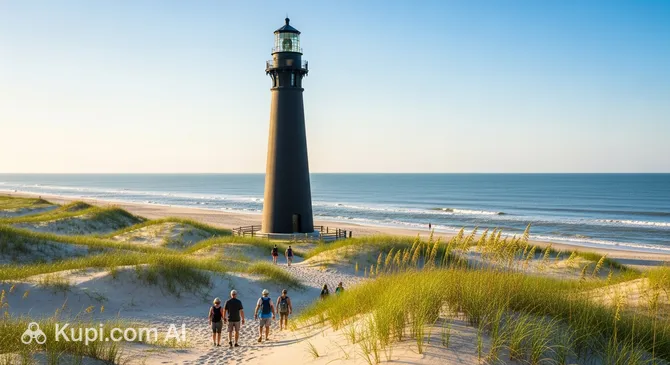
Matagorda Island. Source: Kupi.Binoculars

Visitors are drawn to the island for its exceptional outdoor activities. The Matagorda Island Lighthouse, which has stood as a sentinel since 1852, is a must-see landmark for history buffs and photographers alike. The island also boasts miles of pristine, uncrowded beaches ideal for shelling, fishing, and beachcombing. Furthermore, it serves as a critical habitat for migratory birds, including the majestic whooping crane, making it a premier spot for birdwatching.

If you are an adventurer looking for a unique coastal experience, Matagorda Island awaits. With its windswept dunes, abundant wildlife, and tranquil atmosphere, it promises an unforgettable journey into the heart of Texas nature.

Weather Overview

The climate on this coastal barrier island is generally mild and subtropical, influenced heavily by the Gulf of Mexico. Visitors can typically expect warm summers with occasional rain and mild, pleasant winters. For a more detailed forecast and monthly breakdowns, you can consult the weather in Matagorda Island page before planning your trip.

Summer months are the warmest, with August seeing average temperatures around 29.3°C and highs reaching up to 31.6°C. This is the most popular time for water activities, though it is also when the island experiences a higher number of wet days. In contrast, the winter season remains comfortable; January is usually the coolest month, with average temperatures settling at 14.9°C and average lows around 11.4°C.

Rainfall is distributed throughout the year, but the frequency of wet days tends to peak in early autumn, particularly in September, which records about 16 wet days. Spring offers a delightful balance, with May bringing warmer temperatures averaging 26.1°C, making it an excellent time for exploring the outdoors.

Interesting Facts

Beyond the main attractions, Matagorda Island holds many fascinating secrets that reveal its diverse and sometimes turbulent past. From lost settlements to space-age experiments, this quiet barrier island has witnessed moments of history that few visitors know about.

  • The First Private Rocket Launch: In a surprising twist of history, the island played a key role in the space race’s private sector. In 1982, the Conestoga I rocket was launched from Matagorda Island, marking the first privately funded rocket launch to reach space in the United States.

  • A Buried Treasure of Glass: During the Civil War, Confederate soldiers attempted to destroy the Matagorda Island Lighthouse to prevent Union forces from using it. However, they decided to save the valuable Fresnel lens by burying it in the sand, where it remained hidden until it could be safely retrieved after the conflict.

  • The Ghost Town of Saluria: In the mid-19th century, the island was home to a thriving port town named Saluria. Tragically, a series of powerful hurricanes in the late 1800s devastated the community, and today, almost no trace of this once-bustling settlement remains, leaving it as a true "ghost town" reclaimed by nature.

  • From Bombing Range to Bird Sanctuary: During World War II, the island served as a training facility for military pilots and was used as a bombing and gunnery range. While the soldiers are long gone, eagle-eyed visitors can sometimes still spot old impact craters in the landscape, which have since transformed into freshwater ponds for local wildlife.

How to Get There

Reaching this secluded barrier island requires a bit of planning, as it is a remote destination designated for nature and wildlife. Since there are no bridges connecting it to the mainland, visitors must travel to the nearest coastal towns and proceed by water. You can read more about how to get to Matagorda Island and the specific boat logistics on our detailed page.

Matagorda Island does not have its own airport, but you can fly into Corpus Christi International Airport (CRP) in Corpus Christi, which is the closest commercial facility, located about 87 km away. From the airport, the drive to the departure points on the coast typically takes approximately 2 hours. Another convenient option for travelers is William P. Hobby Airport (HOU) in Houston. Although it is situated about 217 km from the island, it is a major hub with more flight connections. The journey from Houston to the coast takes around 2.5 to 3 hours by road.

For clarity, here is a summary of the main airports:

Airport Name City Passenger Traffic Distance (km)
Austin-Bergstrom International Airport Austin Large 242.1
William P. Hobby Airport Houston Large 217.6
San Antonio International Airport San Antonio Large 226.8
Valley International Airport Harlingen Small 233.3
Corpus Christi International Airport Corpus Christi Small 87.1

Main Attractions

Matagorda Island is not a destination filled with theme parks or bustling boardwalks; instead, its main attractions are its raw, untouched landscapes and historic landmarks. Visitors come here to immerse themselves in nature, making it a paradise for history enthusiasts, beachcombers, and wildlife observers. The island offers a rare opportunity to experience the Texas coast as it was centuries ago, wild and free.

The crown jewel of the island is the Matagorda Island Lighthouse. Standing tall since 1852, this historic black cast-iron structure is an iconic symbol of the Texas coast. Although the interior of the lighthouse is typically closed to the public, the grounds are open for exploration. Reaching the lighthouse is an adventure in itself, often requiring a hike or a bike ride from the boat landing, but the sight of this solitary sentinel rising from the dunes is well worth the effort for photographers and history buffs.

For those who love the ocean, the island’s Gulf Beaches offer an experience unlike any other in the state. Stretching for miles without a condo or hotel in sight, these sands are renowned for excellent shelling. Because the island is accessible only by boat, the beaches remain uncrowded, allowing visitors to easily find sand dollars, lightning whelks, and sea beans that often wash ashore. It is the perfect spot for a quiet picnic or a long, reflective walk along the surf.

Nature lovers flock to the Matagorda Island Wildlife Management Area, which encompasses the entire island. Managed to preserve the coastal environment, this area is a critical sanctuary for migratory birds. During the winter months, it becomes a premier destination for spotting the endangered Whooping Crane. The vast system of marshes and sloughs on the bay side also provides exceptional opportunities for kayaking and observing herons, egrets, and roseate spoonbills in their natural habitat.

Finally, the island is a haven for fishing enthusiasts. The waters surrounding Matagorda Island, particularly where the bay meets the Gulf, are teeming with redfish, speckled trout, and flounder. Whether you are surf fishing from the beach or wading in the shallow back bays, the isolation ensures that you rarely have to compete for a prime spot. It is an angler’s dream, offering a peaceful yet productive day on the water.

Local Cuisine

When planning a culinary experience for Matagorda Island, the most important thing to know is that this is a remote, uninhabited wilderness with absolutely no restaurants, shops, or food vendors. The "local cuisine" on the island itself consists entirely of what you pack in your cooler. For day trippers and campers alike, this means planning ahead with plenty of water, sandwiches, and snacks. However, the surrounding region and the gateway towns like Port O'Connor and Matagorda offer a rich taste of the Texas Gulf Coast that defines the local palate.

The undisputed star of the area is fresh seafood, harvested directly from the nutrient-rich waters of Matagorda Bay and the Gulf of Mexico. Matagorda Bay oysters are legendary in Texas, known for their plump meat and distinctively salty-sweet flavor. Visitors dining in the nearby mainland towns should not miss the chance to try them raw on the half-shell or grilled with garlic and butter. Additionally, Gulf shrimp is a staple here, served in every conceivable way—boiled, fried, or stuffed—often accompanied by hushpuppies and coleslaw.

Since fishing is one of the primary activities on the island, the "catch of the day" is often literally what you caught yourself. Many visitors embrace the "hook and cook" culture, grilling their own redfish, speckled trout, or flounder over a campfire (where permitted) or at rental accommodations on the mainland. If seafood is not your preference, the nearby towns also boast classic Texas barbecue, featuring slow-smoked brisket and sausages, as well as authentic Tex-Mex dishes like savory enchiladas and breakfast tacos.

Regarding beverages, hydration is critical when exploring the sun-drenched island, so water is the most essential drink to carry. On the mainland, however, the drink of choice to cool down is often a tall glass of Southern sweet tea served over ice. For those looking for something stronger after a long day on the boat, an ice-cold local lager or a zesty margarita are the traditional ways to toast the sunset on the Texas coast.

Travel Tips

Preparing for a trip to Matagorda Island requires a different mindset than a standard city break, as you are venturing into a primitive wilderness area rather than a developed tourist hub. To ensure your adventure is safe and enjoyable, proper planning and self-reliance are absolutely essential.

  1. Clothing and Gear: Since the island offers no shelter or amenities, you must come prepared for the elements. In the summer, lightweight, breathable clothing and a wide-brimmed hat are vital for sun protection, while winters can be chilly, requiring windbreakers and layers. Crucially, bring ample insect repellent and wear long sleeves and pants, as mosquitoes and biting flies can be intense. Sturdy hiking boots or closed-toe shoes are recommended for walking through the brush to avoid sand burs and snake bites.

  2. Transportation: There are no roads, cars, or public transit on the island itself. Access is strictly by water, either via a private boat or a ferry service from Port O'Connor. Once you arrive, your only modes of transport are walking or cycling. Bringing a bicycle (preferably a mountain bike with puncture-resistant tires) is the best way to travel between the boat landing, the beach, and the lighthouse, as the distances can be long for hiking.

  3. Finances: Matagorda Island is a commerce-free zone with no shops, ATMs, or vendors. Your credit cards and cash are useless on the island itself because there is nothing to buy. You should handle all financial needs on the mainland before departing. Carry a small amount of cash for potential parking fees at the mainland boat launch or for tipping ferry captains, but otherwise, ensure you have purchased all necessary supplies beforehand.

  4. Health and Safety: You are your own first responder here. There is no potable water available on the island, so you must bring at least one gallon of water per person per day to prevent dehydration. Pack a comprehensive first aid kit, as there are no pharmacies or medical facilities. Be vigilant about wildlife; rattlesnakes are common in the dunes and grassy areas, so watch your step and stick to established trails.

  5. Communication: The primary language is English. Cell phone reception can be spotty and unreliable, although you may find a signal near the lighthouse or on the beach facing the mainland. There is absolutely no Wi-Fi. It is highly advisable to download offline maps and let a friend or family member on the mainland know your itinerary and expected return time before you leave the dock.

  6. Local Etiquette: The island is a wildlife management area, and the "Leave No Trace" principle is the golden rule. You must pack out all your trash, including food scraps. Respect the wildlife by observing from a distance, and do not collect historical artifacts or disturb the natural landscape. Silence and stillness are appreciated by fellow nature lovers and are necessary for birdwatching.

  7. What to Avoid: Avoid walking through the sand dunes. Not only is this often prohibited to protect fragile vegetation and prevent erosion, but the dunes are also nesting grounds for various shorebirds and sea turtles. disturbing these areas can cause significant harm to the local ecosystem and may result in fines.

  8. Additional Tip: If you plan to explore the beach, check the tides and surf conditions in advance. During high tide, some driving areas (for official vehicles) or walking paths along the surf might become impassable. Also, consider bringing a sturdy wagon if you are camping; hauling gear from the boat dock to the campsites can be a strenuous task without one.

By packing smart and respecting the wild nature of Matagorda Island, you set the stage for a truly rewarding experience. Embrace the isolation and the sound of the surf, and you will find that a little preparation goes a long way in this beautiful corner of the Texas coast.

Entertainment & Nightlife

Travelers looking for vibrant nightlife on Matagorda Island should adjust their expectations before arrival. As a protected wildlife management area and a remote barrier island, there are absolutely no nightclubs, bars, dance floors, or entertainment districts on the island itself. The "nightlife" here is defined by nature: the rhythmic crashing of waves, the call of coyotes, and a canopy of stars that is unrivaled on the Texas coast due to the complete absence of light pollution.

For those staying overnight at the primitive campsites, entertainment consists of gathering around a campfire (where permitted) or engaging in night fishing. The island is renowned among anglers for excellent surf fishing after dark, where the cooler temperatures bring species like bull reds and sharks closer to the shore. The atmosphere is one of profound solitude and tranquility, with the dress code being strictly functional outdoor gear and sturdy boots.

If you crave a more traditional evening scene with cold drinks and social interaction, you must return to the mainland gateway towns of Port O'Connor or Matagorda. These communities offer a laid-back, salty atmosphere where the crowd consists mainly of locals and visiting fishermen swapping stories about the day's catch. The vibe is casual and friendly; flip-flops and shorts are the standard attire, and most venues close relatively early compared to big cities, often winding down around midnight.

In the nearby town of Port O'Connor, Hurricane Junction is a well-known local spot where visitors can enjoy a cold beer and casual food in a rustic setting. Another popular option on the mainland side is The Waterfront Restaurant in the town of Matagorda, which offers a dining experience perfect for relaxing after a long day on the water. These venues are the closest you will find to a "party" scene, serving as the social hubs for the region.

Safety is a critical consideration for nighttime on the island. The area is pitch black after sunset, so headlamps and high-lumen flashlights are essential for navigating around your campsite. Be extremely cautious of rattlesnakes, which are active at night in the dunes and grassy areas. Since there are no taxis or rideshare services on the island (or even paved roads), you are entirely responsible for your own mobility and safety until you take your boat back to the mainland.

Parks & Museums

Matagorda Island is a unique destination where the concept of "parks" expands to encompass the entire landscape, and history is preserved not within walls, but among the dunes. As an uninhabited barrier island, it does not possess traditional urban gardens or art galleries. Instead, it offers a massive, protected wilderness area that serves as a living sanctuary for wildlife, while the region's cultural artifacts are carefully curated in museums located in the nearby mainland communities.

The entire island acts as one vast park known as the Matagorda Island Wildlife Management Area. Managed jointly by state and federal agencies, this area preserves over 56,000 acres of offshore barrier island and bayside marshes. It is a pristine natural playground where visitors can hike through untouched coastal prairies and observe a diverse array of wildlife in their natural habitat. The absence of roads and development allows nature to thrive, offering a raw and immersive experience that stands in stark contrast to typical city parks in the United States.

Complementing the state management area is the Matagorda Island National Wildlife Refuge, which overlays much of the same territory. This federal designation highlights the island's global importance as a sanctuary for migratory birds. It is particularly famous for being a wintering ground for the majestic whooping crane. For nature enthusiasts, this "park" offers world-class birdwatching opportunities, especially along the bay shores where herons, egrets, and peregrine falcons are frequently spotted.

Since there are no buildings on the island other than the lighthouse and maintenance structures, visitors interested in museum exhibits must travel to the mainland. The Calhoun County Museum in nearby Port Lavaca is the most significant cultural repository for the island's history. Its centerpiece is the historic First Order Fresnel lens that once operated in the Matagorda Island Lighthouse. Viewing this massive, intricate glass masterpiece up close provides a fascinating context for the iron tower you see on the island, bridging the gap between the rugged site and its technological history.

Another key cultural venue in the region is the Matagorda County Museum located in Bay City. While it covers the broader history of the county, it offers valuable insights into the early settlement of the coast, the Karankawa indigenous people who originally inhabited these islands, and the maritime commerce that flowed through the area. It is an excellent stop for tourists who want to understand the human history that shaped this now-quiet coastline before or after their island adventure.

The most prominent historical site on the island itself is the Matagorda Island Lighthouse. Listed on the National Register of Historic Places, this black, cast-iron structure has guided mariners since the mid-19th century. Although visitors cannot climb to the top, the grounds around the lighthouse serve as an open-air museum of sorts, featuring a small cemetery where early keepers and their families are buried, offering a poignant glimpse into the isolated lives of the island's past residents.

For a truly authentic experience, look for the subtle remnants of World War II infrastructure scattered across the northern end of the island. Old concrete runways and rusted metal fragments remain from the days when the island was a busy military training base. Discovering these overgrown relics among the wildflowers provides a surreal sense of time and place, reminding visitors of the island's strategic importance long before it returned to nature.

Getting Around

Visitors planning a trip to Matagorda Island should be aware that there is absolutely no public transport system on the island. As a designated wildlife management area and a remote barrier island, you will not find buses, metros, trams, or any form of municipal transit. The infrastructure is minimal, designed to protect the natural habitat rather than facilitate urban movement, meaning the island is entirely car-free for the general public.

The primary and most practical means of getting around is by bicycle. Since motorized vehicles are prohibited for visitors, a sturdy bike is the most efficient way to travel between the boat docks, the beach, and landmarks like the lighthouse. Walking is the only other alternative, but given the island's length and the significant distances between points of interest, hiking can be time-consuming and strenuous, especially during the warmer months.

Regarding payments and tickets, there are no travel passes, transport apps, or cards to worry about. The only cost associated with transportation is the fee for the private ferry service or charter boat that brings you to the island from the mainland, which must be arranged in advance. Once you step off the boat, your movement across the island is free of charge but entirely dependent on your own physical effort.

For tourists, the best advice is to bring a mountain bike or a hybrid with thick, puncture-resistant tires. The roads are unpaved, consisting mostly of packed dirt, gravel, and sand. Beware of "goathead" thorns (sand burs), which are notorious for puncturing tires; bringing a repair kit, a spare tube, and a portable pump is highly recommended. Additionally, since there are no operating hours for transport, you must manage your own schedule carefully to ensure you return to the dock in time for your scheduled boat pickup.

It is important to emphasize that there are no alternatives such as taxis, car-sharing services, or rental agencies on the island itself. You cannot hail a ride or rent a bike once you arrive; you must bring everything with you from the mainland. This total absence of commercial transport highlights the island's character as a place of solitude and self-reliance, requiring visitors to be fully prepared for their journey.

Accommodation

Accommodation on Matagorda Island is defined by its status as a protected wilderness area. Travelers should be aware that there are absolutely no hotels, luxury resorts, hostels, or vacation rentals located on the island itself. Consequently, visitors must choose between two distinct experiences: "roughing it" with primitive camping directly on the dunes or staying in comfort in the nearby mainland communities and visiting the island by boat for day trips.

For those seeking an immersive nature experience, primitive camping is the sole option on the island. Designated camping areas are available, typically near the boat dock or along the Gulf beach front. These sites are rustic in the truest sense, offering no electricity, running water, or restrooms. Campers must be entirely self-sufficient, bringing their own tents, water, and supplies, and must adhere to strict "pack it in, pack it out" regulations to maintain the island's pristine condition.

Most tourists prefer to base themselves in the gateway towns of Port O'Connor or Matagorda, located across the bay. These coastal communities serve as the primary lodging hubs for visitors to the area. Here, the accommodation landscape is dominated by vacation rentals, ranging from modest fishing cabins to spacious stilt houses designed for large groups. There are also several fishing lodges and mid-range motels that cater specifically to anglers and outdoor enthusiasts, offering convenient access to marinas and boat launches.

When planning your stay, it is advisable to book mainland accommodations well in advance, particularly during the peak summer season and on weekends when local fishing tournaments occur. For camping on the island, you should check with the Texas Parks and Wildlife Department regarding current permit requirements and fees. generally, camping is a budget-friendly option, while mainland rentals and lodges vary from mid-range to higher prices depending on amenities and proximity to the water.

Nearby Cities

While Matagorda Island itself is a secluded wilderness, it is situated relatively close to several significant cities in Texas. These urban centers serve as vital logistical hubs for travelers, offering airports, supply stores, and accommodation options before heading out to the coast. For those planning a broader road trip across the region, these nearby destinations provide a mix of cultural attractions and convenient amenities.

The most prominent major city in the vicinity is Corpus Christi. Located approximately 77 km away, it is the closest metropolitan area and serves as the primary gateway for many visitors flying into the region. Known for its beautiful bayfront and naval history, it offers a stark contrast to the quiet isolation of the island. Further inland and along the coast, other towns provide additional stopping points for those exploring the wider Texas Gulf Coast area.

Here is a list of the closest cities to Matagorda Island, along with their distances and population sizes:

City Distance (km) Population
Corpus Christi 77 333,764
Kingsville 132 25,415
Lake Jackson 160 73,478
Freeport 161 44,328
Rosenberg 179 37,871

Shopping & Souvenirs

Travelers planning a visit to Matagorda Island must understand that the shopping experience on the island itself is non-existent. As a protected wildlife management area and a remote barrier island, there are absolutely no commercial establishments, grocery stores, or boutiques within its boundaries. For tourists, "shopping" in this context effectively means purchasing all necessary supplies, food, and gear in the mainland gateway towns before boarding the boat. Once you land on the island, you are entirely dependent on what you have packed.

Since there are no streets lined with shops on the island, visitors typically do their browsing in the nearby coastal communities of Port O'Connor, Port Lavaca, or Matagorda. These towns serve as the logistical hubs for island adventures. In Port O'Connor, you will find bait shops, marine supply stores, and small convenience stores where you can stock up on ice, water, sunscreen, and fishing tackle. These are the "main shopping districts" for anyone headed to the island, providing the essential survival gear required for a trip to the wilderness.

If you are looking for a traditional shopping experience with fashion brands and large department stores, you will not find it in the immediate vicinity of the boat launches. The nearest major shopping malls are located in the larger cities surrounding the region. Travelers often stop in Corpus Christi or Victoria to visit regional malls before heading to the coast. These centers offer the standard array of American retail chains, electronics, and clothing stores, but they are generally an hour or more drive from the ferry docks.

While there are no markets on Matagorda Island, the mainland coast is famous for its fresh seafood markets. In towns like Port Lavaca and Matagorda, you can visit local fisheries and docks to purchase shrimp, oysters, and fish fresh off the boat. These markets offer a genuine taste of the Gulf Coast lifestyle. For campers heading to the island, buying a cooler full of fresh local seafood to cook over a campfire (where permitted) is a popular way to enhance the primitive experience.

Regarding souvenirs, you cannot buy trinkets on the island, but the landscape offers its own natural keepsakes. The beaches are renowned for shelling, and visitors often bring home sand dollars, sea beans, and lightning whelks found along the surf. If you prefer manufactured mementos, the gift shops in Port O'Connor and the museums in Port Lavaca offer nautical-themed items, local artwork, and t-shirts that commemorate the region's maritime history and the famous Matagorda Island Lighthouse.

Since there is no commerce on the island, opening hours and payment methods are irrelevant once you leave the mainland. However, in the gateway towns, stores typically operate on standard business hours, opening around 9:00 AM and closing by 6:00 PM or 8:00 PM. Bait shops and convenience stores often open much earlier to accommodate fishermen. Credit and debit cards are widely accepted on the mainland, but it is always wise to carry cash for small purchases or parking fees at boat ramps.

International visitors to the United States should be aware of the Texas Tax Free Shopping program. While this does not apply to small purchases like bait or groceries, if you plan to buy clothing or electronics at major retailers in the larger cities like Houston or Corpus Christi before or after your island trip, you may be eligible for a sales tax refund. You will need to present your passport and export the goods within 30 days of purchase.
Reached the end of the page?

That means the route is fully explored