Support

Matamoros

About

Welcome to Matamoros, a dynamic city located in the northeastern state of Tamaulipas. Situated on the southern bank of the Rio Grande, directly across from Brownsville, Texas, this bustling metropolis serves as a major gateway between the United States and Mexico. With a population of over 540,000 residents, the city offers a unique blend of industrial energy and traditional charm, making it a fascinating destination for travelers interested in authentic border culture.

The region features a semi-arid climate with hot summers and mild winters, allowing for exploration throughout most of the year. Beyond its modern economic significance, the city boasts a rich heritage having played a crucial role in various national events. You can delve deeper into the strategic importance of this border town by exploring the history of Matamoros, which traces its development from colonial times to the present day.
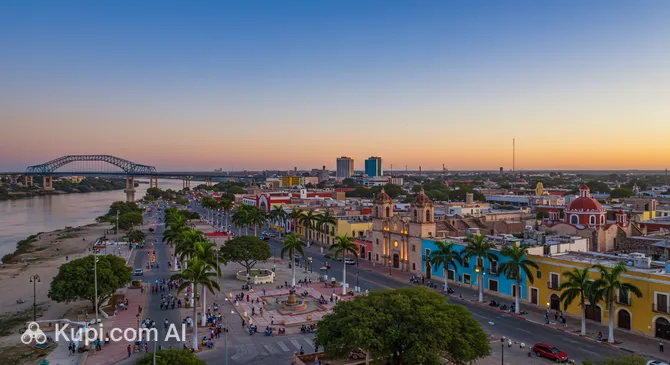
Matamoros. Source: Kupi.Binoculars

Visitors will find several architectural and cultural gems worth visiting. The Cathedral of Our Lady of Refuge (Catedral de Nuestra Señora del Refugio) stands as a striking neoclassical landmark in the heart of the historic center. Another essential stop is the Museo Casamata, a historic fortress turned museum that preserves the city's military past and local artifacts. For those seeking a break from the urban environment, the nearby Playa Bagdad offers a vast stretch of sandy beach along the Gulf of Mexico, popular for fishing and relaxing by the sea.

Whether you are interested in historical architecture, local cuisine, or simply experiencing the vibrant atmosphere of a border city, Matamoros invites you to discover its unique character and warm hospitality.

Weather Overview

Travelers to this region can generally expect a warm climate throughout most of the year, making it accessible for visits in any season. To help you pack appropriately for your trip, it is useful to review the detailed weather in Matamoros before you arrive. The city typically experiences hot summers and mild winters, with a distinct variation in temperature and cloud cover.

The summer months are characterized by high heat, with August being the warmest time of the year, averaging 30.4°C and often reaching highs of 34.2°C. While the total precipitation volume remains low, the frequency of wet days increases during this period, particularly in September which sees about 16 days with some precipitation. In contrast, winter brings cooler, more comfortable air; January is usually the coldest month with an average temperature of 18.0°C and lows around 13.8°C.

Expect hot summers with frequent but light precipitation days and mild, drier winters. The transitional months, such as March and November, offer moderate temperatures that are particularly pleasant for outdoor activities and sightseeing.

Interesting Facts

Beyond the main attractions, Matamoros holds many fascinating secrets that reveal its deep historical roots and cultural vibrancy. From vanished cities to musical legends, here are some unique insights into this border metropolis.
Laguito de la 3. Source: Kupi.Binoculars
  • The Lost Port of Bagdad: Just east of the city lies the memory of Bagdad, a once-booming port known as the "Babylon of the Rio Grande" during the 19th century. It was a cosmopolitan hub that rivaled New Orleans in trade but was tragically wiped off the map by a series of hurricanes, leaving only legends buried beneath the sands near the coast.

  • A Musical Legend's Home: Matamoros is the birthplace of Rigo Tovar, a musical icon who revolutionized the industry by fusing cumbia, rock, and ballads. He is so revered locally that a statue stands in his honor, celebrating his legacy as the "Idol of the Crowds" who put the city on the musical map.

  • The Heroic City: The city officially bears the title "Heroica Matamoros" (Heroic Matamoros). It earned this distinction, along with the titles "Loyal" and "Unconquered," for the resilience its citizens demonstrated in defending national sovereignty during historical battles in the 1800s.

  • Local Leisure: While often seen as an industrial center, the city offers charming community spaces like Laguito de la 3. This park and artificial lake provide a surprising and serene escape where locals gather for recreation, offering a glimpse into the everyday life of the city's residents.

How to Get There

Reaching this border city is convenient thanks to several transport hubs located on both the Mexican and American sides of the Rio Grande. For a comprehensive overview of travel options, you can read more about how to get to Matamoros in our detailed guide.

The city is served locally by Matamoros Airport (MAM), also known as General Servando Canales International Airport. Situated approximately 11 km from the city center, it primarily handles regional traffic and domestic connections. A taxi ride from here to the downtown area generally takes about 40 minutes.

Because of the city's unique location, many visitors choose to fly into South Padre Island International Airport (BRO), located in the neighboring city of Brownsville, USA. It is the closest airport, sitting just 9 km away. While the drive takes roughly half an hour, travelers should account for additional time to cross the international border.

For a wider range of flight connections, you can also arrive at Valley International Airport (HRL) in the city of Harlingen, USA. This larger hub is located about 43 km from Matamoros. The journey by road typically takes approximately an hour and a half, plus border crossing time.

For clarity, here is a summary of the main airports:

Airport Name City Passenger Traffic Km from City
McAllen International AirportMcAllenHigh81.1
Valley International AirportHarlingenHigh42.6
Gen Lucio Blanco International AirportReynosaMedium74.3
South Padre Island International AirportBrownsvilleMedium8.8
Matamoros AirportMatamorosSmall11.2

Main Attractions

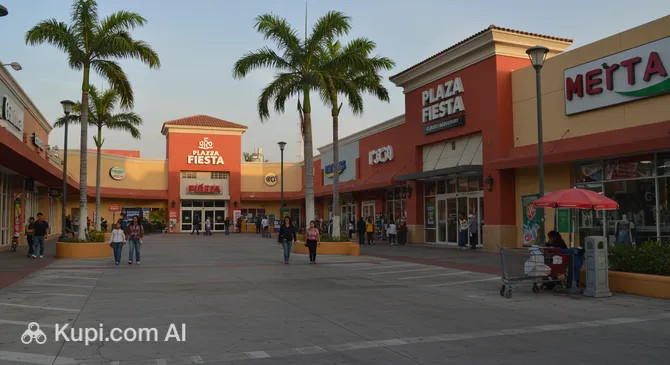
Visitors looking to experience the commercial pulse of the city should head to the Plaza Fiesta Shopping Center. As one of the prominent retail hubs in the area, this mall offers a diverse selection of stores ranging from fashion boutiques to essential services. It serves as a lively meeting point for locals and tourists alike, providing a comfortable, air-conditioned environment perfect for browsing or enjoying a casual afternoon away from the outdoor heat.

Plaza Fiesta Shopping Center. Source: Kupi.Binoculars

For a taste of the region's culinary offerings, La Cancillería stands out as a noteworthy dining destination. This restaurant is appreciated for its inviting ambiance and a menu that often features hearty cuts of meat and traditional flavors typical of northern Mexico. It is an excellent choice for travelers wishing to sit down for a satisfying meal and experience the local hospitality after exploring the city's streets.

Another modern addition to the city's leisure landscape is Plaza Patio Matamoros. This shopping complex provides a contemporary experience with a variety of national and international brands, as well as entertainment options like a cinema. Whether you are looking to update your wardrobe or simply grab a bite at the food court, this spot highlights the developing urban lifestyle of the border region.

Local Cuisine

The culinary scene in Matamoros is a vibrant reflection of Northern Mexican traditions, known as cocina norteña. This region is famous for its high-quality beef and love for grilling, making it a paradise for meat lovers. A staple of the local diet is the flour tortilla (tortilla de harina), which is typically larger and softer than the corn variety found in southern Mexico. These tortillas serve as the perfect vessel for many of the city's signature dishes.

One cannot visit this border city without trying Cabrito, or roasted young goat, which is slow-cooked over charcoal until tender and flavorful. Another must-try is Carne Asada, a social and culinary tradition involving marinated beef grilled to perfection, often served with grilled onions, salsa, and guacamole. For a true taste of the state of Tamaulipas, look for Carne a la Tampiqueña, a complete plate featuring a grilled steak accompanied by enchiladas, beans, and cheese.

Given the city's proximity to the Gulf of Mexico, seafood also plays a significant role in the local gastronomy. Fresh catches from the nearby coast are transformed into refreshing ceviches, shrimp cocktails, and fish tacos, offering a lighter alternative to the hearty meat dishes. Street food culture is equally important here; wandering the streets, you will find vendors selling delicious gorditas—thick corn pockets stuffed with various stews—and tacos al pastor.

Fajita House. Source: Kupi.Binoculars

To accompany these rich flavors, locals often enjoy aguas frescas, refreshing non-alcoholic drinks made from fruits like tamarind, hibiscus (jamaica), or rice-based horchata. For those seeking something stronger, the region produces excellent tequilas and mezcals. Beer is also widely enjoyed, often served "michelada" style with lime, salt, and chili sauces.

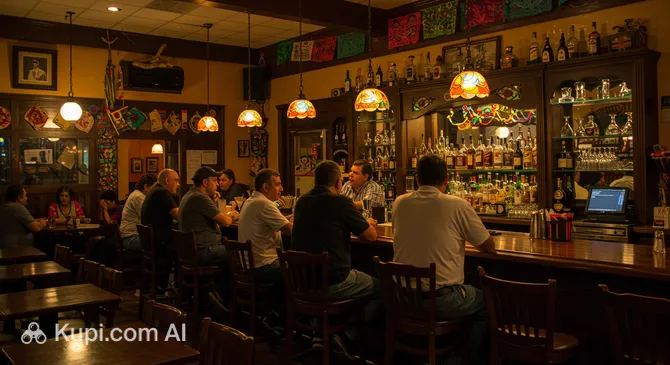
The dining atmosphere in Matamoros ranges from casual street stalls to lively establishments where food and social life merge. For a relaxed evening with friends, you might visit Fajita House. Places like this capture the essence of the border's hospitality, offering a spot to enjoy savory bites and cold drinks in a friendly environment.

Travel Tips

Visiting a bustling border city like Matamoros offers a unique cultural experience, and a little preparation goes a long way in ensuring your trip is smooth and enjoyable. To help you navigate the local customs and logistics with ease, here are some essential practical tips for your stay.

  1. Clothing and Gear: Given the semi-arid climate, lightweight and breathable fabrics like cotton are essential for the hot summers. However, if you visit during the winter months, bring layers and a light jacket, as evenings can get chilly. Comfortable walking shoes are a must for exploring the historic center, and don't forget a hat and sunscreen to protect against the strong sun.
  2. Transportation: The most convenient way to get around the city is by using taxis, particularly those from established stands known as "sitios," which are generally safer and more reliable. Ride-hailing apps are often available but check their current status upon arrival. While the downtown area is walkable, renting a car is a good option if you plan to visit the beach or outlying areas, though parking in the center can be limited.
  3. Finances: The official currency is the Mexican Peso (MXN). Due to the proximity to the US border, US Dollars are often accepted in many establishments, though the exchange rate may not be favorable. It is best to carry pesos for small purchases, street food, and tips. Credit cards are widely accepted in hotels, malls, and larger restaurants, but cash is king in local markets. A standard tip in restaurants is 10% to 15%.
  4. Health and Safety: Pharmacies are plentiful and easy to find, with many chains like Farmacias Guadalajara often open 24 hours. As a general precaution, stick to well-lit, populated tourist areas such as the historic center and commercial zones. Avoid displaying expensive jewelry or large amounts of cash in public, and always keep your valuables secure.
  5. Communication: Spanish is the main language, but due to the city's location on the border, English is widely understood, especially in the service industry, hotels, and tourist spots. However, learning a few basic phrases like "Buenos días" (Good morning) and "Gracias" (Thank you) is greatly appreciated. Pre-paid SIM cards are easily available at convenience stores like OXXO for staying connected.
  6. Local Etiquette: Mexicans are generally warm and polite. It is customary to greet people with a handshake or a friendly nod when entering a shop or elevator. If you see someone eating, it is polite to say "Buen provecho" (enjoy your meal). Patience is a virtue here; service can sometimes be more relaxed than what you might be used to.
  7. What to Avoid: strictly avoid drinking tap water; always opt for bottled or purified water to prevent stomach issues. Additionally, avoid taking photographs of government buildings, police, or military personnel without explicit permission, as this is considered sensitive.
  8. Border Crossing Awareness: If you plan to cross back and forth between Matamoros and Brownsville, be aware that wait times at the international bridges can vary significantly. It is often faster to cross on foot than by car during peak hours, so plan your schedule accordingly.

By keeping these practical tips in mind, you will be well-equipped to enjoy the vibrant atmosphere, delicious cuisine, and historical sights of Matamoros. Have a safe and memorable journey exploring this fascinating gateway to Mexico!

Entertainment & Nightlife

Entertainment and Nightlife:

The nightlife in Matamoros reflects the city's energetic northern spirit, offering a mix of traditional cantinas, modern bars, and lively venues where music takes center stage. Unlike the resort-style partying found in coastal destinations, the evening scene here is deeply rooted in local culture, characterized by social gatherings, hearty dinners, and the unmistakable sounds of música norteña and banda.

For visitors looking to experience the local vibe, the Zona Centro (Historic Center) provides a glimpse into the traditional side of the city, where you can find classic establishments and smaller bars. However, much of the modern nightlife and entertainment has shifted towards major thoroughfares like Avenida Pedro Cárdenas. This area is a bustling corridor lined with restaurants, franchises, and entertainment complexes that stay active well into the night, offering a more contemporary and secure environment for tourists.

A great way to begin your evening is with a substantial meal and drinks. La Cancillería is an excellent choice for a night out, offering a sophisticated atmosphere where you can enjoy high-quality cuts of meat before heading to a bar. The venue often attracts a crowd looking for a relaxed yet upscale dining experience. If you prefer a more casual setting to kick off the festivities, Fajita House serves as a lively spot where the line between restaurant and bar blurs, making it perfect for enjoying cold beers and local appetizers with friends.

Plaza Patio Matamoros. Source: Kupi.Binoculars

For those seeking entertainment beyond bars, Plaza Patio Matamoros is a key hub for evening activities. This modern complex houses a cinema and various dining options, providing a safe and family-friendly environment for a night stroll or a late movie. It is a popular gathering spot for locals and offers a comfortable break from the outdoor heat.

When planning a night out, keep in mind that the atmosphere is generally casual, though some nightclubs may request a smart-casual dress code. The peak hours for bars are usually between 9:00 PM and midnight, while clubs tend to fill up later. Prices are typically very reasonable compared to the U.S. side of the border. Musically, expect a heavy influence of regional Mexican genres; live bands are common and are the heart of the party experience.

Safety is a priority when enjoying the nightlife. It is highly recommended to stick to well-lit, busy areas like the main commercial avenues and the shopping plazas. Avoid walking between venues at night; instead, use a reliable mode of transport. The safest way to get around is by calling a radio taxi from a reputable company or using an established ride-sharing app if available. Always verify the vehicle before entering.

While the city comes alive at night, daytime entertainment also offers plenty to see. Before the sun sets, visitors can explore cultural landmarks such as the Museo Casamata to learn about regional history or enjoy a peaceful afternoon at local parks. However, as the evening approaches, the focus shifts to the vibrant culinary and social scene that defines this border city.

Parks & Museums

While often recognized for its industrial and commercial activity, Matamoros also preserves spaces dedicated to culture, history, and outdoor recreation. The city offers a selection of museums that chronicle its strategic importance on the border, alongside parks and natural areas where locals gather to relax and escape the urban bustle.

One of the most significant green spaces in the city is the Parque Olímpico (Olympic Park). Famous for housing the iconic sculpture "La Gran Puerta de México" (The Great Gate of Mexico), this park serves as a cultural and recreational hub. It is a favorite spot for families and joggers, featuring green lawns and spaces for events. Another popular destination for outdoor leisure is Laguito de la 3. This park centers around an artificial lake and is well-equipped with playgrounds, walking paths, and areas for picnics, making it a charming spot to observe local community life.

For those willing to travel a bit further, Playa Bagdad offers a vast natural escape where the Rio Grande meets the Gulf of Mexico. Located about 30 minutes east of the city, this expansive beach is known for its dunes and fishing tournaments. It provides a raw, breezy coastal experience that contrasts sharply with the city center, attracting visitors looking for sun, sand, and fresh seafood.

In terms of cultural heritage, the Museo Casamata is the city's premier historical institution. Housed in a 19th-century fortress that once defended the city, the museum displays a fascinating collection of artifacts related to the region's military history, including the Mexican Revolution and various border conflicts. The building itself is a registered historical monument and offers a tangible connection to the past.

Art enthusiasts should not miss the Museo de Arte Contemporáneo de Tamaulipas (MACT). This museum is dedicated to promoting modern artistic expression and often hosts traveling exhibitions, workshops, and cultural events. It serves as a vital platform for both local and national artists, offering a sophisticated environment to appreciate contemporary visual arts.

For a glimpse into the city's architectural elegance, keep an eye out for the Teatro de la Reforma. While primarily a venue for performing arts, its neoclassical architecture makes it a landmark worth admiring. An insider tip for history buffs is to look for the "Casa Cross," a beautiful example of French-style colonial architecture that reflects the prosperity of the cotton boom era, adding a touch of old-world charm to the streets of Matamoros.

Getting Around

The public transport system in Matamoros relies primarily on a road-based network, as the city does not have a metro, tram, or light rail service. For most locals and visitors, the main mode of getting around is by using peseros (minibuses) and standard urban buses. These vehicles cover a wide range of routes extending from the historic center to the outlying neighborhoods and industrial parks.

Peseros are easily engaging and distinct; they often have their destinations and major stops painted manually on the windshield in bright colors. There are no fixed timetables or official route maps available digitally, so navigation can be an adventure. To catch a bus, you simply wait at a designated stop or, in many residential areas, wave a hand to flag one down. The routes are generally identified by the names of the neighborhoods or major landmarks they serve, such as "Centro," "Puente," or specific shopping malls.

The payment system is straightforward and traditional: cash is the only accepted method. There are no travel cards, passes, or mobile ticketing apps for public transit here. Passengers pay the driver directly upon boarding. The fare is very affordable, typically costing a small amount in local currency. It is essential to carry small change or coins, as drivers often do not have enough change for large bills.

For tourists, taxis are often the most practical and comfortable alternative to buses. It is highly recommended to use "taxis de sitio" (radio taxis) found at designated stands or requested by phone, rather than hailing cabs off the street, to ensure safety and fair pricing. Ride-hailing apps are also available in the city and provide a convenient way to book a ride with a fixed price and tracked route, which helps overcome language barriers.

Public transport generally operates from early morning, around 6:00 AM, until approximately 9:00 PM or 10:00 PM. Service frequency drops significantly after dark. If you are planning to stay out late, securing a taxi or a ride-share in advance is the best strategy. While the historic downtown area is compact enough to explore on foot, the heat can be intense, making air-conditioned vehicular transport a welcome option for longer distances.

Accommodation

Where to Stay:

Accommodation in Matamoros caters primarily to business travelers and cross-border visitors, resulting in a selection that focuses on practicality and convenience rather than luxury tourism. The city offers a range of options, from reliable international chain hotels and comfortable mid-range establishments to budget-friendly motels. While you will not find sprawling all-inclusive resorts here, travelers can expect clean, modern facilities designed to ensure a restful stay.

For those seeking modern amenities and easy access to shopping and dining, the area along Avenida Pedro Cárdenas is the most popular choice. This major thoroughfare is home to several well-known hotel chains that provide standards consistent with what international travelers expect, such as secure parking, Wi-Fi, and business centers. Staying in this zone places you near major commercial hubs like Plaza Fiesta, making it convenient for finding food and entertainment after a day of meetings or sightseeing.

Another strategic area is the Historic Center (Zona Centro) and the vicinity of the international bridges. Hotels in this district are often older but full of character, offering immediate access to the main plaza, the cathedral, and museums. This location is particularly suitable for visitors who plan to cross the border frequently or who wish to explore the city's historical roots on foot. However, parking can be more limited in the downtown area compared to the spacious lots found in the newer commercial districts.

Booking Tips: Since Matamoros is a hub for industry and trade, hotels can fill up quickly during the workweek with business travelers. It is advisable to book your room in advance, especially if you plan to visit Monday through Thursday. Online booking platforms are widely used and recommended, as they allow you to compare prices and read recent guest reviews regarding safety and service quality.

In terms of pricing, accommodation here is generally very affordable compared to the U.S. side of the border. Travelers can find excellent value, with mid-range hotels often offering superior amenities at budget-friendly rates. Most established hotels accept credit cards, but it is always helpful to have some cash on hand for incidental tips or smaller purchases nearby.

Nearby Cities

For those looking to explore the surroundings, Matamoros serves as an excellent base for day trips to several interesting nearby locations. Whether you are interested in experiencing another bustling border metropolis or venturing further inland to see the diverse landscapes of Northern Mexico, the region offers worthwhile destinations.

One of the most accessible options is Reynosa, located just over an hour's drive to the west. As the largest city in the state, it shares a similar dynamic border culture but offers its own unique culinary scene and shopping districts. Visitors often travel here to enjoy the lively atmosphere and explore its commercial centers, making it a convenient choice for a quick change of scenery without straying too far from the border.

For travelers willing to embark on a longer journey, the city of Guadalupe—part of the Monterrey metropolitan area—presents a striking contrast with its mountainous backdrop. Although it requires a drive of several hours, it is home to the iconic Cerro de la Silla (Saddle Mountain) and offers access to major urban attractions, including soccer stadiums and nature parks like La Pastora. It serves as a gateway to the rich culture and modernity of the neighboring state of Nuevo León.

City Population Distance (km)
Reynosa 725,793 81
Guadalupe 691,931 273
Apodaca 523,370 269
San Nicolas de los Garza 443,273 279
Nuevo Laredo 384,033 271

These nearby destinations offer a glimpse into the diverse culture and landscapes of the region, ranging from industrial hubs to scenic urban centers.

Shopping & Souvenirs

Shopping in Matamoros offers a diverse experience that ranges from modern, air-conditioned malls to vibrant traditional markets filled with local color. As a border city, it serves as a commercial hub where visitors can find everything from international fashion brands to authentic Mexican handicrafts. The city is particularly well-known for its affordable leather goods, silver jewelry, and pharmacies, which attract many day-trippers from across the Rio Grande.

For a traditional shopping atmosphere, the Zona Centro (Historic Center) is the place to be. The streets surrounding the main plaza are lined with independent boutiques, shoe stores, and pharmacies. Walking through this district allows tourists to soak in the local bustle while browsing for bargains on clothing and accessories. The pedestrian-friendly areas in the downtown core are perfect for window shopping and discovering small shops tucked away in historic buildings.

Travelers looking for a contemporary retail experience will find excellent options in the city's major shopping centers. Plaza Fiesta Shopping Center is a favorite destination, housing a wide variety of department stores, supermarkets, and specialty shops in a comfortable, climate-controlled environment. Another popular spot is Plaza Patio Matamoros, which offers a mix of fashion retailers, entertainment, and dining options, making it an ideal location for a full afternoon of leisure and shopping.

To truly experience the culture of the region, a visit to the Mercado Juárez (Juarez Market) is essential. Located in the heart of the city, this historic market is a labyrinth of stalls selling traditional items. It is the best place to find Mexican curios, rustic furniture, and artisan crafts. The market is also famous for its food stalls, but for shoppers, the main draw is the array of handcrafted goods that reflect the artistic heritage of Mexico.

When it comes to souvenirs, Matamoros has plenty to offer. Leather goods such as cowboy boots, belts, and jackets are among the most sought-after items due to their high quality and competitive prices. Other popular keepsakes include bottle of authentic Mexican vanilla, colorful woven blankets (sarapes), Talavera-style pottery, and silver jewelry. Don't forget to pick up some traditional Mexican sweets, often made from milk, coconut, or tamarind, to bring a taste of the trip home.

Most shopping malls and large department stores operate daily from approximately 10:00 AM to 9:00 PM. Traditional markets and smaller downtown shops typically open earlier but may close by 6:00 PM or 7:00 PM, and some might have reduced hours on Sundays. While major retailers and malls widely accept credit and debit cards, cash is preferred in markets and smaller establishments. Although US dollars are often accepted in this border city, paying in Mexican Pesos usually ensures a better exchange rate.

International tourists shopping in Mexico may be eligible for a tax refund on certain purchases through the "Moneyback" program. Look for stores displaying the "TAX FREE" sign. To qualify, you typically need to spend a minimum amount at affiliated stores and present your passport and immigration form during the purchase to request the necessary refund documents.

Reached the end of the page?

That means the route is fully explored