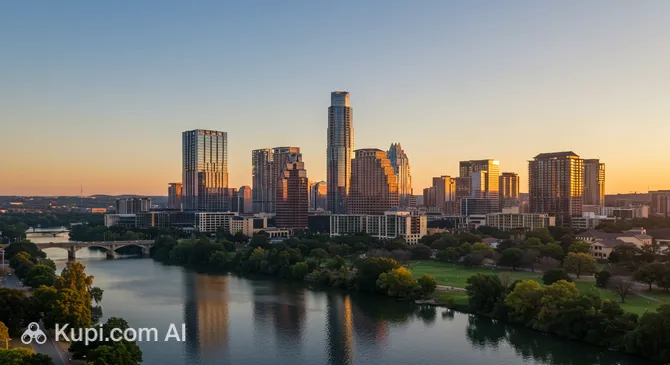
Austin, the vibrant capital of Texas, is a city that effortlessly blends a laid-back atmosphere with dynamic urban energy. Known worldwide as the "Live Music Capital of the World," it offers a unique cultural experience within the United States. Visitors are drawn to its eclectic spirit, often summarized by the local motto, "Keep Austin Weird," which celebrates the city's creativity and independence.
Austin. Illustration.
Source: Kupi.com AI
Geographically situated in Central Texas along the Colorado River, the city serves as the gateway to the beautiful Texas Hill Country. With a population of approximately 1.6 million residents, it is a bustling metropolis that still manages to maintain a welcoming, small-town feel. The climate is generally warm and sunny, encouraging year-round outdoor activities in the city's abundant green spaces and parks.
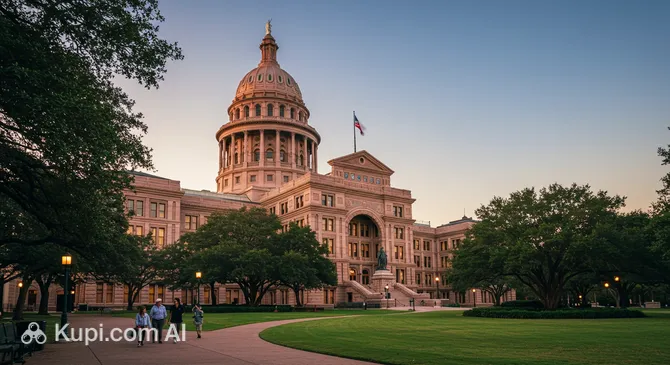
To truly understand the local character, one should explore the history of Austin, which traces its transformation from a 19th-century riverside settlement to a modern center for technology and education. Today, travelers can marvel at the impressive Texas State Capitol, which stands taller than the national capitol in D.C., enjoy the scenic beauty of Lady Bird Lake right in the heart of the city, or dive into the legendary nightlife and live music venues on Sixth Street.
Whether you are here for the world-class festivals, the famous barbecue, or the stunning natural surroundings, Austin promises an unforgettable adventure. Come and discover the soulful rhythm of this extraordinary city and experience genuine Texan hospitality.
Weather Overview
The climate in this part of Texas is generally characterized by hot summers and mild winters, making it a suitable destination for travel at almost any time of year. To help plan your activities and packing list, it is helpful to review the current detailed information on the weather in Austin.
During the peak summer months, the city heats up significantly. August is typically the warmest time, with average temperatures reaching 30.5°C and daily highs frequently peaking around 36.0°C. In contrast, the winter season is quite gentle; January sees average temperatures of about 11.3°C, with lows dipping to around 5.9°C, ensuring that it rarely gets bitterly cold.
Rainfall is distributed throughout the year, but late spring tends to be the dampest period, with May experiencing approximately 14 wet days. In general, you can expect hot summers with intermittent rain and mild winters that are perfect for exploring the city's outdoor attractions.
Average monthly temperature
Average monthly precipitation
Interesting Facts
Beyond the main attractions, Austin holds many fascinating secrets that define its unique character. Dig a little deeper to uncover these local features that surprise even seasoned travelers.
Texas State Capitol. Illustration.
Source: Kupi.com AI
Traveler photos:
The Bat Colony: Every evening from spring to fall, the Congress Avenue Bridge hosts the largest urban bat colony in North America. Up to 1.5 million Mexican free-tailed bats take flight at dusk, creating a spectacular natural show just moments away from downtown.
Moonlight Towers: Austin is the only city in the world that still operates "moonlight towers," towering 19th-century lighting structures designed to illuminate large areas at night. One of these historic beacons stands prominently near Zilker Metropolitan Park, preserving a unique piece of Victorian-era infrastructure.
Sunset Red Granite: The majestic Texas State Capitol is constructed from "Sunset Red" granite, a rare stone quarried just 50 miles away. This local material gives the building its distinctive pinkish hue that shifts beautifully during the golden hour.
City of the Violet Crown: The city bears the poetic nickname "City of the Violet Crown," a phrase popularized by the short story author O. Henry. He used it to describe the atmospheric purple haze that often settles over the hills of the Colorado River valley at sunset.
How to Get There
Reaching the capital of Texas is straightforward, with well-connected air routes serving the region. Whether you are arriving from within the United States or internationally, the local infrastructure ensures a smooth journey. For a complete guide on logistics and transportation options, you can read more about how to get to Austin.
The primary gateway for most travelers is Austin-Bergstrom International Airport (AUS), conveniently located just 10.7 km from the city center. As a major hub with significant annual passenger traffic, it offers a wide range of domestic and international flights. The airport is well-integrated with local transport networks; a trip to downtown by taxi or rideshare typically takes about 35 minutes, depending on traffic conditions.
If you are exploring the broader region or looking for alternative flight options, you might consider flying into San Antonio International Airport (SAT). Please note that this airport is not in Austin itself but in the neighboring city of San Antonio, approximately 107.4 km away. It serves as a viable secondary option, especially for those planning a road trip through Central Texas. The drive from San Antonio to Austin usually takes around 1 hour and 30 minutes via the interstate.
For clarity, here is a summary of the main airports in the vicinity:
Beyond air travel, Austin is accessible by land. The city is situated along the I-35 corridor, making it an easy drive from other major Texan cities. Long-distance bus services and Amtrak's Texas Eagle train line also stop in the city, providing scenic and leisurely alternatives for those who prefer ground transportation.
Main Attractions
Austin is a city that thrives on outdoor living, cultural richness, and world-class entertainment. Whether you are looking to immerse yourself in nature, explore local history, or experience the thrill of professional racing, the city offers a diverse array of landmarks to visit.
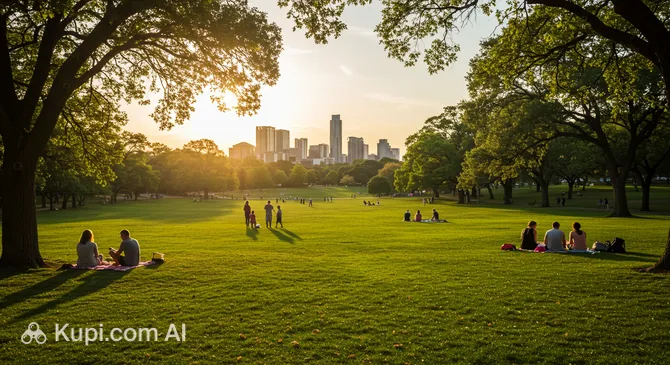
One of the most beloved green spaces in the city is Zilker Metropolitan Park. Often referred to as "Austin's most-loved park," this 350-acre oasis offers stunning views of the downtown skyline and ample space for picnics and sports. It is home to the famous Barton Springs Pool, a natural spring-fed swimming hole that maintains a refreshing temperature year-round, and it serves as the venue for major events like the Austin City Limits Music Festival.
Zilker Metropolitan Park. Illustration.
Source: Kupi.com AI
Traveler photos:
For those interested in the fascinating story of the Lone Star State, the Bullock Texas State History Museum is an essential stop. Located near the Capitol, this museum features three floors of interactive exhibits that chronicle Texas history from early Native American civilizations to the present day. Highlights include the preserved hull of the 17th-century ship La Belle and an IMAX theatre that screens educational and feature films.
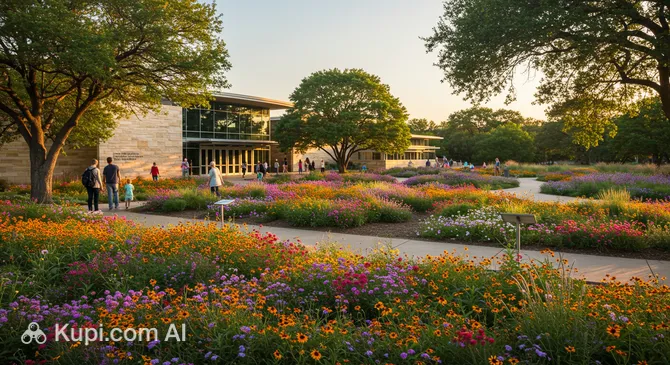
Nature enthusiasts should not miss the Lady Bird Johnson Wildflower Center. Founded by the former First Lady, this botanical garden is dedicated to inspiring the conservation of native plants. Visitors can wander through beautiful gardens displaying the diverse flora of Texas, explore walking trails, and enjoy the peaceful architecture that blends seamlessly with the natural landscape.
Lady Bird Johnson Wildflower Center. Illustration.
Source: Kupi.com AI
Traveler photos:
Adrenaline seekers and sports fans will find plenty of excitement at the Circuit of the Americas (COTA). This premier destination is best known for hosting the Formula 1 United States Grand Prix, but it is much more than just a racetrack. The complex features an expansive outdoor amphitheater for concerts and an observation tower that offers panoramic views of the track and the surrounding countryside.
Local Cuisine
Austin’s culinary landscape is a legendary fusion of bold flavors, heavily defined by its geography and history. The city is widely considered one of the best food destinations in the country, resting on three main pillars: world-class barbecue, authentic Tex-Mex, and a thriving food truck culture. Eating here is rarely a formal affair; instead, it is a communal, laid-back experience where the quality of the food speaks for itself.
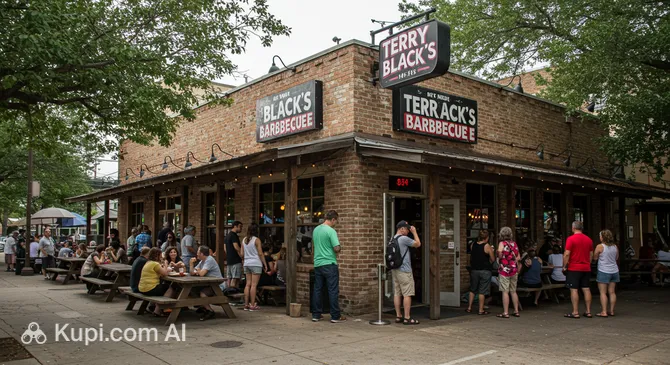
The crown jewel of the local dining scene is Central Texas barbecue. Unlike other regional styles that rely heavily on sauce, Austin’s barbecue focuses on the art of the dry rub and slow-smoking meats over post oak wood. The undisputed king of the menu is beef brisket, cooked for up to 18 hours until it is tender enough to melt in your mouth. For a quintessential experience of this smoky tradition, you can visit Terry Black's Barbecue, where trays are piled high with brisket, giant beef ribs, and savory sausage.
Terry Black's Barbecue. Illustration.
Source: Kupi.com AI
Traveler photos:
Equally important to the local palate is Tex-Mex, a vibrant blend of American and Mexican cuisines. The most iconic dish in this category is the breakfast taco. Available from early morning until late at night, these tortillas filled with eggs, bacon, potatoes, and cheese are a staple of the Austin diet. Another must-try is "migas," a scramble of eggs, tortilla strips, onions, tomatoes, and jalapeños. No Tex-Mex meal is complete without a bowl of chili con queso, a warm, melted cheese dip that is served as an appetizer at nearly every local establishment.
When it comes to drinks, the city loves its libations cold and refreshing to combat the Texas heat. The "Mexican Martini," a shaker-served margarita with olive juice, is a local invention found on many menus. For those who prefer beer, the city boasts a massive craft brewery scene, producing everything from crisp lagers to complex IPAs. If you are looking for Southern comfort food paired with excellent cocktails, Moonshine Grill offers a historic setting to enjoy classic American fare and local spirits.
The food culture in Austin is uniquely characterized by its accessibility and outdoor vibe. The city is famous for its food trailer parks, where clusters of trucks serve gourmet dishes ranging from Thai street food to vegan donuts. Whether you are dining at a picnic table under the trees or on a lively patio at Corner Restaurant downtown, the atmosphere is almost always casual, friendly, and unpretentious.
Travel Tips
Preparing for a trip to Austin is exciting, but knowing a few insider details can make your experience significantly smoother and more enjoyable. Here are some practical tips to help you navigate the city’s unique culture, climate, and logistics with ease.
Clothing and Gear: The most important factor to consider is the heat, especially from May to September. Pack lightweight, breathable fabrics like cotton or linen, and bring a hat and sunglasses for sun protection. However, indoor air conditioning can be quite strong, so carrying a light jacket or sweater is wise. Comfortable walking shoes are essential for exploring parks and downtown streets. The dress code in Austin is generally very casual; jeans and t-shirts are acceptable almost everywhere, even in nicer restaurants.
Transportation: While downtown is walkable, Austin is a sprawling city, and having a vehicle is often the most convenient option if you plan to explore the Hill Country or outer neighborhoods. Car rentals are widely available at the airport. Within the city center, ride-hailing apps like Uber and Lyft are extremely popular and reliable. Public transportation, provided by CapMetro (buses and a commuter rail), is affordable but has limited coverage compared to other major cities.
Finances: The local currency is the US Dollar ($). Credit and debit cards are accepted nearly everywhere, from high-end boutiques to food trucks. It is rare to need cash, though keeping a small amount for tips or small vendors is helpful. ATMs are easy to find throughout the city. Tipping is a standard practice in the United States; expect to leave 18-20% at restaurants and bars, and a few dollars for valet or hotel staff.
Health and Safety: Austin is generally a safe city for tourists, but standard precautions should be taken, especially in busy nightlife areas like Sixth Street late at night. The biggest health risk for visitors is often dehydration and heat exhaustion; always carry a water bottle and drink frequently. Pharmacies like CVS and Walgreens are common, with many locations open 24 hours for minor medical needs and prescriptions.
Communication: English is the primary language spoken, but due to the proximity to the border, you will frequently hear Spanish, and many locals are bilingual. Free Wi-Fi is widely available in hotels, coffee shops, and public buildings. If you need a local SIM card, major carriers like AT&T and T-Mobile have stores throughout the city and at the airport.
Local Etiquette: Texans are known for their friendliness and "Southern hospitality." It is polite to greet shopkeepers and staff with a smile or a "hello." Don't be surprised if strangers strike up a conversation while you are waiting in line. The pace of life here is slightly more relaxed than in other big cities, so patience and a friendly attitude go a long way.
What to Avoid: Do not attempt to swim in Lady Bird Lake (the river running through downtown); it is illegal due to underwater debris and currents, and is strictly for boating and paddleboarding. For swimming, head to the designated Barton Springs Pool instead. Also, avoid underestimating distances; the city is larger than it looks on a map, so plan your travel time accordingly.
Dining Tip: If you plan to visit a famous barbecue joint, be prepared to wait. Long lines, sometimes lasting hours, are part of the tradition and the social experience. Arrive early (often before opening) to ensure you get the best cuts of meat before they sell out.
By keeping these practicalities in mind, you will be well-equipped to embrace the laid-back rhythm of Austin. Enjoy the music, the food, and the warm welcome that makes this city such a beloved destination.
Entertainment & Nightlife
Entertainment and Nightlife:
As the self-proclaimed "Live Music Capital of the World," Austin comes alive when the sun goes down. The city’s nightlife is legendary, offering everything from gritty honky-tonks and neon-lit dive bars to sophisticated rooftop lounges and high-energy dance clubs. The atmosphere is predominantly casual and welcoming; here, a pair of boots and jeans will get you into almost any venue, reflecting the city's unpretentious spirit.
The epicenter of the action is undoubtedly Sixth Street, which is divided into distinct sections, each with its own personality. "Dirty Sixth" (between Congress and I-35) is the most famous stretch, closed to traffic on weekend nights and packed with college students and tourists hopping between loud bars and music venues. For a slightly more relaxed and eclectic vibe, head to East Sixth, known for its hipster haunts, craft cocktail bars, and expansive outdoor patios. Alternatively, the Warehouse District offers a more mature scene with upscale restaurants and LGBTQ+ friendly clubs.
Another must-visit district is Rainey Street. This unique neighborhood features historic bungalow houses that have been converted into charming bars and restaurants with large backyards. It is the perfect place for a Sunday funday or a laid-back evening of bar-hopping. For those staying in North Austin, The Domain offers a modern, high-density entertainment district along Rock Rose Avenue, featuring trendy clubs and polished pubs that rival downtown's energy.
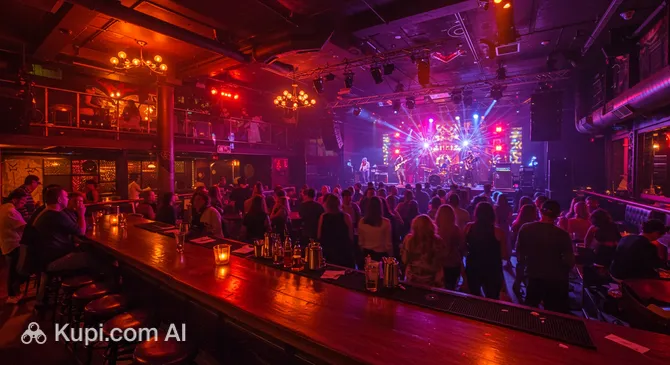
If you are looking for a tropical escape with stunning views, Zanzibar is a standout destination. Located on a downtown rooftop, this lush, jungle-themed terrace specializes in tiki cocktails and small plates, offering a resort-like atmosphere right in the middle of the city.
Zanzibar. Illustration.
Source: Kupi.com AI
Traveler photos:
For a different perspective of the skyline, consider visiting Edge Rooftop. Situated at the JW Marriott, it provides panoramic views of Congress Avenue and Lady Bird Lake, making it an ideal spot for a sunset drink or a nightcap under the stars. The dress code here is "smart casual," so it is a great excuse to dress up a bit more than usual.
Those seeking interactive entertainment should check out Cidercade Austin. This sprawling arcade bar located on the lakeshore features over 150 retro and modern games that are free to play with a modest admission fee. It serves a wide variety of hard ciders and pizzas, making it a fun, low-pressure option for groups or dates.
Practical Nightlife Tips:
Best Time to Go: Thursday through Saturday nights are the busiest. Happy hours usually run from 4:00 PM to 7:00 PM on weekdays and offer great value.
Getting Around: Parking downtown can be scarce and expensive. It is highly recommended to use rideshare services like Uber or Lyft. If you are staying downtown, pedicabs are a fun way to travel short distances between districts.
Safety: The main entertainment districts are generally safe due to the high volume of people and police presence. However, always stay aware of your surroundings, keep an eye on your drinks, and avoid walking alone on poorly lit side streets late at night.
While the nights are electric, the city offers plenty of daytime diversion as well. Culture lovers can explore the extensive collection at the Blanton Museum of Art, known for its Ellsworth Kelly chapel. For a whimsical and colorful experience perfect for photos, the Museum of Ice Cream provides interactive installations and sweet treats that appeal to visitors of all ages.
Parks & Museums
Parks and Museums:
Austin balances its rapid urban growth with an impressive dedication to nature and culture. Beyond the famous live music venues, the city maintains a network of lush parks and educational institutions that offer a quieter, yet equally engaging, side of the capital. Whether you are seeking a rugged hiking trail or a deep dive into American history, the local offerings are diverse and accessible.
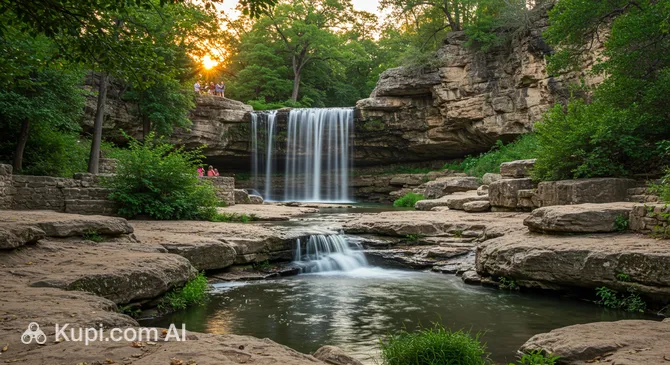
While many visitors flock to the central green spaces, McKinney Falls State Park offers a scenic escape just a short drive from downtown. This state park is renowned for the limestone formations where Onion Creek splashes into calm pools, creating picturesque waterfalls. It is an excellent spot for hiking, fishing, and camping, providing a true Texas Hill Country experience within the city limits.
McKinney Falls State Park. Illustration.
Source: Kupi.com AI
Traveler photos:
For those who appreciate manicured landscapes, the Zilker Botanical Garden is a delightful destination. Located on a hillside, it features several themed areas, including the serene Taniguchi Japanese Garden and a prehistoric garden filled with dinosaur sculptures. Nearby, Pease District Park serves as a beloved community hub, offering extensive trails and a whimsical "Treehouse" observation sphere that appeals to visitors of all ages.
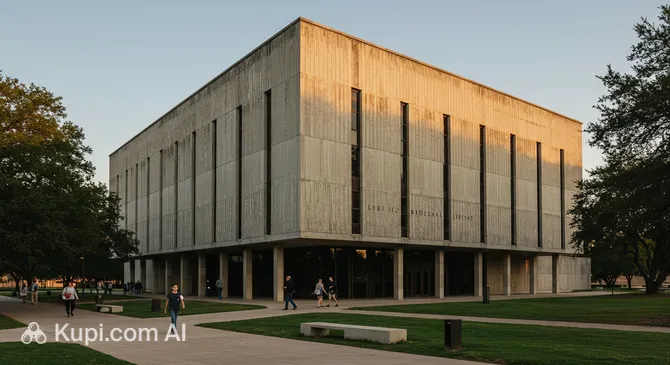
Austin’s museums are as eclectic as its population. History enthusiasts should not miss the LBJ Presidential Library, located on the University of Texas campus. This institution archives the political life of Lyndon B. Johnson, the 36th President of the United States. Through immersive exhibits and a replica of the Oval Office, it offers fascinating insights into the Civil Rights era and the turbulent 1960s.
LBJ Presidential Library. Illustration.
Source: Kupi.com AI
Traveler photos:
Families traveling with children will find the Thinkery to be a highlight of their trip. This evolution of the Austin Children's Museum focuses on "STEAM" learning (Science, Technology, Engineering, Art, and Math) with hands-on stations that encourage creativity and problem-solving. Meanwhile, military history buffs can visit the Texas Military Forces Museum at Camp Mabry, which displays tanks, aircraft, and uniforms dating from the Texas Revolution to the present day.
For a completely different perspective, you can head underground at Inner Space Cavern. Discovered during the construction of an interstate highway, this vast cave system features beautifully preserved formations and prehistoric animal bones, making it a thrilling geological adventure just north of the city.
Getting Around
Public transportation in Austin is primarily managed by Capital Metro, commonly known as CapMetro. The system is largely bus-based, providing extensive coverage throughout the city and its surrounding areas. For visitors, the most useful services are the MetroRapid lines, which operate frequent, limited-stop routes on major corridors using articulated buses. Additionally, the city operates the MetroRail, a single commuter train line (the Red Line) that connects the downtown convention center to the northern suburbs, stopping at key destinations like The Domain and Q2 Stadium.
The fare system is user-friendly, but it is important to distinguish between service levels. Standard fares apply to local buses and MetroRapid services, costing approximately $1.25 for a single ride or just $2.50 for a Day Pass, which offers unlimited local rides for 24 hours. However, riding the MetroRail requires a "Commuter" fare, which is higher; a single trip costs around $3.50, and a Commuter Day Pass is priced at $7.00. This higher-tier pass covers both the train and all local bus services, making it a convenient option for mixed-mode travel.
The most convenient way to pay is through the official CapMetro App, which allows you to purchase tickets instantly on your smartphone and serves as a reliable trip planner with real-time arrival data. Alternatively, you can use an Amp card (a reloadable smart card) or pay with cash upon boarding buses. If paying with cash, please note that you must have exact change as drivers cannot provide it.
For a smooth experience, checking the schedule in advance is highly recommended. While buses run daily from early morning until late at night, the MetroRail has a more limited schedule, particularly on weekends. If you are out late enjoying the nightlife, look for the "Night Owl" bus routes, which operate from midnight until 3:00 AM, providing safe transport from the entertainment districts to residential neighborhoods.
Beyond traditional public transit, the city offers several popular alternatives for getting around. Rideshare services like Uber and Lyft are ubiquitous and often the fastest way to travel between disjointed neighborhoods. For short trips within the downtown area, electric scooters and MetroBike rentals are found on nearly every corner, offering a fun and breezy way to navigate the streets. However, since the city is quite spread out, renting a car remains a common choice for those planning to explore the Texas Hill Country or areas outside the central core.
Accommodation
Hotels:
Finding the perfect place to stay in Austin is an adventure in itself, with options ranging from historic downtown landmarks to serene retreats in the rolling hills. The city’s accommodation landscape reflects its eclectic personality, offering travelers a mix of luxury high-rises, quirky boutique motels, and sprawling resorts. Whether you want to be in the center of the live music action or prefer a quiet lakeside escape, there is a property to suit every style and budget.
For those looking to combine upscale amenities with the natural beauty of the Texas Hill Country, the Lakeway Resort & Spa is a premier destination. Located on the shores of Lake Travis, this resort offers stunning waterfront views and a relaxing atmosphere away from the bustle of the city center. It is particularly popular for its pool complex and family-friendly environment, making it an ideal spot for a rejuvenating vacation.
Travelers seeking a comfortable and well-appointed base closer to urban conveniences might consider Hotel Austin. Properties in this category typically provide easy access to local dining and entertainment, ensuring that you are never far from the vibrant culture that defines the city. Staying at a resort hotel allows visitors to enjoy top-tier service while exploring the diverse neighborhoods of the capital.
When planning your trip, it is important to consider the timing of your visit. Austin hosts several major international events, such as South by Southwest (SXSW) in March and the Austin City Limits Music Festival in October. During these periods, hotel availability becomes scarce and prices can rise significantly. It is highly recommended to book your accommodation several months in advance if your travel dates coincide with these popular festivals.
Nearby Cities
For those looking to explore the surroundings, Austin serves as an excellent base for day trips to several interesting nearby locations:
City
Population
Distance
Hornsby Bend
9 866
16 km
Steiner Ranch
18 189
18 km
Manor
21 703
20 km
Wells Branch
13 837
21 km
Bee Cave
8 538
21 km
One of the most popular destinations just north of the capital is Round Rock. Known as the "Sports Capital of Texas," it is home to the Dell Diamond, where visitors can catch a minor league baseball game. The city also boasts a charming historic downtown area and is famous for "Round Rock Donuts," a local bakery legendary for its yellow-orange glazed treats.
To the northwest lies Cedar Park, a city that perfectly blends urban convenience with outdoor recreation. It serves as the boarding point for the Austin Steam Train Association, offering nostalgic rides through the scenic Hill Country on the "Hill Country Flyer." Additionally, the H-E-B Center hosts a variety of concerts and sporting events throughout the year.
For those seeking water activities, Pflugerville is an excellent choice. The city centers around Lake Pflugerville, a reservoir popular for kayaking, fishing, and windsurfing. During the hot summer months, the Typhoon Texas Waterpark attracts families looking to cool off with its extensive slides and wave pools.
These nearby destinations offer a glimpse into the diverse culture and landscapes of the region.
Shopping & Souvenirs
Shopping:
Shopping in Austin is a vibrant reflection of the city's eclectic culture, offering a mix of high-end luxury brands, quirky local boutiques, and authentic Western wear. The retail landscape ranges from polished outdoor lifestyle centers to historic streets lined with vintage stores, ensuring that every visitor can find something unique to take home.
For a quintessential local experience, South Congress Avenue (often called SoCo) is the most iconic shopping destination. This walkable strip is famous for its colorful storefronts and distinct vibe. Here, you can browse through extensive collections of vintage clothing, handmade jewelry, and eclectic gifts. It is also the best place to witness the city's love for western fashion, with legendary stores offering thousands of pairs of cowboy boots.
Travelers looking for a comprehensive retail experience should head to North Austin to visit The Domain. Often described as the city's "second downtown," this massive outdoor complex features lush landscaping and luxury retailers set among upscale restaurants. It provides a sophisticated atmosphere where you can enjoy a full day of browsing major department stores and exclusive designer boutiques.
Adjacent to this area is Domain NORTHSIDE, which focuses more on modern trends and unique local brands. This district is designed with a focus on walkability and art, hosting some of the city's most popular homegrown shops alongside well-known national labels. It is an excellent spot to find contemporary fashion and home goods in a stylish setting.
Markets are another staple of the local shopping scene. The Austin Country Flea Market is one of the oldest and largest in the region, offering a gritty and authentic experience where vendors sell everything from fresh produce and spices to car parts and musical instruments. For a more curated selection, the various farmers' markets held on weekends provide fresh local foods and artisanal crafts.
When it comes to souvenirs, cowboy boots and hats are the top choices for many visitors wanting a piece of Texas style. Other popular items include locally produced BBQ sauces and rubs, which allow you to recreate the city's famous flavors at home. Music lovers often hunt for vinyl records at local shops, while quirky t-shirts and art prints celebrating the city's unique motto make for fun, casual gifts.
Most major stores and shopping centers operate from 10:00 AM to 9:00 PM on weekdays and Saturdays, with shorter hours on Sundays, typically closing around 6:00 PM. Credit and debit cards are universally accepted, and contactless payment methods are common. Cash is rarely needed except perhaps at smaller flea market stalls.
International visitors should be aware of the Texas Tax Free Shopping program. Texas is one of the few states that offers a sales tax refund for international tourists. If you purchase goods from participating retailers and intend to export them within 30 days, you may be eligible to receive a rebate on the sales tax paid, so be sure to keep your original receipts and check the specific requirements at a refund center.