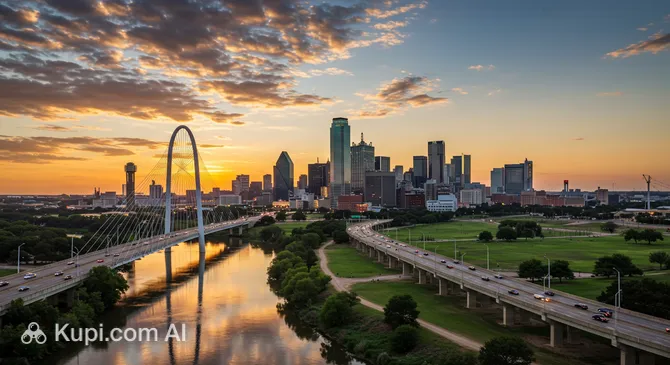
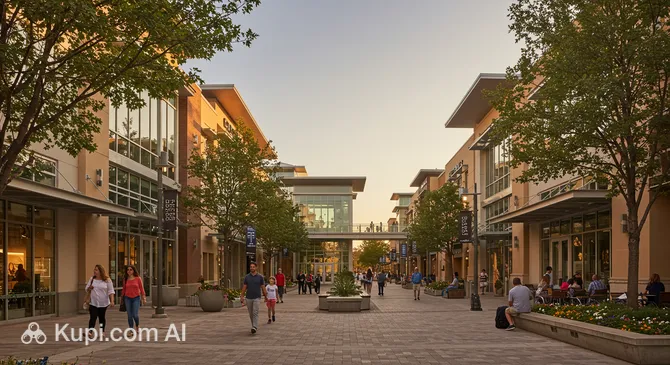
Dallas stands as a shining example of modern sophistication blended with rich Western heritage. As a major city in the state of Texas, it offers a vibrant atmosphere where gleaming skyscrapers tower over historic streets. Visitors to this dynamic metropolis in the United States will find a destination that thrives on commerce, culture, and an undeniable sense of ambition.
Geographically situated in the rolling plains of North Texas, the city serves as a central hub for the region. With a bustling population in its metropolitan area, it is a hive of activity year-round. The history of Dallas is deeply rooted in the cattle and oil industries, which paved the way for its transformation into the diverse economic powerhouse it is today.
Dallas. Illustration.
Source: Kupi.com AI
Travelers are often drawn to the city's impressive array of landmarks and cultural institutions. The Dallas Arts District is renowned as the largest contiguous urban arts district in the nation, spanning 68 acres of museums and performance venues. For those interested in pivotal moments of the past, the Sixth Floor Museum at Dealey Plaza offers a profound look at the life and legacy of President John F. Kennedy. Meanwhile, the iconic Reunion Tower provides breathtaking panoramic views of the skyline.
Whether you are looking to explore world-class museums, indulge in famous Texan barbecue, or simply soak up the local energy, this city has something for everyone. A trip to Dallas promises an unforgettable experience filled with Southern hospitality and cosmopolitan flair.
Weather Overview
Visitors to the city will experience a climate defined by significant seasonal contrast. Summer brings intense heat, with August seeing average temperatures of 30.4°C and highs climbing up to 35.2°C. In contrast, the winter season is relatively mild, with January being the coldest month, averaging around 8.9°C.
Rainfall is most frequent in the spring, particularly in May, which records about 13 wet days. July stands out as the driest month, often offering clear skies. Expect hot summers with minimal precipitation and cool winters with more frequent rainy days. To help plan your activities, it is wise to consult the current weather in Dallas before your trip.
Average monthly temperature
Average monthly precipitation
Interesting Facts
Beyond its reputation for oil barons and football, Dallas holds a treasure trove of fascinating origins and unique distinctions. Digging a bit deeper reveals surprising stories and local secrets that have shaped not just the city, but American culture as a whole.
The frozen margarita machine was invented here in 1971 by restaurateur Mariano Martinez. Inspired by a Slurpee machine at a convenience store, he created a way to serve the drink with a consistent texture, and his original machine now resides in the Smithsonian Institution.
Despite its misleading name, German Chocolate Cake is not a European import. It was created in Dallas and named after Sam German, an employee of Baker's Chocolate Company who developed the specific type of sweet baking chocolate used in the recipe.
Modern technology owes a significant debt to the city, as the integrated circuit—commonly known as the computer microchip—was invented by Jack Kilby at Texas Instruments in Dallas in 1958, an achievement that later earned him the Nobel Prize in Physics.
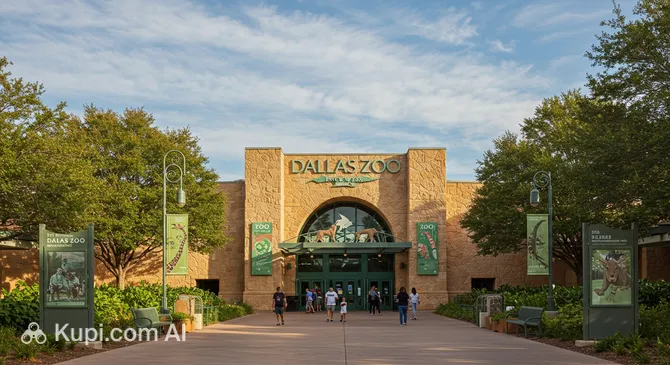
The Dallas Zoo features the award-winning Giants of the Savanna exhibit, which was the first habitat in the United States designed to allow elephants to mingle socially with giraffes, zebras, and impalas, mimicking their natural environment.
The global convenience store giant 7-Eleven traces its roots back to a local ice house in 1927. Originally known as Tote'm Stores, the business pioneered the concept of selling milk, bread, and eggs alongside ice blocks, eventually evolving into the world's largest convenience retail chain.
Dallas Zoo. Illustration.
Source: Kupi.com AI
Traveler photos:
How to Get There
As a major transportation hub in Texas, reaching this metropolis is convenient for travelers from around the globe. Whether you are arriving by air or planning a road trip, there are numerous options available. For a comprehensive guide on logistics, you can read more about how to get to Dallas and choose the route that best suits your itinerary.
The primary gateway for international and long-distance travelers is Dallas/Fort Worth International Airport (DFW). Located approximately 26.1 km from the city center, it is one of the busiest airports in the world, handling a massive volume of passengers annually. The airport offers extensive connections and services. Reaching downtown Dallas from here typically takes around 30 minutes by taxi or shuttle, depending on traffic conditions.
For those flying domestically or looking for a closer landing point, Dallas Love Field (DAL) is an excellent alternative. Situated just 9.4 km from the heart of the city, this airport is a significant hub for regional travel. Because of its proximity to downtown, the transfer time is shorter, with a taxi or ride-share journey taking approximately 15 to 20 minutes.
For clarity, here is a summary of the main airports:
Beyond air travel, the city is well-integrated into the national transportation network. Visitors can arrive by train via Amtrak, which services the historic Union Station downtown. Additionally, the city is a convergence point for several major interstate highways, making it easily accessible by car or long-distance bus from neighboring states and cities.
Main Attractions
Dallas offers a diverse array of sights that cater to history buffs, nature lovers, and culture seekers alike. From sobering historical landmarks to vibrant green spaces built over freeways, the city's attractions reflect its multifaceted character. Below are some of the most compelling places to explore during your visit.
One of the most significant historical sites in the country is The Sixth Floor Museum at Dealey Plaza. Located within the former Texas School Book Depository, this museum chronicles the life, assassination, and legacy of President John F. Kennedy. Through historic films, photographs, and artifacts, visitors gain a deep understanding of the events of November 1963. It is a somber but essential destination for anyone wishing to connect with a pivotal moment in American history.
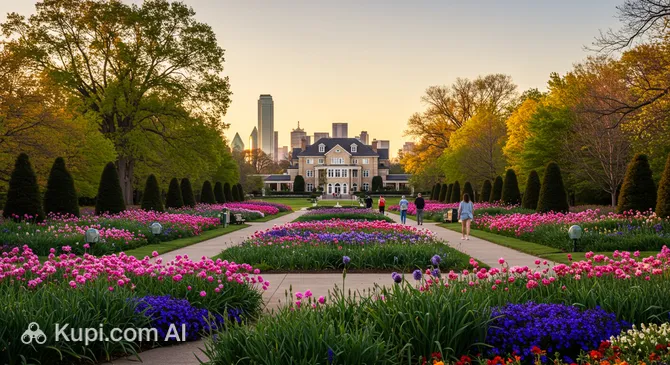
For a breath of fresh air, the Dallas Arboretum and Botanical Garden is a stunning 66-acre oasis situated on the shores of White Rock Lake. The grounds feature 19 distinct gardens that showcase breathtaking floral displays, which change with the seasons—from massive tulip blooms in the spring to elaborate pumpkin villages in the fall. It is a favorite among tourists for its serene atmosphere and picture-perfect landscapes, offering a peaceful escape from the downtown bustle.
Dallas Arboretum and Botanical Garden. Illustration.
Source: Kupi.com AI
Traveler photos:
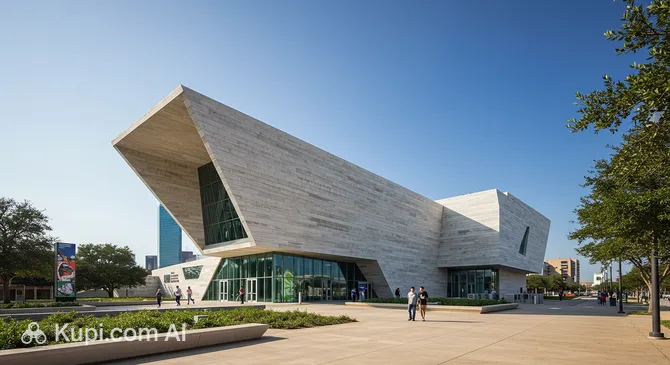
Science enthusiasts and families will find the Perot Museum of Nature and Science to be a highlight of their trip. Housed in a distinctive cube-shaped building designed by Thom Mayne, the museum offers five floors of interactive exhibits. Visitors can race against a virtual T-Rex, experience an earthquake simulator, and marvel at towering dinosaur skeletons. The museum is renowned for making learning engaging and accessible through state-of-the-art technology and hands-on activities.
Perot Museum of Nature and Science. Illustration.
Source: Kupi.com AI
Traveler photos:
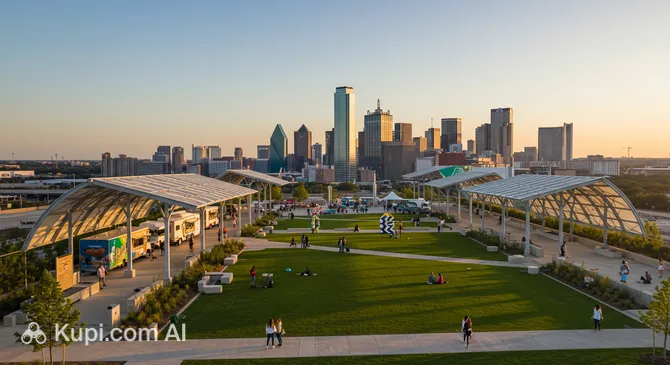
A prime example of modern urban innovation is Klyde Warren Park. This 5.2-acre deck park was built over the recessed Woodall Rodgers Freeway, effectively bridging the gap between the Arts District and Uptown. The park is a hive of activity, featuring food trucks, a performance pavilion, and areas for games and relaxation. It is interesting to tourists as a vibrant community hub where one can enjoy free daily programming, such as yoga or concerts, right in the heart of the city.
Klyde Warren Park. Illustration.
Source: Kupi.com AI
Traveler photos:
Art lovers should not miss the Dallas Museum of Art, located in the vibrant Arts District. With a collection encompassing more than 24,000 works spanning 5,000 years of history, the museum presents a global perspective on human creativity. From ancient Mediterranean artifacts to contemporary installations, there is something to inspire everyone. A major draw for visitors is the museum's policy of free general admission, making world-class art accessible to all.
Local Cuisine
The culinary landscape of Dallas is a bold reflection of its Texan roots, blending smoky barbecue traditions with spicy Tex-Mex flavors and sophisticated Southern dining. For food lovers, the city offers a mouthwatering journey that ranges from rustic roadside joints to high-end steakhouses. Meat is undoubtedly the star of the show here, with locally sourced beef featuring prominently on menus across the metropolis.
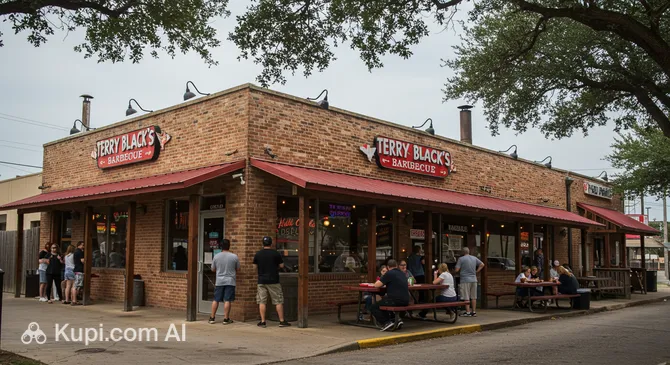
A quintessential experience in Dallas is sampling authentic Texas barbecue. The region is famous for its slow-smoked brisket, which is typically seasoned with a simple rub of salt and pepper to let the natural flavors shine. Ribs, sausage, and pulled pork are also staples, often served on butcher paper with sides like coleslaw, beans, and potato salad. Places like Terry Black's Barbecue are celebrated for their pit-smoked meats, attracting long lines of hungry locals and tourists eager for a taste of tradition.
Terry Black's Barbecue. Illustration.
Source: Kupi.com AI
Traveler photos:
Beyond barbecue, Tex-Mex cuisine is a way of life in this city. Visitors should not miss the chance to try "chili con carne," the official state dish of Texas, which is a spicy stew made strictly without beans. Other must-try dishes include sizzling fajitas, enchiladas, and the beloved "chile con queso"—a warm, melted cheese dip that serves as the perfect starter for any meal. The city's food scene also embraces the "farm-to-table" movement, ensuring that ingredients are fresh and locally sourced.
When it comes to beverages, Dallas holds a special place in history as the birthplace of the frozen margarita machine. Consequently, enjoying a salty, lime-infused frozen margarita on a sunny patio is practically a rite of passage for visitors. For non-alcoholic options, sweet iced tea is the standard accompaniment to most meals, offering a refreshing counterpoint to spicy and savory dishes.
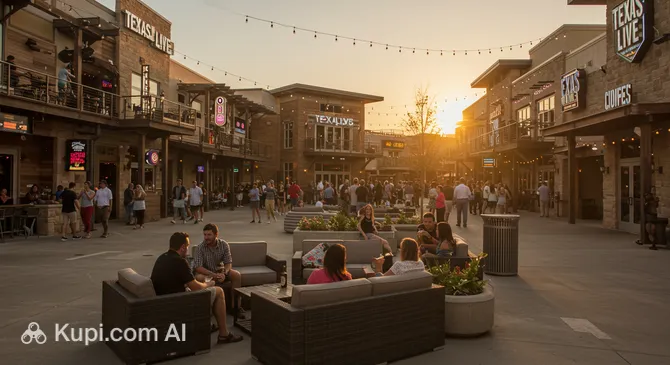
The dining culture here is diverse and social. You can find vibrant food halls, bustling food trucks, and lively entertainment districts where dining meets nightlife. For a spirited atmosphere, Texas Live offers a dynamic mix of restaurants and bars, making it a popular spot to grab a drink, watch a game, and soak up the local energy. Whether you are looking for a casual bite at a smokehouse like Hard Eight BBQ or a refined dinner in the city center, Dallas promises a gastronomic adventure that is as big and bold as the state itself.
Texas Live. Illustration.
Source: Kupi.com AI
Traveler photos:
Travel Tips
Visiting Dallas is an exciting adventure into the heart of Texas, but a little preparation goes a long way in ensuring your trip is smooth and enjoyable. To help you navigate the "Big D" like a pro, here is a collection of essential advice covering everything from packing strategies to local social norms.
Clothing and Gear: The climate in this part of the United States is characterized by extreme heat in the summer and mild, variable winters. If visiting between June and September, pack light, breathable fabrics and sun protection. However, always carry a light sweater or jacket, as indoor air conditioning is often set to very low temperatures. Comfortable walking shoes are a must, especially if you plan to explore the Arts District or the State Fairgrounds.
Transportation: While the city is famous for its car culture, the DART (Dallas Area Rapid Transit) system offers light rail and bus services that efficiently connect Downtown, Uptown, and the airport. For short distances within the city center, the historic McKinney Avenue Trolley is a charming and free option. However, to fully explore the sprawling metropolitan area and its suburbs, renting a car is highly recommended. Ride-sharing apps like Uber and Lyft are also widely available and reliable.
Finances: The local currency is the US Dollar (USD). Credit and debit cards are accepted almost everywhere, from high-end restaurants to food trucks. ATMs are plentiful throughout the city. Tipping is a significant part of the culture here; it is standard practice to leave 18-20% of the bill in restaurants, bars, and for taxi services, provided the service was good.
Health and Safety: Dallas is generally safe for tourists, but like any major city, it is wise to stay aware of your surroundings, especially at night. Stick to well-lit, populated areas such as Deep Ellum and Uptown after dark. Pharmacies like CVS and Walgreens are easy to find, with many locations open 24 hours. In summer, the risk of dehydration and heatstroke is real, so drink plenty of water and seek shade during the hottest part of the day. Dial 911 for any emergencies.
Communication: English is the primary language, though you will hear a significant amount of Spanish spoken due to the diverse population. Most locals are helpful and happy to communicate. Free Wi-Fi is commonly available in hotels, coffee shops, and public parks like Klyde Warren Park. For mobile data, prepaid SIM cards can be purchased at the airport or at major electronics retailers and mobile provider stores around the city.
Local Etiquette: Texans are known for their warm hospitality. It is polite to greet shopkeepers and service staff with a smile or a friendly "hello." You may hear terms like "ma'am" and "sir" used frequently; while you are not expected to use them, they are a sign of respect. When driving, the "Texas wave"—raising a hand from the steering wheel to acknowledge other drivers—is a common friendly gesture on smaller roads.
What to Avoid: Do not underestimate the distances between neighborhoods. Unlike some older, denser cities, Dallas is spread out, and attempting to walk from one district to another (e.g., Downtown to Deep Ellum) can be exhausting, particularly in the heat. Avoid relying solely on walking for inter-district travel; use the trolley, DART, or a car instead.
Local Insight: If you are exploring Downtown on a weekday, make use of the Dallas Pedestrian Network. This system of underground tunnels and elevated walkways connects many skyscrapers, hotels, and parking garages. It is a fantastic way to move around the city center while avoiding the scorching summer sun or unexpected rain showers, and it is filled with shops and eateries catering to the local workforce.
By keeping these practical tips in mind, you will be well-equipped to experience the best of Dallas with confidence and ease. Embrace the local rhythm, stay cool, and enjoy the unique blend of Southern charm and modern energy that defines this remarkable city.
Entertainment & Nightlife
When the sun sets over the Texas horizon, Dallas transforms into a vibrant playground of neon lights, live music, and spirited social scenes. The city's nightlife is as diverse as its population, offering everything from gritty blues bars and high-energy dance clubs to sophisticated rooftop lounges. Whether you are looking to catch a major concert or simply enjoy a craft cocktail on a breezy patio, the evening options here are endless.
The heartbeat of the city's live music scene is undoubtedly Deep Ellum. This historic district, once a jazz and blues hub in the 1920s, is now the capital of cool, filled with street murals, quirky venues, and an alternative crowd. It is the perfect place to wander from bar to bar, listening to local bands and soaking up the edgy atmosphere. Just a short distance away, Uptown offers a stark contrast with its polished aesthetic. The area along McKinney Avenue is known for its chic dress code, bottle-service clubs, and trendy professionals looking to see and be seen.
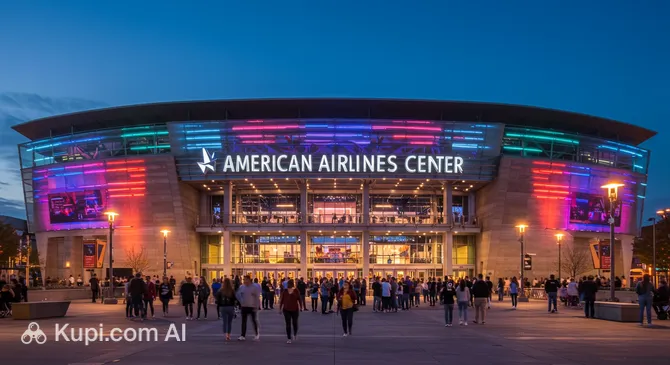
For those seeking world-class entertainment on a grand scale, the American Airlines Center is the premier destination. Located in the Victory Park neighborhood, this massive arena hosts the city's biggest concerts, sporting events, and touring shows. The surrounding plaza is often buzzing with energy before and after events, making it a focal point for night-out festivities.
American Airlines Center. Illustration.
Source: Kupi.com AI
Traveler photos:
If you prefer a more interactive evening, the city has embraced the "eatertainment" trend with enthusiasm. A local favorite is Cidercade Dallas, an arcade bar that combines retro gaming with a vast selection of hard ciders. It is an excellent spot for groups who want to relive their childhood with unlimited play on pinball machines and classic cabinets. Similarly, for a laid-back night of putting and pints, the Addison Mini Golf Bar offers a fun twist on traditional nightlife, perfect for breaking the ice or enjoying a casual date.
For a successful night out, timing and logistics are key. Most bars and clubs stay open until 2:00 AM, with the peak crowds arriving between 10:00 PM and midnight. Dress codes vary significantly; while shorts and sneakers are fine in Deep Ellum or Lower Greenville, upscale venues in Uptown often require business casual or cocktail attire. Prices can range from moderate to expensive, so it is wise to check menu prices beforehand if you are on a budget.
Safety is an important consideration for nocturnal explorers. While districts like Uptown and Victory Park are generally well-lit and secure, it is advisable to stay vigilant in busy areas like Deep Ellum late at night. Stick to main streets where the crowds are, and avoid walking alone on deserted side roads. The most reliable way to get around after dark is by using ride-share apps like Uber or Lyft, which are plentiful and safer than hailing a cab on the street or walking long distances.
While the nights are electric, the city also boasts a robust daytime entertainment landscape. Before the evening festivities begin, visitors can enjoy matinee performances at the AT&T Performing Arts Center, explore the expansive Arts District, or spend an adrenaline-filled afternoon at local amusement parks. From culture to clubbing, the city ensures that there is never a dull moment, day or night.
Parks & Museums
Beyond its gleaming skyline and bustling streets, the city offers a surprising wealth of green spaces and deep cultural reservoirs. From serene nature preserves that feel miles away from the urban core to institutions housing priceless art and history, Dallas provides endless opportunities for exploration and enrichment.
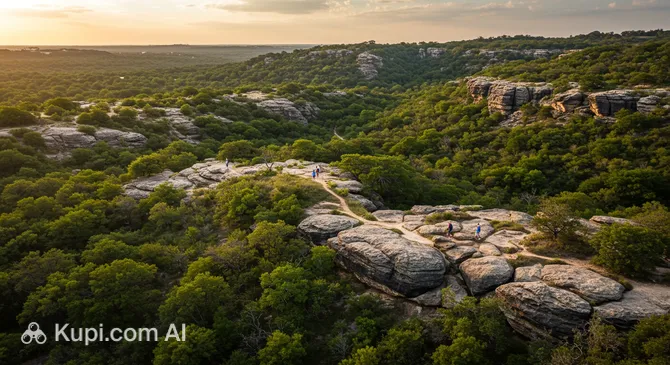
For those seeking an escape into nature without leaving the city limits, Cedar Ridge Preserve is a hidden gem. Managed by Audubon Dallas, this 600-acre natural habitat features some of the highest elevation points in the area, offering a "Hill Country" feel that is rare in North Texas. With miles of hiking trails winding through native trees and wildflower fields, it is a favorite spot for birdwatchers and hikers looking for a genuine outdoor workout.
Another refreshing retreat is Texas Discovery Gardens, located within the historic Fair Park. This 7.5-acre organic garden is renowned for its two-story Rosine Smith Sammons Butterfly House and Insectarium, where hundreds of free-flying tropical butterflies create a magical atmosphere. It is a fantastic destination for families and nature lovers, offering a chance to learn about sustainable gardening and local ecology in a beautifully manicured setting.
Cedar Ridge Preserve. Illustration.
Source: Kupi.com AI
Traveler photos:
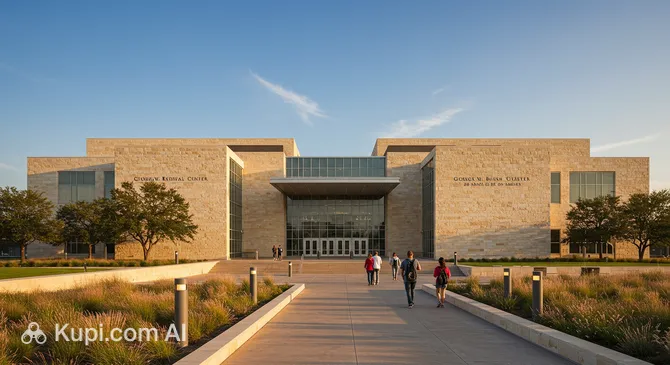
The city's museum landscape is equally impressive, delving into themes of leadership, aviation, and fine art. The George W. Bush Presidential Center, situated on the Southern Methodist University campus, offers a comprehensive look at the American presidency. Visitors can explore interactive exhibits on policy, view artifacts from the 2000s, and even step inside a full-scale replica of the Oval Office. The center also includes a 15-acre native Texas park, blending history with landscape architecture.
Aviation enthusiasts will find the Frontiers of Flight Museum near Dallas Love Field to be a captivating experience. The museum chronicles the history of aviation and space exploration, housing over 30 aircraft and space vehicles, including the Apollo 7 command module. It provides a fascinating journey from the early days of flight to modern space travel, making it an educational stop for visitors of all ages.
George W. Bush Presidential Center. Illustration.
Source: Kupi.com AI
Traveler photos:
For art aficionados, the Meadows Museum is often referred to as the "Prado on the Prairie." It holds one of the largest and most comprehensive collections of Spanish art outside of Spain. From Golden Age masterpieces by Velázquez and Goya to modern works by Picasso and Dalí, the gallery offers an intimate and world-class cultural experience.
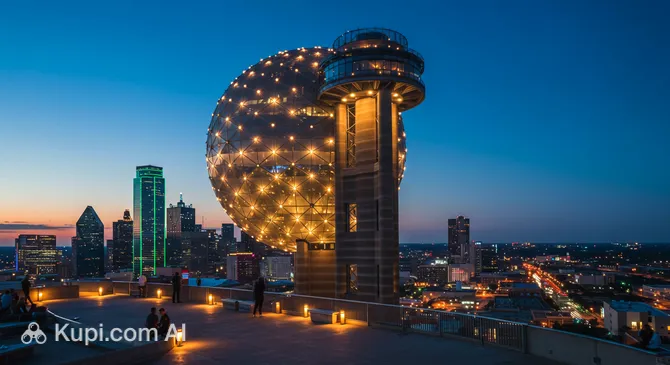
In terms of landmarks, the city's history and architecture are best appreciated at the John F. Kennedy Memorial Plaza. Designed by architect Philip Johnson, this open-air cenotaph is a place of quiet reflection dedicated to the late president. Nearby, the iconic Reunion Tower defines the skyline. Visitors can ascend to the GeO-Deck for 360-degree views of the metropolis, offering a perfect vantage point to see the city's layout and growth.
Reunion Tower. Illustration.
Source: Kupi.com AI
Traveler photos:
For a unique wildlife experience, The Dallas World Aquarium transforms a warehouse district into a rainforest adventure. Unlike traditional aquariums, it features a multi-level rainforest exhibit filled with monkeys, sloths, and exotic birds living among the treetops, leading down to the aquatic life below.
If you are looking for an authentic local experience, take a short drive to Historic Downtown Grapevine. This preserved 19th-century corridor offers a nostalgic step back in time with its boutique shops, winery tasting rooms, and the vintage Grapevine Vintage Railroad, providing a charming contrast to the modern pace of Dallas.
Getting Around
While Dallas is often associated with a car-centric culture, the city possesses a robust and growing public transportation network that can be surprisingly convenient for visitors. The primary system is operated by Dallas Area Rapid Transit (DART), which integrates light rail, extensive bus routes, and streetcar services. For tourists staying near the city center or major attractions, this network provides an affordable and efficient way to navigate the metropolis without the hassle of parking.
The backbone of the system is the DART Light Rail, the longest light rail network in the nation. It consists of four color-coded lines (Red, Blue, Green, and Orange) that radiate from Downtown to the surrounding suburbs and key destinations, including the airports. The Orange Line is particularly useful for travelers, as it connects DFW Airport directly to the city center. Supplementing the trains is a vast fleet of local buses that cover areas the rail lines do not reach, ensuring comprehensive coverage across the metropolitan area.
For a touch of nostalgia and local charm, visitors should look out for the M-Line Trolley. These restored vintage streetcars run through the vibrant Uptown and Arts District neighborhoods. It is not just a practical way to get around; riding these historic vehicles is an experience in itself, offering a leisurely pace and a unique perspective of the city's street life. Additionally, the modern Dallas Streetcar connects Union Station in Downtown to the hip Bishop Arts District in Oak Cliff, making it easy to explore one of the city's most popular dining and shopping areas.
Navigating the payment system is straightforward, with digital options being the most convenient. The GoPass app is the recommended tool for tourists; it allows you to purchase tickets instantly on your smartphone and serves as a trip planner. Alternatively, you can buy a reloadable GoPass Tap card or purchase physical tickets at vending machines located at rail stations. Fares are generally time-based, with "AM/PM" passes or "Midday" passes available, but the Day Pass is often the best value for tourists planning multiple stops. It provides unlimited travel on DART rail and buses for a full day.
Operating hours for the rail system typically run from approximately 5:00 AM to midnight, though schedules can vary by line and day of the week. Buses generally follow similar hours, but frequency may decrease late at night or on weekends. It is highly advisable to validate your ticket before boarding if you are using a physical pass, or simply activate your mobile ticket on the app just prior to your journey. Ticket inspectors patrol the trains regularly, so always have your valid proof of payment ready.
Despite the availability of public transit, there may be times when you need to reach a destination off the beaten path. In such cases, ride-sharing services like Uber and Lyft are extremely popular and reliable throughout the city. Taxis are also available but are less commonly hailed on the street; they are best found at hotel stands or booked in advance. For short distances within the downtown core, electric scooters and bike-share programs offer a fun and flexible alternative for getting from one block to another.
One distinct advantage for budget-conscious travelers is that the M-Line Trolley is famously free of charge, though voluntary donations are welcomed. This makes hopping between the Dallas Museum of Art and the restaurants of Uptown incredibly easy on the wallet. By combining the free trolley service with the DART rail for longer distances and ride-shares for specific door-to-door trips, you can explore the city efficiently and comfortably.
Accommodation
Accommodation in Dallas is as diverse as the city itself, catering to every type of traveler, from budget-conscious backpackers to those seeking high-end luxury. The city boasts a wide array of options, including historic hotels, modern skyscrapers, charming boutique inns, and practical motels. Whether you prefer the convenience of a full-service resort or the flexibility of a vacation rental apartment, you will find suitable lodging to match your style and budget.
For those who want to be in the center of the action, Downtown Dallas is the ideal location. Staying here places you within walking distance of major attractions like the Sixth Floor Museum and the Arts District, as well as the convention center. Just north of downtown, the Uptown neighborhood offers a more walkable, upscale experience filled with trendy restaurants, lively bars, and luxury hotels. It is a favorite among younger travelers and professionals. Alternatively, if your visit is short or focused on transit, the areas surrounding the airports provide excellent connectivity and value.
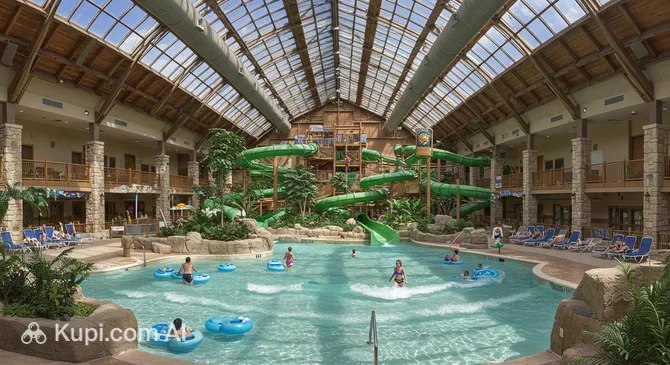
Travelers looking for convenience near the major transit hub might consider the DFW Airport Grand Hotel. It serves as a practical base for those with early flights or short layovers, offering easy access to the terminals. For families seeking a unique stay that doubles as an entertainment destination, the Great Wolf Lodge Water Park is a popular resort choice. This lodge is famous for its massive indoor water park and themed suites, making it a hit with children and a vacation spot in its own right.
Great Wolf Lodge Water Park. Illustration.
Source: Kupi.com AI
Traveler photos:
Prices in the city generally range from mid-range to luxury, though budget-friendly chain hotels are plentiful along the major highways and in the suburbs. It is highly recommended to book your accommodation in advance, especially if you plan to visit during major events like the State Fair of Texas in the fall or during Dallas Cowboys home games, when demand surges and prices rise. Most bookings can be easily made through major online travel platforms or directly via hotel websites.
Nearby Cities
For those looking to explore the surroundings, Dallas serves as an excellent base for day trips to several interesting nearby locations:
Just a short drive north, Plano offers a sophisticated blend of historic charm and modern luxury. It is a prime destination for shopping enthusiasts, boasting the expansive Legacy West district and a vibrant downtown area filled with brick-lined streets and unique boutiques. For a touch of local history, the Heritage Farmstead Museum provides a glimpse into the life of the Blackland Prairie in the late 19th century.
Located conveniently between Dallas and Fort Worth, Irving is best known for the master-planned community of Las Colinas. Here, visitors can admire the breathtaking Mustangs of Las Colinas, the largest equestrian sculpture in the world, set within a granite stream. The city is also a hub for entertainment, featuring the Toyota Music Factory which hosts major concerts and offers diverse dining options.
For families seeking active fun, Grand Prairie is a fantastic choice. This city is home to several major attractions, including the Epic Waters Indoor Waterpark, which is open year-round. It also hosts Traders Village, a massive weekend flea market that combines shopping with fairground rides, offering a lively atmosphere for a casual day out.
City
Population
Distance
Parkland
38 092
5 km
University Park
25 029
9 km
Irving
254 184
15 km
Duncanville
40 575
17 km
Balch Springs
27 369
17 km
These nearby destinations offer a glimpse into the diverse culture and landscapes of the region, making them perfect additions to any travel itinerary.
Shopping & Souvenirs
Dallas is widely recognized as a premier shopping destination in the Southwest, offering a retail landscape that rivals major fashion capitals. The city is often credited with inventing the modern shopping center, and today it boasts more retail space per capita than almost any other city in the country. From high-end luxury boutiques and sprawling malls to eclectic neighborhood shops and western wear emporiums, visitors will find an impressive variety of goods to suit every style and budget.
For a quintessential shopping experience, travelers should explore the Bishop Arts District in the Oak Cliff neighborhood. This revitalized historic area is lined with independent boutiques, art galleries, and antique shops, offering unique finds that you won't see in chain stores. Another iconic location is Highland Park Village. Known as the first self-contained shopping center in America, it is a National Historic Landmark that houses some of the world's most prestigious luxury fashion brands in a beautiful, open-air Spanish Mediterranean setting.
The region is famous for its massive, world-class shopping centers. One of the most popular destinations is Legacy West, a vibrant urban village that combines retail, dining, and living space. It features a curated mix of high-end brands and contemporary favorites, making it a top spot for fashion lovers. For an even larger experience, Grandscape offers a colossal mix of retail, entertainment, and dining, providing a full day of activity for shoppers looking for variety and fun.
Legacy West. Illustration.
Source: Kupi.com AI
Traveler photos:
Those seeking a more traditional or atmospheric market experience should visit the Dallas Farmers Market in the downtown area, where local artisans sell everything from handmade soaps to Texas-themed gifts alongside fresh produce. For a charming blend of history and retail, a trip to Historic Downtown Grapevine is highly recommended. This preserved main street is filled with locally-owned boutiques, winery tasting rooms, and general stores that offer a nostalgic shopping atmosphere perfect for finding one-of-a-kind treasures.
When it comes to souvenirs, no trip to Dallas is complete without embracing its western heritage. Authentic cowboy boots and Stetson hats are the ultimate keepsakes, and there are numerous specialized western wear stores throughout the city ready to fit you properly. Other popular local goods include Texas-made BBQ sauces, spicy salsas, and pecans. Fans of sports will also find an abundance of Dallas Cowboys merchandise, which serves as a proud symbol of the city's spirit.
Most shops in the city operate from 10:00 AM to 9:00 PM on weekdays and Saturdays, with shorter hours on Sundays, typically from 12:00 PM to 6:00 PM. Payment is convenient, with credit and debit cards being universally accepted. Cash is rarely required except perhaps at small vendor stalls in outdoor markets, though digital payments are increasingly common even there.
International shoppers can take advantage of the Texas Tax Back program. Texas is one of the few states that allows international visitors to receive a refund on the state sales tax paid on merchandise purchased for export. To participate, look for stores displaying the "Tax Free Shopping" signage, save your original receipts, and visit a refund center at the airport or select shopping malls before leaving the state.