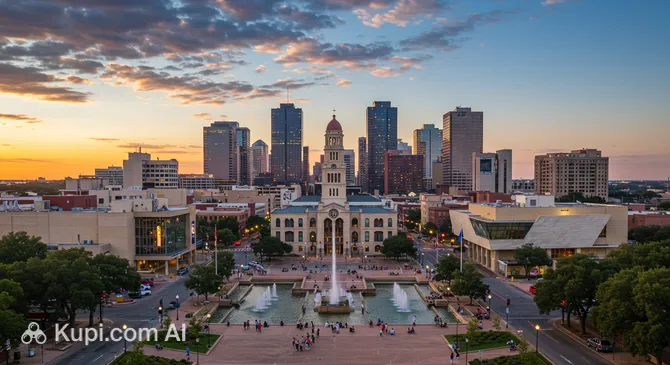
Welcome to Fort Worth, a city where the rough-and-tumble spirit of the Old West meets modern urban sophistication. Often affectionately known as "Cowtown," this vibrant destination offers a distinct cultural experience that sets it apart from its neighbor, Dallas. Located in North Central Texas, Fort Worth is a major cultural and economic hub within the United States, boasting a population of over 900,000 residents.
Fort Worth. Illustration.
Source: Kupi.com AI
The city's roots run deep into the frontier era. Originally established as an army outpost in 1849, the history of Fort Worth is famously tied to the Chisholm Trail and the millions of cattle driven through town. This heritage is proudly preserved today, creating a unique atmosphere where you can still feel the legacy of cowboys and drovers amidst a thriving contemporary cityscape.
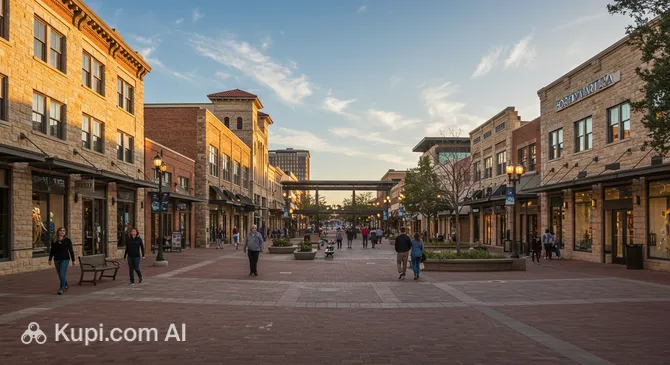
Travelers are drawn to the iconic Fort Worth Stockyards, the only place in the world where you can witness a twice-daily cattle drive of Texas Longhorns. Beyond its western charm, the city is renowned for its Cultural District, home to architectural marvels and world-class institutions like the Kimbell Art Museum. For those seeking entertainment, Sundance Square in downtown offers a lively 35-block area filled with restaurants, shops, and performance venues.
Whether you are here to explore renowned art galleries, watch a rodeo, or simply enjoy the warm Southern hospitality, Fort Worth promises an unforgettable journey. We invite you to discover the "City of Cowboys and Culture" and experience its authentic charm for yourself.
Weather Overview
Fort Worth typically experiences a humid subtropical climate, characterized by distinct seasons that offer a variety of conditions for visitors. To help you choose the best time for your visit, you can check the detailed forecast for the weather in Fort Worth before you travel. Generally, the city enjoys plenty of sunny days, though temperatures vary significantly throughout the year.
Summers in the city are hot, with August being the warmest month. During this time, the average temperature hovers around 30.5°C, with daily highs often reaching 35.5°C. July is similarly intense, while June sees average temperatures of 28.2°C. Travelers visiting in the summer should be prepared for the heat and plan for indoor activities during the hottest parts of the day.
In contrast, winters are relatively mild. January is typically the coolest month, with an average temperature of 8.8°C and lows dipping to around 3.5°C. December and February remain cool but rarely extreme, with average highs reaching up to 16°C. This makes the winter season a comfortable time for exploring the city's outdoor attractions without the biting cold found further north.
Spring and autumn provide pleasant transition periods. May stands out as the month with the most frequent rainfall, recording about 13 wet days, while other months like November typically see fewer rainy days. Overall, you can expect hot summers with some humidity and cool, relatively dry winters.
Average monthly temperature
Average monthly precipitation
Interesting Facts
Beyond the main attractions, Fort Worth holds many fascinating secrets that reveal its unique character and history. From urban legends to pivotal moments in American history, here are some surprising details about the city.
Sundance Square. Illustration.
Source: Kupi.com AI
Traveler photos:
The city has a curious nickname, "Panther City," which originated from a rivalry with Dallas in the 1870s. A Dallas newspaper mocked Fort Worth as being so sleepy that a panther was found sleeping in the middle of the street. Instead of being offended, the locals embraced the mascot, and today you can see panther symbols incorporated into police badges and architecture throughout the town.
Fort Worth is one of only two locations in the nation that prints United States paper currency. The Bureau of Engraving and Printing’s Western Currency Facility produces more than half of the country's cash. If you look closely at a bill, a small "FW" printed on the face indicates it was made right here in Texas.
The vibrant 35-block entertainment district known as Sundance Square sits on a part of town that was once the notorious "Hell's Half Acre." In the late 19th century, this area was a rowdy red-light district filled with saloons and gambling halls, frequented by outlaws like Butch Cassidy and the Sundance Kid, for whom the modern square is named.
President John F. Kennedy gave his final public speech in Fort Worth. On the rainy morning of November 22, 1963, he addressed a crowd outside the Hotel Texas (now the Hilton Fort Worth) before departing for Dallas. A tribute and statue now mark the spot where he spoke his last words to the public.
The city is home to the "Palace Theater Light Bulb," often cited as the world's second-longest burning light bulb. Located in the Stockyards Museum, this bulb has been continuously burning since September 21, 1908, originally serving as a backstage light at the old Byers Opera House.
How to Get There
Traveling to this Texan destination is straightforward, primarily due to its proximity to major aviation hubs serving the North Texas region. While the city is accessible by various means, most visitors choose to fly into one of the nearby airports. For a complete overview of travel options, you can read more about how to get to Fort Worth on our detailed page.
The most significant gateway for travelers is Dallas/Fort Worth International Airport (IATA: DFW). It is a major global hub located in the city of Dallas, approximately 31.6 km from the center of Fort Worth. With its massive passenger volume, it offers connections to destinations worldwide. The travel time from this airport to downtown Fort Worth by taxi or shuttle is typically approximately 30 to 40 minutes, depending on traffic conditions.
Another excellent option is Dallas Love Field (IATA: DAL), which is also located in Dallas. Situated about 46 km from Fort Worth, this airport handles a significant number of domestic flights and serves as a convenient alternative for many visitors. Reaching the city center from here usually takes approximately 45 to 55 minutes by road.
For clarity, here is a summary of the main airports:
Fort Worth offers a diverse array of attractions that cater to history buffs, art enthusiasts, and nature lovers alike. From world-class museums in the Cultural District to immersive wildlife experiences, the city provides countless opportunities for exploration beyond its famous cattle drives.
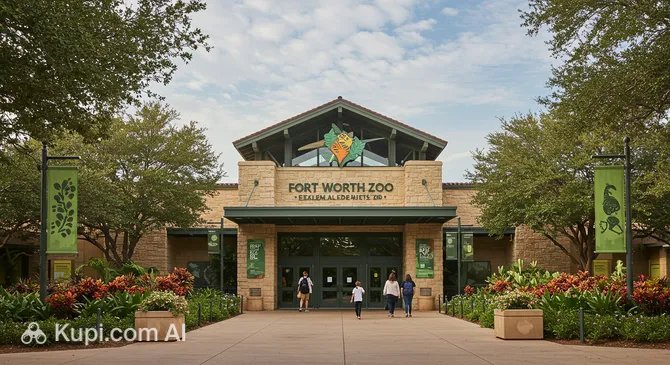
One of the top destinations for families is the Fort Worth Zoo. Founded in 1909, it is the oldest zoo in Texas and is consistently ranked among the best in the nation. The facility is home to over 7,000 native and exotic animals. Visitors particularly love the Texas Wild! exhibit, which showcases the state's diverse regional landscapes, and the Museum of Living Art (MOLA), a premiere herpetarium. It is a perfect spot to spend a day learning about conservation while observing magnificent creatures close up.
Fort Worth Zoo. Illustration.
Source: Kupi.com AI
Traveler photos:
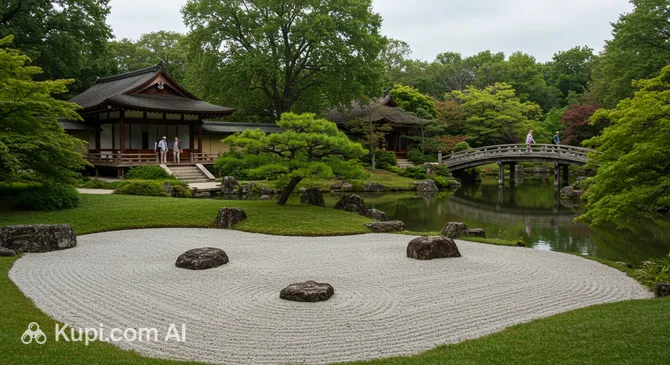
For those seeking tranquility and natural beauty, the Japanese Garden is a must-visit. Located within the larger Botanic Garden, this 7.5-acre strolling garden is a masterpiece of landscape architecture. It features traditional elements such as koi-filled ponds, cascading waterfalls, and charming bridges. The meticulously manicured grounds change with the seasons, offering cherry blossoms in the spring and vibrant maples in the fall, making it a serene escape from the urban bustle.
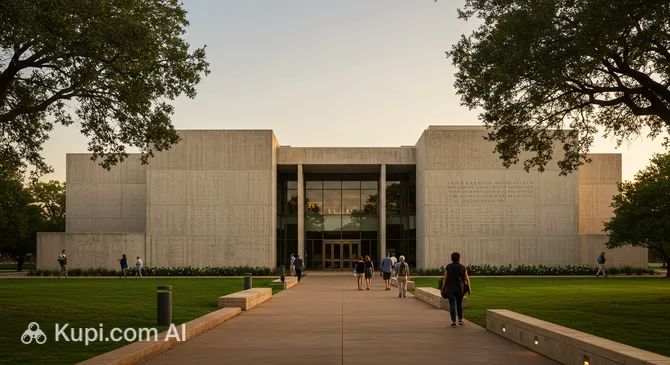
Art admirers should not miss the Amon Carter Museum of American Art. Situated in the heart of the Cultural District, this institution was established by a local publisher to house his extensive collection of works by Frederic Remington and Charles M. Russell. Today, it offers a comprehensive view of American creativity, featuring paintings, sculpture, and one of the finest photography collections in the country. The architecture of the building itself, designed by Philip Johnson, is also a highlight.
Amon Carter Museum of American Art. Illustration.
Source: Kupi.com AI
Traveler photos:
To dive deeper into the spirit of the West, visit John Wayne: An American Experience. Located in the historic Stockyards, this sprawling exhibit is dedicated to the life and legacy of "The Duke." Spanning over 10,000 square feet, the museum displays an intimate collection of personal items, including film costumes, scripts, letters, and even his customized car. It provides a fascinating look at the man behind the legend and his impact on American culture.
Finally, outdoor enthusiasts can explore the Fort Worth Nature Center & Refuge. This vast wilderness area covers over 3,600 acres of forests, prairies, and wetlands. It offers over 20 miles of hiking trails where you can spot local wildlife, including a herd of bison, deer, and numerous bird species. It serves as a reminder of what the North Texas landscape looked like before modern development.
Local Cuisine
The culinary landscape of Fort Worth is as bold and spirited as its western heritage. Often referred to as "Cowtown," the city stays true to its roots with a dining scene heavily focused on high-quality meats, from succulent steaks to slow-smoked barbecue. However, the local palate has evolved to include a vibrant mix of Tex-Mex flavors, creative comfort food, and a booming craft beverage culture, ensuring that every traveler finds something to satisfy their appetite.
No visit to this part of Texas is complete without indulging in authentic barbecue. Brisket is the undisputed king here, typically seasoned with a simple rub of salt and pepper and smoked low and slow until it melts in your mouth. You will also find fall-off-the-bone ribs and savory jalapeño cheddar sausage at smokehouses scattered across the city. For those who prefer a classic steakhouse experience, the city offers numerous venues where you can enjoy prime cuts in an atmosphere that ranges from rustic cowboy charm to upscale elegance.
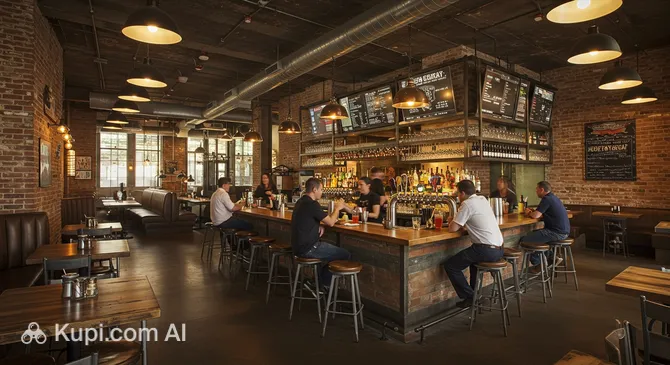
Beyond traditional barbecue, the burger scene is legendary. Locals are particularly fond of Rodeo Goat, a celebrated spot known for its inventive burger creations and relaxed patio atmosphere. Here, you can try unique combinations that push the boundaries of the classic American hamburger, often paired with hand-punched fries. If you have a hearty appetite, the Brazilian steakhouse concept is also popular, with places like Texas de Brazil offering a continuous service of seasoned meats carved tableside.
Rodeo Goat. Illustration.
Source: Kupi.com AI
Traveler photos:
Tex-Mex is another pillar of the local diet. You can expect generous platters of enchiladas, sizzling fajitas, and breakfast tacos served on fresh flour tortillas. Chili con carne, the official dish of Texas, is a must-try staple, often served without beans in the traditional style. To wash it all down, the Margarita is the drink of choice, available frozen or on the rocks in countless varieties. For a non-alcoholic option, sweet iced tea is the standard refreshment served with almost every meal.
The city's beverage culture also shines through its growing number of breweries and beer gardens. The historic Stockyards district is a great place to experience this, where venues like Second Rodeo Brewing offer a quintessential Texas experience. Visitors can enjoy locally brewed beers in a lively setting that often features live music and an open-air design, perfectly capturing the friendly and communal spirit of Fort Worth dining.
Travel Tips
Preparing for a trip to Fort Worth ensures you can fully enjoy its unique blend of cowboy culture and modern city life without any hitches. Here is a collection of essential advice to help you navigate the city comfortably and confidently.
Clothing and Gear: Texas weather can be unpredictable, but summers are consistently hot. Pack lightweight, breathable fabrics, sunglasses, and a wide-brimmed hat to protect against the sun. Since you will likely be walking on the brick streets of the Stockyards or exploring the Cultural District, bring comfortable walking shoes. If you visit in winter, layers are key, as temperatures can swing from chilly mornings to mild afternoons.
Transportation: While the downtown area is walkable and serviced by the free Molly the Trolley, renting a car is the most convenient way to explore the wider city and its surrounding neighborhoods. Ride-sharing apps like Uber and Lyft are widely available. Public transportation is provided by Trinity Metro, including buses and the TEXRail train, which connects downtown to the airport, but a car offers the most flexibility.
Finances: The currency is the US Dollar (USD). Credit and debit cards are accepted almost everywhere, from museums to food trucks. However, carrying a small amount of cash is useful for tipping valets or making small purchases at local markets. Tipping is a strong cultural norm; expect to leave 15-20% of the bill at restaurants and bars for good service.
Health and Safety: Fort Worth is generally a safe destination for tourists, but standard urban precautions apply, such as keeping valuables secure and staying aware of your surroundings at night. Pharmacies like CVS and Walgreens are plentiful, with some locations open 24 hours. In case of a serious emergency, dial 911 for immediate police, fire, or medical assistance.
Communication: English is the primary language, though you will frequently hear Spanish due to the large Hispanic population. Free Wi-Fi is commonly found in hotels, coffee shops, and public spaces like Sundance Square. For mobile data, you can easily purchase a prepaid SIM card at the airport or at mobile carrier stores throughout the city.
Local Etiquette: Texans are known for their warm hospitality. A friendly nod, a smile, or a "Howdy" is a common way to greet strangers passing by. Politeness is highly valued; using "Sir" and "Ma'am" when addressing people is considered a sign of respect, regardless of age. When watching the cattle drives, respect the barriers and listen to the drovers' instructions.
What to Avoid: Do not underestimate the summer heat; avoid strenuous outdoor activities during the peak afternoon hours (12 PM to 4 PM) without proper hydration. Also, try not to compare Fort Worth constantly to Dallas; locals take great pride in their city's distinct "Cowtown" identity and relaxed pace, which differs significantly from their neighbor to the east.
Local Insight: If you plan to buy cowboy boots or hats, visit the authentic western stores in the Stockyards, where staff can help you find the perfect fit—a process known as "shaping" for hats. Also, check store hours, as many local boutiques close earlier on Sundays or Mondays.
By keeping these practical tips in mind, you will be well-equipped to embrace the easygoing spirit and rich heritage of this Texan gem. We hope you have a safe, comfortable, and truly memorable adventure in Fort Worth!
Entertainment & Nightlife
Fort Worth comes alive after dark with a nightlife scene that perfectly balances its rugged western heritage with modern urban energy. The city is divided into several distinct entertainment districts, each offering a unique vibe. The historic Stockyards is the place to be for honky-tonks, live country music, and cold beer, attracting a crowd that loves to two-step. In contrast, the West 7th district bridges downtown and the Cultural District, serving as a high-energy hub filled with trendy bars, dance clubs, and a younger, collegiate crowd.
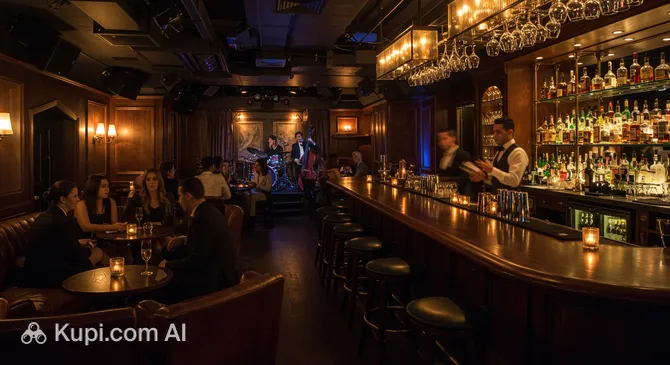
For those seeking a more sophisticated or relaxed evening, downtown’s Sundance Square offers a walkable environment lined with patios and lounges. Here, you can enjoy a premium experience at Eddie V's, a prime destination known for its fresh seafood, steaks, and charismatic lounge atmosphere featuring live jazz. It is an excellent choice for travelers looking to dress up slightly and enjoy a classic night out in the heart of the city.
Eddie V's. Illustration.
Source: Kupi.com AI
Traveler photos:
If you prefer an atmosphere that combines entertainment with social drinking, the city has plenty of interactive options. Cider Arcade Fort Worth is a popular spot where visitors can enjoy a vast selection of hard ciders while playing retro arcade games, making it a fun alternative to a traditional bar. Sports enthusiasts might enjoy the lodge-style setting of Twin Peaks, which offers hearty comfort food and ice-cold draft beer in a lively environment perfect for watching the big game.
For a different kind of evening entertainment, you might consider visiting the Fort Worth Cabaret. Regardless of where you choose to go, the dress code in Fort Worth is generally "cowboy casual." Jeans and boots are acceptable almost everywhere, though upscale venues in downtown may appreciate "smart casual" attire. Bars typically close at 2:00 AM, and the busiest nights are Friday and Saturday.
Safety is well-managed in the main tourist districts like Sundance Square and the Stockyards, which are well-lit and patrolled. However, it is always wise to stay aware of your surroundings. Public transportation runs less frequently at night, so using ride-sharing services like Uber or Lyft is the most reliable and safe way to get between districts or back to your hotel. Average drink prices are moderate compared to larger coastal cities, with beers often costing between $5 and $8.
Before the sun sets, the city offers exciting daytime entertainment options beyond its famous museums. Families and thrill-seekers can head to Urban Air Adventure Park, a large indoor facility featuring trampolines and obstacle courses. Whether you spend your day soaring through the air or your night listening to jazz, Fort Worth ensures your schedule is packed with memorable experiences.
Parks & Museums
Parks and Museums:
Fort Worth boasts an impressive array of green spaces and a Cultural District that rivals those of much larger cities. Beyond the stockyards and saloons, visitors will find a sophisticated side to the city, featuring serene riverfront parks, world-renowned architectural masterpieces, and institutions dedicated to preserving art and history.
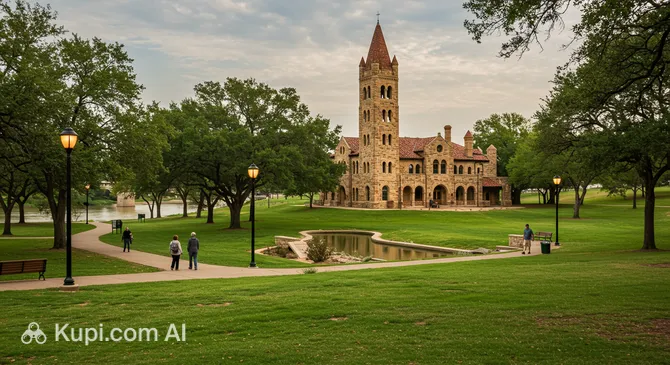
For a refreshing escape within the city limits, Trinity Park is the premier destination. Spanning 252 acres along the banks of the Trinity River, this expansive green belt is perfect for walking, running, or cycling on its miles of paved trails. It serves as a central hub connecting several major landmarks and features a miniature train that has delighted generations of local families. The park's large duck pond and ample picnic areas make it an ideal spot for a relaxing afternoon outdoors.
If you are looking for a unique summer experience or a scenic spot, Burger's Lake offers a nostalgic trip back in time. This 30-acre park features a spring-fed lake designed for swimming, complete with diving boards, slides, and a trapeze. Surrounded by large shade trees, it provides a classic swimming hole atmosphere that is distinct from modern water parks. Alternatively, hikers seeking more rugged terrain should explore Marion Sansom Park, known for its winding trails, scenic vistas of Lake Worth, and a hidden waterfall that rewards those who make the trek.
Trinity Park. Illustration.
Source: Kupi.com AI
Traveler photos:
The city's Cultural District is home to the Kimbell Art Museum, widely regarded as having one of the finest small collections in the world. Housed in a building designed by Louis Kahn that is considered a triumph of natural light and architecture, the museum features masterpieces ranging from antiquities to 20th-century art. Just across the street stands the Modern Art Museum of Fort Worth. Its stunning glass-and-concrete building, designed by Tadao Ando, appears to float on a reflecting pond and houses a massive collection of post-World War II art, offering a striking contrast to the classical works nearby.
Architecture enthusiasts should also take a moment to admire St. Patrick Cathedral downtown. This historic church, built in the Gothic Revival style, stands as a testament to the city's spiritual and architectural heritage. Its intricate limestone facade and stained glass windows provide a peaceful respite from the busy city streets and offer a glimpse into late 19th-century craftsmanship.
For a special seasonal treat, visitors in December should not miss the Interlochen Christmas Lights. This neighborhood display has become a massive local tradition, where over 200 homes coordinate elaborate light shows, drawing thousands of spectators for a magical drive-through experience during the holiday season.
Getting Around
Navigating Fort Worth is relatively straightforward, thanks to a public transportation network managed by Trinity Metro. While the city is spread out and often best explored by car, the public system offers reliable connections for visitors, particularly within the downtown area and to major transit hubs. The network consists of buses, commuter trains, and a unique trolley service that caters specifically to tourists and locals moving through the city center.
For rail travel, the city is served by two key lines. TEXRail is a commuter train that provides a direct and comfortable link between downtown Fort Worth and Dallas/Fort Worth International Airport, making arrival and departure seamless. Additionally, the Trinity Railway Express (TRE) connects Fort Worth with Dallas, offering a convenient option for day trips between the two major metropolitan areas. The bus system complements these rail lines, covering a wider range of neighborhoods and connecting to cultural districts.
A distinct highlight for visitors is Molly the Trolley. This vintage-style bus service circulates through the downtown area and is completely free of charge. It is an excellent way to travel between Sundance Square, the Convention Center, and major hotels without walking in the Texas heat. The trolleys run frequently, approximately every 15 minutes, and add a charming, historic touch to the urban transit experience.
Paying for fares is modern and user-friendly. The most convenient method is the GoPass app, which allows you to purchase tickets directly on your smartphone for buses and trains. If you prefer physical tickets, vending machines are available at rail stations. Fares are affordable, with a local day pass typically costing around $5, allowing unlimited rides on buses and TEXRail within the city. If you plan to take the TRE to Dallas, a regional pass will be required at a slightly higher price.
For those who prefer flexibility, alternatives to public transit are plentiful. Ridesharing services are extremely popular and widely available throughout the city, often being the quickest way to reach specific restaurants or attractions outside the main corridors. Active travelers can utilize Fort Worth Bike Sharing, which offers red bikes at numerous docking stations across the city, including along the Trinity Trails and in the Cultural District.
When planning your travel, keep in mind that bus frequencies can vary, especially on weekends and evenings. It is advisable to check the latest schedules via the official app or website before heading out. While the trains run reliably from early morning until late at night, some bus routes may have reduced hours on Sundays. Always carry a small amount of cash if you plan to pay on the bus, as drivers require exact change.
Accommodation
Fort Worth offers a diverse range of accommodation options that cater to every type of traveler, from those seeking the rustic charm of the Old West to visitors looking for modern urban luxury. The city’s hospitality sector is well-developed, featuring everything from budget-friendly motels and family-oriented chains to high-end boutique hotels and historic properties. Whether you want to be in the center of the action or tucked away in a quiet neighborhood, you will find a place that suits your style and budget.
For first-time visitors, Downtown is often the most convenient area to stay. This walkable district places you right in the middle of the city's vibrant energy, just steps away from the entertainment and dining options at Sundance Square. Staying here means easy access to Molly the Trolley and a quick commute to other major districts. The hotels in this area range from restored historic skyscrapers to sleek, contemporary high-rises offering panoramic views of the city.
If you are looking to fully immerse yourself in the city's cowboy culture, the Stockyards District is the perfect choice. Accommodation here often reflects the area's western heritage, with rustic decor and a laid-back atmosphere. Staying in this neighborhood puts you within walking distance of the daily cattle drives, rodeos, and honky-tonks, making it an ideal base for those who want to experience the "Cowtown" spirit around the clock.
Travelers seeking a more relaxed and scenic environment might prefer the Cultural District. This area is home to the city's world-class museums and expansive green spaces. It is a fantastic option for art lovers and families who want to be close to the Botanic Garden and the serene Japanese Garden. The pace here is slightly slower, offering a peaceful retreat after a day of sightseeing.
Japanese Garden. Illustration.
Source: Kupi.com AI
Traveler photos:
For those interested in upscale shopping and dining, the area surrounding The Shops at Clearfork offers a more modern and luxurious experience. This developing district features newer hotel properties that cater to travelers looking for premium amenities and easy access to high-end retail and riverfront trails.
When planning your trip, it is highly recommended to book in advance, especially if you are visiting during major events like the Fort Worth Stock Show & Rodeo in January or on weekends when the Stockyards are busiest. Prices can vary significantly depending on the season and location. Budget travelers can find comfortable options starting around $80 to $120 per night, while mid-range hotels typically fall between $150 and $250. Luxury stays and boutique properties in prime locations can exceed $300 per night. Reservations can be easily made through major online booking platforms or directly with the hotels.
Nearby Cities
For those looking to explore the surroundings, Fort Worth serves as an excellent base for day trips to several interesting nearby locations. The region, often referred to as the Metroplex, is dense with distinct cities that offer their own unique attractions, ranging from family entertainment to scenic waterfronts.
Irving is a popular destination located just a short drive east. It is best known for the Las Colinas area, which features the stunning Mustangs of Las Colinas sculpture, the largest equestrian sculpture in the world. Visitors can also enjoy the Mandalay Canal Walk, a European-style waterway lined with restaurants and shops, offering a picturesque setting for an afternoon stroll.
Another excellent option for a day of fun is Grand Prairie. Situated centrally between the major cities, it is a hub for entertainment and adventure. The city is home to Epic Waters Indoor Waterpark, a massive facility open year-round, as well as unique attractions like Ripley's Believe It or Not! Palace of Wax. It is an ideal spot for families seeking high-energy activities close to Fort Worth.
For those interested in local suburban life and outdoor spaces, Flower Mound offers a more relaxed pace. Located near the northern shores of Grapevine Lake, it provides opportunities for hiking, fishing, and enjoying the natural beauty of North Texas. The town prides itself on its preservation of nature and small-town atmosphere.
City
Population
Distance
Haltom City
45 777
8 km
Richland Hills
8 505
11 km
White Settlement
18 040
12 km
Forest Hill
13 797
12 km
Watauga
23 649
13 km
These nearby destinations offer a glimpse into the diverse culture and landscapes of the region, ensuring that there is always something new to discover just a short drive away.
Shopping & Souvenirs
Shopping in Fort Worth is a delightful mix of rugged western heritage and sophisticated modern luxury. The city offers a retail experience that is as diverse as its culture, allowing visitors to purchase everything from authentic cowboy boots and hand-shaped hats to high-end designer fashion. Whether you are strolling through historic brick-lined streets or exploring open-air luxury centers, you will find that the local shopping scene perfectly reflects the city's unique "Cowboys and Culture" identity.
For a quintessential Fort Worth experience, the historic Stockyards District is the place to start. This area is the epicenter of western wear, home to legendary stores that have been outfitting locals and visitors for decades. Here, you can find custom leather goods, belts with oversized buckles, and the city's signature cowboy hats. Another historic destination is Camp Bowie Boulevard. Known for its original red brick paving, this lengthy corridor is lined with upscale boutiques, antique shops, and specialty stores, offering a charming atmosphere for a leisurely day of browsing.
In the heart of downtown, Sundance Square serves as a vibrant hub for both entertainment and shopping. This 35-block district features a blend of nationally recognized brands and unique local shops selling apparel, art, and gifts. The walkable nature of the area, combined with its beautiful plazas and fountains, makes it an enjoyable place to window shop or pick up gifts while exploring the city center.
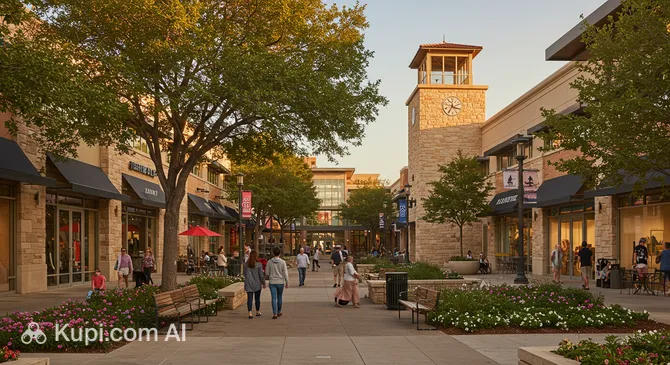
Travelers seeking a premier luxury experience should head to The Shops at Clearfork. This open-air shopping center is located on the historic Edwards Ranch and features a curated collection of high-end retailers, including Neiman Marcus and luxury fashion houses. With its beautifully landscaped walkways and upscale dining options, it offers a sophisticated environment for those looking to indulge in premium brands.
The Shops at Clearfork. Illustration.
Source: Kupi.com AI
Traveler photos:
For a taste of local life, the city's markets are worth a visit. The Clearfork Farmers Market, held on Saturday mornings, is a favorite among locals for fresh produce, artisanal cheeses, and handmade goods. It is an excellent spot to find unique, locally crafted items that you won't see in standard malls. Additionally, various flea markets and antique malls scattered around the city offer treasures for collectors and bargain hunters alike.
When it comes to souvenirs, Fort Worth offers items you simply cannot find elsewhere. The most iconic keepsake is, of course, a pair of cowboy boots or a Stetson hat, often fitted personally by experts in the Stockyards. Other popular items include locally made barbecue sauces, western-themed art, and leather goods. Bringing back a piece of western wear is the perfect way to remember your time in "Cowtown."
Most retail stores in the city operate from 10:00 AM to 9:00 PM on weekdays and Saturdays, with reduced hours on Sundays, typically opening around noon and closing by 6:00 PM. Major credit cards are universally accepted, even at smaller boutiques and market stalls. International shoppers should be aware that Texas offers a tax refund program. You may be eligible to receive a refund on the state sales tax paid on merchandise if you purchase goods from participating retailers and intend to export them within 30 days of purchase.