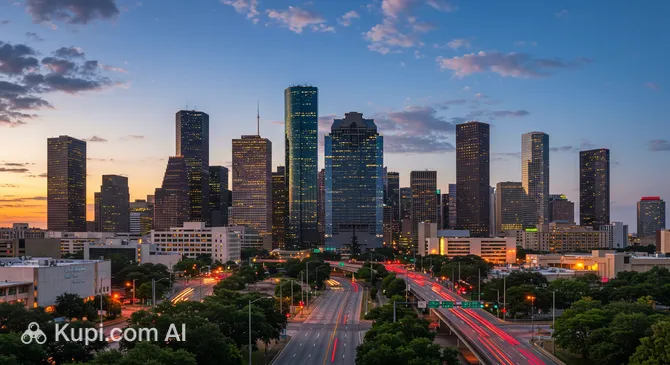
Welcome to Houston, a sprawling metropolis defined by its boundless energy and diverse spirit. As the fourth-largest city in the United States, it serves as a vibrant hub of culture, cuisine, and innovation in the heart of Texas. Whether you are fascinated by space exploration, eager to explore world-class museums, or simply looking to enjoy Southern hospitality, this city offers a unique atmosphere that blends cosmopolitan sophistication with distinct Texan charm.
Houston. Illustration.
Source: Kupi.com AI
Geographically, Houston is situated in Southeast Texas near the Gulf of Mexico, a location that influences its warm, humid climate and lush, green landscapes woven with bayous. With a metropolitan population exceeding 5 million people, it is a bustling urban center that continues to grow and evolve. The history of Houston is deeply rooted in trade and industry, transforming from a modest settlement on the banks of Buffalo Bayou into a global powerhouse often called the "Energy Capital of the World."
Travelers are often drawn to the city's remarkable attractions. Space Center Houston is perhaps the most iconic, offering an immersive look at NASA's historic and ongoing missions. For art and culture lovers, the Museum District boasts a walkable zone of 19 museums, galleries, and community spaces. Additionally, the city's culinary scene is legendary, featuring everything from authentic Tex-Mex and barbecue to diverse international flavors. A visit to Houston promises an unforgettable journey through science, art, and flavor.
Weather Overview
The climate in this part of Texas is generally characterized by hot, humid summers and mild winters. During the warmest month, August, the average temperature hovers around 29.4°C, with daytime highs often reaching 33.8°C. Conversely, January is typically the coolest time of year, featuring an average temperature of 12.7°C and overnight lows of roughly 7.8°C.
Precipitation is fairly distributed throughout the year, so it is wise to be prepared for rain regardless of when you visit. The number of wet days varies slightly, peaking at 16 days in both May and August, while October and November are somewhat drier with about 10 wet days each. For those planning a trip and needing more specific forecasts, the weather in Houston page offers detailed insights.
Overall, travelers can expect hot summers with frequent chances of rain and mild winters that are generally comfortable for exploring the city. Spring and autumn offer transition periods with pleasant temperatures, making them popular times for outdoor activities.
Average monthly temperature
Average monthly precipitation
Interesting Facts
Beyond the well-known space centers and sprawling parks, Houston holds a treasure trove of fascinating secrets and unique distinctions. Here are a few surprising facts that reveal the city's eclectic character:
Beneath the busy streets of downtown lies a massive tunnel system stretching over 6 miles (9.7 kilometers). This air-conditioned underground network connects 95 city blocks and is filled with restaurants and shops, allowing locals to avoid the summer heat and sudden rain showers.
The city is home to the National Museum of Funeral History, which houses the largest collection of funeral service artifacts in the country. Unique exhibits include historical hearses, elaborate coffins, and memorabilia from presidential funerals.
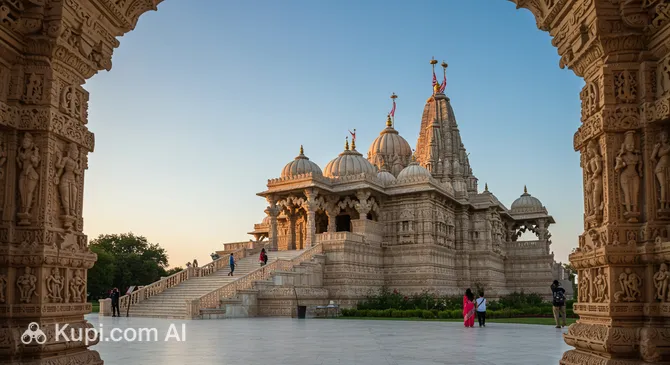
Architecture enthusiasts might be surprised to find the BAPS Shri Swaminarayan Mandir Houston, the first traditional Hindu Mandir of its kind in North America. It was assembled like a giant 3D puzzle from 33,000 pieces of hand-carved Italian marble and Turkish limestone.
Houston has a permanent place in cosmic history as the first word spoken from the lunar surface to Earth. When Apollo 11 landed on the moon in 1969, Neil Armstrong transmitted the famous line, "Houston, Tranquility Base here. The Eagle has landed."
Reaching this vibrant Texas metropolis is straightforward thanks to its status as a major transportation hub. Whether you are arriving from overseas or traveling domestically, you have excellent options for flying directly into the area. For a complete overview of transportation methods, including driving directions and ground transport details, you can read more about how to get to Houston on our detailed page.
The most prominent entry point for international and long-haul travelers is George Bush Intercontinental Airport (IAH). As one of the busiest airports in the country, it connects the city to destinations worldwide. It is located approximately 25 km north of the city center. A taxi or shuttle ride from here to downtown typically takes about 60 minutes, though this can vary with traffic.
For those flying domestically or looking for a landing point closer to downtown, William P. Hobby Airport (HOU) is a fantastic choice. Situated just roughly 15 km from the heart of the city, it offers a more compact and convenient experience for many travelers. The journey into the city center is generally quicker, taking approximately 45 minutes by car or taxi.
For clarity, here is a summary of the main airports:
Houston is a city that rewards curiosity, offering a dynamic mix of world-class museums, sprawling green spaces, and historic landmarks. Whether you are interested in the wonders of the natural world, fine arts, or simply enjoying the outdoors, the city’s top attractions provide memorable experiences for every type of traveler.
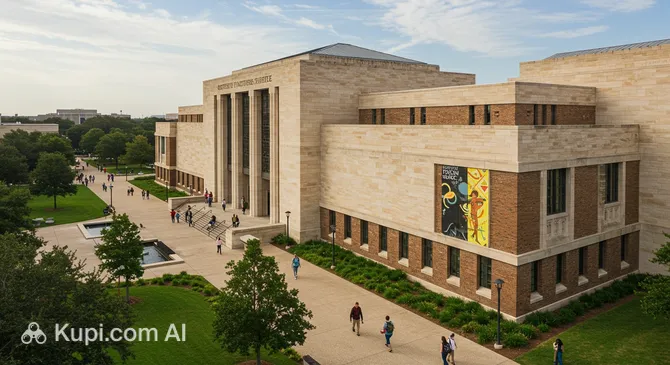
One of the most popular destinations in the city is the Houston Museum of Natural Science. Located in the heart of the Museum District, this institution is renowned for its extensive paleontology hall, which features towering dinosaur skeletons. Visitors can also explore a stunning cabinet of curiosities, a planetarium, and the mesmerizing Cockrell Butterfly Center. It is a fantastic spot for families and anyone eager to learn more about the natural history of our planet.
Houston Museum of Natural Science. Illustration.
Source: Kupi.com AI
Traveler photos:
Just a stone's throw away, art enthusiasts will find The Museum of Fine Arts, Houston. As one of the largest museums in the United States, it boasts an encyclopedic collection that spans thousands of years and encompasses cultures from around the globe. From classic European paintings to contemporary installations and Latin American art, the galleries offer an inspiring journey through human creativity.
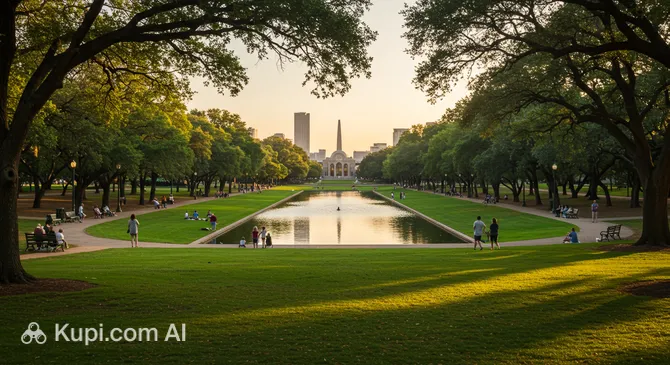
For those seeking fresh air and relaxation, Hermann Park serves as a beloved urban oasis. This historic park is much more than just a green space; it is home to the McGovern Centennial Gardens, a Japanese Garden, and a miniature train that delights children. Its central location makes it the perfect place to unwind after visiting the nearby museums or the zoo.
Hermann Park. Illustration.
Source: Kupi.com AI
Traveler photos:
Another exceptional outdoor venue is Buffalo Bayou Park, which stretches along the city's main waterway. This 160-acre park offers spectacular views of the downtown skyline and features miles of hike and bike trails. A unique highlight here is the Cistern, an underground former drinking water reservoir that has been transformed into a magnificent public space for art installations and tours.
Finally, history buffs should consider a visit to the San Jacinto Battleground State Historic Site. Located a short drive from the city center, this site commemorates the decisive battle of the Texas Revolution. Visitors can view the towering San Jacinto Monument and explore the museum to gain deeper insight into the region's past.
Local Cuisine
Houston is widely recognized as one of the most exciting culinary capitals in the United States, offering a dining scene that perfectly reflects its diverse multicultural population. Food here is a way of life, blending traditional Southern comfort with bold international flavors. The city is particularly famous for Viet-Cajun crawfish, a delicious fusion dish that combines the spices of a Louisiana boil with Vietnamese ingredients like garlic, butter, and lemongrass. This unique culinary invention is a must-try during the crawfish season.
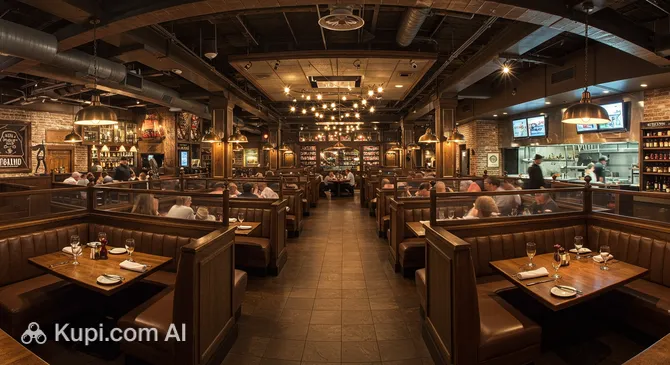
Of course, no visit to this part of Texas is complete without indulging in authentic Tex-Mex. Houstonians have a deep love for chili con queso, enchiladas, and sizzling fajitas, which are often cited as having originated in the region. For meat lovers, Texas barbecue is another pillar of the local diet, featuring slow-smoked brisket and ribs that fall off the bone. If you are looking for a quintessential steakhouse experience, Taste of Texas is a renowned establishment where you can select your own steak from the butcher shop before it is grilled to perfection.
Taste of Texas. Illustration.
Source: Kupi.com AI
Traveler photos:
When it comes to beverages, the city has a strong claim to fame regarding the frozen margarita, making it a refreshing staple on sunny patios across town. Local craft breweries are also thriving, offering a wide range of ales and lagers that pair well with the humid climate. For a non-alcoholic option, sweet iced tea is available almost everywhere, serving as the traditional accompaniment to Southern meals.
The food culture in Houston is incredibly inclusive, ranging from high-end dining rooms to bustling food trucks and strip-mall gems. The international options are vast, with exceptional Vietnamese, Nigerian, and Indian cuisines readily available. For example, Aga's Restaurant & Catering is a favorite among locals for its vibrant Indo-Pakistani dishes, such as goat chops and spicy curries. Whether you are exploring a dining hub like CITYCENTRE or finding a hidden spot in a neighborhood, the city promises a flavorful adventure for every palate.
Travel Tips
Preparing for a trip to Houston involves more than just packing your bags; knowing a few local insights can transform your visit from good to great. Here is a list of essential tips to help you navigate the "Energy Capital of the World" with ease and confidence.
Clothing and Gear: Due to the subtropical climate, lightweight and breathable fabrics like cotton or linen are essential, especially in summer. However, indoor venues such as museums and malls often keep air conditioning at very low temperatures, so it is wise to carry a light jacket or sweater. Comfortable walking shoes are also a must, particularly if you plan to explore the expansive Museum District.
Transportation: Houston is a sprawling metropolis, and renting a car is often the most efficient way to explore beyond the city center. While the METRORail is convenient for travel between Downtown, the Museum District, and the Medical Center, a car or ride-hailing apps like Uber and Lyft are necessary for reaching widely scattered attractions. Be prepared for limited public transport options in the suburbs.
Finances: The local currency is the United States Dollar (USD). Credit and debit cards are widely accepted everywhere, from high-end restaurants to parking meters. However, carrying small bills is useful for valet parking or cash-only food trucks. Tipping is mandatory in service culture; it is standard to leave 18-20% of the bill at restaurants and bars.
Health and Safety: The heat and humidity can be intense, so staying hydrated is crucial to avoiding heat exhaustion. Pharmacies like CVS and Walgreens are easy to find, with many locations open 24 hours. While the city is generally welcoming, exercise standard big-city precautions: keep valuables out of sight in your car and stay in well-lit, populated areas at night.
Communication:English is the primary language, but due to the city's diverse population, you will frequently hear Spanish, Vietnamese, and other languages. Free Wi-Fi is commonly available in coffee shops, hotels, and public parks. If you need mobile data, prepaid SIM cards are readily available at mobile stores and major supermarkets.
Local Etiquette: Texans are known for their Southern hospitality. It is polite to greet people with a smile or a nod, and phrases like "y'all" (you all) are used affectionately. Holding doors open for others and saying "please" and "thank you" are expected social norms. When driving, a friendly wave if someone lets you merge is appreciated.
What to Avoid: Do not underestimate rush hour traffic, which typically clogs highways from 7:00 to 9:00 AM and 4:00 to 7:00 PM; plan your travel times accordingly. Additionally, avoid assuming you can walk everywhere; outside of specific districts like Downtown or the Heights, sidewalks can be inconsistent, and distances are often further than they appear on a map.
Local Life Hack: If you are exploring Downtown on a weekday, take advantage of the Underground Tunnel System. This air-conditioned network connects 95 city blocks and is packed with lunch spots and shops. It is the perfect way for tourists to escape the midday heat or rain, though keep in mind that most businesses in the tunnels close after standard office hours.
With these practical tips in mind, you are well-equipped to embrace the warmth and vibrancy of this dynamic Texan city. Enjoy the incredible food, the rich culture, and the unique adventures that await you in Houston!
Entertainment & Nightlife
As the sun sets, Houston transforms into a vibrant playground for night owls, offering an entertainment scene that caters to every taste. From high-energy dance clubs and live music venues to sophisticated lounges and laid-back patios, the city's nightlife is diverse and spread across several key districts. Midtown is widely considered the heartbeat of the party scene, teeming with young professionals and buzzing bars, while Montrose offers a more eclectic, indie vibe with its mix of dive bars and LGBTQ+ friendly venues. For those seeking a dense concentration of hotspots, Washington Avenue is lined with popular clubs and ice houses that stay packed until closing time.
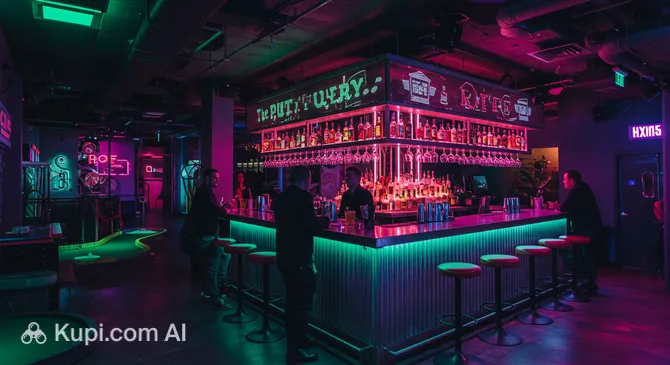
For a unique evening that blends entertainment with socializing, travelers should visit Puttery. This modern venue redefines the night out by combining upscale cocktails and chef-driven food with immersive, high-tech mini-golf courses, creating a lively atmosphere perfect for groups. If you are looking for a place to enjoy live music and a spirited crowd, RockHouse is a fantastic destination. It serves as a dynamic live music venue and bar, often featuring local bands and a high-energy environment that captures the soulful side of the city.
Puttery. Illustration.
Source: Kupi.com AI
Traveler photos:
Those in search of a more polished and chic setting might prefer JOEY Uptown. Located in the fashionable Galleria area, this venue is renowned for its sleek design, extensive drink menu, and stylish clientele, making it an ideal spot for a sophisticated nightcap or a start to a glamorous evening. The atmosphere in Houston's nightlife generally leans towards "smart casual," though upscale clubs in Downtown or Uptown may enforce stricter dress codes, so it is worth checking ahead.
Practicality is key when navigating the city at night. Most bars and clubs close at 2:00 AM. Due to the sprawling nature of the metropolis, public transport is not the most convenient option for late-night travel. Instead, rely on ride-sharing services like Uber or Lyft, which are plentiful and safe. Average drink prices are reasonable compared to other major US cities, with cocktails typically ranging from $10 to $15. Regarding safety, popular nightlife districts are generally heavily patrolled and safe, but it is always wise to stay in groups, avoid poorly lit streets, and ensure your ride picks you up directly from the venue.
While the nights are electric, the city also offers plenty of excitement during the daylight hours. Beyond the traditional museums, visitors can immerse themselves in the vibrant and interactive exhibits at the Color Factory, a visual delight that celebrates color and creativity. For families or thrill-seekers looking to burn off some energy, the Urban Air Trampoline and Adventure Park provides an action-packed indoor environment filled with trampolines and obstacle courses.
Parks & Museums
Houston is a city that surprisingly balances its urban sprawl with lush green spaces and a deeply enriched cultural landscape. Beyond the skyscrapers and highways, visitors will find a diverse array of parks that offer respite from the bustle, alongside museums that house some of the world’s most treasured art and historical artifacts. Whether you are looking to picnic under ancient oak trees or stand in awe of aviation history, the city provides ample opportunities to explore both nature and human achievement.
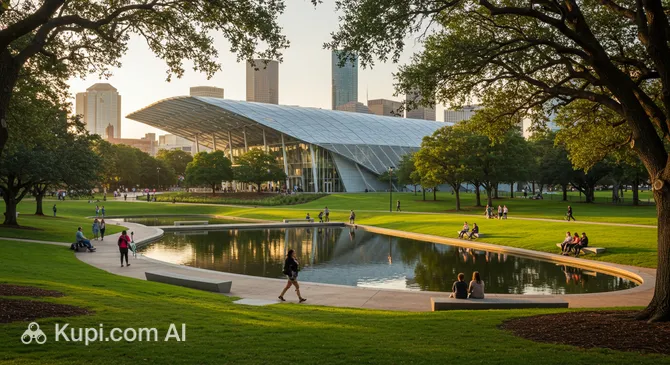
For a vibrant outdoor experience right in the heart of the city, Discovery Green is a must-visit destination. This 12-acre urban park located downtown has transformed a concrete lot into a thriving community hub. It features a scenic lake where you can go kayaking, interactive water fountains for cooling off, and art installations that rotate throughout the year. It is also a prime spot for events, hosting everything from yoga classes to outdoor movie nights and concerts.
Discovery Green. Illustration.
Source: Kupi.com AI
Traveler photos:
Those seeking a more immersive nature experience should head to Memorial Park. As one of the largest urban parks in the United States, it covers nearly 1,500 acres and is a favorite among local runners and cyclists for its extensive trail network. Within this vast green space lies the Houston Arboretum & Nature Center, a sanctuary dedicated to educating the public about the native flora and fauna. Here, you can walk along peaceful boardwalks that wind through forests, ponds, and wetlands, feeling miles away from the city center.
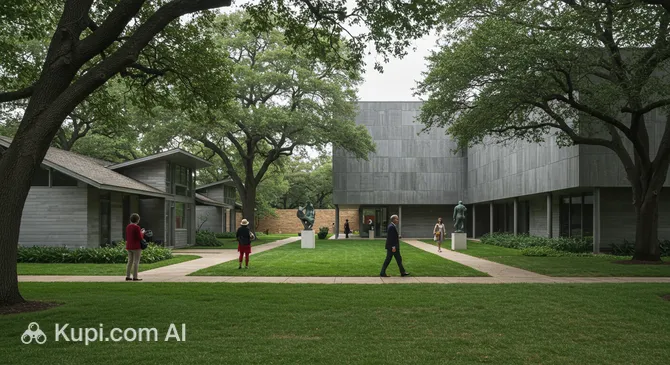
On the cultural front, The Menil Collection stands out as a unique artistic landmark. Housed in a building designed by Renzo Piano, this museum displays the private collection of founders John and Dominique de Menil. It is renowned for its surrealist art, including works by Magritte and Ernst, as well as antiquities and Byzantine icons. Admission is always free, and the surrounding neighborhood, with its gray bungalows and the serene Rothko Chapel nearby, creates a distinctively contemplative atmosphere.
The Menil Collection. Illustration.
Source: Kupi.com AI
Traveler photos:
History and technology enthusiasts will find the Lone Star Flight Museum to be a fascinating stop. Located at Ellington Airport, this facility celebrates the history of aviation with a remarkable collection of flying aircraft. Visitors can explore exhibits on the science of flight, view vintage warbirds, and even book a ride in a historic plane for a truly memorable perspective of the region.
For a glimpse into the city's architectural and historical roots, Sam Houston Park offers a journey back in time. This open-air museum features restored historic homes and buildings that tell the story of civic life in the 19th century. Just a short drive away in the Uptown district, the Gerald D. Hines Waterwall Park presents a striking contrast with its 64-foot-tall semi-circular fountain. The rushing water creates a mesmerizing visual and auditory backdrop, making it one of the most photographed structures in the city.
If you are looking for a lesser-known gem, consider visiting the Houston Botanic Garden. This newer addition to the city's green spaces showcases themed gardens that feature plants from around the world, including a tropical collection and an edible garden. It is a peaceful place to wander and appreciate the diversity of plant life that thrives in the local climate.
Getting Around
Public transportation in Houston is managed by the Metropolitan Transit Authority of Harris County, commonly known as METRO. While the city is famous for its car-centric culture, the public transit system is clean, affordable, and surprisingly convenient for visitors staying near the city center. The most useful service for tourists is the METRORail, a light rail system consisting of three lines (Red, Green, and Purple). The Red Line is particularly popular as it connects Downtown, the Museum District, Hermann Park, and the Texas Medical Center, making it easy to hop between major attractions without a car.
Complementing the rail network is an extensive METROBus system. This includes local routes that stop frequently on city streets and Park & Ride commuter services that connect the suburbs to the central business districts. For faster travel along specific corridors, the city has also introduced Bus Rapid Transit (BRT) lines, such as the Silver Line, which offer a rail-like experience with dedicated lanes. While buses cover a much larger area than the light rail, they can be subject to traffic conditions, so planning ahead is advisable.
The payment system is straightforward and user-friendly. The standard fare for a one-way trip on both bus and rail is approximately $1.25, which includes free transfers for up to three hours. To pay, travelers can use the METRO Q Fare Card, a reloadable smart card available at participating grocery stores and customer service centers. Alternatively, the METRO Q Mobile Ticketing app is a highly convenient option that allows you to purchase tickets directly on your smartphone. Day passes are also available for around $3.00, offering unlimited travel for 24 hours.
For those paying with cash, exact change is required on buses as drivers cannot provide change. On the METRORail, you must purchase a ticket from a vending machine on the platform or use a pre-loaded card or app before boarding. It is crucial to tap your card or scan your mobile ticket on the validators located on the station platform prior to entering the train; failure to do so can result in a fine. The rail system typically operates from early morning (around 4:00 AM) until midnight, with extended hours on Friday and Saturday nights.
Given the sheer size of the city, many visitors find that relying solely on public transit can be limiting if they plan to explore areas beyond the central districts. Consequently, ride-sharing services like Uber and Lyft are extremely popular and widely available. They provide a reliable way to reach specific restaurants or attractions that are not near a rail station. Traditional taxis are also available but are generally best found at hotel stands or airports rather than hailed on the street.
Although the metropolis is vast, specific neighborhoods like Downtown and the Museum District are quite pedestrian-friendly, allowing visitors to walk comfortably between clustered attractions. However, to truly experience the freedom of the sprawling region and reach outlying gems, renting a car remains the most common and practical choice for many travelers. Having a vehicle offers the flexibility to explore at your own pace, though it is worth noting that parking fees in the city center can add up.
Accommodation
Finding the perfect place to stay in Houston is relatively easy, as the city offers a vast array of accommodation options to suit every budget and travel style. Visitors can choose from high-end luxury retreats and polished business hotels to charming bed-and-breakfasts and budget-friendly motels. Because the city is so spread out, the type of accommodation often depends on the neighborhood you choose to explore, with plenty of modern apartments and vacation rentals available for those seeking a more home-like experience.
For most tourists, location is key to avoiding long commute times. Downtown is a popular choice for those attending conventions or sporting events, placing you in the middle of the skyline and near the theater district. Alternatively, the Galleria (Uptown) area is a favorite for travelers who prioritize shopping and fine dining, offering a sophisticated urban environment. If you prefer a more cultural and walkable vibe, the Museum District and nearby Montrose offer boutique stays and easier access to the city's top artistic venues and parks.
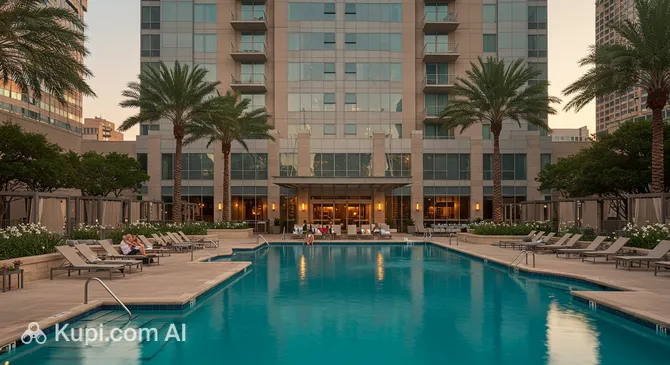
Travelers seeking a world-class experience often look to the city's renowned luxury establishments. A prime example is the Four Seasons Hotel, located in the heart of downtown. It is well-known for its exceptional service, resort-style pool, and proximity to major attractions like the Toyota Center and Discovery Green, making it a top pick for both leisure and business travelers.
Four Seasons Hotel. Illustration.
Source: Kupi.com AI
Traveler photos:
For those arriving by recreational vehicle or planning a road trip through Texas, the city also caters to the RV community. Facilities like the Fallbrook RV Resort provide comfortable amenities and a convenient base for exploring the wider region without sacrificing the comforts of home.
When planning your trip, it is important to keep the local event calendar in mind. Houston hosts massive events like the Livestock Show and Rodeo in the spring and major energy conferences throughout the year, which can cause room rates to spike and availability to drop. Therefore, booking your accommodation several weeks or even months in advance is highly recommended during these peak times.
Regarding costs, the city is generally more affordable than other major US metropolises like New York or San Francisco. Budget travelers can find decent rooms ranging from $80 to $120 per night, while mid-range hotels typically cost between $150 and $250. Luxury stays will naturally command higher prices, often exceeding $350 per night. Booking is most commonly done through major online platforms, though checking directly with hotels can sometimes yield special package deals or better cancellation policies.
Nearby Cities
For those looking to explore the surroundings, Houston serves as an excellent base for day trips to several interesting nearby locations. Just a short drive away, you can discover charming towns that offer a distinct change of pace from the big city.
Sugar Land, located to the southwest, is a vibrant destination known for its rich history and family-friendly attractions. Visitors can explore the bustling Sugar Land Town Square, which hosts frequent events and offers excellent dining, or visit the local branch of the Houston Museum of Natural Science. To the north lies Spring, a community famous for "Old Town Spring," a historic shopping district lined with Victorian-style buildings, antique shops, and cozy cafes perfect for a leisurely afternoon.
Another great option is Pearland, situated just south of the metropolis. It is celebrated for its culinary scene and the magnificent Sri Meenakshi Temple, a stunning piece of architecture that attracts visitors from all over. Whether you are interested in shopping, history, or unique cultural landmarks, these neighboring cities provide delightful experiences close to town.
City
Population
Distance
West University Place
14 975
8 km
Bellaire
17 262
11 km
Jacinto City
9 734
13 km
Galena Park
10 770
14 km
Aldine
15 887
16 km
These nearby destinations offer a glimpse into the diverse culture and landscapes of the region, making them well worth a visit during your stay.
Shopping & Souvenirs
Shopping:
Shopping in Houston is more than just a pastime; it is a major part of the city's culture and a draw for visitors from around the world. As the style capital of the South, the metropolis offers an impressive variety of retail experiences, ranging from high-end luxury designers and sprawling malls to eclectic boutiques and vintage shops. Whether you are looking for authentic Western wear or the latest contemporary fashion, the city provides endless opportunities to find the perfect item.
The crown jewel of the local shopping scene is undoubtedly the Galleria area in the Uptown district. This bustling neighborhood is anchored by the largest shopping mall in Texas, which features an ice skating rink and hundreds of stores, including high-fashion labels like Chanel and Gucci. For a more relaxed, pedestrian-friendly atmosphere, Rice Village is a historic district near Rice University. Here, tree-lined streets are packed with a mix of national brands, local boutiques, and charming cafes, making it a delightful place to stroll and shop.
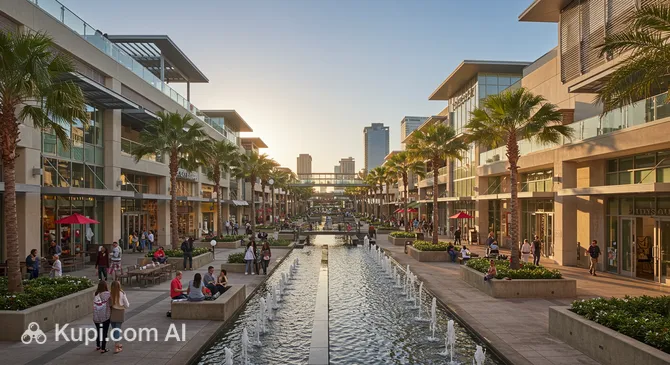
For those who prefer an open-air environment that blends retail with fine dining and entertainment, CITYCENTRE is a premier destination. Located in the Memorial City area, this mixed-use development offers a sophisticated selection of shops and restaurants surrounding a central plaza, which often hosts live music and events.
CITYCENTRE. Illustration.
Source: Kupi.com AI
Traveler photos:
Travelers exploring the outskirts of the city should consider visiting Sugar Land Town Square. Situated in the suburb of Sugar Land, this vibrant lifestyle center serves as the heart of the community, featuring a walkable layout with a diverse range of stores and eateries that cater to families and fashion enthusiasts alike.
If you are interested in local markets, the Houston Farmers Market on Airline Drive is the oldest and largest of its kind in the city. Recently revitalized, it offers fresh produce, spices, and artisanal goods, providing a taste of the local flavor. For vintage lovers, 19th Street in The Heights is famous for its antique shops, thrift stores, and funky gift boutiques, offering a treasure trove of unique finds.
When it comes to souvenirs, nothing says "Texas" quite like authentic Western gear. Visitors often look for cowboy boots, Stetson hats, and leather goods from legendary local outfitters. Alternatively, space enthusiasts should pick up NASA-themed merchandise, such as mission patches or freeze-dried ice cream, which celebrate the city's role in space exploration. Locally made hot sauces and barbecue rubs are also popular gifts to bring back home.
Most major malls and department stores are open from 10:00 AM to 9:00 PM on weekdays and Saturdays, with shorter hours on Sundays, typically from 12:00 PM to 6:00 PM. Credit and debit cards are universally accepted, and contactless payment is becoming standard. A significant perk for international visitors is Tax-Free Shopping. Texas is one of the few states that allows international travelers to receive a sales tax refund on merchandise purchased at participating stores, so be sure to save your receipts and check the requirements at a tax refund center before leaving.