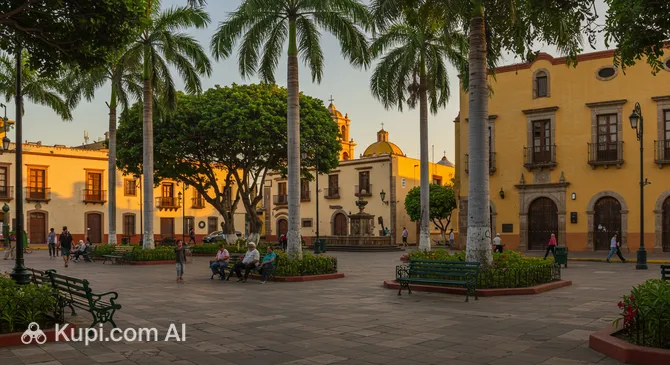
Mazatlan, often affectionately called the "Pearl of the Pacific," is a captivating destination that perfectly blends a rich cultural heritage with the excitement of a modern beach resort. Located in the state of Sinaloa on the Pacific coast of Mexico, this vibrant port city offers a unique atmosphere where colonial charm meets golden sands. With a population of over 650,000 residents, it serves as a bustling hub of commerce and tourism, distinguished by its warm climate and welcoming locals.
Unlike many planned tourist destinations, the city has deep roots and a genuine soul that resonates through its architecture and traditions. Visitors can explore the fascinating history of Mazatlan by wandering through the streets of the Centro Histórico (Old Mazatlan). Here, 19th-century buildings have been beautifully restored, housing lively cafes, art galleries, and the majestic Angela Peralta Theater. The area around Plaza Machado comes alive in the evenings with music and outdoor dining, offering a glimpse into the city's elegant past.
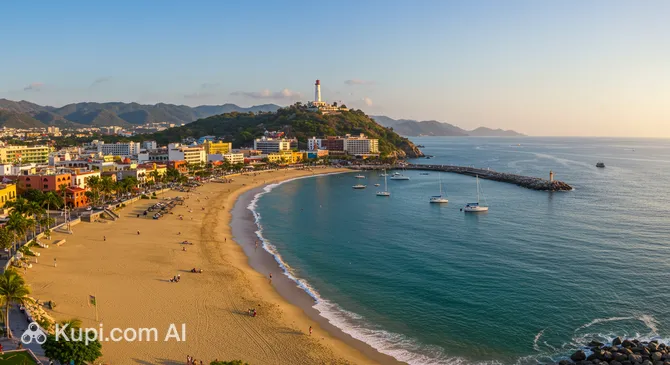
Mazatlan. Source: Kupi.Binoculars
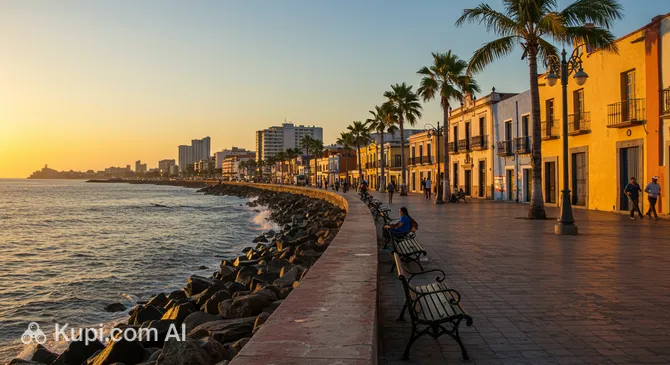
Nature lovers and adventure seekers will find plenty to admire as well. The city boasts one of the longest boardwalks in the world, the Malecón, which stretches for miles along the oceanfront and provides spectacular sunset views. For a panoramic perspective, a hike up to El Faro, the highest natural lighthouse in the Americas, is a must-do activity. Whether you are looking to relax on sun-drenched beaches or immerse yourself in local traditions, Mazatlan welcomes you with open arms and unforgettable experiences.
Weather Overview
Travelers planning a trip to the "Pearl of the Pacific" can generally look forward to warm and pleasant conditions year-round. The city enjoys a tropical climate where extreme cold is virtually unknown. During the winter and spring months, from November through May, the weather is particularly inviting, with average temperatures hovering between 21°C and 25°C. This period is remarkably dry, often seeing zero precipitation and clear, sunny skies, making it an ideal time for outdoor activities and beach relaxation.
As the year progresses into summer, the heat intensifies, and the humidity rises. From June to September, average temperatures climb to around 28°C, with daily highs reaching just over 31°C in July. This season also brings the rain, particularly in August and September, which can experience up to 22 wet days per month. To pack appropriately for your specific travel dates, it is helpful to review the detailed weather in Mazatlan before departure. Overall, expect warm summers with frequent rain showers and mild, dry winters perfect for escaping colder climates.
Interesting Facts
Beyond the golden beaches and the famous boardwalk, Mazatlan holds many fascinating secrets and unique traditions that surprise even seasoned travelers. From quirky local transport to unexpected cultural tributes, the city offers plenty of hidden gems to discover.
Mazatlan is the only city in the world where you can ride in a "Pulmonía," a unique open-air taxi that resembles a souped-up golf cart. These vehicles became popular in the 1960s, and local legend suggests rival taxi drivers gave them the name—which translates to "pneumonia"—to scare passengers into thinking the open wind would make them sick.
The city hosts one of the oldest and largest carnivals on the planet, often cited as the third-largest after Rio de Janeiro and New Orleans. The Mazatlan International Carnival has been celebrated for over a century, transforming the streets into a massive party filled with parades, fireworks, and live music.
In a surprising twist for a Mexican beach town, you can find a tribute to the British band The Beatles at Liverpool Alley. This narrow street, modeled after the famous cavern quarter in Liverpool, features life-sized bronze statues of the "Fab Four," making it a quirky spot for a photo op.
While Acapulco is famous for its cliff divers, Mazatlan has its own daring spectacle at The Diver (El Clavadista). Here, brave locals leap from a high platform into the churning Pacific Ocean below, timing their jumps perfectly with the incoming waves to avoid the shallow, rocky bottom.
The city is the birthplace of Pedro Infante, one of the most beloved icons of the Golden Age of Mexican cinema. Fans can visit the Pedro Infante Museum, located in the humble house where the legendary actor and singer was born, to see personal belongings and costumes.
The Diver. Source: Kupi.Binoculars
How to Get There
Reaching the "Pearl of the Pacific" is relatively straightforward, with air travel being the most convenient option for the majority of visitors. Whether you are arriving from within Mexico or from abroad, you can read more about how to get to Mazatlan to plan your specific route. The city is well-connected to major hubs, making the journey part of the adventure.
The primary gateway for travelers is Mazatlan International Airport (MZT), which is conveniently located within the municipality, approximately 17.8 km from the main tourist zones and the historic center. As a key transport hub handling over 1.8 million passengers annually, it welcomes numerous direct flights from the US, Canada, and other Mexican cities. Once you land, the journey to your hotel or the city center typically takes around 45 to 50 minutes by taxi or shuttle.
Alternatively, some travelers may choose to fly into Culiacan International Airport (CUL) in the city of Culiacan. While this airport serves a larger volume of passengers, it is located about 199.7 km away from Mazatlan. If you opt for this route, be prepared for a longer ground transfer; the drive by bus or taxi takes approximately 2.5 to 3 hours. Other regional options include airports in Durango and Tepic, though they are further afield.
For clarity, here is a summary of the main airports:
Airport Name
City
Passenger Traffic
Km from City
Culiacan International Airport
Culiacan
Large
199.7
Mazatlan International Airport
Mazatlan
Medium
17.8
Guadalupe Victoria Airport
Durango
Medium
214.8
Tepic Airport
Tepic
Small
259.2
While flight is the most common method of arrival, many visitors also reach Mazatlan by road. The city is connected by a network of highways, and long-distance luxury buses are a popular and comfortable way to travel from neighboring states or the US border. There is no commercial passenger railway service directly to Mazatlan, so those preferring ground transport should focus on the extensive bus network or driving via the scenic highways.
Main Attractions
Mazatlan is a city that rewards exploration, offering a mix of historic charm, natural beauty, and modern entertainment. While the beaches are the initial draw, the city's landmarks provide a deeper connection to its culture and geography. Whether you prefer strolling by the ocean or diving into marine education, there are several must-visit spots that define the local experience.
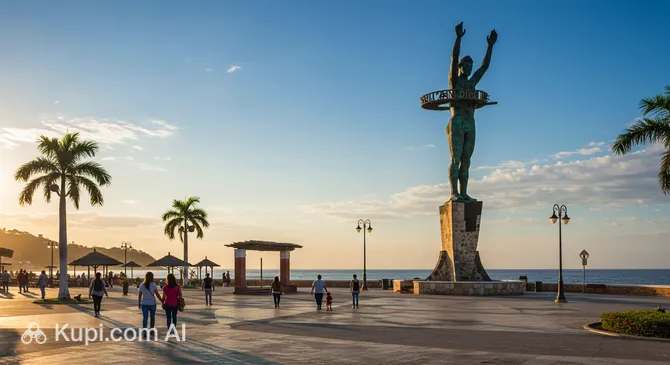
The heartbeat of the city is undoubtedly the Mazatlán Malecón. Stretching for over 20 kilometers along the Pacific coast, it is one of the longest boardwalks in the world. It serves as a lively gathering place for locals and tourists alike, lined with intriguing bronze sculptures, open-air restaurants, and vendors selling local snacks. A walk here at sunset offers spectacular views of the ocean and the city skyline, making it an essential part of any itinerary.
Mazatlán Malecón. Source: Kupi.Binoculars
For those seeking panoramic vistas, a visit to El Faro Lighthouse (Cerro del Crestón) is a rewarding challenge. Perched atop a towering rock formation that was once an island, this lighthouse is one of the highest natural lighthouses in the Americas. The hike to the top takes about 30 to 45 minutes, but the effort is paid off with breathtaking 360-degree views of the harbor and the ocean. A glass-bottomed lookout bridge adds a thrill for those brave enough to step out over the precipice.
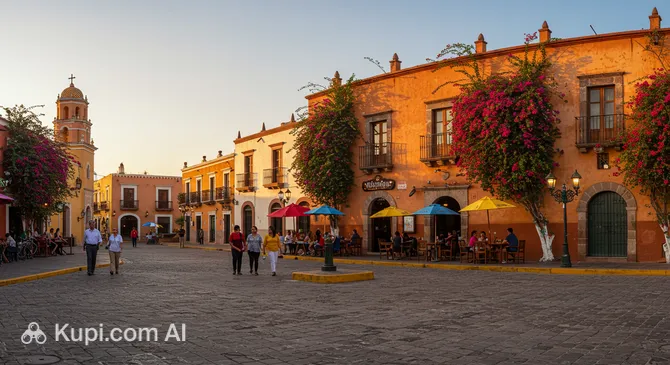
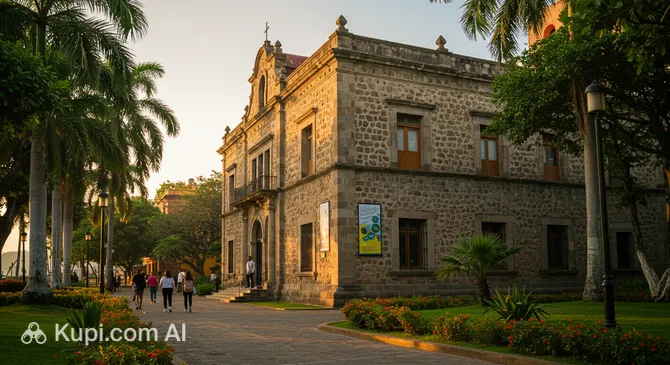
Stepping away from the coast and into the historic center, you will find Plazuela Machado. This picturesque square is the cultural soul of Mazatlan, surrounded by beautiful French and Spanish-influenced architecture. It is a vibrant hub of activity, especially in the evenings when the surrounding cafes and restaurants fill up, and live music fills the air. It is the perfect place to enjoy a meal and soak in the city's colonial atmosphere.
Plazuela Machado. Source: Kupi.Binoculars
Nature enthusiasts should not miss the Mazatlán Aquarium – Sea of Cortez. This impressive facility is dedicated to the diverse marine life of the Sea of Cortez, often called the "Aquarium of the World." It features massive tanks and interactive exhibits that showcase everything from sharks and rays to delicate seahorses, providing an educational and visually stunning experience for visitors of all ages.
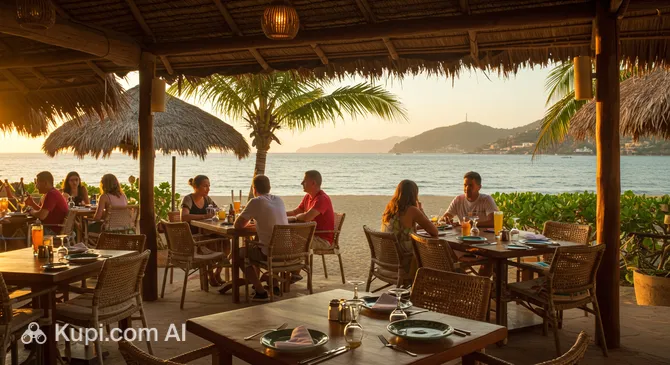
Finally, for a quick escape from the city bustle, take a short boat ride to Stone Island (Isla de la Piedra). Despite its name, it is actually a peninsula south of the main city, famous for its calm waves, wide sandy beaches, and rustic "palapa" restaurants serving fresh seafood. It offers a more laid-back vibe compared to the main hotel zone, making it a favorite spot for swimming, horseback riding, or simply relaxing under a coconut palm.
Local Cuisine
Mazatlan is widely recognized as the "Shrimp Capital of the World," a title that perfectly captures the essence of its culinary scene. The city’s gastronomy is heavily influenced by the bountiful Pacific Ocean, ensuring that seafood here is fresher and more flavorful than almost anywhere else in the country. While the ocean provides the main ingredients, the unique Sinaloan seasoning—often spicy, citrusy, and savory—creates a distinct food culture that is a major draw for visitors.
The undisputed king of local dishes is Aguachile. Unlike standard ceviche, this specialty features raw shrimp marinated in a fiery blend of lime juice, water, crushed chiltepín peppers, sliced cucumber, and red onion. It is a vibrant, spicy dish usually eaten with tostadas. Another must-try is Pescado Zarandeado, a whole fish (typically snapper) that is butterflied, slathered in a chili, mustard, and garlic marinade, and slowly grilled over wood charcoal. For something heartier, look for smoked Marlin tacos or the famous "Tacos Gobernador," filled with shrimp, melted cheese, and poblano peppers.
To wash down these rich flavors, locals often turn to Pacifico beer, which was founded in Mazatlan in 1900 and remains a source of local pride. If you prefer non-alcoholic beverages, you must try Tonicol, a vanilla-flavored soft drink unique to this region of Mexico. Another traditional option is Tejuino, a refreshing fermented corn dough drink often served cold with lime sorbet and a pinch of salt, perfect for cooling down on a hot afternoon.
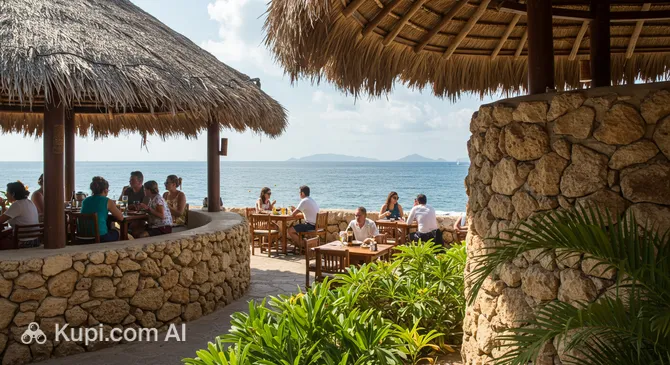
El Millo Chocolata Clams. Source: Kupi.Binoculars
The dining atmosphere in the city is as diverse as the food itself. You can enjoy an elegant evening meal in the historic center, particularly around the vibrant squares where tables spill out onto the cobblestones. For a beloved local tradition, visit Panamá Restaurant and Pastry Shop, an institution famous for its extensive breakfast menu and decadent cakes. Meanwhile, seafood purists should head to spots like El Millo Chocolata Clams, where you can sample fresh "chocolata" clams and other shellfish delicacies in a casual, authentic setting.
Travel Tips
Welcome to Mazatlan! To help you navigate the "Pearl of the Pacific" with ease and confidence, we have compiled a set of practical tips covering everything from local transport quirks to social norms. These suggestions are designed to ensure your trip is as smooth, safe, and enjoyable as possible.
Clothing and Gear: Mazatlan is warm and humid for most of the year, so pack lightweight, breathable fabrics like cotton or linen. A hat and high-SPF sunscreen are non-negotiable essentials. While the beach vibe is casual, bring comfortable walking shoes for exploring the cobblestone streets of the Centro Histórico. If you are visiting during the winter evenings (December to February), a light jacket or sweater is recommended as the ocean breeze can feel cool.
Transportation: You must try the Pulmonías, the city's iconic open-air taxis that look like golf carts; they are perfect for sightseeing along the Malecón. However, be aware that they do not use meters, so you must negotiate and agree on the fare before hopping in. For a more budget-friendly option, look for the green buses marked "Sábalo Centro," which run frequently between the historic center and the Golden Zone (Zona Dorada) and usually have air conditioning. Uber and other ride-sharing apps are also available and reliable.
Finances: The local currency is the Mexican Peso (MXN). While major hotels and restaurants in the Golden Zone accept credit cards, cash is king for street food, local markets, and public transport. ATMs are widely available, but it is safer to use those located inside bank branches. Tipping is customary; leave 10-15% at restaurants and a few pesos for grocery baggers or gas station attendants.
Health and Safety: The most important rule is to avoid drinking tap water; always opt for bottled or purified water to prevent stomach issues. Pharmacies are abundant, with chains like Farmacias Guadalajara often open 24/7. In terms of safety, the main tourist areas—the Malecón, Centro Histórico, and Zona Dorada—are generally safe, especially during the day and early evening. As in any city, keep an eye on your belongings and avoid unlit or deserted areas at night.
Communication: Spanish is the official language, but English is widely spoken in hotels, restaurants, and tourist shops. However, learning a few basic phrases like "Buenos días" (Good morning) and "Gracias" (Thank you) goes a long way in showing respect. Free Wi-Fi is common in cafes and hotels, but for constant connectivity, you can easily buy a prepaid SIM card from an OXXO convenience store or a Telcel shop.
Local Etiquette: Mexicans are generally polite and warm. It is polite to greet shopkeepers or taxi drivers when you enter their space. If you walk past someone eating in a restaurant or street stall, it is a nice local custom to say "Provecho" (Bon appétit). Time can be a bit more relaxed here, so be patient if service is slower than you are used to—it's part of the laid-back coastal lifestyle.
What to Avoid: Do not assume pedestrians have the right of way. Drivers in Mazatlan can be aggressive, and cars may not stop at crosswalks, so always look both ways and wait for a clear gap before crossing. Additionally, avoid buying tours or timeshares from aggressive street vendors; it is better to book excursions through your hotel or a reputable agency.
Additional Tip: Keep an eye on the beach flags. The currents in the Pacific Ocean can be strong and unpredictable. If you see a red flag, do not swim. A yellow flag means swim with caution, while a green flag indicates calm conditions. Also, be aware that during the summer months, jellyfish can occasionally be present; if you get stung, seek help from a lifeguard immediately.
By keeping these practical tips in mind, you will be well-prepared to embrace the vibrant culture and stunning scenery of Mazatlan without worry. Relax, soak up the sun, and enjoy the unique charm that makes this Mexican port city so special!
Entertainment & Nightlife
As the sun sets over the Pacific, Mazatlan transforms from a laid-back beach town into a vibrant hub of evening entertainment. The city offers a diverse nightlife scene that caters to two distinct crowds: those seeking the high-energy party atmosphere of the Golden Zone and those preferring the romantic, bohemian vibe of the historic center. Whether you want to dance until dawn to electronic beats or enjoy a quiet cocktail accompanied by live jazz, you will find a spot that suits your mood.
The epicenter of the party scene is undoubtedly the Zona Dorada (Golden Zone) and the area around the marina. Here, the nightlife is loud, colorful, and energetic. A major landmark for night owls is Valentinos, an iconic castle-like complex perched on a rocky point overlooking the ocean. Historically known as a cluster of clubs and bars, it remains a focal point where the modern strip begins. In this district, you will find pulsating nightclubs playing everything from pop and rock to the local Banda music, which is a cultural staple in Sinaloa.
Valentinos. Source: Kupi.Binoculars
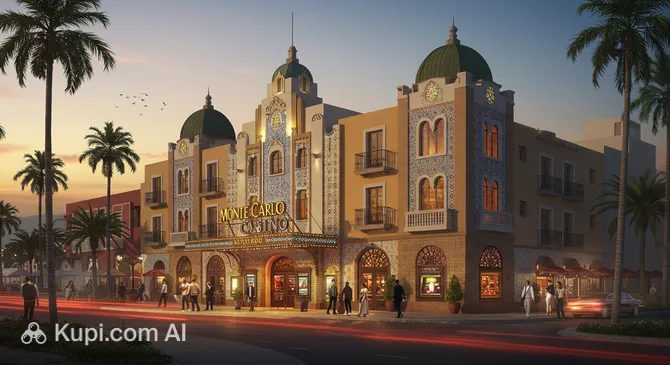
For a more sophisticated and relaxed evening, head to the Centro Histórico. The streets around Plazuela Machado are lined with European-style outdoor cafes and intimate bars where the volume is lower, and the conversation flows easier. This area is perfect for starting the night with dinner and drinks before moving on. If you are feeling lucky, you can visit the Monte Carlo Casino, which offers a mix of gaming excitement and entertainment, providing a different kind of thrill for the evening.
Monte Carlo Casino. Source: Kupi.Binoculars
Travelers looking for a specific place to grab a drink might check out Totem, a venue that contributes to the local bar scene. When planning a night out, keep in mind that the action starts relatively late. Bars typically fill up around 10:00 PM, while clubs in the Golden Zone often don't peak until after midnight. The dress code is generally "beach smart"—shorts and sandals are acceptable in open-air bars, but enclosed shoes and long pants are recommended for upscale clubs and casinos.
Practical Tips and Safety: Prices in Mazatlan are generally reasonable compared to other major Mexican resorts. A beer might cost between 40 to 80 pesos depending on the venue. For transportation, the famous "Pulmonías" (open-air taxis) are a fun way to hop between bars, often blasting their own music to get you in the party mood. However, always negotiate the fare before getting in. In terms of safety, stick to the well-lit, busy tourist corridors like the Malecón and the main avenues of the Golden Zone. It is best to take a registered taxi or a ride-share app like Uber when returning to your hotel late at night.
While nightlife is a major draw, the city also offers plenty of daytime entertainment beyond the beach. Visitors can enjoy modern amenities and escape the midday heat at large shopping centers. Galerías Mazatlán is a popular mall offering international brands, a cinema, and a food court, making it a great spot for families. Similarly, Gran Plaza Mazatlán provides a mix of shopping and leisure activities, ensuring there is always something to do, day or night.
Parks & Museums
While Mazatlan is renowned for its golden coastline, the city also offers a wealth of green spaces and cultural institutions that provide a deeper understanding of its heritage. Beyond the bustling beaches, visitors can discover tranquil parks, fascinating museums, and historic landmarks that celebrate the region's natural beauty and maritime history.
For those seeking a relaxing escape near the ocean, Sister Cities Park (Parque de las Ciudades Hermanas) is a perfect choice. Located conveniently close to the historic center, this landscaped area features lush gardens, walking paths, and open spaces that host cultural events. It offers a peaceful atmosphere where you can enjoy a picnic while taking in panoramic views of the Pacific, making it a favorite spot for both locals and tourists to unwind.
A truly unique recreational site is the Carpa Olivera Seawater Pool. Built in the early 20th century, this historic saltwater pool is one of the few of its kind remaining in the world. Fed directly by the ocean tides, it allows visitors to swim in natural seawater within a safe, enclosed structure. It is a lively spot where families gather to cool off, and it stands as a testament to the city's enduring relationship with the sea.
Carpa Olivera Seawater Pool. Source: Kupi.Binoculars
Delving into the city's past, the Mazatlán Observatory 1873 offers a blend of history and nature atop Cerro del Vigía. Originally a military observation post, this beautifully restored site is accessible via a funicular ride that provides spectacular vistas. Inside, visitors can explore a museum dedicated to the 19th-century history of the port, wander through a cactus garden, and visit a bird sanctuary, making it a multifaceted cultural experience.
Another intriguing stop for curious minds is the Sea Shell Museum. This small but impressive gallery houses a vast collection of seashells and marine fossils from around the globe. It provides an educational look at the diversity of ocean life and is particularly engaging for those interested in marine biology or simply appreciating the intricate beauty of nature's designs.
As you explore the city's streets, you will encounter significant landmarks that define its character. The Fisherman’s Monument is perhaps the most iconic, symbolizing the city's deep connection to the fishing industry. Located along the boardwalk, this bronze sculpture is a popular meeting point and a tribute to the livelihoods that have sustained the region for generations.
For a memorable view away from the main tourist hubs, take a moment to visit El Mirador. This lookout point offers dramatic perspectives of the cliffs and the crashing waves below. It is an excellent spot for photography, especially during the golden hour when the light accentuates the rugged beauty of the coastline.
Getting Around
Navigating Mazatlan is an experience in itself, often serving as a highlight of the trip rather than just a means to an end. The city does not have a metro, tram, or train system; instead, it relies on a unique and diverse network of road-based transport. From standard buses to vehicles you won't find anywhere else in the world, getting around is generally affordable, frequent, and colorful.
The most iconic way to travel is undoubtedly the Pulmonía. These open-air taxis, resembling oversized golf carts, are exclusive to Mazatlan and offer a breezy, panoramic way to travel along the Malecón or between the Golden Zone and the historic center. They are perfect for sightseeing, though they are more expensive than regular taxis. Another local specialty is the Auriga, a red pickup truck modified with bench seating in the back and a canopy cover. These are ideal for larger groups or families traveling together with beach gear, acting essentially as a shared taxi service.
For budget-conscious travelers, the public bus system (locally known as camiones) is the most practical option. The buses are divided into two main categories. The green buses, often marked "Sábalo Centro", are the most popular with tourists. They are air-conditioned and run a direct route along the coast, connecting the marina, the hotel zone, and downtown. Standard city buses are white or color-coded by route; they are cheaper but may not have air conditioning and can be quite crowded during peak hours.
The payment system for public transport in Mazatlan is almost exclusively cash-based. There are no digital travel passes, smart cards, or mobile ticketing apps for the buses. You pay the driver directly upon boarding. The fare for the air-conditioned tourist buses is slightly higher than for standard buses (typically around 13-15 MXN), while regular buses cost a bit less. It is essential to carry small denominations (coins or small bills), as drivers often do not have change for large banknotes.
When using buses, you must signal the driver with your hand to stop, even if you are standing at a designated stop. Operating hours generally run from early morning (around 5:30 AM) until about 10:00 PM or 10:30 PM. After these hours, service becomes very sporadic, and it is safer and more reliable to switch to private transport.
For those preferring a direct door-to-door service, traditional Eco Taxis (usually red or green sedans) are widely available. Unlike in many capital cities, taxis here typically do not use meters. It is strictly required to negotiate and agree on the fare with the driver before you get into the car to avoid surprises. Alternatively, ride-sharing apps like Uber and DiDi operate in the city. They are often preferred by international visitors because the price is fixed in the app, eliminating the need to haggle in Spanish, and the GPS tracking adds a layer of security.
Accommodation
Where to Stay:
Finding the perfect place to stay in Mazatlan is easy, as the city offers a diverse range of accommodation options to suit every budget and travel style. Visitors can choose from sprawling all-inclusive beachfront resorts and modern high-rise hotels to charming boutique inns housed in restored colonial buildings. For backpackers and budget travelers, there are also numerous friendly hostels and affordable guesthouses, while those seeking a more home-like experience can find plenty of vacation rentals and apartments scattered throughout the city.
The choice of location largely depends on the type of experience you are looking for. The Zona Dorada (Golden Zone) is the most popular area for tourists, offering direct access to the main beaches, vibrant nightlife, and a plethora of restaurants. It is the heart of the action and ideal for those who want to be in the middle of it all. In contrast, the Centro Histórico (Historic Center) appeals to culture enthusiasts who prefer staying amidst 19th-century architecture, art galleries, and the romantic atmosphere of Plazuela Machado. For a more exclusive and tranquil stay, the Marina Mazatlan area to the north features upscale hotels and condos, often with views of luxury yachts and the golf course.
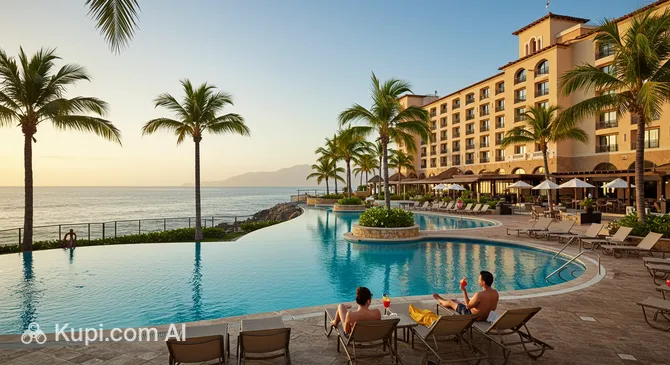
If you are looking for specific examples of well-regarded properties, the city has several notable options. The Marina Beach Hotel is a fantastic choice for travelers who want to enjoy the modern amenities of the marina district while still being close to the beach. It offers a relaxing environment perfect for unwinding after a day of exploration.
Marina Beach Hotel. Source: Kupi.Binoculars
Another excellent option is Torres Mazatlan, a resort hotel known for its family-friendly atmosphere and comfortable facilities. Located in the lively Golden Zone, it places guests right on the sandy shores, making it easy to transition from a morning swim to an afternoon of shopping or dining nearby.
Booking Tips and Prices: Accommodation prices in Mazatlan are generally reasonable compared to other major Mexican resort destinations. Budget travelers can find hostels or simple rooms starting from around $30-$50 USD per night, while mid-range hotels typically range from $80 to $150 USD. Luxury resorts and boutique properties can cost significantly more, especially those with ocean views. It is highly recommended to book your accommodation in advance, particularly if you plan to visit during the high season (November to April) or during major events like Carnival and Easter Week (Semana Santa), when hotels fill up quickly. Reservations can be easily made through major online booking platforms or directly via the hotel's website.
Nearby Cities
For those looking to explore the surroundings, Mazatlan serves as an excellent base for day trips to several interesting nearby locations:
One of the most rewarding trips is a visit to Durango. Although it requires a few hours of travel, the drive itself is spectacular, crossing the Sierra Madre Occidental via the Baluarte Bridge, an engineering marvel and one of the highest bridges in the world. The city is famous for its well-preserved colonial center and its history as a filming location for dozens of Hollywood Westerns, offering a unique blend of culture and cinematic nostalgia.
For a destination closer to the coast, Escuinapa is an excellent choice located just over an hour south. Known as the "Pearl of the Shrimp," this town is a culinary haven for seafood enthusiasts, particularly famous for its shrimp tamales. It offers a more traditional and relaxed atmosphere compared to the big resorts and serves as a gateway to the natural mangroves of the nearby Teacapán area.
Visitors interested in a modern urban experience can head north to Culiacan, the capital of Sinaloa. The city is home to the stunning Culiacan Botanical Garden, which seamlessly integrates contemporary art installations with diverse plant collections. It is a vibrant city that offers a different perspective on local life, featuring broad avenues, shopping centers, and the historic Cathedral Basilica of Our Lady of the Rosary.
These nearby destinations offer a glimpse into the diverse culture and landscapes of the region.
Shopping & Souvenirs
Shopping:
Shopping in Mazatlan offers a delightful contrast between traditional Mexican commerce and modern retail experiences. Visitors can spend their morning bargaining for handcrafted souvenirs in a bustling market and their afternoon browsing international fashion brands in a contemporary air-conditioned mall. Whether you are looking for unique artisanal gifts or simply need to replace a forgotten travel item, the city provides plenty of options to suit every budget and taste.
For an authentic local experience, a visit to the Mercado Pino Suarez in the city center is essential. Housed in a historic iron structure that dates back to 1899 and is said to be influenced by the same architectural style as the Eiffel Tower, this market is a sensory explosion. While the ground floor is dedicated to fresh produce, meats, and spices, the upper levels and surrounding stalls are packed with vendors selling everything from leather sandals and embroidered clothing to colorful ceramics. It is the perfect place to practice your bargaining skills and pick up traditional Mexican handicrafts.
If you prefer a more modern shopping environment, the city boasts several large commercial centers. Galerías Mazatlán is the newest and most upscale mall in the region, located in the rapidly developing Marina area. It features a wide array of high-end clothing stores, a large department store, and numerous lifestyle brands, making it a favorite destination for fashion enthusiasts.
Another popular spot is Gran Plaza Mazatlán, situated closer to the Golden Zone and the baseball stadium. This mall has a more relaxed, family-friendly vibe and has been a staple of the local retail scene for years. It offers a comprehensive mix of shoe stores, boutiques, and accessories shops, along with a cinema and a food court, serving as a convenient hub for both shopping and entertainment.
When it comes to souvenirs, the Zona Dorada (Golden Zone) is lined with shops catering specifically to tourists. Here, you will find an abundance of jewelry stores specializing in Mexican silver; while Taxco is the silver capital, Mazatlan offers excellent quality pieces at competitive prices. Other popular items to take home include Huichol art—intricate sculptures decorated with colorful beads—and seashells collected from the local shores. For a taste of Sinaloa, consider buying a bottle of locally made hot sauce or pure Mexican vanilla.