Culiacan, the vibrant capital of the state of Sinaloa, is a city that seamlessly blends urban energy with natural beauty. Located in northwestern Mexico, it sits at the confluence of the Tamazula and Humaya rivers, which join to form the Culiacán River. This unique geographical setting in a fertile valley has earned the region the reputation of being the country's agricultural heartland.
The city is not just an economic hub; it is also a place deeply rooted in tradition. Visitors can explore the fascinating history of Culiacan by wandering through its historic center, where colonial architecture stands alongside modern developments. The atmosphere here is lively and authentic, offering a glimpse into the daily life of northern Mexico away from the coastal resorts.
Culiacan. Illustration.
Source: Kupi.com AI
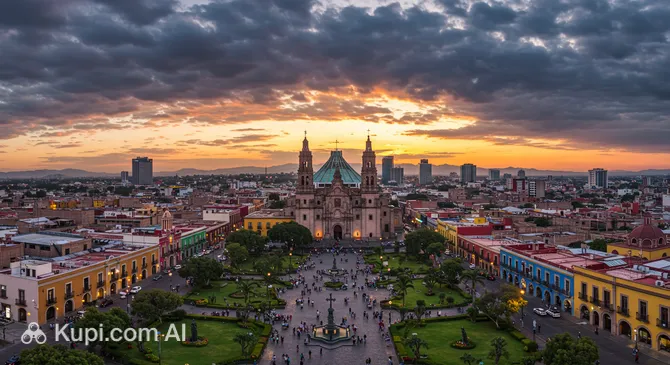
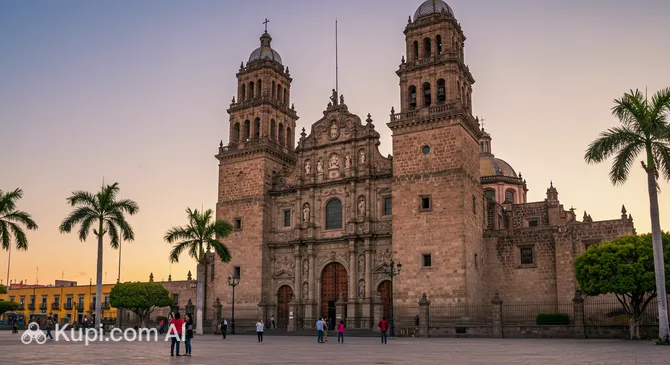
One of the city's most celebrated attractions is the Jardín Botánico Culiacán. This botanical garden is renowned for its impressive collection of plant species from around the world, artfully integrated with contemporary sculptures. Another landmark is the Catedral Basílica de Nuestra Señora del Rosario, a 19th-century neoclassical structure that anchors the main square. For the best views, travelers often head to the La Lomita shrine, which sits on a hill overlooking the sprawling cityscape.
With a population of over 800,000 people, Culiacan offers a dynamic culinary scene and warm hospitality. Whether you are interested in its lush green spaces or its rich cultural heritage, Culiacan invites you to discover a distinct and memorable side of the region.
Weather Overview
The climate in Culiacan is generally warm and semi-arid, ensuring plenty of sunshine for most of the year. Visitors can typically expect hot summers with regular rainfall and mild, dry winters that are ideal for sightseeing. To help plan your trip around these seasonal variations, it is helpful to consult the detailed guide to the weather in Culiacan.
From June to September, the city experiences its warmest and wettest conditions. Average temperatures stay around 29°C to 30°C, with daily highs often climbing to 35°C. This period marks the peak of the rainy season; August, for instance, sees about 21 wet days, bringing frequent showers to the region. Travelers visiting during these months should be prepared for humidity and higher temperatures.
In contrast, the months from November through May are significantly drier. January and February are the coolest times of the year, with average temperatures sitting comfortably near 20°C and nighttime lows dropping to roughly 12°C. Rainfall is virtually non-existent during this season, creating excellent conditions for exploring the city's outdoor attractions.
Average monthly temperature
Average monthly precipitation
Interesting Facts
Beyond the main attractions and busy streets, Culiacan holds many fascinating secrets and unique traits that surprise even seasoned travelers. Here are some intriguing facts that highlight the city's distinct character:
Culiacán Botanical Garden. Illustration.
Source: Kupi.com AI
Traveler photos:
The city is affectionately known as the "City of Three Rivers." The Tamazula and Humaya rivers converge right in the urban center to form the Culiacán River, creating a unique ecosystem where visitors can enjoy nature trails at Las Riberas Park without leaving the city limits.
The Culiacán Botanical Garden is widely recognized as one of the most important in Mexico, but not just for its flora. It stands out globally for seamlessly integrating a massive collection of over 1,000 plant species with large-scale contemporary art installations curated by world-renowned artists.
An industrial marvel serves as the city's unofficial symbol. The Black Bridge (Puente Negro) was manufactured in the United States and assembled in Culiacan in the early 1900s, becoming a vital railway link that is now illuminated at night as a stunning landmark.
The name "Culiacan" has deep roots in Aztec mythology. It is derived from the Nahuatl language and is often interpreted to mean "Place of the Crooked God" or "Place where the road turns," referencing the legendary pilgrimage of the Aztec people.
How to Get There
Reaching the capital of Sinaloa is straightforward, with air travel being the most efficient method. The city is well-connected domestically and internationally, serving as a gateway to the region. For detailed information on routes and transportation advice, you can read more about how to get to Culiacan to help organize your trip.
The most convenient entry point is the Culiacan International Airport (IATA: CUL), situated just 9.5 km from the city center. This proximity allows for a quick transfer, with a taxi or shuttle ride typically taking around 20 to 30 minutes. As a major regional hub, it offers frequent flights to key destinations like Mexico City and Tijuana, ensuring easy access for most travelers.
Travelers may also consider arriving at nearby airports if direct flights are unavailable. The Los Mochis International Airport (IATA: LMM) is located approximately 195.7 km to the north. The drive from Los Mochis to Culiacan is efficient, generally taking between 2.5 and 3 hours via the highway. Another viable option is the Mazatlan International Airport (IATA: MZT), situated about 215.6 km to the south. The journey by car or bus from Mazatlan also takes approximately 2.5 to 3 hours, making it a reasonable alternative for visitors.
For a quick comparison of the region's air travel hubs, refer to the table below:
Culiacan offers a diverse array of sights, ranging from religious landmarks with panoramic vistas to educational centers housing rare treasures. Visitors will find that the city's charm lies in its blend of historic architecture and family-friendly spaces that celebrate science and nature.
La Lomita Viewpoint. Illustration.
Source: Kupi.com AI
Traveler photos:
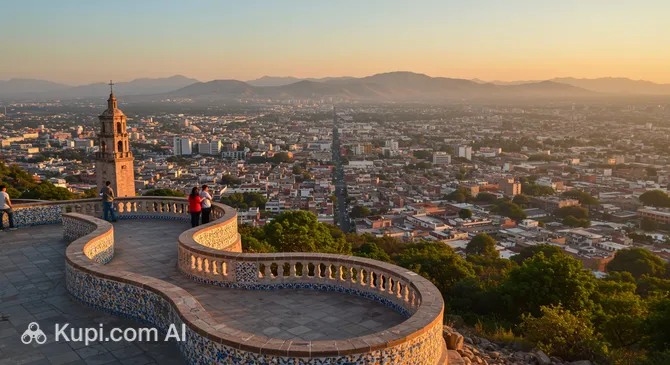
One of the most iconic spots in the city is La Lomita Viewpoint. Perched atop a hill, this church is dedicated to Our Lady of Guadalupe and is easily recognized by its distinctive architectural design. Tourists flock here not only for the spiritual atmosphere but also for the spectacular views it offers. Climbing the steps to the top rewards visitors with a sweeping panorama of Culiacan, which is particularly breathtaking during sunset.
In the heart of the historic center stands the Cathedral Basilica of Our Lady of the Rosary. This neoclassical masterpiece dates back to the 19th century and serves as a focal point for the city's main plaza. It is an essential stop for those interested in architecture and history, featuring an elegant façade and a peaceful interior that provides a quiet respite from the bustling streets outside.
Sinaloa Science Center. Illustration.
Source: Kupi.com AI
Traveler photos:
For a completely different experience, the Sinaloa Science Center is a must-visit destination, especially for families and science enthusiasts. The center is famous for housing the Bacubirito meteorite, considered one of the longest meteorites in the world. Beyond this impressive exhibit, the facility offers a planetarium and various interactive displays that make learning engaging and fun for visitors of all ages.
Nature lovers should explore the Culiacán Zoo, located near the city center along the river. This green oasis is home to a wide variety of animals, including big cats, primates, and giraffes. It is a popular place for a leisurely walk, offering a chance to connect with wildlife in a well-maintained environment that emphasizes conservation and education.
Sinaloa Art Museum. Illustration.
Source: Kupi.com AI
Traveler photos:
Those seeking cultural enrichment will appreciate the Sinaloa Art Museum. Housed in a beautifully restored 19th-century building that once served as the municipal palace, the museum now displays a significant collection of modern and contemporary Mexican art. The contrast between the historic stone architecture and the vibrant artworks inside makes it a visually compelling stop on any cultural tour of the city.
Local Cuisine
The culinary scene in Culiacan is legendary throughout Mexico, celebrated for its bold flavors and exceptional freshness. As the capital of Sinaloa, the city sits at the heart of a region known as the country's "breadbasket," but it is arguably even more famous for its seafood. Thanks to the nearby coast, aguachile—fresh raw shrimp submerged in a spicy mixture of chili, lime, cucumber, and onion—has become the city's signature dish, offering a vibrant taste of the Pacific.
Beyond seafood, the region is renowned for its hearty meat dishes that reflect its agricultural heritage. Chilorio, a slow-cooked pork dish prepared with chili sauce and spices, is a breakfast staple often served with flour tortillas. Another local favorite is machaca, dried spiced beef that is rehydrated and cooked with eggs or vegetables. These traditional recipes are widely available in both humble eateries and upscale establishments across the city.
Panamá Restaurant and Pastry Shop Pedro Infante. Illustration.
Source: Kupi.com AI
Traveler photos:
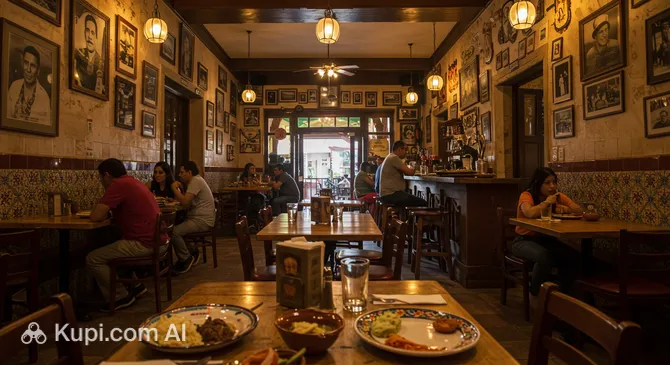
For a true taste of local life, a visit to Panamá Restaurant and Pastry Shop Pedro Infante is essential. This beloved local chain is an institution in Culiacan, famous for its extensive menu of Mexican classics and its irresistible bakery section. It is the perfect spot to enjoy a traditional breakfast or to indulge in a slice of their famous cakes, making it a favorite meeting place for families and friends.
Travelers looking for a more contemporary dining experience will find excellent options as well. Cayenna Cocina del Mundo stands out for its fusion cuisine, blending regional ingredients with international techniques in a sophisticated setting. Meanwhile, those craving the fresh catch of the day can head to Marejada Restaurant, where the vibrant flavors of Sinaloan seafood take center stage.
Cayenna Cocina del Mundo. Illustration.
Source: Kupi.com AI
Traveler photos:
Travel Tips
Visiting Culiacan is an exciting opportunity to experience the authentic culture and warmth of northern Mexico, but like any bustling city, it requires a bit of local know-how to navigate smoothly. To help you make the most of your stay, here are some practical tips designed to ensure your trip is comfortable, safe, and culturally respectful.
Clothing and Gear: The weather in Culiacan can be intense, especially during the summer. Pack lightweight, breathable fabrics like cotton or linen to handle the heat, and bring a hat and high-SPF sunscreen. Comfortable walking shoes are a must for exploring the botanical garden or city center. If you plan to visit religious sites like the Cathedral Basilica or La Lomita, remember to dress modestly; covering your shoulders and knees is a sign of respect.
Transportation: While public buses are available, they can be confusing for first-time visitors. The most convenient and secure way to get around is by using ride-hailing apps like Uber or DiDi, which are widely used and reliable here. If you prefer traditional taxis, opt for "radio taxis" or those from established stands (sitios) rather than hailing them off the street.
Finances: The local currency is the Mexican Peso (MXN). While credit and debit cards are accepted in hotels, malls, and larger restaurants, cash is king for street food, local markets, and small convenience stores. ATMs are plentiful, but it is safer to use those located inside banks or shopping centers. Tipping is customary; leaving 10% to 15% of the bill in restaurants is standard practice.
Health and Safety: Tap water is generally not safe to drink, so always stick to bottled water. For minor health issues, large pharmacy chains like Farmacias Guadalajara or Farmacias del Ahorro are easy to find, and many operate 24 hours a day. regarding safety, stick to well-lit, busy areas, especially at night, and avoid wearing flashy jewelry or displaying expensive electronics in public.
Communication: Spanish is the primary language, and while staff at major hotels may speak English, it is not widely spoken in the general public. Learning a few basic phrases like "Buenos días" (Good morning) and "Gracias" (Thank you) will go a long way. To stay connected, you can easily buy a prepaid SIM card from providers like Telcel at any OXXO convenience store.
Local Etiquette: People in Sinaloa are known for their friendliness and hospitality. It is polite to greet people when entering a shop or elevator with a simple "Hola" or "Buenas tardes." If you walk past someone eating—a common sight given the city's fantastic food scene—it is customary to say "Buen provecho" (enjoy your meal).
What to Avoid: Avoid discussing sensitive topics related to the region's security history or organized crime. Locals are proud of their city's culture and economic progress, and bringing up stereotypes can be seen as offensive. Also, avoid drinking alcohol on the street, as it is prohibited by law.
Beat the Heat: Life in Culiacan adapts to the high temperatures. You might notice that activity slows down during the hottest part of the afternoon (roughly 2:00 PM to 4:00 PM). Follow the locals' lead by planning your outdoor excursions for the early morning or evening and using the midday hours for indoor activities like visiting the Sinaloa Science Center or enjoying a long lunch.
By keeping these practical tips in mind, you will be well-prepared to enjoy everything Culiacan has to offer, from its world-class seafood to its vibrant sunsets. Embrace the local rhythm, stay hydrated, and get ready for a memorable adventure in the heart of Sinaloa.
Entertainment & Nightlife
Entertainment and Nightlife:
When the sun sets and the intense heat of the day subsides, Culiacan transforms into a lively hub of activity. The city is famous in northern Mexico for its festive spirit, where music and socializing are integral parts of the local culture. The nightlife here is vibrant and diverse, offering everything from sophisticated cocktail lounges to energetic clubs where the rhythm of Sinaloan music keeps the crowds dancing until dawn.
The heartbeat of the city's modern entertainment scene is the Tres Ríos district (Three Rivers Urban Development). This area is packed with trendy bars, restaurants, and nightclubs, making it the go-to destination for visitors looking for a fun night out. It is a safe, well-lit, and bustling zone where you can easily hop from one venue to another. A popular stop in this area is Plaza Ventura, a commercial complex that houses a variety of dining and entertainment options, perfect for starting the evening with dinner and drinks in a lively atmosphere.
Plaza Ventura. Illustration.
Source: Kupi.com AI
Traveler photos:
For those seeking a more intense party vibe, the city offers several high-energy nightclubs. Salon Inglés is a notable venue that attracts a stylish crowd. Here, the atmosphere is electric, often featuring a mix of current hits and Latin pop. Visitors should note that locals in Culiacan take pride in their appearance; the dress code is generally "dress to impress," so leave the shorts and flip-flops at the hotel if you plan to visit the premier clubs.
Salon Inglés. Illustration.
Source: Kupi.com AI
Traveler photos:
Music is the soul of Sinaloa, and no night out is complete without encountering the sounds of Banda or Norteño music. While electronic and pop music are common in modern clubs, many bars and cantinas feature live bands playing these traditional regional genres. The energy is contagious, and it is common to see people singing along and dancing with passion. Nightlife typically starts late here; bars begin to fill up around 10:00 PM, while clubs often don't reach their peak until after midnight.
Beyond the party scene, Culiacan offers enriching cultural experiences during the day and early evening. The Modular Inés Arredondo Cultural Center (MIA) is a key institution for the arts, hosting theater productions, concerts, and dance performances. Checking their schedule is highly recommended for travelers interested in a more relaxed and artistic evening.
Regarding safety and logistics, it is best to stick to the main entertainment districts like Tres Ríos and the historic center. Rideshare apps like Uber and DiDi are widely available and are generally considered the safest and most convenient way to get around at night. If you prefer a taxi, ask your hotel or restaurant to call a radio taxi for you. Prices are reasonable, but it is always wise to confirm the fare estimate before starting your journey.
Parks & Museums
Culiacan is a city that prides itself on its ability to harmonize urban development with extensive green areas and a thriving cultural scene. For travelers, this means that a morning spent exploring lush riverbanks can easily transition into an afternoon of artistic discovery in world-class museums and galleries.
The crown jewel of the city's green spaces is undoubtedly Las Riberas Park. Stretching along the banks of the Humaya and Tamazula rivers, this ecological reserve is the largest and most accessible park in the city. It is a favorite among locals for its extensive network of bike paths, walking trails, and suspension bridges that offer scenic views of the water. What makes it truly special is its wildlife; it is common to spot iguanas resting in the trees and various bird species, making it a fantastic spot for nature photography right in the city center.
Las Riberas Park. Illustration.
Source: Kupi.com AI
Traveler photos:
For families and those seeking recreational activities, Culiacán 87 Park offers a different kind of energy. Located in the southern part of the city, this expansive complex features a large artificial lake, swimming pools with slides, and numerous sports courts. It is a perfect destination for a day of relaxation and fun, providing ample space for picnics and outdoor exercise under the shade of mature trees.
Another significant area is Constitution Park, which serves as a cultural and civic hub. It houses the city's zoo and provides a tranquil environment for a leisurely stroll. The park is often a gathering place for community events and offers a peaceful retreat from the bustling streets nearby.
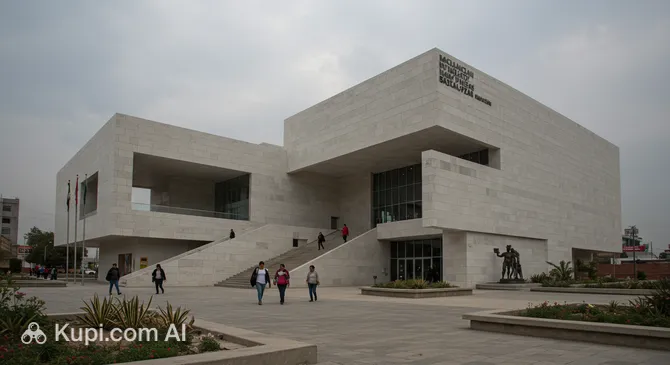
On the cultural front, the Modular Inés Arredondo Cultural Center (MIA) stands out as a modern beacon for the performing arts. This versatile venue hosts a wide array of events, including theater productions, concerts, and film screenings. Its contemporary architecture and dynamic programming make it a key stop for visitors interested in experiencing the current artistic pulse of Sinaloa.
Modular Inés Arredondo Cultural Center. Illustration.
Source: Kupi.com AI
Traveler photos:
While the city is home to several museums, the Sinaloa Science Center remains a top recommendation for its interactive approach to learning. It is not just for children; the planetarium and the impressive meteorite exhibit draw visitors of all ages. Similarly, the Sinaloa Art Museum (MASIN) offers a sophisticated look at visual arts within a stunning 19th-century building, providing a quiet space to appreciate both historical architecture and contemporary Mexican creativity.
For a touch of history and a unique photo opportunity, the Black Bridge is an unmissable landmark. This massive railway bridge, with its industrial aesthetic, has become a symbol of Culiacan's development. It is best viewed at sunset when the structure is silhouetted against the colorful sky, or at night when it is illuminated, creating a striking reflection on the river below.
Insider Tip: If you want to capture the perfect souvenir photo, head to the spot featuring the Culiacán Tourist Letters near the cathedral. Afterward, take a walk along the riverwalk at dusk, when the heat breaks and the city comes alive with families enjoying the cool evening breeze.
Getting Around
The public transport system in Culiacan is primarily road-based, relying heavily on a network of urban buses. Unlike Mexico City or Guadalajara, Culiacan does not have a metro, tram, or light rail system. For most residents and visitors, the "camiones" (buses) serve as the main mode of getting around the city, covering extensive routes that connect residential neighborhoods with the downtown area, shopping districts, and university campuses.
The bus fleet consists of standard units, often easily identifiable by the route names and major destinations hand-painted or displayed on the windshields. While there is a modernization effort underway to introduce newer units with air conditioning—a highly appreciated feature given the region's heat—many older buses are still in operation. Tourists should be aware that routes can be complex, so it is often helpful to ask locals or the driver ("¿Va al centro?") to confirm the destination before boarding.
Regarding payment, cash is the standard method for occasional travelers. While there is a prepaid card system used by students and frequent commuters to access subsidized rates, tourists are expected to pay the fare directly to the driver upon entering. The cost is very affordable, typically ranging between 11 and 13 pesos per ride. It is essential to carry small change or coins, as drivers may not have enough change for large bills. Once you pay, you will receive a small paper ticket, which serves as your insurance and should be kept until you disembark.
Public transport generally operates from early morning, around 5:30 AM, until approximately 9:00 PM or 10:00 PM. Frequency varies; popular routes in the city center run every few minutes, while buses to outlying areas may be less frequent. Visitors should plan their return trips accordingly, as service drops off significantly later at night.
Given the high temperatures and the complexity of the bus network for non-locals, many tourists prefer using private transport alternatives. Ride-hailing apps like Uber and DiDi are extremely popular, safe, and often more comfortable than traditional taxis. They offer the advantage of fixed pricing and air-conditioned vehicles. If you choose a traditional taxi, it is advisable to use "radio taxis" or those from established stands (sitios) rather than hailing them on the street, and always agree on the fare before starting the trip if the taxi does not use a meter.
Cycling is growing in popularity as a recreational activity, particularly within the scenic Las Riberas Park, where bike rentals are available for riding along the river paths. However, using a bicycle for general commuting across the city is less common due to the intense midday heat and heavy traffic on main avenues. For short distances within the historic center, walking is viable, but for reaching attractions further afield, a taxi or ride-share app remains the most practical choice.
Accommodation
Accommodation:
Accommodation in Culiacan caters primarily to business travelers and families, reflecting the city's status as a commercial and agricultural hub rather than a traditional beach resort. Visitors will find a solid range of options, from reliable international hotel chains and modern business hotels to budget-friendly motels and locally owned inns. While you won't find the sprawling all-inclusive resorts typical of the Mexican coast, the standard of hospitality is high, with many establishments offering excellent amenities like swimming pools, air conditioning, and on-site dining.
For most tourists, the best area to stay is the Tres Ríos district (Three Rivers Urban Development). This modern section of the city is known for its safety, wide avenues, and proximity to major shopping centers like Ceiba Mall. Staying here puts you within walking distance of the city's vibrant nightlife and some of its best restaurants. It is an ideal choice for those who prefer contemporary comforts and easy access to entertainment venues.
Travelers interested in history and culture might prefer finding accommodation in the Historic Center (Centro Histórico). Staying downtown offers an authentic immersion into local life, placing you steps away from landmarks such as the Cathedral Basilica of Our Lady of the Rosary and the city's bustling markets. This area is generally more walkable during the day and offers a variety of budget-friendly hotels, though it can be quieter at night compared to the Tres Ríos area.
Cathedral Basilica of Our Lady of the Rosary. Illustration.
Source: Kupi.com AI
Traveler photos:
Regarding costs, Culiacan is generally more affordable than tourist hotspots like Mazatlan or Cancun. Prices typically fall into the mid-range category, offering good value for money. While it is usually easy to find a room, it is advisable to book in advance if your visit coincides with major agricultural expos or the baseball season (October to January), when the local team, the Tomateros, draws large crowds. Most hotels can be easily booked via major online platforms, which is recommended to secure the best rates.
Nearby Cities
For those looking to explore the surroundings, Culiacan serves as an excellent base for day trips to several interesting nearby locations:
City
Population
Distance
Navolato
28 676
31 km
Altata
2 001
58 km
Punta Colorada
—
70 km
Guamuchil
63 743
100 km
La Cruz
15 657
111 km
One of the most popular destinations for a weekend getaway is Mazatlan. Known as the "Pearl of the Pacific," this coastal city combines a vibrant beach atmosphere with a beautifully restored historic center. Visitors can walk along the famous Malecón, one of the longest boardwalks in the world, or explore the 19th-century architecture around the Plaza Machado. It is an ideal spot for those seeking sun, sea, and rich culture.
For travelers interested in nature and scenic train rides, Los Mochis is a significant stop. It serves as the western terminus of the famous Chepe Express train, which travels through the breathtaking Copper Canyon. Even if you aren't taking the full train journey, the city itself is renowned for its botanical garden and exceptional seafood, making it a worthy visit for foodies and nature lovers.
Closer to Culiacan, the town of Altata (located in the municipality of Navolato) offers a quick escape to the coast. Although smaller than the major cities, it is a favorite among locals for its relaxed boardwalk and restaurants serving fresh oysters and fish. Additionally, the nearby village of Imala is famous for its natural hot springs and colonial charm, providing a spa-like experience just a short drive from the urban center.
These nearby destinations offer a glimpse into the diverse culture and landscapes of the region.
Shopping & Souvenirs
Shopping in Culiacan offers a diverse experience that ranges from bustling traditional markets to sophisticated modern centers. As a major commercial hub in northwestern Mexico, the city attracts visitors from across the state who come to find everything from high-end fashion to authentic regional handicrafts. Whether you are looking for the latest trends or unique local souvenirs, the city provides ample opportunities to indulge in some retail therapy.
The heart of the city's retail activity is found in the Historic Center. Here, the streets are lined with hundreds of small shops selling clothing, shoes, and accessories at affordable prices. Walking along Avenida Álvaro Obregón or Calle Ángel Flores allows tourists to immerse themselves in the local hustle and bustle. For a more upscale and relaxed shopping environment, the Tres Ríos district is the place to go, featuring wide avenues and modern commercial developments that house international brands and luxury boutiques.
For those who prefer the convenience of large shopping complexes, Culiacan boasts impressive malls. Ceiba Mall is a standout destination, known for its open-air design that incorporates lush greenery, reflecting the city's botanical heritage. It offers a mix of department stores, dining options, and entertainment venues, making it a popular spot for families and fashion enthusiasts alike.
Ceiba Mall. Illustration.
Source: Kupi.com AI
Traveler photos:
To experience the authentic flavors and colors of the region, a visit to the Mercado Garmendia is essential. Located in the downtown area, this historic market is a sensory delight where locals shop for fresh produce, spices, and meats. For tourists, it is an excellent place to find traditional Mexican crafts, leather goods, and regional snacks. The atmosphere is vibrant and offers a glimpse into the daily life of the Culichis.
When it comes to souvenirs, Sinaloa has distinct specialties worth taking home. The region is famous for its leatherwork, so look for high-quality belts, boots, and wallets. Food items are also popular gifts; be sure to buy some jamoncillos (traditional milk candy) or coricos (corn-based cookies). Additionally, bottles of locally produced hot sauces or varieties of chamoy make excellent savory mementos that capture the spicy spirit of the local cuisine.
Most shopping malls and department stores operate daily from 11:00 AM to 9:00 PM. Independent shops in the city center typically open around 10:00 AM and close by 8:00 PM, with some closing on Sundays. While credit and debit cards are widely accepted in malls and larger establishments, it is advisable to carry cash (Mexican Pesos) when visiting markets or smaller street vendors.
International tourists visiting Culiacan may be eligible for a tax refund on certain purchases. Mexico operates a "Moneyback" program for foreign visitors. Look for stores displaying the "Tax Free" logo, and be sure to ask for the necessary paperwork and keep your receipts to process the refund at the airport before your departure.