Support

Los Mochis

About

Welcome to Los Mochis, a dynamic and modern city located in the state of Sinaloa, in northwestern Mexico. Known for its wide, palm-lined streets and friendly atmosphere, this city serves as a vital agricultural hub and a strategic gateway for travelers exploring the region. With a population of approximately 490,000 people, Los Mochis combines the convenience of urban life with the welcoming charm typical of the Mexican north, all situated just a short distance from the sparkling Sea of Cortez.

Unlike many other destinations in the country, this city is relatively young, having been founded in the early 20th century. Delving into the history of Los Mochis reveals a fascinating origin story linked to American investment and the sugar industry, which influenced its unique grid layout and architectural style. Today, it stands as a testament to successful urban planning and economic growth, offering a distinct experience from the colonial towns found elsewhere in the nation.
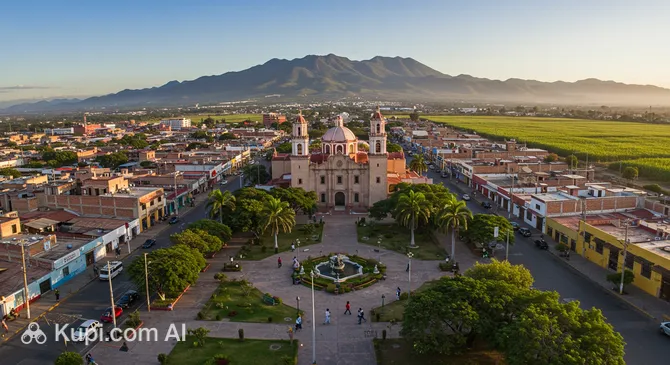
Los Mochis. Source: Kupi.Binoculars

For many visitors, Los Mochis is the essential starting point for one of the world's most scenic rail journeys: the Chepe Express. This famous train connects the city to the majestic Copper Canyon (Barrancas del Cobre), offering breathtaking views of the rugged landscape. Within the city itself, the Sinaloa Park serves as a lush botanical garden and a peaceful retreat for nature lovers. Furthermore, the city is renowned as a gastronomic destination, celebrated specifically for its exceptional seafood and fresh shrimp dishes that are considered some of the best in the region.

Whether you are embarking on a train adventure into the mountains or simply looking to indulge in exquisite local cuisine, Los Mochis offers a memorable stopover. Its warm climate, proximity to the port of Topolobampo, and vibrant local culture make it an inviting destination for any traveler planning a trip through this beautiful part of the continent.
Weather Overview

Travelers planning a visit can generally expect hot summers with occasional rain and mild, dry winters. The weather in Los Mochis is characterized by distinct seasonal shifts, particularly regarding temperature and rainfall frequency. The hottest part of the year occurs from June through September, where average temperatures consistently exceed 30°C, and daily highs in July and August can reach up to 36°C.

While the city is dry for most of the year, the summer months also bring the rainy season. August and September are typically the wettest times, with up to 14 wet days recorded per month, providing a break from the aridity. In contrast, the period from November to May is extremely dry, with almost zero precipitation. Winter months, such as January and December, are particularly pleasant for outdoor exploration, offering average temperatures around 19°C to 20°C and cooler evenings.

Interesting Facts

Beyond its agricultural fame and railway connections, Los Mochis holds a collection of unique stories that surprise many visitors. From utopian dreams to linguistic curiosities, the city's background is far from ordinary and offers a glimpse into a distinct cultural heritage.
  • The name "Los Mochis" has fascinating indigenous roots. It is widely believed to derive from the Cahita language, translating to "Place of Turtles" or "Land Turtles," a reference to the specific terrestrial fauna that once populated the valley floor before the city was built.

  • Before the city became a sugar production powerhouse, the region was the site of an ambitious but failed experiment to establish a utopian socialist colony. In the late 19th century, American civil engineer Albert Kimsey Owen envisioned a model community here called "Pacific City," which laid the groundwork for the area's future infrastructure.

  • The city's layout is quite distinct from the typical Spanish colonial style found throughout most of the country. Because it was founded by an American entrepreneur, Benjamin Johnston, Los Mochis features wide, grid-patterned streets and avenues designed to accommodate modern traffic long before it became a norm.

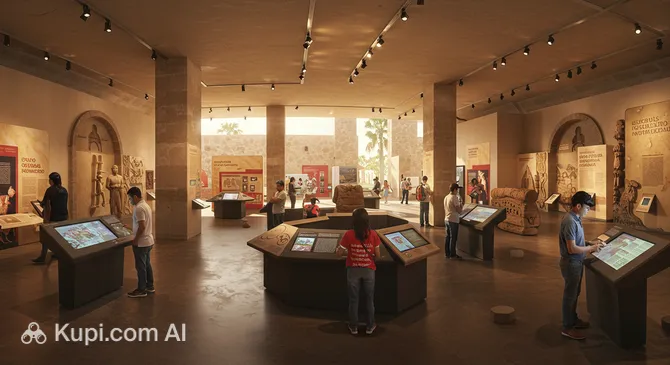
  • The city's industrial past has been creatively repurposed for modern enjoyment. The Trapiche Interactive Museum is actually housed within the restored ruins of the old sugar mill, allowing visitors to explore local history inside the very structures that gave birth to the city's economy.

Trapiche Interactive Museum. Source: Kupi.Binoculars

How to Get There

Reaching this destination is convenient thanks to its well-connected transport infrastructure. For travelers planning their journey, you can find more about how to get to Los Mochis on our detailed page. The most direct method is flying into the local airport, which sits just a short drive from the city center, making arrival hassle-free.

The primary entry point is Los Mochis International Airport (IATA: LMM), also known as Valle del Fuerte Federal International Airport. It is located approximately 15 km from the downtown area. A taxi or shuttle from here typically takes about 20 to 25 minutes. Although it is a medium-sized facility, it handles a significant number of passengers annually and offers essential connections to major hubs.

If direct flights are unavailable, a common alternative is Culiacan International Airport (IATA: CUL), located in the city of Culiacan. This is a larger airport with more frequent international and domestic connections. However, it is situated about 190 km from Los Mochis. Travelers landing here should plan for a ground transfer by bus or rental car, which generally takes around 2.5 to 3 hours. Another option is Ciudad Obregon Airport (IATA: CEN) in Ciudad Obregon, roughly 196 km to the north.

For clarity, here is a summary of the main airports:

Airport Name City Passenger Traffic Km from City
Culiacan International Airport Culiacan High 190.0
La Paz International Airport La Paz Medium 235.7
Los Mochis International Airport Los Mochis Medium 15.1
Ciudad Obregon Airport Ciudad Obregon Medium 196.6
Loreto Airport Loreto Small 237.8

Main Attractions

Los Mochis offers a variety of points of interest that blend historical significance with modern leisure. From panoramic viewpoints and architectural landmarks to vibrant shopping centers, the city provides engaging experiences for visitors of all ages looking to explore the local culture.

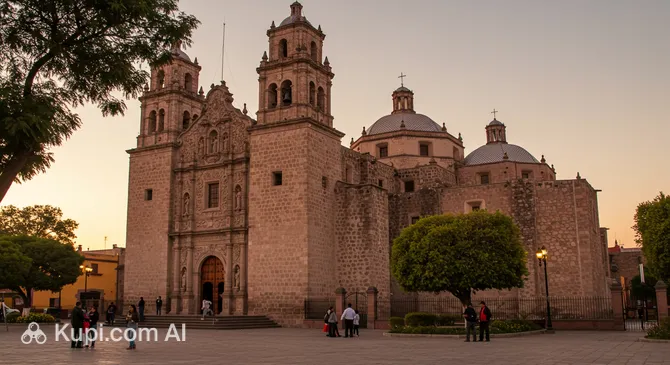
One of the city's most iconic landmarks is the Sacred Heart of Jesus Parish. Located in the heart of the city, this church is not only a central place of worship but also an architectural focal point. Its tall spire and well-maintained facade make it a favorite subject for photographers. Tourists appreciate the peaceful atmosphere inside and the chance to observe local religious traditions in a serene and welcoming setting.

Sacred Heart of Jesus Parish. Source: Kupi.Binoculars

For those seeking panoramic views and a connection to the city's geography, La Pérgola is a must-visit destination. Situated on the slopes of the famous Cerro de la Memoria (Memorial Hill), this site was originally built as part of the city's water infrastructure but has evolved into a beloved recreational area. It is interesting to tourists for its sweeping vistas of the city and the surrounding valley, making it the perfect spot for sunset walks and enjoying the evening breeze.

La Pérgola. Source: Kupi.Binoculars

History enthusiasts and families will find the Trapiche Interactive Museum to be a highlight. Housed in the restored ruins of the old sugar mill that was instrumental in founding the city, this museum beautifully merges the past with the present. It offers interactive exhibits on science, technology, and art, making it an educational stop that honors the industrial roots of Los Mochis while entertaining younger visitors.

For a modern taste of local lifestyle, the Paseo Los Mochis Mall is the premier shopping destination. It serves as a bustling meeting point where tourists can find a wide range of national and international brands, as well as entertainment options. It is an excellent place to escape the midday heat, enjoy a meal, or simply people-watch to get a feel for the contemporary rhythm of the city.

Finally, no visit is complete without tasting the local flavors at the Panamá Restaurant and Pastry Shop. Renowned throughout the state of Sinaloa, this establishment is famous for its delicious bakery items and traditional Mexican dishes. It offers tourists a reliable and delightful culinary experience, perfect for a hearty breakfast or a sweet treat after a day of sightseeing.

Local Cuisine

The culinary scene in Los Mochis is widely regarded as one of the best in northern Mexico, particularly for seafood enthusiasts. Thanks to its proximity to the port of Topolobampo and the Sea of Cortez, the city enjoys a daily supply of incredibly fresh marine products. Gastronomy here is not just a necessity but a cultural pride, where the flavors are bold, spicy, and deeply refreshing.

The undisputed king of local cuisine is aguachile. This signature dish consists of fresh raw shrimp "cooked" in a marinade of lime juice, blended with green chilies—often the spicy chiltepín—and served with cucumber slices and red onion. Another must-try is pescado zarandeado, a whole fish split open, covered in a savory chili-garlic paste, and slowly grilled over wood charcoal. For breakfast, travelers should look for machaca, a dried, salted beef that is rehydrated and fried with eggs and vegetables, typically served with warm flour tortillas.

Avika Restaurant. Source: Kupi.Binoculars

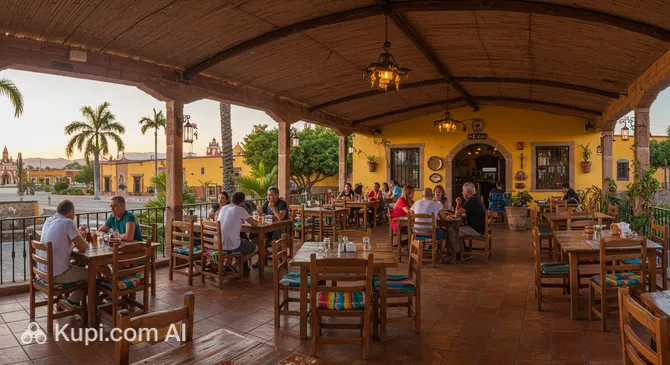
When it comes to dining venues, the options range from humble street carts to elegant establishments. Locals often flock to "marisquerías" (seafood stands) for a casual lunch, where the quality of the ingredients speaks for itself. For a more formal dining experience where you can enjoy high-quality preparations, visiting Avika Restaurant is an excellent choice. It offers a comfortable atmosphere to sample local specialties prepared with a modern touch.

To accompany these meals, visitors should try traditional beverages. Tejuino is a popular fermented corn drink, often served with a scoop of lime sorbet, offering a unique sweet and sour taste perfect for hot days. Agua de cebada (barley water) is another refreshing local favorite, distinctively sweet and creamy. For an evening drink or a coffee in a vibrant setting, El Pecado Café provides a welcoming environment to unwind after a day of exploration.

Travel Tips

To help you make the most of your visit to this welcoming gateway of the Copper Canyon, we have compiled a list of essential practical advice. These tips will ensure your stay in Los Mochis is comfortable, safe, and culturally enriching, allowing you to focus on the stunning scenery and delicious cuisine.

  1. Clothing and Gear: Since the climate can be extremely hot, especially from June to September, bring lightweight, breathable fabrics like cotton or linen. A hat and high-SPF sunscreen are mandatory accessories. If you are visiting in winter or planning to board the Chepe train into the mountains, pack a warm jacket or layers, as temperatures drop significantly at higher altitudes and in the evenings. Comfortable walking shoes are essential for exploring the botanical gardens and city streets.
  2. Transportation: The most convenient way to navigate the city is by using ride-hailing apps like Uber or Didi, which are generally safe, affordable, and overcome language barriers. Traditional taxis are widely available, but it is advisable to agree on the fare before starting your ride if they do not use a meter. Public buses exist but can be confusing for first-time visitors; renting a car is a good option if you plan to explore the surrounding beaches or Topolobampo on your own schedule.
  3. Finances: The local currency is the Mexican Peso (MXN). While major hotels, the Paseo Los Mochis Mall, and upscale restaurants accept credit and debit cards, cash is king for street food, taxis, and smaller shops. ATMs are plentiful in shopping centers and banks. It is customary to tip waitstaff 10% to 15% of the bill, and leaving a few coins for grocery baggers and parking attendants is polite.
  4. Health and Safety: Pharmacies such as Farmacias Guadalajara or Farmacias del Ahorro are common, with many locations open 24/7 and offering basic medical consultations. As a general precaution, avoid drinking tap water; always opt for bottled or purified water to prevent stomach issues. While Los Mochis is generally safe for tourists, stick to well-lit, busy areas like the downtown core and avoid wearing flashy jewelry or displaying large amounts of cash in public.
  5. Communication: Spanish is the primary language. While staff at the airport, major hotels, and the Chepe train station often speak English, it is less common in local markets and smaller eateries. Downloading a translation app and learning basic phrases like "Buenos días" (Good morning) and "Gracias" (Thank you) will be greatly appreciated. Pre-paid SIM cards from providers like Telcel can be easily purchased at OXXO convenience stores for reliable data coverage.
  6. Local Etiquette: People in Sinaloa are known for being warm, open, and somewhat louder in conversation than in other parts of Mexico; do not mistake their animated volume for aggression. A friendly greeting is expected when entering a shop or elevator. When dining, a polite "Buen provecho" (Enjoy your meal) to neighboring tables when you leave is a nice local custom that shows good manners.
  7. What to Avoid: Do not assume that the "Chepe" train schedule is flexible; it runs on a strict timetable, and tickets should be booked weeks or even months in advance during peak seasons. Additionally, avoid eating raw seafood from street stalls that look empty; always choose busy spots where high turnover ensures the freshness of the famous local shrimp.
  8. Local Insight: In Los Mochis, seafood is traditionally a breakfast and lunch affair. Many of the best marisquerías (seafood restaurants) close by late afternoon (around 6:00 PM). To experience the freshest aguachile or fish, plan to eat like a local and head out for your main seafood meal between 11:00 AM and 2:00 PM.

By keeping these practical tips in mind, you will be well-prepared to navigate the city with confidence and ease. Los Mochis is a city that rewards curious and respectful travelers with incredible flavors and warm hospitality, promising a memorable start to your Mexican adventure.

Entertainment & Nightlife

While Los Mochis is often viewed as a transit point or an agricultural business hub, its nightlife scene offers a surprisingly vibrant and welcoming atmosphere. The city comes alive after sunset, characterized by a social culture that revolves around music, long dinners, and gathering with friends. Unlike the high-energy clubbing scenes of beach resorts, the nightlife here is more about relaxed conviviality, featuring stylish lounge bars, live banda music venues, and bustling entertainment centers.

The primary hub for evening activity is centered around Boulevard Antonio Rosales and the area surrounding the main shopping districts. This zone is safe, well-lit, and populated with a mix of locals and visitors. Here, you can find everything from sports bars and casual pubs to more sophisticated venues for cocktails. The atmosphere is generally smart-casual; while you don't need formal wear, locals tend to dress up a bit for a night out on weekends.

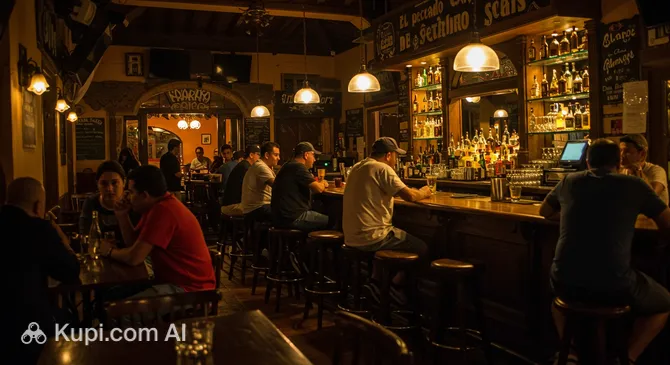
For those looking to enjoy a drink in a venue with character, El Pecado Café is a standout option. Classified as a bar with a bohemian touch, it offers a unique ambiance that sets it apart from typical commercial spots. It is an excellent place to sample creative cocktails or enjoy a relaxed conversation in an artistic setting. The venue often attracts a diverse crowd looking for good music and a break from the ordinary.

El Pecado Café. Source: Kupi.Binoculars

Another focal point for evening entertainment is the Paseo Los Mochis Mall. While it is a shopping center by day, at night it serves as a major meeting point. It houses a modern cinema complex for late-night movies, a casino for those feeling lucky, and numerous restaurants and bars in its vicinity. It is particularly convenient for tourists as it provides a one-stop location for dining and entertainment in a secure environment.

Paseo Los Mochis Mall. Source: Kupi.Binoculars

For a smooth night out, it is best to start your evening around 9:00 PM. Most bars stay open until 2:00 AM, while clubs may go later on Fridays and Saturdays. Prices in Los Mochis are generally affordable compared to major tourist destinations. A beer might cost between 40 to 60 MXN, and cocktails range from 80 to 120 MXN. Regarding safety, the main entertainment districts are secure, but it is always advisable to use radio taxis or ride-sharing apps like Uber rather than walking long distances late at night.

If you have time to spare before the sun goes down, the city offers engaging daytime activities as well. Visitors can explore the Trapiche Interactive Museum, which provides a fascinating look at the region's history and science, or take a peaceful stroll through the Sinaloa Park and Botanical Garden. These spots are perfect for relaxing before diving into the local dining and nightlife scene.

Parks & Museums

Beyond its bustling avenues and commercial centers, the city offers a refreshing array of green spaces and cultural institutions that showcase its unique heritage. Visitors will find that Los Mochis is home to lush botanical collections and educational venues that provide a deeper understanding of the region's history, from its indigenous roots to its industrial development.

The crown jewel of the city's green areas is undoubtedly the Sinaloa Park (Parque Sinaloa), which houses the Benjamin Francis Johnston Botanical Garden. Originally the private garden of the city's American founder, this expansive "green lung" is a paradise for nature lovers. It features a diverse collection of exotic plant species brought from around the world, including India, Africa, and Australia. Walking through its shaded paths, tourists can admire majestic banyan trees, bamboo tunnels, and a dedicated cactus garden, making it a perfect spot for a peaceful morning walk or birdwatching.

For those who enjoy combining physical activity with scenic views, the area around La Pérgola on Memorial Hill (Cerro de la Memoria) is the ideal destination. While famous for its viewpoint, the hill itself serves as a vital recreational park for locals. It features paved trails popular for jogging, cycling, and hiking. Reaching the top rewards visitors not only with the iconic pergola structure but also with a refreshing breeze and a panoramic perspective of the Valle del Fuerte, especially captivating during sunset.

Another beloved public space is the Plazuela 27 de Septiembre. Located near the Sacred Heart of Jesus Parish, this traditional plaza is the social heart of the city. It is surrounded by manicured gardens and a charming gazebo, offering a quintessential Mexican town square experience. In the evenings, it comes alive with families, street food vendors selling corn and treats, and occasional live music performances, providing an authentic glimpse into local daily life.

On the cultural front, the Trapiche Interactive Museum stands out as a modern educational venue. While it honors the past by occupying the restored 19th-century buildings of the former sugar mill, its focus is firmly on the future. The museum features roughly 60 exhibits dedicated to science, technology, and the arts, designed to engage visitors of all ages. It also includes an open-air theater and spaces dedicated to temporary artistic exhibitions, making it a dynamic cultural hub.

To delve deeper into the region's backstory, a visit to the Regional Museum of Valle del Fuerte is highly recommended. Housed in the historic "Casa del Centenario," one of the first houses built in the colony, this museum offers a curated collection of artifacts. Exhibits range from pre-Hispanic pottery and indigenous Yoreme culture to photographs and documents chronicling the arrival of the American colonists and the agricultural boom that shaped modern Sinaloa.

For a truly local experience, try visiting Sinaloa Park early in the morning on a weekend. You will find it bustling with locals practicing yoga, painting, or simply enjoying the coolest part of the day, offering a serene atmosphere that contrasts with the city's midday energy.

Getting Around

Navigating Los Mochis is relatively straightforward, as the city was designed with a modern grid layout that makes orientation easy. The public transport system primarily consists of a network of urban buses and a large fleet of taxis. Unlike larger metropolises, there is no metro, tram, or trolleybus system here. For most tourists, a combination of walking in the downtown area and using ride-hailing apps or taxis for longer distances is the most efficient way to get around.

The local buses, often referred to as camiones, cover most neighborhoods and are the most economical option for travel. These buses do not use a card system; payment is made strictly in cash directly to the driver upon boarding. It is essential to carry small coins and bills, as drivers often have limited change. While there are no official transit maps available at stops, the destination or main avenue is usually painted on the windshield. Operating hours generally run from early morning, around 6:00 AM, until approximately 9:00 PM or 10:00 PM, depending on the route.

For visitors prioritizing comfort and convenience, ride-hailing apps such as Uber and Didi are widely available and highly recommended. These platforms offer the advantage of fixed pricing, GPS tracking, and overcoming language barriers. Traditional taxis are also plentiful and can be identified by their distinctive green and white or red and white color schemes. However, most local taxis do not use meters, so it is crucial to negotiate and agree on the fare with the driver before getting into the vehicle to avoid misunderstandings.

Walking is a viable and pleasant alternative for exploring the city center (Centro), where many shops, the Plazuela 27 de Septiembre, and the Sacred Heart of Jesus Parish are located close to one another. The wide streets and flat terrain make it pedestrian-friendly. For those wishing to visit the nearby port of Topolobampo or Maviri Beach, renting a car is a popular choice, providing the freedom to explore the coast at your own pace.

While not a form of urban transit, the city is famous for hosting the western terminus of the Chepe Express. This passenger train is a unique feature in the region's transport landscape, serving as the gateway to the Copper Canyon. Tourists should note that the train station is located a bit further from the city center, so arranging a taxi or transfer in advance is necessary when heading out for this rail adventure.

Accommodation

Where to Stay:

Finding the perfect place to stay in Los Mochis is relatively easy, as the city is well-equipped to host the steady stream of travelers arriving for business or preparing to board the famous Chepe train. The accommodation landscape primarily consists of reliable mid-range hotels, functional business suites, and budget-friendly motels. While you will not find the sprawling all-inclusive beach resorts typical of southern Mexico, the city offers modern, clean, and comfortable options that provide excellent value for money.

The most convenient area for tourists is the Zona Dorada (Golden Zone) and the surrounding downtown districts, particularly near Boulevard Antonio Rosales. Staying in this central hub places you within walking distance of the best dining spots, shopping centers, and the lively Plazuela 27 de Septiembre. For those focused solely on the railway journey, staying in the city center is still the best option; although the train station is located on the outskirts, it is easily accessible via a short taxi ride from downtown hotels, which offer far better amenities than the limited options near the tracks.

In terms of pricing, Los Mochis is generally quite affordable compared to major tourist destinations like Cancun or Los Cabos. Travelers can find decent budget rooms starting at very reasonable rates, while "luxury" in this context typically refers to high-end business hotels with pools, gyms, and on-site restaurants. Booking is standard and can easily be done through major online platforms or directly with the establishments.

Booking Tip: Since Los Mochis is the primary gateway to the Copper Canyon, hotels can fill up quickly during peak travel seasons, such as Easter (Semana Santa) and the winter holidays. If you are planning your trip around the Chepe Express schedule, it is highly recommended to book your accommodation at least a few weeks in advance to secure a room that suits your logistics.

Nearby Cities

Los Mochis serves as a strategic hub in northwestern Mexico, offering convenient access to several other important urban centers in Sinaloa and the neighboring state of Sonora. Whether you are interested in exploring the state capital, visiting agricultural heartlands, or crossing the Sea of Cortez to the Baja California peninsula, the city's location makes it an excellent base for regional travel.

The closest major city is Guasave, located just a short drive to the south. Known as the "Agricultural Heart of Mexico," it is famous for its rich soil and extensive farming industry. Visitors here often appreciate the authentic rural charm and the local cuisine, which, like Los Mochis, features exceptional seafood and high-quality meats.

Further south lies Culiacan, the vibrant capital of the state of Sinaloa. It is a bustling metropolis that offers a mix of modern shopping centers, historical architecture, and cultural landmarks, such as the Cathedral Basilica of Our Lady of the Rosary. As the largest city in the region, it provides a deeper dive into the contemporary life and history of the state.

Traveling north into the state of Sonora, you will encounter Navojoa and Ciudad Obregon. Navojoa is situated in the fertile Mayo River valley and is deeply connected to the indigenous Mayo culture. Continuing north, Ciudad Obregon stands as a major agribusiness center in the Yaqui Valley, offering modern amenities and acting as a gateway to the reservoirs and dams popular for bass fishing.

Finally, across the Gulf of California lies La Paz, the capital of Baja California Sur. While the straight-line distance is relatively short, reaching it involves taking a ferry from the nearby port of Topolobampo. This journey is a popular route for travelers wishing to experience the stunning beaches and marine life of the Baja peninsula after exploring the mainland.

Here is a summary of the nearby cities, their populations, and distances from Los Mochis:

City Population Distance (km)
Guasave 320,000 58
Navojoa 120,926 149
Culiacan 808,416 194
Ciudad Obregon 329,404 210
La Paz 250,141 226

Shopping & Souvenirs

Shopping in Los Mochis offers a pleasant mix of modern convenience and traditional Mexican commerce. While the city is not primarily known as a shopping destination for luxury goods, it serves as a major commercial hub for northern Sinaloa. Visitors can find everything from air-conditioned malls featuring international brands to bustling local markets filled with regional produce and everyday items. The experience is generally laid-back, reflecting the city's friendly and unhurried pace.

For those looking for a comprehensive retail experience, the city's modern shopping centers are the best place to start. The most prominent destination is Paseo Los Mochis Mall, located at the intersection of Boulevard Centenario and Boulevard Rosales. This lifestyle center is the city's main gathering spot, housing department stores, fashion boutiques, and a variety of dining options. It is the ideal place to cool off and shop for clothing, electronics, or accessories in a comfortable environment.

Another key location for shoppers is Sendero Los Mochis Mall. This center caters to a wide audience with a focus on value and variety, featuring a large supermarket, cinema, and numerous smaller shops selling shoes, sportswear, and gifts. It is a practical stop for travelers needing to restock on supplies or looking for affordable apparel.

Sendero Los Mochis Mall. Source: Kupi.Binoculars

To experience the local trade atmosphere, a visit to the downtown area (Centro) is essential. The streets surrounding the Mercado Municipal Independencia are lined with small independent shops and vendors. The market itself is a sensory experience, packed with stalls selling fresh fruits, vegetables, meats, and spices. It is here that tourists can observe the daily life of the locals and find goods at significantly lower prices than in the commercial centers.

When it comes to souvenirs, Los Mochis is famous for its edible treasures rather than handicrafts. The best gifts to bring back are regional culinary specialties. Machaca (dried, shredded beef) is a top choice, often vacuum-packed for travel. Another must-buy is a bag of coricos, delicious donut-shaped corn cookies that are a staple of Sinaloan baking. For those who enjoy spice, dried chiltepín peppers—small, round, and fiery—are a distinctive local product. Additionally, baseball fans might appreciate merchandise from the local team, the Cañeros de Los Mochis, which can be found in sports shops around the city.

Store hours in Los Mochis are generally consistent. Shopping malls typically operate from 11:00 AM to 9:00 PM, seven days a week. Independent shops in the downtown area usually open around 9:00 AM and close by 7:00 PM or 8:00 PM; some may close briefly for lunch, although this is becoming less common. Major supermarkets often stay open until 10:00 PM or later.

Regarding payment, major shopping malls, department stores, and supermarkets widely accept credit and debit cards (Visa and Mastercard). However, if you are shopping in the Mercado Municipal or buying from street vendors, cash is absolutely necessary. It is advisable to carry smaller denominations of Mexican Pesos, as vendors may not always have change for large bills. Tourists shopping at participating stores may be eligible for a tax refund (Moneyback) on purchases over a certain amount, so it is worth asking for a VAT invoice (factura) if you plan on making significant purchases.

Reached the end of the page?

That means the route is fully explored