Support

La Paz

About

La Paz, the capital of Baja California Sur, is a captivating destination that truly lives up to its name, which translates to "The Peace." Unlike some of the more bustling resort towns in the region, this city offers a tranquil yet vibrant atmosphere where the stark beauty of the desert meets the turquoise waters of the Sea of Cortez. Located in Mexico, La Paz is a celebrated haven for eco-tourism, marine biology, and travelers seeking an authentic cultural experience.

With a population of approximately 250,000 residents, the city strikes a perfect balance between a lively urban center and a relaxed coastal town. Its climate is characteristically dry and warm, boasting over 300 days of sunshine a year, which makes it an ideal spot for outdoor activities. The city is framed by laurel trees and coconut palms, creating a lush contrast against the arid surroundings.
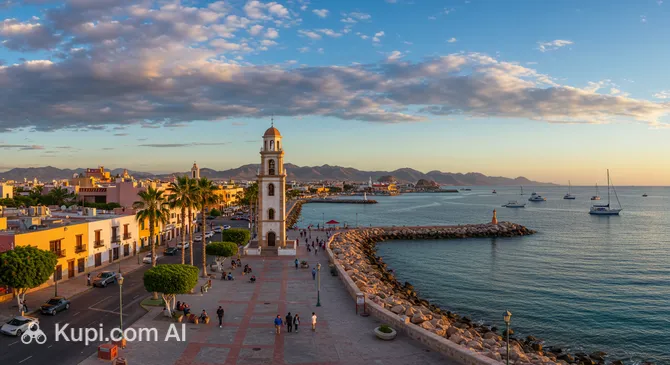
La Paz. Source: Kupi.Binoculars

The region has a deep and storied past. Exploring the history of La Paz reveals a timeline marked by Spanish exploration, a booming pearl diving industry, and the influence of Jesuit missions. This rich heritage is reflected in the city's architecture and the warm hospitality of its people, offering a glimpse into a side of the country that feels both traditional and cosmopolitan.

One of the city's most beloved features is the Malecón, a 5-kilometer waterfront promenade dotted with sculptures, restaurants, and shops, making it the perfect place for a sunset stroll. Nature enthusiasts are drawn to the world-famous Balandra Beach, known for its shallow, crystal-clear waters and the iconic mushroom-shaped rock formation. Furthermore, the surrounding ocean is often called the "Aquarium of the World," offering unique opportunities to swim with gentle whale sharks or playful sea lions at the nearby Island of Espíritu Santo.

Whether you are an adventurer looking to dive into marine life or a traveler seeking a serene escape, La Paz welcomes you with open arms. It is a destination that invites you to slow down, breathe in the salty air, and discover the natural magic of the Baja peninsula.

Weather Overview

La Paz enjoys a desert-like climate characterized by warm temperatures and clear skies for the vast majority of the year. The summer months are typically hot, with August seeing average temperatures around 29.2°C and highs frequently climbing to 32.4°C. In contrast, the winter season from December through February is much milder and very comfortable, with average daily temperatures settling near 19°C to 20°C and lows rarely dipping below 15°C.

Rainfall is exceptionally scarce in this region, making it a reliable destination for travelers seeking sun. Even in late summer, which technically sees the most "wet days," precipitation is negligible, often recording only 1mm to 2mm for the entire month. Expect hot, dry summers and mild, sunny winters with almost no rain to disrupt your plans. For a more detailed breakdown of seasonal conditions to help you pack, you can check the current weather in La Paz.

Interesting Facts

Beyond the sun-soaked beaches and vibrant marine life, La Paz holds a treasure trove of fascinating stories and unique features. From literary connections to local legends, the city offers curious travelers much to discover beneath the surface.
  • Literary Inspiration: The city's past as a world-renowned center for pearl diving served as the inspiration for John Steinbeck’s classic novella, The Pearl. The author visited the region in 1940 and based his story on a local legend he heard about a fisherman who found a massive pearl.

  • Aquarium of the World: The renowned oceanographer Jacques Cousteau famously dubbed the Sea of Cortez the "Aquarium of the World." This title highlights the immense biodiversity found in the waters surrounding the city, which are home to nearly 900 species of fish and roughly one-third of the world's marine mammal species.

  • The Rescued Rock: The iconic mushroom-shaped rock formation at Balandra Beach, known as "El Hongo," is a symbol of the city, but it is not entirely in its original state. The rock actually collapsed in 1989, and dedicated locals painstakingly reassembled and reinforced it to preserve the beloved landmark for future generations.

  • An Open-Air Museum: The La Paz Malecón functions as a public art gallery, featuring over a dozen intricate bronze sculptures. These artworks narrate the history and mythology of the region, depicting everything from local fishermen and hammerhead sharks to Jacques Cousteau himself.

La Paz Malecón. Source: Kupi.Binoculars

How to Get There

Reaching this serene coastal city is relatively straightforward, with options to suit different itineraries and budgets. Whether you prefer a direct flight or a scenic drive through the Baja peninsula, you can find detailed information on all ways to reach the city to help plan your journey.

The most convenient entry point is the local La Paz International Airport (IATA: LAP), also known as Manuel Márquez de León International Airport. Located just 9.3 km from the city center, it is a medium-sized hub that handles both domestic and international flights. The short distance makes the transfer very quick; a taxi or shuttle ride to the downtown area typically takes about 30 to 40 minutes. This airport is ideal for travelers who want to land right at their destination and start exploring immediately.

Alternatively, many visitors choose to fly into Los Cabos (IATA: SJD), situated in the city of San Jose del Cabo. Although it is approximately 125 km away from La Paz, this airport is significantly larger and often offers a wider variety of direct international connections and competitive fares. From here, you can take a comfortable bus or rent a car for a scenic drive north, which generally takes around 2.5 to 3 hours. This option is popular for those planning a road trip across Baja California Sur.

For clarity, here is a summary of the main airports in the region:

Airport Name City Passenger Traffic Km from City
Los Cabos San Jose del Cabo Very High 125.2
Culiacan International Airport Culiacan High 295.9
La Paz International Airport La Paz Medium 9.3
Los Mochis International Airport Los Mochis Medium 211.4
Loreto Airport Loreto Small 229.7

Main Attractions

La Paz is a city where history, culture, and natural beauty converge, offering visitors a variety of sites that go beyond its famous beaches. While the waterfront promenade is the heart of social life, the city center and its surroundings hide architectural gems and cultural institutions that provide a deeper understanding of this region of Baja California Sur.

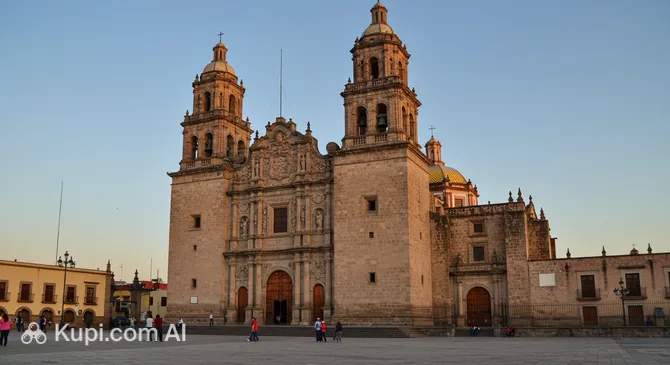
Dominating the main square is the Cathedral of Our Lady of La Paz. Built in the second half of the 19th century, this neoclassical structure stands on the site of the original Jesuit mission founded in 1720. Its twin towers and simple yet elegant facade make it a striking landmark against the blue desert sky. Tourists are drawn here not only for the architectural beauty but also for the peaceful atmosphere of the adjacent Jardín Velasco, a perfect spot to rest in the shade.

Cathedral of Our Lady of La Paz. Source: Kupi.Binoculars

For those interested in the rich heritage of the peninsula, the Baja California Sur Regional Museum is an essential stop. The museum offers a comprehensive journey through the area's history, from prehistoric cave paintings and indigenous cultures to the mission era and modern times. It is particularly interesting for its exhibits on the anthropology and geology of the region, providing context to the rugged landscapes you see outside the city.

Just a short distance away, art lovers will find the Museum of Art of Baja California Sur. Housed in a beautifully restored building that was once the Old Government Palace, this institution is dedicated to modern and contemporary art. It hosts rotating exhibitions featuring both local Mexican artists and international works. The building itself is an attraction, serving as a cultural hub that hosts concerts and workshops, making it a vibrant part of the city's artistic life.

Museum of Art of Baja California Sur. Source: Kupi.Binoculars

Finally, no trip is complete without capturing a memory at the colorful La Paz Sign. Located prominently along the waterfront, this multi-colored sculpture is more than just a photo opportunity; it represents the vibrant spirit of the local community. With the sea and sailboats in the background, it provides the quintessential image of your vacation, marking the point where the city meets the Sea of Cortez.

Local Cuisine

The culinary scene in La Paz is a vibrant reflection of its coastal location, offering a gastronomic experience heavily centered around the fresh bounty of the Sea of Cortez. Seafood lovers will find themselves in paradise here, where the catch of the day is often transformed into simple yet flavorful dishes. The city's food culture is casual and unpretentious, ranging from humble street stands serving the best breakfast tacos to relaxed seaside restaurants where you can dine with your feet in the sand.

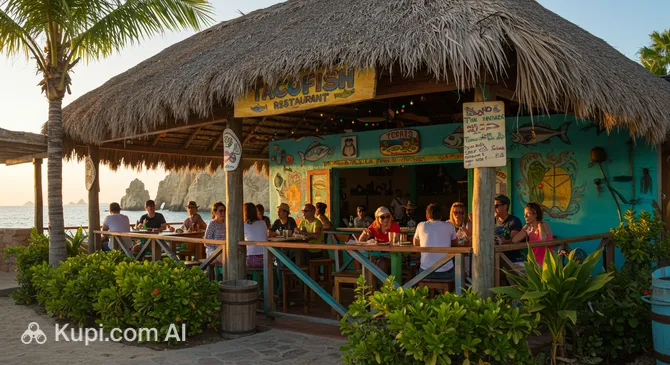
Without a doubt, the most iconic dish to try is the Baja-style fish taco. These tacos typically feature battered and fried fish or shrimp, served on warm corn tortillas and topped with crunchy cabbage, pico de gallo, and a drizzle of creamy chipotle mayonnaise. For an authentic taste of this local staple, many visitors and locals alike head to TacoFish, a renowned spot that has built a reputation for serving some of the freshest and most generous portions in town.

TacoFish. Source: Kupi.Binoculars

Another regional specialty that adventurous eaters should not miss is the Chocolate Clam (Almeja Chocolata). Named for the uniform brown color of its shell rather than its flavor, this large clam is a delicacy in Baja California Sur. It is often prepared "tatemada"—roasted under a layer of gravel and dry brush—or served fresh and raw with just a squeeze of lime and spicy salsa. Smoked marlin is also a staple ingredient, frequently found in tacos, burritos, or machaca, offering a savory, smoky flavor profile unique to the area.

When it comes to beverages, the local drink of choice is often flavored with Damiana, an herbal liqueur made from a plant native to Baja California. Legend says it has aphrodisiac properties, and it is commonly mixed into margaritas for a unique regional twist. For those who prefer agave spirits, the city has a growing scene for artisanal drinks. Places like Mezcaleria La Miserable offer a curated selection of mezcals, providing a cozy atmosphere to explore traditional Mexican spirits beyond the standard tequila.

The dining atmosphere in La Paz is diverse. While the Malecón offers numerous restaurants with stunning sunset views, the heart of the local flavor is often found in the streets. As the sun sets, street food carts appear, serving not just tacos but also "hates" (hot dogs), which are a popular local evening snack loaded with bacon, cheese, and various condiments. Whether you are grabbing a quick bite at a market or enjoying a long dinner by the water, the food here is fresh, spicy, and deeply connected to the sea.

Travel Tips

To help you make the most of your visit to this serene corner of Baja California Sur, we have compiled a list of practical advice covering everything from packing essentials to local customs. These tips are designed to ensure your trip to La Paz is as smooth, safe, and enjoyable as the calm waters of its bay.

  1. Clothing and Gear: Given the desert climate, pack lightweight, breathable fabrics like cotton or linen to stay cool during the day. A wide-brimmed hat and high-quality sunglasses are essential protection against the intense sun. Since you will likely be swimming in protected marine areas like Balandra or Isla Espíritu Santo, bring biodegradable sunscreen; standard sunscreens are often prohibited to protect the coral and marine life. For winter evenings (December to February), bring a light jacket or sweater, as temperatures can drop after sunset.

  2. Transportation: While the downtown area and the Malecón are perfectly walkable, the best beaches are located outside the city limits. Renting a car is highly recommended if you want the freedom to explore Balandra, Tecolote, and other remote spots at your own pace. Uber and DiDi operate in the city and are reliable for short trips, while local buses (peseros) are an inexpensive but less comfortable option. Taxis are available but generally more expensive than ride-sharing apps.

  3. Finances: The local currency is the Mexican Peso (MXN). While hotels and larger restaurants accept credit cards, cash is king in La Paz, especially for street food tacos, small souvenir shops, and tipping. It is best to use ATMs located inside banks for security and better exchange rates. A standard tip for restaurant service is between 10% and 15%.

  4. Health and Safety: La Paz is considered one of the safest cities in Mexico for tourists, but standard precautions like watching your belongings apply. The most important health rule is to never drink tap water; always rely on bottled or purified water, even for brushing your teeth if you have a sensitive stomach. Pharmacies are abundant, often marked as "Farmacia," and many have a doctor on-site for minor consultations.

  5. Communication: Spanish is the primary language. While English is spoken by tour operators and in many restaurants along the Malecón, it is less common in local shops and outlying areas compared to Cabo San Lucas. Learning a few basic phrases like "Buenos días" (Good morning) and "Gracias" (Thank you) goes a long way. Telcel provides the best mobile coverage if you plan to buy a local SIM card.

  6. Local Etiquette: People in La Paz are friendly and polite. It is customary to greet shopkeepers and taxi drivers upon entering. When entering a restaurant or passing a table where people are eating, it is polite to say "Buen provecho" (Enjoy your meal). Life here moves at a relaxed "Baja pace," so patience with service is appreciated and often necessary.

  7. What to Avoid: Do not touch, ride, or harass marine wildlife. Whether you are swimming with whale sharks or observing sea lions, maintaining a respectful distance is strictly enforced by guides and is crucial for animal welfare. Additionally, avoid flushing toilet paper; plumbing systems are often narrow, so used paper should be placed in the provided waste bin.

  8. Additional Tip: Embrace the local sunset ritual. In La Paz, watching the sun dip below the horizon is a daily event that draws everyone to the Malecón. Plan your day so you are back in the city by late afternoon to grab an ice cream or an elote (corn on the cob) and join the locals for a walk along the waterfront as the sky turns fiery red.

By keeping these practical tips in mind, you will be well-prepared to navigate the city with confidence and respect. La Paz is a welcoming destination that rewards those who arrive ready to relax, explore, and immerse themselves in its unique coastal rhythm.

Entertainment & Nightlife

The nightlife in La Paz reflects the city's overall character: welcoming, authentic, and pleasantly relaxed. Unlike the high-energy clubbing scenes found in some other Mexican resort destinations, evenings here are centered around socializing, enjoying live music, and savoring local drinks by the water. The action is primarily concentrated along the waterfront promenade and the streets of the historic downtown (Centro), where the warm breeze from the bay mixes with the sounds of Latin rhythms drifting from open-air venues.

For a unique taste of the local spirit culture, visitors should head to Mezcaleria La Miserable. This venue is a favorite among both residents and travelers for its bohemian vibe and extensive selection of artisanal mezcals from across Mexico. It offers a cozy, intimate setting that is perfect for sipping agave spirits and engaging in conversation, making it an ideal starting point for a night out.

Mezcaleria La Miserable. Source: Kupi.Binoculars

Another excellent spot to experience the local atmosphere is Los Percherones. This bar provides a lively environment where you can enjoy cold beers and cocktails in a setting that feels distinctly Mexican. The crowd in La Paz is generally a mix of locals and tourists, creating a friendly and inclusive vibe. The dress code for most nightlife venues is casual; shorts and sandals are acceptable almost everywhere, though a "smart casual" look is recommended if you plan to visit upscale rooftop bars or fine dining restaurants.

From a practical standpoint, nightlife here tends to wind down a bit earlier than in larger cities, with many bars closing around 2:00 AM. The downtown area and the Malecón are generally safe for walking at night, as they remain well-lit and populated. However, if you are venturing further inland or returning to your accommodation late, it is advisable to use a taxi or a ride-sharing app like Uber rather than walking alone. Prices for drinks and cover charges are typically very reasonable compared to major international tourist hubs.

While the nights are perfect for unwinding, the city also offers engaging entertainment during the day. Beyond the beaches and museums, visitors looking for a break from the sun can explore Plaza Forjadores. This shopping mall serves as a modern activity center with various stores, a cinema, and dining options, offering a comfortable retreat and a glimpse into the daily life of the local community.

Parks & Museums

While La Paz is world-famous for its pristine beaches, the city also boasts a variety of green spaces and cultural institutions that celebrate its unique desert environment and history. From quiet urban gardens to museums dedicated to the giants of the sea, exploring these sites offers a deeper connection to the local heritage and biodiversity.

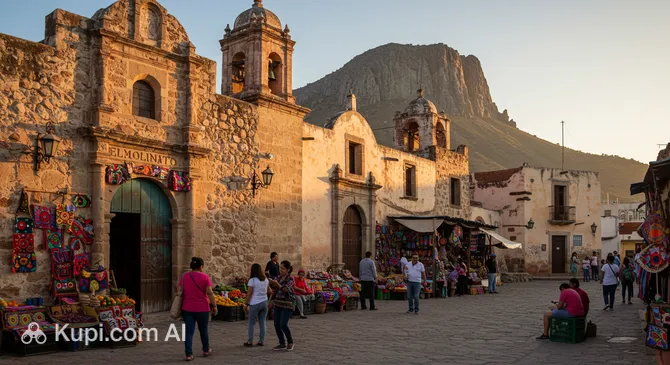
One of the most scenic spots to enjoy the outdoors is El Molinito. Located at the northern end of the waterfront promenade, this park is named after the windmill monument that stands as a tribute to the city's past, when such structures were essential for drawing water in the arid climate. It serves as a fantastic viewpoint, offering panoramic vistas of the bay and the city, especially during sunset when the sky transforms into a canvas of oranges and purples.

El Molinito. Source: Kupi.Binoculars

Walking back towards the center along the waterfront, you will encounter the Malecón Kiosk. This iconic structure is the social heart of the boardwalk, frequently hosting local gatherings, small concerts, and cultural events. It is a perfect place to sit and observe the daily life of the "Paceños" or simply enjoy the cooling sea breeze in the shade.

For a more intimate connection with nature within the city limits, seek out the Parque Piedras y Pájaros (Stones and Birds Park). Hidden in the downtown area, this small, designed landscape is a true "insider tip." unlike traditional parks with playgrounds, it is a quiet sanctuary filled with native plants and the soothing sound of a fountain, intended specifically for reading, relaxation, and escaping the midday heat.

Given the region's reputation as the "Aquarium of the World," the Community Whale Museum (Museo de la Ballena y Ciencias del Mar) is a must-visit cultural venue. This facility is dedicated to the study and conservation of cetaceans, housing an impressive collection of marine mammal skeletons, including those of orcas, gray whales, and the massive blue whale. It provides a fascinating educational experience that highlights the importance of protecting the marine life that thrives in the Sea of Cortez.

Another unique institution is the Serpentario de La Paz. This rescue center and ecological park focuses on the reptiles of Baja California Sur. It offers visitors a rare chance to learn about and interact safely with various species of snakes, lizards, and turtles, playing a crucial role in rehabilitating injured wildlife and educating the public about the desert ecosystem.

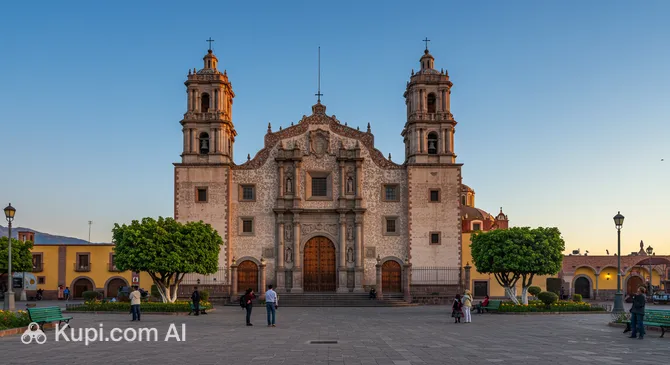
Architectural enthusiasts should also visit the Sanctuary of Our Lady of Guadalupe. This church stands as a significant spiritual and architectural landmark in the city. Its towering spire and modern design elements make it a distinct feature of the skyline, offering a peaceful atmosphere for those interested in the religious history and local customs of the community.

Sanctuary of Our Lady of Guadalupe. Source: Kupi.Binoculars

Getting Around

Navigating La Paz is a refreshing change of pace compared to larger metropolises, as the city does not rely on complex subway systems or sprawling tram networks. Instead, the public transport infrastructure is straightforward and road-based, primarily consisting of local buses and minibuses known as "peseros." The city is compact and grid-like, especially in the downtown area, making it relatively easy for visitors to orient themselves without the need for sophisticated navigation apps or travel passes.

The backbone of local mobility is the pesero system. These are typically older buses or large vans that cover various routes throughout the city and into the surrounding neighborhoods. Unlike systems with numbered lines and fixed digital timetables, peseros are identified by the destinations hand-painted on their windshields. Common markers include "Centro" (Downtown), "Malecón," or major supermarkets. To catch one, you simply wave at the driver from a safe spot on the curb, as designated stops are not always strictly observed outside of the main avenues.

Payment on these buses is strictly cash-based. There are no electronic travel cards or mobile ticketing apps for public transit here. You pay the driver directly upon boarding, so it is essential to carry small change in the local currency. Fares are very affordable, typically costing just a fraction of what you might pay in other major tourist destinations. Since drivers often double as ticket collectors, having the exact fare or close to it is greatly appreciated and speeds up the boarding process.

For tourists, the most important public transport link is the Beach Bus service that connects the city center to the famous beaches of Balandra and Tecolote. Unlike the standard city peseros, these are often more comfortable coaches operated by the Aguila bus line. They depart from the bus terminal on the Malecón. It is highly advisable to check the schedule in advance and arrive early, especially on weekends, as these buses are the most popular and budget-friendly way to reach the pristine waters outside the city limits without renting a car.

If you prefer more direct and private transportation, ride-sharing apps like Uber and DiDi are fully operational in La Paz. They are widely considered the most convenient option for travelers, offering the safety of tracked rides and the ease of automatic credit card payments. Traditional taxis are also abundant and can be hailed on the street or found at designated "sitios" (taxi stands). However, most local taxis do not use meters, so you must negotiate and agree on the fare with the driver before getting into the vehicle to avoid misunderstandings.

Active transportation is also a delightful option, particularly along the waterfront. The city features a dedicated bicycle lane that runs the entire length of the 5-kilometer Malecón. Bike rental shops are available nearby, allowing you to enjoy a leisurely ride with views of the bay. For short distances within the historic center, walking is often the best way to get around, as the flat terrain and grid layout make it very pedestrian-friendly.

Accommodation

Accommodation in La Paz caters to a wide spectrum of travelers, offering a refreshing alternative to the massive all-inclusive resorts found elsewhere in Baja California Sur. Visitors can choose from vibrant backpacker hostels perfect for meeting fellow adventurers, intimate boutique hotels housed in charming colonial-style buildings, and modern luxury resorts that feature private marinas and golf courses. The city generally maintains a lower profile than its southern neighbors, resulting in a more personalized and relaxed hospitality experience.

The most popular area to stay is undoubtedly along the Malecón and the adjacent downtown streets (Centro). Staying here places you within walking distance of the best restaurants, the waterfront promenade, and the departure points for most marine excursions. For those seeking absolute tranquility and upscale amenities, there are exclusive resort communities located a short drive from the city center, often nestled near marinas or overlooking the bay towards the Pichilingue peninsula.

Booking Tip: La Paz is a favorite destination during the winter months (December to March) due to the pleasant weather and the peak of the whale shark season. It is highly recommended to book your accommodation well in advance if you plan to visit during this period or during major Mexican holidays like Easter (Semana Santa), when local tourism spikes.

Prices in La Paz are generally more reasonable than in neighboring Los Cabos. Budget travelers can easily find affordable dorms and guesthouses, while mid-range options offer excellent value, often including amenities like swimming pools and internal courtyards. Luxury stays are available but tend to be priced more moderately than the ultra-high-end resorts of the southern tip. Reservations can be made securely through major online booking platforms, though contacting smaller boutique hotels directly can sometimes yield better rates or specific room requests.

Nearby Cities

For those looking to explore the surroundings, La Paz serves as an excellent base for day trips to several interesting nearby locations:

One of the most popular excursions is to San Jose del Cabo. Located at the southern tip of the peninsula, this city offers a charming contrast to its energetic neighbor, Cabo San Lucas. Visitors can wander through the historic Art District, which comes alive with gallery openings and live music, especially during the weekly Art Walk. The town's colonial architecture and the peaceful San Jose Estuary make it a perfect spot for those seeking culture and nature combined.

Just an hour’s drive from La Paz lies the magical town of Todos Santos. Designated as a "Pueblo Mágico," this coastal oasis is famous for its vibrant artistic community, colonial buildings, and excellent surf breaks at nearby beaches like Cerritos. It is also home to the legendary Hotel California, which draws curious travelers from around the world. The town's relaxed pace and boutique shops offer a delightful day of exploration.

For a glimpse into the region's industrial past, a visit to El Triunfo is highly recommended. This former mining town, nestled in the mountains, was once the cultural hub of Baja California Sur. Today, visitors can admire the "Ramona," a massive smokestack designed by Gustave Eiffel, and enjoy local pastries in the town's renovated cafes. It provides a quiet, historical retreat away from the coast.

City Population Distance (km)
Culiacan 808416 305
Los Mochis 490000 226
Guasave 320000 244
San Jose del Cabo 136285 135
Navojoa 120926 336

These nearby destinations offer a glimpse into the diverse culture and landscapes of the region, ranging from artistic coastal towns to historic mountain villages.

Shopping & Souvenirs

Shopping in La Paz offers a relaxed and authentic experience, distinct from the high-pressure sales environments often found in larger Mexican resort cities. Here, you can browse at your own pace, discovering a delightful mix of modern retail centers and traditional shops that reflect the region's artistic heritage. Whether you are looking for high-end fashion, beach gear, or unique handcrafted gifts, the city provides a variety of options that cater to both locals and visitors.

The heart of the tourist shopping scene is undoubtedly the waterfront promenade, the Malecón, and the parallel streets of the historic downtown area. Strolling along the Paseo Alvaro Obregon, you will find numerous boutiques, art galleries, and souvenir shops selling everything from t-shirts to intricate sculptures. Venturing a few blocks inland to streets like 16 de Septiembre and Avenida Revolución, the atmosphere becomes more local. This area is bustling with shoe stores, clothing shops, and fabric vendors, offering a glimpse into the daily commercial life of the residents.

For those seeking a more contemporary shopping experience with air-conditioning and familiar brands, the city features several modern complexes. Mi Plaza La Paz is one of the newest and most popular additions. It houses a wide range of clothing stores, a cinema, and a food court, making it a convenient one-stop destination for families. Another key location is Plaza Forjadores, a well-established mall where you can find major department stores, supermarkets, and specialty electronics shops, providing all the essentials you might need during your stay.

Mi Plaza La Paz. Source: Kupi.Binoculars

To truly understand the local flavor, a visit to the city's markets is essential. The most famous is the Mercado Municipal Nicolás Bravo (Mercado Bravo). Located in the city center, this bustling market is a sensory delight where vendors sell fresh local produce, regional cheeses, and spices. It is also an excellent place to find affordable leather goods and traditional Mexican crafts. While primarily a food market, the vibrant atmosphere and the opportunity to buy authentic ingredients make it a top shopping stop for culture seekers.

When it comes to souvenirs, La Paz has several signature items that make for perfect keepsakes. Given the city's history with pearl diving, pearl jewelry is a classic choice, ranging from simple earrings to elaborate necklaces. Another regional specialty is Damiana liqueur, an herbal drink native to Baja California packaged in distinctive bottles shaped like a pregnant woman. Additionally, you will find beautiful ironwood carvings (palo fierro) and colorful Huichol beadwork, which are popular artisanal crafts throughout the peninsula.

Most shops in La Paz typically operate from 9:00 AM or 10:00 AM until 8:00 PM. While the larger malls and supermarkets stay open all day, some smaller, family-run businesses in the downtown area may close for a "siesta" break between 2:00 PM and 4:00 PM, although this is becoming less common. In terms of payment, major stores, malls, and restaurants readily accept credit and debit cards (Visa and Mastercard). However, for street markets, small souvenir stalls, and taxis, it is highly recommended to carry cash in Mexican Pesos.

International tourists visiting Mexico may be eligible for a tax refund on purchases made at affiliated stores through the "Moneyback" program. If you spend a certain amount at participating retailers (look for the "Tax Free" sign), you can request a VAT refund upon departure at the airport. Be sure to ask for the official invoice (factura) and keep your immigration form handy to take advantage of this benefit.

Reached the end of the page?

That means the route is fully explored