Support

Loreto

About

Nestled on the eastern coast of the Baja California Peninsula, Loreto is a captivating destination that perfectly blends natural beauty with deep cultural roots. As a historic town in Mexico, it offers a tranquil atmosphere distinct from the busier tourist hubs of the region. With a population of approximately 43,000 residents, this coastal gem in Baja California Sur retains a friendly, small-town charm while providing modern amenities for travelers.

The town holds a significant place in the region's past, often regarded as the head of the Jesuit missions in the Californias. Visitors interested in the colonial era will find the history of Loreto fascinating, particularly evident in the well-preserved architecture and the local museum. The climate here is generally warm and dry, making it an ideal year-round destination for outdoor enthusiasts seeking sun and sea.
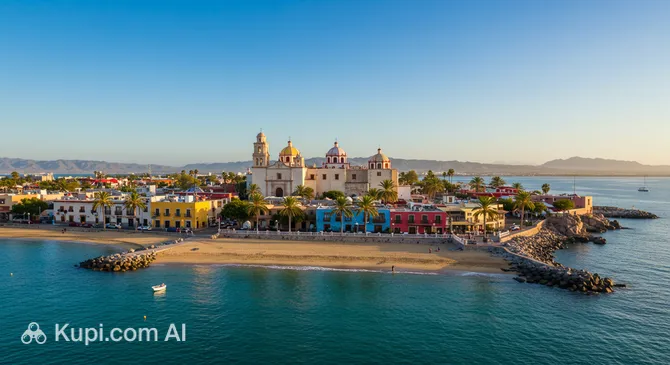
Loreto. Source: Kupi.Binoculars

One of the city's main draws is the stunning Loreto Bay National Marine Park, a UNESCO World Heritage site known for its crystal-clear waters, diverse marine life, and exceptional opportunities for whale watching. Back on land, the majestic Sierra de la Giganta mountain range offers breathtaking hiking trails and scenic views. Additionally, the historic Mission of Our Lady of Loreto stands as a testament to the city's heritage and is a must-visit landmark in the town center.

Whether you are seeking an adventure in the Sea of Cortez or a peaceful retreat surrounded by history, Loreto welcomes you with open arms. It is the perfect spot to unwind, explore untouched nature, and experience the authentic hospitality of Baja.
Weather Overview

Travelers visiting this part of Baja California Sur can look forward to a desert climate defined by abundant sunshine and aridity. The weather in Loreto makes it an excellent year-round destination, though conditions vary significantly between seasons. Rainfall is extremely scarce throughout the year, ensuring that outdoor plans are rarely interrupted by storms.

The summer months, particularly from June through September, bring the highest heat. Average temperatures climb to approximately 29°C in August, with daily highs frequently reaching 33°C. While this period sees a slight increase in the number of wet days—peaking at around six days in August—the actual precipitation volume remains negligible, often recorded as just a few millimeters.

In contrast, the winter season from December to February offers a refreshing break from the heat. During this time, average temperatures cool down to ranges between 17°C and 18°C, with crisp nights dipping to around 12.5°C. Expect hot summers with minimal precipitation and mild, dry winters perfect for active exploration.

Interesting Facts

Beyond its scenic beauty and relaxed atmosphere, Loreto holds many fascinating secrets that reveal its pivotal role in the history of the Californias and its unique ecological status. Uncover some of the lesser-known stories that make this coastal town truly special.
  • Loreto is often recognized as the historical cornerstone of the entire region, having served as the very first capital of "Las Californias." For nearly 150 years, this modest town was the administrative and religious center for a vast territory that extended from the tip of Baja California all the way north to what is now the US state of Oregon.

  • The Mission of Our Lady of Loreto is not just another church; it is officially the "Head and Mother of the Missions of Lower and Upper California." It marks the beginning of the historic El Camino Real, the royal road that connected a chain of missions stretching hundreds of miles northward.

  • While the ocean views are famous, the nearby Sierra de la Giganta mountains conceal ancient mysteries. Hidden within the rugged canyons are prehistoric cave paintings and petroglyphs, evidence of indigenous cultures that thrived in the area thousands of years before European explorers arrived.

  • The waters of the local marine park serve as a rare nursery for the Blue Whale, the largest animal known to have ever lived. Unlike other migration spots, the calm Bay of Loreto is one of the few places on Earth where these gentle giants come specifically to birth and raise their calves during the winter months.

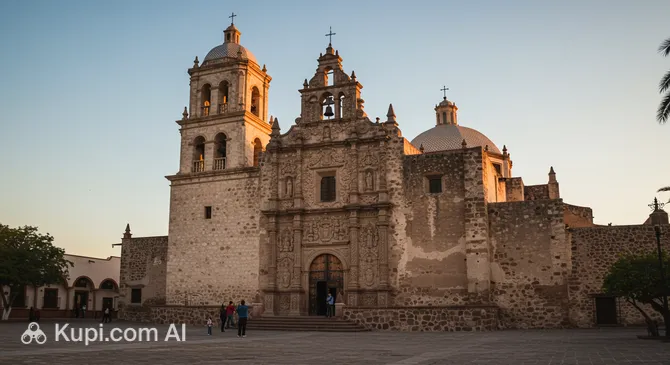
Mission of Our Lady of Loreto. Source: Kupi.Binoculars

How to Get There

Planning a trip to this beautiful region of Baja California Sur is the first step toward an unforgettable adventure. Whether you are flying directly or embarking on a scenic road trip, you can find all ways to reach the city and choose the one that best suits your itinerary. The destination is well-connected, offering options that range from quick flights to drives through stunning desert landscapes.

The most direct way to arrive is by flying into Loreto Airport (LTO), which is conveniently located within the city itself. Situated just 2.5 km from the town center, this international airport welcomes travelers from various locations, including direct flights from major hubs. It is a small but efficient facility with an annual passenger traffic of approximately 170,000 people, ensuring a quick and stress-free arrival. A taxi or shuttle from the terminal to your hotel typically takes around 5 to 10 minutes, making it the most hassle-free option.

Alternatively, some travelers choose to fly into La Paz International Airport (LAP), located in the city of La Paz. This is a larger transport hub with an annual traffic of over 1.2 million passengers, offering a wider range of flight connections. However, it is important to note that La Paz is approximately 237 km away from Loreto. The journey from La Paz involves a scenic drive south through the peninsula's rugged beauty, allowing visitors to experience more of the Baja landscape.

For clarity, here is a summary of the main airports:

Airport Name City Passenger Traffic Km from City
La Paz International Airport La Paz Medium 236.7
Los Mochis International Airport Los Mochis Small 230.1
Ciudad Obregon Airport Ciudad Obregon Small 214.8
Loreto Airport Loreto Small 2.5

Main Attractions

Loreto is a destination where history and nature converge, offering visitors a chance to explore the roots of Baja California while immersing themselves in breathtaking landscapes. From ancient stone structures to vibrant marine ecosystems, the city's main sights cater to both culture seekers and outdoor adventurers. Here are some of the most interesting places to visit during your stay.

Standing proudly in the town center is the Mission of Our Lady of Loreto, a landmark of immense historical value. Founded in 1697, it holds the distinction of being the first permanent Jesuit mission in the Californias, serving as the starting point for the expansion of missions throughout the region. Tourists are drawn here to admire its modest yet dignified stone architecture, view the original baroque altarpiece, and visit the adjacent museum that chronicles the area's colonial past.

For nature lovers, the Loreto Bay National Marine Park is an absolute highlight. Often referred to as the "Aquarium of the World," this protected UNESCO World Heritage site encompasses five main islands and the surrounding turquoise waters. It is a premier destination for eco-tourism, offering world-class opportunities for kayaking, snorkeling, and spotting diverse marine life, including dolphins, sea turtles, and, in the winter months, majestic blue whales.

Within the marine park, Isla Coronado is a favorite day-trip destination for many travelers. This extinct volcanic island is famous for its stunning white sandy beaches and crystal-clear shallow waters, which rival those of the Caribbean. Visitors can hike the island's trails to see unique geological formations or swim alongside the friendly sea lion colony that inhabits the rocky outcrops nearby.

Back on the mainland, a stroll along the Malecon (waterfront promenade) offers a relaxing way to soak in the local atmosphere. Lined with palm trees and facing the calm Sea of Cortez, this scenic walkway is perfect for a morning jog or a sunset walk. It serves as a gathering point for locals and tourists alike, providing easy access to nearby cafes, shops, and the marina where local fishermen bring in the catch of the day.

Local Cuisine

The culinary scene in Loreto is a delightful reflection of its coastal location, where the bounty of the Sea of Cortez takes center stage. Gastronomy here is defined by freshness and simplicity, with recipes that have been passed down through generations of local fishermen and ranchers. For visitors, dining in Loreto is not just about eating; it is an opportunity to taste the authentic flavors of Baja California Sur in a relaxed and welcoming atmosphere.

Undoubtedly, the most famous local specialty is the Chocolate Clam (Almeja Chocolata). Named for the rich, brown color of its shell rather than its flavor, this large, meaty clam is a must-try delicacy. Locals often prepare them tatemadas—roasting them face down under a fire of dry brush and pebbles—which imparts a unique smoky flavor. They are also served raw with a squeeze of lime and spicy salsa, or baked with cheese and garlic, offering a variety of ways to experience this regional icon.

Beyond clams, the seafood selection is exceptional. Fish tacos are a staple of the Baja peninsula, typically featuring fresh catch that is battered, fried, and served on corn tortillas with cabbage slaw and creamy dressing. For a taste of the region's ranching heritage, try Machaca, a dish made from dried, spiced beef that is rehydrated and cooked with onions, peppers, and eggs. It is a popular breakfast choice, often accompanied by flour tortillas and refried beans.

To wash down these savory meals, you cannot miss tasting a drink made with Damiana. This herbal liqueur, made from a plant native to Baja, is sweet and aromatic, often mixed into a unique regional version of the margarita. It is locally rumored to have aphrodisiac properties and has been used since indigenous times. Of course, you will also find plenty of refreshing Mexican beers and wines from the northern valleys of the peninsula.

The dining culture in Loreto is casual and unpretentious. You can find everything from humble street food stands serving mouth-watering tacos to charming open-air restaurants along the waterfront. Many of the best eateries are family-run establishments where the hospitality is as warm as the weather. Whether you are enjoying a sunset dinner overlooking the marina or grabbing a quick bite in the historic town center, the food here is prepared with pride and served with a smile.

Travel Tips

Welcome to Loreto, a hidden jewel in Baja California Sur where the pace of life is refreshingly slow and the landscapes are ruggedly beautiful. To help you make the most of your adventure in this charming "Pueblo Mágico," we have compiled a list of practical tips covering everything from packing essentials to local customs.

  1. Clothing and Gear. Given the desert climate, lightweight and breathable fabrics are essential for the daytime heat. However, desert nights can get chilly, especially in winter, so packing a warm layer or light jacket is smart. Comfortable walking shoes are a must for navigating the cobblestone streets of the town center, while water shoes are highly recommended for the rocky beaches on the islands. If you plan to visit the Mission of Our Lady of Loreto, remember to dress modestly out of respect for the religious site.
  2. Transportation. The historic center of Loreto is compact and very walkable; you can easily explore the plaza, the mission, and the Malecon on foot. For trips to the airport or nearby resorts, local taxis are reliable and readily available. However, if you wish to explore the Sierra de la Giganta mountains or discover secluded beaches along the coast, renting a car is highly recommended as public transport options to these outlying areas are limited. Ride-hailing apps are generally not active or reliable here compared to larger Mexican cities.
  3. Finances. The official currency is the Mexican Peso (MXN). While many hotels and larger restaurants accept credit cards, cash is king in Loreto, especially for street food, small souvenir shops, and tipping. ATMs are available around the main plaza, but it is wise to carry enough pesos for daily expenses. Tipping is customary; leaving 10-15% at restaurants and a small amount for housekeeping or porters is appreciated.
  4. Health and Safety. Loreto is considered one of the safest destinations in Mexico, with a friendly, small-town atmosphere. Standard precautions apply: keep an eye on your belongings and avoid unlit areas at night. The most important health rule is to avoid drinking tap water; always opt for bottled or purified water. Pharmacies are easy to find in the town center for basic medical needs, and sunscreen is non-negotiable due to the intense Baja sun.
  5. Communication. Spanish is the official language, but English is widely spoken in hotels, restaurants, and tour agencies due to the steady stream of North American visitors. Learning a few basic phrases like "Hola" (Hello) and "Gracias" (Thank you) will go a long way with the locals. Wi-Fi is standard in most accommodations and cafes, and you can purchase a local SIM card (Telcel is a popular provider) at convenience stores like OXXO for better connectivity.
  6. Local Etiquette. The culture here is warm and welcoming. It is polite to greet people with a "Buenos días" or "Buenas tardes" when entering a shop or passing someone on the street. The pace of life is relaxed, often referred to as "Baja time," so patience is a virtue. Service might be slower than you are used to, but it is rarely intentional; simply relax and enjoy the laid-back vibe.
  7. What to Avoid. Do not disturb the wildlife. Loreto is an eco-tourism hub, and strict rules apply to the Marine Park. Avoid touching coral reefs while snorkeling and maintain a respectful distance from marine animals, especially during whale-watching tours. Additionally, avoid relying solely on US dollars; while accepted in some places, the exchange rate offered is usually poor compared to paying in pesos.
  8. Siesta Hours. Keep in mind that many local shops and smaller businesses may close for a few hours in the afternoon, typically between 2:00 PM and 4:00 PM, for the traditional siesta. Plan your shopping or errands for the morning or late afternoon to avoid finding closed doors.

Loreto is a place that invites you to slow down and connect with nature and history. By keeping these practical tips in mind, you will be well-prepared to navigate the local nuances and focus on creating unforgettable memories in this stunning corner of Mexico.

Entertainment & Nightlife

Entertainment in Loreto is defined by a relaxed, small-town charm rather than the high-energy nightlife found in larger Mexican resort destinations. The evening atmosphere here is tranquil and welcoming, focused on enjoying a spectacular sunset, sipping craft cocktails, and engaging in good conversation. Nightlife in this "Pueblo Mágico" typically revolves around the historic town center and the scenic waterfront, where the vibe is casual and the dress code is comfortable.

The most bustling area after dark is the Malecon, the waterfront promenade that offers stunning views of the Sea of Cortez. This is the prime spot to begin your evening. Visitors and locals alike gather here to watch the sky turn fiery shades of orange and pink. Another key district is the Historic Center around the main plaza, where you can find cozy establishments tucked away in colonial-style buildings. The nightlife here wraps up relatively early compared to other cities, with many venues closing around 10:00 PM or 11:00 PM, though a few stay open until midnight on weekends.

For those looking to enjoy a drink with a view, Augie's Bar & Bait Shop on the Malecon is a legendary local institution. It is famous for its friendly atmosphere and "clamatos," making it an essential stop for sunset watchers. If you prefer live music and a livelier crowd, Mike's Bar is a popular choice located in the heart of town, known for its rock-n-roll memorabilia and frequent live band performances. Craft beer enthusiasts should head to El Zopilote Brewing Company, located within the Hotel 1697, to sample locally brewed ales in a charming courtyard setting.

Practical advice for a night out in Loreto is simple: carry cash, as some smaller bars may not accept cards, and aim to start your evening early to catch the sunset. Prices are generally affordable, with beers and cocktails costing significantly less than in Cabo or Cancún. Getting around is easy and safe; the town center is compact enough to walk, but if you are staying further out or at a resort in Loreto Bay, it is best to arrange a taxi in advance, as ride-sharing apps are not widely available.

Loreto is widely considered one of the safest towns in Baja, making night walks along the Malecon or through the plaza very secure. However, standard travel safety applies: stay in well-lit areas and keep an eye on your belongings. Taxis are safe and can be called by your restaurant or flagged down at designated stands near the plaza.

While the nights are quiet, daytime entertainment offers a wealth of cultural depth. The town is home to the Mission of Our Lady of Loreto, a historic landmark that serves as the centerpiece of the community. Next door, you can visit the Museum of Jesuit Missions to dive deeper into the region's past. For a different kind of fun, local operators offer excursions to nearby islands for snorkeling and hiking, ensuring your days are as fulfilling as your relaxing evenings.

Parks & Museums

Loreto offers a compelling blend of preserved natural landscapes and rich historical heritage, making it a destination where culture and the outdoors seamlessly intertwine. From the protected waters of its marine park to the cobblestone corridors of its colonial museums, the city provides spaces that educate and inspire visitors in equal measure.

The most significant natural area is undoubtedly the Loreto Bay National Marine Park (Parque Nacional Bahía de Loreto). Covering a vast expanse of the Sea of Cortez and including five main islands, this UNESCO World Heritage site is a sanctuary for biodiversity. While it is a marine park, it functions as the city's primary playground for nature lovers. Visitors can explore its pristine beaches, kayak through calm turquoise waters, and observe an incredible array of wildlife, including dolphins, manta rays, and migratory whales. It is an essential stop for anyone wishing to understand the ecological importance of the Baja peninsula.

For a more urban green space, the Plaza Salvatierra serves as the heart of the town. This charming main square is shaded by large trees and features a traditional gazebo, offering a cool respite from the desert sun. It is a gathering place for locals and tourists alike, surrounded by colonial-style buildings, cafes, and shops. Sitting on a bench here provides a perfect vantage point to soak in the relaxed pace of life that defines Loreto.

In terms of culture, the city is home to the Museum of Jesuit Missions (Museo de las Misiones Jesuíticas), located directly adjacent to the historic mission. This facility is crucial for understanding the region's past, housing a remarkable collection of religious art, colonial weaponry, and tools used by the early settlers and indigenous people. The exhibits offer a deep dive into the history of the Jesuit expansion in the Californias, making it a fascinating visit for history buffs.

Standing as a living monument to this history is the Mission of Our Lady of Loreto. While primarily a religious site, it is an architectural landmark of immense cultural value. As the first mission established in the Californias, its stone walls and bell tower tell the story of the town's founding in 1697. A visit here complements the museum tour, allowing travelers to walk through the physical spaces where the history of Baja California began.

For those seeking an authentic outdoor experience off the beaten path, consider hiking in Tabor Canyon (Cañón del Tabor). Located in the nearby Sierra de la Giganta mountains, this natural area offers a dramatic landscape of waterfalls, pools, and giant boulders, providing a rugged contrast to the coastal attractions.

Getting Around

Public transport in Loreto is quite different from what you might find in large metropolises. Due to the town's small size and compact layout, there is no metro, tram, or extensive municipal bus network. Instead, the local transportation system is informal and relies heavily on taxis and walking, with a limited number of local vans serving the residential areas.

For getting around the immediate town and nearby neighborhoods, you may encounter local collective vans or minibuses, often referred to as colectivos or peseros. These vehicles do not follow strict timetables or have designated stops with signage; rather, they follow general routes and can be flagged down from the side of the road. While this is an authentic way to travel, it is not typically the most convenient option for tourists on a tight schedule.

The payment system for these local buses is strictly cash-based. There are no travel cards, passes, or mobile apps for ticketing. Passengers simply pay the driver directly upon boarding. The fares are very affordable, usually amounting to just a few pesos. It is essential to carry small change, as drivers may not have enough cash to break large bills.

Taxis are the primary mode of motorized transport for visitors who do not rent a car. You can easily find them at designated stands, known as sitios, particularly near the main plaza, the waterfront, and major hotels. Taxis here generally do not use meters. Instead, fares are based on a zone system or are fixed rates for specific destinations. It is highly advisable to confirm the price with the driver before getting into the car to avoid any misunderstandings.

For those wishing to explore the surrounding region, such as the mission at San Javier or the beaches further south, renting a car is the most popular alternative. Several rental agencies operate at the airport and in the town center. Having your own vehicle provides the freedom to explore the Baja landscape at your own pace, which public transport cannot offer.

Within the historic center and along the Malecon, walking is the best way to get around. The area is flat and pedestrian-friendly. Additionally, bicycle rentals are available and are a fantastic way to cruise along the waterfront promenade. Since the town is relatively quiet, cycling is safe and enjoyable for travelers of all ages.

Accommodation

Finding the perfect place to stay in Loreto is relatively easy, as the city offers a welcoming mix of accommodation options that cater to different travel styles and budgets. Unlike the sprawling mega-resorts found elsewhere in Baja, the lodging landscape here is more intimate and low-key. Visitors can choose from charming boutique hotels, family-run inns, modern vacation rentals, and a few larger resort-style complexes located just outside the main town.

When choosing a location, most travelers decide between two main areas: the Historic Center (Downtown) and Nopoló (often referred to as Loreto Bay). Staying in the downtown area places you within walking distance of the Malecon, the Mission of Our Lady of Loreto, and a variety of local restaurants and shops. This is the best choice for those who want to immerse themselves in the local culture and avoid renting a car. On the other hand, the Nopoló area, located about 8 kilometers south of the city, is known for its luxury villas, golf courses, and quieter, resort-style atmosphere, making it ideal for travelers seeking relaxation and upscale amenities.

In terms of pricing, Loreto is generally more affordable than high-profile destinations like Los Cabos, though rates can vary significantly based on the season. Budget travelers can find comfortable hostels and modest guesthouses in the town center that offer great value. Mid-range options often include colonial-style hotels with courtyards and pools, while the higher end of the spectrum features beachfront resorts and private condo rentals with premium services.

Booking Tip: The peak tourist season runs from January to March, coinciding with the prime whale-watching months and pleasant winter weather. During this time, the best accommodations can fill up quickly. It is highly recommended to book your room at least a few months in advance to secure your preferred location. While major online booking platforms work well for most hotels, some smaller, family-owned establishments may offer better rates or personalized service if you contact them directly.

Nearby Cities

For those looking to explore the surroundings, Loreto serves as an excellent base for day trips to several interesting nearby locations:

One of the most popular excursions is the journey to the historic village of San Javier. Nestled high in the Sierra de la Giganta mountains, this small settlement is home to the Mission San Francisco Javier de Viggé-Biaundó, widely considered the best-preserved mission in Baja California. The drive itself is spectacular, winding through rugged canyons and offering breathtaking views of the desert landscape.

To the north lies the lush oasis town of Mulegé. Unlike the surrounding desert, this town is situated along a river valley lined with thousands of date palms. Visitors can explore the historic Mission Santa Rosalia de Mulegé, visit the old hilltop prison which is now a museum, or simply enjoy the tranquil atmosphere of this green sanctuary.

For a more bustling experience, travelers can head south to La Paz, the capital of Baja California Sur. While it requires a longer drive, the city offers beautiful beaches like Balandra, a vibrant waterfront malecon, and opportunities to swim with whale sharks. It provides a perfect contrast to the quiet charm of Loreto.

City Population Distance (km)
Los Mochis 490000 238
Ciudad Obregon 329404 216
Guasave 320000 293
La Paz 250141 232
Guaymas 156863 215

These nearby destinations offer a glimpse into the diverse culture and landscapes of the region.

Shopping & Souvenirs

Shopping in Loreto is a delightful, low-stress experience that reflects the town's laid-back atmosphere. Unlike the bustling commercial hubs of larger Mexican resort cities, the retail scene here is focused on authenticity, local craftsmanship, and small-scale boutiques. Visitors will not find endless rows of luxury brand outlets; instead, they can explore charming family-owned shops filled with unique treasures, regional art, and traditional Mexican handicrafts.

The primary shopping district is located in the Historic Center, particularly along the pedestrian-friendly streets surrounding the main plaza and the Mission of Our Lady of Loreto. A stroll down the Andador Salvatierra—a tree-lined pedestrian walkway—reveals a variety of inviting stores selling clothing, jewelry, and folk art. This area is perfect for window shopping, as you can easily wander between shops while admiring the colonial architecture and stopping for a coffee.

Travelers should be aware that Loreto does not have large, modern shopping malls or sprawling department stores. The retail landscape is defined by small plazas and standalone boutiques. For basic necessities and groceries, there are supermarkets like El Pescador, but for leisure shopping, the focus remains firmly on independent merchants and artisan galleries rather than international chains.

For a more traditional experience, keep an eye out for local markets. While there isn't a permanent massive market hall, the town often hosts an Organic Market (Mercado Orgánico) on Sundays, typically held in the plaza or near the waterfront. Here, local producers sell fresh fruits, vegetables, homemade jams, and artisanal crafts. It is a fantastic place to mingle with residents and purchase high-quality, locally sourced goods.

When searching for the perfect souvenir, there are several local specialties to consider. Silver jewelry is a classic choice in Mexico, and you will find many pieces featuring beautiful designs. Hand-woven blankets, colorful ceramics, and embroidered clothing are also popular. A unique gift specific to this region is a bottle of Damiana liqueur, a sweet herbal drink made from a plant native to Baja California Sur, often packaged in a distinctive bottle shaped like a pregnant woman.

Most shops in Loreto open around 9:00 AM or 10:00 AM and stay open until the evening. However, it is important to remember the tradition of the siesta. Many smaller businesses close their doors in the afternoon, roughly between 2:00 PM and 4:00 PM, to escape the midday heat. Regarding payment, while some established boutiques and hotels accept credit cards, cash is essential for smaller vendors, markets, and street stalls. Carrying Mexican Pesos is highly recommended.

Tourists visiting Mexico may be eligible for a tax refund on certain purchases made at affiliated stores through the "Moneyback" program. While this is more common in major tourist hubs, look for the "Tax Free" signage in larger shops. If eligible, be sure to ask for the official invoice and tax refund form at the time of purchase to process your claim at the airport upon departure.

Reached the end of the page?

That means the route is fully explored