Support

Ciudad Obregon

About

Ciudad Obregon is a bustling metropolis situated in the fertile Yaqui Valley of the state of Sonora. As the second-largest city in the region, it serves as a vital agricultural and commercial hub in Mexico. Known for its modern urban layout and wide avenues, the city offers a distinct atmosphere that blends industrious energy with the warm hospitality typical of the north. With a population exceeding 300,000, it is a dynamic destination that plays a crucial role in the country's food production.

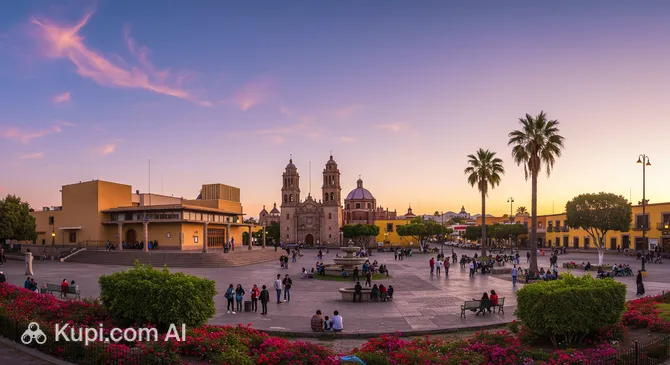
Ciudad Obregon. Source: Kupi.Binoculars

Although it is a relatively young settlement compared to colonial towns, the history of Ciudad Obregon is a fascinating tale of rapid development and agricultural innovation. Named after the revolutionary general and former president Álvaro Obregón, the city has grown significantly throughout the 20th century. Its semi-arid climate ensures warm weather for most of the year, making it an accessible destination for travelers looking to explore the northern territories.

Visitors will find plenty of engaging activities and sights. The Laguna del Náinari is a beloved local landmark, an artificial lake often referred to as the "Bride of Cajeme," where people gather for leisurely walks and to enjoy local snacks. For those interested in culture, the nearby community of Cócorit offers a deep dive into the traditions of the indigenous Yaqui people, featuring colorful murals and the insightful Museo de los Yaquis. Whether you are here for business or leisure, Ciudad Obregon invites you to discover its unique charm and vibrant local culture.

Weather Overview

The climate in this region is generally warm and semi-arid, characterized by intense summers and mild, comfortable winters. Travelers should be prepared for significant heat if visiting mid-year, so checking the weather in Ciudad Obregon is recommended before packing. The summer months, particularly from June to September, see average temperatures rising above 31°C, with daily highs frequently reaching up to 38.5°C.

In contrast, the winter season offers a pleasant respite from the heat. During December and January, average temperatures settle around 18°C to 19°C, although nights can be cooler with lows dropping to approximately 10°C. While the city remains dry for most of the year, precipitation becomes more frequent in late summer, with July and August experiencing the highest number of wet days.

Interesting Facts

Beyond the agricultural fields and modern avenues, Ciudad Obregon holds fascinating stories that shaped not just the region, but the world. These unique details offer a deeper glimpse into the city's identity and global impact.

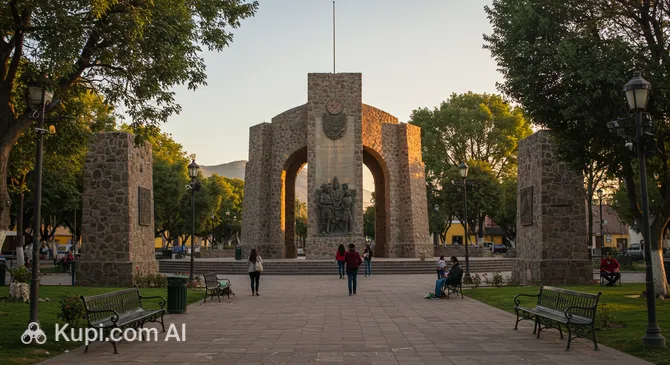
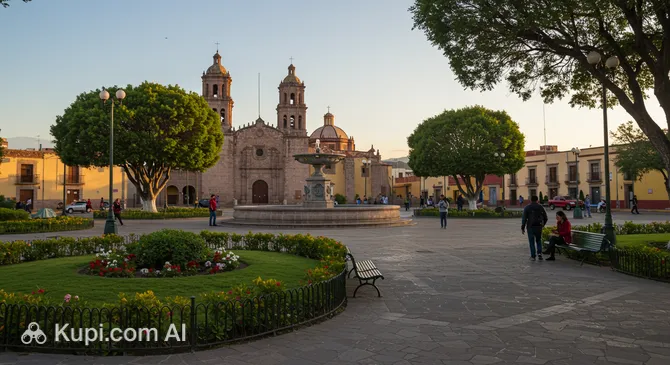
Álvaro Obregón Plaza. Source: Kupi.Binoculars
  • Birthplace of the Green Revolution: The fertile Yaqui Valley surrounding the city was the primary testing ground for agronomist Norman Borlaug. His research here on high-yield, disease-resistant wheat varieties earned him the Nobel Peace Prize and is credited with saving over a billion people from starvation worldwide.

  • A Planned Modern City: Unlike many Mexican destinations defined by colonial architecture and winding cobblestone alleys, Ciudad Obregon is a relatively young settlement established in the 1920s. It features a strict geometric grid layout with wide streets, designed for efficiency and modern transport rather than traditional growth.

  • A Tale of Two Names: While the city honors the revolutionary general and president Álvaro Obregón, the municipality it governs is named Cajeme. This name pays tribute to a famous Yaqui leader who fought tirelessly for the autonomy of his people, symbolizing the dual heritage of the region.

  • Civic Tribute: The city's connection to its namesake is prominently displayed at Álvaro Obregón Plaza, where a large monument stands as a testament to the general's influence on the country's post-revolutionary history.

How to Get There

Reaching this dynamic city in Sonora is relatively straightforward, with air travel being the most efficient method for international and distant visitors. For a complete overview of routes and tips, you can read more about how to get to Ciudad Obregon on our detailed page. The region is well-connected by federal highways and a network of airports that serve both domestic and international flights.

The most direct way to arrive is via Ciudad Obregon Airport (CEN), which is conveniently located within the municipality. It sits just 13.9 km from the city center, making the transfer very quick; a taxi or shuttle ride typically takes around 40 minutes. While it is a medium-sized facility, it handles a steady flow of passengers and connects the city with major hubs like Mexico City.

Alternatively, many travelers fly into Gen Pesqueira Garcia Airport (HMO) in the state capital, Hermosillo. This is a larger international airport located approximately 209.7 km from Ciudad Obregon. While it offers more flight connections, visitors should account for the additional travel time on the ground, which takes approximately 3 to 3.5 hours by bus or taxi. Another regional option is Los Mochis International Airport (LMM) in Los Mochis, situated roughly 216.4 km away.

For clarity, here is a summary of the main airports:

Airport Name City Passenger Traffic Km from City
Gen Pesqueira Garcia AirportHermosilloHigh209.7
Los Mochis International AirportLos MochisMedium216.4
Ciudad Obregon AirportCiudad ObregonMedium13.9
Loreto AirportLoretoLow217.5

Regarding rail travel, Ciudad Obregon does not have a passenger railway station for regular tourist arrivals. The primary mode of ground transportation is the extensive bus network that operates along Federal Highway 15, connecting the city with Hermosillo to the north and Navojoa to the south. First-class buses are a comfortable and popular choice for traversing the state of Sonora.

Main Attractions

While Ciudad Obregon is primarily known as an agricultural powerhouse, it features several landmarks that offer insight into its culture, history, and daily life. Visitors exploring the city will find a mix of civic monuments, green spaces, and commercial hubs that define the local experience.

The civic heart of the city is undoubtedly Álvaro Obregón Plaza. Located in the center of town, this spacious square is dominated by a prominent monument dedicated to General Álvaro Obregón, the revolutionary leader after whom the city is named. It is an interesting spot for tourists to observe local life, admire the surrounding architecture, and appreciate the historical significance of the region's namesake.

For those seeking a relaxing outdoor environment, Los Pioneros Park provides a welcome green escape. This park is dedicated to the early settlers who transformed the Yaqui Valley into a fertile agricultural zone. It is a popular destination for families and anyone looking to enjoy a leisurely stroll under the shade of trees, offering a peaceful atmosphere away from the bustle of the main avenues.

Los Pioneros Park. Source: Kupi.Binoculars

Travelers interested in the commercial pulse of the city should visit Plaza Tutuli. As one of the key shopping centers in the area, it serves as a major meeting point for residents. Tourists will find a variety of shops and services here, making it a convenient stop for picking up supplies or simply observing the modern lifestyle of Sonoran locals.

Plaza Tutuli. Source: Kupi.Binoculars

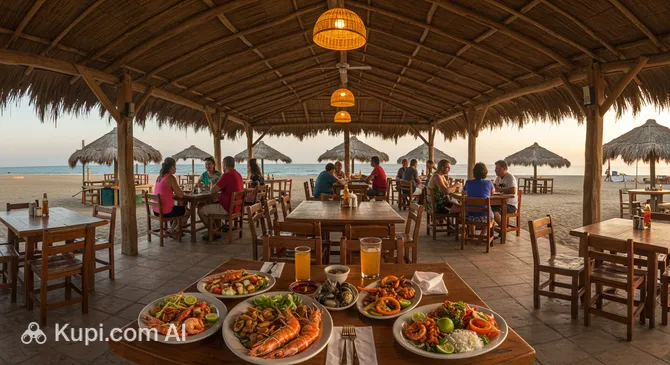
No visit to Sonora is complete without experiencing its legendary cuisine, particularly its beef. El Bronco is a celebrated restaurant that stands as a culinary attraction in its own right. Famous for serving high-quality cuts of meat in a traditional setting, it offers visitors an authentic taste of the region's gastronomic heritage, making it a must-visit for food lovers.

El Bronco. Source: Kupi.Binoculars

Local Cuisine

The culinary scene in Ciudad Obregon is a proud reflection of Sonora's reputation as the land of premium beef and generous flavors. Visitors can expect a gastronomic experience heavily centered around the grill, where high-quality cuts of meat are the stars of the table. The city is famous for its carne asada (grilled beef), typically served with fresh salsa, guacamole, and the region's iconic tortillas de harina (flour tortillas). These tortillas are often handmade and can be incredibly large, known locally as "sobaqueras," distinguishing the northern diet from the corn-based traditions of central Mexico.

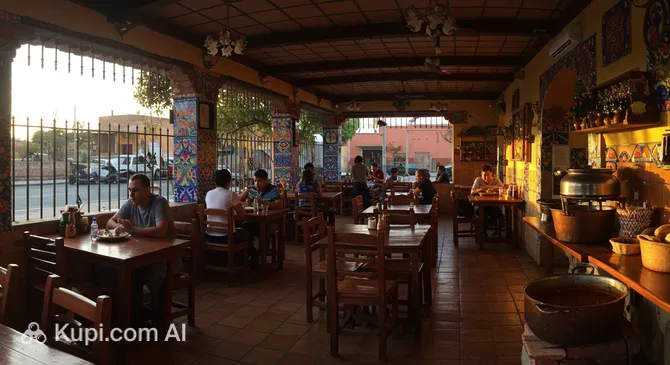
Beyond the steak, the city offers a variety of hearty traditional dishes. One must-try specialty is birria, a flavorful stew made from beef or goat, marinated in spices and slow-cooked until tender. For an authentic taste of this regional favorite, travelers can visit Birriería La Sinaloense, a popular spot that locals frequent for a comforting meal. Another unique dish to look out for is cahuamanta, a rich soup or taco filling originally made with manta ray and shrimp, which highlights the city's proximity to the Sea of Cortez.

Birriería La Sinaloense. Source: Kupi.Binoculars

The street food culture in Ciudad Obregon is vibrant and legendary, particularly when it comes to the famous Sonoran hot dog or "dogo." Far more than a simple snack, these hot dogs are wrapped in bacon and piled high with beans, onions, tomatoes, mayonnaise, mustard, and various salsas, creating a complex explosion of flavors. You will find "carretas" (food carts) scattered throughout the city, becoming especially lively in the evenings as residents gather for a casual dinner.

To accompany these rich meals, locals often enjoy refreshing beverages like horchata or barley water. For those interested in alcoholic drinks, Bacanora is the definitive spirit of the region. Similar to tequila or mezcal but with a distinctive smoky flavor derived from the Agave pacifica, it is an artisanal drink that represents the heritage of the Sonoran mountains. Whether dining in a rustic open-air eatery or a polished steakhouse, the food in Ciudad Obregon is served with Northern hospitality and a genuine passion for quality ingredients.

Travel Tips

Welcome to Ciudad Obregon, where the warm spirit of Sonora awaits you amidst wide avenues and fertile landscapes. To help you navigate the city with ease and make the most of your visit to the Yaqui Valley, we have compiled a set of essential practical tips.

  1. Clothing and Gear: Given the semi-arid climate, lightweight and breathable fabrics like cotton or linen are essential, especially from spring to autumn when temperatures soar. A wide-brimmed hat, sunglasses, and high-SPF sunscreen are non-negotiable accessories for protection against the intense sun. If you are visiting during the winter (December to February), pack a jacket or sweater, as evenings can get surprisingly crisp.
  2. Transportation: Ride-hailing apps like Uber and Didi operate in Ciudad Obregon and are generally the most convenient and secure way for tourists to get around. Traditional taxis are also available; it is best to take them from designated stands (sitios) rather than hailing them on the street, and always agree on the fare beforehand if there is no meter. Renting a car is a good option if you plan to explore the surrounding valley or drive to the coast.
  3. Finances: The local currency is the Mexican Peso (MXN). While major hotels, restaurants, and shopping centers like Plaza Tutuli accept credit and debit cards, cash is king for smaller establishments and the city's famous street food stalls. ATMs are widely available in banks and shopping malls. It is customary to leave a tip of 10% to 15% in restaurants if the service is good.
  4. Health and Safety: The heat can be dangerous, so staying hydrated is your top priority; always carry bottled water and avoid tap water. Pharmacies are plentiful, with major chains like Farmacias Guadalajara often open 24/7 for minor medical needs. Regarding safety, stick to well-lit, populated areas such as the city center and main commercial districts, and avoid walking alone in the outskirts late at night.
  5. Communication: Spanish is the primary language. While staff at high-end hotels may speak English, it is less common in local shops and street markets. Learning a few basic phrases like "Buenos días" (Good morning) and "Gracias" (Thank you) goes a long way. Pre-paid SIM cards are easily purchasable at OXXO convenience stores to ensure you have data for maps and translation apps.
  6. Local Etiquette: People in Sonora are known for their frankness and hospitality. It is polite to greet people when entering a shop or elevator with a "Buenas tardes." When you see someone eating, especially in a casual setting, it is a polite custom to say "Buen provecho" (enjoy your meal). Handshakes are the standard greeting for new acquaintances.
  7. What to Avoid: Do not underestimate the midday sun; try to avoid strenuous outdoor activities between 12:00 PM and 4:00 PM during the summer. Also, avoid drinking alcohol on public streets, as open-container laws are strictly enforced and can lead to fines or trouble with local police.
  8. Dining Schedule: Locals often eat dinner later than tourists might expect, often after 8:00 PM, when the heat of the day has subsided. This is the prime time to visit the "dogo" (hot dog) carts and taco stands, which become lively social hubs late into the evening.

By keeping these practicalities in mind, you will be well-prepared to enjoy the unique culture and flavors of Ciudad Obregon. Embrace the local rhythm, savor the world-class cuisine, and have a safe and memorable journey in northern Mexico.

Entertainment & Nightlife

Entertainment in Ciudad Obregon reflects the city's character: industrious by day and lively by night. While it may not have the massive club scene of Mexico's beach resorts, it offers a vibrant nightlife centered around socializing, regional music, and excellent dining. The atmosphere is generally welcoming and casual, with a strong influence of northern Mexican culture, meaning you are just as likely to hear Banda and Norteño music as you are pop or electronic beats.

The epicenter of nightlife in the city is undoubtedly Avenida Miguel Alemán. This bustling thoroughfare is lined with a variety of bars, pubs, and nightclubs that come alive on weekends. It is the place to be if you want to experience the local party scene. The crowd here is diverse, ranging from university students to professionals unwinding after a week of work. The dress code is typically smart-casual; however, don't be surprised to see plenty of cowboy hats and boots, which are a proud staple of Sonoran fashion.

For those prefering a more laid-back evening that combines shopping, dining, and entertainment, the city's modern commercial centers are the perfect destination. Plaza Sendero is a popular spot for families and groups of friends. It serves as a comprehensive entertainment hub, typically featuring a cinema complex where you can catch the latest movies, along with a food court and various shops that stay open into the evening.

Plaza Sendero. Source: Kupi.Binoculars

No night out in Sonora is complete without a substantial meal to start the festivities. Locals often begin their evening with a late dinner at a steakhouse. El Bronco is an excellent choice for this, offering a rustic yet lively atmosphere where you can enjoy traditional cuts of meat before heading out to the bars. If you are looking for a place to walk off your dinner, Plaza Tutuli offers a central location to stroll, grab a coffee, and people-watch as the city transitions from day to night.

Regarding practicalities, the nightlife usually kicks off late. Bars start filling up around 9:00 PM, but clubs often don't peak until after 11:00 PM. Prices for drinks and cover charges are generally very reasonable compared to larger metropolitan areas. For transportation, it is highly recommended to use ride-sharing apps like Uber or Didi, which are reliable and safe. If you are staying near the Miguel Alemán area, it is generally safe to walk short distances between venues, but always stay in well-lit, populated zones.

During the daytime, entertainment options shift towards culture and sports. Ciudad Obregon is passionate about baseball, and catching a game at the local stadium during the season is a thrilling experience that unites the entire community. For a quieter afternoon, visitors can explore the city's theaters or visit local museums that showcase the history of the Yaqui Valley, providing a well-rounded travel experience.

Parks & Museums

Ciudad Obregon balances its industrious character with a surprising array of inviting green spaces and cultural institutions that preserve the region's unique heritage. For travelers, the city offers opportunities to relax in well-maintained parks and dive deep into the history of Sonora, from its indigenous roots to its revolutionary past.

The crown jewel of the city’s outdoor life is undoubtedly the Laguna del Náinari. Known locally as the "Bride of Cajeme," this artificial lake features a scenic 2-kilometer perimeter perfect for jogging, cycling, or a leisurely sunset walk. It is a vibrant social hub where families gather to enjoy the fresh air and the shade of the trees lining the water. Adjacent to the lagoon is Parque Ostimuri, a family-oriented attraction that includes a small zoo, mechanical rides, and lush vegetation, making it an excellent spot for visitors traveling with children.

For a more tranquil experience, Los Pioneros Park offers a peaceful retreat dedicated to the agricultural visionaries who founded the city. This green space is ideal for a quiet afternoon picnic or reading a book under the canopy of mature trees. It serves as a respectful tribute to the local history while providing a necessary lung for the urban area, allowing tourists to disconnect from the noise of the main avenues.

Cultural exploration in Ciudad Obregon often begins with the indigenous history of the region. The Museo de los Yaquis, located just a short drive away in the town of Cócorit, is a must-visit institution. It houses a comprehensive collection of artifacts, photographs, and ceremonial items that narrate the worldview, struggles, and traditions of the Yaqui people. Another key cultural venue is the Museo Sonora en la Revolución (MUSOR). Housed in a beautifully restored property, this museum offers a fascinating look at the Mexican Revolution's Northern Division and the life of General Álvaro Obregón, providing context to the city's name and identity.

In terms of monuments, the city center is anchored by Álvaro Obregón Plaza. This grand square is not only a meeting point for locals but also an architectural landmark featuring a towering statue of the general. It is surrounded by important civic buildings and offers a spacious environment for walking and observing the daily rhythm of Sonoran life.

For an authentic local experience, visit the Laguna del Náinari in the late afternoon and try a "coco preparado." These fresh coconuts, prepared with lime, chili, and various sauces, are a culinary staple of the area and the perfect companion for watching the sun dip below the horizon.

Getting Around

The public transport system in Ciudad Obregon is relatively straightforward, relying primarily on a network of urban buses known locally as "camiones." Unlike larger metropolitan areas, the city does not have a metro, tram, or light rail system. The bus network is extensive and covers most neighborhoods, commercial districts, and the city center, making it the most common way for residents to commute. For tourists, however, the buses can be a bit challenging to navigate without knowledge of the specific routes, as there are no detailed digital maps or schedules at stops.

Regarding payment, the bus system operates almost exclusively on cash. There are no electronic travel cards or multi-day passes available for visitors. When boarding a bus, you pay the fare directly to the driver. It is essential to carry small change and coins, as drivers often do not have enough change for large bills. The fares are very affordable, making it an economical option for getting around, but travelers should be aware that not all buses are equipped with air conditioning—a significant factor to consider given the region's intense heat.

For most tourists, the most practical and comfortable alternative to public buses is the use of ride-sharing apps. Services like Uber and Didi are fully operational in Ciudad Obregon and are highly recommended. They offer the advantage of fixed pricing, digital payment via credit card, and, crucially, reliable air conditioning. Traditional taxis are also widely available; you can find them at designated stands known as "sitios" or hail them on the street. If you choose a traditional taxi, it is advisable to agree on the fare with the driver before starting your journey, as they typically do not use meters.

Public transport generally operates from early morning, around 6:00 AM, until approximately 9:00 PM or 10:00 PM, depending on the route. Service frequencies can vary, with buses running less often on weekends and holidays. If you plan to stay out late enjoying the local nightlife, you should definitely plan to use a taxi or ride-share service to return to your accommodation. While the city is flat and walkable in specific areas like the center or around the Laguna del Náinari, walking long distances is not recommended during the midday hours due to the high temperatures.

Accommodation

Accommodation in Ciudad Obregon is primarily designed to cater to business travelers and visitors attending agricultural conventions, reflecting the city's status as a commercial hub. The range of options typically spans from functional budget motels to comfortable mid-range hotels and modern business suites. Unlike coastal resort destinations, you will not find sprawling all-inclusive luxury resorts here; instead, the focus is on practicality, cleanliness, and convenient access to the city's main arteries.

The most convenient area for tourists to stay is undoubtedly along Avenida Miguel Alemán and the Zona Norte (North Zone). This district serves as the city's main commercial corridor, offering easy access to restaurants, nightlife, and transport links. Staying in this area places you within walking distance of many dining options and ensures a quick commute to the airport or the industrial parks. Another strategic location is near the northern entrance of the city, which is ideal for those arriving by car from Hermosillo or the United States.

Since the city hosts numerous agricultural expos and business conferences throughout the year, it is advisable to book your accommodation in advance if your visit coincides with major events like the Expo Obregón. During these peak times, occupancy rates can rise significantly. For the rest of the year, finding a room is generally straightforward, but securing a reservation ahead of time is always a good practice to guarantee the best rates.

In terms of pricing, Ciudad Obregon is generally more affordable than Mexico's major tourist hotspots. Travelers can expect to find decent budget options starting at very reasonable rates, while mid-range business hotels offer excellent value for money, often including amenities like swimming pools, gyms, and complimentary breakfast. Booking can be easily managed through major online travel platforms or by contacting hotels directly, as most establishments are modern and well-connected digitally.

Nearby Cities

For those looking to explore the surroundings, Ciudad Obregon serves as an excellent base for day trips to several interesting nearby locations:

One of the most popular escapes is Guaymas, located approximately 108 km to the northwest. As a historic port city on the Sea of Cortez, it offers a refreshing change of scenery from the inland valley. Visitors often flock here to enjoy fresh seafood and to access the nearby resort area of San Carlos, which is famous for its stunning desert-meets-ocean landscapes, clear waters, and the iconic Tetakawi mountain.

Just a short drive south, about 66 km away, lies Navojoa. Known as the "Pearl of the Mayo," this city is the heart of the Mayo Valley and shares a similar agricultural spirit with Ciudad Obregon. It offers a more relaxed pace of life and serves as a gateway to the colonial town of Alamos. A visit here provides insight into the traditions of the indigenous Mayo people and the region's rich history.

For a more urban experience, travelers can head north to Hermosillo. Although it is about 203 km away, the state capital is accessible via a direct highway drive. It boasts a vibrant cultural scene, including the Cathedral of the Assumption and the Cerro de la Campana, which offers panoramic views of the sprawling city, making it worthwhile for a longer day trip.

City Population Distance (km)
Hermosillo 855563 203
Los Mochis 490000 210
Guasave 320000 258
Guaymas 156863 108
Navojoa 120926 66

These nearby destinations offer a glimpse into the diverse culture and landscapes of the region.

Shopping & Souvenirs

Shopping in Ciudad Obregon offers a blend of modern convenience and traditional Sonoran charm. As a major commercial hub for the region, the city provides a practical retail experience rather than a luxury fashion scene. Visitors can expect to find everything from large department stores and air-conditioned malls to bustling local markets where the spirit of northern Mexico is palpable. Whether you are looking for everyday essentials, regional handicrafts, or high-quality leather goods, the city has a variety of options to explore.

The primary commercial artery of the city is Avenida Miguel Alemán. This long thoroughfare cuts through the heart of Ciudad Obregon and is lined with a diverse mix of businesses, ranging from banks and pharmacies to clothing boutiques and shoe stores. It is a busy district where locals run their daily errands. For a more traditional atmosphere, the downtown area (Centro) offers a dense collection of smaller shops selling affordable clothes, electronics, and accessories, often accompanied by the lively sounds of street vendors.

For a comfortable, climate-controlled shopping experience, the city features several modern centers. Plaza Tutuli is one of the most established and central malls in the city. It serves as a major meeting point and houses a wide range of services, supermarkets, and national retail chains. Another key destination is Plaza Sendero, located further out. This newer complex is popular for its spacious layout, offering a variety of fashion brands, a food court, and entertainment options, making it a favorite for families looking to combine shopping with leisure.

To experience the local trade, a visit to the Mercado Municipal (often referred to simply as "El Mercadito") is essential. Located in the downtown area, this market is a sensory experience filled with the aromas of fresh produce, spices, and regional food. It is the best place to find fresh ingredients, local cheeses, and affordable household items. While it is not a tourist market in the souvenir sense, it offers an authentic glimpse into the daily life of the Cajeme residents.

When it comes to souvenirs, Ciudad Obregon reflects the ranching heritage of Sonora. The best items to take home are leather goods, such as high-quality cowboy boots, belts, and hats, which are staples of the local fashion. Culinary souvenirs are also highly recommended; look for bags of chiltepin (a small, fiery chili pepper native to the region) or traditional sweets like jamoncillos (milk candy) and coyotas (flat, filled pastries), which make for delicious gifts.

Most shopping malls and large chain stores operate daily from approximately 10:00 AM to 9:00 PM. Smaller independent shops in the downtown area may close earlier, around 7:00 PM, and some might close on Sundays. While major retailers and malls widely accept credit and debit cards (Visa and Mastercard), it is highly advisable to carry cash (Mexican Pesos) when visiting markets or smaller street-side vendors, as electronic payment terminals may not be available.

Regarding taxes, Mexico offers a "Tax Back" program for international tourists shopping at affiliated stores, allowing for a refund of the VAT (IVA) on certain purchases. However, this is more commonly found in major tourist destinations and large international chains. If you plan to make significant purchases at department stores, it is worth asking the customer service desk if they participate in the "Money Back" program for foreign visitors.
Reached the end of the page?

That means the route is fully explored